Category: Feature Integration and Hardscape Planning

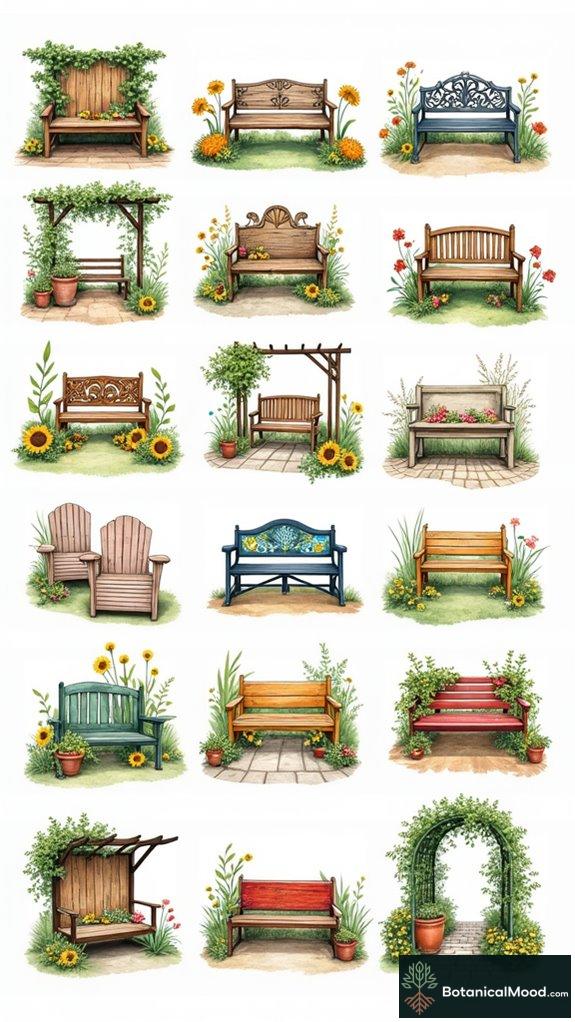
  • Wooden Garden Bench Ideas for Compact Spaces

    Wooden Garden Bench Ideas for Compact Spaces

    When it comes to designing wooden garden benches for cozy nooks, I’m all in!

    I usually go for hardwoods like teak—because who doesn’t love a bench that can survive a torrential downpour? But softwoods like cedar? They’re like the affordable best friend that brings charm without breaking the bank.

    I can’t resist a quirky bench with wheel-shaped legs; it’s like my garden’s version of a fun accessory. And don’t even get me started on cushions—who knew outdoor comfort could feel like hugging a cloud?

    Do you have a compact space that needs a little personality?

    Garden design doesn’t have to be complex. A year ago, I transformed my tiny balcony into a mini oasis. I opted for vertical planters and string lights, creating the vibe of a chic café.

    Guess what? My friends were so impressed that they now expect swift brunch service there! It’s amazing how thoughtful design can spark joy, blending functionality with personal flair.

    Quick Takeaways

    • Choose multifunctional benches that provide seating, storage, and planters, optimizing utility in tight spaces.
    • Incorporate vertical gardening elements alongside benches to maximize ground space and create a lush environment.
    • Select durable yet visually appealing woods, such as cedar or fir, to enhance rustic charm while ensuring longevity.
    • Use vibrant, weather-resistant cushions to add comfort and style, transforming benches into inviting relaxation spots.
    • Position benches strategically as focal points to enhance small garden aesthetics and encourage social interaction.

    Selecting the Right Wood for Durability and Aesthetic Appeal

    wood selection for durability

    When selecting the right wood for your garden bench, it’s crucial to evaluate both durability and aesthetic appeal, as the material you choose can greatly influence the overall look and longevity of your outdoor seating.

    Opting for hardwoods like teak, mahogany, or ipe guarantees resilience against the elements, while softwoods like cedar and pine offer beauty coupled with cost-effectiveness.

    Don’t forget the importance of wood selection; effective maintenance tips such as applying a sealant or regularly cleaning the surface can markedly enhance lifespan.

    Remember that choosing the right wood and proper maintenance significantly extend the life of your garden bench.

    Ultimately, the choice reflects not just functionality, but also a deep appreciation for garden design’s complex beauty.

    Creative Arrangements for Small Gardens

    vertical gardening space optimization

    Creative arrangements can transform even the smallest garden into a vibrant refuge, where every inch is maximized for beauty and functionality.

    Utilizing space saving strategies, I often opt for vertical gardening, which allows me to incorporate striking plant walls that elevate the aesthetic while optimizing limited ground space.

    Think of using trellises or shelves adorned with cascading foliage and colorful blooms, enhancing visual depth.

    Incorporating ornamental wooden benches can also create focal points, harmonizing nature with design, reminding us that every compact area can yield an oasis of tranquility. This approach mirrors the success of urban rooftop gardens, where sustainable practices are transforming city landscapes into lush green spaces.

    Choosing the right arrangements makes all the difference in small garden spaces.

    Multi-Functional Benches for Versatile Use

    versatile multi functional garden benches

    Incorporating multi-functional benches into your garden space not only maximizes utility but also enhances the overall aesthetic. These versatile pieces offer space-saving solutions and adaptable seating for any occasion.

    Bench Type Function Benefit
    Storage Bench Seating + Storage Keeps tools organized
    Convertible Bench Seating + Dining Ideal for hosting gatherings
    Planter Bench Seating + Planting Adds greenery while sitting

    With benches that blend utility and beauty, you can create a powerful environment that showcases your style while remaining practical.

    Incorporating Cushions and Accessories for Comfort

    comfortable outdoor seating accessories

    The comfort of your outdoor seating can greatly enhance your garden experience, especially if you’ve picked thoughtfully designed cushions and accessories.

    Selecting high-quality cushion materials, like weather-resistant fabric or memory foam, guarantees durability and comfort through various seasons. Vibrant colors or elaborate patterns can elevate your wooden bench’s aesthetic, providing a focal point amidst lush greenery.

    Additionally, consider bench accessories such as small side tables or decorative lanterns, adding practicality and charm to your space. These enhancements not only invite relaxation but also reflect a strong sense of style. You might also want to explore modern outdoor patio furniture options that perfectly complement your wooden bench.

    Ultimately, comfort and design can transform your garden experience into something truly magnificent.

    DIY Bench Projects for Custom Solutions

    custom wooden garden benches

    Building your own wooden garden bench can be an incredibly rewarding project, allowing you to infuse your personal style into your outdoor space while ensuring a perfect fit for your garden’s unique dimensions.

    Embracing creative woodworking, I crafted a bench inspired by natural curves, utilizing sustainable cedar for both durability and aesthetic appeal.

    The unique designs I explored revealed endless possibilities, from incorporating built-in planters to integrating storage beneath the seat. Each project transformed my garden into a personal retreat that impresses visitors. Notably, I discovered that DIY rustic garden benches can effectively combine beauty with practicality, showcasing hidden storage options for added functionality.

    These custom solutions empower you to create seating that resonates with your vision, elevating your outdoor space into a functional masterpiece.

    Case Study: Vintage Bench Design

    vintage benches enhance gardens

    Creating a garden space that reflects personal taste often leads me to explore vintage bench designs, rich with history and detailed craftsmanship. These benches, originating from the Victorian era and early 20th century, embody vintage craftsmanship, showcasing ornate scrollwork, floral patterns, and curves. Materials like teak and mahogany guarantee durability, while decorative motifs add an enchanting allure to any garden setting. Their dual roles as functional seating and artistic focal points enrich the ambiance, allowing for serene retreats or vibrant social gatherings. Durable materials ensure that vintage benches maintain their charm over time, and with options spanning antique to Mid-Century Modern, vintage benches amplify both beauty and purposeful design in compact spaces.

    Compact Rustic Bench Arrangements

    cozy functional garden seating

    While it might seem challenging to design a cozy garden retreat in a limited space, compact rustic bench arrangements can transform these areas into inviting, functional escapes.

    For ideal bench placement, consider aligning benches end-to-end or creating intimate seating clusters around a fire pit or garden focal point. Choose lightweight, movable benches crafted from reclaimed wood, merging rustic charm with effortless versatility.

    These arrangements not only maximize utility in tight corners but also enhance the overall aesthetic. By integrating features like integrated storage or dual-purpose design, you can create a powerful combination of beauty and functionality that truly elevates your garden space.

    Rustic Bench Seating Solutions

    rustic wood seating solutions

    Rustic bench seating solutions offer a unique opportunity to blend functionality with the natural beauty of a garden.

    • Solid wood types like cedar and fir resist weather and enhance rustic charm.
    • Ergonomic designs guarantee comfort without compromising on style.
    • Upcycled pallet wood benches provide eco-friendliness and storage.

    Choosing the right wood finishes can amplify the bench’s character while integrating seamlessly within your garden’s aesthetic.

    Whether you opt for benches with reclaimed bricks, tree trunks, or unique designs featuring wheel-shaped legs, these elements harmonize functionality with artful beauty.

    Let’s embrace the timeless appeal of rustic seating that transforms our outdoor spaces.

    Decoration With Rustic Garden Bench Ideas

    rustic garden bench ideas

    Incorporating rustic garden benches into your outdoor space can greatly enhance its visual appeal and functionality, making them ideal for both relaxation and aesthetic purposes.

    Opt for benches crafted from reclaimed wood, showcasing their unique handcrafted details. These rustic aesthetics contribute to the charm of vintage and woodland gardens.

    I suggest emphasizing organic shapes, like curved armrests, which harmonize beautifully with lush greenery. Consider painted finishes in soft hues to contrast with your vibrant blooms.

    These benches aren’t just seating; they double as focal points, effortlessly merging utility with beauty, reflecting the serene elegance that gardens naturally inspire.

    Meet the Creative Gardener

    urban garden transformation success

    Meet the Creative Gardener: Martha Thompson, a passionate gardener from Asheville, North Carolina, transformed her urban backyard into a compact garden oasis, inspired by her childhood memories of lush scenery and outdoor gatherings.

    Martha achieved her garden design by meticulously planning each element, incorporating space-saving features such as multi-functional benches and vertical planters. Through research and sketches, she emphasized the integration of greenery with wooden bench designs to enhance aesthetics and functionality.

    To bring her vision to life, Martha utilized tools such as a hand saw and garden trowel, while incorporating accessories from brands like Corona and Fiskars.

    Martha brought her garden vision to life with essential tools like a hand saw and trowel, along with trusted accessories.

    Collaborating with local horticulturists, she selected weather-resistant plants and hardy materials for her wooden benches, ensuring durability and charm.

    Renowned Garden Design Influencers

    sustainable garden design inspiration

    In the ever-evolving terrain of garden design, the influence of prominent figures in the field enriches our understanding of aesthetics, functionality, and sustainable practices.

    • Jaime Gumiel’s practical DIY tips inspire organic gardening enthusiasts.
    • Summer Rayne Oakes merges botanical knowledge with stunning visuals.
    • Piet Oudolf, known for naturalistic planting, shapes modern sustainable aesthetics.

    These influencers not only transform spaces but also challenge us to integrate sustainable aesthetics into our gardens.

    Following in the footsteps of such luminaries has inspired my passion for creating beautiful yet eco-conscious outdoor environments, fueling the vision behind Botanical Mood.

    Let’s elevate our own garden design aspirations.

    Share Your Own Garden

    Adding a wooden bench to my compact garden brings a sense of calm and beauty. Choosing materials like teak or cedar lets me connect with nature. I love creating cozy spots, reminding me that even small spaces can be peaceful retreats that reflect my style.

    I’d love to hear about your experiences! How have you integrated benches or similar features in your space?

    Feel free to share photos of your garden and tell us how you designed it!

    References

  • What Makes the Perfect Garden Storage Bench?

    What Makes the Perfect Garden Storage Bench?

    Looking for the ultimate garden storage bench? Trust me, it’s harder than choosing a Netflix show!

    Durable materials like teak or cedar are key – they laugh in the face of rain and sun!

    And then there’s that magical height, around 18 inches. Perfect for an impromptu sit-down while contemplating your life choices.

    Rustic vibes? Count me in! I found a bench from Keter that fits my garden like a glove.

    Ever tried to store all those gardening tools? It’s like playing Tetris, but so satisfying when it all clicks!

    The Unexpected Garden Oasis: A Design Journey

    Years ago, I impulsively bought a shabby little garden bench, convinced it would be my zen spot. Little did I know, it would ignite my true passion for design!

    I learned to blend functionality with aesthetics, discovering how elements like color and texture elevate an outdoor space.

    Incorporating native plants not only made the garden come alive, but it also attracted butterflies—talk about a win-win!

    Ultimately, creating a garden that reflects your personality isn’t just about storage solutions; it’s a delightful journey.

    Why settle for bland when you can transform your space into a sanctuary?

    Quick Takeaways

    • Durable Materials: Use weather-resistant woods like cedar or teak for longevity and aesthetic appeal against moisture and sunlight.
    • Functional Design: Incorporate features like hinged tops for easy access to stored items while ensuring ergonomic seating comfort.
    • Optimal Dimensions: Aim for a height of 18 inches, depth of 15-20 inches, and length of 4-6 feet to accommodate multiple users comfortably.
    • Weatherproofing: Apply high-quality sealants regularly and consider weatherproof covers for winter storage to maintain appearance and function.
    • Rustic Charm: Utilize reclaimed wood or wrought iron to create unique, inviting designs that enhance the overall garden aesthetic.

    Ideal Materials for Outdoor Durability

    durable outdoor storage materials

    When considering the ideal materials for an outdoor storage bench, it’s essential to prioritize durability and resistance to the elements, especially in diverse climates.

    Choosing the right wood types, such as teak or cedar, can enhance both longevity and aesthetic appeal. These woods boast remarkable weather resistance, protecting your bench from moisture, sun, and temperature fluctuations.

    I’ve found that treated hardwoods perform exceptionally, maintaining structural integrity while providing that natural elegance. By investing in quality materials, I’ve witnessed how a well-crafted bench can elevate a garden’s allure, transforming it into a sanctuary of beauty and practicality—something I value deeply on this journey through my Botanical Mood website. Additionally, integrating edible landscapes into your garden can further enhance its functionality while providing beauty.

    Essential Design Features for Functionality

    functional garden storage bench

    In selecting the perfect storage bench for my garden, I’ve realized that functionality is just as essential as aesthetic appeal, especially when it comes to enhancing usability and organization. A well-designed bench can also complement your garden’s overall charm, similar to decorative wooden garden fences, which serve both functional and visual purposes.

    When considering design features, I prioritize ergonomic shapes for comfortable seating and accessibility features like lift-top designs for easy access to stored items. A well-designed bench transforms both my garden space and storage efficiency. Here’s what I look for:

    Feature Importance Examples
    Ergonomic Shapes Comfort for longer seating Curved backrest
    Accessibility Features Ease of use for everyone Hinged lids
    Versatile Design Multi-functional space Seating and storage
    Weatherproofing Long-lasting durability UV-resistant materials

    Optimal Dimensions for Comfort and Utility

    comfortable garden storage bench

    Ideal dimensions play an essential role in guaranteeing both comfort and utility for any garden storage bench.

    Achieving the right dimensions for a garden storage bench enhances comfort and utility, transforming your outdoor space into a true sanctuary.

    To achieve the perfect balance, I’ve found that a bench height of around 18 inches allows for comfortable seating, while a depth of 15-20 inches assures you can sit back without feeling cramped.

    Moreover, a length between 4 to 6 feet strikes a prime note, accommodating multiple users for gatherings. Incorporating practical storage beneath, like a hinged top design, not only enhances functionality but also adds to your garden’s aesthetic. Additionally, considering sustainable sculptural elements can further enhance the beauty and ecological balance of your garden space.

    Tailoring these dimensions ultimately elevates both relaxation and organization, making the garden a true sanctuary.

    Creative Rustic Bench Designs for Gardens

    rustic garden bench designs

    Every garden deserves a statement piece, and a rustic bench can transform your outdoor space into a cozy retreat steeped in charm and warmth.

    When considering rustic materials, think reclaimed wood or wrought iron, which lend both durability and character.

    Design inspirations can come from nature itself, reflecting organic shapes and earthy tones that harmonize with vibrant flowerbeds.

    Imagine a bench adorned with elaborate carvings or one featuring a live-edge finish that showcases the wood’s natural beauty.

    Such thoughtful details not only enhance aesthetics but also invite reflection, making your garden a personal sanctuary worthy of admiration, just as I’ve always envisioned for Botanical Mood.

    Modular Options for Customization

    customizable modular garden benches

    Embracing modular options for garden benches allows for incredible customization that caters to both aesthetic preferences and functional needs.

    With modular designs, you can enhance your outdoor space, giving it character and practicality. These customizable features enable you to adapt seating arrangements, storage capacity, and even color schemes to fit your unique style.

    Modular designs transform your outdoor space, blending character with practicality while allowing for personalized seating and storage solutions.

    • Interchangeable seat cushions
    • Built-in storage compartments
    • Versatile design configurations
    • Durable materials for longevity
    • Various color palettes to match your garden

    Easy Assembly Tips for DIY Projects

    diy project assembly tips

    When starting on a DIY project, especially one as rewarding as building your perfect garden storage bench, knowing a few easy assembly tips can make a significant difference.

    First, gather high-quality assembly materials like pressure-treated wood and galvanized screws to guarantee durability.

    Invest in essential assembly tools, such as a power drill, saw, and a level, which are vital for precision.

    Plan your workspace carefully, making sure there’s ample room for cutting and assembling to maintain efficiency.

    Incorporating Planters for a Natural Look

    planters enhance garden benches

    Incorporating planters into the design of your garden storage bench not only enhances its aesthetic appeal but also creates a seamless shift between functional seating and a lush natural environment.

    To achieve effective planter integration, consider:

    • Selecting complementary plants that enrich your garden’s palette.
    • Utilizing vertical planters to maximize space and create intrigue.
    • Choosing self-watering pots for ease and efficiency.
    • Incorporating durable materials that withstand outdoor conditions.
    • Harmonizing colors and textures to evoke natural aesthetics.

    Integrating these elements turns your bench into a focal point that invites relaxation while elevating the overall design of your outdoor space.

    Maintenance Tips for Longevity and Aesthetics

    regular maintenance ensures longevity

    To guarantee your garden storage bench remains a beautiful and functional addition to your outdoor space, regular maintenance is essential. Prioritizing weather protection can greatly extend its life, so consider applying a high-quality sealant designed for outdoor furniture.

    Additionally, following proper cleaning techniques helps maintain its aesthetics and functionality. Regularly wipe the surface with a damp cloth and mild soap, avoiding abrasive materials.

    Here’s a simple maintenance guide:

    Task Frequency Notes
    Inspect for damage Monthly Check for cracks or rust
    Clean Bi-weekly Use mild soap and water
    Apply sealant Annually Follow manufacturer’s guidelines
    Store in winter Annually Use a weatherproof cover
    Touch up paint As needed Guarantee color consistency

    Case Study: Reclaimed Wood Benches

    reclaimed wood outdoor benches

    Reclaimed wood benches showcase an enchanting blend of functionality and artistry, enhancing any garden space with their unique character.

    • Crafted from durable mixed hardwoods like mahogany and acacia.
    • Each piece boasts exclusive color variations and wood grain patterns.
    • Offers a vintage aesthetic that radiates charm.
    • Integrates storage compartments for practical use.
    • Weatherproof finishes guarantee resilience in outdoor conditions.

    I appreciate how these benches not only reduce landfill waste but also provide an eco-friendly solution for our gardens. Their rustic allure adds warmth and a sense of history, making them a splendid choice for design-forward enthusiasts. Additionally, these benches come fully assembled, allowing for immediate enjoyment in your outdoor space.

    Seating Area and Storage Layout

    integrated seating with storage

    A well-planned seating area with integrated storage transforms your garden into a harmonious space where function meets aesthetic appeal.

    Carefully designed sitting arrangements enhance both comfort and style, promoting storage efficiency without compromising on beauty.

    I find that a bench’s dimensions should ideally accommodate at least three seated individuals, offering generous width and depth for social interactions.

    Utilizing corner spaces with modular designs also smartly maximizes often overlooked areas, creating a welcoming nook.

    Maximizing corner spaces with modular designs transforms neglected areas into cozy, inviting nooks for relaxation and connection.

    With the right materials like cedar or powder-coated metals, functionality rises, while lockable compartments secure essential gardening tools.

    This thoughtful integration fosters an inviting, organized atmosphere in any outdoor retreat.

    DIY Rustic Bench With Storage

    diy rustic storage bench

    Transforming your garden space often calls for multifunctional elements that enhance both aesthetic value and practicality, and a DIY rustic bench with storage could be the perfect solution.

    Here’s how you can create a bench that showcases rustic styles while ensuring bench functionality:

    • Select weather-resistant lumber like cedar or pine.
    • Assemble straight edges for ideal durability.
    • Include a storage compartment beneath the seat.
    • Apply a protective outdoor sealant for longevity.
    • Choose hinges that allow easy access to stored items.

    This creation will elevate your outdoor aesthetics while serving practical storage needs, perfectly blending beauty with utility.

    Decoration With Rustic Garden Bench Ideas

    rustic garden bench ideas

    Decorating with a rustic garden bench not only adds charm to your outdoor space but also invites comfort and functionality into your garden design.

    To enhance the rustic aesthetics and overall garden ambiance, consider these ideas:

    Material Design Element
    Reclaimed Wood Vintage Hardware
    Natural Stones Textural Variety
    Upcycled Items Unique Structure
    Cushions in Earth Tones Soft Seating Comfort
    Gravel Bases Complementary Grounding

    Meet the Garden Design Enthusiast

    garden transformation through design

    Meet Sarah Thompson, a passionate garden design enthusiast from Portland, Oregon. Her journey began when she inherited her grandmother’s home and dreamt of transforming the overgrown yard into a vibrant, welcoming garden space.

    To achieve her vision, Sarah engaged in a thorough garden design process that involved consulting with a local horticulturist. She assessed her needs for seating, plant selections, and maintenance capabilities, creating a Design Proposal that combined her aesthetic preferences with practical considerations.

    Sarah’s attention to detail, including a focus on color themes and plant pairings, set the foundation for her flourishing garden.

    Using essential tools from brands like Fiskars and gardening accessories from GardenWorks, Sarah meticulously cultivated her garden. She incorporated unique decorative items from local artisans while applying techniques advised by experts, ensuring her garden was both functional and visually stunning.

    Renowned Garden Designers and Brands

    functional elegance in gardening

    With a garden design vision in mind, it’s important to contemplate not only the plants and aesthetics but also how functional elements can enhance outdoor spaces.

    Choosing from renowned brands can elevate your outdoor experience:

    • Keter innovations offer durable, weather-resistant storage solutions.
    • Patiowell security features lockable lids for peace of mind.
    • Suncast benches deliver practicality with medium capacity.
    • IKEA’s affordable options combine style and function seamlessly.
    • One Allium Way provides elegant, robust wooden benches.

    Investing in these effective designs enhances both beauty and utility in your garden, showcasing a commitment to long-lasting craftsmanship and functional elegance.

    Share Your Own Garden

    I love having a garden storage bench that blends beauty and practicality in my outdoor space. A well-made cedar bench, weathered just right, keeps my tools tucked away while adding charm to the garden. It truly transforms my yard into a personal retreat.

    I’d love to hear about your experiences with garden storage benches. What do you like most about yours?

    Feel free to share pictures of your garden and how you’ve designed your space; I’d love to see your creativity!

    References

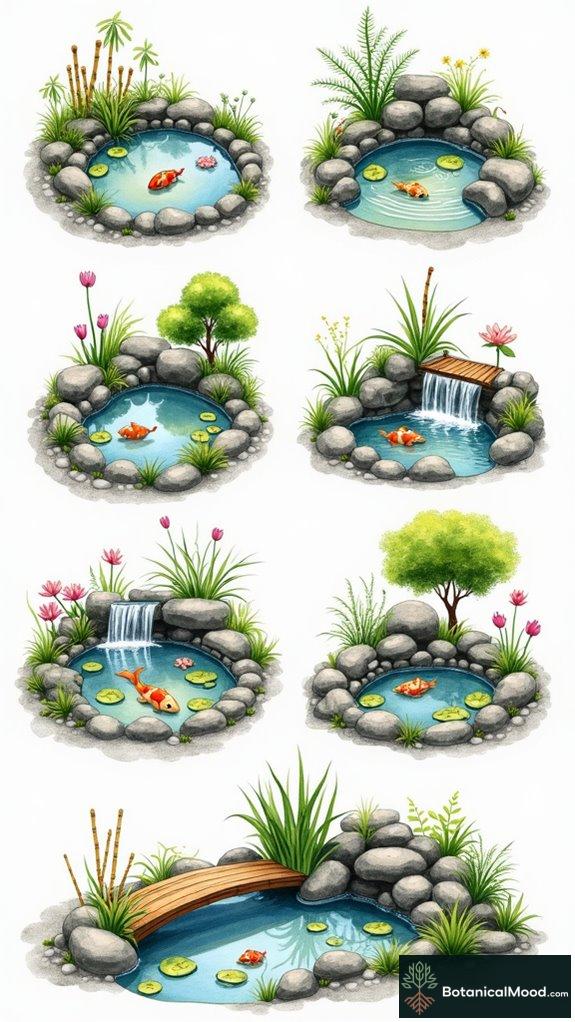
  • DIY Mini Ponds for Small Gardens

    DIY Mini Ponds for Small Gardens

    Ever thought about creating a mini pond in your tiny jungle of a garden? Yes, the one place where weeds and my hopes for a zen space battle daily.

    To kick things off, I grabbed a trusty pond liner from Aquascape. You’d think it wouldn’t look like a glorified kiddie pool, right? Then, I tossed in some native plants like Hornwort. Apparently, they’re the real water quality MVPs.

    Now, every time I sip my coffee, I’m serenaded by the frogs. Who knew I’d trade my Netflix time for nature’s soundtrack? I mean, what could be more therapeutic than watching critters move in?

    Designing Your Urban Oasis: A Personal Journey

    Recently, I decided to add some charm to my minuscule garden. We’re talking a few potted plants and a rock or two, but I thought, “Why not make it magical?” So, I scavenged garden centers for unique stones and advice on landscaping.

    After a few trial and error moments—who knew my digging skills were so questionable?—I created an inviting hitching post for birds. Their joyful chirps now remind me of how every garden can be a peaceful retreat. I’ve learned that even small spaces can bloom with creativity, and you don’t need a green thumb to bring a spark of life home!

    Quick Takeaways

    • Choose a durable pond liner and high-quality filtration system to ensure water retention and ecosystem health in your mini pond.
    • Select a sunny location and excavate a unique shape for the pond, like kidney or oval, to enhance both function and aesthetics.
    • Incorporate native aquatic plants and oxygenators like Hornwort to foster a balanced ecosystem and support water clarity.
    • Add decorative stones and sculptures to enhance visual appeal while ensuring natural integration with the garden surroundings.
    • Regularly maintain the pond by cleaning filters, testing water quality, and monitoring plant health for optimal ecosystem performance.

    Essential Materials for Mini Pond Construction

    mini pond construction essentials

    Creating a mini pond in your garden can transform your outdoor space into a tranquil oasis, providing not only visual charm but also a thriving habitat for aquatic life.

    When constructing this serene addition, you’ll need essential materials, starting with durable pond liners that guarantee water retention and protect your ecosystem.

    For a serene mini pond, start with durable liners to ensure water retention and protect your thriving ecosystem.

    Selecting a high-quality filtration system is paramount; it keeps the water clean and supports health for fish and plants alike. I recommend reliable brands like Aquascape for their effectiveness.

    With these components, you’re laying a foundation for beauty and ecological balance, aligning with my vision of creating enchanting gardens that inspire tranquility.

    Step-by-Step Guide to Setting Up Your Mini Pond

    creating a functional pond

    To set up your mini pond successfully, you’ll want to follow a systematic approach that guarantees both functionality and aesthetic appeal.

    Begin by selecting an ideal location, ensuring adequate sunlight and visibility.

    Next, excavate the area, shaping the pond and considering its depth to support aquatic ecosystems.

    Once the basin is ready, install a high-quality filtration system to maintain clear pond water. Water feature integration elements can also elevate your pond’s design and functionality.

    Incorporate rocks and gravel to enhance natural beauty while providing stability.

    Finally, be prepared for seasonal changes that affect water temperature and wildlife.

    Creating your mini pond isn’t just a project; it’s a transformative journey in gardening.

    Choosing the Right Aquatic Plants for Your Pond

    balanced ecosystem beautiful pond

    When you’re planning the perfect aquatic environment for your mini pond, selecting the right plants is essential not just for aesthetics but also for maintaining a balanced ecosystem.

    Your plant selection should thrive under specific water conditions, enhancing both beauty and functionality.

    • Consider oxygenators like Hornwort for clear water.
    • Choose submerged plants such as Anacharis to boost filtration.
    • Incorporate emergent species like Cattails for a natural look.

    Each plant plays an important role, fostering a harmonious balance while elevating the visual appeal.

    Trust your instincts; the right combination will create an aquatic paradise.

    Attracting Wildlife to Your Mini Pond

    pond wildlife attracts ecosystem diversity

    A mini pond can transform any small garden into a vibrant ecosystem that attracts a rich variety of wildlife, making it a haven not just for you, but for creatures seeking refuge and sustenance.

    Creating a pond ecosystem engages numerous wildlife species, ensuring dynamic interactions. Here’s a glimpse of what you might attract:

    Wildlife Species Role in Ecosystem Attracting Factors
    Frogs and Toads Pest control Shallow areas and vegetation
    Dragonflies Pollination Open water and sunny spots
    Birds (e.g., Sparrows) Natural observers Native plants and perching spots

    Creative Design Ideas for Unique Pond Shapes

    unique pond design inspirations

    Embracing the richness of wildlife in your garden sparks creativity, inspiring unique designs for your mini pond that harmonize with your scenery’s aesthetics.

    Consider these artistic elements to elevate your pond’s appeal:

    • Unusual shapes that defy conventions, like kidney or spiral formations
    • Multi-tiered designs to create depth and intrigue
    • Naturally integrated stones and plants for a seamless look

    Using these concepts, I craft ponds that feel like nature’s artwork, delivering power and serenity. Additionally, incorporating natural elements like waterfalls can enhance the overall tranquility of your pond experience.

    Each design resonates with the environment, reflecting my dedication to transforming spaces into breathtaking havens—a mission that drives my passion for cultivating beauty in gardens.

    Maintenance Tips for a Healthy Mini Pond

    maintain mini pond health

    To guarantee your mini pond thrives beautifully, it’s essential to establish a consistent maintenance routine that addresses the pond’s ecosystem needs.

    Regularly test your water quality, aiming for balanced pH and minimal contaminants. Invest in a reliable water testing kit for precise results.

    Implement effective algae control strategies, such as introducing aquatic plants like water lilies or using beneficial bacteria to maintain equilibrium.

    Don’t forget to clean filters and remove debris weekly, ensuring peak water circulation.

    Enhancing Your Pond With Water Features and Decor

    water features enhance ponds

    What truly transforms a mini pond into an enchanting focal point in a garden?

    It’s the strategic addition of water features and decor that elevates its charm and appeal.

    • Soothing water sounds from a small fountain or waterfall enhance tranquility.
    • Placing decorative stones around the pond adds texture and visual interest, creating a natural aesthetic.
    • Incorporating aquatic plants not only beautifies but oxygenates the water.
    • Additionally, the use of modern water feature designs can make your mini pond stand out as a sophisticated element in your landscape.

    Case Study: Urban Pond Inspirations

    urban biodiversity through ponds

    Creating a harmonious urban garden oasis often starts with the thoughtful integration of mini ponds that can greatly enhance the aesthetic and ecological value of small spaces. One inspiring example is Egg Harbor Township, NJ, where 1,800 linear feet of community pond shorelines were revitalized, boosting urban biodiversity through bioengineered living shorelines. These initiatives improve water management by employing aquatic plants to purify runoff, transforming ponds into vibrant habitats. Additionally, shoreline restoration projects like Dudhiya Talav in India showcase successful municipal efforts in restoring multifunctional water features that balance aesthetic value and practical benefits. Such models empower communities to create their own sustainable aquatic sanctuaries.

    Mini Pond Layout Strategies

    mini pond layout strategies

    Integrating a mini pond into your garden requires careful planning and strategic layout choices to guarantee it not only enhances aesthetic appeal but also promotes ecological balance.

    • Position ponds in garden corners to optimize space and integrate seamlessly.
    • Use geometric shapes, particularly rectangles, for modern aesthetics while fitting narrow areas.
    • Incorporate pathways leading to the pond for focal points without consuming central space.

    With mindful pond placement, you can create stunning visual experiences that thrive, bringing harmony to your garden.

    This also provides a habitat for diverse wildlife, enriching the environment in delightful ways.

    Customizable Pond Layout Ideas

    customizable pond layout ideas

    Finding the right layout for a customizable pond can dramatically transform your small garden into a serene oasis.

    Consider corner pond integration; it utilizes underused areas, discreetly anchoring your design. A wall-integrated pond not only saves space but also enhances architectural aesthetics with cascading water features.

    Imagine a patio pond that serves as a fascinating focal point. Its positioning creates seamless connectivity between your outdoor living spaces and nature, inviting tranquility.

    Incorporating native plantings or natural stone edging beautifully blends your pond with the surroundings, enriching the overall garden experience.

    From geometric shapes to innovative layouts, each choice exudes a powerful individual charm.

    Decoration With Small Garden Pond Designs

    enchanting small garden ponds

    In the domain of small garden ponds, decoration plays a vital part in enhancing not only their aesthetic appeal but also the overall garden experience.

    To achieve alluring pond aesthetics, I focus on integrating various design principles, including:

    • Unique pond shapes, like kidney or oval, that promote water quality and visual interest.
    • A selection of vibrant aquatic and surrounding plants that foster ecosystems and beautify while minimizing maintenance.
    • Thoughtful use of decorative stones or sculptures that cultivate texture and elegance.

    These elements create a compelling fusion, turning a simple pond into an enchanting focal point, making every visit to your garden a rewarding journey.

    Meet the Garden Creator

    passion for sustainable gardening

    Meet the Garden Creator, Smith, from Asheville, North Carolina. Inspired by her grandmother’s lush gardens, she developed a passion for creating tranquil spaces after years of living in urban apartments.

    To achieve her dream garden, Smith enrolled in a Garden & Landscape Design Certificate program at the University of Tennessee. She undertook the required courses on garden design principles and plant selection, meticulously crafting her vision while adhering to sustainable practices throughout the design process.

    Smith utilized essential tools, including a high-quality garden rake from Fiskars and a CAD software for accurate planning. Accessories like decorative stones from Home Depot and pond liners from Aquascape enhanced her mini pond’s aesthetic.

    Consulting local horticulturists allowed her to select plant varieties that thrived in her environment.

    Renowned Landscape Designers and Brands

    enchanting mini pond designs

    When designing a mini pond for a small garden, it’s essential to explore the creative visions of renowned garden planners and brands that specialize in such enchanting features.

    California Waterscapes showcases modern pond design, integrating drought-tolerant plants for sustainable aesthetics.

    California Waterscapes exemplifies contemporary pond design, blending sustainable beauty with drought-tolerant flora for an eco-friendly oasis.

    The Pond Gnome adds waterfalls to enrich biodiversity, while Magic Garden Dreams enhances focal interest with aquascape fire fountains.

    For practical solutions, Tammy recommends using containers lined with PVC pond liners for effortless installation.

    Don’t overlook products like the Upettools Submersible Water Pump to maintain water quality.

    Embracing these innovators can transform your small garden into an alluring aquatic masterpiece.

    Share Your Own Garden

    I built a mini pond in my garden, and it turned out to be a little masterpiece. It brought life—dragonflies buzzing and frogs croaking. With the right plants and design, my space became a peaceful retreat. Nature really can work wonders right in our backyards.

    What about you? Share your experiences with mini ponds or water features in your garden. I’d love to hear your stories.

    Also, feel free to send photos of your garden designs. I’m curious to see how you’ve crafted your spaces!

    References

  • Designing Mini Ponds With Waterfalls: a Step-By-Step Guide

    Designing Mini Ponds With Waterfalls: a Step-By-Step Guide

    Creating a mini pond with a waterfall—it’s like hosting a spa day for my garden.

    First off, I had to choose the perfect sunlit spot. Cue the overwhelming anxiety: “What if it rains too much?”

    I went with the Aquascape liner—let’s hope it actually holds water and doesn’t turn into a kiddie pool. I installed a pump that pushes between 500-1500 GPH. Honestly, I just picked a number that sounded fancy.

    To make it extra special, I added some native aquatic plants. Who knew they could blossom so beautifully? It’s truly a work in progress, filled with joyful chaos.

    As I leaned back, enjoying my water feature, I couldn’t help but chuckle at the misadventures along the way.

    My Garden Design Journey: Learning from Mistakes

    The first time I decided to go all out on my garden design, I ambitiously planted a dozen different flowers without much thought. Spoiler alert: they clashed like an ’80s rock band.

    I learned the hard way about color schemes and how important it is to balance vibrant hues with earthy tones. After my chaos, I transformed that garden into a harmonious space with a soothing color palette.

    Now, as I stroll through my redesigned paradise, I find joy in the simple beauty that stems from thoughtful planning. All those lessons? Priceless!

    Quick Takeaways

    • Assess the site for sunlight, drainage, and viewing spots before planning the mini pond and waterfall layout.
    • Choose high-quality materials, including durable liners, natural stones, and aquatic plants for aesthetic and ecological harmony.
    • Install the pond liner securely, ensuring proper waterproofing and ample overhang for durability.
    • Select an effective pump and plumbing setup for optimal water circulation, considering flow rate and pipe diameter.
    • Incorporate diverse aquatic plants and natural elements to enhance biodiversity and maintain ecological balance in the pond.

    Planning Your Mini Pond Layout

    mini pond planning essentials

    When I’m planning my mini pond layout, I find it helpful to visualize my space in unique dimensions, as even a small area can become an alluring oasis with a thoughtful design.

    Site selection is vital; I assess sunlight, drainage, and proximity to favorite viewing spots.

    Next, I create a layout sketch, highlighting key features like rocks, waterfalls, and aquatic plants.

    Choosing the right materials, from durable liners to decorative stones, enhances stability and aesthetics.

    By emphasizing harmony between water and greenery, I guarantee an enchanting retreat.

    Botanical Mood reflects my passion for exquisite garden design, showcasing the transformative power of tiny water features.

    Installing the Liner and Waterproofing

    precision in pond waterproofing

    As I immerse myself in installing the liner and waterproofing my mini pond, I realize the importance of precision; this step is essential for ensuring that my carefully designed oasis remains vibrant and water-filled.

    To achieve flawless liner’s installation and effective waterproofing techniques, I meticulously follow these steps:

    Meticulous steps for flawless liner installation and effective waterproofing are essential to maintain a vibrant pond oasis.

    1. Select a high-quality pond liner that matches the dimensions of my pond, ensuring proper fit.
    2. Clear the pond bed of sharp stones and debris to prevent punctures.
    3. Lay the liner, allowing ample overhang to secure it in place.
    4. Apply waterproofing solutions as needed to seal edges and enhance durability.

    Setting Up Pump and Plumbing

    pump and plumbing setup

    Now that the liner is securely in place and waterproofed, my focus shifts to the heart of the mini pond—the pump and plumbing system. Selecting the right pump is vital for an efficient water flow, and I often recommend brands like Aquascape or Little Giant for their reliability.

    Here are some plumbing tips to take into account:

    Plumbing Component Recommended Size
    PVC Pipe Diameter 1.5 to 2 inches
    Hose Length Minimum 10 feet
    Pump Flow Rate 500-1500 GPH
    Fittings Type Barbed or Slip-on
    Check Valve Size Same as pump outlet

    Incorporating these elements guarantees that my mini pond operates smoothly and effectively.

    Building the Waterfall Structure

    enchanting waterfall design elements

    Building an aesthetically pleasing waterfall structure requires careful planning and a keen eye for design, particularly since waterfalls can serve as both a focal point and an auditory experience within your mini pond.

    Creating a captivating waterfall demands thoughtful design, enhancing visual appeal and soothing sounds within your tranquil pond.

    To achieve this, consider these essential elements:

    1. Waterfall materials: Choose durable options like natural stone or concrete for strength and aesthetics.
    2. Base foundation: Create a sturdy base to support your design and prevent erosion.
    3. Layering techniques: Use varying heights and angles to add depth and interest.
    4. Water flow: Guarantee smooth, harmonious water movement for a serene ambiance.

    These elements guarantee an enchanting cascade, elevating the entire space.

    Enhancing With Plants and Natural Elements

    mini pond plant integration

    Creating a balanced and inviting mini pond isn’t just about the water features; it’s also about harmonizing the surrounding plant life and natural elements that can significantly enhance the aesthetic appeal and ecological health of your space. Integrating aquatic plants like water lilies, cattails, and pickerel rush not only enriches visual depth but also provides habitat for wildlife. Pair these with rocks, driftwood, or pebbles to accentuate the natural aesthetics. Mini ponds can contribute to biodiversity by attracting various species of beneficial insects and birds. Here’s a quick reference guide to help you choose ideal plants and elements:

    Plant Type Function Natural Element
    Water Lilies Shade & beauty Smooth river rocks
    Cattails Wildlife habitat Driftwood
    Pickerel Rush Erosion control Decorative pebbles
    Water Hyacinth Water filtration Boulders
    Hornwort Oxygenation Lush green foliage

    Sample Designs for Mini Ponds

    creative mini pond designs

    When imagining the perfect mini pond, isn’t it fascinating to contemplate how various designs can profoundly influence the ambiance of a garden?

    Through careful selection of creative styles and functional features, each design serves a specific purpose.

    1. Classic Serene Garden Pond: Layered rocks and soothing aquatic plants like water lilies for tranquility. This design not only promotes relaxation but also attracts wildlife like birds and butterflies, enhancing the natural beauty of the space. Additionally, a well-placed pond can serve as a natural focal point in the landscape design, drawing the eye and enhancing overall aesthetics.
    2. Modern Minimalist Waterfall: Clean lines with durable materials, ideal for compact spaces.
    3. Rustic Stone Waterfall Design: Natural stones and multiple spillways mimic mountain streams.
    4. Pondless Waterfall Features: Aesthetic harmony without visible ponds, minimizing maintenance, perfect for steep terrain.

    Each choice enhances your garden masterfully!

    Pond Placement and Size Considerations

    pond size and placement considerations

    While establishing a mini pond in your garden, it’s essential to carefully consider both its placement and size, as these factors greatly influence not only the aesthetic appeal but also the ecosystem’s health.

    Opt for a location receiving partial sunlight for 4-6 hours daily, enhancing plant growth while preventing overheating.

    Ensure the pond’s depth accommodates a wildlife habitat, featuring shallow zones for emergent plants and refuge areas for aquatic species.

    Aim for a minimum surface area of 4-5 square meters to support diverse wildlife.

    Always consider accessibility for maintenance and proximity to a reliable water source for topping up.

    Water Feature Integration Tips

    water feature integration tips

    Integrating a water feature like a waterfall into your mini pond can transform the space into a dynamic focal point, enhancing both its beauty and ecological function.

    Here are some powerful integration tips to elevate water feature aesthetics:

    1. Arrange rocks with varying sizes to create cascading tiers, ensuring dynamic water movement.
    2. Secure your structure with waterfall foam for durability and proper flow.
    3. Position the pump for ideal flow, facilitating efficient pump maintenance.
    4. Use natural stones to harmonize with the landscaping, fostering a seamless design.

    In addition, incorporating natural water filtration elements can further improve water quality and support a thriving ecosystem.

    Decoration With Small Garden Pond Designs

    mini pond garden design

    Creating a striking mini pond in your garden can enhance its aesthetic appeal and provide a serene escape from the hustle of everyday life.

    I recommend positioning your pond near focal points, ensuring accessibility and wildlife entry, while surrounding it with decorative stones and colorful flowering plants.

    Your plant choices should include native aquatic species like water lilies and irises for natural filtration and visual interest.

    Incorporate lighting and sculptures to elevate ambiance, and consider using pebbles along the edges to seamlessly blend the water feature with its environment.

    This creates a harmonious sanctum that invites tranquility and connection with nature.

    Meet the Garden Visionary

    tranquil native garden oasis

    Owner Sarah Thompson hails from Asheville, North Carolina. Drawn by her childhood memories of serene ponds and vibrant gardens, she’s always envisioned creating a tranquil oasis that reflects her love for nature.

    To bring her vision to life, Thompson commenced on an extensive garden design process, collaborating with site planners and horticulturists. She meticulously planned the layout, integrating elements like mini ponds and cascading waterfalls that harmonize with the surrounding flora, all while considering both aesthetics and ecology.

    Using tools from brands like Fiskars for precision cutting and Aquascape accessories for pond filtration, Thompson crafted her dream garden.

    She consulted local horticulturists for plant selections, incorporating native species to support local wildlife and promote biodiversity in her environment.

    Renowned Landscape Designers

    serene water feature design

    Designing serene vistas that feature enthralling water elements requires the expertise of renowned scenery designers who specialize in creating harmonized environments.

    To achieve breathtaking results, I often draw inspiration from water feature trends and elevated design principles:

    1. Integrating natural materials like boulders and stones for authenticity.
    2. Prioritizing safety through pondless waterfalls for family-friendly sceneries.
    3. Engaging users with interactive backyard pond and waterfall designs.
    4. Emphasizing low-maintenance ecosystems that foster tranquility and sustainability.

    Share Your Own Garden

    Building a mini pond with a waterfall in my garden was a rewarding experience. I carefully selected plants and natural materials to create a peaceful setting. Watching wildlife thrive and relaxing by the water has truly transformed my outdoor space into a beautiful retreat.

    I’d love to hear about your experiences with mini ponds! What challenges did you face, and what did you enjoy most?

    Feel free to share pictures of your own garden designs! I’m excited to see how you created your serene oasis.

    References

  • 7 DIY Garden Pathway Ideas for Small Spaces

    7 DIY Garden Pathway Ideas for Small Spaces

    Thinking about jazzing up that cramped little garden of yours?

    Let me just say, I’ve been down that road—after all, who doesn’t want their tiny oasis to resemble the Garden of Eden… or at least Pinterest?

    I decided to kick things off with a rustic pallet wood pathway. Trust me, it adds a touch of charm, and hey, it’s eco-friendly too.

    Then I got fancy with some creative brick borders. It’s like I’m the Bob Ross of garden design, right? Oh, and stepping stones with gravel? Total game changer—a chic Modern look!

    Who knew pathways could spark so much joy?

    Bricks, flagstones, or faux stone pathways, they can elevate any small space. Just don’t be surprised if your neighbors get jealous!

    My DIY Pathway Adventure: A Design Dilemma

    I remember my first attempt to create a garden pathway. Armed with a bucket of concrete, I thought I was ready to unleash my inner designer. Spoiler alert: it didn’t go as planned. The “faux stone” I envisioned turned into a mishmash of blobs that looked more like abstract art than anything else.

    After a few Pinterest fails and, admittedly, some tears, I finally embraced the beauty of stepping stones amidst gravel. That simple combination brightened my little nook. Engaging with nature never felt so rewarding. It made me realize the value of patience, simplicity, and, frankly, a good pair of gloves! Some days, it’s not about perfection; it’s about creating a space that feels like home.

    Quick Takeaways

    • Utilize pallet wood for a charming and eco-friendly pathway that adds aesthetic appeal while being sustainably sourced.
    • Create stepping stone paths with gravel to achieve a modern look that enhances minimalist garden design.
    • Combine materials like pavers and gravel for added texture and visual interest in small garden spaces.
    • Consider flagstone paths for their timeless elegance and ability to withstand harsh weather, enhancing overall garden beauty.
    • Use cost-effective concrete faux stone to mimic natural textures, providing an elegant yet budget-friendly option for small pathways.

    Pallet Wood Pathway: Eco-Friendly and Affordable

    sustainable pallet wood pathway

    When I first decided to create a garden pathway, I realized that using pallet wood not only offers a charming aesthetic but also aligns beautifully with sustainable gardening principles.

    The versatility of pallet wood allows for numerous design configurations, enabling my creativity to soar while utilizing eco-friendly materials.

    Pallet wood maintenance is surprisingly straightforward; a thorough sand, plus a weather-resistant sealant, will guarantee longevity.

    Furthermore, I sourced my pallets from local suppliers dedicated to providing sustainable materials, reinforcing the harmony between beauty and eco-consciousness.

    This approach not only elevates the pathway’s elegance, but it also embodies our collective responsibility toward environmental stewardship. Additionally, incorporating elements like modern fountain designs can enhance the overall ambiance of your garden, bringing both tranquility and visual appeal to your outdoor space.

    Creative Brick or Stone Border Paths

    timeless elegance in pathways

    Pallet wood may have offered a rustic charm, but brick and stone pathways introduce a timeless elegance that can elevate any garden design.

    When I consider brick arrangements, I envision bold geometric patterns that create a sense of order and sophistication. Similarly, various stone varieties—like granite or slate—can complement your garden’s palette, enhancing textures and colors. The combination of these materials can inspire unique garden stone pathways that transform your outdoor space.

    Brick Arrangements Stone Varieties
    Herringbone Bluestone
    Basketweave Flagstone
    Running Bond River Rock

    These elements harmonize beautifully, allowing each step to convey unique character and style in even the smallest of spaces.

    Stepping Stones With Gravel for a Modern Look

    modern stepping stones pathway

    Creating a modern garden pathway using stepping stones and gravel offers a rejuvenating blend of functionality and aesthetics that can transform the outdoor space into an inviting oasis.

    Transform your outdoor space into an inviting oasis with a modern garden pathway of stepping stones and gravel.

    I’ve embraced this stylish design with these key elements:

    1. Geometric Stepping Stones – Opt for clean lines to enhance the modern design.
    2. Contrasting Gravel – Choose lighter or darker gravel to amplify the visual appeal and garden aesthetics.
    3. Strategic Plant Placement – Frame the pathway with low-maintenance, sculptural plants for an elegant touch.

    This approach not only elevates your garden but also creates an effortlessly chic environment that reflects your discerning taste. Incorporating a minimalist design concept can further enhance the simplicity and elegance of your outdoor space.

    Cost-Effective Concrete Faux Stone Pathways

    affordable stylish concrete pathways

    For those seeking an affordable yet stylish solution for their outdoor spaces, concrete faux stone pathways offer an impressive alternative that mimics the elegance of natural stone without the hefty price tag.

    I’ve found that concrete mixing allows for varied applications, enabling the creation of stunning stone textures that enhance the aesthetic of any small garden.

    By incorporating molds, I can replicate complex patterns, yielding a sophisticated look. Enhancing durability and ensuring weather resistance, these pathways stand strong against wear.

    Ultimately, this budget-friendly approach elevates any outdoor setting, proving that elegance and practicality can coexist beautifully in your garden.

    Classic Elegance With Flagstone Paths

    timeless flagstone garden paths

    Flagstone paths exude a timeless charm that effortlessly enhances the elegance of any garden space.

    Flagstone paths embody a classic allure, effortlessly elevating the sophistication of any garden space.

    Their unique flagstone texture brings a refined touch that commands attention, transforming ordinary walkways into stunning focal points.

    Here’s why I believe flagstone is an essential choice for your garden:

    1. Durability: Flagstone withstands harsh weather, ensuring your pathways last long term.
    2. Versatility: It complements various garden designs, from rustic to contemporary.
    3. Natural Aesthetic: The earthy colors create a harmonious balance within nature, enhancing the overall beauty of your garden.

    Embrace the timeless aesthetic and elevate your garden today.

    Natural Appeal of Wood Chip Pathways

    eco friendly rustic pathways enhance

    Wood chip pathways, while simple, can bring an enchanting natural appeal to any garden layout, especially when you consider their eco-friendliness and aesthetic versatility.

    The benefits of wood chips are numerous; they offer excellent drainage, suppress weeds, and provide a rustic charm that complements various designs.

    I suggest selecting untreated wood for sustainability and longevity.

    For maintenance, flipping or replenishing the chips every few years is key to retaining their fresh look.

    My experience with wood chip pathways has been transformative, enhancing not only the garden’s beauty but also promoting a peaceful ambiance – truly a centerpiece for any nurturing environment.

    Adding Greenery: Plant Growth Between Path Cracks

    green pathway plant growth

    Introducing greenery in the spaces between pathways not only enhances the aesthetic of any garden design but also fosters a lively ecosystem within your outdoor space.

    For ideal plant selection and maintenance, consider these powerful strategies:

    1. Choose low-maintenance plants like creeping thyme or Scottish moss to thrive in small cracks.
    2. Incorporate diverse foliage, utilizing varying heights and textures to add visual depth and interest.
    3. Utilize natural mulch around plants to retain moisture and suppress weeds, ensuring long-term growth.

    With these tips, you’ll transform your pathways into vibrant, green havens, elevating the entire ambiance of your garden.

    Case Study: Pebble Pathway Design

    enchanting pebble pathway design

    When considering a pebble pathway, you might envision not just a functional route, but also an enchanting design element that enhances the overall garden aesthetic.

    In my experience, using varied pathway materials is key; I often incorporate natural stones or Mexican river rock, sorted by color and size for striking mosaic techniques. Wetting pebbles prior to design aids in revealing their true colors, allowing for elaborate patterns like spirals or sunbursts. Natural symbols and patterns can also be integrated into the design, providing a unique and personal touch to the pathway.

    Creating a solid base with leveling sand guarantees stability, while edging maintains structural integrity. Ultimately, the allure of a pebble pathway lies in its delightful textures and playful designs that invite exploration.

    Compact Layout for Pathways

    compact pathway design strategies

    While designing functional pathways in compact garden spaces, it’s essential to prioritize a layout that maximizes both utility and aesthetic appeal. Effective compact pathway designs enhance the overall spatial perception, and I’ve found some powerful strategies to create stunning results:

    1. Curved lines soften hard edges, guiding visual flow without overwhelming the area.
    2. Segmented paths using planting boxes elevate interest, creating defined spaces.
    3. Material contrast in textures helps delineate zones while providing depth.

    Implementing these visual flow strategies not only enhances movement but also fosters tranquility. This approach turns small gardens into enchanting retreats worthy of admiration.

    Charming Stepping Stone Paths

    charming garden stepping stones

    Creating charming stepping stone paths can beautifully transform a garden, giving it structure while showcasing a thoughtful blend of functionality and aesthetics.

    Material Aesthetic Arrangement Style
    Natural Stone Rustic, Earthy Mosaic-like Patterns
    Large Flagstones Eye-Catching Grid Pattern
    Terracotta Tiles Mediterranean Irregular Shapes
    Recycled Rubber Eco-Friendly Combined Textures

    Utilizing natural stone aesthetics excites me, as I explore creative arrangements. Each stone’s texture and color captivates, inviting guests to wander through uniquely designed pathways, creating inviting outdoor spaces that resonate with nature’s beauty.

    Decoration With Garden Pathway Decoration Ideas

    enhance garden pathways aesthetically

    Decorating garden pathways enhances not only the aesthetic appeal but also the overall sensory experience of your outdoor spaces.

    To elevate your pathway aesthetics, consider these decorative features:

    1. Combine materials like pavers and gravel for texture.
    2. Introduce fragrant herbs or lush moss between stones for sensory richness.
    3. Utilize lighting and reflective elements to highlight beauty in the evening.

    Integrating these elements not only amplifies the visual charm of your paths but also creates a mesmerizing journey through your garden.

    Through thoughtful design, I’ve found that every detail contributes to a powerful sense of place in my outdoor sanctuary.

    Garden Pathway Visionary

    tranquil garden retreat design

    Lindsey Thompson, a passionate garden enthusiast from Seattle, Washington, envisioned her small garden as a tranquil retreat after spending years living in a busy urban environment, seeking an escape into nature.

    To achieve her dream garden, Thompson meticulously followed a design process that included site assessment and functional zoning. She began by mapping out the existing scenery, carefully selecting plants that thrived in Seattle’s climate while also opting for a curved pathway design to enhance movement and exploration throughout her limited space.

    For the actual creation of her garden, Thompson utilized essential tools such as a spade, level, and garden rake from brands like Fiskars.

    She enhanced her pathway with the softness of textured gravel from Quikrete and integrated beautiful pots from Martha Stewart’s collection, collaborating with local horticulturists for plant selection and placement.

    Notable Landscape Designers

    vibrant garden pathway designs

    Garden pathways, whether meandering or straight, play an essential part in the overall design, guiding visitors through the beauty of terrain architecture. Notable outdoor planners shape these significant elements with profound design principles.

    For instance, Piet Oudolf emphasizes naturalistic settings, employing grasses and perennials to create harmonious, winding trails that embrace ecology and aesthetics. Similarly, contemporary firms like Terremoto adopt playful, slightly wild arrangements, integrating native plants that promote local ecology.

    Each influential designer leaves a unique mark, ensuring that our garden paths aren’t merely functional, but vibrant representations of artistry in nature’s embrace, enhancing our connection to the environment.

    Share Your Own Garden

    As I consider these seven DIY garden pathway ideas, I can already imagine how my small space will transform. The thought of stepping onto a beautiful stone path or a rustic pallet wood walkway excites me. I can’t wait to see how my garden evolves with each season.

    What about you? I’d love to hear about your experiences with garden pathways. Have you tried any of these ideas?

    Feel free to share pictures of your garden and tell us how you designed it. We’d love to see your creativity in action!

    References

  • 10 Breathtaking Rainforest Canopy Designs for Garden Architecture

    10 Breathtaking Rainforest Canopy Designs for Garden Architecture

    Ever walked through a rainforest and thought, “Wow, I really need this in my backyard”?

    Well, I did, and guess what? I’ve pulled together ten stunning rainforest canopy designs that would make Mother Nature herself a tad jealous.

    Imagine towering palms and vibrant undergrowth dancing together. Sounds like a party, right? I built a tiny version of this in my garden.

    However, I learned that nature has its quirks—like bugs that love the place just as much as I do. But it’s all worth it for that lush, vibrant feel.

    Think your garden’s ready for a lush makeover?

    The Day My Garden Became a Jungle Oasis

    One summer afternoon, I decided to create a little sanctuary inspired by those dreamy rainforest canopies. I bought jagged rocks and a water feature that, let’s face it, looked like a glorified fish tank at first.

    But with patience, my backyard transformed into a vibrant oasis. Coconut palms towered next to texture-rich ferns. Meanwhile, the water feature? It became a lively hangout for birds, who apparently connect with my backyard better than I do with my neighbors.

    So, if you’re feeling stuck, maybe give that space a tiny jungle vibe. Perennials, shrubs, and a quirky water feature might just spark joy (and a few unexpected visitors). Trust me; it’s worth the adventure.

    Quick Takeaways

    • Multi-tiered garden canopies integrate diverse plant layers, supporting biodiversity and creating stunning visual aesthetics in outdoor spaces.
    • Architectural arbors mimic natural liana structures, providing elegant shaded retreats while enhancing vertical gardening opportunities.
    • Employing diverse foliage and textures elevates garden designs by contrasting bold and delicate plants, enriching sensory experiences.
    • Immersive pathways within garden canopies encourage exploration while integrating native flora for a serene ambiance.
    • Sustainable practices, such as using native plants and recycled materials, enhance garden architecture while supporting ecological harmony and biodiversity.

    Multi-Tiered Garden Canopy: Elevating Layers of Life

    elevated garden biodiversity layers

    Creating a multi-tiered garden canopy can elevate your outdoor space into a vibrant tapestry of life, where each layer contributes to an ecosystem teeming with biodiversity.

    By integrating multi-tiered flora, you achieve a dynamic design that not only enhances elevation aesthetics but also fosters environmental balance.

    Imagine lush canopies of tall trees shading delicate undergrowth, creating microclimates that support various plant species.

    Envision vibrant canopies of towering trees enveloping nurtured undergrowth, crafting diverse microclimates for flourishing plant species.

    Emphasize diversity with towering palms, fruit-laden trees, and ornamental shrubs, ensuring each layer is purposeful.

    This elaborate layering exemplifies power in design, inviting nature’s beauty while cultivating an atmosphere of serenity and energy.

    Incorporating layered tropical structures into your design can further enrich the habitat for wildlife and help maintain ecological harmony.

    Explore these transformative designs with Botanical Mood.

    Uniting Textures: Diverse Foliage for Visual Appeal

    diverse foliage creates beauty

    While exploring the vast, enchanting possibilities of garden design, uniting diverse foliage can create a striking visual appeal that captivates onlookers and nurtures the surrounding ecosystem.

    The right foliage combinations and textural contrasts transform any setting into a lush sanctuary, stimulating the senses.

    • Bold fronds of ferns paired with the delicate leaves of coleus
    • Variegated hostas beside deep green elephant ears
    • Brightly colored bromeliads alongside textured moss
    • Flamboyant crotons juxtaposed against understated vines

    These elements harmonize beautifully, embodying the power of nature’s design.

    At Botanical Mood, I celebrate these bold choices that elevate our green spaces profoundly.

    Winding Paths: Immersive Experiences in Garden Design

    immersive garden exploration experience

    Winding paths beckon exploration, inviting us to meander through beautifully designed vistas that engage the senses and foster a sense of peace. These guiding pathways intertwine with lush greenery, creating an enchanting experience of nature immersion that captivates the soul.

    Winding paths invite exploration, weaving through lush greenery to create a serene, immersive experience in nature’s embrace.

    As I navigate through complex routes adorned with native flora, textures, and colors intensify the journey, transforming a simple stroll into a sensory odyssey.

    I’ve incorporated elements from style leaders in garden architecture, ensuring each curve and corner draws you deeper into this verdant domain, sparking inspiration for your own botanical endeavors.

    By embracing the concept of tranquil outdoor living spaces, you can further enhance the serene atmosphere of your garden design.

    Discover the power of intentional garden design.

    Architectural Arbors: Mimicking Nature’s Liana Structures

    nature inspired architectural arbors

    Incorporating architectural arbors into garden settings can transform outdoor spaces into enchanting retreats, as these structures often mirror the elaborate beauty of nature’s liana. By employing liana inspired designs and organic material usage, we create a seamless connection between our living spaces and the natural world.

    These arbors enhance vertical gardening opportunities.

    They provide elegant shade and shelter for intimate gatherings.

    Their organic materials promote an eco-friendly ambiance.

    Their complex designs create stunning focal points in any scenery.

    With each carefully crafted arbor, I’m reminded of nature’s artistry, inspiring a deeper appreciation for our vibrant world.

    Serenity Through Water: Integrating Dynamic Water Features

    dynamic water features integration

    As I explore the tranquil allure of garden design, it’s evident that dynamic water features serve not just as decorative elements but as essential components for cultivating a serene environment.

    Innovative installations, such as recirculating streams or elegantly cascading waterfalls, create enchanting water soundscapes that echo throughout the garden.

    These features invite reflection, with calm, reflective surfaces that mirror the lush foliage surrounding them. Choosing a variety of textures enhances the overall sensory experience, while strategically placed stones and native plants maintain ecological harmony.

    Moreover, integrating these water features within the landscape significantly contributes to sustainable water management, ensuring that they are both aesthetically pleasing and environmentally responsible.

    In my garden designs, I prioritize these elements to achieve a breathtaking, cohesive aesthetic that evokes peace and power.

    Elevated Living: Treetop Home Concepts for Eco-Friendly Gardens

    elevated eco friendly garden living

    The lush heights of the rainforest canopy inspire innovative garden architecture that elevates both the aesthetic and environmental value of outdoor spaces.

    Treetop living redefines luxury with eco-conscious designs that capture the essence of nature, ensuring sustainable harmony.

    • Embrace organic materials for a seamless blend with the scenery.
    • Utilize innovative structures like treehouses and elevated platforms.
    • Incorporate native flora to promote biodiversity and local ecosystems.
    • Opt for renewable energy sources to power your elevated retreat.

    Natural Pathways: Rustic Materials for Authentic Charm

    rustic pathways enhance gardens

    Natural pathways crafted from rustic materials evoke a sense of authentic charm that transforms an ordinary garden into an enchanting retreat.

    Envision wandering along rugged stone or reclaimed wooden trails, where each step inspires connection to nature. These rustic pathways integrate seamlessly with the scenery, radiating organic beauty through their natural materials.

    Utilizing aged timber, gravel, or flagstone creates varied textures that draw the eye and invite exploration.

    Such design choices encourage sustainable gardening and reflect harmony with the environment. My passion for creating spaces like this inspired Botanical Mood, hoping to share my appreciation for the transformative power of rustic pathway elegance.

    Microclimate Mastery: Creating Comfort in Tropical Gardens

    microclimate management for gardens

    Creating a harmonious oasis in tropical gardens often hinges on mastering microclimates, as these subtle variations in temperature and humidity can greatly influence plant health and overall comfort.

    Effective microclimate management isn’t just an option—it’s essential.

    • Utilize shade structures to protect delicate species from harsh sunlight
    • Implement water features to enhance humidity and provide cooling effects
    • Select resilient plants that thrive in specific microclimates for ideal growth
    • Incorporate windbreaks to regulate temperature and protect plants from damaging gusts

    With these strategies, you’ll assert your control over the environment and cultivate an impeccably designed tropical paradise.

    Dramatic Lighting: Enhancing Canopy Beauty After Dark

    dramatic ambient illumination enhances

    While harnessing the enchanting allure of tropical gardens, I’ve found that dramatic lighting transforms the canopy into a mesmerizing spectacle after dark.

    By strategically placing ambient illumination, I highlight the complex textures and layered foliage above, creating an ethereal atmosphere.

    Strategically placed ambient lighting unveils the intricate textures of foliage, weaving an enchanting and ethereal atmosphere.

    The interplay of lights and shadows crafts dynamic shadow patterns, enhancing the visual drama, and inviting exploration.

    I favor soft LED downlights, which guarantee energy efficiency while casting a gentle glow that accentuates natural beauty.

    As I immerse myself in this vivid playground, I realize that thoughtful illumination not only elevates the design but also cultivates an experience that resonates deeply with visitors.

    Sustainable Practices: Adapting Rainforest Aesthetics for the Future

    sustainable rainforest garden design

    Adapting rainforest aesthetics for the future necessitates a thoughtful consideration of sustainable practices that honor both the environment and the artistry of garden design.

    By implementing these principles, we can begin to intertwine beauty with responsibility:

    • Incorporate native plants to bolster local biodiversity and enhance rainforest conservation
    • Use recycled materials in structures and furnishings, promoting an ecological design ethos
    • Embrace permaculture techniques to create self-sustaining ecosystems that nourish the land
    • Utilize rainwater harvesting systems to minimize environmental impact while serving functional needs

    Each decision we make reflects a commitment to preserve nature’s splendor and elevate our outdoor spaces.

    Canopy Exploration Techniques

    innovative rainforest exploration techniques

    As we explore the elaborate beauty of the rainforest canopy, it becomes evident that leveraging innovative exploration techniques is essential for understanding this complex ecosystem.

    Canopy access through rope techniques, such as the Single Rope Technique (SRT), has transformed our ability to ascend while recognizing limitations. Interestingly, the canopy layer acts as the power source of the rainforest via photosynthesis, emphasizing its crucial role in supporting diverse ecological niches.

    Strategically engineered canopy walkways and platforms, like those in Shei-Pa National Park, provide stability for researchers while minimizing ecological disturbance. Moreover, crane systems facilitate thorough studies of upper microhabitats, and pioneering aerial methods, including Lidar technology, allow us to map unseen structures.

    Each technique, a demonstration of human ingenuity, enhances our connection to this breathtaking environment.

    Vertical Garden Plant Arrangement

    vertical garden ecosystem arrangement

    The elaborate beauty of the rainforest canopy inspires many garden designs, particularly vertical gardens that emulate its layered structures.

    Creating compelling vertical garden ecosystems involves meticulous arrangements that enhance both functionality and aesthetics.

    • Optimize wall space with A-frame and panel trellises.
    • Choose resilient, drought-tolerant plants for diverse growth.
    • Utilize modular planter systems for scalability.
    • Incorporate cascading gutters to elevate vertical garden aesthetics.

    Such arrangements not only maximize tight spaces but also create vibrant visual displays.

    Exotic Plant Layering Techniques

    exotic plant layering techniques

    Layering exotic plants in a garden is akin to composing a symphony, each layer contributing to a harmonious whole that delights the senses.

    Layer Plant Examples Benefits
    Upper Layer Golden Cane Palms, Frangipanis Provides shade and height
    Mid Layer Heliconias, Bird of Paradise Adds color and exotic textures
    Lower Layer Philodendrons, Crotons Utilizes microclimates

    Sustainable layering guarantees biodiversity and beauty, while balancing sun and shade placements enhances growth. The interplay of lush foliage and colors captivates, transforming any outdoor space into a striking visual masterpiece worthy of admiration.

    Decoration With Tropical Forest Canopy Structures

    tropical canopy garden design

    Incorporating tropical forest canopy structures into garden design can transform outdoor spaces into serene oasis-like havens, where the interplay of shade and light creates an inviting atmosphere.

    • Mimics the three-dimensional geometry of natural canopies, enhancing light filtration.
    • Utilizes sustainable materials like bamboo, promoting eco-conscious design.
    • Integrates organic forms for visual coherence, reflecting canopy aesthetics.
    • Creates dappled lighting effects that enrich biodiversity and foster a tranquil environment.

    These elements serve as remarkable decorative inspiration, pushing the boundaries of traditional gardening.

    This ensures your space becomes a powerful sanctuary of nature’s beauty and tranquility.

    Design Innovator and Eco-Advocate

    sustainable eco conscious garden design

    The garden is owned by El Battouty, hailing from California. She developed a passion for eco-conscious gardening after witnessing the environmental degradation in her community and aimed to create a sustainable green space.

    To design her garden, El Battouty set out on a thorough design process, combining traditional Indigenous practices with modern sustainable techniques. Collaborating with Miinikaan experts, she emphasized native plant species and integrated water-efficient systems to promote ecological resilience while enhancing local biodiversity.

    In creating her garden, El Battouty utilized tools like Carbon Conscience for material selection and terrain analysis. Accessories included recycled planters sourced from local artisans, while horticulturists specializing in native flora guided the planting, ensuring harmony with the surrounding environment.

    Renowned Landscape Architects and Brands

    innovative rainforest canopy designs

    As I explore the world of renowned terrain architects and their innovative approaches to rainforest canopy design, it becomes evident that these visionaries are reshaping our understanding of how green spaces can thrive in harmony with nature.

    Roberto Burle Marx exemplifies Brazilian artistry through layered environments that embrace native vegetation, while Studio MK27’s Canopy House showcases minimal impacts via elevated columns, marrying structure and ecosystem.

    Fernando Wong captivates with immersive designs like the Levin Sculpture Garden, where outdoor rooms connect residents to the canopy.

    This commitment to environmental harmony drives these architects, crafting dynamic spaces that echo the rainforest’s inherent beauty.

    Share Your Own Garden

    Embracing rainforest canopy designs has transformed my garden into a vibrant ecosystem. Layers of greenery interact with light and shadow, creating inviting spaces. Water features add a sense of peace, making it a sanctuary that deepens my connection to nature.

    I’d love to hear about your experiences with garden designs! What have you tried that worked well?

    Share your own garden creations with me! I’d love to see pictures and hear about your design process.

    References

  • 13 Best Eco-Friendly Triangular Garden Border Designs

    13 Best Eco-Friendly Triangular Garden Border Designs

    Crafting eco-friendly triangular garden borders is no easy feat, let me tell you!

    I’m all about using native plants to attract the local bee population, because who doesn’t want a buzzing garden?

    I’ve started installing reclaimed wood fences, which, yes, look stylish and helps Mother Earth.

    Multi-level planting beds? A must! My last attempt involved a slight disaster when I accidentally shanked a few roots.

    But grouping drought-resistant plants? Genius! Talk about a green thumb award. Are you keeping up?

    Let’s dig deeper.

    Discovering the Art of Sustainable Garden Design

    Once, I planted a surprise garden for my best friend. I thought I’d impress her with a variety of native flowers and a chic bamboo border.

    Well, I didn’t account for the local rabbits, which found my masterpiece to be an all-you-can-eat buffet. I learned the hard way that even the best designs need protective barriers, like netting or repellent plants.

    Now, I always include thoughtful features like these to keep unwelcome critters at bay! Pairing these designs with water-efficient irrigation systems not only conserves water but also keeps me stress-free. Who knew sustainable gardening could be this entertaining?

    Quick Takeaways

    • Utilize Recycled Materials: Incorporate materials like reclaimed wood or recycled tires for triangular garden borders, enhancing both sustainability and aesthetic appeal.
    • Integrate Native Plants: Choose native plant species within triangular borders to promote biodiversity and reduce water consumption in your garden.
    • Employ Companion Planting: Implement companion planting within triangular borders to foster healthy plant interactions and improve soil health.
    • Incorporate Mulching Techniques: Use mulch around triangular borders to conserve moisture, suppress weeds, and maintain an eco-friendly garden environment.
    • Highlight Vertical Elements: Add vertical features, such as trellises, to triangular borders for added visual interest and effective use of limited space.

    Utilizing Triangular Raised Beds for Enhanced Aesthetics

    triangular raised bed aesthetics

    When I began exploring garden design, I quickly discovered that triangular raised beds could truly transform a space, especially when paired with creative color schemes and plant selections.

    The triangular aesthetics not only create visual intrigue but also optimize space, allowing for dynamic plant arrangements that capture attention.

    I’ve found that using varied textures and colors within my raised bed design amplifies their striking appearance. Incorporating native species enhances biodiversity, while vivid blooms harmonize beautifully with robust foliage.

    To maximize the benefits of these arrangements, I recommend incorporating companion planting strategies, which can boost yields and promote healthy plant interactions.

    It’s a potent combination; a well-planned bed becomes a focal point, empowering every corner of the garden to command its share of admiration.

    Crafting Natural Pathways With Sustainable Materials

    sustainable garden pathways design

    While the allure of vibrant plant life and a well-crafted garden bed often captures our attention, the pathways that connect these elements can be equally significant in enhancing the overall experience of a garden.

    Using natural materials like wood chips, flagstones, or recycled bricks, I create inviting pathways that showcase dynamic textures. Each step across these surfaces transforms my garden fully, offering a seamless blend of aesthetics and function.

    Incorporating varying pathway textures fosters an engaging exploration within the garden. Additionally, the use of these materials complements a drought resistant design, ensuring sustainable landscaping that thrives with minimal water.

    Incorporating Native Plants for Biodiversity

    native plants enhance biodiversity

    Incorporating native plants into a garden not only enhances visual appeal but also promotes biodiversity, creating a thriving ecosystem that supports local wildlife. These plants offer numerous benefits, such as reduced water usage and increased resilience against pests.

    By choosing native species like coneflowers or black-eyed Susans, you’ll attract pollinators like bees and butterflies, fostering biodiversity enhancement. Additionally, native plants often provide habitat for local wildlife, ensuring that various species can find food and shelter within your garden.

    Selecting native plants such as coneflowers and black-eyed Susans invites essential pollinators, enriching biodiversity in your garden.

    Each native variety contributes to a balanced habitat, strengthening the garden’s overall health.

    I’ve found that these selections don’t just bring vibrant colors to garden borders but also echo my commitment to sustainable practices, which inspired the creation of Botanical Mood.

    Vertical Gardening: Statement Trees and Focal Points

    elevate vertical garden design

    Statement trees and focal points serve to elevate the design of vertical gardens, allowing gardeners to showcase their unique styles while maximizing the use of limited space.

    By selecting striking tree varieties, like the robust Japanese maple or the elegant weeping willow, you can create a dramatic centerpiece that attracts attention. Incorporating focal features, such as a sculptural trellis or a water feature, enhances the visual interest even further.

    These elements not only beautify your garden but also create an engaging atmosphere where nature inspires powerful connections, reflecting your personal aesthetic and passion for eco-friendly design in every elaborate detail.

    Designing With Multi-Level Planting Beds

    dynamic layered garden design

    Designing with multi-level planting beds transforms ordinary spaces into dynamic gardens bursting with life and texture. By employing effective layering techniques, I create visually striking environments that captivate the senses and invite exploration.

    For peak growth, I pay close attention to soil composition, ensuring each layer serves its purpose—drainage, nutrient retention, or aeration. Strong perennials paired with vibrant annuals elevate interest, while strategically placed stones or recycled materials enhance structure and sustainability.

    Each tier is a canvas, where colors interplay and heights provide dimension. Through this intentional design, I draw inspiration for Botanical Mood, celebrating nature’s beauty and the power it wields in our lives.

    Softening Angles With Curved Elements

    curved pathways enhance harmony

    Straight lines and sharp angles may characterize traditional garden layouts, but softening these edges with curved elements adds a sense of fluidity and harmony to the scenery.

    I find that incorporating curved pathways creates a gentle flow, guiding the eye seamlessly through the garden.

    These soft edges can be further enhanced by planting lush greenery along the curves, drawing attention away from harsh corners.

    Utilizing materials like brick or decomposed granite not only accentuates these designs, but also aligns with sustainable practices.

    Curved designs invite exploration, transforming a simple triangular border into a fascinating focal point while nurturing a connection with nature.

    Creating Sectioned Spaces for Diverse Plant Habitats

    diverse plant habitat sections

    As I explore the art of creating sectioned spaces for diverse plant habitats, I find that carefully defined areas not only enhance biodiversity but also infuse the garden with distinct themes and colors.

    By employing triangular borders, I can elevate plant interactions, allowing sun-loving perennials to thrive alongside shade-tolerant ferns, establishing harmonious coexistence.

    Each section becomes its own ecosystem, nurturing an array of pollinators and beneficial insects, while my strategic selections of native plants contribute to resilience against climate challenges.

    Through these thoughtful divisions, my garden transforms into a mesmerizing display of nature’s beauty and power, inviting exploration and admiration.

    Eco-Friendly Materials for Garden Borders

    sustainable garden border materials

    Incorporating eco-friendly materials for garden borders not only complements the diverse habitats I’ve cultivated but also underscores my commitment to sustainability.

    I’ve found that using materials like these enhances both the function and beauty of my garden:

    • Recycled tires provide durable, versatile edging.
    • Bamboo fencing offers a stunning, natural look while being renewable.
    • Stone or gravel from local sources maintains a rustic charm.
    • Reclaimed wood introduces warmth and character.
    • Living plants, like low-maintenance hedges, create a soft, organic border while improving air quality.

    Promoting Pollinator Habitats in Triangular Gardens

    creating vibrant pollinator habitats

    Creating a pollinator habitat within a triangular garden not only enhances biodiversity but also transforms it into a vibrant tapestry of life.

    By selecting native flowering plants like milkweed and sunflowers, I’m crafting a sanctuary for essential pollinator species such as bees, butterflies, and hummingbirds.

    Incorporating features like sheltered nooks for nesting supports habitat preservation, fostering healthy ecosystems.

    Layers of color and texture invigorate the design, drawing these crucial creatures.

    Empower yourself with the knowledge that nurturing pollinator habitats within your garden can make a profound impact, ensuring a thriving environment for both plants and wildlife, aligning with the mission of my Botanical Mood endeavor.

    Water Conservation With Drought-Resistant Species

    drought resistant garden strategies

    Watering a garden, especially during dry spells, can feel like an intimidating task, but selecting drought-resistant species simplifies this necessity while promoting sustainability.

    By choosing drought-tolerant varieties, you conserve water and enhance your garden’s resilience.

    Consider implementing these strategies:

    • Incorporate mulch to enhance soil moisture.
    • Select native plants that naturally thrive in arid climates.
    • Utilize water retention techniques like swales or rain gardens.
    • Group plants with similar water needs together.
    • Explore xeriscaping principles to minimize irrigation demands.

    These methods not only create a stunning visual appeal but also align with my vision of sustainable gardening at Botanical Mood.

    The Role of Vertical Structure in Triangle Spaces

    vertical structures enhance gardens

    While designing triangular garden spaces, I often find that the interplay of vertical structures profoundly influences both aesthetics and functionality. Vertical support not only enhances the visual dynamism but also serves essential purposes like shading and privacy.

    Element Impact on Design
    Trellises Add height, guide growth
    Arbors Create focal points, frame views
    Garden Walls Introduce texture, define boundaries

    These structures accentuate triangular aesthetics, leading to a sophisticated, multi-dimensional experience, ultimately framing the natural beauty within. In this way, vertical design serves as an invitation to explore the depths of your own garden vision.

    Integrating Seating Areas Into Garden Design

    inviting outdoor seating arrangements

    Seating areas serve as a pivotal element in triangular garden design, enhancing not only usability but also the overall aesthetic experience.

    By thoughtfully integrating seating arrangements, one creates inviting spaces that foster relaxation and contemplation amid lush greenery.

    Thoughtful seating arrangements invite relaxation and contemplation, enhancing the beauty of lush garden spaces.

    • Choose materials like reclaimed wood or bamboo for sustainability.
    • Align seating with the garden’s pathways for fluid movement.
    • Incorporate cushions in nature-inspired colors to complement garden aesthetics.
    • Position seating to capture scenic views or sunlit spots.
    • Use planters to define seating areas, blending functionality with beauty.

    Ultimately, these elements create a harmonious balance, elevating your garden’s charm and inviting deeper appreciation.

    Enhancing Soil Health Through Layered Planting

    boosting soil health naturally

    Layered planting is a transformative method that not only enhances the visual appeal of a garden but, markedly, boosts soil health in the process.

    By strategically incorporating companion planting, I create dynamic ecosystems where beneficial plants support each other’s growth while optimizing nutrient absorption.

    For instance, I use nitrogen-fixing legumes alongside heavy feeders to enrich the soil, eliminating the need for excessive soil amendments.

    This symbiotic relationship promotes a resilient garden, thriving with diverse flora.

    In this way, I cultivate not just beauty but also a flourishing environment, enriching my soil and elevating the entire garden experience to a powerful level of productivity.

    Case Study: Innovative Garden Borders

    sustainable innovative garden aesthetics

    Exploring innovative garden borders opens up a world of possibilities that merges functionality with striking aesthetics, further emphasizing the need for sustainable design practices.

    • Recycled materials like FlexiBorder offer durability to promote eco-friendliness
    • Reclaimed wood and stone enhance visual appeal
    • Natural fiber liners suppress weeds and biodegrade
    • Steppable ground covers create living borders
    • Thrifted materials minimize waste

    Each element fosters innovative plantings through creative spacing, merging style with purpose.

    Innovative plantings thrive through thoughtful spacing, beautifully intertwining aesthetics with functional design.

    From Mediterranean designs framed by natural stone to layered plantings that attract pollinators, these examples underscore a profound respect for eco-conscious beauty, an ethos I hope to inspire on Botanical Mood.

    Eco-conscious Triangular Border Layouts

    sustainable geometric garden design

    Designing eco-conscious triangular border layouts combines sustainability with an exquisite sense of geometry, ultimately transforming garden spaces into visual masterpieces.

    By incorporating natural materials like untreated timber, recycled bricks, and permeable pavers, we enhance aesthetics while promoting sustainable irrigation and reducing environmental impact.

    Implementing tiered planting approaches maximizes space and biodiversity, supporting wildlife-friendly habitats with native, drought-tolerant plants.

    Curvilinear paths soften sharp angles and encourage exploration, offering microclimates that benefit diverse species.

    Integrating water features and utilizing reclaimed materials, I created my garden to honor nature’s balance, ensuring enchanting beauty harmonizes with ecology for an empowered, sustainable future.

    Sustainable Triangular Border Designs

    sustainable garden design principles

    Sustainable triangular border designs invite creativity and ecological mindfulness, forging a harmonious balance between aesthetic appeal and environmental responsibility.

    I’ve found that framing these shapes with sustainable plantings not only enhances visual interest but also positively impacts the ecosystem.

    • Use locally sourced reclaimed wood for biodegradability.
    • Incorporate native drought-tolerant plants for efficient water usage.
    • Embrace natural stone for low-maintenance durability.
    • Integrate bamboo for a renewable edge.
    • Utilize compostable garden ties that support plant vigor.

    Each choice I make for my triangular borders honors nature and elevates my garden’s beauty, creating spaces that resonate with environmental stewardship.

    Decoration With Geometric Landscape Structural Layouts

    geometric harmony in landscapes

    Geometric scenery structural layouts captivate me with their ability to transform outdoor spaces into visually striking environments that invite exploration and interaction.

    These designs utilize intriguing patterns such as triangles and tessellations, crafting pathways that guide movement while establishing geometric harmony.

    Intriguing geometric patterns, like triangles and tessellations, create pathways that enhance movement and foster harmony in outdoor spaces.

    Elegant forms like the Fibonacci sequence and mandala patterns guarantee ecological aesthetics, enhancing airflow and creating focal points, enriching experiences in gardens.

    Integrating curves and straight lines creates spatial complexity, allowing more freedom and dynamism within structured beauty.

    Meet the Garden Designer

    sustainable garden design process

    Meet the Garden Designer: Mrs. Thompson, a passionate horticulturist from Oregon, envisioned her eco-friendly triangular garden borders after years of exploring sustainable landscaping and appreciating the beauty of native plants in her region.

    To bring her vision to life, Mrs. Thompson undertook a meticulous garden design process, integrating her knowledge gained through the Florida-Friendly Landscaping™ Certified Professional program. She followed a series of design phases including site analysis, plant selection, and layout planning, ensuring her choices promoted environmental conservation.

    Creating her designed garden involved essential tools such as hand-drawn scaled plans and CAD software, specifically Vectorworks Landmark. Utilizing accessories like recycled materials for borders, she collaborated with local horticulturists from the Oregon Horticultural Society to choose ideal plant species for her sustainable garden.

    Renowned Landscape Architects and Firms

    eco friendly landscape design innovation

    As I explore the domain of terrain architecture, I’m captivated by the vision and expertise that renowned firms bring to the table, especially when it comes to crafting eco-friendly triangular garden borders. Their commitment to scenery innovation and ecological design is evident in their masterful creations.

    • Native plants and recycled materials enrich sustainable aesthetics.
    • Tiered planting maximizes space and enhances ecological balance.
    • Permeable pathways improve water absorption and reduce runoff.
    • Collaboration with environmental consultants fosters biodiversity.
    • Adaptive reuse transforms challenging spaces into functional beauty.

    These distinctive approaches elevate the art of gardening, all while honoring our planet’s delicate ecosystem.

    Share Your Own Garden

    I find triangular garden borders to be a unique and practical choice. They not only add beauty to any space but also support local wildlife. By using native plants and eco-friendly materials, I create a garden that looks great and thrives sustainably.

    I’d love to hear about your experiences with triangular garden borders. Have you tried them in your own garden?

    If you’ve designed a garden of your own, please share pictures and tell us about your process!

    References

  • 12 Whimsical Cottage Garden Path Design Ideas & Materials

    12 Whimsical Cottage Garden Path Design Ideas & Materials

    Creating whimsical garden paths? Count me in!

    I’ve dabbled in unique materials that just scream “charm.” Gravel’s my go-to for that classic vibe, plus it does wonders for drainage—who doesn’t love walking on dry ground?

    Concrete pavers are like a diary of color and texture. And let me tell you, I have arranged bricks and flagstones so artfully that my garden resembles a serene escape… well, in theory.

    I love mixing reclaimed bricks with colorful mosaic tiles, as if I’m an artist restricted by the laws of nature! I guess my garden may never be orderly, but that’s half the fun, right?

    Do you think herbs and ornamental grasses can bring a garden to life? I’m convinced they do, though I’ve accidentally mown down a few too many… ah, gardening joys!

    Garden Design Reminiscence: A Haphazard Yet Charming Experience

    A while back, I attempted to design a path with leftover stones from an old patio project. Eager to unleash my inner designer, I tossed them down in what I thought could be artful chaos.

    Turns out, a few stones didn’t quite communicate with each other; they decided to form a mini-stone mountain range instead. It was quirky, yes—although my neighbors were a bit concerned—yet it brightened up my yard like a tiny badger party!

    It reminded me that garden design isn’t just about looking pretty; it’s about expressing character, embracing the unexpected, and finding joy in messiness. Who knew my journey through gardening would mirror the twists and turns of life?

    Quick Takeaways

    • Incorporate gravel paths for an economical, charming look while ensuring excellent drainage and easy customization with various stone blends.
    • Use whimsical mosaic tile pathways featuring vibrant patterns to create artistic focal points and enhance the garden’s charm.
    • Opt for organic flagstone pavers with irregular shapes, allowing for a natural appearance that blends seamlessly with surrounding flora.
    • Enhance designs with rustic decorative elements like whimsical sculptures and lanterns to create inviting and exploratory atmospheres.
    • Consider incorporating gentle curves in pathways to promote a sense of calm and foster intimate connections between visitors and the garden.

    Gravel Paths: Economical and Charming Options

    charming practical gravel paths

    When it comes to designing a cottage garden, gravel paths emerge as one of the most economical and charming options available. Their versatility allows for effortless customization, enhancing any garden aesthetic while maintaining practicality.

    Gravel path advantages include excellent drainage and self-compacting properties, fostering a healthy environment for surrounding flora. To guarantee enduring beauty, embrace gravel maintenance tips like regular raking, timely replenishing, and careful weeding.

    In my own garden, I opted for a blend of angular stones, creating both texture and contrast. A simple gravel path transforms my space, inviting exploration while effortlessly melding with the vibrant tapestry of blossoms. Additionally, employing minimalist garden path configurations can further streamline the aesthetic and functionality of your gravel walkways.

    Personalized Concrete Paver Paths

    custom durable garden pathways

    While exploring the myriad options for garden paths, I’ve found that personalized concrete paver paths offer a sophisticated blend of durability and design adaptability that simply can’t be overlooked.

    The ability to customize these pathways with unique designs guarantees each garden tells its own story.

    • Personalized paver patterns for a unique touch
    • Custom concrete shapes to fit any environment
    • Diverse color options to complement flora
    • Incorporating complex textures for added depth

    These elements transform ordinary spaces into enthralling journeys, enhancing not just the aesthetic appeal but also the functional aspects of your garden. In the same way that Japanese Zen gardens emphasize simplicity and intentional design, personalized paver paths create a harmonious flow within your outdoor space.

    It’s an investment in craftsmanship and beauty.

    Timeless Brick Path Arrangements

    timeless brick path designs

    Timeless brick path arrangements can transform even the most ordinary garden into an enchanting retreat, as they seamlessly blend classic aesthetics with remarkable functionality.

    Incorporating a timeless layout allows me to create inviting pathways that guide the eye and elevate the overall design. Classic patterns, like herringbone or running bond, establish a strong impression.

    Here’s a simple guide to help visualize these arrangements:

    Pattern Effect
    Herringbone Dynamic and engaging
    Running Bond Clean and orderly
    Basketweave Textured and sophisticated

    Through these choices, I cultivate lasting beauty in my garden. Additionally, incorporating a low-maintenance design can further enhance the serenity of your garden retreat.

    Organic and Relaxed Flagstone Pavers

    organic flagstone pathway designs

    Creating pathways with organic and relaxed flagstone pavers can breathe life into any garden space. These natural stone elements enhance garden aesthetics while providing a rustic charm.

    • Choose irregular shapes for a softer look.
    • Incorporate native plants along the edges for color.
    • Use gravel or moss in gaps for texture.
    • Opt for earthy tones to blend seamlessly with the surroundings.

    Working with flagstone allows for flexibility in design, enabling one to forge a personal connection with nature.

    Durable and Historical Stone Paths

    durable historical stone pathways

    Paths made from durable and historical stones carry a weight of tradition that complements the organic pathways crafted from flagstone. Utilizing granite, bluestone, or limestone not only showcases craftsmanship but also guarantees longevity; these historical stones boast remarkable durability features that withstand nature’s test over time.

    Incorporating these elements into your cottage garden can yield a stately appearance, evoking the elegance of ancient pathways. Think of layering with moss or thyme for contrast, further enhancing the allure.

    This seamless blend of history and resilience creates an impressive foundation for your garden’s design, embodying the essence of refined outdoor living.

    Eco-Friendly Natural Mulch or Bark Paths

    eco friendly cottage garden paths

    When I consider the charm of cottage gardens, eco-friendly natural mulch or bark paths often come to mind as an excellent choice to enhance their aesthetics while promoting sustainability.

    Eco-friendly natural mulch or bark paths beautifully enhance cottage gardens while promoting sustainability and charm.

    These paths not only convey a rustic beauty but also exemplify natural aesthetics through sustainable sourcing, making them a conscientious option for any gardener.

    • Soft, organic texture for comfortable walking
    • Mulch retains moisture, supporting plant health
    • Habitat enhancement for beneficial wildlife
    • Varied colors and textures to harmonize with flora

    Choosing natural mulch or bark paths creates an inviting and environmentally-friendly pathway that elevates the overall design of a cottage garden.

    Rustic Wooden Slat Paths for Whimsy

    whimsical rustic garden pathways

    As I stroll through a picturesque cottage garden, I’m often captivated by the whimsical charm that rustic wooden slat paths bring to life. These playful pathways, crafted from reclaimed or naturally weathered lumber, not only evoke a sense of nostalgia but also effortlessly guide visitors through lush green foliage, vibrant flowers, and pockets of tranquility.

    The varying hues of whimsical wood lend an organic feel, enhancing a garden’s character and charm.

    I adore how these paths create intimate spaces, inviting exploration while harmonizing with nature. They resonate beautifully with my vision, as I cultivated Botanical Mood, where aesthetic elegance thrives amidst nature’s embrace.

    Creative Mixed Media Path Combinations

    unique garden pathway designs

    Combining different materials in pathway design creates a unique and inviting experience within a cottage garden, while also showcasing one’s creativity.

    Mixing materials in garden pathways not only enhances creativity but also creates an inviting atmosphere in cottage gardens.

    I’ve found that using mixed media mosaics alongside eclectic material combinations infuses character into my garden paths.

    Consider these dynamic ideas:

    • Natural stone and reclaimed brick for a rustic feel
    • Colorful tiles and pebbles to create stunning mosaics
    • Wooden planks paired with gravel for balanced texture
    • Glass shards embedded in concrete for an artistic flair

    These combinations draw the eye and evoke a sense of wonder, truly transforming the garden into a fascinating oasis.

    Informal and Meandering Path Designs

    whimsical garden pathway design

    Creating pathways that meander through a cottage garden invites exploration and adds an enchanting fluidity to the space. I love designing meandering paths that evoke a sense of whimsy, flowing naturally among the blooms.

    By incorporating whimsical edges, these designs engage the eye and lead you through an immersive experience.

    Utilizing natural materials like slate or gravel enhances the organic feel, allowing the path to harmonize with the surrounding flora. You can choose soft curves or sharp bends, but the key is to create deliberate randomness.

    Keep in mind, a mesmerizing meandering design not only enhances aesthetic appeal but also beckons visitors to wander freely.

    Integrating Plant Borders Along Pathways

    vibrant perennial pathway borders

    Integrating plant borders along pathways not only enhances the visual appeal of a cottage garden but also creates a seamless changeover between the hardscape and the lush vegetation.

    By carefully selecting perennial borders, you can achieve striking results that beckon visitors to explore.

    Consider these powerful additions:

    • Utilize contrasting colors for vibrant displays, such as deep burgundy tulips alongside cheerful yellow daffodils.
    • Incorporate fragrant herbs like lavender to stimulate the senses.
    • Define boundaries with ornamental grasses for texture.
    • Embrace seasonal blooms to maintain year-round interest, ensuring your path always feels alive and inviting.

    Such thoughtful details create an unforgettable garden experience.

    Curved Layouts for Softened Edges

    curved pathways enhance tranquility

    Curved layouts can transform a garden pathway into an inviting journey that flows harmoniously through the vista, enticing visitors to meander and explore.

    Incorporating gentle shifts and soft curves, these paths promote a sense of calm, allowing one to savor the beauty of surrounding flora without the jarring interruption of rigid lines.

    I often utilize natural stone or gravel, crafted into elegant, curved contours, which enhance the organic feel of the garden.

    This design approach fosters an intimate experience, encouraging connections with nature and each element within the setting, aligning perfectly with the tranquil essence I aim to evoke at Botanical Mood.

    Enhancing Paths With Rustic Decorative Elements

    rustic path enhancement elements

    When paths are accented with rustic decorative elements, they not only guide the eye but also define the character of the garden itself.

    I love incorporating these delightful touches to elevate the experience of my garden.

    Consider the following elements to enhance your paths:

    • Rustic lanterns casting a warm, inviting glow at twilight
    • Whimsical sculptures that spark curiosity and invite exploration
    • Weathered wooden benches offering a pause for reflection
    • Textured stone borders that create a natural, cohesive flow

    These enchanting details not only enhance the path’s practicality but also deepen the connection to the beauty found in nature.

    Case Study: Mosaic Tile Pathways

    vibrant mosaic tile pathways

    Mosaic tile pathways not only bring vibrancy and artistry to a garden but also provide an engaging visual journey that invites exploration. I’ve found that the beautiful mosaic artistry of carefully arranged tile patterns creates stunning focal points. Each pathway can incorporate floral motifs or geometric designs, tailored to your garden’s unique style. Hand-painted ceramic tiles radiate rich colors, while pebble mosaics offer organic textures that invite tactile interaction. By blending these elements with natural materials like gravel, I achieved dynamic contrasts that enchant visitors, guiding them through a serene setting and enhancing their experience in this whimsical sanctuary. Additionally, well-designed garden paths ensure accessibility for all visitors, making it easier for everyone to enjoy the enchanting designs.

    Pathway Materials for Cozy Aesthetics

    cozy aesthetic pathway materials

    Creating a pathway that exudes cozy aesthetics begins with selecting materials that harmonize with the natural beauty of your cottage garden.

    • Flagstone pavers provide an organic look, with slip-resistant textures that enhance safety.
    • Weathered reclaimed bricks offer timeless warmth and pattern flexibility, becoming eye-catching focal points.
    • Natural wooden planks serve as rustic stepping stones, integrating beautifully with grassy areas.
    • Slate slabs in cool gray tones evoke calmness, blending seamlessly with surrounding flora.

    When combining these materials, you foster an enchanting atmosphere that beckons guests to explore every corner of your garden sanctuary.

    Creative Gravel Path Ideas

    gravel pathway garden design

    How can gravel pathways transform the visual and functional aspects of your garden design? Implementing gravel textures can create stunning, versatile paths that lead through your lush scenery. By experimenting with various stepping stone arrangements, like using rustic flagstones interspersed with pea gravel, you can enhance the charm of any garden.

    Path Type Aesthetic & Functional Benefits
    Winding Gravel with Flagstones Naturalistic appeal, inviting exploration
    Straight Pea Gravel with Bricks Classic, historical presence
    Gravel Trails Through Vegetation Serene, immersive garden experience

    This creative composition of gravel grants your garden both style and purpose.

    Decoration With Decorative Pathway Material and Pattern

    decorative pathways enhance gardens

    Decorative pathway materials and patterns can greatly elevate the charm and functionality of your garden, turning simple traverse routes into striking visual elements.

    Elevate your garden’s charm with decorative pathways that transform simple routes into stunning visual journeys.

    I love incorporating distinct styles that enhance my garden’s character through:

    • Natural stone for an elegant, timeless look
    • Brick patterns that add tradition and durability
    • Curved paths to mimic nature’s flow
    • Decorative pebbles for a textured, casual aesthetic

    These decorative patterns, paired with thoughtful embellishment features like plant borders and ambient lighting, create integrated spaces that invite exploration.

    Ultimately, every detail feeds into the overall enchantment that can define your gardening masterpiece.

    Garden Pathway Design Enthusiast

    charming pathways vibrant plantings

    The owner of the garden, Mrs. Thompson from Oregon, dreamed of creating a cozy sanctuary. Her vision emphasized connectivity and natural beauty, embodying a serene atmosphere through charming pathways and lush plantings.

    Mrs. Thompson navigated the garden design journey by researching cottage gardens and consulting local land planners. She meticulously planned the layout, incorporating curved paths with gravel and mulch for a harmonious flow that encourages leisurely strolls while maintaining practicality for gardening chores.

    To bring her vision to life, Mrs. Thompson utilized tools from brands like DeWalt and Fiskars. She combined pavers and gravel, using edging materials from EasyGardener to define areas.

    Collaborating with horticulturist expert Lisa A. from Oregon’s Botanical Gardens helped refine her plant selection, ensuring a vibrant palette flourished throughout the seasons.

    Renowned Landscape Designers and Brands

    whimsical cottage garden paths

    When beginning the journey of creating whimsical cottage garden paths, one can’t overlook the remarkable contributions of renowned scenery designers and esteemed brands in the field.

    Designers like Nancy Cutler and Laura Crockett showcase enchanting collaborations, with unique path aesthetics that blend stone, gravel, and aromatic plantings.

    Brands such as Paul Broadhurst Natural Design elevate your spaces, transforming lawns into alluring meadows, while Michael McIver’s innovative use of repurposed concrete adds artisanal charm.

    Furthermore, ground cover plants from elite suppliers soften edges and enhance textures, creating not just paths but sensory narratives that beckon exploration in your cottage garden.

    Share Your Own Garden

    My garden path is a delightful journey that turns an ordinary space into something magical. I love choosing materials like gravel, brick, or flagstone, each adding its own charm. Every step is a chance to create beauty, revealing my garden’s unique personality.

    I’d love to hear about your experiences with garden paths! What materials or designs have you tried?

    Feel free to share your garden photos and tell me how you designed it!

    References

  • 10 Stunning Zen Garden Pathways to Transform Landscapes

    10 Stunning Zen Garden Pathways to Transform Landscapes

    Creating a Zen garden pathway feels like a mini adventure, doesn’t it?

    I remember the first time I attempted this. I thought I’d impress my friends with these meandering granite and slate paths.

    Let’s just say, my “meditative retreat” ended up looking more like a toddler’s art project gone wrong!

    With flowing gravel mimicking water and those magical modern concrete stepping stones, I really thought I was onto something. Yet, balancing those asymmetrical stones tested my patience—and my sanity.

    But hey, who knew nature could be so… tricky? It’s an emotional rollercoaster, for sure.

    Have you ever tried creating a tranquil outdoor space? Just a heads-up: it’s not as easy as it looks!

    Crafting My Dream Zen Garden: A Design Journey

    A few summers ago, I decided to transform my backyard into a peaceful oasis. Picture me forking over money for beautiful natural stones—but instead, finding my daughter using them for a makeshift fairy castle! Instead of serene paths, I ended up with a chaotic blend of raked gravel and mismatched stones, resembling an abstract art installation.

    As frustrating as it was, that experience taught me the importance of adaptability in garden design. Maybe a little mess adds character! Balancing aesthetics with practicality is crucial. Ultimately, who knew a garden could invite both laughter and contemplation? Use elements like seasonal designs to maintain harmony, and remember, it’s about enjoyment, not perfection.

    Quick Takeaways

    • Meandering paths formed from natural stones like granite and slate create a peaceful atmosphere, encouraging contemplation and meditation in Zen gardens.
    • Asymmetrical arrangements of varying stone sizes and textures enhance visual interest, promoting a dynamic flow throughout the garden.
    • Seasonal raked patterns inspire creative expression while reflecting nature’s changes, adding depth and uniqueness to the landscape.
    • Minimalist techniques with modern materials like concrete and textured finishes foster tranquility, framing beautiful garden views through organic shapes.
    • Integrating natural elements, such as moss and foliage, enriches textural experiences and strengthens the sensory connection to nature within the garden.

    Embracing Natural Stones for Harmonious Pathways

    natural stones enhance tranquility

    As I wander through the serene scenery of a Zen garden, I’m struck by how natural stones, like granite and slate, form harmonious pathways that invite contemplation and tranquility.

    These carefully selected materials not only enhance the aesthetic but also ground the entire design in authenticity.

    I often find myself inspired by the juxtaposition of smooth river stones set against rough-hewn flagstones, creating a tactile experience.

    Such pathways can guide us intuitively through reflective spaces, encouraging mindfulness.

    Each stone connects us to nature, offering a subtle reminder that true innovation in garden design often begins with simplicity and natural beauty. Incorporating innovative asymmetrical stone arrangements can further elevate the visual appeal of these tranquil pathways.

    Flowing Gravel Patterns to Enhance Serenity

    serene gravel garden patterns

    While contemplating the best materials for enhancing calm within a Zen garden, I’ve discovered that flowing gravel patterns can create a deeply serene atmosphere.

    By employing light-colored gravel, like crushed limestone or white quartz, you can evoke tranquility that invites mindfulness.

    Employing light-colored gravel, like crushed limestone or white quartz, evokes tranquility and invites mindfulness in serene spaces.

    Carefully curving the paths welcomes a gentle rhythm, leading eyes and feet through the space.

    Adding subtle texture variations, such as raked lines or spiral designs, deepens the sensory experience, harmonizing with swaying plants around.

    Incorporating these innovative gravel techniques can bring an unspoken serenity to any garden, fostering reflection and appreciation for nature, which inspired my journey with Botanical Mood. Furthermore, the implementation of minimalist design principles can significantly elevate the overall aesthetic and feel of your garden.

    Asymmetrical Stone Arrangements for Visual Balance

    asymmetrical stone arrangement techniques

    Creating a visually enchanting Zen garden often relies on the intriguing use of asymmetrical stone arrangements, which can greatly enhance the overall aesthetic appeal and balance of the space.

    I’ve found that mindful placement of stones creates a dynamic visual flow that invites introspection.

    Consider these innovative ideas:

    1. Use varying sizes of stones for depth, combining bold boulders with pebbles.
    2. Arrange stones in groupings rather than straight lines, establishing focal points.
    3. Incorporate contrasting colors, like gray granite and warm ochre sandstone.
    4. Position stones to mimic natural formations, thereby enhancing spontaneous balance.

    Seasonal Raked Designs for Dynamic Appeal

    seasonal zen garden designs

    Seasonal changes breathe life into a Zen garden, allowing for raked designs that evolve not only with the weather but also with my mood and inspirations.

    In spring, swirling patterns evoke the delicate unfurling of cherry blossoms, while summer’s bright hues invite complex, radiating motifs.

    During autumn, I find joy in representing the rich tapestry of fallen leaves, utilizing deeper tones and gentle lines.

    Winter’s tranquility inspires smooth, crisp designs that reflect the stillness of freshly fallen snow.

    Each season offers a canvas, inviting me to express my creativity, making my garden an ever-changing masterpiece—an embodiment of nature’s dynamic beauty and harmony, precisely what I envisioned when creating Botanical Mood.

    Incorporating Modern Concrete Stepping Stones

    zen garden stepping stones

    Incorporating modern concrete stepping stones into a Zen garden not only enhances its aesthetic but also provides a functional element that guides the viewer through a meditative setting.

    Incorporating concrete stepping stones enriches the Zen garden’s beauty while offering a purposeful journey through its calming space.

    I love selecting stepping stones that harmonize with nature. Here are some innovative approaches:

    1. Varied Sizes: Use a mix of large and small stones for diverse pathways.
    2. Organic Shapes: Opt for natural curves rather than rigid lines for a more tranquil flow.
    3. Textured Finishes: Incorporate stones with unique textures to invite tactile engagement.
    4. Color Palettes: Choose muted tones that complement your soil and surrounding foliage, creating a cohesive look.

    Each choice reflects my passion for creating beauty in every garden.

    Minimalist Lighting Solutions Along Pathways

    minimalist solar path lighting

    As twilight approaches, the soft glow of minimalist lighting solutions can transform a Zen garden pathway into a serene and inviting experience, guiding one’s thoughts into deeper contemplation.

    I love using sleek, solar-powered LED fixtures to illuminate the edges of pathways, casting a gentle light that accentuates natural elements without overwhelming the senses.

    Dimming capabilities allow for a soothing atmosphere while maintaining an eco-friendly approach.

    Consider integrating recessed ground lights or elegant lanterns crafted from bamboo or stone for added texture.

    These choices not only enhance safety but also foster a tranquil ambiance, making each evening stroll a meditative escape into nature’s embrace.

    Integrating Focal Points With Triangular Layouts

    triangular focal point layout

    Creating harmony in a Zen garden often hinges on the thoughtful placement of focal points within a well-considered layout. I’ve found that utilizing triangular arrangements can truly elevate the aesthetic appeal.

    Here’s how I integrate dynamic focal points:

    1. Strategic Stone Placement – Position large stones to create visual anchors.
    2. Diverse Plant Groupings – Use varying plant heights to add depth and interest.
    3. Reflective Water Features – Incorporate ponds or small fountains to enhance tranquility.
    4. Artistic Lighting – Install soft LED lighting to highlight pathways and focal points.

    This approach not only enhances beauty but also fosters an innovative atmosphere, aligning with my passion for designing engaging outdoor spaces.

    Odd-Numbered Stone Groupings for Symbolic Design

    odd numbered stone groupings

    Odd-numbered stone groupings, typically consisting of three, five, or even seven stones, can be a powerful design element in a Zen garden, each arrangement symbolizing balance and harmony. I love how these clusters create a focal point, inviting contemplation and curiosity.

    For instance, arranging three stones in a triangular formation enhances visual dynamics, while five stones can establish a sense of unity. The uneven count encourages the viewer’s eye to explore the space, creating a natural flow.

    Embracing such arrangements not only enhances aesthetics but also embodies the garden’s spiritual essence, allowing for personal reflection amid nature’s tranquility.

    Durable Gravel Choices for Long-lasting Pathways

    durable gravel options overview

    Choosing the right gravel for your Zen garden pathways greatly affects both the aesthetics and functionality of the space.

    I’ve found that selecting durable options not only enhances beauty but also guarantees longevity.

    Here are four excellent gravel choices:

    1. Pea Gravel: Rounded stones provide a soft crunch underfoot and promote drainage.
    2. Crushed Granite: This angular aggregate looks elegant and becomes tightly packed, reducing weed growth.
    3. River Rock: Smooth, larger stones create a natural look while offering resilience.
    4. Decomposed Granite: This finely crushed stone adds a rustic charm and easily compacts into firm surfaces.

    These selections can truly transform your garden.

    Creating Mindful Walking Experiences Through Pathway Design

    mindful meandering garden pathways

    While you might think that any path will do, the careful design of garden pathways can drastically enhance the wandering experience within a Zen garden.

    In my quest for innovation, I’ve discovered that meandering, gently curving paths invite contemplation, leading you towards serene focal points like a tranquil koi pond or a beautifully pruned bonsai.

    Meandering pathways guide your journey, inviting deep reflection as you encounter serene treasures like koi ponds and elegant bonsai.

    Incorporating variable widths and materials, such as smooth river stones or finely crushed granite, emphasizes mindfulness in each step.

    These pathways can harmonize with surrounding flora, creating evolving spaces that ignite the senses, allowing you to immerse yourself in nature’s art—a true embodiment of Botanical Mood’s vision for transformative gardens.

    Decorative Pathway Material Arrangement

    serene decorative pathway materials

    Creating a harmonious walkway in a Zen garden often begins with the deliberate selection of decorative pathway materials that inspire connection with nature.

    Here’s how I create a serene, inviting space:

    1. Natural stones like granite or slate establish durability with aesthetic appeal.
    2. Gravel raked into elaborate patterns symbolizes flowing water while adding texture.
    3. Rocks and boulders provide focal points, enhancing stability and visual balance. Rocks symbolize mountains and are essential features that evoke harmony in nature.
    4. Moss and plants soften edges, weaving pathways seamlessly into the environment.

    These choices reflect my vision for peaceful contemplation, an ideal I aim to share through Botanical Mood’s curated inspiration for transformative garden designs.

    Case Study: Pebble Pathway Design

    mindful movement through pathways

    Maneuvering through a Zen garden takes on a unique experience with the implementation of pebble pathways, which not only guide your steps but also serve as meditative elements that stimulate reflection and serenity.

    In my recent project, I chose smooth Mexican Beach Pebbles, contrasting darker stones along the edges for definition.

    The layout weaves organically, creating focal points marked by flat “prayer stones” that invite pauses for contemplation. Raked patterns enhance the tranquil ambiance, reminiscent of gentle water ripples.

    This approach captures the essence of Zen principles, encouraging mindful movement and deep connection with nature, a passion I aim to share on Botanical Mood.

    Minimalist Pathway Layout Techniques

    mindful garden pathway design

    How can the layout of a minimalist pathway transform the experience of wandering through a garden?

    A thoughtfully designed pathway invites mindfulness and discovery, enhancing your connection with nature. Here’s how to lay it out effectively:

    1. Choose natural stone materials like granite or limestone for visual appeal.
    2. Create a flowing, non-linear design with uneven spacing of stepping stones.
    3. Incorporate subtle curves that symbolize water flow, promoting tranquility.
    4. Frame views with ‘plant windows’ to reveal hidden garden scenes, encouraging reflection.

    Minimalist pathways can profoundly elevate your garden’s serenity and beauty, allowing for deeper appreciation of the surroundings.

    Modern Zen Pathway Inspirations

    zen pathways for mindfulness

    What could be more serene than a pathway that seamlessly connects the various elements of a modern Zen garden?

    In my experience, integrating natural stones and gravel alongside wooden planks creates harmony with the surrounding flora. Utilizing varied rock sizes arranged asymmetrically embodies the principle of *Fukinsei*, establishing visual balance.

    Envision raked gravel patterns symbolizing flowing water, guiding each step through contemplative vignettes.

    I’ve found that adding moss and subtle foliage enriches texture while preserving minimalist aesthetics. Paired with tranquil water features, these pathways become sensory journeys, deepening your connection to nature, transforming mere transit into a mindful experience—just as I envisioned with Botanical Mood.

    Decoration With Decorative Pathway Material and Pattern

    decorative pathways enhance tranquility

    The artistry in decorative pathway materials and patterns plays an essential part in enhancing the charm of a Zen garden, as it grants each walkway its own unique identity while harmonizing with the natural surroundings.

    Here are some materials and patterns that inspire innovation in my designs:

    1. Gravel and Decomposed Granite for raked patterns symbolizing water.
    2. Natural Stone Slabs like Pennsylvania Fieldstone for enduring stepping stones.
    3. Cobble and Granite Nobedan arranged in artistic patterns.
    4. Organic Mulch creating a natural forest atmosphere.

    These choices foster tranquility and enhance the overall aesthetic, yielding a beautifully cohesive space.

    Meet the Garden Designer

    zen garden design collaboration

    The owner of the garden, Ms. Anderson from Oregon, initiated her journey to create a Zen garden after seeking tranquility and a space for meditation amidst her busy life in the city.

    In her pursuit of design, Ms. Anderson collaborated with skilled garden designers, embracing Zen principles. Together, they meticulously planned pathway layouts, emphasizing natural flow, as well as selecting materials that would evoke simplicity and harmony throughout the garden’s design.

    To bring her vision to life, Ms. Anderson utilized tools such as rakes and shovels from brands like Fiskars, complemented by decorative elements like prayer card stones sourced from local artisans.

    Collaboration with horticulturists helped to ascertain the right plant varieties that enhanced the meditative experience throughout the garden.

    Renowned Landscape Architects and Firms

    innovative zen landscape design

    As I explore the world of renowned terrain architects and firms, I can’t help but admire how their innovative designs honor both nature and the principles of Zen aesthetics.

    Zen Japanese Scenery and Design masterfully integrates customization with over 40 years of expertise, while ZEN Associates creates sensory-rich spaces that fluidly connect inside and out.

    Shades of Green ventures towards sustainability, emphasizing natural systems, and Shunmyo Masuno melds sacred traditions with modern elegance globally.

    Meanwhile, Zenscape’s timeless designs draw on personal Zen experiences, capturing beauty through simplicity.

    These architects transform mere environments into gardens that resonate with tranquility and mindfulness, inspiring everyday serenity.

    Garden Design FAQ

    How Do I Choose the Right Stones for My Zen Garden Pathway?

    Choosing the right stones for my zen garden pathway involves considering their color, texture, and size.

    I prefer natural stones like granite or river rock for their organic appeal and durability. The hues should complement surrounding plants and features, creating harmony.

    I also consider the stone’s tactile quality—smooth stones are inviting, whilst rough ones add texture.

    Ultimately, I aim for a layout that encourages tranquility, guiding visitors thoughtfully through the serene scenery I’ve envisioned.

    What Maintenance Do Zen Garden Pathways Require Year-Round?

    Zen garden pathways require consistent care to maintain their serene splendor.

    I regularly rake the gravel to preserve its smoothness and keep pesky weeds at bay. Seasonal adjustments, like adding fresh pebbles or integrating beautiful bamboo borders, enhance both aesthetics and functionality.

    In winter, I clear snow to avoid hidden hazards. I’ve learned that attention to these details not only beautifies spaces but fosters a peaceful atmosphere, which is why I cherish gardening so deeply.

    Can I Use Synthetic Materials for a Zen Garden Pathway?

    Absolutely, I can use synthetic materials for a zen garden pathway.

    Many innovative options exist, like permeable pavers or recycled rubber tiles, which create an aesthetically pleasing and environmentally conscious choice.

    These materials can mimic natural stone, maintaining the serene visuals of traditional pathways while offering durability and low maintenance.

    I’ve found that integrating synthetic materials allows me to balance beauty and practicality, essential elements I aim to emphasize on my website, Botanical Mood.

    How Do I Prevent Weeds From Growing in My Gravel Pathways?

    To prevent weeds in my gravel pathways, I lay down a thick layer of landscaping fabric before adding gravel.

    I gravel everything, choosing angular stones that lock together, ensuring stability.

    Regular maintenance, like raking and manually pulling emerging weeds, keeps pathways pristine. I use a natural herbicide as needed to combat stubborn growth.

    Investing time in proper installation and upkeep creates a beautiful environment I cherish, reflecting my commitment to innovative garden design.

    Are There Specific Plants Suitable for Zen Garden Pathways?

    Absolutely, specific plants enhance the tranquility of zen garden pathways.

    I’ve found that low-growing sedums, like ‘Dragon’s Blood,’ and delicate ferns, such as ‘Japanese Painted Fern,’ provide lush texture while remaining low-maintenance.

    Sweet-scented moss creates a soothing green carpet, further promoting serenity.

    Adding succulents like ‘Echeveria’ gives a pop of color without overwhelming the design.

    References

  • Stackable Eco-Friendly Garden Planters for Flexible Design

    Stackable Eco-Friendly Garden Planters for Flexible Design

    Who knew stacking planters could ignite my inner gardener?

    After my last attempt at growing herbs went south (hello, withered basil!), I stumbled upon stackable eco-friendly garden planters.

    Made from reclaimed materials, they felt like the answer to my cramped balcony woes.

    I somehow managed to create a mini urban jungle that looked less like a garden disaster and more like a Pinterest board in real life.

    But let’s be real, figuring out sunlight and watering schedules still feels like rocket science.

    But hey, at least my plants are socially responsible!

    My Journey into Vertical Garden Design

    Last summer, while aiming to impress my friends with a little greenery, I decided to dive into vertical gardening. I stacked a few eco-friendly planters and let the magic happen. Fast forward, I was amazed as the herbs thrived!

    It wasn’t just pretty; I discovered the joy of fresh mint in my mojitos. Can there be anything better? Amid the chaos of city life, creating this little slice of nature taught me the power of integrating green spaces.

    So if you’re exploring balcony design or urban gardening, I highly recommend blending in vertical planters with edible herbs. It’ll transform your space and taste buds—trust me!

    Quick Takeaways

    • Stackable planters made from sustainable materials like recycled plastics and bamboo promote eco-friendliness in urban gardening with flexible arrangements.
    • Modular designs allow for creative space optimization, enhancing décor with varied plant types for visual interest in smaller areas.
    • Customization options include vibrant colors and layering that can be tailored to maximize sunlight exposure and harmonize with home aesthetics.
    • Innovations like smart irrigation systems and ergonomic features support sustainable practices and enhance user experience in gardening.
    • Influencers advocate for eco-friendly gardening methods, fostering biodiversity and ecological balance through the use of stackable planters in innovative designs.

    Benefits of Stackable Garden Planters

    optimized modular urban gardening

    While there’s nothing quite like the allure of a sprawling garden filled with a diversity of plants, I’m often drawn to the practicality and aesthetic appeal of stackable garden planters.

    These innovative design pieces optimize space, making them perfect for urban gardens or balconies where every inch counts. Their modular nature allows for creative arrangements, giving me the ability to showcase various flower species and herbs in a vibrant display.

    Moreover, materials like lightweight resin or durable recycled plastics guarantee longevity. I’ve discovered brands like Greenstalk and Vertical Greens, which offer remarkable options that adapt beautifully to any setting, elevating both form and function in my gardening journey. Additionally, vertical gardens can transform small spaces into lush oases, making them an ideal choice for aspiring urban gardeners.

    Sustainable Materials in Garden Planters

    sustainable materials enhance gardens

    Choosing the right materials for garden planters can greatly impact both the environment and the aesthetic of your gardening space.

    The choice of materials for garden planters influences both environmental impact and the beauty of your garden space.

    I’ve discovered that sustainable materials like reclaimed wood, bamboo, and recycled plastic not only promote eco-friendliness but also lend a unique, rustic charm to any garden design. Brands like EcoForms and VegTrug offer innovative options, seamlessly blending functionality with environmental responsibility.

    Incorporating natural fibers, like jute or hemp, can enhance drainage while adding a soft touch, inviting flourishing plants and blooms. Utilizing these materials can also complement your efforts in rainwater harvesting by improving the overall efficiency of your sustainable garden.

    Embracing these materials not only fosters beauty but aligns with my vision of creating a sustainable garden space—something I deeply value.

    Innovative Designs for Vertical Gardening

    vertical gardening design innovations

    Innovative designs for vertical gardening can transform even the smallest spaces into lush, green sanctuaries, allowing us to embrace a new way of cultivating plants.

    By utilizing stackable planters that suspend above ground, I’m creating dynamic layers of foliage and blooms. Brands like VertiGarden often incorporate smart irrigation systems, ensuring every plant receives ideal moisture.

    In choosing color combinations—like vibrant herbs alongside cascading flowers—I can enhance aesthetic value.

    Moreover, modular structures create visual interest, while maximizing limited areas.

    This approach not only elevates urban gardening experiences but fosters an eco-conscious mindset, resonating deeply with my vision for sustainable gardening practices.

    Composting Features for Eco-Friendly Gardening

    sustainable composting for gardening

    Incorporating composting features into eco-friendly gardening not only enriches the soil but also cultivates a more sustainable approach to plant care. By utilizing stackable planters with integrated compost bins, I can efficiently recycle kitchen scraps and yard waste, enhancing nutrient availability for my plants.

    These innovative designs facilitate aeration and accelerate decomposition, promoting a thriving ecosystem within my garden. As I witness the rich, dark compost feed my flowers and vegetables, I’m reminded that gardening isn’t just a hobby but a beautiful dance of nature and creativity.

    With each layer added, my commitment to sustainable gardening deepens, showcasing harmony and elegance.

    eco friendly gardening innovations showcased

    As I immerse myself in the world of eco-friendly gardening, I often explore various brands that offer sustainable products designed for the conscientious gardener.

    Notable names like GreenStalk and Stack & Grow excel with their innovative stackable planters, constructed from recycled materials, allowing for vertical gardening in small spaces.

    Noteworthy brands like GreenStalk and Stack & Grow offer innovative stackable planters crafted from recycled materials, perfect for vertical gardening in compact areas.

    I admire VegTrug’s raised planters, which promote ease and accessibility, embracing ergonomic design principles.

    Other brands, such as EarthBox, provide self-watering solutions that enhance plant growth while conserving water.

    It’s exhilarating to witness these offerings, merging beauty with functionality, which aligns perfectly with my vision for creating aesthetically pleasing, sustainable gardens.

    The Garden Tower 2: A Unique Solution

    vertical gardening with composting

    When considering vertical gardening solutions that maximize space while enhancing aesthetics, The Garden Tower 2 stands out as a remarkable option among eco-conscious planters.

    This innovative design allows for up to 50 plants in just a small footprint, making it perfect for urban gardeners or those with limited outdoor space.

    The built-in composting system efficiently converts kitchen scraps into nutrient-rich soil, promoting sustainability. Its sturdy vertical structure not only encourages healthy growth but also offers visual appeal, creating a striking green tower in any setting.

    I appreciate how The Garden Tower 2 elevates both the gardening experience and the surrounding environment, embodying beauty and function seamlessly.

    Etsy Artisans and Handmade Planters

    handcrafted sustainable garden planters

    While many gardeners appreciate the charm of handcrafted pieces, exploring the unique world of Etsy artisans reveals a treasure trove of handmade planters that not only enhance our gardening experience but also support sustainability.

    These diverse creations, from terracotta masterpieces to repurposed wood designs, showcase innovative craftsmanship. I’ve discovered striking geometric shapes and vibrant glazes that breathe life into any garden space.

    Each artisan passionately imbues their planters with character and eco-consciousness, ensuring they not only serve as functional garden elements but also as aesthetic focal points. Supporting these artisans aligns beautifully with my vision for fostering a more sustainable gardening community.

    Cost-Effective Options for Small Spaces

    transform small spaces creatively

    Maximizing the potential of small gardening spaces can feel challenging, yet numerous cost-effective options exist that can transform a limited area into a thriving oasis.

    Through innovative approaches, I’ve discovered solutions that not only enhance aesthetics but also optimize functionality.

    Innovative methods can elevate both the beauty and usefulness of small gardening spaces, creating a flourishing environment.

    • Vertical planters for upward growth
    • Repurposed containers for increased creativity
    • Stackable systems to save valuable ground space
    • DIY planter boxes for personalized charm

    These strategies invite lush greenery into any corner, allowing even the tiniest spaces to flourish.

    Modular Design for Expanding Your Garden

    modular gardening for customization

    Embracing modular design in your garden not only allows for stunning visual appeal but also offers unparalleled flexibility for expansion.

    I love how modular planters, like those from brands such as Vert Garden or GreenStalk, enable me to customize layouts based on seasons or plant types. This innovative approach permits easy reconfiguration, adding tiers or units to accommodate new blooms or vegetables.

    I can incorporate trailing vines, vibrant annuals, or lush perennials, creating layers of color and texture. The beauty of design harmonizes with nature’s rhythm, effortlessly transforming spaces as I experiment, evolve, and indulge my passion for sustainable gardening.

    Indoor vs. Outdoor Gardening Solutions

    indoor and outdoor gardening benefits

    How do you choose between indoor and outdoor gardening solutions when both offer unique benefits? I’ve often grappled with this decision, especially when it comes to designing an innovative garden that thrives in its environment.

    • Indoor gardening promotes year-round growth with controlled climates.
    • Outdoor areas allow for larger plants and a more extensive variety.
    • Indoor solutions often require less maintenance and fewer pests.
    • Outdoor gardens can create stunning visual vistas and social spaces.

    Ultimately, your choice hinges on your lifestyle, available space, and aesthetic preferences.

    Embracing both can yield endless creative possibilities and enrich your connection to nature.

    Nutrient Recycling in Planter Systems

    nutrient recycling enhances gardening

    Incorporating nutrient recycling into planter systems can dramatically enhance the sustainability and productivity of your gardening efforts.

    By utilizing composting techniques, such as Bokashi or worm farming, I’ve witnessed significant improvements in soil fertility and health. This organic approach transforms kitchen scraps and yard waste into rich compost, closing the nutrient loop.

    Implementing innovative systems like vertical gardens or aquaponics further optimizes space and resources, allowing for the efficient growth of vibrant herbs and veggies.

    With the right tools, such as EcoScraps soil amendments or GreenStalk planters, your garden can flourish, promoting a beautiful balance between nature and design—an ethos I truly cherish.

    Customization Options for Your Garden

    personalized eco friendly garden design

    What if you could transform your garden into a personalized oasis that reflects your unique style and preferences?

    With stackable eco-friendly planters, customization options abound.

    Explore endless creative possibilities with stackable eco-friendly planters, allowing you to fully customize your garden oasis.

    • Choose vibrant colors to enhance visual appeal.
    • Layer plant types for added depth and texture.
    • Incorporate innovative drip irrigation systems to promote sustainability.
    • Personalize each planter with decorative accents or eco-friendly paint.

    These unique features empower you to create an inviting space, turning your garden into a canvas of creativity.

    Visiting local nurseries, I find inspiration in their diverse selections, allowing my own designs to flourish and evolve, which is the essence of Botanical Mood.

    Planning Your Space With Stackable Planters

    vertical gardening with planters

    Choosing the right placement for stackable eco-friendly planters can truly transform your garden into a functional and aesthetically pleasing space.

    I recommend exploring vertical gardening concepts, allowing you to maximize sunlight exposure while maintaining a fresh design. For smaller patios, stackable elements from brands like GreenStalk or Sprout could create a lush vertical oasis without overwhelming the area.

    Consider using a color palette that harmonizes with your home’s exterior, incorporating varied plant heights for visual interest.

    This innovative approach not only enhances your garden’s appeal but also aligns with a sustainable lifestyle—a core value inspiring me to create Botanical Mood.

    Modular System Configuration Options

    modular garden configuration options

    When planning your garden, understanding the various modular system configuration options can lead to both ideal functionality and striking visual appeal. I’m fascinated by the flexibility these systems offer, transforming any space into a vibrant green haven. Consider these options:

    • Open Trough Modular Planters for creating expansive root spaces.
    • Bottomless Retaining Edging Planters enabling large planting beds.
    • Bolted Butt-Joined Planters allowing easy maintenance and adjustments.
    • Custom Fabrication to meet unique design needs.

    These configurations enhance creativity, allowing seamless integration with secluded green spaces or lighting, perfectly aligning with my vision for innovative outdoor aesthetics.

    Case Study: Versatile Planter Solutions

    innovative eco friendly gardening solutions

    In exploring the innovative approaches to eco-friendly garden design, I find the versatility of modern planter solutions particularly striking.

    Take Gairdín, for instance; they transform ocean-bound plastics and algae-blended resins into stunning, sustainable planters that support a circular economy.

    Similarly, Freight Farm’s vertical gardens in repurposed shipping containers maximize growing space while reducing water usage by 90%.

    The Garden Tower® Project marries vermiculture and hydroponics in a clever design, producing nutrient-rich crops efficiently.

    The Garden Tower® Project ingeniously blends vermiculture with hydroponics, delivering efficient yields of nutrient-rich crops.

    These dynamic examples, including layered concrete planters, showcase how thoughtful design enhances both sustainability and beauty, inspiring my own passion for creating innovative gardening solutions, reflected throughout Botanical Mood.

    Garden Planner Configuration Strategies

    sustainable garden design strategies

    Exploring sustainable garden designs naturally leads me to contemplate the practical strategies for garden planner configurations; it’s about transforming visions into functional, thriving spaces.

    Consider the following strategies for ideal layout:

    • Sunlight assessment: Identify sunny spots for warmth-loving plants like tomatoes.
    • Vertical stacking: Maximize space by utilizing adjustable levels for diverse crops.
    • Companion planting: Enhance growth and pest control by grouping compatible plants.
    • Irrigation integration: Design layered watering systems tailored to each planter’s needs.

    These strategies not only elevate design but also promote health and productivity, embodying the beauty and functionality I aim to share through Botanical Mood.

    Eco-Conscious Interlocking Planter Solutions

    sustainable modular gardening solutions

    Eco-conscious interlocking planter solutions represent a significant advancement in sustainable gardening that perfectly marries functionality with aesthetics.

    Constructed from materials like recycled plastics, reclaimed wood, and biodegradable composites such as PLA, these planters prioritize renewability while reducing landfill waste. Their modular design allows for easy reconfiguration, making adjustments to seasonal plant arrangements a breeze.

    Furthermore, the breathable nature of these materials enhances root health, while non-toxic finishes safeguard our ecosystems.

    With options for self-watering systems and stackability, urban spaces transform into lush gardens, proving that innovative design can fulfill both aesthetic desires and environmental responsibilities.

    My passion for promoting such solutions inspired this exploration.

    Decoration With Modular Garden Design Systems

    modular urban garden design

    The beauty of modular garden design systems lies in their ability to transform spaces while allowing for artistic expression and environmental mindfulness.

    I’ve found that these systems can truly elevate any urban environment.

    • Customizable layout options encourage unique designs.
    • Eco-friendly materials reinforce sustainable practices.
    • Multi-functional elements, like integrated seating, enhance usability.
    • Vertical gardens create lush privacy screens.

    With modular planters, I can seamlessly blend greenery into rooftops or balconies, maximizing limited spaces.

    Each arrangement I create not only reflects my aesthetic but also nurtures healthy plant growth, embodying a harmonious blend of innovation and nature.

    Meet the Garden Design Innovator

    innovative sustainable gardening solutions

    Vego Garden was founded by Jessica White, hailing from California, who encountered personal challenges with traditional raised garden beds, igniting her passion for creating a more functional and sustainable gardening solution.

    Jessica commenced her garden design journey by leveraging her engineering background to develop modular, durable products. The design process involved meticulous iteration, incorporating eco-friendly materials and modern technology to enhance accessibility and user experience in gardening.

    To bring her vision to life, Jessica utilized cutting-edge tools from brands like Greenhouse Megastore and accessories such as drip irrigation systems.

    Collaborating with horticulturists, she guaranteed peak plant health and growth, aligning with her sustainable gardening ethos.

    Renowned Gardening Influencers and Designers

    innovative eco friendly gardening practices

    In today’s vibrant gardening scene, innovative influencers and designers are reshaping how we perceive and interact with our outdoor spaces, particularly when it comes to eco-friendly garden planters.

    Visionaries like Jane Ashley and Claudia de Yong emphasize sustainable practices that foster biodiversity, employing strategies such as wildflower meadows and wild planting.

    Stefano Marinaz advocates for maximalist designs that champion ecological balance, while Peter Reader Environments integrates naturalistic borders for aesthetic and functional harmony.

    Garden Design FAQ

    How Do I Properly Maintain Stackable Garden Planters?

    To maintain stackable garden planters, I guarantee proper drainage by checking each layer for blockages.

    I regularly inspect the soil moisture—I’d rather underwater than overwater to avoid root rot.

    I also rotate the plants to promote even growth and prevent light deprivation.

    Furthermore, I apply organic fertilizers periodically, enriching the soil while keeping it eco-friendly.

    This attention to detail not only keeps my garden thriving but also enhances its overall aesthetic appeal.

    Can Stackable Planters Coexist With Traditional Garden Beds?

    Absolutely, stackable planters can coexist beautifully with traditional garden beds!

    I’ve integrated the two in my garden to create layered visuals and maximize space. The planters’ vertical designs allow herbs like basil to thrive above sprawling tomatoes, enhancing both aesthetics and functionality.

    Using color-coordinated plants adds depth, while unique textures invite exploration.

    Combining these systems celebrates innovation, bringing life to any garden, a synergy I cherish and aim for.

    What Plants Thrive Best in Vertical Gardening Systems?

    In vertical gardening systems, plants like strawberries, herbs, and compact vegetables thrive exceptionally well.

    I’ve found that varieties such as basil, lettuce, and cherry tomatoes flourish due to their shallow root systems and lightweight nature, making them perfect for tiered arrangements.

    Adding flowering plants like nasturtiums not only enhances aesthetic appeal but also attracts beneficial insects, enriching the overall ecology.

    At Botanical Mood, I celebrate this innovative approach to sustainable gardening to inspire your green thumb journey.

    Are Stackable Planters Suitable for All Climates?

    Stackable planters can adapt well to various climates, but their success largely depends on the materials used and the specific plant selections.

    For instance, I’ve found that lightweight, breathable materials like polypropylene perform excellently, allowing for proper drainage and airflow, which is key in humid climates.

    Integrating drought-tolerant plants, like succulents, can also be a great strategy in arid regions, providing stunning aesthetic appeal and robust growth with minimal maintenance.

    How Do I Prevent Pests in Stackable Garden Planters?

    “An ounce of prevention is worth a pound of cure.”

    To prevent pests in your stackable garden planters, I recommend using beneficial insects like ladybugs and lacewings.

    Furthermore, incorporating companion planting—like marigolds to deter aphids—can help tremendously.

    Regularly inspecting your plants for early signs of trouble and ensuring good drainage will also keep plants healthy.

    References