Category: Site Inventory and Assessment

  • Tough Gardens: Beachfront Resilience Against Hurricane Damage

    Tough Gardens: Beachfront Resilience Against Hurricane Damage

    Hurricane season—it’s like nature’s version of a surprise party, and I’m pretty sure I never RSVP’d.

    To survive the chaos, I figured I’d craft the ultimate tough garden right by the beach. I planted sturdy, wind-resistant heroes like Quercus virginiana and Sabal palmetto, because who doesn’t love a tree with a strong character?

    I flirted with beauty too, tossing in Sea Oats (Uniola paniculata), those stunning salt-tolerant plants. They’re pretty great for the environment, and honestly, they make my garden look like it could handle anything Mother Nature throws at it.

    But let’s be real—this gardening gig isn’t a one-size-fits-all. Every storm feels different, and who knows what will actually hold up?

    Effective Garden Design: Lessons from Windy Days

    Once, during a freak storm, I lost half my garden—talk about an emotional rollercoaster! I had dumped my heart (and cash) into exotic plants, only to watch them become salad for the seawater.

    That evening, I swore off flashy exotics and switched gears to focus more on native plants. Salt-tolerant choices became my best friends. I discovered practical design techniques like living shorelines, matching aesthetics with functionality. Now, my garden is a vibrant fortress—a blend of beauty and resilience.

    Incorporating diverse plant species like Beach Strawberry (Fragaria chiloensis) and Butterfly Weed (Asclepias tuberosa) not only nourished the ecosystem but also redefined my coastal landscape. I must say, feeling empowered by nature is the best remedy for storm anxiety!

    Quick Takeaways

    • Strategic landscaping with native wind-resistant trees and shrubs acts as a natural barrier against hurricanes, protecting beachfront properties.
    • Incorporating salt-tolerant native plants enhances the garden’s resilience against harsh coastal conditions, minimizing damage from salt spray and wind.
    • Effective rainwater management techniques, including retention basins and permeable surfaces, mitigate flooding and promote sustainable drainage in beachfront areas.
    • Living shorelines stabilize sediments and reduce coastal erosion while serving as natural barriers against storm surges, enhancing biodiversity and garden resilience.
    • Collaborating with local horticulturists and utilizing garden design software can help create beautiful, hurricane-resistant coastal gardens through strategic planning and native species selection.

    Strategic Landscaping for Wind Resistance

    strategic coastal landscaping resilience

    When you consider the impact of hurricanes on coastal properties, it’s clear that strategic landscaping can act as a natural barrier, helping to mitigate wind damage while enhancing aesthetic appeal.

    Utilizing windbreak strategies, we can effectively design outdoor spaces that deflect harsh winds, reducing their force on structures. Incorporating dense, tall native shrubs like Ilex vomitoria (yaupon holly) and robust tree species such as Quercus virginiana (live oak) creates an effective shield against winds.

    Additionally, employing landscaping practices that include staggered plantings and layered vegetation adds to this protective barrier. Paving materials should accommodate fibrous roots to stabilize soil, while color choices in resilient blooms, like Hibiscus rosa-sinensis (Chinese hibiscus), provide beauty amidst functionality.

    Incorporating drought-resistant plants into the design not only improves resilience but also enhances water conservation in coastal gardens.

    I’ve dedicated this site, Botanical Mood, to sharing such powerful gardening elements for resilient designs.

    Selecting Salt-Tolerant Native Plants

    salt tolerant native plants

    How can we guarantee our coastal gardens thrive in the face of salt spray and harsh ocean winds? Selecting salt-tolerant native plants is essential for successful coastal ecology. These resilient species showcase remarkable plant adaptation, allowing them to flourish even under challenging conditions.

    Plant Name Salt Tolerance
    Beach Strawberry High
    Sea Oats (Uniola paniculata) Very High
    Switchgrass (Panicum virgatum) Moderate

    I find that incorporating these native plants not only strengthens our gardens’ resilience but also enhances their beauty, creating a dynamic setting that celebrates nature’s power. Explore salt-tolerant options, and embrace the vibrant colors and textures they bring, ensuring your coastal haven remains stunning and sustainable.

    The Role of Living Shorelines in Coastal Resilience

    sustainable coastal resilience solutions

    Living shorelines provide a sustainable and beautiful solution to coastal resilience, serving as natural barriers that mitigate the harsh impact of storm surges and flooding.

    These eco-engineering solutions stabilize sediments, reduce coastal erosion, and enhance biodiversity, creating thriving habitats for various marine life.

    By integrating native vegetation, we witness habitat restoration that not only supports local ecosystems but also offers essential ecosystem services like water filtration and carbon sequestration.

    The strategic placement of shells, marsh grasses, and mangroves generates effective natural buffers along shorelines.

    As I explore the beauty in these designs, I’m reminded of how living shorelines empower communities to protect their coastlines while fostering a stunning, biodiverse environment, proving that resilience and aesthetics can indeed coexist harmoniously.

    Preserving Natural Dune Systems Through Design

    protecting coastal dune ecosystems

    Natural dune systems represent an essential line of defense against coastal erosion and storm surges. While their beauty captivates, the importance of preserving these terrains can’t be overstated.

    Engaging in dune restoration isn’t merely about aesthetics; it’s a vital strategy for safeguarding our shorelines.

    Innovative Hardscape Solutions for Hurricane Protection

    hurricane protection hardscape solutions

    While many may marvel at the coastal charm of beachfront properties, I’ve always been keenly aware that their beauty can be deceptive, concealing the urgent need for robust hurricane protection.

    Implementing innovative hardscape solutions is essential. Hardscape materials like permeable pavers and reinforced concrete can serve as effective erosion barriers, dramatically reducing environmental damage.

    Here’s a concise breakdown of potent options worth considering:

    Type Benefits Example Products
    Permeable Pavers Prevents water pooling Eco-Grid, AquaPave
    Retaining Walls Stabilizes soil Allan Block, Techno-Bloc
    Gabions Flexible and durable design River rock-filled gabions
    Sea Walls Protects from surge ArmorFlex, ShoreGuard
    Fire-Pits Outdoor resilience Solo Stove, BioLite

    Effective Rainwater Management Techniques

    rainwater management for sustainability

    Effective rainwater management techniques play an essential role in protecting beachfront properties from the detrimental effects of heavy storms and flooding.

    Implementing thoughtful strategies not only enhances garden resilience but also promotes sustainability.

    Here’s how I approach effective management:

    • Rainwater harvesting: Capturing and storing rainwater minimizes runoff, allowing me to nourish my plants while conserving municipal resources.
    • Permeable surfaces: Incorporating permeable pavements, like permeable interlocking concrete (PICP), enables water absorption, reducing flooding and increasing soil health.
    • Retention basins: Designing aesthetically pleasing retention basins helps direct excess water into designated areas, enhancing drainage while adding natural beauty to the surroundings.

    These techniques cultivate not just resilience but also a more harmonious relationship between my beachfront property and the environment, a fundamental principle behind why I created Botanical Mood.

    Elevation Strategies for Minimizing Flood Risk

    elevate secure beautify sustain

    To effectively reduce flood risk for beachfront properties, one must consider various elevation strategies that not only enhance safety but also complement the scenery’s aesthetic.

    Incorporating elevation techniques like raised foundations and flood barriers can considerably safeguard your home while preserving the coastal beauty. Elevating your property to at least the FEMA-recommended height can offer peace of mind during storm season.

    Utilizing natural landscaping with salt-tolerant plants such as Spartina alterniflora creates a beautiful, functional barrier that channels excess water away, enhancing both visual appeal and protective function.

    Implementing these strategies not only fortifies your dwelling, but also contributes to a resilient coastal ecosystem.

    Together, we can create a harmonious interplay of safety, beauty, and sustainability in our beachfront gardens.

    Engaging With Coastal Resilience Initiatives

    coastal resilience through community engagement

    Engaging in coastal resilience initiatives opens doors to not only protect our homes but also to cultivate environments that harmonize with nature. By participating, we strengthen our community engagement and enhance sustainability education, creating a multifaceted approach to resilience.

    Consider the following:

    • Collaborating with local organizations to foster educational programs on native plant species such as Sea Oats (Uniola paniculata) and Beach Strawberry (Fragaria chiloensis) for erosion control.
    • Implementing rain gardens to manage stormwater runoff while enriching biodiversity.
    • Hosting workshops that empower residents to install eco-friendly landscaping solutions, elevating our collective aesthetic and ecological responsibility.

    Incorporating drought-resistant landscaping techniques can create more resilient spaces that withstand the impacts of climate change.

    Through these initiatives, I envision a cohesive backdrop where beauty and resilience thrive, encouraging active participation in safeguarding our coastal treasures.

    Long-Term Benefits of Hurricane-Resilient Landscapes

    hurricane resilient garden benefits

    While it may seem intimidating to create environments that can withstand the impacts of hurricanes, the long-term benefits of investing in hurricane-resilient gardens far outweigh the initial efforts. These settings not only offer stunning visuals, but they also embody eco-friendly design, promoting biodiversity and reducing environmental strain.

    By choosing native plants such as coastal rosemary (Rosmarinus officinalis) and sea oats (Uniola paniculata), I enhance climate adaptation, fortifying our properties against storm surges and high winds.

    The integration of permeable materials and strategic planting creates aesthetically pleasing spaces that capture rainwater runoff, protecting local waterways.

    Emphasizing resilience in design cultivates a bold statement about our stewardship, exemplifying the enduring power of nature harmonized with human creativity.

    Case Study: Storm-Resistant Features

    storm resistant garden design

    When it comes to designing a garden that stands resilient against hurricanes, strategic implementation of storm-resistant features becomes essential. My experience has shown that incorporating these elements not only enhances hurricane preparedness but also guarantees environmental sustainability.

    Consider the following storm-resistant features:

    • Wind-resistant trees, such as Quercus virginiana (live oak) and Sabal palmetto (sabal palm), provide robust protection through natural windbreaks.
    • Reinforced hardscapes, including permeable pavers, efficiently manage drainage and minimize flooding, maintaining soil stability. Additionally, optimal tree spacing of 10–15 feet apart is crucial for guiding wind currents and enhancing the effectiveness of these plants.
    • Salt-tolerant plants like Uniola paniculata (sea oats) enhance resilience against storm surges while contributing to aesthetic beauty.

    Hurricane-Resistant Plant Arrangement

    hurricane resistant plant arrangement

    After exploring various storm-resistant features in garden design, the focus shifts to hurricane-resistant plant arrangements that serve an essential function in enhancing garden resilience against the devastating forces of nature.

    I emphasize plant diversity, incorporating natives like gumbo limbo (Bursera simaruba) and sabal palm (Sabal palmetto), which bend in fierce winds. By grouping these robust plants strategically, I reduce wind forces on weaker specimens, ensuring structural integrity during hurricane timing.

    Layering small shrubs like coontie (Zamia integrifolia) with tall palms dissipates wind energy effectively, while spacing prevents overcrowding.

    Regular pruning and mulch application maximize health and moisture retention. Hands-on design choices underscore not only beauty but also power, fortifying my garden as a sanctuary against storm threats.

    Meet the Garden Visionary

    resilient beachfront sustainable garden

    Meet the garden visionary, Emma Thompson, from Coastal Carolina, USA. Her desire for a resilient beachfront garden stemmed from witnessing the devastating impacts of hurricanes in her community, sparking a passion for sustainable gardening.

    Emma achieved her dreamy design by collaborating with local horticulturists, conducting research on native plant species, and applying principles of land management hydrology. She meticulously crafted a plan that integrated wind- and salt-tolerant flora, like silver buttonwood and Simpson’s stopper, to minimize storm damage while enhancing aesthetics.

    To bring her vision to life, Emma utilized garden design software tools like SketchUp for planning. Accessories included quality drainage systems from NDS and native plants sourced from brands like Native American Seed Co.

    Her partnership with horticulturists guaranteed expert guidance throughout the installation process, resulting in a harmonious, resilient environment.

    Historic Coastal Botanical Gardens

    coastal gardens preserve resilience

    Historic coastal botanical gardens serve as crucial sanctuaries, preserving not only the beauty of native flora but also playing an important role in the resilience of coastal ecosystems.

    These gardens, like Naples Botanical Garden and Mercer Botanic Gardens, embody historic resilience, housing essential botanical collections that withstand climate challenges.

    • Native plants capture and accumulate sand, fortifying dunes post-hurricane.
    • Strategic planting in coastal gardens reinforces shorelines, mitigating wind and water impacts.
    • Restoration seed banks safeguard extensive collections for future resilience efforts.

    Summary

    Building resilient beachfront gardens feels like constructing a stronghold against hurricanes. By planting native species, using smart hardscapes, and protecting dunes, I create spaces that can withstand storms. It’s about combining beauty and strength, nurturing not just gardens but my ability to overcome challenges.

    I’d love to hear your experiences with beachfront gardening. How have you tackled storm challenges?

    Feel free to share pictures of your garden designs and tell us how you approached creating your own resilient space!

    References

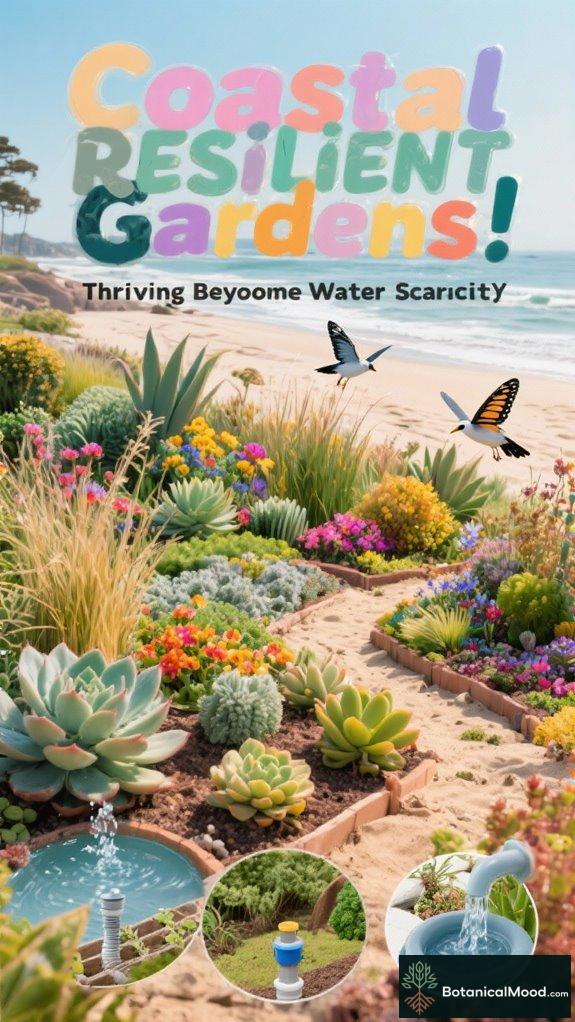
  • Coastal Resilient Gardens: Thriving Beyond Water Scarcity

    Coastal Resilient Gardens: Thriving Beyond Water Scarcity

    Isn’t it ironic how we desperately save water while still wanting our gardens to look like something out of a fairy tale?

    I dove into the world of coastal resilient gardens, and it turns out, native plants like Echinacea purpurea and Salvia farinacea are my new best friends. Who knew they could thrive in drought?

    With my battle plans involving rainwater harvesting, drip irrigation, and snazzy bed arrangements, I’m practically a gardening Picasso—minus the beret.

    But honestly, it’s a puzzle navigating water scarcity while trying to keep it gorgeous. The learning curve is real!

    Designing with the Unpredictable: My Coastal Garden Experience

    Last summer, I learned firsthand how unpredictable nature can be. I decided to redesign my garden, focusing on a water-efficient layout. I experimented with raised beds and placed drought-tolerant plants like lavender and succulents strategically.

    To my surprise, a mini-drought hit! Thankfully, my meticulous planning allowed my garden to thrive while others wilted away.

    Now, I relish in the beauty of my sustainable oasis, teaching friends about xeriscaping and the virtues of nature-friendly practices. Have you ever faced a sudden drought? How did you adapt your garden?

    Quick Takeaways

    • Utilize native drought-resistant plants to enhance garden resilience and reduce water usage while attracting local pollinators.
    • Implement sustainable irrigation methods, such as drip systems and xeriscaping principles, to maximize water efficiency.
    • Incorporate rainwater harvesting systems to capture runoff and provide plants with necessary moisture for thriving.
    • Engage the community in garden design and maintenance to foster ownership and promote sustainable practices.
    • Strategically arrange plants by their water needs and exposure to sunlight for optimal growth and resource management.

    Benefits of Native Drought-Resistant Plants

    sustainable native drought gardening

    When it comes to creating a sustainable and resilient garden, I find that incorporating native drought-resistant plants, like the vibrant Echinacea purpurea (purple coneflower) and the aromatic Salvia farinacea (mealycup sage), offers remarkable benefits that extend beyond mere aesthetics. These native plants are essential for effective drought adaptation, thriving in our increasingly volatile climate. Selecting robust species allows for reduced water usage, which not only conserves this precious resource but also lowers maintenance efforts. I’ve witnessed firsthand how these plants support local pollinators, including bees and butterflies, enriching biodiversity. Additionally, utilizing drought-resistant landscaping can help mitigate the impacts of climate change, promoting a healthier ecosystem for future generations.

    Top Coastal Plants for Resilient Gardens

    resilient coastal garden plants

    Creating a resilient coastal garden means selecting plants that not only withstand the unique challenges of windy, salty environments but also contribute to the local ecosystem. I find that incorporating species like Sea Oats (Uniola paniculata) and Beach Strawberry (Fragaria chiloensis) boosts coastal biodiversity, offering shelter and nourishment to enchanting wildlife.

    In addition, the adaptability of native grasses, such as Cordgrass (Spartina alterniflora), showcases the profound strength of nature’s design. These plants endure salt spray and drought, minimizing maintenance.

    Moreover, flowering beauties like Coastal Goldenrods (Solidago sempervirens) create vibrant, stunning scenery while attracting pollinators.

    Designing for Water Efficiency

    water efficient coastal gardening strategies

    To make the most of our water resources in a coastal garden, I believe it’s essential to adopt thoughtful design principles that prioritize efficiency while celebrating the natural beauty of our surroundings.

    In crafting water-efficient environments, I focus on integrating native plants like Salvia (Salvia spp.) and grasses such as Red Fescue (Festuca rubra). By implementing sustainable irrigation methods, such as drip systems, we guarantee our gardens thrive without excess water waste. Additionally, incorporating xeriscaping principles can enhance the resilience of our gardens against water scarcity.

    Here’s a concise visualization of effective strategies:

    Strategy Description Benefits
    Native Planting Use plants adapted to local conditions Reduced water usage
    Mulching Apply organic matter to retain moisture Improved soil health
    Smart Irrigation Utilize sensors and timers Targeted, efficient watering
    Grouping Plants Cluster plants with similar needs Efficient water management
    Soil Amendments Improve drainage and moisture retention Healthier plant growth

    Rainwater Harvesting Techniques

    sustainable rainwater harvesting techniques

    Rainwater harvesting can greatly transform how we manage water in our coastal gardens.

    Implementing efficient water collection systems not only conserves this precious resource but elevates your landscaping’s sustainability. Picture a series of aesthetically pleasing rain barrels, capturing runoff from your roof, channeled through attractive downspouts.

    I’ve found that incorporating native plants like Salvia (Salvia spp.) and Echinacea (Echinacea purpurea) thrives with accessed rainwater, promoting resilience against drought.

    You can also install permeable pavers to redirect runoff into storage tanks, ensuring an eco-friendly approach. During peak rainy seasons, my garden flourishes with an expressed vibrancy, enriched by this innovative method.

    Basically, embracing rainwater harvesting sets a powerful precedent for sustainable landscaping, revealing a future of resource-savvy, resilient gardens.

    Innovative Irrigation Solutions

    innovative water conservation techniques

    Expanding upon the principles of rainwater harvesting, innovative irrigation solutions can further enhance water conservation and overall sustainability in coastal gardens.

    Integrating drip irrigation systems into your garden allows for precise water delivery directly to plant roots, minimizing evaporation and runoff. Coupled with advanced moisture sensors, they guarantee that your garden receives ideal hydration without waste.

    These sensors monitor soil moisture levels in real time, providing data that empowers gardeners to irrigate only when necessary, preventing over-saturation and promoting healthy root development.

    Brands like Toro and Rain Bird offer cutting-edge options that seamlessly blend technology with design, elevating the garden experience.

    Embracing these innovative strategies not only conserves resources but transforms our gardens into resilient havens that withstand drought and climate change.

    Soil Moisture Conservation Strategies

    soil moisture conservation strategies

    While many may underestimate the importance of soil moisture in gardening, I’ve discovered that implementing effective conservation strategies can considerably enhance the vigor of coastal gardens.

    One of the most powerful strategies is mulch application, which not only suppresses weeds but also retains moisture by creating a protective barrier. Materials like shredded bark (Pinus spp.) or straw work wonders in slowing evaporation.

    Additionally, incorporating soil amendments such as organic compost (e.g., Vermicompost) improves soil structure, allowing it to hold moisture more efficiently. This dynamic duo of mulch and amendments empowers our gardens to flourish even in challenging coastal conditions.

    As I explore the depths of these techniques, I’m motivated to share my journey through Botanical Mood, cultivating both beauty and resilience in our coastal environments.

    Creating Saltwater Intrusion Barriers

    saltwater intrusion barrier solutions

    Creating effective saltwater intrusion barriers is crucial for protecting our coastal gardens, especially as climate change accelerates the salinity of soil and water. I’ve discovered that integrating certain natural elements can greatly enhance our defenses.

    Barrier Type Material Used Coastal Vegetation
    Earthen Dikes Soil Spartina alterniflora
    Vegetative Buffers Native Grasses Panicum virgatum
    Riprap Rocks & Boulders Salix exigua
    Sea Walls Concrete Hibiscus rosa-sinensis

    Utilizing saltwater barriers helps maintain the integrity of delicate ecosystems while supporting robust coastal vegetation. I’ve found that thoughtful design helps guarantee the resilience of our gardens, contributing to overall ecological balance and enhancing beauty. After all, a thriving garden reflects our commitment to sustainability.

    Case Studies of Coastal Resilient Gardens

    coastal garden resilience strategies

    Understanding how to implement saltwater intrusion barriers sets a strong foundation for cultivating coastal resilient gardens.

    In my exploration of various garden designs, one compelling case study hails from Long Island, New York, where I encountered a vibrant blend of native species like Spartina alterniflora and Salicornia europaea. These plant combinations showcase resilience, thriving in saline conditions while enhancing biodiversity.

    Another inspiring instance lies in San Francisco, where innovative outdoor planners utilized raised beds and organic mulching methods to create stunning coastal gardens.

    By employing meticulous garden design strategies, these projects not only exhibit beauty but also sustain the ecosystem.

    These examples have profoundly influenced my viewpoint, reminding me that coastal gardens can flourish even amidst the challenges posed by environmental change, steering us toward a sustainable future.

    Engaging Local Community in Garden Design

    community driven garden design benefits

    Engaging local communities in garden design not only fosters a sense of ownership but also guarantees that the gardens reflect the unique characteristics of the area.

    I believe that through community workshops and design collaboration, we can create vibrant spaces that truly resonate with residents.

    Here are three key benefits of engaging the community:

    1. Diverse Viewpoints: Multiple angles lead to richer garden designs that meet various needs.
    2. Sustainable Practices: Local knowledge often includes traditional methods of sustainable gardening, enhancing ecological balance.
    3. Increased Participation: When community members are involved, they’re more likely to maintain and care for the garden.

    Resources for Sustainable Plant Sourcing

    sustainable native plant sourcing

    When we prioritize sustainable plant sourcing, we take significant steps toward promoting ecological integrity within our coastal resilient gardens.

    By collaborating with reputable plant nurseries that specialize in native and drought-resistant species, we can cultivate ecosystems that not only thrive but endure.

    For example, sourcing from local nurseries like the Green Thumb Nursery fosters strong community ties and guarantees healthier plants. Choosing plants such as Salvia apiana and Artemisia californica guarantees we embrace biodiversity while reducing maintenance needs.

    I’ve found numerous resources online that endorse sustainable sourcing practices, connecting us with growers committed to environmentally sound methods.

    Innovative Coastal Garden Solutions

    sustainable coastal landscaping solutions

    Innovative Coastal Garden Solutions not only address the challenges posed by climate change but also enhance the beauty and biodiversity of our outdoor spaces.

    Consider these powerful methods for sustainable landscaping and coastal biodiversity:

    1. Drip Irrigation: This method delivers water directly to the roots, minimizing waste and promoting robust plant health.
    2. Rainwater Harvesting Systems: By capturing and utilizing rainwater, we effectively reduce reliance on municipal sources while bolstering soil health.
    3. Drought-Tolerant Native Plants: Cultivating indigenous species like *Euphorbia terracottanum* ensures resilience, requiring minimal irrigation while supporting local ecosystems. Additionally, incorporating landscape rocks can decrease irrigation needs and enhance the visual appeal of gardens.

    Employing these techniques, I’ve transformed my coastal garden into a thriving sanctuary, balancing visual appeal with ecological responsibility. This transformation was pivotal in planning my vision at Botanical Mood.

    Garden Bed Arrangement Strategies

    coastal garden bed arrangement

    Successfully arranging garden beds can truly elevate the aesthetics and functionality of your coastal garden, especially as harmonious layouts can enhance both growth and enjoyment.

    Bed orientation plays an essential role in this process; I often position beds to maximize sunlight while shielding them from harsh winds. Taller plants, like *Helianthus annuus* (sunflowers), naturally protect delicate species behind them through strategic plant layering.

    For increased drainage and protection, I embrace tiered or raised beds built with durable materials, allowing for better moisture retention in coastal climates.

    Grouping plants by their needs not only simplifies maintenance, but also fosters visual appeal, creating a stunning palette of silvers, greens, and blues tailored to the coastal environment. This method resonates profoundly with my vision for sustainable gardening.

    Meet the Garden Visionary

    sustainable drought resistant landscaping vision

    Meet the Garden Visionary: Lisa Greenfield from Santa Barbara, California, embraced her passion for sustainable landscaping after witnessing the effects of drought in her community, driving her desire to create a resilient garden.

    To achieve her vision, Greenfield engaged in a thorough design process that included collaborating with local horticulturists and conservation groups. By integrating native plants, grouping them according to their water needs, and planning for peak irrigation efficiency, she made certain that her garden would be both beautiful and sustainable.

    To bring her design to reality, Greenfield utilized tools such as drip irrigation systems from Rain Bird, rainwater harvesting barrels from AquaSav, and eco-friendly mulch from Wood Mountain.

    With guidance from experts like garden architect Karen Chapman, she successfully cultivated her vibrant, drought-resistant garden.

    Top Botanical Gardens Nationwide

    unique botanical garden experiences

    As I explore the diverse scenery of botanical gardens across the United States, I’m continually awed by their unique dedication to conservation, education, and public engagement.

    The commitment to plant preservation and innovative visitor engagement practices is truly inspiring.

    Here are three standout botanical gardens worth experiencing:

    1. Longwood Gardens (Kennett Square, PA): An expansive 1,100 acres home to over 1.6 million visitors annually, showcasing remarkable horticultural diversity.
    2. Fairchild Tropical Botanical Garden (Coral Gables, FL): Famed for its tropical collections and immersive exhibitions, it’s a leader in visitor experience, embodying the latest botanical garden trends.
    3. New York Botanical Garden (Bronx, NY): A dynamic botanical museum known for interactive exhibits, attracting diverse audiences enthusiastic to engage with the natural world.

    Summary

    I love creating coastal resilient gardens. Incorporating plants like sea thrift and lavender not only brings beauty but also helps us deal with water scarcity. Through smart design and irrigation, I see our gardens thriving, blending sustainability with nature.

    I’d love to hear your experiences with coastal gardens. What challenges have you faced, and how have you overcome them?

    Share your garden pictures and the design choices you made! Let’s inspire each other.

    References

  • What Gardens Mimic Multi-Level Rainforest Canopies?

    What Gardens Mimic Multi-Level Rainforest Canopies?

    Have you ever wandered into a garden that feels like a mini rainforest? It’s like stepping into Mother Nature’s own multi-level masterpiece!

    I remember the first time I stumbled upon one, a stunning arrangement of *Tabebuia impetiginosa* towering over *Hydrangea macrophylla*. I thought, “Wow, who needs a vacation to the tropics when this exists?”

    And let’s not forget the creeping thyme, generously hosting all those adorable pollinators.

    Vertical plants and climbers? Talk about an invitation to an intimate jungle party. Doesn’t nature just have a flair for drama?

    Honestly, I could get lost in these enchanting layers, even if I did trip over a rogue branch.

    Cultivating My Own Multi-Level Oasis

    One summer, I decided to cultivate my own version of this rainforest paradise. Chose a corner of my yard and started with a *Moringa oleifera* for that striking upper layer and vibrant *Fuchsia magellanica* for mid-ground splashes.

    In my excitement, I forgot to check sunlight for the plants. Oops! Lesson learned.

    Who knew sizing a garden required such careful thought? Nonetheless, the blend of colors and heights created an escape. Even a family of bumblebees made it their home! It’s all about balancing aesthetics with nature’s needs, right?

    Quick Takeaways

    • Botanical gardens like the United States Botanic Garden feature layered plant life that mimics rainforest canopies with diverse species and heights.
    • Missouri Botanical Garden’s Climatron effectively showcases ecological interdependence, resembling true rainforest habitats with multi-layered plant arrangements.
    • The New York Botanical Garden highlights species adaptations across different layers, reflecting the complexity of rainforest ecosystems.
    • Gardens incorporate upper canopy trees, mid-layer shrubs, groundcover plants, and climbers to replicate the structural variety of rainforest canopies.
    • Educational programs in botanical gardens emphasize the importance of plant preservation and biodiversity within multi-layered ecosystems.

    Exploring Upper Canopy Trees for Tropical Vibes

    tropical flowering tree canopy

    These majestic giants not only provide essential shade but also invite a plethora of wildlife, enriching the atmosphere with their varied foliage.

    When you focus on tropical tree selection, consider incorporating flowering giants like *Tabebuia impetiginosa*, which not only mesmerize with their blooms but also attract pollinators, fostering a living canvas that continuously evolves.

    This harmonious balance elevates your garden into a private paradise.

    Embracing Mid-Layer Shrubs for Texture and Color

    mid layer shrub garden textures

    The rich tapestry of foliage offers a striking contrast to the towering upper canopy trees. As these shrubs flourish, they bring a diverse palette of colors and textures that evoke the spirit of tropical environments. Incorporating mid-layer shrubs like Hydrangea macrophylla or Berberis thunbergii creates mesmerizing textural contrasts, drawing the eye deeper into the garden’s heart.

    These plants provide essential layers that enhance visual appeal while fostering biodiversity. Seasonal colors emerge from their blooms, from vibrant pinks and blues in summer to rich burgundies and golds in fall. By embracing these shrubs, I’m crafting an experience that mimics the rainforest’s rich diversity. Additionally, utilizing modern landscape lighting techniques enhances the beauty and allure of these mid-layer shrubs, creating captivating shadows and highlights that elevate the garden experience.

    It’s a reflection of the dynamic beauty of nature, inspiring me—and hopefully you—to design thoughtfully.

    Groundcover Plants That Enhance Biodiversity

    native groundcovers enhance biodiversity

    Groundcover plants not only provide aesthetic value but also play an essential role in enhancing biodiversity within our gardens. By integrating native groundcovers like creeping thyme (Thymus serpyllum) and wild columbine (Aquilegia canadensis), we can establish habitats that support a multitude of beneficial insects and wildlife.

    These resilient plants deliver significant biodiversity benefits, enriching the soil and preventing erosion, all while creating a lush, vibrant underlayer. Additionally, incorporating native plant species into your garden can attract a variety of pollinators, fostering a thriving ecosystem.

    Layering, with combinations of various foliage textures and colors, not only enhances the visual appeal but strengthens ecological networks.

    In nurturing your garden with these native selections, you invite a dynamic, self-sustaining ecosystem. This reinforces my belief in the transformative power of nature, motivating me to share, inspire, and cultivate richness in our gardening journeys.

    The Role of Climbers and Epiphytes in Garden Design

    climbers enrich garden design

    While exploring the fascinating world of garden design, one soon realizes that climbers and epiphytes can dramatically transform vertical spaces into vibrant living canvases. Through vertical gardening, these climbing plants bring remarkable texture contrast and rich biodiversity benefits, reshaping our understanding of ecological harmony. They create layers that mimic natural design found in multi-level rainforest canopies, enhancing plant interactions.

    Here’s a concise representation to illustrate their potential:

    Climber Benefits
    Passiflora edulis Edible fruit, vibrant blooms
    Trachelospermum jasminoides Fragrant foliage, dense cover
    Hoya carnosa Air-purifying, unique flowers
    Akebia quinata Attractive vines, shade creation
    Parthenocissus tricuspidata Fast growth, brilliant foliage

    Utilizing climbers can elevate your garden’s artistry, deepening its appeal and fostering ecological balance.

    Creating Natural Pathways and Immersive Spaces

    enchanting garden immersion pathways

    Creating natural pathways and immersive spaces within a garden can transform even the smallest outdoor areas into enchanting retreats that invite exploration and reflection.

    By carefully designing winding trails, I create a natural flow that guides visitors through layered plantings, such as Heliconia spp. and Bromeliaceae, allowing for unexpected discoveries.

    Each pathway, lined with fragrant herbs like lavender (Lavandula angustifolia) or ornamental grasses, heightens the sensory experiences.

    Incorporating elements like bamboo (Bambusa spp.) for privacy not only enhances aesthetic appeal but also underscores the power of nature in garden design.

    Thoughtful use of color and texture, as seen with colorful foliage of Coleus (Solenostemon scutellarioides), resonates deeply with the beholder, creating a space where beauty and engagement thrive.

    Case Study: Canopy Layer Exploration

    canopy layer habitat diversity

    In my exploration of multi-level rainforest gardens, I’ve found that understanding the dynamics of the canopy layer is essential for creating authentic and vibrant ecosystems.

    Incorporating epiphytes like orchids (Orchidaceae) and bromeliads (Bromeliaceae) not only enhances biodiversity but also mimics the complex relationships found in natural canopy ecosystems. These non-parasitic plants thrive on moisture and nutrients collected from organic debris in tree forks, expertly replicating the natural compost pockets crucial for vegetation health. Furthermore, strategically positioning structural trees spaced two to three meters apart provides necessary shade for understory layers while increasing vertical complexity. The presence of shade can significantly enhance overall tranquility and aesthetic appeal in the garden.

    This subtle arrangement fosters habitat diversity, attracting local fauna and supporting an enriched, thriving garden that speaks to the power of nature’s design.

    Canopy Layer Arrangement Techniques

    canopy layer arrangement techniques

    Exploring the nuances of canopy layer arrangement reveals a profound interplay between light, space, and plant adaptations, crucial for replicating the complexity of rainforest ecosystems.

    Layer Key Characteristics
    Emergent Layer Tallest trees, full sunlight exposure
    Canopy Layer Dense coverage, intercepts most sunlight
    Understory Layer Shade-tolerant species, adapted to low light

    To achieve ideal canopy coverage, maintaining layer separation is essential. Employing trees with varying heights, I mimic natural stratification by utilizing emergent species like Ceiba pentandra alongside understory plants like Alocasia amazonica. This enhances biodiversity, while ensuring each layer captures light effectively. By connecting these layers with vines, I create a dynamic tapestry that not only appeals to the eye but strengthens ecosystem resilience, showcasing the artistry found in nature’s design.

    Meet the Garden Architect

    sustainable garden design journey

    The garden’s owner, Thompson, hails from the lush terrain of Oregon. Inspired by her childhood adventures in the Pacific Northwest, she envisioned a sanctuary that harmonizes nature’s beauty with sustainable design principles.

    Thompson collaborated closely with a renowned garden architect to initiate her design journey. The process involved extensive research on rainforest ecosystems, engaging in site analysis, and developing detailed plans that mimic layered vegetative structures for an immersive experience.

    To create her envisioned garden, Thompson utilized tools like the Rhino 3D modeling software for design visualization and incorporated high-quality materials from brands like Trex for decking and Rain Bird for irrigation systems.

    Local horticulturists contributed their expertise in selecting native plant species that thrive in the microclimate she aimed to establish.

    Top U.S. Botanical Gardens

    diverse botanical gardens education

    While many might think of botanical gardens as mere showcases of plant collections, they truly embody complex ecosystems that invite exploration and learning.

    The top U.S. botanical gardens present a stunning display of garden diversity, serving as critical arenas for conservation education.

    • The United States Botanic Garden’s tropical rainforest exhibit, “The Jungle,” captivates visitors with its 93-foot height, boasting layered plant life like orchids (Orchidaceae) and towering palms (Arecaceae).
    • The Missouri Botanical Garden’s Climatron innovatively mimics rainforest environments, fostering an understanding of ecological interdependence.
    • New York Botanical Garden mirrors diverse habitats, emphasizing species adaptations and conservation efforts, drawing us into a powerful dialogue about our planet’s biodiversity.

    Exploring these gardens fortifies our commitment to preserving the rainforest and its delicate ecosystems.

    Summary

    As I create multi-layered gardens, I can’t help but chuckle at how neighbors might think I’m just into tree-hugging. With towering trees, vibrant hibiscus, and winding climbers, I can blend a touch of the rainforest into my backyard. Who wouldn’t want that?

    I’d love to hear about your experiences with creating similar gardens. What challenges have you faced, and what successes have you celebrated?

    Feel free to share pictures of your garden and tell us about your design choices! Let’s inspire each other with our green spaces.

    References

  • Capture Garden Seasons: Landscape Sketch Transitions Revealed

    Capture Garden Seasons: Landscape Sketch Transitions Revealed

    Ah, the delicate art of capturing garden seasons – who knew it could be so poetic, right?

    As I wander through spring’s lush greens, breathing in that hopeful air, I’m reminded how each bloom whispers stories of renewal.

    Summer? It’s practically shouting with sunflowers that could outshine my most colorful crayon.

    Then comes that emotionally explosive autumn, where the maples flirt with fiery reds. And I can’t help but chuckle at winter’s silent beauty wrapped in evergreen shades of Picea abies.

    It’s like nature drops the mic every single season. But hey, navigating this canvas isn’t always straightforward, is it?

    Finding joy in nature’s palette can feel overwhelming sometimes. What’s trending this year? Bold textures or soft hues? Honestly, is there a right answer?

    The thrill of exploring design ideas always brings out my inner artist, bringing along a sprinkle of anxiety and excitement all at once.

    My Journey into Garden Design: Finding My Style

    When I first ventured into garden design, I felt like a toddler wielding a paintbrush – messy and confused. I remember battling with ended-up looking like a jungle. But one day, I had a “eureka” moment watching a talented local florist blend shades harmoniously.

    Her simple use of complementary colors clicked for me. Inspired, I began curating my own vibrant oasis during a weekend project. Suddenly, understanding contrast and seasonality transformed my garden into a living artwork, enriching my life with joy. I learned that connecting textures—from the rough bark of Acer rubrum to the silky petals of Cosmos bipinnatus—creates harmony. Discovering what works isn’t always easy, but it sure is a wild ride!

    Quick Takeaways

    • Seasonal color palettes enhance garden landscapes, capturing unique beauty in spring, summer, autumn, and winter through vibrant hues and earthy tones.
    • Spring showcases pastel blooms and lush greens, while summer features dynamic contrasts and abundant colors from a variety of flowering plants.
    • Autumn’s warm, rich tones provide visual harmony, accentuated by seasonal scents that evoke community and gratitude during harvest celebrations.
    • Winter emphasizes tranquility and serenity, with evergreen elements and skeletal branches creating peaceful compositions amidst a muted landscape.
    • Artistic sketches of gardens capture seasonal transitions, highlighting horticultural artistry and the evolving beauty throughout the year.

    Understanding Seasonal Color Palettes

    seasonal color palette appreciation

    How do we truly appreciate the beauty of our gardens throughout the changing seasons? By understanding seasonal color palettes, we can elevate our garden’s appeal and create a safe, inviting space.

    Utilizing color theory, I often engage in palette selection that harmonizes the vibrant botanical colorings around me.

    In spring, seasonal motifs like tulips (Tulipa) showcase tonal variations against lush greens, while summer brings rich textural contrasts with sunflowers (Helianthus) and lavender (Lavandula), enhancing light dynamics. These colors evoke emotional impact, creating a sense of tranquility.

    As autumn approaches, I embrace nature’s inspiration with warm, earthy tones, crafting a color harmony that enriches the garden’s essence. Seasonal color schemes emphasize thoughtful choices, my passion for settings is the heart of Botanical Mood.

    Techniques for Capturing Spring Renewal

    sustainable spring renewal techniques

    Using renewal motifs like vibrant greens and pastel hues, I create sketches that highlight this transformation. Incorporating textures, such as the soft foliage of *Acer palmatum*, adds depth.

    I also emphasize light, portraying how it dances through the petals, creating a dynamic effect. Safety in my practice leads me to choose eco-friendly materials, ensuring that my artistic expressions aren’t only beautiful but also sustainable, mirroring the very essence of spring’s revival. Additionally, integrating hurricane-proof landscaping principles can further enhance the resilience of a garden, allowing it to thrive even in challenging coastal environments.

    Portraying Summer Abundance

    vibrant summer garden sketches

    In the heart of summer, vibrant gardens burst forth with a cornucopia of colors, inviting me to capture their essence in sketches that reflect the lush abundance of this season.

    I find myself enchanted by summer blooms like the radiant Rosa ‘Knock Out’ and the cheerful Helianthus annuus, their bright hues dancing against lush, vibrant foliage.

    As I sketch, I focus on the interplay of colors—deep greens contrasting with golden yellows and fiery reds.

    The sheer diversity of textures, from the soft petals of Delphinium to the coarse leaves of Cucurbita, inspires me to replicate nature’s artistry.

    Embracing these moments, I aspire to share this beauty on my website, Botanical Mood, guiding others to appreciate our gardens’ seasonal wonders while ensuring safe, enjoyable outdoor experiences.

    Expressing Autumn’s Dramatic Changes

    autumn s vibrant seasonal transformation

    As summer’s vibrant palette fades, the scenery transforms into a canvas of rich, warm tones that signal the arrival of autumn.

    The brilliant leaf colors, such as the fiery reds of Acer rubrum and the golden yellows of Ginkgo biloba, draw our eyes and stir the senses.

    As we breathe in the crisp air, hints of seasonal scents, like cinnamon and pumpkin spice, fill our surroundings.

    Harvest celebrations abound, bringing a sense of community and gratitude, while wildlife migration reminds us of nature’s rhythms.

    The sun’s fading light casts long shadows, accentuating the beauty of this changing season.

    In my pursuit to share these seasonal nuances through my website, Botanical Mood, I invite you to embrace the splendor of autumn’s dramatic changes.

    Reflecting Winter’s Quiet Calm

    winter s serene natural beauty

    Though winter often blankets the scenery in a serene stillness, it’s during this season that the subtleties of nature truly come to life, revealing a quiet beauty that can be both soothing and stark. As I step outside, I’m captivated by the winter vistas, where the muted palette creates tranquil scenes. The skeletal branches of the Betula pendula, or silver birch, contrast beautifully against the crisp, white snow, while the enigmatic allure of evergreens, such as Picea abies, adds depth to the composition.

    Element Description
    Color Palette Soft whites, muted greens
    Textures Smooth snow, rough bark
    Seasonal Charm Calm, reflective moments

    The peacefulness of this season inspires my creative process with Botanical Mood.

    Composition Strategies for Seasonal Shifts

    seasonal composition strategies outlined

    While the shift from winter to spring brings a burst of vibrancy, capturing the essence of each seasonal change requires thoughtful composition strategies that not only highlight the characteristics of the moment but also evoke emotional responses.

    To create dynamic compositions reflecting seasonal contrasts, consider these strategies:

    • Color Palettes: Utilize complementary colors to emphasize vibrancy.
    • Layering: Add depth through overlapping plants, creating a rich foreground and background.
    • Focal Points: Select distinct features, such as blooms of *Tulipa gesneriana*, to draw the eye.
    • Texture Variations: Incorporate smooth and rough-textured foliage for visual interest.
    • Seasonal Elements: Integrate seasonal representations, like fresh blooms or brittle leaves, to enhance narrative.

    Learning From Seasonal Landscape Artists

    seasonal garden design inspiration

    Observing the work of seasonal scenery artists opens a treasure trove of inspiration for anyone passionate about garden design.

    These talented individuals embody seasonal techniques that shift my entire viewpoint on terrain creation. When studying their palettes, I find vibrant autumn hues of Liquidambar styraciflua juxtaposed against the cool greens of winter evergreens, effortlessly telling nature’s story.

    I love exploring how artists mix textures, using foliage from Heuchera and Salvia to create depth, drawing the eye through the garden.

    Their methods highlight the importance of layering blooms and leaves to craft a serene, inviting atmosphere.

    Seasonal Garden Transformation Analysis

    seasonal plant growth dynamics

    To fully appreciate the beauty and complexity of seasonal garden transformations, it’s essential to understand the elaborate interplay of plant growth patterns and environmental dynamics that shape these vibrant surroundings.

    • Seasonal plantings, such as Geranium (Pelargonium) and Hibiscus (Hibiscus rosa-sinensis), reveal staggering growth dynamics, often following exponential trends(R² values above 0.9).
    • Environmental elements like solar radiation and temperature variations dynamically influence bloom quality.
    • Ornamental grasses like Switchgrass (Panicum virgatum) grace our gardens with texture in autumn.
    • Late-season hardy perennials thrive, offering resilience and prolonged beauty.
    • Data-driven models predict these shifts, ensuring gardeners foster safe and visually stunning environments year-round.

    Understanding these factors, I hope, empowers our seasonal gardening endeavors while enhancing the beauty of diverse environments.

    Seasonal Sketch Layout Tips

    seasonal garden layout sketching

    With the foundation of understanding seasonal transformations in gardens, sketching the layout of these spaces becomes an exciting task that fuels creativity.

    I recommend beginning with aerial sketches to plot garden boundaries and seasonal plant selection, using circles for varying plant sizes to guarantee clarity. Layering distinct plant groups with heavier lines not only enhances differentiation but aids in layout evolution through seasons.

    Utilizing rulers for straight lines and grid paper can promote accuracy, while optional front-view sketches offer a glimpse into vertical interactions among plants.

    Garden Visionary Revealed

    remarkable garden design achieved

    Coffin, hailing from Delaware, is the owner of a remarkable garden that reflects her deep-rooted passion for horticulture, cultivated during her lifelong friendship with Henry Francis du Pont at Winterthur.

    To achieve her dream garden, Coffin meticulously planned the design by integrating geometric elements and naturalistic plantings.

    The process involved extensive research and collaboration with expert horticulturists who informed her choices and helped realize her vision.

    Coffin utilized high-quality tools from brands like Fiskars for gardening and design, along with accessories such as stone pathways and custom-made planters.

    Collaborating with notable horticulturists, she guaranteed her garden was both functional and aesthetically enchanting.

    Iconic Botanical Destinations

    global botanical garden highlights

    As the sun rises over lush scenery and vibrant flowerbeds, gardens around the world beckon those who appreciate the artistry of nature. They offer visitors a feast of botanical diversity and horticultural significance.

    • Kew Gardens: 50,000 plant species in London, a UNESCO World Heritage Site.
    • Singapore Botanic Gardens: Home to over 1,000 orchids, showcasing tropical biodiversity.
    • Kirstenbosch, Cape Town: Endemic plants and the scenic Canopy Walkway.
    • Butchart Gardens: Immersive themed gardens with a historical charm in Canada.
    • Boston Public Garden: A historic landmark with well-maintained floral displays.

    These iconic destinations unite beauty and conservation, inspiring admiration for Earth’s plant life, and embodying a deep commitment to preserving our environment.

    It’s always a joy to explore them through the ethos of Botanical Mood.

    Summary

    Seasons transform my garden into a living canvas, each one bringing its own colors and textures. I cherish the beauty in every bloom and the way nature inspires creativity. Observing these changes enriches my gardening journey and ignites my passion for horticulture.

    I’d love to hear about your experiences with seasonal gardening. What changes do you notice in your own space?

    Feel free to share photos of your garden and tell us how you designed it. Your creative ideas might inspire others!

    References

  • Mountain Contours: 7 Organic Garden Design Secrets Revealed

    Mountain Contours: 7 Organic Garden Design Secrets Revealed

    Ever tried designing a garden on a mountainside? Let me tell you—it’s like solving a Rubik’s cube on roller skates.

    Once, I created swales to catch rainwater. Yes, my backyard looked like a trendy water feature, but those *Salvia officinalis* and *Echinacea purpurea* thrived like they were in a spa!

    Terraces? Check. A visual feast—beautiful and functional. I even drew in native plants to attract pollinators, who apparently needed a coffee break too.

    Rustic wooden features and weathered stone pavers? Total vibe.

    Can’t help but wonder—do you think I’ve unlocked the secret garden?

    My Terraced Adventure: The Challenges of Garden Design

    A while back, I decided to create a terraced garden. Sounds simple, right? Wrong. I had no idea how to build terraces that wouldn’t slide off the slope like a game of Jenga in an earthquake.

    With a shovel in hand and mud splattered on my jeans, I went to work. After a few epic fails (thanks, gravity), I finally formed sturdy terraces. I planted vibrant *Lavandula* and *Rudbeckia*, and, surprise! They flourished—like tiny garden warriors. Plus, it was a huge save-the-bees initiative. I felt like a garden hero.

    Designing a garden on a slope can be tricky, but the beauty of nature and biodiversity makes every effort worth it.

    Quick Takeaways

    • Embrace natural terrain slopes for better soil stability and nutrient retention, preventing erosion and fostering beneficial microorganisms.
    • Utilize sustainable terracing techniques to enhance water management and reduce runoff while creating visually appealing landscapes.
    • Select native plants like *Echinacea purpurea* for robust root systems that support biodiversity and ecological balance.
    • Implement swales to capture rainwater, providing natural irrigation and maintaining soil moisture while improving garden aesthetics.
    • Foster community stewardship and environmental education by involving local volunteers in garden maintenance and conservation efforts.

    Embracing Natural Contours for Soil Stability

    embracing natural soil stability

    When I think about designing an organic garden, I can’t help but consider how embracing the natural contours of the terrain not only enhances aesthetic appeal but also promotes soil stability and health.

    It’s essential to understand that the soil composition directly affects your garden’s liveliness; by working with the land’s slopes and dips, I’m able to optimize nutrient retention. This method naturally prevents erosion, allowing beneficial microorganisms to thrive.

    For instance, I often incorporate native plants like *Echinacea purpurea*, which are excellent for preventing soil washout due to their robust root systems. Additionally, using sustainable terracing techniques can significantly improve water management and reduce runoff in sloped gardens.

    Strategic Water Management With Swales

    enhancing gardens with swales

    To optimize water retention and guarantee the health of my organic garden, I’ve found that incorporating swales into my surroundings is essential.

    Swales are shallow, often curvilinear ditches that capture and direct rainwater, making them a natural irrigation solution.

    By facilitating rainwater harvesting, swales help me maintain moisture levels in my soil, especially during dry spells, reducing the need for excessive watering.

    As the water slowly percolates, it nourishes nearby roots of plants like *Salvia officinalis* and *Prunella vulgaris*, enabling robust growth.

    Furthermore, swales create a charming, undulating terrain that enhances the garden’s beauty while ensuring safety from erosion and runoff.

    This thoughtful design elevates my gardening experience, helping me connect more deeply with nature. Additionally, incorporating nectar sources for pollinators can enhance the biodiversity of my garden, attracting beneficial insects like butterflies and bees.

    Selecting Plants for Alpine Success

    choosing plants for alpinism

    Choosing the right plants for an alpine garden can be challenging, yet it’s rewarding when you see the vibrancy they bring to your space.

    To thrive in your unique alpine microclimates, focus on plant hardiness zones that suit your elevation and conditions.

    Understanding your alpine microclimates is essential; choose plants that align with your elevation and environmental conditions for optimal growth.

    Here are some favorites to contemplate:

    • Edelweiss (Leontopodium alpinum): A symbol of rugged beauty, perfect for rocky spots.
    • Mountain Avens (Dryas octopetala): Their white blooms bring a serene contrast to greenery.
    • Alpine Buttercup (Ranunculus alpines): Bright yellow flowers that add a sunny touch.
    • Saxifraga: A diverse genus, perfect for crevices and providing lush foliage.
    • Blue Juniper (Juniperus squamata): This gentle groundcover stabilizes soil and offers color year-round.

    These selections create a vibrant tapestry reflecting your alpine surroundings.

    Enhancing Biodiversity With Native Species

    native species promote biodiversity

    This focus on native flora brings forth the essential connections between our designed spaces and the surrounding natural world, promoting ecological stability while celebrating the unique charm of our geographic locations.

    Incorporating native species like Echinacea purpurea and Asclepias tuberosa not only enhances visual appeal but also supports local ecosystems, inviting native pollinators such as bees and butterflies into our gardens.

    By choosing plants that thrive naturally in our region, we cultivate a habitat that maintains ecological balance and minimizes the need for chemical fertilizers or pesticides.

    I’ve found that this approach fosters a sense of safety and stewardship, allowing us to engage deeply with our environment.

    Improving biodiversity enriches our lives while preserving the beauty of nature, forming a harmonious relationship that ultimately benefits us all.

    Designing Hardscapes That Harmonize With Nature

    harmonious natural hardscape elements

    While people often think of plants as the sole focus of garden design, the hardscape elements play an essential role in creating a cohesive outdoor environment that complements nature.

    I’ve found that using natural materials not only enhances sustainable aesthetics but also guarantees safety in our spaces.

    Consider incorporating these elements:

    • Weathered stone pathways that blend with the surrounding scenery
    • Locally sourced, untreated wood for seating areas
    • Recycled concrete boulders that add texture and stability
    • Natural gravel beds that provide effective drainage
    • Soft, earthy tones in pavers that mirror the beauty of native flora

    Each component invites harmony, leading to an organic flow that celebrates the outdoor sanctuary we aim to create, which inspired the vision behind Botanical Mood.

    Effective Earthworks for Mountain Landscapes

    effective mountain earthworks strategies

    Building effective earthworks in mountain terrains isn’t just about moving soil; it’s a complex dance between nature and design, where each decision impacts the overall ecology and aesthetics of the area.

    To combat soil erosion and guarantee slope stabilization, I utilize techniques such as terraces, retaining walls, and swales. These features promote water retention, reduce runoff, and enhance the scenery’s beauty. Here’s a table highlighting some essential earthwork strategies:

    TechniquePurposeBest Plants
    TerracingReduces erosionErigeron karvinskianus
    Retaining WallsStabilizes steep slopesSedum spp.
    SwalesDirects water flow, traps soilCarex spp.
    Contour PlowingPrevents erosion on slopesAsparagus officinalis

    Through these methods, I not only enhance safety but create a visually appealing, symbiotic relationship with the mountain scenery.

    Creating Functional and Scenic Garden Pathways

    enchanting garden pathway design

    A thoughtfully designed garden pathway can transform an ordinary terrain into an enchanting journey, inviting exploration and enhancing the overall aesthetic of the space.

    A well-crafted garden pathway invites exploration and elevates the beauty of your outdoor space.

    When considering your pathway, envision elements that blend functionality with beauty:

    • Smooth, durable flagstones from local quarries for safety and stability
    • Soft, natural gravel for a rustic yet accessible touch
    • Lush edging plants like Lavandula angustifolia(lavender) to create a sensory experience
    • Subtle pathway lighting using energy-efficient LED fixtures, illuminating your path without harsh glare
    • Inviting archways adorned with climbing Hedera helix(English ivy) that enhance the visual allure

    Case Study: Mountain Design Impact

    thoughtful mountain garden design
    FeatureImpactExample
    Native Flora IntegrationEnhances ecology*Trillium* spp., *Podophyllum* spp.
    Water ManagementPrevents erosionBerms and terraces
    Microclimate CreationImproves growing conditionsRocky placements
    Functional DesignGuarantees access and safetyGravel paths

    This study emphasizes the importance of thoughtful mountain design in creating resilient, beautiful gardens. The integration of native flora enhances the overall ecological health of the garden, creating a more vibrant and sustainable environment.

    Terraced Planting for Elevation Appreciation

    terraced planting benefits ecosystems

    While terraced planting can evoke a sense of tranquility and elegance in any garden, it serves practical purposes that extend far beyond aesthetics.

    • Sturdy stone retaining walls prevent erosion, securing each layer of your garden.
    • Unique elevation gradients create distinct microclimates for diverse plant choices.
    • Meandering paths enhance depth, making your terraced ecosystems feel expansive.
    • Well-organized drainage systems maintain soil health and stability, preserving your investment.
    • Layering plant heights introduces visual interest, allowing the interplay of light and shadow.

    Owner’s Vision for Eco-Design

    sustainable native garden design

    Claire Thompson from Colorado has always been inspired by the unique beauty of her mountainous surroundings, leading her to envision a sustainable garden that integrates seamlessly with nature and promotes local wildlife.

    To achieve her eco-design vision, Claire enlisted the help of local horticulturists and garden designers. Through a collaborative design process, they identified the best native species, grouped in odd numbers for visual strength and ecological harmony, while adhering to xeriscaping principles to guarantee water conservation in her garden.

    For the installation, Claire utilized tools from brands like DeWit for hand tools and Fiskars for ergonomic pruners.

    She also incorporated accessories such as Weathered Stone natural pavers and rustic wooden benches from TumbleStone to enhance the garden’s aesthetic while maintaining an organic and natural feel.

    Renowned Alpine Botanical Gardens

    alpine gardens showcase biodiversity

    In the heart of the breathtaking Venetian Alps, renowned Alpine Botanical Gardens serve as living examples to the stunning diversity of flora in sub-alpine and alpine regions.

    These four premier gardens showcase a rich collection of Alpine flora, highlighting species that thrive in limestone mountain habitats.

    One enchanting spot is positioned on the eastern slopes of Mt. Hahnenkamm, where local volunteers cultivate organic integration of plants like Pulsatilla alpina.

    These gardens not only emphasis botanical conservation but also promote awareness of climate adaptation, inviting visitors to experience educational trails that reveal seasonal variations and elevation-specific vegetation layers.

    Such spaces exemplify community spirit and sustainability, harmonizing the botanical beauty of the Dolomites while preserving the exquisite ecosystem for future generations.

    Garden Design FAQ

    How Do I Test Soil Health for Mountain Gardening?

    I test my soil health by conducting soil testing for a nutrient analysis. It tells me about pH levels and nutrient content, ensuring I create a safe, thriving environment for my mountain garden plants.

    What Tools Are Best for Measuring Slopes Accurately?

    I prefer using a clinometer for accurate slope measurement and a leveling tool for terrain assessment. These tools help me guarantee safety while working on slopes, making my gardening experience both enjoyable and secure.

    Can Contour Gardening Be Scaled for Urban Environments?

    I’ve found urban contouring benefits my small garden by maximizing space. With space optimization techniques like raised beds and terracing, I can safely cultivate a diverse garden, even in limited urban areas.

    How Do I Incorporate Wildlife Habitats Into My Design?

    I incorporate wildlife habitats by choosing wildlife-friendly plants and integrating native species. I focus on creating safe spaces with diverse flora, offering essential food and shelter while ensuring a secure environment for all creatures visiting my garden.

    What Maintenance Is Required for Swales Over Time?

    Maintaining swales is like tending a delicate balance; it requires regular checks for erosion control and periodic plant trimming. I make sure to repair any damage and keep the vegetation healthy for safety and effectiveness.

    References

  • Water-Wise Desert Gardens: Design Thrive Conserve

    Water-Wise Desert Gardens: Design Thrive Conserve

    Turning my garden into a water-wise desert oasis was a wild ride, I tell ya!

    I mean, who knew that loving plants would mean falling for drought-resistant rock stars like Agave americana? I was knee-deep in design choices, sweating over innovative drip irrigation systems—yep, plant pampering at its best.

    But just when I thought I had it all figured out, the gravel paths decided they wanted to steal the show. I can’t tell you how much *fun* that was! My brain battled between beauty and sustainability. Yet, here I am, thriving despite the odds.

    Ever thought about the good ol’ organic compost? It’s a game changer, trust me!

    How I Discovered the Magic of Desert Garden Design

    One sweltering summer, I found myself facing a sandy expanse that screamed for help. After learning about soil retention, I took a leap. I added layers of organic compost, *hoping* it would transform my barren patch.

    Through trial and error, I crafted an enchanting scene featuring Lavandula angustifolia, which bloomed beautifully—almost as if to say, “Look, Mom, no water wasted!” The satisfaction of making a thriving garden—without a river in sight—was a win I won’t forget.

    If you’re wondering if desert gardens can sparkle too, let’s just say mine has become the talk of the neighborhood! Embrace the struggle, and your garden will thank you for it.

    Quick Takeaways

    • Select drought-resistant plants like Agave americana to enhance moisture retention and conserve water in arid gardens.
    • Implement drip irrigation systems for efficient water delivery directly to plant roots, significantly reducing overall water usage.
    • Group plants based on their water needs to optimize irrigation strategies and improve aesthetic appeal in desert landscapes.
    • Use organic matter such as compost to improve soil quality and enhance water retention, supporting healthy plant growth.
    • Engage the community through educational workshops to promote sustainable gardening practices and ecosystem preservation efforts.

    Understanding Water-Wise Principles for Desert Gardens

    water wise desert gardening principles

    When we explore the concept of water-wise principles for desert gardens, it becomes essential to understand how to create a thriving oasis in an arid environment, where every drop counts.

    One key aspect is soil conservation; choosing drought-resistant plants like Agave americana or Euphorbia rigida helps retain moisture in the soil.

    Soil conservation through the selection of drought-resistant plants like Agave americana enhances moisture retention in desert gardens.

    Furthermore, I focus on microclimate management, utilizing shade from taller plants and structures to cool surrounding areas, thereby minimizing water loss through evaporation.

    Implementing techniques such as mulching with gravel or wood chips also aids in safeguarding moisture.

    Cultivating a seamless blend of native species, like Salvia clevelandii, not only enhances aesthetic appeal but also preserves water, creating a sustainable environment.

    Incorporating drip irrigation systems can significantly reduce water usage while efficiently delivering moisture directly to plant roots.

    In these gardens, beauty and practicality unite, maximizing resources in arid spaces.

    The Importance of Efficient Water Use in Arid Landscapes

    efficient water use strategies

    Efficient water use in arid environments is essential, not merely a matter of convenience but a necessity for sustainable gardening.

    With increasing water scarcity, every drop counts. By employing innovative irrigation techniques, like drip irrigation and rainwater harvesting, we can conserve precious resources.

    Selecting native and drought-tolerant plants, such as Agave americana or Echinocactus grusonii, further enhances sustainability, reducing the need for excessive watering.

    Incorporating mulch not only retains soil moisture but also shields plants from extreme temperatures, promoting healthier environments.

    As I explore these practices, it becomes clear that the beauty of a desert garden doesn’t just lie in its design but in our commitment to efficient water use.

    Adopting these methods can transform our gardening experience, nurturing both aesthetics and ecology. Additionally, understanding xeriscape gardening principles can help to create landscapes that are not only beautiful but also resilient to environmental challenges.

    Key Design Elements for Sustainable Desert Landscapes

    sustainable desert landscape design

    To create a sustainable desert environment, it’s essential to integrate design elements that not only enhance beauty but also promote resilience against arid conditions.

    Start by focusing on soil improvement, using organic matter like compost to enhance water retention and nutrient content, which is critical for plant health. Pay attention to climate considerations, ensuring that your garden is arranged to protect against harsh winds and excessive heat.

    Utilizing terraces or raised beds can help manage drainage while providing a visual contrast through varying heights.

    Incorporating hardscape elements, such as gravel paths and stone features, adds texture and reduces water evaporation, further supporting your desert environment.

    Choosing the Right Plants for Low Water Requirements

    drought resistant plant selection

    Selecting plants that thrive on limited water is a vital aspect of crafting a sustainable desert garden, and it’s one of the most rewarding tasks in scenery design.

    My approach to plant selection focuses on species renowned for their drought resilience, such as Agave americana and Lavandula angustifolia. These plants not only conserve water but also lend an aesthetically pleasing structure to borders and beds.

    I often incorporate native varieties, as they’re well-adapted to our arid climate and require less maintenance.

    By utilizing a mix of flowering succulents and aromatic herbs, I create visual interest while ensuring a functional space.

    This thoughtful selection reinforces my commitment to sustainability and the beauty of the desert environment, reflecting the ethos behind my website, Botanical Mood.

    Grouping Plants by Water Needs for Optimal Growth

    desert garden water management

    Grouping plants according to their water needs can greatly enhance the liveliness of a desert garden, and I believe it’s an essential practice for achieving ideal growth.

    By placing moisture-loving plant companions, like Agave americana and Aloe vera, alongside those with lower water requirements, such as Sedum morganianum, I maximize moisture retention and guarantee health from the roots up.

    This thoughtful arrangement creates a mini-ecosystem that prevents overwatering and promotes efficiency in water use, allowing plants to thrive together.

    I often recommend clustering plants based on their specific hydration needs, employing driplines for greater accuracy.

    With this strategy, my desert garden remains vibrant, beautiful, and brimming with life, making the most of our precious resources in a sustainable manner.

    Incorporating Hardscape Elements to Enhance Landscape Design

    hardscape enhances desert gardens

    In a desert garden, the interplay between hardscape elements and plant life can truly elevate the aesthetic appeal and functionality of the surroundings. Utilizing a variety of hardscape materials like stone pathways, gravel, and pavers not only enhances the visual interest but also promotes safety.

    These design elements, strategically positioned, can guide visitors through the vista, preventing erosion while minimizing foot traffic on delicate plant roots.

    Incorporating features such as raised beds or decorative boulders can create visual focal points, drawing attention to native plantings like Agave americana or Echinocactus grusonii.

    I’ve found that thoughtful use of hardscape not only organizes space but also conserves precious water by reducing the overall area needing irrigation.

    This balance inspires a harmonious desert garden, showcasing both beauty and sustainability.

    Conducting a Site Analysis for Effective Planning

    site analysis for gardens

    Conducting a site analysis before starting on a desert garden project is essential, as it allows me to intimately understand the unique conditions of the environment, ultimately leading to a more successful and sustainable design. By evaluating site characteristics like sunlight exposure, wind patterns, and existing vegetation, I can better tailor my choices for plant selection. A soil assessment provides understanding into drainage, pH levels, and nutrient availability, which helps in creating a thriving ecosystem.

    Here’s a simple table summarizing key factors to reflect on:

    Site Characteristic Description Importance
    Sun Exposure Direct, partial, or shade Determines plant selection
    Soil Texture Sandy, clay, loamy Impacts drainage and nutrients
    Elevation Flat, sloped Affects microclimate
    Drainage Well-draining or poor Key for plant health
    Existing Flora Native plants, invasive species Influences landscaping choices

    Creating Distinct Water-Use Zones in Your Garden

    distinct desert water zones

    Creating distinct water-use zones in my desert garden allows me to allocate resources more efficiently while enhancing the overall aesthetic appeal.

    Establishing water-use zones in my desert garden maximizes resource efficiency while enhancing visual beauty.

    By categorizing plants into microclimate zones, I can select drought-tolerant groupings that thrive in specific conditions, leading to a vibrant yet sustainable environment.

    1. High Water Zone: This area includes plants like Hesperaloe parviflora (red yucca), which enjoy more moisture and create a stunning focal point.
    2. Moderate Water Zone: Here, I plant resilient species like Agave americana, showcasing their dramatic forms while demanding less frequent watering.
    3. Low Water Zone: This section features xeriscaping with plants such as Mesa Verde sage (Salvia dorrii), which require minimal irrigation and provide texture.

    Implementing Efficient Irrigation Systems for Water Conservation

    efficient desert garden irrigation

    Finding the right balance between beauty and water conservation is essential when tending to a desert garden, especially given the arid conditions many of us face.

    One of the most effective methods I’ve found is installing a drip irrigation system. Unlike traditional methods, this technique delivers water directly to the plant roots, minimizing evaporation and runoff.

    Incorporating moisture sensors into my irrigation setup has revolutionized my watering routine.

    These sensors monitor soil moisture levels, ensuring that I only water when necessary. By adjusting the frequency and quantity based on real-time data, I greatly reduce water waste.

    Benefits of Using Native and Drought-Tolerant Plants

    sustainable native plant benefits

    As I explore the enchanting world of desert gardening, I’ve discovered how incorporating native and drought-tolerant plants not only enhances the garden’s beauty but also aligns perfectly with the principles of sustainability.

    Here are three compelling benefits:

    1. Adaptation to Native Habitat: These plants have evolved to thrive in local conditions, requiring minimal watering and care.
    2. Ecological Benefits: They provide essential support for local wildlife, promoting biodiversity and offering habitat for pollinators like bees and butterflies.
    3. Soil Health Improvement: Many drought-tolerant species, such as *Agave* and *Echinocactus*, enrich soil quality through their extensive root systems, which prevent erosion and improve moisture retention.

    Reducing Maintenance Needs in Water-Wise Landscapes

    sustainable low maintenance landscaping solutions

    With strategic planning and the right selections, your garden can maintain its allure while requiring far less intervention than conventional settings reliant on high water consumption.

    By focusing on native plants like Agave americana or Echinocactus grusonii, I’ve found that these species thrive with minimal upkeep.

    Mulch application is a game-changer, preventing weed growth and retaining moisture, which means I spend less time weeding and watering.

    Applying mulch transforms my garden, cutting down on weeds and requiring less watering, which saves me precious time.

    Additionally, I schedule seasonal pruning, which not only keeps plants healthy but enhances their appearance, producing beautiful blooms in spring.

    Utilizing drought-resistant groundcovers like Lantana camara also contributes to a vibrant garden that asks for little.

    These thoughtful choices reflect my commitment to beauty and safety, ensuring my water-wise environment is as stunning as it’s sustainable.

    Inspiring Examples of Successful Desert Xeriscaping

    vibrant sustainable desert landscaping

    Successful desert xeriscaping can transform dry terrains into vibrant havens, and one compelling example that stands out is the stunning garden at the Desert Botanical Garden in Phoenix, Arizona.

    With its incredible design, I see firsthand how xeriscape benefits create sustainable environments that flourish with minimal water.

    Here are three inspiring elements I admire:

    1. Cacti and Succulents: A diverse array including *Agave americana* and *Echinocactus grusonii* add unique shapes and textures.
    2. Native Plants: Plants like *Rhus ovata* and *Salvia greggii* not only thrive but encourage local wildlife.
    3. Smart Irrigation: Innovative drip systems keep moisture close to the roots, maximizing water efficiency.

    These desert inspirations remind me of the beauty achievable in water-wise environments.

    Desert Landscaping Benefits Analysis

    sustainable desert gardening benefits

    How can desert gardening redefine our outdoor spaces while promoting sustainability? By embracing drought resistance and xeriscape techniques, I’ve witnessed firsthand how these elements transform our gardens into vibrant ecosystems that require far less water than traditional lawns.

    Incorporating diverse native plants, like Agave parryi and Lavandula angustifolia, groups them by water needs, efficiently retaining soil moisture. This method not only lessens irrigation demands but also eases pressure on municipal water resources, essential in arid climates. Additionally, many desert plants serve as air purifiers, contributing to better air quality in our homes.

    Furthermore, strategic shade trees greatly lower temperatures, enhancing urban comfort while cutting cooling costs. Ultimately, these environments foster healthier soils, support local wildlife, and symbolize an elegant commitment to sustainability, all without sacrificing beauty for efficiency.

    Sustainable Desert Plant Arrangement

    sustainable desert garden design

    When we thoughtfully arrange desert plants, we not only enhance the beauty of our outdoor spaces, but we also create sustainable ecosystems that thrive in arid conditions.

    To achieve a harmonious garden design, consider these key principles:

    Achieving a harmonious garden design involves thoughtful arrangement based on key principles for beauty and sustainability.

    1. Cluster plants by water needs: Grouping native species like Agave americana and Yucca brevifolia guarantees efficient irrigation while promoting plant resilience.
    2. Choose sustainable materials: Using materials like decomposed granite or permeable pavers reduces runoff while enhancing visual appeal.
    3. Incorporate year-round interest: By mixing evergreen shrubs with seasonal bloomers such as Desert Marigold (Baileya multiradiata), your garden will remain vibrant and inviting throughout the year.

    Meet the Garden’s Creator

    sustainable desert garden designer

    Miriam Seger, a designer based in Joshua Tree, California, developed a passion for sustainable gardening while observing the challenges posed by drought in her region, leading her to create innovative desert gardens.

    To achieve her vision, Seger meticulously researched native and drought-tolerant plants, customizing irrigation solutions for her garden.

    She engaged in hands-on experimentation on her property, testing various planting techniques and materials to guarantee ecological compatibility and aesthetic appeal within the desert setting.

    Using tools like drip irrigation systems from Rain Bird and incorporating natural elements such as boulders, Seger designed the garden with a focus on functionality and beauty.

    She consulted local horticulturists to select the best native species, ensuring a resilient environment that thrives in the desert climate.

    Botanical Gardens in the Desert

    desert botanical garden diversity

    Amidst the expansive arid terrains of desert regions, botanical gardens play an essential role in showcasing the unique beauty and diversity of desert flora.

    With over 4,000 species of desert plants, including a remarkable collection of cacti and succulents, these gardens are a demonstration of plant diversity and conservation efforts.

    Each visit reveals vibrant seasonal wildflower displays, demonstrating how arid ecosystems can burst with color.

    By employing innovative design features, such as water-efficient systems, they use 75% less water than traditional environments, exemplifying responsible gardening practices.

    As a passionate advocate for desert conservation, I appreciate how these gardens blend aesthetics and sustainability, engaging the public through educational programs that highlight techniques and the importance of preserving our fragile ecosystems.

    Garden Design FAQ

    How Can I Start a Water-Wise Garden From Scratch?

    To start a water-wise garden from scratch, I focus on soil preparation first, improving drainage and nutrients. Then, I select drought-tolerant plants that thrive in my climate, ensuring they’re safe for our environment.

    What Are the Costs Associated With Installing a Drip Irrigation System?

    Installing a drip irrigation system involves installation expenses like materials and labor, plus ongoing maintenance costs for repairs. I’ve found it’s worth investing for safety and efficiency, ensuring my plants thrive without wasting precious resources.

    Can I Mix Native Plants With Non-Native Species?

    Yes, I can mix native plants with non-native species. I love the benefits of native plants, but I also recognize non-native challenges. It’s important to choose carefully for a safe, balanced garden environment.

    How Often Should I Adjust My Irrigation Schedule?

    I adjust my irrigation frequency based on seasonal changes. In hotter months, I water more often, but during cooler periods, I decrease it. Regularly checking soil moisture keeps my plants healthy and safe from overwatering.

    What Resources Are Available for Landscape Design Assistance?

    I’ve found excellent resources for terrain design assistance, like local gardening clubs, online forums, and professional services. Checking local extension offices can also provide valuable support and promote safe, sustainable practices in my terrain projects.

    Summary

    Desert gardens inspire me with their beauty and resilience. By choosing water-wise plants like Agave americana and Echinocactus grusonii, I can turn a dry space into a stunning oasis. It’s a rewarding experience to design an eco-friendly masterpiece.

    What are your experiences with desert gardening? I’d love to hear your stories in the comments!

    Feel free to share pictures of your garden and describe your design process. I’m excited to see what you’ve created!

    References

  • Effortless Woodland Shade Garden Retreat Design Ideas

    Effortless Woodland Shade Garden Retreat Design Ideas

    Ever thought about escaping to a woodland shade garden? Trust me, it’s like a spa day for your soul.

    I started my own journey by planting *Acer palmatum* and some *Hosta*—because who doesn’t love a little botanical drama? I added paths of natural stone for that “I woke up like this” vibe, along with comfy seating to sip my coffee in the morning chill.

    But you know what? Biodiversity is where it’s at. Like, if I can mimic a mini-Kirstenbosch in my backyard, who needs a vacation?

    Feeling intrigued?

    The Day My Garden Became a Jungle

    One day, I went all-out with this wild idea: let’s plant ferns in containers! Long story short, they took over my patio, and instead of a serene retreat, I was living in a scene from *Jumanji*.

    Yet, it gave me a cozy sanctuary I never knew I needed. I not only learned about shade-loving plants but also embraced the vibrant chaos of nature. It made me realize that sometimes, you need a little mess to create beauty.

    And it’s true—whether you’re designing an urban escape or aiming for a charming clutter, the heart of it all is embracing unpredictability. What secret garden creation will you try next?

    Quick Takeaways

    • Choose diverse foliage plants like *Acer palmatum* and *Hosta* for lush greenery and enhanced texture in shaded areas.
    • Incorporate winding pathways using natural materials for safety and an engaging garden experience.
    • Add sustainable seating options, such as hardwood or metal benches, with comfortable outdoor cushions for relaxation.
    • Utilize vertical elements like trellises, entwined with low-light plants, to create visual intrigue and maintain open pathways.
    • Enhance design flexibility with containers in various heights, allowing for seasonal plant experimentation while improving garden aesthetics.

    Choosing the Right Plants for Shade and Texture

    shade loving plant combinations

    When you step into a shaded garden, it’s like entering a serene sanctuary, where the dappled sunlight dances upon the ground, inviting an array of textures and hues to flourish.

    Selecting the right plant combinations is crucial for creating a safe and pleasing retreat. Consider diverse foliage varieties such as the majestic *Acer palmatum* with its stunning leaves, and the enticing *Hosta* that brings lush greenery.

    Incorporating layers of plants guarantees a rich tapestry of color and texture, while ground covers like *Ajuga reptans* can help prevent soil erosion.

    For heightened visual interest, mix in the delicate blossoms of *Pulmonaria*, which offer a contrast to broader leaves.

    Additionally, using native plant species can significantly enhance biodiversity while ensuring that your garden thrives in its shaded environment.

    Every choice feeds the enchanting harmony of nature’s design.

    Designing Functional Spaces With Pathways and Seating

    inviting garden pathways and seating

    A beautifully designed garden space beckons you to explore its hidden corners, and pathways paired with comfortable seating can transform a woodland shade garden into an inviting retreat.

    Choosing the right pathway materials, such as natural stone, gravel, or permeable pavers, guarantees safety and stability while enhancing the garden’s aesthetic.

    For seating styles, I prefer benches crafted from sustainably sourced hardwood or weather-resistant metal, offering both comfort and durability.

    Incorporating diverse textures with your seating, such as cushions made from outdoor fabrics, invites relaxation.

    As you wander along the winding paths, let your senses engage with the lush surroundings, creating a serene escape—this design philosophy drives my passion for developing beautiful, functional spaces in the garden. Including well-placed seating areas allows for moments of reflection among the lush shade plants that thrive in woodland gardens.

    Incorporating Vertical Elements for Visual Interest

    low light plant arrangements

    When choosing plants, look for varieties that thrive in low light—nature’s artistry truly shines in these shadows.

    By intertwining structures with flora, I maximize both beauty and safety, ensuring that pathways remain open and the retreat feels harmonious.

    Every element plays its part in crafting a serene ambiance, elevating your garden experience.

    Utilizing Containers for Flexibility and Style

    container gardening for flexibility

    While embracing the unique constraints of a woodland shade garden, I’ve found that utilizing containers not only enhances flexibility but also injects personal style into the design.

    Container selection plays an essential role; I often opt for materials like terracotta or durable resin to withstand our area’s varying weather conditions.

    Through stylish arrangements, I incorporate ferns such as *Polystichum acrostichoides* and shade-tolerant annuals like *Impatiens walleriana*, creating vivid textures and colors.

    Placing containers at different heights adds dimension and visual intrigue. Whether grouped or strategically spaced, they allow me to experiment with seasonal plants and adapt the garden’s look effortlessly.

    My passion for this approach inspired me to share perspectives on creating an enchanting woodland retreat, ensuring safety and beauty intertwined.

    Creating a Lush, Sustainable Ecosystem

    sustainable woodland garden design

    Through careful selection and design, I’m crafting a woodland refuge that showcases the beauty of our ecosystem while providing a serene retreat.

    Integrating native plants like Trillium grandiflorum and Actaea racemosa, I’m enhancing biodiversity benefits, ensuring the area flourishes with life.

    Layering plants creates visual interest, while also supporting a balanced ecosystem.

    I’m incorporating diverse textures and colors, such as the soft hues of ferns and the vibrant foliage of Acer palmatum, contributing to an inviting atmosphere, while fostering wildlife habitats.

    By prioritizing sustainable practices, such as composting and rainwater collection, I’m ensuring our garden supports both ecological health and safety.

    Together, we can nurture nature’s beauty, creating a lush, sustainable ecosystem that thrives harmoniously right in our backyards.

    Case Study: Serene Forest Refuge

    tranquil sustainable forest sanctuary

    In envisioning the Serene Forest Refuge, I sought to create a sanctuary that harmonizes with its woodland surroundings, utilizing architectural features designed to enhance the natural beauty of the environment.

    This forest retreat emerged through the integration of cross-laminated timber and charred wood shingles, ensuring durability while embracing visual harmony. I prioritized expansive glass walls for natural light and panoramic views, fostering a serene connection with the forest. To enhance the tranquil atmosphere, I incorporated earthy colors that evoke the essence of the surrounding landscape.

    Low-impact building practices respected local biodiversity, while organic, rounded forms blended seamlessly into the scenery.

    The result? A tranquil atmosphere that promotes safety and health, as strategically placed windows enhanced ventilation and air quality.

    This design inspiration reflects my commitment to sustainable environments, paving the way for future expansion without ecological harm.

    Efficient Plant Arrangement Strategies

    layered woodland plant strategies

    Efficient plant arrangement strategies are essential for creating a vibrant woodland shade garden that thrives in harmony with its surroundings.

    Employing effective layering techniques will enhance visual depth and ecological function.

    • Position large native trees, like Quercus (oaks), as the upper canopy.
    • Utilize flowering dogwoods (Cornus florida) and azaleas for the woody understory.
    • Choose ground-level plantings such as blue wood aster (Aster cordifolius) for robust coverage.
    • Implement proper plant spacing to allow airflow and minimize competition.
    • Consider microclimate variations, selecting shade-tolerant species to suit each area.

    Through thoughtful arrangements, I’ve witnessed how these plants not only create a stunning retreat but also nurture local wildlife while enhancing soil health.

    Meet the Garden’s Visionary

    serene woodland shade garden

    Mary Thompson, hailing from the lush terrains of Oregon, found her inspiration for the woodland shade garden through years of exploring natural habitats, igniting her passion for creating a serene retreat that harmonizes with nature.

    To bring her vision to life, Thompson engaged in a collaborative design process, partnering with local horticulturists and environmental architects. Her approach combined ecological principles with aesthetic sensibility, utilizing layered plant structures and strategic placements to create intimate spaces that flourish in shades.

    For the installation, Thompson employed tools from brands like Fiskars and Bosch, appreciating their ergonomic designs. She incorporated accessories such as organic mulch from EcoScraps and water features sourced from Aquascape, ensuring an ecologically supportive and visually engaging space that invites both tranquility and biodiversity.

    Iconic Botanical Sanctuaries

    conservation and botanical education

    Iconic botanical sanctuaries stand as living monuments to the beauty and diversity of plant life, offering not just a refuge for nature’s wonders, but also a space where conservation and education thrive.

    Take the Singapore Botanic Gardens, where lush terrains house over 3,000 orchid varieties, promoting educational initiatives around botanical diversity.

    Similarly, the Royal Botanic Gardens, Kew, plays a crucial part in plant conservation while showcasing cultural significance through historical collections.

    At Kirstenbosch in Cape Town, the unique Cape Floral Kingdom preserves essential biodiversity, while the Arctic-Alpine Botanical Garden in Tromsø emphasizes native flora in a naturalistic setting.

    These iconic sites not only enhance our understanding but also inspire reverence for nature, solidifying the importance of protecting our planet’s green heritage.

    Summary

    As I design my woodland shade garden retreat, I focus on plants like Helleborus niger and Heuchera to create a calm haven. I’ll add rustic seating and a vintage trellis for climbing vines, making it a living tapestry, a true oasis.

    I’d love to hear about your own experiences with shade gardening. What plants have you found work best?

    Feel free to share pictures of your garden and tell me how you designed it. I’m eager to see your creations!

    References

  • Arid-Friendly Design: Sleek Gardens With Less Water

    Arid-Friendly Design: Sleek Gardens With Less Water

    Creating a garden in the arid wasteland doesn’t have to mean settling for a cactus collection!

    I’ve become quite the plant whisperer, flirting with drought-tolerant stars like Agave americana and charming native beauties like Echinacea purpurea. Who knew saving water could look so chic?

    By clustering my thirsty friends together—plants, not people, obviously—I’ve optimized my irrigation like a pro. Add in delightful gravel pathways and cozy seating areas, and voilà! The ultimate oasis.

    Isn’t it great to know I can sip iced tea while my plants thrive without drowning them?

    Elevate Your Outdoor Space with Thoughtful Garden Design

    Recently, while wandering through a local garden sale, I stumbled upon a scrappy pot of succulents. I almost walked away, but then it hit me—why not give them a chance to shine? I took them home, arranged them in an eye-catching asymmetrical layout, and incorporated a drip irrigation system. Just like that, what was once a neglected plant became a statement piece! Charming native plants like lavender and sage soon followed. It’s not just about making a garden; it’s about crafting an ecosystem that tells a story. What will your garden say about you?

    Quick Takeaways

    • Conduct soil analysis and evaluate sun exposure to plan a drought-resistant garden effectively.
    • Select drought-tolerant and native plants, grouping them by similar water needs for efficient irrigation.
    • Use hardscaping techniques like stone pathways and decorative gravel to enhance garden aesthetics and functionality.
    • Implement advanced irrigation systems, including smart controllers and moisture sensors, to conserve water.
    • Incorporate organic mulch and layered planting styles to maintain soil moisture and promote biodiversity.

    Assessing Your Site for Optimal Garden Design

    optimal site assessment techniques

    When planning an arid-friendly garden, it’s crucial to assess your site thoroughly, as understanding its unique features can greatly influence the design process.

    Start with a soil analysis to determine its composition and drainage capabilities. Knowing whether your soil is sandy, clay, or loamy will guide your plant choices effectively.

    Next, evaluate sun exposure; some areas may receive full sun while others are shaded by trees or structures. This information helps guarantee you select the right drought-resistant plants for each location, maximizing your garden’s potential.

    I’ve discovered that leveraging resources like local gardening workshops can strengthen your design knowledge, assisting you in creating a safe, beautiful environment that thrives with minimal water. Additionally, incorporating native plants can significantly enhance your garden’s drought resistance while supporting local ecosystems.

    An arid-friendly garden isn’t just practical; it can be stunningly aesthetic.

    Choosing Drought-Tolerant and Native Plants

    drought tolerant native plant selection

    Selecting the right drought-tolerant and native plants is fundamental when creating an arid-friendly garden that thrives under minimal water conditions.

    In my experience, native plant selection not only supports local ecosystems but also enhances your garden’s beauty. Opt for species like Agave americana, the majestic century plant, or Salvia spathacea, known for its stunning purple blooms, as they exhibit remarkable drought resilience.

    Incorporating other native plants such as Echinacea purpurea exudes charm while attracting beneficial pollinators. By pairing these drought-resistant gems with ornamental grasses like Muhlenbergia rigens, you’ll achieve a lush aesthetic without excessive water use.

    As I designed Botanical Mood, my aim was to inspire others to embrace these practical choices while harmonizing beauty and sustainability in their gardens. The process of water-wise garden planning can lead to effective designs that minimize resource usage while maximizing aesthetic appeal.

    Creating Efficient Hydrozone Groups

    efficient hydrozone grouping techniques

    Creating efficient hydrozone groups is essential for maximizing water conservation in an arid-friendly garden, as it allows for tailored irrigation practices that cater to the specific needs of different plant varieties. By grouping plants with similar water requirements, I can manage microclimates effectively, ensuring each plant thrives while conserving precious resources.

    Here’s a simple way to categorize your hydrozone groups:

    Hydrozone Type Plant Examples
    High Water Needs Fuchsia magellanica (Hummingbird Fuchsia)
    Moderate Water Needs Lavandula angustifolia (English Lavender)
    Low Water Needs Agave americana (Century Plant)
    Drought-Tolerant Salvia leucantha (Mexican Sage)

    This approach not only promotes water-efficient landscaping but also enhances the beauty of my outdoor space while providing a safe environment for local wildlife.

    Incorporating Hardscaping for Functionality and Aesthetics

    hardscaping enhances garden aesthetics

    Incorporating hardscaping elements like stone pathways, decorative gravel, and raised beds not only enhances functionality but also elevates the overall aesthetics of an arid-friendly garden.

    I’ve found that decorative pathways create visually appealing routes while ensuring safe navigation through your garden. They can be laid with smooth flagstones or topped with colorful gravel, allowing for both drainage and beauty.

    Adding functional seating areas creates inviting spaces for relaxation and enjoyment of your surroundings, perfect for languid evenings under the stars.

    Selecting materials such as basalt or decomposed granite not only benefits the environment but also harmonizes with drought-resistant plants like Agave americana and Lavandula angustifolia.

    In doing so, I appreciate how hardscaping elements align seamlessly with nature while conserving precious water resources.

    Implementing Advanced Irrigation Systems

    efficient smart irrigation systems

    While traditional watering methods can often lead to inefficiencies, implementing advanced irrigation systems transforms how I care for my arid-friendly garden, ensuring every droplet counts.

    By using smart controllers alongside moisture sensors, I monitor my garden’s hydration needs with precision, giving me peace of mind. These systems adjust watering based on real-time conditions, preventing over- or under-watering, which not only conserves water but safeguards plant health.

    For example, Brand X’s smart irrigation products offer app connectivity, allowing me to oversee my garden remotely.

    The integration of technology also complements the beauty of my outdoor space, ensuring that my plants thrive in a harmonious environment. With these innovations, I can create a garden that’s both efficient and stunning.

    Embracing Mediterranean and Xeriscaping Styles

    water efficient garden design

    When I think about designing my arid-friendly garden, embracing Mediterranean and xeriscaping styles not only excites me but also provides a practical solution for conserving water. These styles harmonize beautifully with drought-resistant flora, like lavender (Lavandula spp.) and rosemary (Rosmarinus officinalis), while effectively managing limited water resources.

    To illustrate some key aspects, I’ve created a quick reference table on xeriscape benefits:

    Element Mediterranean Style Xeriscape Benefits
    Plants Mediterranean herbs Drought tolerance
    Soil Well-draining, sandy Erosion control
    Design Focus Curves and natural shapes Reduced maintenance
    Color Palette Earthy tones and greens Year-round aesthetics
    Water Usage Low water requirements Conservation and efficiency

    Utilizing Shade and Windbreaks for Protection

    shade and windbreak integration

    Integrating shade and windbreaks into my arid-friendly garden transforms its overall health and resilience, since protective elements can greatly reduce evaporation and shield delicate plants from harsh elements.

    To achieve an effective setup, I focus on:

    1. Shade Structures: Adding pergolas or shade sails helps to diffuse sunlight, creating cooler microclimates for vulnerable species.
    2. Wind Resistant Plants: Strategically placing robust plants like *Rudbeckia hirta* or *Nolina nelsonii* forms natural barriers to reduce wind damage.
    3. Vertical Elements: Using trellises or fences, I encourage climbing plants, such as *Campsis radicans*, to serve as effective windbreaks while adding vertical interest.

    Managing Rainwater With Rain Gardens

    rainwater management through gardens

    Rain gardens play an invaluable role in managing rainwater, transforming potential runoff into a resource that nourishes plants while enhancing the overall aesthetics of an arid-friendly garden. By incorporating native plants, such as Echinacea purpurea and Rudbeckia hirta, I create vibrant pockets of life that thrive on rainwater harvesting.

    These gardens not only capture stormwater but also prevent soil erosion and reduce runoff pollution, promoting safer water management practices.

    To guarantee effectiveness, I design these spaces with strategic slopes and absorbent soil mixes. With thoughtful placement, rain gardens beautifully blend into the environment, becoming both functional and attractive features.

    Embracing this approach allows me to cultivate a sanctuary that honors nature’s cycles while conserving precious resources, an ideal blend for any responsible gardener.

    Visual Strategies for Water Efficiency

    water efficient garden strategies

    Incorporating visual strategies for water efficiency not only transforms your garden into an eco-friendly oasis, but it also enhances its beauty, creating a space that reflects nature’s resilience.

    To achieve this, consider these three key elements:

    1. Drought-Tolerant Plants: Opt for a mix of native succulents, ornamental grasses, and shrubs like Agave americana and Festuca glauca, which thrive in minimal irrigation and add a vibrant color palette. Selecting appropriate plants ensures that your garden is tailored to the local climate and soil conditions.
    2. Strategic Mulching: Apply organic mulch to maintain soil moisture, enrich the earth, and reduce weeds, fostering a minimalist aesthetic.
    3. Efficient Irrigation: Install drip irrigation systems to target root zones directly, conserving water while ensuring plant health.

    These strategies not only promote sustainability but also create a visually stunning space that you’ll be proud to enjoy.

    Open-Plan Xeriscaping Layout

    water efficient garden design

    An open-plan xeriscaping layout offers a harmonious blend of aesthetics and functionality, designed specifically for water conservation and resilience in arid climates.

    To create an efficient garden, I carefully consider plant zoning, grouping species like Agave americana and Echinocactus grusonii based on their similar water and light needs. This promotes plant health and enhances garden functionality while minimizing maintenance.

    Soil enhancement is essential; I amend with organic matter to improve water retention, fostering deep root growth and drought resilience.

    Meet the Garden’s Visionary

    sustainable arid friendly gardening practices

    Meet the Garden’s Visionary

    Lara Duvall, hailing from Southern California, transformed her passion for sustainable living into a stunning arid-friendly garden, aiming to harmonize aesthetics and ecology while promoting water-wise practices.

    To achieve her garden vision, Duvall collaborated with experts in drought-tolerant landscaping, utilizing site-specific approaches that incorporated native plants and advanced irrigation technology.

    She embraced layered planting styles, integrating the beauty and functionality of ornamental grasses alongside resilient trees like the desert willow.

    Duvall utilized tools such as drip irrigation systems from Rain Bird and soil conditioning products from Soil Moist for effective water management.

    She also engaged local horticulturists specializing in native flora to guarantee her garden not only thrived but also supported local ecosystems.

    Iconic Desert Gardens

    beauty in arid landscapes

    Iconic desert gardens showcase the breathtaking diversity and beauty of arid terrains, expertly blending artistic vision with practical sustainability.

    These celebrated environments draw visitors worldwide, highlighting nature’s resilience amidst seemingly inhospitable conditions.

    1. The Marrakech oasis, with its Majorelle Garden, captivates with vibrant blue architecture and lush plants, creating a serene retreat.
    2. In the *Atacama Desert*, the Atacama Garden reveals astonishing survival strategies among native flora, showcasing species that thrive in extreme aridity.
    3. Meanwhile, Kirstenbosch National Botanical Garden in South Africa features unique desert plants within the stunning backdrop of Table Mountain, epitomizing biodiversity.

    Exploring these gardens ignites a deeper appreciation for sustainable practices and the beauty that flourishes even in the toughest climates, emphasizing our connection to these extraordinary ecosystems.

    Summary

    I can transform my outdoor space into a beautiful, water-efficient garden. By choosing native plants like Agave americana and using drip irrigation, I create a sustainable oasis that thrives in arid conditions. My garden tells a unique story through its textures and colors.

    I’d love to hear about your experiences with arid gardening. What tips or techniques have worked for you?

    Feel free to share pictures of your own garden and let us know how you designed it!

    References

  • Transformative Sloped Gardens: Eco-Friendly Terracing Masterclass

    Transformative Sloped Gardens: Eco-Friendly Terracing Masterclass

    Want to transform that sloped patch of doom into a lush paradise?

    Well, that’s exactly what I did! After battling with erosion like it was a villain in a superhero movie, I decided to try eco-friendly terracing techniques.

    Armed with sustainable timber and a love for native plants like Lavender and Agave, my garden’s now a resilient little ecosystem.

    And guess what? French drains aren’t just fancy drainage; they’re my plant’s lifeline. Whoever knew gardening could stir such admiration (and a sprinkle of sarcasm), right?

    Let’s embrace the charm of our little green projects—imperfect yet beautiful!

    When Design Meets Disaster: My Garden Redemption Journey

    I remember the first time I tried to beautify my garden. I was excited but, oh boy, was I clueless! I created chaos instead of charm—mudslides and dying plants were my new normal.

    One April afternoon, after losing half my less-than-willing Agaves to an unexpected downpour, I realized I needed to rethink my approach. That’s when I dived into terracing and sustainable landscaping.

    Fast forward: my garden is now a glorious tapestry of biodiversity. By layering planting beds and choosing native flora, I’ve seen butterflies, bees, and the occasional inquisitive squirrel return to reclaim their territory.

    Each plant tells a story of resilience, and every drip from my French drains signals hope for my little patch of earth.

    Quick Takeaways

    • Implement terracing to combat soil erosion and enhance visual appeal while promoting biodiversity.
    • Select durable materials like stone and treated timber to ensure effective slope support and drainage solutions.
    • Incorporate native and drought-tolerant plants to create resilient ecosystems and reduce water usage.
    • Utilize innovative drainage techniques, such as French drains, to manage water efficiently and prevent erosion.
    • Draw inspiration from global terraced landscapes to create aesthetic and sustainable gardening practices tailored to local conditions.

    Understanding the Importance of Terraced Gardens

    terraced gardens enhance sustainability

    When we consider the beauty and functionality of terraced gardens, it’s clear that they serve more than just an aesthetic purpose. They offer critical advantages in managing soil erosion while enhancing the visual appeal of any environment.

    A thorough Benefits Analysis reveals that terraced gardens like those featuring Quercus robur or Lavandula angustifolia provide safer environments, preventing water run-off and promoting biodiversity.

    Their layered structure allows for diverse plant selections, allowing for vivid color combinations, creating a peaceful retreat in your own backyard. Additionally, incorporating native plants into your design fosters a more resilient ecosystem that supports local wildlife.

    With well-planned planting schemes, you can cultivate an inviting atmosphere that invites relaxation.

    I created Botanical Mood to showcase how these gardens not only uplift the spirit but promote sustainable practices for beauty that lasts through the seasons.

    Essential Design Considerations for Slope Terracing

    slope terrace design considerations

    Creating a successful slope terrace requires meticulous planning and a keen understanding of the terrain’s dynamics, as every angle and elevation can dramatically influence moisture retention and drainage patterns.

    When designing, consider slope orientation and how it affects sunlight exposure and water runoff. Think about the design aesthetics, blending functionality with visual appeal for a harmonious garden. It’s also essential to guarantee sturdy retaining walls, using materials such as stone or treated timber, to prevent erosion. Incorporating modern terraced garden design can also enhance the visual appeal while solving practical issues related to slope management.

    Here’s a quick reference table to keep in mind:

    Aspect Consideration
    Slope Orientation Sunlight exposure
    Materials for Walls Stone, treated timber
    Drainage Solutions French drains, dry wells
    Plant Selection Native, drought-resistant flora

    These elements will help create a safe and stunning terrace.

    Step-by-Step Construction Techniques for Effective Terracing

    effective terracing construction techniques

    To initiate an effective terracing project, it’s essential to fully understand the sequential steps involved, as each phase builds upon the previous one and contributes to the overall stability and aesthetic of the structure.

    First, gather your construction tools, such as shovels, levels, and trowels, to guarantee precise measurements. Next, select durable terrace materials—like timber, stone, or concrete blocks—that match your design vision and local climate.

    After marking your layout, begin excavating, guaranteeing proper drainage for longevity. As you build the first tier, compact materials firmly to prevent settling.

    Follow this method for each additional level, always checking alignment with a level.

    Selecting the Right Plants for Staggered Terraces

    terrace plant selection strategies

    Selecting plants for staggered terraces isn’t merely an afterthought; it plays a significant role in the overall design and functionality of the garden. Thoughtful plant selection guarantees stability and enhances beauty, while incorporating companion planting principles can promote a healthier ecosystem.

    Here’s a table of plants that work well together:

    Plant Type Companion Plant
    Lavender (Lavandula) Rosemary (Salvia rosmarinus)
    Sedum (Sedum spp.) Thyme (Thymus spp.)
    Marigold (Tagetes) Basil (Ocimum basilicum)

    When you choose native species or drought-tolerant varieties, you’re not only promoting sustainability but also cultivating a safe environment. Using these strategies, I’ve transformed my own terraces into thriving biodiversity hubs, showcasing both functional aesthetics and ecological balance.

    Enhancing Soil Stability With Ecological Practices

    soil stability through ecology

    While it may not seem obvious at first, enhancing soil stability through ecological practices is fundamental to maintaining the integrity of tiered gardens.

    By prioritizing soil conservation, I’ve found that incorporating native vegetation, such as Salvia nemorosa or Echinacea purpurea, greatly benefits these gardens. Their deep root systems not only help anchor the soil but also retain nutrients and moisture, reducing erosion.

    Additionally, using organic mulches can further improve soil structure, allowing for better water infiltration and support for my garden’s overall health.

    Noteworthy Examples of Terraced Landscape Design

    terraced landscapes enhance beauty

    Terraced terrains not only maximize space in hilly environments but also showcase the beauty of nature’s contours through thoughtful design and plant selection. I’ve often found inspiration in remarkable projects that blend urban terracing with historical vistas, creating living art.

    Project Name Description
    The Hanging Gardens Famed for its lush vegetation and complex levels, this ancient wonder represents a historical marvel.
    Gardens by the Bay Showcases urban terracing with sustainable practices, integrating native flora and safety features.
    Mount Eden A historic site in New Zealand, exemplifying terraced agriculture with an emphasis on heritage crops.
    Sasaki Gardens Merges modern design with careful terracing, emphasizing biodiversity in urban settings.

    These examples help remind us how beautifully effective terracing can be while embracing a sense of safety and ecological mindfulness.

    Sustainable Water Management in Terraced Gardens

    sustainable terraced garden watering

    How can we guarantee that our terraced gardens thrive while conserving precious water resources? One effective approach is rainwater harvesting; by installing a system, we can collect and utilize rainwater, reducing dependency on municipal sources and guaranteeing our plants receive the moisture they need.

    Coupling this technique with drought resistant plants, such as Agave americana or Lavandula angustifolia, we can create a sustainable oasis. These plants not only minimize water requirements but also provide stunning textures and vibrant blooms, enhancing the garden’s aesthetics.

    Carefully designing our terraces with proper drainage guarantees that rainwater is efficiently directed to roots, safeguarding our garden’s health.

    In doing so, we contribute to both ecological conservation and transformative beauty, inspiring a balanced relationship with nature in our outdoor spaces.

    Innovative Drainage Solutions Showcased

    innovative eco friendly drainage solutions

    Creative design choices in eco-friendly gardening not only enhance aesthetic appeal but also play an integral role in effective water management. Employing innovative drainage solutions, like French drains that reroute excess water, I’m establishing drainage strategies that prioritize soil stability and eliminate waterlogging.

    I love utilizing dry wells to manage significant runoff, allowing for natural infiltration over time.

    For surface solutions, dry creek beds mimic nature’s flow, guiding water while adding charm to the scenery.

    Permeable retaining walls, incorporating gravel gaps, are another favorite, facilitating water passage and reducing pressure buildup. These innovative designs maintain safety in my garden, guiding moisture and protecting plants like Echinacea and Verbena without sacrificing beauty. Effective drainage solutions are essential for preventing soil erosion and preserving the health of my garden.

    Together, they create a sustainable haven I cherish.

    Terracing for Erosion Control

    terracing enhances soil retention

    Erosion can wreak havoc on garden terrains, and while I often marvel at the beauty of slopes adorned with flora, I’ve learned that careful planning through terracing can greatly mitigate these challenges.

    By implementing terracing, I’ve witnessed erosion metrics improve dramatically. For example, traditional bench terracing can reduce soil loss by approximately 75%, while some tropical methods even showcase a staggering 93% reduction! This transformation allows me to visualize the benefits clearly, as terraces promote water retention and enhance soil quality.

    Furthermore, good design and maintenance are essential. With adequate spacing and regular checks, I guarantee my terraces function effectively, providing a safe, sustainable environment for my cherished plants.

    Embracing terracing has truly redefined my garden’s resilience.

    Meet the Garden Visionary

    urban nature inspired sustainable garden

    Powell, hailing from California, started on her garden journey with a desire to blend nature seamlessly into her urban environment, fostering tranquility and sustainability in her everyday life.

    To achieve this vision, Powell undertook a meticulous design process, drawing inspiration from renowned figures like Piet Oudolf while integrating the principles of naturalistic planting.

    She collaborated with LOLA Garden Designers to develop sophisticated planting plans that emphasize both aesthetic beauty and ecological function, ensuring a thriving ecosystem.

    Using tools from brands like Fiskars and accessories from Gardena, Powell crafted her designed garden with precision.

    Partnering with local horticulturists and specialists, she selected native plants that align with her sustainable philosophy, resulting in a harmonious outdoor space that invites wildlife and promotes biodiversity.

    Iconic Terraced Landscapes Worldwide

    terraced landscapes cultural significance

    Terraced views, as one may observe, represent an extraordinary blend of innovation and tradition, showcasing humanity’s profound relationship with the earth.

    Take, for example, the stunning Banaue Rice Terraces in the Philippines, an emblem of cultural heritage preservation and sustainable terraced agriculture practices. Similarly, the Longsheng and Yuanyang Terraces in China reveal engineering brilliance achieved over centuries, where rice cultivation thrives in steep elevations.

    In Peru, the Inca Pisac terraces amplify indigenous farming techniques while inviting tourists to appreciate their historical significance.

    Meanwhile, Japan’s Tanada Paddy Fields, with their shimmering water mirrors, enrich local communities through agrarian artistry.

    Finally, Bali’s Jatiluwih and Tengallalang Terraces embody the spirit of eco-friendly tourism, blending spirituality with sustainable agricultural practices, ensuring these environments remain cherished and safe for future generations.

    Summary

    Transforming my sloped land into a terraced garden has been a rewarding adventure. I blend native plants like lavender with eco-friendly practices, creating a beautiful space that flourishes sustainably. Each layer is a piece of art, making my garden both functional and inviting.

    I’d love to hear about your own experiences with terraced gardening. What challenges did you face, and how did you overcome them?

    Please share photos of your garden and tell us how you designed it!

    References

  • Sculpted Mediterranean Slopes: Transforming Hillside Gardens Beautifully

    Sculpted Mediterranean Slopes: Transforming Hillside Gardens Beautifully

    Ever tried creating a hillside garden? It’s like being a sculptor, but instead of marble, I’m playing with *Salvia clevelandii* and *Eriogonum fasciculatum*.

    I remember my first slope—let’s just say it didn’t end well. Terracing with local stone seemed promising until I realized my retaining walls resembled a toddler’s building blocks. Not my best work, folks!

    But organic compost? Oh, that changed everything! Rich soil, inviting pathways, and those tranquil water features? Pure magic. Who knew gardening could feel like a peaceful walk in nature?

    Have you ever felt that rush of creating something beautiful? Trust me; hillside designs are worth the challenge!

    My Experience with Small Space Garden Design

    One summer, I tackled a tiny balcony that was practically screaming for life. Armed with thrifted terracotta pots and a mishmash of drought-tolerant plants, I went into overdrive. Every inch mattered!

    The result? A mini oasis bursting with color. I added a quirky, little solar-powered fountain—because why not? Birds showed up out of nowhere, feeling right at home. Who knew my little project would attract wildlife? Exciting moments like that remind me why garden design truly sets my soul on fire. Whether it’s maximizing space or incorporating native species, the joy is in the journey!

    Quick Takeaways

    • Integrate drought-tolerant native plants like *Salvia clevelandii* to enhance hillside resilience and aesthetic appeal.
    • Utilize terracing techniques with local stone retaining walls to create functional and visually appealing garden spaces.
    • Enhance soil quality with organic compost and mulch to promote vibrant plant growth and reduce erosion.
    • Design pathways using natural stone or permeable pavers to create inviting journeys through sloped gardens.
    • Incorporate water features like reflecting ponds or rill streams to add tranquility and visual interest to the garden.

    Embracing Drought-Tolerant Plants for Hillside Beauty

    drought resistant hillside garden design

    When designing a hillside garden, embracing drought-tolerant plants isn’t just a practical choice; it’s a pathway to creating a stunning setting that thrives in our changing climate.

    Utilizing xeriscaping techniques, I focus on incorporating native species like *Salvia clevelandii* and *Eriogonum fasciculatum*, which not only endure minimal water but also support local wildlife. These resilient plants tastefully blend textures and colors, enhancing the hillside’s natural beauty while ensuring safety and sustainability.

    I’ve realized that cultivating a setting with these choices aids in soil erosion control, providing stability that we all desire for our homes. Additionally, it’s essential to consider coastal garden design elements that can enhance the overall resilience of the landscape against climate challenges.

    With careful planning and a passion for the earth, my hillside garden has become a reflection of nature’s art—an inviting sanctuary for all.

    The Art of Terracing: Techniques and Materials

    sustainable hillside garden design

    How can terracing transform a hillside garden into a visually striking and functional space?

    By incorporating well-designed terraces, I’ve found it possible to create levels that not only enhance aesthetics but also improve safety, thanks to effective gravity retention strategies.

    Using retaining walls crafted from local stone or interlocking blocks offers both support and visual appeal, while soil stabilizers help prevent erosion, ensuring the ground remains secure.

    Integrating plants like Lavandula angustifolia or Rosmarinus officinalis between the terraces adds beauty and prevents soil displacement. Additionally, sustainable terracing techniques promote biodiversity by encouraging the growth of native plants that thrive in sloped environments.

    The practical aspect of terracing aligns perfectly with my vision of a sustainable garden, where beauty meets functionality, allowing me to cultivate a serene retreat that’s as safe as it’s stunning.

    Enhancing Soil Quality for Resilient Growth

    soil quality enhancement techniques

    While nurturing a hillside garden, I’ve discovered that enhancing soil quality is pivotal for resilient growth and vibrant plant life. To achieve this, I incorporate key elements that substantially boost my garden’s health:

    • Organic compost: This enriches the soil with essential nutrients, promoting beneficial microorganisms.
    • Soil amendments: Products like peat moss or perlite improve aeration and drainage, essential for preventing root rot.
    • Mulch: Provides a protective layer, conserves moisture, and reduces erosion on sloped terrains.
    • Regular testing: It helps identify pH levels and nutrient deficiencies, allowing for targeted amendments.

    Creating Inviting Pathways Through Sloped Gardens

    inviting sloped garden pathways

    Creating inviting pathways through sloped gardens transforms a functional necessity into an aesthetic feature that enhances the overall experience of the space.

    I choose pathway materials like natural stone or permeable pavers, not just for their beauty but also for their safety. When traversing slopes, a textured surface minimizes the risk of slipping, ensuring a secure footing.

    Consider using robust plants like Lavandula angustifolia or Rosmarinus officinalis alongside these paths to create a sensory experience.

    Proper slope traversal involves strategic placement, gently weaving the pathways through the garden, directing visitors while showcasing the lush vegetation.

    Integrating Water Features for Serenity and Aesthetics

    serene water features enhancement

    Integrating water features into sloped gardens not only enhances the visual appeal but also creates an atmosphere of tranquility that invites reflection and relaxation.

    I can’t stress enough how a well-placed fountain or pond can stir feelings of waterfall serenity while providing tranquil reflections amidst lush greenery.

    Here are a few ideas to contemplate:

    • Miniature Waterfalls: These create stunning focal points, cascading water offers soothing sounds.
    • Reflective Ponds: They mirror the sky and surrounding plants, enhancing your garden’s beauty.
    • Rill Streams: Narrow channels can meander down slopes, leading to a natural flow.
    • Water Plants: Incorporating *Nymphaea* (water lilies) softens edges, adding color and life.

    Crafting Outdoor Living Spaces in Elevated Areas

    elevated outdoor living design

    Elevated areas in gardens present unique opportunities for crafting intimate outdoor living spaces that harmonize with nature’s contours.

    When designing these spaces, I focus on incorporating durable outdoor furniture, like weather-resistant aluminum or teak, which blends seamlessly with the surroundings.

    I always seek natural shade from trees such as Quercus ilex (Holm Oak) or Platanus orientalis (Oriental Plane) to create a cool, inviting atmosphere.

    Arranging the furniture in intimate clusters not only encourages conversation but also provides an open feel, essential for safety in multi-level gardens.

    Adding soft textiles can enhance comfort, while decorative stone pathways guide movement through the garden without compromising stability.

    Creating these elevated outdoor spaces inspires tranquility, allowing me to enjoy nature’s beauty with confidence and ease.

    Seasonal Interest: Year-Round Structure in Garden Design

    year round garden design strategies

    While gardens often evoke images of splendor in full bloom during the warmer months, the true artistry of garden design lies in crafting spaces that maintain interest and structure year-round.

    To achieve this, I focus on incorporating elements that provide year-round color and seasonal textures. Here are some strategies I find effective:

    • Choose evergreens like Ilex aquifolium and *Pinus mugo* for consistent structure.
    • Integrate perennials such as Echinacea purpurea and *Sedum spectabile* for finishing touches throughout different seasons.
    • Utilize hardscaping with stones or decorative tiles for added stability and beauty.
    • Select plants with varying bark textures, like Betula pendula for visual intrigue in winter.

    Creating diverse layers truly transforms hillside gardens into enchanting spaces year-round.

    Sustainable Practices for Mediterranean Gardens

    sustainable mediterranean gardening practices

    Creating a Mediterranean garden opens up a world of possibilities for cultivating sustainability while embracing the region’s iconic aesthetic.

    By incorporating native plant selection, I create a thriving environment that thrives without excessive resources. Utilizing plants like *Lavandula angustifolia* (English lavender) and *Rosmarinus officinalis* (rosemary) not only enhances biodiversity but also minimizes water consumption.

    To further promote sustainability, I implement eco-friendly irrigation methods, such as drip irrigation and rainwater harvesting. This guarantees our gardens remain lush while reducing water waste.

    Here’s a neat overview of sustainable practices:

    Practice Benefits Examples
    Native Plant Selection Reduced water and maintenance needs *Lavandula angustifolia*, *Santolina chamissonis*
    Eco-Friendly Irrigation Water conservation and efficient watering Drip systems, rain barrels
    Composting Improves soil health Kitchen scraps, yard waste
    Mulching Conserves moisture and suppresses weeds Wood chips, straw

    Inspiring Plant Combinations for Visual Impact

    vibrant plant combinations enhance gardens

    How can we transform our gardens into visually stunning environments while ensuring they’re harmonious with the natural surroundings? I believe the secret lies in combining plants that provide colorful blooms and contrasting textures.

    Here are four combinations that can elevate your hillside garden’s appeal:

    • Lavender (Lavandula) interspersed with Silver Dust (Dusty Miller) for aromatic beauty and silvery foliage
    • Salvia (Salvia officinalis) alongside Sedum (Sedum spectabile) for vibrant color contrast and low maintenance
    • Echinacea (Echinacea purpurea) paired with Ornamental Grasses (Miscanthus sinensis) for dynamic height variation and movement
    • Geranium (Geranium sanguineum) mingled with Rockrose (Cistus) for a riot of color and delightful textures

    These thoughtful combinations not only enhance visual interest but also promote a safe, sustainable setting that supports local wildlife.

    Innovative Water Features Integration

    innovative water features integration

    Integrating innovative water features into Mediterranean hillside gardens not only enhances aesthetic appeal but also fosters functionality that aligns with our environment. A well-placed freestanding fountain or a modest wall-mounted fountain can beautifully accentuate the unique contours of the land while providing a pleasant auditory backdrop, essential for an enjoyable outdoor experience. Consider pondless waterfalls, which craft a naturalistic flow without standing water, minimizing mosquito risks and enhancing wildlife habitats. Utilizing recirculating systems contributes to water conservation, ensuring sustainability in garden design.

    Birdbaths attract avian guests, promoting biodiversity essential for ecological balance. These elements work together to create not just beauty, but also a cooling microclimate, offering us delightful refuge on those hot Mediterranean days, all while remaining safe and responsible in our design choices.

    Terraced Planting for Erosion Control

    terraced planting for erosion

    Terraced planting serves as an effective solution for managing erosion while enhancing the beauty of Mediterranean hillside gardens. By creating level planting areas, we can notably reduce soil erosion and maintain soil stability.

    Here are some key benefits of terraced planting:

    • Breaks large slopes into smaller, less steep segments to slow runoff
    • Anchors soil with plant roots, diminishing slide risks
    • Creates microclimates for diverse crop success
    • Requires minimal maintenance with annual inspections for erosion signs

    Additionally, proper terrace maintenance involves inspecting structures after storms to prevent erosion.

    With thoughtful plant selection, such as native species like Salvia nemorosa or creeping phlox (Phlox subulata), you can further enhance both stability and aesthetic appeal in your hillside gardens.

    Meet the Visionary Designer

    hillside garden design masterpiece

    Laura Johnson, from Santa Barbara, California, envisioned her hillside garden as a serene retreat, drawing inspiration from her childhood memories of Mediterranean scenery during family travels across Europe.

    To bring her vision to life, Laura collaborated with experienced site designers specializing in Mediterranean climates. The design process involved thorough consultations, site analyses, and the careful selection of native plants, ensuring a sustainable and harmonious garden that integrates seamlessly with the surrounding hillside topography.

    Using tools like soil augers and garden trowels, Laura implemented her design with natural materials from brands like Elbow Grease and EcoGarden.

    She worked alongside horticulturists from the local nursery, Lotus Gardens, to select drought-resistant species such as lavender and euphorbia, enriching her idyllic space.

    Renowned Hillside Garden Designs

    sustainable hillside garden design

    While hillside gardens offer unique challenges due to their steep terrains, they also provide an incredible opportunity for creativity and beauty, allowing designers to marry form and function in spectacular ways.

    In renowned hillside garden designs, I appreciate the incorporation of slope solutions such as retaining walls, terraces, and meandering paths that enhance both hillside aesthetics and functionality.

    Using drought-tolerant native plants like *Sedum* and *Yarrow* not only guarantees sustainability but also promotes biodiversity.

    I find outdoor living spaces, crafted with natural materials like wood and stone, to harmonize beautifully with the topography, while water features, such as fountains, bring tranquility.

    Summary

    Transforming hillside gardens into beautiful spaces is all about using drought-resistant plants and smart terracing. Neatly placed paths and soothing water features turn these areas into living stories of sustainability. I invite you to discover your garden’s potential and explore beauty in every curve of the slope.

    I’d love to hear about your experiences with hillside gardening. What challenges have you faced?

    Feel free to share pictures of your own garden and tell us about how you designed it!

    References