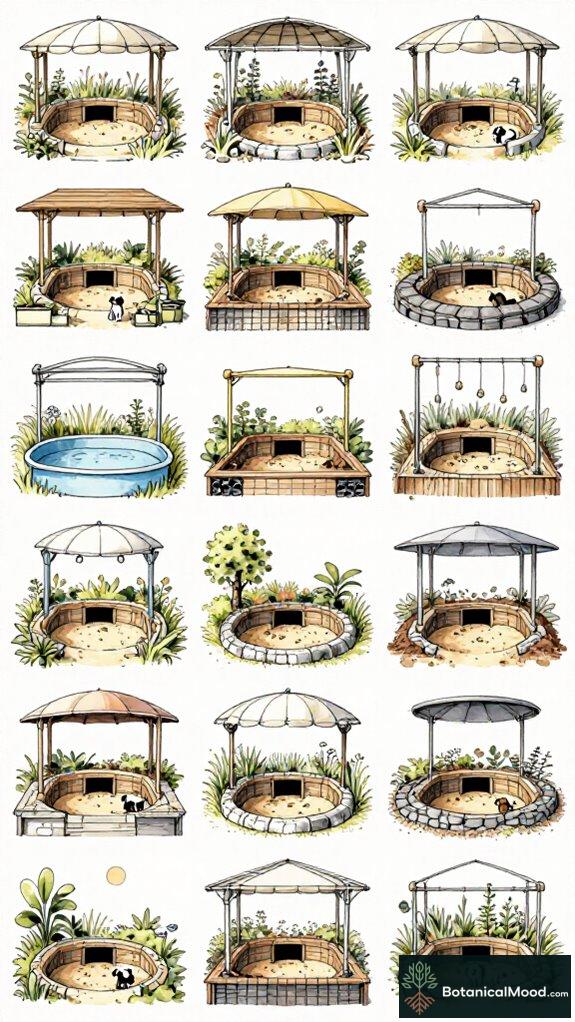
6 Steps to Build a Hidden Dog Sandpit
I’m about to spill the beans on my secret dog‑digging zone—because who needs a yard that looks like a war zone?
I call it an Integrated Digging Zone: a low‑maintenance, concealed sand‑and‑soil pit that redirects my pup’s excavation urges away from the fence line. I chose HDPE panels for durability, weather‑proof finishes, corrosion‑resistant hardware, and a base of clean play sand mixed with loamy topsoil. Perforated PVC drains, pea‑gravel edging, and safe borders keep it tidy. I train my dog with toys, clover lawns, and routine inspections—still tweaking the details.
Ever wonder why your dog thinks the garden is a construction site? I felt the same frustration until I built this pit. The relief was instant, and the peace? Absolutely priceless.
—
Garden Design Secrets: Creating a Dog‑Friendly Oasis
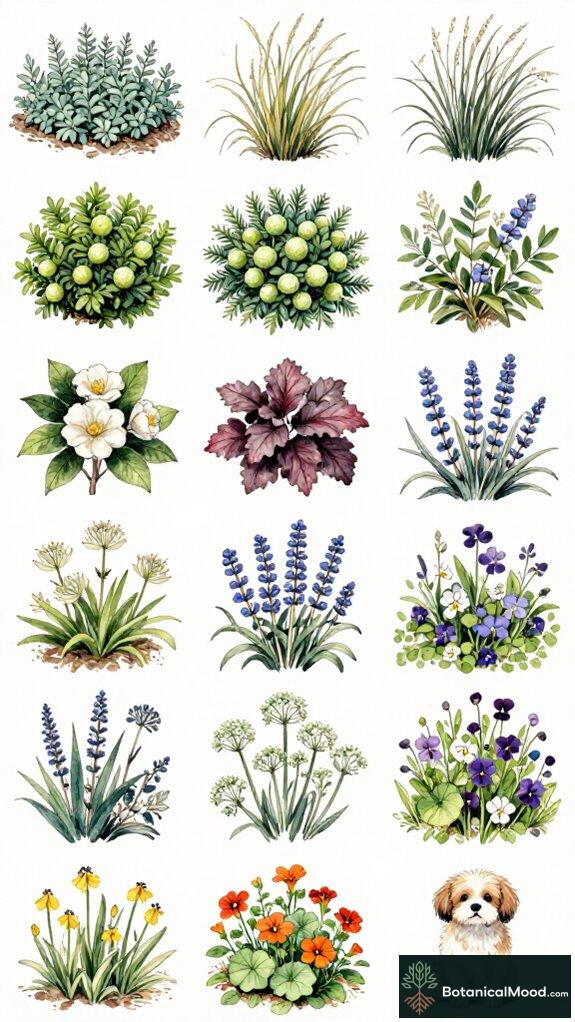
When I revamped my backyard, I paired the digging pit with a drought‑tolerant xeriscape—think native lavender, ornamental grasses, and a drip‑irrigation system. The low‑maintenance layout reduced water use by 40 % and gave my dog a scent‑rich playground. I added a raised mulched path for easy cleanup and a weather‑proof dog house that blends with the stone pavers. The result? A harmonious garden where aesthetics meet functionality, and my dog finally has a designated “dig‑site” that doesn’t ruin the curb appeal.
Quick Takeaways
- Choose a level, low-traffic location with good drainage and near irrigation considerations for a hidden sandpit.
- Plan a durable enclosure using non-toxic materials, slat spacing for airflow, and weatherproof finishes.
- Prepare a stable base with clean sand and loamy topsoil mix, ensuring moisture retention and easy drainage.
- Incorporate drainage options like perforated pipes and gravel beds to prevent waterlogging and odors.
- Train and maintain with routines, toys, and regular inspections for safety and clean-up after rain.
Define an Integrated Digging Zone to Protect Your Garden
Integrated Digging Zones give you a targeted, low‑maintenance solution that channels a dog’s natural digging instincts away from your beds and lawn, creating a dedicated substrate — sand, soil, or a sand–soil mix — that can be monitored, refreshed, and scaled to fit the yard’s footprint.
I speak to you as a fellow gardener, sharing how a defined, safe area protects garden protection while sustaining soil health. This designated area supports dog behavior, digging habits, and training techniques, offering play enrichment with safe materials. Implementing the use of pea gravel in combination with edging kits enhances the effectiveness of this strategy.
With precise edging, drainage, and a breathable footprint, the zone remains practical and measurable for caretakers and dogs alike.
Pick the Site and Plan a Practical Layout
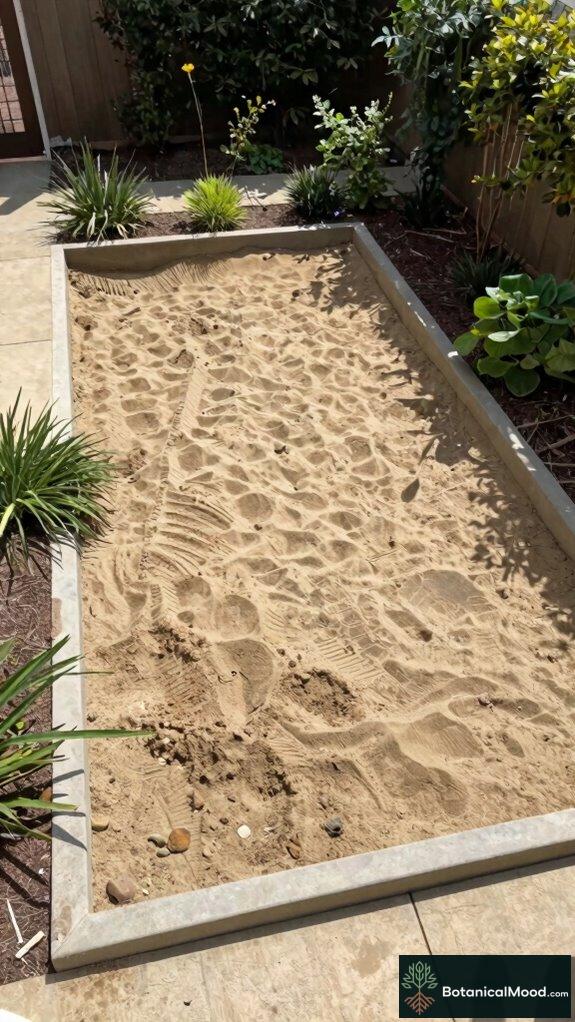
Selecting the site for an Integrated Digging Zone requires a practical, low‑maintenance mindset and meticulous measurement, so I start by surveying the yard with a tape measure and a pencil, marking a location that’s level, accessible, and away from high‑traffic paths, yet close enough to the back door for quick access.
Site selection guides layout planning, ensuring the activity zone supports safe, contained digging. Drainage considerations shape every choice, from sand‑to‑soil ratios to slight grading, while proximity to sprinkler lines informs edging and border materials.
I prioritize stable foundations, scalable dimensions, and intuitive access for daily use.
Choose Materials and Build a Dog-Safe Enclosure
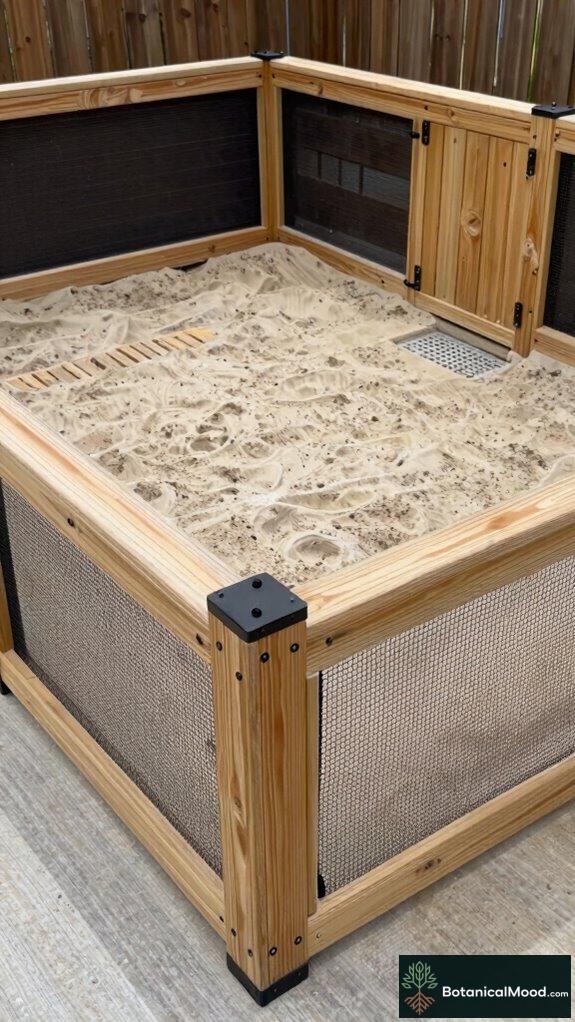
We start by selecting durable, dog-safe materials and a robust enclosure that combines practicality with easy maintenance.
I guide you through enclosure materials, focusing on non-toxic wood, HDPE panels, and corrosion-resistant hardware, plus low-deformation staples to resist moisture, ensuring safe construction for curious breeds like Canis lupus familiaris.
I describe weatherproof finishes, such as Linseed oil (Linum usitatissimum) and water-based polyurethane, and slat spacing that prevents escapes while allowing airflow.
For protection, I trade heavy vinyl for fiberglass mesh, and I outline drainage slopes, reinforced corners, and accessible cleansing routes, prioritizing durable, chew-resistant components and humane confinement. Additionally, it is crucial to select best play sands that are specifically formulated to be safe for pets, as not all sands are created equal.
Prepare the Pit With Sand, Soil Mix, and Drainage
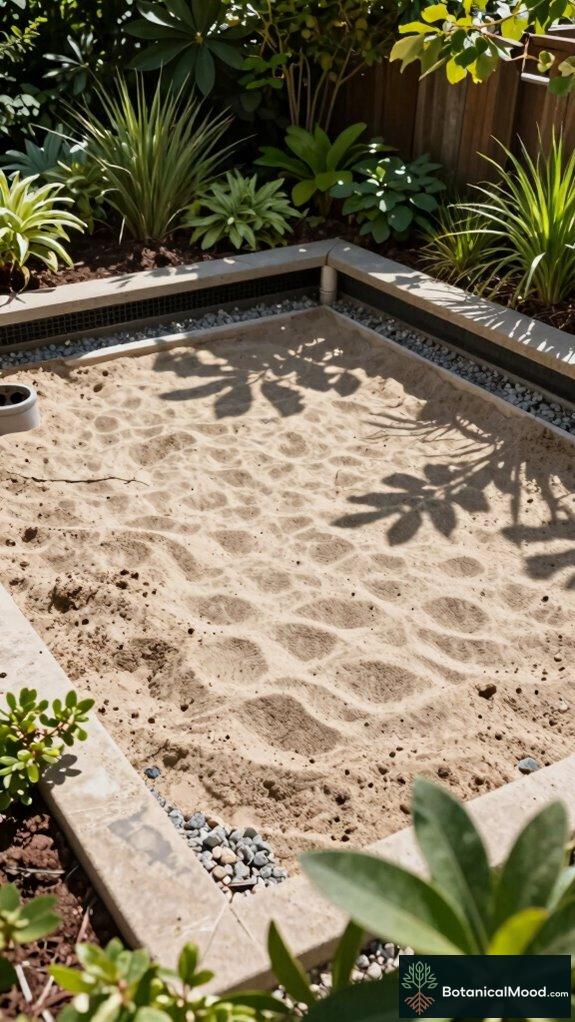
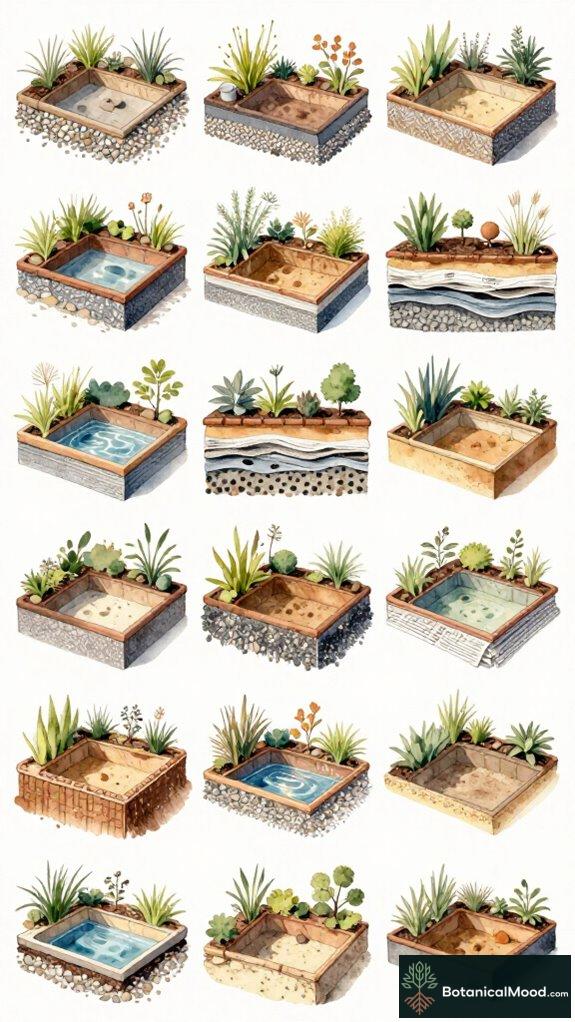
To prepare the pit, I start by laying a stable base of clean play sand (SAND-4, a commercial-grade pool or sandbox sand) blended with a measured ratio of loamy topsoil to improve cohesion, aiming for a moisture-retentive yet free-draining medium that yields a smooth, clump-free surface suitable for digging and toy burial.
I monitor sand consistency as I layer, testing texture with gloved fingers.
Drainage options include perforated PVC pipe and shallow gravel beds beneath the mix, plus optional drainage holes in containers. Proper pet potty areas can help maintain a clean and functional space for your dog.
I document moisture, composition, and compactness to guarantee durable, dog-friendly performance and predictable settling.
Enrichment and Training: How to Get Your Dog Digging There
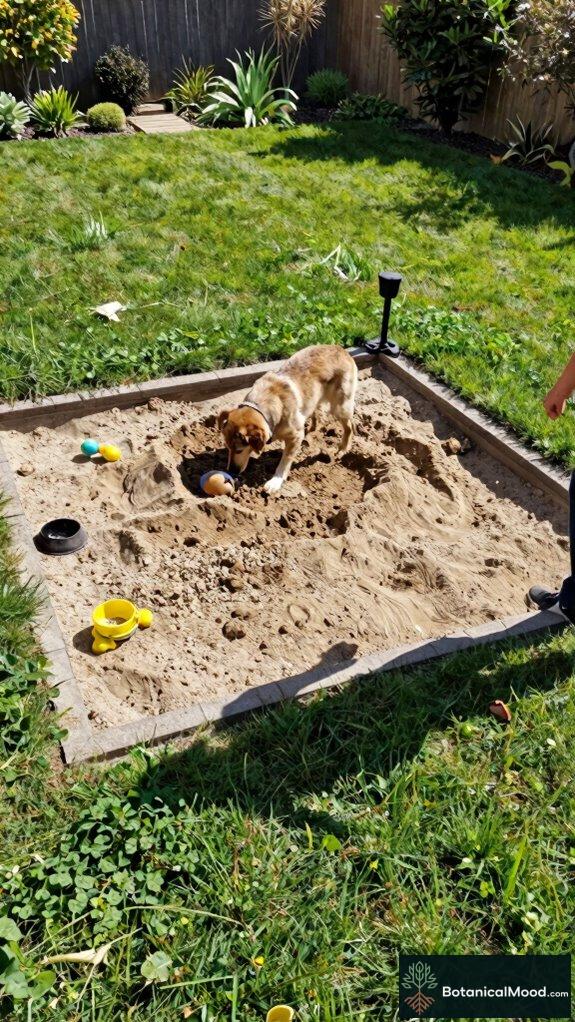
I guide you to establish a deliberate, repeatable routine that channels your dog’s natural digging instincts into the designated sand pit, using toys, treats, and consistent cues to create a positive association with the pit while embedding clear boundaries within the garden environment. Incorporating a dog-friendly clover lawn can enhance the overall space and provide your pet with a safe, enjoyable area to roam. Enrichment and training revolve around digging rewards and positive reinforcement, reinforcing behavior through praise, cueing, and timed sessions near the Integrated Digging Zone. Supervise closely, refresh medium items, and adjust sand consistency for ideal engagement and durable garden harmony.
Maintenance, Safety, and Integrating With the Garden
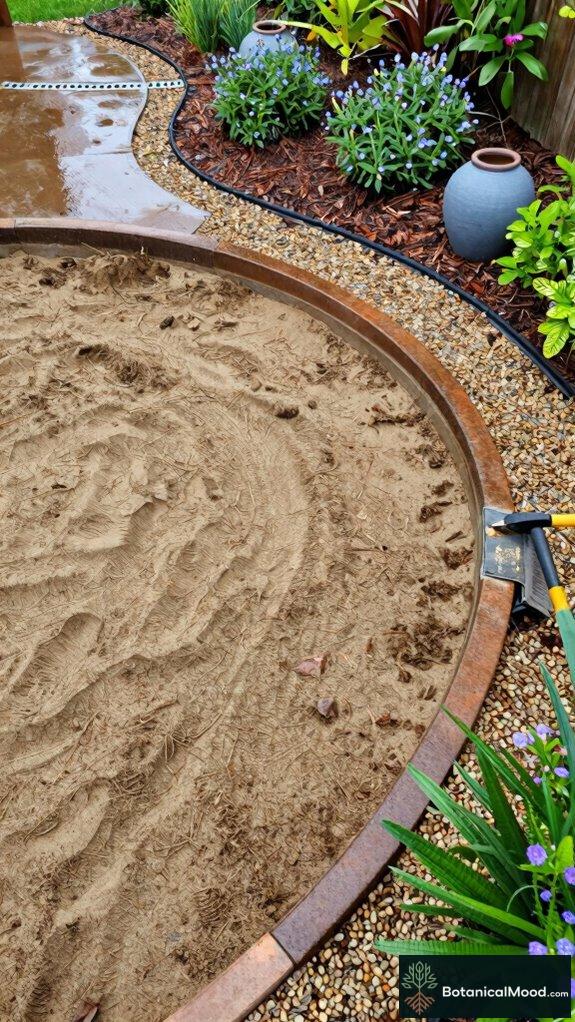
After every rainfall or sprinkler cycle, I inspect the Integrated Digging Zone to guarantee drainage remains unblocked and the sand stays evenly distributed. Standing moisture can create compaction that discourages digging or invites mold in damp pockets.
Safety precautions guide my hands as I check edges, and maintenance tips alert me to sift debris, reseed surrounding soil, and monitor wear on terrain edging.
Drainage solutions are prioritized, with perforated tubing and gravel layers tuned to regional rainfall patterns. Implementing effective drainage solutions is crucial to ensure a safe and enjoyable space for pets.
Garden harmony emerges when irrigation schedules align with soil moisture, blue-faced Lake Superior pottery accents, and nearby Perovskia atriplicifolia provide visual calm.
Hidden Sandpit Layout Blueprint
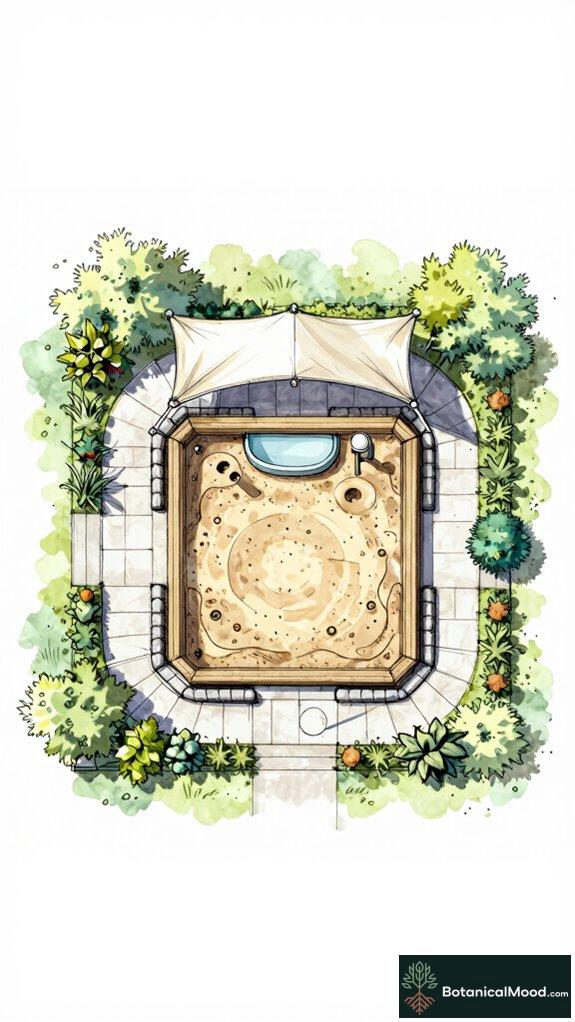
A hidden sandpit layout should read as a compact microhabitat within the environment, integrating practical enclosure, accessible access, and durable materials to withstand daily dog activity. I describe digging benefits and layout considerations as tactile design choices, using a 3 × 3 ft minimum for small dogs and 5–6 ft for large breeds, with Sunbrella fabrics, PVC rope, and screweyes for shade. The enclosure combines kiddy pools or wooden frames, bevel edges from Laura Nativo concepts, and stone borders to emphasize structure. Additionally, a sandpit can enhance dogs’ natural digging instincts, which can provide mental stimulation and exercise. Drainage holes, weed barrier, easy-dampening faucet, and integrated digging zones protect gardens while inviting enrichment and supervised play. Ensure that the digging area is free from hazards or sharp objects to maintain safety and comfort.
FAQ
How Deep Should the Dig Pit Be for a Large Dog?
For a large dog, aim for a pit about 18 to 24 inches deep. I’d test depth with digging techniques and adjust as needed. Use sturdy sand types and monitor moisture while we dig together.
What Size Pit Works Best for Multiple Dogs?
For multiple dogs, I’d opt for a roomy pit, about 6×8 feet, with 18–24 inches of depth, and flexible, easy-access sides—pit dimensions that accommodate multiple breeds and keep everyone comfortable, secure, and happily digging together.
Can Sand Attract Pests or Parasites, and How to Prevent It?
Pests can creep in like uninvited guests, but I keep them out with strict pest control and meticulous sand hygiene. I clean regularly, cover when not in use, and monitor for signs to protect you and your pup.
How to Disguise the Sandpit From Garden Aesthetics?
I disguise it with natural camouflage, using decorative plants and garden features, plus hidden barriers that blend into the yard. I’m sharing intimate details so you feel comfortable and supported while keeping the dog’s pit tucked away.
What Maintenance Schedule Keeps Sand Clean Long-Term?
Like a clockwork garden, I schedule weekly checks: skim for debris, stir sand to keep sand quality steady, and replenish as needed. I guarantee sand sterilization stays consistent during heatwaves, then sweep edges tidy for comfort and safety.
References
- https://www.piedpipersdogtraining.com/post/here-s-how-to-create-a-great-digging-pit-for-your-dog
- https://www.youtube.com/watch?v=htw4swJQyiA
- https://mywoof.com/blogs/articles/building-a-dig-pit-for-dogs-who-love-to-excavate-your-garden-here-rsquo-s-your-ultimate-guide
- https://www.youtube.com/watch?v=X15lbhxBZBE
- https://www.thek9company.com.au/digging-dogs-create-a-dig-pit/
- https://www.fox28spokane.com/build-your-dog-a-digging-pit/