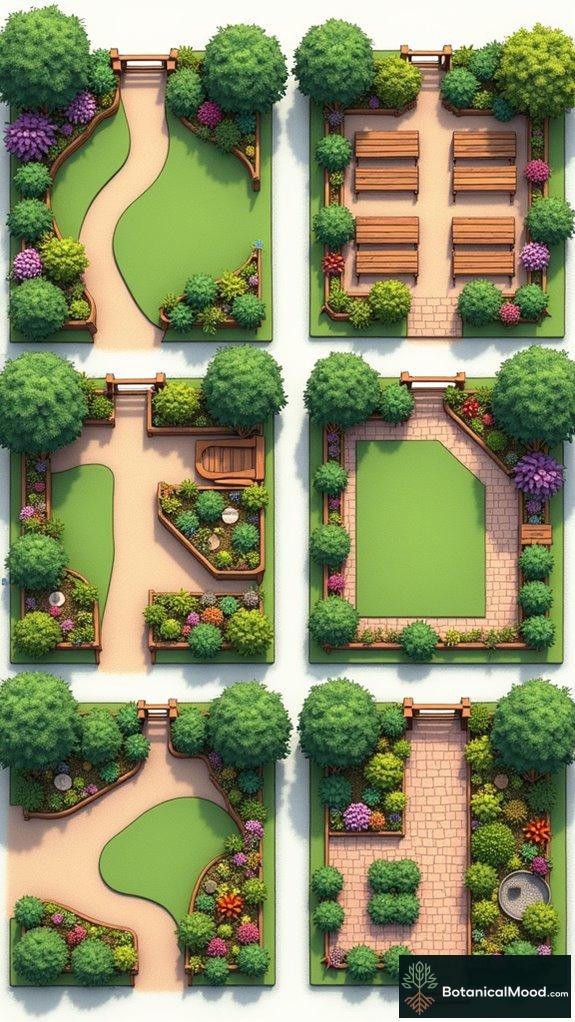
Category: Conceptualization and Goal Setting

  • Why Fairy Gardens Are Perfect for Small Spaces

    Why Fairy Gardens Are Perfect for Small Spaces

    Ever thought about how fairy gardens make life cushy in small spaces?

    Well, I’ve recently dived into the whimsical world of miniature gardens, and let me tell you—they’re the perfect remedy for my compact balcony situation!

    With a mix of dwarf plants like tiny ferns and bold succulents, I can create a mini paradise without feeling like I’m living in a shoe box. Plus, adding cute decor like itty-bitty benches and sparkling bird baths brings a smile to my face.

    Who knew indulging in a bit of creativity could also be oddly therapeutic? Or maybe that’s just the joy of playing in dirt?

    But hey, it’s not always smooth sailing. Sometimes I wonder if my plants prefer each other’s company over mine!

    My Garden Design Journey: Finding Space for Miniature Magic

    Reflecting on my little balcony makeover, I remember the day I stumbled upon an online fairy garden community. Intrigued, I decided to take the plunge. I crafted a vertical garden using an old shoe rack and filled it with everything from tiny violets to quirky figurines.

    Watching butterflies flutter around my tiny kingdom was enchanting! I wrestled with sunlight issues and space constraints, but every challenge taught me something new. Now, I can’t help but catch neighbors peering over the railing, captivated by my whimsical creation. I guess fairy gardens really do have a magic of their own!

    Quick Takeaways

    • Vertical elements and tiered designs maximize limited space while creating diverse layers and visual interest in fairy gardens.
    • Lightweight materials enable easy transport and flexibility, allowing fairy gardens to adapt to various small spaces.
    • Customization options like tiny decor and whimsical features enhance creativity, personalizing small gardens to reflect individual aesthetics.
    • Seasonal themes and swapping plants keep small fairy gardens dynamic and engaging, maximizing enjoyment in confined spaces.

    Space Efficiency and Design

    enchanting small space gardens

    When it comes to crafting fairy gardens in small spaces, maximizing both space efficiency and design ultimately transforms these miniature environments into enchanting havens.

    Utilizing vertical elements, like tiered planters or wall-mounted displays, allows me to create diverse layers of foliage, while the strategic placement of stones and pebbles enhances pathways that beckon exploration.

    Incorporating dwarf plants, such as baby tears and miniature ferns, is essential for a harmonious look, allowing each piece to breathe while contributing to the overall aesthetic.

    I love experimenting with color palettes through succulents and decorative stones, creating a whimsical yet sophisticated charm that invites serenity into confined spaces, a principle I always emphasize at Botanical Mood. Additionally, selecting drought-resistant plants not only enhances resilience but also supports sustainable water conservation techniques.

    Convenience and Portability

    portable enchanted gardens joyfully

    Creating a fairy garden that can be easily moved or rearranged offers significant advantages, especially in compact living spaces where flexibility is key.

    I love how these miniature settings can be crafted into potted arrangements or hung in containers, allowing me to experiment with various placements.

    Using lightweight materials, like resin or lightweight ceramics, makes transport a breeze. Plus, seasonal changes inspire me to swap out plants, like vibrant succulents and delicate flowers, reflecting the shifting moods of my environment. Incorporating elements of modern landscape lighting can further enhance the magical atmosphere during the evening hours.

    Whether hosting a gathering or simply revitalizing my view, these enchanting gardens effortlessly enhance my space and spark joy, embodying the essence of Botanical Mood.

    Opportunities for Creativity and Personalization

    creative whimsical fairy gardens

    As I explore the world of fairy gardens, I find endless opportunities for creativity and personalization that allow each arrangement to reflect my unique style and vision.

    With miniature plants like moss and succulents, I create vibrant scenes, customizing them with colorful pebbles or handcrafted fairy doors.

    I love adding whimsical elements, such as tiny furniture from brands like Evergreen Garden, or incorporating natural materials like driftwood for a rustic charm.

    Every detail, from color choices to the orientation of components, contributes to a garden narrative that speaks to my imagination, fostering a space that’s not just a garden, but a personal retreat.

    Educational and Therapeutic Benefits

    imaginative play and mindfulness

    Engaging with fairy gardens not only sparks a sense of imaginative play, but also delivers a wealth of educational and therapeutic benefits that can enhance mental well-being and knowledge.

    Creating these miniature environments encourages mindfulness, as I carefully select plants like miniature succulents, vibrant mosses, and ornamental accessories, fostering a deep connection with nature.

    Gardening enhances understanding of ecosystems and plant care, soil types, and plant care, cultivating lifelong learning opportunities. Moreover, nurturing these delicate spaces can alleviate stress, promoting emotional balance.

    whimsical sustainable fairy gardens

    While many avid gardeners explore the enchanting world of fairy gardening, recent trends have begun to shape this whimsical pursuit into a fascinating artistic expression that’s both personal and immersive.

    In my experience, incorporating unique miniature structures, such as handcrafted fairy houses from local artisans, enhances charm while supporting community creativity.

    Furthermore, the rise in sustainable materials—like recycled glass and reclaimed wood—brings an eco-friendly element to these miniature environments.

    Color palettes have shifted toward vibrant hues inspired by botanical diversity, fostering emotional connections with nature.

    As I observe these trends, I find joy in designing my own narratives within these magical spaces, igniting inspiration and innovation. Additionally, creating enchanting accents such as charming bird baths from recycled materials allows for a delightful fusion of whimsy and sustainability.

    Cost-Effective Gardening Solutions

    budget friendly fairy garden tips

    When seeking to cultivate a fairy garden on a budget, creative resourcefulness often leads to delightful surprises.

    I’ve found that repurposing everyday items, like tin cans or glass jars, creates charming miniature planters, perfect for your tiny flora.

    Shopping at local thrift stores for unique pieces, such as small figurines or rustic wood accents, can add character without breaking the bank.

    Exploring local thrift stores can yield unique treasures, adding charm to your fairy garden without stretching your budget.

    Choosing native plants, which thrive in your climate, not only saves money but also enhances biodiversity.

    Through these thoughtful choices, I’ve turned modest spaces into enchanting retreats, embodying the very essence of what inspired me to create Botanical Mood.

    Whimsical Paths and Miniature Structures

    whimsical pathways and structures

    Creating enchanting spaces in our fairy gardens often begins with thoughtful pathways and miniature structures that enrich the visual narrative. The right choice in paths and structures adds depth and whimsy, transforming our small spaces into magical domains.

    • Pebble mosaic paths that mimic natural stone
    • Miniature arches bridging whimsical environments
    • Found objects reimagined as charming decorations
    • Dwarf conifers providing scale and realism

    These elements not only guide the eye but invite exploration, making every corner of the garden a potential adventure. Additionally, incorporating wildflowers for vibrant color can enhance the whimsical atmosphere of your fairy garden.

    Case Study: Enchanted Garden Design

    enchanted garden spatial planning

    Envisioning an enchanted garden often starts with thoughtful spatial planning that harmonizes sunlight and shade, consequently creating a magical palette for plant health and growth. Integrating a balance of sunlight and shade is essential for ensuring that plants thrive in such a captivating setting.

    ElementDescription
    LocationBalances sunlight and shade
    DimensionGentle slopes adding visual layers
    Plant SelectionLow-growing, colorful foliage
    Miniature FeaturesTiny structures for focal points
    Atmosphere DesignCozy nooks and themed zones

    Integrating plants, artistic elements, and unique structures creates opportunities for storytelling and imagination. Such designs not only captivate the eye but also evoke emotions, fostering a desire for innovation and creativity in small spaces.

    Compact Fairy Garden Layouts

    enchanting compact fairy gardens

    A compact fairy garden layout transforms small spaces into enchanting settings, allowing creativity to flourish in limited footprints. Embracing innovative design elements, I find joy in optimizing even the tiniest areas:

    • Multi-level arrangements with broken pots to create dimension
    • Portable mason jar gardens that adapt to any nook
    • Miniature bridges and benches adding whimsical touches
    • Tight pathways made of gravel to expand visual space

    Incorporating miniature landscapes will further enhance the charm of these fairy gardens.

    Miniature Plant Arrangements

    miniature plant arrangement techniques

    While small spaces might challenge some gardeners, they present a unique opportunity to experiment with miniature plant arrangements that breathe life into fairy gardens.

    I love incorporating dwarf plants, like the button-like Anemonella and bright Pheasant’s Eye, to maintain scale. Similarly, Creeping Sedum creates an evergreen carpet that’s a low-maintenance delight.

    I often mix small flowering plants like Cyclamen or Buttercup for color, while herbs like Thyme add depth. Miniature plants represent an ideal fairy garden accessory that enhances the charm and whimsy of these enchanting spaces.

    Pairing these with lush ground covers, such as Irish moss or creeping thyme, offers texture and variety. This thoughtful selection enhances the charm and realism of my miniature environments, showcasing the beauty of innovative gardening.

    Personalization With Fairy Garden Inspiration

    whimsical miniature garden creations

    Creating a fairy garden allows me to transform any small space into a whimsical haven, where imagination blooms alongside nature. There’s endless inspiration in adding:

    • Miniature houses adorned with tiny details
    • Twinkling fairy lights illuminating pathways
    • Vintage teacups serving as charming planters
    • Natural pebbles and twigs reflecting the local scenery

    I love utilizing upcycled materials, like old bicycles and re-purposed bottles, which give my garden a unique touch. Planning a theme is essential as it guides the overall design and ensures a cohesive look in the arrangement of accessories.

    Seasonal themes, from autumn leaves to winter scenes, enhance creativity. Each element, thoughtfully chosen, fosters a personalized connection, making my fairy garden not just a space, but a spirited setting of dreams.

    Meet the Creative Gardenist

    creative fairy garden designs

    Megan Thompson, a creative gardenist from Seattle, Washington, discovered her passion for gardening during childhood explorations in the lush Pacific Northwest, sparking her desire to create enchanting fairy gardens in small spaces.

    To achieve her vision, Thompson embraced her personal creativity and a keen understanding of natural patterns. She utilized a meticulous design process, integrating intuitive impulses to harmonize plant selections and arrangements that celebrate biodiversity while prioritizing aesthetic appeal. In her designs, she often incorporates vertical gardening techniques to maximize the limited space available.

    Thompson employed tools like Fiskars garden shears for precision cutting and Miracle-Gro potting mix for ideal plant health. Accessories from brands such as Fairy Garden House and Miniature Garden included decorative figurines and LED fairy lights, while advice from horticulturists like Laura LeBoutillier enhanced her knowledge of companion planting for a thriving garden environment.

    Renowned Garden Design Leaders

    innovative fairy gardening leaders

    In the ever-evolving domain of garden design, renowned garden leaders elevate the art of fairy gardening, bringing innovative viewpoints and transformative ideas to miniature settings.

    Pioneers like Anne Ashberry established fairy gardening as a therapeutic practice, meticulously crafting environments that reflect the beauty of full-sized gardens while emphasizing healing for the elderly and disabled. This craft is increasingly recognized not just as child-friendly play but as a design pursuit that requires significant thought and planning.

    Visionaries such as Kelly Larsen adapt contemporary gardening trends into new dimensions, producing seasonal themes that captivate all ages.

    Organizations like Fairview Greenhouses champion education, providing workshops that intertwine botanical knowledge with creativity.

    Through these leaders, fairy gardening becomes not just a hobby but a cultural narrative steeped in tradition and artistry.

    Garden Design FAQ

    What Types of Plants Thrive in Fairy Gardens?

    I love using tiny succulents, moss, and dwarf plants in my fairy gardens. They thrive in smaller spaces, adding charm and creativity while staying manageable. Try adding some miniature herbs for a unique twist!

    How Do I Keep Pests Away From My Fairy Garden?

    To keep pests away from my fairy garden, I use natural repellents like neem oil and garlic spray. It’s ironic how these tiny wonders can thrive while I fend off unwelcome critters, creating my enchanting oasis.

    Can Children Help Create and Maintain Fairy Gardens?

    I love involving children in creating and maintaining fairy gardens. It sparks their creativity, teaches responsibility, and gives them a sense of ownership. Plus, it’s a fun way to bond while nurturing nature!

    What Materials Are Best for Constructing Miniature Garden Accessories?

    I’ve found natural items like twigs and pebbles work wonders for miniature accessories. For a touch of creativity, I use recycled materials like bottle caps and fabric scraps—these innovative choices add personality and charm to your garden!

    How Do I Winterize My Fairy Garden?

    I winterize my fairy garden by removing delicate plants, covering the soil with mulch, and sheltering decorations from harsh weather. I also place miniature lights inside for a magical, cozy winter glow.

    Share Your Own Garden

    Fairy gardens let me turn small spaces into lively adventures. With tiny plants and fun decorations, they ignite my creativity. Starting my own magical garden feels exciting, and there’s so much room for my imagination to grow.

    I’d love to hear about your own fairy garden experiences! What have you created in your space?

    Feel free to share pictures of your garden and share the inspiration behind your designs!

    References

  • What Makes a Budget-Friendly Outdoor Garden Shine?

    What Makes a Budget-Friendly Outdoor Garden Shine?

    Creating a budget-friendly outdoor garden? Trust me, it’s not as daunting as it sounds!

    I found that a little creativity can turn any dull yard into a vibrant oasis.

    Using native plants not only makes my garden look good but also means I’m doing my bit for the bees and butterflies. Who knew I’d be the local pollinator hero?

    I also got crafty by repurposing old bricks and wooden pallets. A touch of minimalism with clean lines works wonders, too—just don’t look too closely at my gardening skills!

    Looking for a serene retreat? Some cheap gravel paths and whimsical outdoor lights totally transformed my space.

    Did I ever think I’d be giving garden advice? Not really, but I’m here for it!

    My Journey in Garden Design: A Lesson in Creativity and Patience

    I vividly remember the struggle of designing my first garden. Armed with a handful of seeds and zero experience, I thought I could just wing it. Spoiler alert: I didn’t realize the struggle of poor soil conditions. Humbled, I learned about companion planting, soil quality, and sunlight!

    After testing and adjusting, my setbacks turned into stepping stones. Now, flower beds flourish, and my neighbors are starting to take note. It’s been a journey that blends eco-friendliness with personal flair, and I can proudly say I’ve finally embraced my inner gardener!

    So, are you ready to dive into the wild world of garden design?

    Quick Takeaways

    • Embrace native plants for their low maintenance needs, vibrant colors, and ability to attract pollinators, enhancing garden sustainability and appeal.
    • Utilize minimalist design principles with space-efficient furniture to create a serene and functional outdoor retreat.
    • Repurpose materials creatively, such as old pallets and vintage items, to add unique accents while promoting sustainability.
    • Incorporate affordable hardscaping options like gravel paths and recycled bricks for structure and texture without overspending.
    • Enhance ambiance with budget-friendly lighting solutions like LED string lights and upcycled lanterns, extending garden enjoyment into the evening.

    Embracing Native Plants for Sustainability

    native plants promote sustainability

    While exploring the beauty of our gardens, I often find myself captivated by the allure of native plants, which not only enhance the aesthetic but also support local ecosystems. Incorporating species like purple coneflower and black-eyed Susan not only brings vibrant pops of color but encourages pollinators such as bees and butterflies.

    These resilient plants require less water and maintenance, making them eco-friendly and budget-conscious choices. By creating diverse habitats, I’m inspired to cultivate sustainable environments that reflect local biodiversity. Additionally, creating a beautiful native bee and butterfly garden can significantly boost the health of pollinator populations in our area.

    Embracing native flora is an innovative step towards garden design that nourishes both nature and our souls—an ethos I cherish in Botanical Mood.

    Minimalist Design: Less Is More

    elegant minimalist garden design

    Minimalist design offers a revitalizing approach to gardening, allowing the natural beauty of plants to take center stage. Emphasizing simplicity, I’ve discovered that a well-thought-out minimalist garden can dazzle with just a few remarkable elements:

    Embrace the elegance of minimalist gardening, where simplicity enhances the natural beauty of plants.

    1. Limited Plant Selection: Focus on a small number of species to enhance visual impact.
    2. Clean Lines: Use geometric shapes to create structure, guiding the eye through your space.
    3. Natural Materials: Incorporate stone, wood, or metal features that elevate the garden’s aesthetic.
    4. Thoughtful Color Palette: Stick to cohesive, muted tones for a serene atmosphere.

    With Botanical Mood, I’m inspired by this elegant simplicity. Additionally, embracing Scandinavian design principles can further enhance the garden’s minimalist charm.

    Repurposing Materials for Unique Appeal

    repurposing materials for gardens

    Repurposing materials can transform an ordinary garden space into a unique and delightful haven, showcasing creativity and sustainability in design.

    I’ve found that old wooden pallets can serve as rustic planters, while shattered tiles create charming mosaics for pathways.

    Garden furniture made from salvaged metal adds an industrial edge, vibrating harmoniously with vibrant flower beds.

    Using reclaimed bricks for edging not only reduces waste but also introduces rich textures and colors.

    Through careful selection and innovative thinking, I’ve seen unused items evolve into authentic garden statements.

    Every piece tells a story, infusing my garden with character, beauty, and a sense of purpose. Vintage buckets, for instance, can be repurposed as unique garden planters, adding charm and nostalgia to the overall design.

    Affordable Hardscaping Options

    affordable hardscaping design ideas

    When it comes to creating an inviting outdoor space, affordable hardscaping options play an essential part in setting the foundation for your garden’s aesthetic.

    By incorporating innovative elements, you can enhance your garden’s appeal without breaking the bank.

    1. Gravel pathways create texture and are budget-friendly.
    2. Paver stones can be arranged artistically to define seating areas.
    3. Recycled bricks add vintage charm while being eco-conscious.
    4. Timber edging outlines flower beds, adding structure and contrast.

    Discovering these options inspired me while creating Botanical Mood, as I’ve seen how beautifully they transform spaces while keeping costs down. Additionally, using rustic stone hardscaping can introduce a natural look that complements your garden’s landscape.

    Enhancing Ambiance With Outdoor Lighting

    enchanting garden lighting ideas

    Lighting can dramatically transform the atmosphere of your garden, inviting you to bask in its beauty even after the sun sets.

    Utilizing strategically placed LED string lights or solar lanterns can create enchanting pathways, while spotlighting focal points like vibrant blooms or sculptural elements enhances their allure.

    Strategically placed LED string lights and solar lanterns create enchanting pathways, highlighting vibrant blooms and sculptural elements in your garden.

    Consider accent lights to highlight textured foliage, creating depth and intrigue.

    Incorporating dimmable fixtures allows flexibility for mood-setting, fostering a relaxing environment for nighttime gatherings.

    Creative Container Gardening Solutions

    creative urban container gardening

    Container gardening offers an exciting avenue for expressing creativity while maximizing limited outdoor space, especially for urban dwellers seeking to cultivate a touch of nature.

    I’ve discovered that innovative options can transform even the smallest areas into lush retreats.

    Here are some creative container solutions I love:

    1. Vertical Gardens: Utilize wall-mounted planters or shelving to create living art.
    2. Repurposed Containers: Old buckets, crates, or even tires can serve as unique planters.
    3. Hanging Baskets: Add depth and movement by suspending vibrant plants.
    4. Miniature Herb Gardens: Use small pots for culinary delights right at your fingertips.

    Maximizing Space With Thoughtful Layouts

    thoughtful garden layout strategies

    Creating an inviting and functional garden space, especially in limited areas, requires careful thought and strategic layout. I often find that using vertical gardening techniques—like wall planters or trellises—maximizes floor space while adding visual intrigue.

    Incorporating varied heights fosters depth, guiding the eye through the design, and choosing multi-functional elements, such as benches that double as storage, optimizes utility.

    I appreciate integrating color schemes that harmonize with the natural surroundings, boosting aesthetic appeal.

    Ultimately, it’s about crafting a sanctuary that reflects your style while embracing innovative solutions, inspiring me to share these observations on Botanical Mood.

    Affordable Garden Layout Ideas

    affordable garden design ideas

    How can you transform your outdoor space into an affordable yet stunning garden sanctuary?

    With a few innovative layout ideas, your garden can truly shine.

    1. Vertical Gardening: Use trellises or hanging pots to create lush green walls, maximizing limited floor space. This technique also allows you to support climbing plants like jasmine or clematis, enhancing beauty and depth.
    2. Container Gardens: Repurpose old buckets or crates for flexible, cost-effective planting options.
    3. Color Palette: Opt for cool colors like blues and greens to enhance visual space.
    4. Edible Ornamentals: Integrate beautiful yet functional plants like kale or purple cabbage for aesthetic appeal while growing fresh produce.

    Embrace these strategies to cultivate a thriving, budget-friendly garden!

    Transforming Pallets Into Planters

    pallet planters for sustainability

    Transforming discarded wood pallets into planters can breathe new life into your outdoor space, as they serve as versatile and sustainable gardening solutions. These simple structures elegantly combine utility and creativity while being cost-effective and eco-friendly. By selecting sturdy, untreated wooden pallets, you ensure a space-efficient gardening experience that fits perfectly into small urban settings.

    Benefit Description
    Space Efficiency Perfect for small urban settings
    Cost-Effective Repurposed wood often available at low cost
    Eco-Friendly Reduces wood waste, promotes sustainable practices
    Creative Design Opportunities Range from rustic to modern aesthetics
    Therapeutic Gardening Benefits Hands-on interaction with nature for all ages

    With each planter, you nurture not just plants, but a greener world.

    Space-Efficient Garden Furniture Arrangement

    space efficient garden furniture arrangement

    Finding the right balance between functionality and space in our outdoor areas is essential for maximizing enjoyment, especially in smaller gardens.

    Here are four innovative approaches to space-efficient furniture arrangement:

    1. Invest in Foldable Options: Utilize lightweight, foldable tables and chairs that stow away easily. These options often include lightweight and portable designs, making them perfect for seasonal storage.
    2. Incorporate Storage Solutions: Opt for benches that offer hidden compartments, keeping clutter at bay.
    3. Choose Modular Designs: Cube furniture effectively adapts to your needs while saving space.
    4. Strategic Zoning: Design distinct areas by grouping furniture for lounging and dining to enhance flow.

    This attention to detail can transform any garden into a serene retreat.

    Creative Recycled Material Accents

    recycled garden decor ideas

    Creative accents made from recycled materials can infuse life and personality into any outdoor space, breathing new energy into neglected corners of your garden. Consider vibrant old tires painted in bold colors as whimsical planters for flowers, or repurpose metal magazine racks to add delightful textures. Think of using broken ceramics to craft colorful mosaics for pathways or edging, creating a stunning visual impact. Transform tin cans into decorative lanterns, casting a warm glow in the evenings. These innovative ideas not only elevate your garden’s aesthetic but also emphasize sustainability through upcycling, enhancing the beauty and story of your outdoor retreat.

    Personalization With Budget-Friendly Garden Decor

    upcycled garden decor ideas

    Upcycling and recycling aren’t just for indoor spaces; they’re perfect ways to infuse your garden with personalization that reflects your unique style.

    With a touch of creativity, I love transforming everyday items into charming accents. Here are a few budget-friendly ideas:

    1. Use an upcycled ladder as a vertical garden for climbing plants like Wisteria.
    2. Repurpose mason jars into whimsical lanterns, casting soft evening light.
    3. Gather colorful planters for a layered effect that adds texture.
    4. Restore old garden furniture with vibrant paint, blending functional beauty seamlessly. Painting fences can enhance the overall aesthetic and provide a fresh look.

    Each project not only saves money but also tells a story.

    Meet the Garden’s Creative Designer

    sustainable garden design techniques

    Meet the garden’s creative designer, Emily Johnson from Asheville, North Carolina. Inspired by her childhood playing in her grandmother’s garden, she desired to create a vibrant, sustainable outdoor space that reflects her love for nature.

    To bring her vision to life, Emily meticulously assessed her garden space, utilizing garden planning software like Garden Planner to experiment with layouts. She measured her garden accurately to maximize functionality while guaranteeing visual appeal, eventually opting for a diagonal design that complemented her wide, shallow yard. This thoughtful assessment allowed her to phase the development, starting small and manageable. Additionally, creating a clear garden layout helped her avoid unnecessary purchases and focus on essential elements for her garden.

    Emily’s careful planning and diagonal design brought functional beauty to her garden, allowing for manageable growth.

    Using tools from brands like Fiskars and Black+Decker, Emily transformed her space with reclaimed materials for edging and paths.

    She incorporated rustic accessories like handmade birdhouses and upcycled planter boxes filled with native plants, seeking advice from local horticulturist Jane Smith at the Asheville Botanical Garden to guarantee plant selection aligned with sustainable practices.

    Renowned Landscape Architects and Designers

    budget friendly garden innovations

    When exploring the world of budget-friendly garden designs, it’s fascinating to observe how renowned outdoor space architects and designers revolutionize the perception of affordability in outdoor spaces.

    These visionaries leverage creative, recycled materials and advocate for native, drought-resistant plants—reducing irrigation costs while enhancing aesthetic appeal. Employing structural elements like pea-stone patios or vertical gardens, they maximize limited areas, offering flexibility and style. Their strategies embrace DIY planters and multi-seasonal container gardens, ensuring visual interest year-round. Additionally, they often focus on high-impact projects that provide both aesthetic and practical value, allowing homeowners to achieve beautiful spaces without overspending.

    Garden Design FAQ

    What Are the Best Seasonal Flowers for Budget Gardens?

    I love planting marigolds, zinnias, and cosmos in my budget garden. They’re vibrant, easy to grow, and incredibly affordable. By mixing them according to seasons, my space bursts with color without breaking the bank!

    How Can I Avoid Common Mistakes in Budget Landscaping?

    I avoid common mistakes in budget landscaping by planning ahead, researching plant choices, and prioritizing perennials. I also resist the urge to overbuy and focus on creating a cohesive design that reflects my style.

    What Tools Do I Need for DIY Gardening Projects?

    For DIY gardening projects, I rely on essential tools: a sturdy spade, pruning shears, gardening gloves, a trowel, and a flexible hose. Having the right gear definitely makes each project more enjoyable and efficient.

    How Do I Maintain Soil Health on a Budget?

    I maintain soil health on a budget by using kitchen scraps as compost, covering the soil with mulches, and rotating crops. These simple techniques enrich my soil and keep costs low, giving my garden a thriving boost.

    Can I Use Non-Native Plants in a Budget Garden?

    Absolutely, I can use non-native plants in my budget garden! They often require less maintenance and can thrive in local conditions. I just choose wisely to guarantee they won’t disrupt the ecosystem.

    Share Your Own Garden

    I’ve created a vibrant outdoor garden on a budget by using native plants and simple designs. Soft lighting and recycled materials add charm to my space. Each detail reflects creativity and sustainability, making my garden a personal oasis.

    What’s your experience with budget-friendly gardening? I’d love to hear your stories and tips.

    Feel free to share pictures of your garden design and tell us how you achieved it!

    References

  • Terrain Mapping: Sculptural Garden Landscapes Reimagined

    Terrain Mapping: Sculptural Garden Landscapes Reimagined

    Transforming a garden into a sculptural experience is no small feat, but here I am, trying to make it happen.

    I’ve played around with curvy paths and striking planters that dance with the earth’s contours.

    Did I mention I’m all about biodiversity? Layering plants like a messy cake can be unexpectedly charming.

    Oh, and don’t get me started on hedges framing views like artworks.

    It’s a delightful journey and can keep you guessing. Seriously, who knew gardening could be such a captivating adventure?

    Old Meets New: A Personal Garden Design Journey

    Years ago, I charged into a barren backyard with dreams of a botanical oasis. Armed with reclaimed wood and some stubborn ambition, I crafted winding paths that felt right at home. The porous stone I laid down wasn’t just pretty, it helped nature breathe.

    One afternoon, while sipping lemonade, I could’ve sworn the garden whispered its thanks. Seeing butterflies flit about among the flourishing flora made me realize we’re not just creating visually stunning spaces—we’re inviting entire ecosystems in.

    And that’s the real beauty of garden design. Who knew that creating a balance of art and nature could lead to such serenity?

    Quick Takeaways

    • Terrain-inspired shapes in garden design create a seamless connection between natural landscapes and structured elements, enhancing visual harmony.
    • Incorporating diverse materials like weathered wood and porous stone adds unique textures and character to sculptural landscapes.
    • Layering plants with varying heights promotes biodiversity and ecological balance, enriching the overall garden ecosystem.
    • Effective visual framing using hedges and trellises creates intentional sight lines that guide exploration and highlight focal points.
    • Personalization of garden elements can resonate with individual stories while harmonizing art and nature, contributing to a unique landscape experience.

    Geometric Inspirations From Natural Contours

    geometric natural design inspiration

    In the dynamic interplay of nature and design, I often find that geometric inspirations from natural contours create striking garden vistas that resonate deeply with viewers. These kinematic forms, derived from organic shapes, infuse a sense of harmony into environments. Consider employing curvilinear pathways that mirror the fluidity of a river, or angular planters echoing mountain ranges. Textures and colors, such as the verdant greens of ferns juxtaposed with vibrant florals, elevate the three-dimensional experience. Additionally, incorporating sustainable sculptural elements into your rock garden can enhance both aesthetic appeal and ecological balance.

    Exaggerating Shapes for Visual Focal Points

    dynamic focal points creation

    By amplifying certain features, we create dynamic focal points that invite exploration and contemplation.

    Consider these innovative techniques:

    • Curvaceous pathways that lead the eye and enhance movement
    • Oversized planters made from sustainable materials for dramatic effect
    • Sculpted hedges that defy traditional topiary norms
    • Bold, abstract sculptures integrated into the surroundings
    • Elevated terraces that alter viewpoint and offer unique vantage points

    Through such experimentation, we cultivate spaces that resonate deeply, evoking emotional responses while challenging conventional design boundaries.

    Moreover, modern lighting techniques can accentuate these exaggerated shapes, adding depth and intrigue to the garden’s overall ambiance.

    Materials That Enhance Sculptural Integrity

    material selection enhances aesthetics

    While the choice of materials is often overlooked in garden design, it plays an essential role in enhancing the sculptural integrity of environments.

    Selecting elements like porous stone, weathered wood, and handmade ceramics infuses texture and character, inviting tactile exploration.

    For instance, incorporating terracotta pots can harmonize with vibrant succulents, while sleek metal sculptures reflect light, adding dynamism.

    Innovative brands such as GARDENA provide tools specifically designed for delicate work, ensuring precision in material application.

    As I envisioned Botanical Mood, I aimed to unite these choices, allowing every detail to create a cohesive narrative that enhances organic beauty while challenging conventional expectations. Furthermore, the use of architectural stone features can dramatically elevate the overall aesthetic and functionality of the garden space.

    Plant Layering Techniques for Ecological Harmony

    ecological plant layering techniques

    Emphasizing biodiversity not only enriches our gardens but also promotes ecological balance. This is why I find plant layering techniques especially beneficial in creating harmonious environments.

    By strategically combining various plant heights, colors, and textures, I can cultivate vibrant ecosystems.

    • Incorporate ground covers for soil retention
    • Select mid-level shrubs for sheltering wildlife
    • Use towering perennials to create vertical interest
    • Opt for native species to enhance resilience
    • Group plants with similar water and light needs

    This approach not only rings true to innovative design but also nurtures lasting ecological health. It forms a deep connection between beauty and functionality in our surroundings. Additionally, companion planting strategies can further enhance yields and promote pest control in these layered gardens.

    Visual Framing and Sight Lines in Garden Design

    transformative garden visual framing

    In garden design, effective visual framing can transform a simple outdoor space into an enchanting retreat, showcasing the interplay between nature and architecture.

    By utilizing natural elements like hedges, arbors, and trellises, I create intentional sight lines that guide the eye and enhance the experience. These elements not only define spaces but also emphasize focal points, such as vibrant flower beds or tranquil water features.

    Utilizing natural elements, I craft sight lines that elevate the garden experience, defining spaces and highlighting captivating focal points.

    Innovative use of color palettes, textures, and vertical structures can further enrich the composition, allowing gardeners to engage visitors while encouraging exploration.

    My goal at Botanical Mood is to inspire these unique dynamics in every garden transformation.

    Sculptural Garden Form Layouts

    sculptural garden design principles

    Visual framing and deliberate sight lines in garden design set the stage for the enchanting layer of sculptural garden form layouts.

    In creating these striking spaces, I focus on:

    • Geometric plant beds as foundational elements, emphasizing symmetry.
    • Low hedges like boxwood defining edges for strong visual contrast.
    • Circular patterns within square beds to soften rigid lines.
    • Strategic zones for functionality, merging softscape and hardscape beautifully.
    • Proportionate pathways guiding exploration while highlighting sculptural forms.

    In a formal garden design, this harmonious blend of features not only elevates aesthetics but also enriches the visitor experience, making for a memorable journey through the garden’s sculptural narrative.

    Sculptural Terrain Inspiration

    sculptural forms enhance gardens

    While exploring the myriad ways sculptural forms can enhance garden settings, one soon realizes that natural topography provides a rich well of inspiration.

    Take hills, slopes, and plateaus, which sculpt our visual experience, offering organic contours that lead creative minds to envision unique garden designs. Erosion patterns sprinkle textural intrigue, while natural ridges and valleys orchestrate plant placements and water movement. The principles of unity in design can harmonize these natural features, encouraging a cohesive flow throughout the landscape.

    Rock outcrops anchor the terrain, serving as structural focal points, while dynamic elevations create visual drama.

    As I investigate these elements, I’m continually motivated to weave innovative patterns that celebrate nature’s artistry, fostering a profound connection between the built environment and our innate surroundings.

    Garden Shapes From Terrain Analysis

    terrain informed garden design

    Understanding how terrain analysis influences garden shapes can fundamentally enhance our design approach, as we uncover the hidden potential of each uniquely shaped setting. By employing advanced techniques, we can create gardens that resonate with their environment.

    • Use topographic surveys for accurate landform profiles.
    • Integrate LiDAR and drone imagery for precise 3D models.
    • Analyze GIS data to understand soil types and microclimates.
    • Utilize BIM software for ideal light exposure perspectives.
    • Assess natural drainage patterns for sustainable water features.

    These methods not only yield aesthetics but also foster functionality, leading to innovative garden environments that harmonize with nature. Site analysis is crucial for informing design decisions that reflect the unique characteristics of a site.

    Terrain-Inspired Architectural Garden Shapes

    terrain inspired garden architecture

    Creating vibrant garden spaces often invites exploration beyond traditional layouts, where terrain-inspired architectural garden shapes come to life, merging vistas and structures into cohesive visual narratives. Incorporating diverse garden shapes can enhance the overall layout, allowing for unique focal points and areas that reflect the surrounding terrain.

    Personalization With Sculptural Topographical Garden Forms

    innovative garden sculpture ideas

    Here are some innovative ways to enhance your space:

    • Use layers of paint, mosaic tiles, or reclaimed wood for texture.
    • Integrate LED lighting to highlight your sculptures.
    • Select vibrant or subtle color schemes that match your garden.
    • Personalize sculptures with elements that tell your story.
    • Position sculptures strategically for visual impact and guidance.
    • Incorporate quality materials like cement and stone for durability and a seamless blend with the outdoor environment.

    Meet the Garden’s Creator

    artistic ecological garden design

    The garden’s creator, Mitchell, hails from California and became inspired to design this sculptural garden through her childhood experiences in nature and a desire to harmonize art with the environment.

    Mitchell achieved her vision by engaging in an extensive design process that began with meticulous planning and sketching, followed by collaboration with seasoned land planners and horticulturists. Frederick Law Olmsted’s influence on urban parks emphasizes the importance of integrating nature into public spaces, which guided her approach to the project.

    Mitchell’s artistic vision flourished through meticulous planning and collaboration with expert land planners and horticulturists.

    She integrated diverse plant species and strategic topographical adjustments to enhance the garden’s visual narrative.

    To create the garden, Mitchell utilized tools from brands like Fiskars for pruning and Soil Ninja for soil enhancement.

    She collaborated with local horticulturists specializing in native plants, ensuring the garden’s ecological sustainability while enhancing its artistic elements.

    Renowned Garden Design Innovators

    innovative artistic garden design

    While many might simply see gardens as patches of green, the renowned innovators of garden design elevate these spaces into domains of artistic expression, seamlessly blending nature’s beauty with thoughtful planning.

    Take, for instance, Capability Brown‘s serene scenery featuring undulating lawns and reflective water bodies. His monumental vision transformed English gardens into living art.

    Then there’s Frederick Law Olmsted, whose Central Park ingeniously softened urban harshness. Integrating ecology and design, Thomas Church and Ian McHarg inspired sustainable practices. Meanwhile, Russell Page’s work, such as the Courtyard of the Frick Collection, showcases his ability to create formal gardens that respect their cultural context.

    Each designer, through their unique lens, has redefined our relationship with outdoor spaces, highlighting garden design’s potential to evoke emotion and inspire connection, a passion reflected in my Botanical Mood initiatives.

    Garden Design FAQ

    How Do I Assess My Garden’s Terrain for Mapping?

    I start by exploring each section of my garden, noting elevation changes, soil type, and sunlight exposure. I then sketch a rough layout, marking unique features, which helps me visualize and innovate my design effectively.

    What Maintenance Is Needed for Sculptural Garden Elements?

    I regularly clean my sculptural elements, checking for weathering and wear. I also apply protective finishes, adjust positioning for ideal sunlight, and guarantee surrounding plants thrive, keeping the garden’s aesthetic fresh and engaging.

    Can Terrain Mapping Principles Be Applied to Small Gardens?

    I’ve seen how terrain mapping principles transform small gardens into vibrant, dynamic spaces. By layering textures and colors, I’ve created inviting retreats that inspire exploration, turning mere soil into enchanting vistas bursting with life.

    What Are the Costs Associated With Sculptural Garden Design?

    The costs for sculptural garden design vary but typically include materials, installation labor, maintenance, and potential artist fees. I often find it’s worth investing in unique designs that elevate a garden’s aesthetic and value considerably.

    How Can I Incorporate Personal Art Into My Garden Landscape?

    I transform my garden by crafting unique pieces, like colorful mosaics or metal sculptures, inspired by my experiences. I place these artworks strategically, sparking conversation while elevating my terrain into a personal, expressive sanctuary.

    Share Your Own Garden

    I love transforming spaces into sculptural gardens. It’s so fulfilling to blend nature’s beauty with innovative design. Every choice—shape, material, and ecology—feels personal. Each garden I create reflects my passion for celebrating the extraordinary in nature.

    How have you experienced garden design in your life? I’d love to hear your thoughts!

    Feel free to share photos of your own garden and tell me how you designed it!

    References

  • Fluid Terrain: Sculpting Elegant Gardens Beyond Boundaries

    Fluid Terrain: Sculpting Elegant Gardens Beyond Boundaries

    Have you ever wandered through a garden that felt like a living painting?

    Well, that’s my jam! I sculpt majestic landscapes that harmonize with nature.

    Last spring, I dug a bioswale—sounds fancy, right? It’s just a glorified ditch that saves water. But did it work? Yep! I watched my plants thrive while my neighbors’ lawns wilted like sad socks.

    I craft with whimsical contours and showcase fauna that blooms all year.

    But hey, I’m no magician. Some days, plants just don’t get along.

    You win some, you lose some in the garden game, right?

    The Art of Embracing Imperfection in Garden Design

    During my first garden project, I dreamt big with wildflowers and intricate pathways. On planting day, I knocked over a whole bucket of seeds—yes, all over my neighbor’s pristine lawn. I panicked!

    But instead of horror, I found beauty in chaos. Those colorful blooms burst forth, mingling joyfully, transforming a blunder into breathtaking artistry.

    This taught me that sometimes, life’s best moments—like creating biophilic designs or encouraging biodiversity—sprout from happy accidents. Have you ever salvaged a flub into a floral masterpiece?

    Quick Takeaways

    • Fluid terrain design employs curvilinear lines, enhancing the garden’s visual intrigue and inviting exploration within the space.
    • Utilizing sculptural contour layouts ensures harmony between garden features and existing terrain, promoting ecological balance and aesthetic cohesion.
    • Effective water management is achieved with bioswales and rainwater harvesting, enhancing irrigation efficiency, thereby supporting sustainable gardening practices.
    • Dynamic planting strategies focus on height variability and texture diversity, creating visually appealing landscapes while inspiring tranquility and an appreciation for nature’s artistry.
    • Collaboration with local craftsmen can elevate the garden’s craftsmanship, ensuring a unique and sustainable outdoor sanctuary that connects seamlessly with architecture.

    Embracing Organic Contour Lines in Landscape Design

    organic contours enhance gardens

    When designing a garden, I often find that embracing organic contour lines can greatly enhance the aesthetic and functional appeal of the scenery. Incorporating recycled materials for unique elements like bird baths can add a charming touch while promoting sustainability in your landscape design.

    Enhancing Water Management Through Fluid Terrain Techniques

    fluid terrain water management

    How can fluid terrain techniques transform water management in garden design? By integrating these innovative strategies, I’ve found that our environments can dramatically improve water efficiency and ecological balance.

    Consider these benefits:

    1. Enhanced Water Retention: Structures like bioswales capture runoff, allowing for aquifer recharge and keeping soil moisture levels ideal.
    2. Effective Drainage Solutions: Tailored topography can manage excess water, minimizing flood risks through smart watershed management.
    3. Rainwater Harvesting: Implementing cisterns and channels maximizes irrigation efficiency, supporting sustainable environments. In addition, utilizing rainwater harvesting systems more effectively can further reduce reliance on municipal water supplies.

    Ultimately, these methods foster ecological landscaping that harmonizes beauty with practicality, making gardens truly mesmerizing while responsibly managing resources.

    The Role of Permeable Materials in Sustainable Gardening

    sustainable garden design materials

    Incorporating permeable materials into garden design isn’t just about aesthetics; it’s a step towards fostering a more sustainable environment. By using permeable paving and innovative sustainable materials, I create spaces that allow water to infiltrate, reducing runoff and enhancing soil health. These choices also contribute to biodiversity as they create habitats for various organisms. By selecting water-wise desert plants when designing a sustainable garden not only conserves water but promotes local ecological balance.

    MaterialBenefitsBrands/Examples
    Permeable PavingReduces runoff, improves drainageEcoStone, Belgard
    GravelAllows water absorptionClassiStone
    Permeable ConcreteDurable, eco-friendlypermeablepavement.net

    Together, these materials elevate my garden’s ecological integrity.

    Planting Strategies for Dynamic and Textured Landscapes

    dynamic textured landscape strategies

    Crafting a dynamic and textured vista requires more than just planting a variety of species; it demands an understanding of how these elements interact with each other and the environment.

    To achieve stunning textured environments, consider these strategies:

    1. Layering: Incorporate plants of varying heights and textures, creating depth and visual interest.
    2. Seasonality: Choose a mix of plants that bloom at different times, ensuring year-round intrigue.
    3. Color Cohesion: Select complementary colors that harmonize, yet contrast effectively for visual drama.

    Innovative dynamic planting transforms spaces, inspires tranquility, and showcases nature’s artistry—essential goals that underpin my vision for Botanical Mood.

    Case Study: Award-Winning Fluid Terrain Projects

    fluid pathways immersive ecosystems

    While the intricacies of fluid terrain gardens might seem intimidating at first, they reveal an exquisite harmony between natural topography and human ingenuity when executed with precision.

    One standout project, the Eden Project in Cornwall, showcases fluid pathways that ripple through diverse plantings, promoting dynamic ecosystems. The interlocking contours create microclimates, drawing visitors into an immersive experience.

    The Eden Project exemplifies the fusion of fluid pathways and rich biodiversity, creating immersive microclimates for visitors to explore.

    Another remarkable example is the High Line in New York City, where former railways transformed into lush corridors seamlessly blend urban environment and nature.

    These award-winning designs inspire innovation, illustrating the beauty and functionality achievable through thoughtful manipulation of space and organic elements.

    Sculptural Contour Layout Techniques

    sculptural garden design techniques

    Emphasizing sculptural contour layout techniques brings an enchanting dimension to garden design, raising the conversation from fluid terrain projects to the artistry of shapes and forms.

    To achieve contour harmony through sculptural layouts, consider these key strategies:

    1. Natural Curvilinear Integration: Use broad, flowing curves to mirror existing terrain and guide fluid pathways.
    2. Scale Alignment: Match the size of garden features to surrounding architecture for visual cohesion. This ensures garden design reflects the scale and proportions of the home.
    3. Shape Repetition: Utilize circular motifs in hardscaping and planting to reinforce a coherent aesthetic.

    These techniques invigorate space, embedding beauty and function seamlessly within your settings, drawing inspiration from both nature and design principles.

    Topographical Garden Form Layouts

    natural terrain inspired garden design

    When planning topographical garden form layouts, I’m often reminded of how the land’s natural features can inspire an extraordinary design that speaks to the environment’s inherent beauty.

    Utilizing contour mapping, I can truly embrace the nuances of terrain elevation, allowing me to create layers of interest that seamlessly guide the eye through the space.

    Organic Line Garden Layouts

    organic garden design benefits

    Creating an organic line garden layout offers an enchanting opportunity to embrace the natural contours of the land, inviting an effortless flow that harmonizes with the scenery’s character. By incorporating organic lines, I foster a soothing atmosphere that encourages natural motion through the garden. Here are three key benefits that elevate this design approach:

    Embracing organic lines in garden design nurtures a seamless connection with nature, creating an enchanting, flowing space that celebrates the landscape.

    1. Intimate Exploration: Winding paths lead to hidden garden spaces, inviting contemplation.
    2. Visual Softness: Curved lines create gentle shifts, enhancing overall aesthetic. This approach allows for natural integration with the surrounding environment, ensuring the garden feels like a seamless extension of the landscape.
    3. Natural Integration: Designs seamlessly connect with existing features, resulting in a cohesive environment.

    Embracing organic line layouts has transformed my appreciation for garden aesthetics and function.

    Curvilinear Space Planning Techniques

    curvilinear garden design elegance

    How can curvilinear space planning redefine the beauty of a garden?

    Embracing curvilinear borders elevates our gardens by enhancing spatial flow and fostering harmony with nature’s forms. These gentle curves mimic the graceful lines of rivers and rolling hills, creating enticing pathways that invite exploration. Such designs seamlessly incorporate the terrain’s elevation changes, allowing for smooth passages, whereas rigid lines often feel confining.

    By skillfully blending arcs and tangents, I’ve found that innovative gardens achieve a balance of fluidity and structure, producing striking visual interest. Curvilinear design is best suited for large, open sites and can truly shine in the right environment, transforming any garden into an elegant oasis that engages the senses profoundly.

    How To Design Sculptural Topographical Garden Forms

    sculptural topographical garden design

    Designing sculptural topographical garden forms becomes an inspiring journey, especially as I observe how thoughtful elevation changes can transform an ordinary space into an extraordinary view.

    To achieve stunning topographical expression while ensuring sculptural harmony, I focus on three key aspects:

    Achieving topographical beauty requires careful attention to elevation, materials, and plant grouping for harmonious garden design.

    1. Elevation: Subtle mounds and terraces create enriching layers to support diverse plant choices.
    2. Materials: Use textures like crushed lava rock and organic compost to enhance both drainage and aesthetics.
    3. Plant Grouping: Arranging plants in odd numbers promotes flow while maintaining rhythmic interconnectivity. The inclusion of native materials during soil preparation contributes significantly to root health and overall garden vitality.

    With careful consideration, these elements invite enchanting experiences within your garden scenery.

    Meet the Garden Visionary

    garden sanctuary design process

    Jane Thompson, hailing from Portland, Oregon, developed a passion for garden aesthetics from her childhood explorations in local botanical gardens, inspiring her dream of creating a serene outdoor sanctuary.

    To bring her vision to life, Thompson engaged a garden designer, leveraging a thoughtful design process that emphasized the importance of craftsmanship in spatial relationships, ecological balance, and integration with her home’s architecture.

    Collaborating with local craftsmen, she selected materials that reflected the natural surroundings.

    Thompson utilized tools from brands like Fiskars and Echo to sculpt her garden, enhancing it with accessories such as decorative stone pathways from Belgard and native plant selections curated in consultation with local horticulturist Sarah Collins, ensuring a sustainable, vibrant ecosystem.

    Renowned Garden Design Pioneers

    visionary garden design innovators

    Throughout history, visionary garden designers have redefined outdoor spaces, seamlessly blending artistry and practicality to create environments that resonate with their surroundings.

    Terrain pioneers like Lancelot “Capability” Brown revolutionized garden design with his enchanting, naturalistic style, integrating undulating lawns and irregular waterways that transformed the English countryside.

    Fanny Wilkinson broke gender barriers while shaping public parks, prioritizing social utility, while Gertrude Jekyll fused color and texture, elevating gardens to art forms.

    Each innovator emphasized harmony and setting, proving that effective terrain design must merge beauty with purpose, inspiring my own passion for crafting spaces that reflect nature’s elegance.

    Garden Design FAQ

    How Do I Choose the Right Plants for Fluid Terrain Gardens?

    To choose the right plants for fluid terrain gardens, I focus on native species that thrive in my area, ensuring their soil compatibility with the unique variances in my garden’s topography.

    I’ve found that native plants like the Echinacea purpurea not only adapt well but also offer vibrant colors and textures.

    Incorporating perennials encourages biodiversity, creating a dynamic, harmonious setting that resonates with the beauty of nature, which inspired my passion for garden design.

    What Are the Costs Associated With Fluid Terrain Landscaping?

    Costs associated with fluid terrain landscaping can vary considerably based on design complexity, materials, and plant selection.

    When I budget plan, I consider elements like soil preparation, irrigation systems, and native plants’ cost estimation to promote sustainability. Brands like Gardena provide excellent irrigation tools, while xeriscaping can lessen water expenses.

    Can Fluid Terrain Designs Be Implemented in Small Spaces?

    Absolutely, fluid terrain designs can thrive in small spaces!

    I often find miniature environments perfect for urban gardening. These innovative concepts create enchanting focal points, maximizing limited areas through contours, color choices, and varied textures.

    How Does Climate Influence Fluid Terrain Garden Design?

    Climate profoundly influences my fluid setting garden designs, urging me to adapt with seasonal variations in mind.

    I embrace local weather patterns, selecting resilient plants that echo their surroundings, like native grasses that sway gracefully in the breeze.

    These choices not only enhance beauty but foster sustainability, ensuring harmony between the setting and its elements.

    Through careful design, I create a garden that thrives, transforming challenges into an opportunity for innovation and artistic expression.

    What Maintenance Is Required for Fluid Terrain Gardens?

    Maintaining fluid terrain gardens requires consistent plant care and seasonal upkeep.

    I focus on soil health, ensuring adequate drainage and aeration, while selecting drought-resistant species such as Sedum and Agave for their resilience.

    Regular pruning and mulching promote airflow and moisture retention, enhancing plant vigor.

    I also employ organic fertilizers like fish emulsion to nourish diverse plant selections.

    Share Your Own Garden

    In my work with fluid terrain, I’ve seen how it enhances gardens, improving both beauty and ecological health. Dynamic shapes help reduce runoff and promote water management. It’s amazing how we can design spaces that connect deeply with nature and inspire transformation.

    I’d love to hear about your experiences with garden design. What have you tried that worked well for you?

    Feel free to share pictures of your own garden and tell us how you designed it!

    References

  • Tropical Design: Layered Canopy Gardens Reimagined

    Tropical Design: Layered Canopy Gardens Reimagined

    Tropical design is like hosting a jungle party, and trust me, I’m the awkward guest trying way too hard to impress everyone.

    Exploring layered canopy gardens is my new favorite obsession!

    Vertical structures — trellises and living walls — add depth while inviting all the buzzing guests (a.k.a. pollinators) to this botanical soiree.

    I once paired leafy ferns with cheeky bromeliads and tough grasses. It felt like I was mixing weird cocktails, but the result? Pure visual bliss!

    And don’t get me started on decorative pots — they’re like the cherry on top, creating little corners that scream, “Look at me!”

    Um, who knew nature could be so fun?

    My Unexpected Tropical Journey: Creating Harmony in My Garden

    A couple of summers ago, I decided to turn my backyard into a tropical haven after a few too many travel shows showing off vibrant islands. Picture this: me, a trowel in one hand, a smartphone loaded with Pinterest ideas in the other, battling the chaos of messy weeds. It was daunting! I layered different plant textures and even incorporated a quirky fountain for that “oasis” vibe. Not only did it bloom visually, but it also became a refuge for butterflies and bees. Who knew garden design could ignite such joy and frustration at the same time? So, get your hands dirty and dance the garden tango with me — I promise it’s worth every muddy moment!

    Quick Takeaways

    • Emphasize verticality by utilizing trellises and climbing plants to create dynamic layered canopy gardens that enhance visual depth and interest.
    • Incorporate dense layering with diverse plant species to foster biodiversity, attracting pollinators and creating vibrant microhabitats.
    • Create microclimates through strategic plant placement, where taller plants protect delicate varieties, optimizing growing conditions and extending bloom periods.
    • Utilize pots for aesthetic enhancements, introducing varying heights and colors that complement the layered garden design and serve as focal points.
    • Draw inspiration from influential designers like Roberto Burle Marx and Gertrude Jekyll, who blend artistic vision with ecological sensibility in tropical landscapes.

    Emulating Verticality in Garden Design

    elevating beauty through verticality

    When I explore the concept of verticality in garden design, I find that it transforms spaces, creating dynamic environments that evoke a sense of depth and intrigue.

    Maximizing vertical space, I utilize structures like trellises and vertical gardens that elevate plant life beyond the ground’s reach.

    Utilizing trellises and vertical gardens, I elevate plant life, transforming spaces to reach new heights of beauty and intrigue.

    These elements not only boost garden elevation but also bring visual harmony, allowing me to layer foliage and blooms that draw the eye upward.

    Selecting a rich palette, from deep greens to vibrant florals, enhances this vertical journey, encouraging unexpected vistas and ecological diversity.

    Through these innovative choices, I’m constantly inspired by the enchanting possibilities of verticality. Additionally, incorporating creative vertical garden design allows for stunning compositions that enhance the overall aesthetic appeal of compact areas.

    The Importance of Dense Layering

    biodiverse ecosystems through layering

    Dense layering in garden design cultivates a rich tapestry of biodiversity, allowing plants to coexist in harmony while maximizing visual interest. As I experiment with dense plantings, I witness the exciting synergy between the species, creating an ecosystem that thrives on layered biodiversity.

    • It breathes life into every nook and cranny, drawing in pollinators and beneficial insects.
    • Each layer brings unique textures and colors, transforming the scenery into a mesmerizing mosaic.
    • The dense design also promotes resilience, with each plant supporting the others in times of drought or stress.

    In these layers, I see the future of sustainable gardening, where rainwater harvesting plays a crucial role in nurturing these ecosystems without relying heavily on municipal water sources.

    Creating Microclimates With Plant Strategies

    enhancing garden microclimates strategically

    Crafting microclimates in the garden can greatly enhance the growing environment, allowing plants to flourish in their own specialized niches. By thoughtfully considering plant positioning, I manage exposure to sunlight and wind, creating lush pockets of warmth and shelter. Strategically placing taller plants can shield delicate species from harsh elements, while ground cover can retain moisture and stabilize temperature. I’ve observed microclimate benefits like extended bloom periods and healthier foliage, which amplify the garden’s overall aesthetics. Utilizing native species, I also promote biodiversity, enriching the ecological balance, which is essential for sustainable garden design and guides my approach at Botanical Mood. Incorporating water-wise techniques in these strategies further ensures that the plants thrive while conserving precious resources.

    Blending Plant Types for Depth and Texture

    diverse plants create beauty

    In my garden, a harmonious blend of diverse plant types creates a rich tapestry of depth and texture that’s both visually striking and ecologically beneficial.

    By achieving a texture balance through strategic plant synergy, I invite you to explore innovative combinations of leafy ferns, vibrant bromeliads, and billowing grasses.

    • The soothing rustle of palm fronds in the breeze
    • The burst of colors from tropical blooms
    • The play of shadows across layered foliage

    This spatial interplay not only enhances aesthetic appeal but fosters a biodiverse habitat, turning my garden into an exquisite sanctuary of life and beauty.

    Utilizing Pots to Enhance Aesthetics

    dynamic pot arrangement aesthetics

    Elevating the visual appeal of a layered garden can often be achieved by incorporating pots into the design.

    Thoughtful pot arrangement introduces a dynamic element, allowing plants to be showcased at different heights and depths. By utilizing vibrant colors and contrasting textures, you’ll enhance the garden’s vibrancy.

    For instance, pairing glossy black ceramic pots with bright yellow flowering plants creates stunning color contrast, enchanting any onlooker. In addition, selecting unique pot shapes can further amplify the garden’s aesthetic.

    As a passionate advocate for botanical design, I find that strategically placed pots not only create focal points but breathe life into every corner of your space.

    Canopy Arrangement Techniques

    canopy arrangement for biodiversity

    While considering how to maximize the beauty and functionality of a layered garden, understanding canopy arrangement techniques becomes essential.

    Effective canopy distribution creates dynamic microclimates, shapes ecological balance, and crafts immersive experiences.

    Effective canopy arrangement fosters vibrant microclimates, enhances ecological harmony, and produces captivating garden experiences.

    I enjoy employing various layering techniques to achieve stunning depth and texture variations:

    • Interlocking canopies simulate the dense, lush feel of a tropical jungle.
    • Strategic spacing among larger trees allows for natural light filtering, protecting delicate understory plants.
    • Using bold, contrasting foliage enhances visual drama and interest across layers. Dense planting creates a humid environment that further supports the growth of understory plants, enhancing their vibrancy.

    These thoughtful arrangements not only elevate aesthetics but also contribute to the overall health and biodiversity of our vibrant garden ecosystems.

    Tropical Canopy Layer Organization

    tropical canopy promotes biodiversity

    Understanding the complex organization of tropical canopy layers is essential for creating an environment that flourishes with life, as each layer plays a specific role in establishing a thriving ecosystem.

    Canopy dynamics dictate the interaction between trees, understory plants, and ground covers, guiding our approach to plant stratification. Each layer must serve its purpose—tall emergents capture sunlight, dense canopies provide shade, and lower growth benefits from filtered light.

    Choosing innovative plants like Heliconia and Alocasia enables us to enhance the aesthetic while respecting ecological balance. In my experience, this layered approach cultivates biodiversity, leading to a garden that thrives and inspires.

    Vertical Garden Canopy Layout

    vertical garden creativity unleashed

    Creating a vertical garden canopy layout allows us to stretch the boundaries of our gardening creativity, maximizing available space while fostering an engaging environment rich with life.

    • Envision a lush tapestry of climbing vegetables and flowering vines.
    • Visualize an energetic interaction of light and shadow across every layer.
    • Experience the joy of harvesting fresh herbs from your own green wall. Additionally, utilizing vertical gardening techniques can help increase your overall yield while maintaining a beautiful aesthetic.

    To construct an effective canopy structure, utilize durable green wall frames and arrange plant layers to mimic natural ecosystems.

    Verify they receive appropriate light and airflow, allowing for thriving, harmonious growth that captivates both the eye and spirit.

    Forest-inspired Vertical Garden Design

    sustainable vertical garden ecosystems

    Forest-inspired vertical garden design opens up a world of possibilities, inviting us to mimic the lush complexity found in nature’s woodlands. By layering plants—canopy trees, shrubs, and edible plants—we create diverse microhabitats that maximize light penetration and solar absorption, enhancing overall productivity. Utilizing sustainable materials for structures guarantees durability while nurturing a thriving ecosystem. Grouping plants according to their ecological needs promotes resilience and minimizes maintenance, as clusters of similar species flourish together. As we explore these innovative designs, each garden transforms into a vibrant tapestry, reflecting the beauty of nature while offering edible delights and fostering biodiversity. Naturalistic design encourages a multi-purpose garden that supports both soul and biodiversity, enriching our connection to the environment.

    How To Design Tropical Forest Canopy Structures

    tropical canopy design principles

    Designing tropical forest canopy structures requires a detailed understanding of the complex vertical layering typical of these lush environments.

    • Envision the serenity of a vibrant, layered garden.
    • Picture the harmony of diverse plants supporting each other.
    • Visualize a resilient ecosystem thriving despite climate challenges.

    In this process, effective canopy species selection is essential, as it promotes microclimate stability and biodiversity. This aligns with the recognition that forest ecosystems are vital in shaping the dynamics of diverse plant species.

    By implementing innovative climate resilience strategies, I can create an adaptable design that thrives through changing conditions.

    I’m passionate about integrating patch-scale data to mimic natural complexity, ensuring my gardens reflect the beauty of a fully realized, layered tropical canopy.

    Meet the Visionary Designer

    exquisite iterative garden design

    The owner of this exquisite garden, Ms. Johnson from California, found her passion for garden design while volunteering at a local botanical garden, where she immersed herself in the beauty of plant life.

    To achieve her dream garden, Ms. Johnson collaborated with Tom Stuart-Smith’s scenery practice, engaging in an iterative design process that involved detailed sketches, consultations, and site assessments. This ensured a seamless blend of nature and architecture in her vision.

    Utilizing tools such as ergonomic hand trowels from Fiskars and garden kneelers by GardenExpand, along with premium soil and native plant selections from local nurseries, Ms. Johnson incorporated expertise from renowned horticulturists to realize her immersive layered vista. In her design, she emphasized layered planting to create depth and enhance the visual interest of her garden.

    Influential Garden Design Innovators

    innovative layered garden design

    While exploring the world of garden design, one can’t help but marvel at the innovative approach of influential figures who’ve shaped our understanding of layered environments.

    Visionaries like Roberto Burle Marx and Gertrude Jekyll infuse their creations with cultural influences, intertwining design philosophies that celebrate biodiversity and harmony.

    Burle Marx’s tropical settings and Jekyll’s painterly plant groupings embody an ecological sensibility that resonates in today’s garden aesthetics.

    Burle Marx’s vibrant tropical gardens and Jekyll’s artistic plant arrangements celebrate ecology and inspire contemporary garden design.

    Their legacies encourage us to embrace naturalistic styles, enhancing urban spaces while promoting vibrant ecosystems.

    In essence, these innovators inspire us to envision gardens as complex layers of beauty and purpose, reflecting both art and nature.

    Garden Design FAQ

    What Maintenance Is Required for Layered Tropical Gardens?

    Layered tropical gardens require regular maintenance to thrive.

    I focus on precise pruning techniques to encourage healthy growth and structural integrity, ensuring each layer has space to flourish.

    Establishing a consistent watering schedule, I adapt based on seasonal changes; careful attention to moisture levels in the soil keeps plants vibrant and lush.

    How Do I Choose Plants for Different Light Conditions?

    Choosing plants for varying light conditions feels like casting spells in a garden, with each plant illuminating its niche.

    For shady spots, I select ferns like Asplenium or Heuchera, celebrated for their detailed foliage.

    In dappled light, I often turn to colorful Caladiums or flowering Begonias, both thriving under partial sun.

    Bright, sunny areas call for sun-loving species like Lavandula or Salvia.

    Understanding their light preferences transforms my garden into a vibrant tapestry of life.

    Can Tropical Gardens Thrive in Non-Tropical Climates?

    Yes, tropical gardens can thrive in non-tropical climates with the right adaptations.

    By selecting hardy tropical species like cannas or bamboo, I guarantee they can withstand cooler temperatures.

    Implementing microclimates and using protective structures like cold frames or even heated greenhouses helps mitigate climate impact.

    I often incorporate innovative irrigation systems to maintain needed humidity, allowing the vivid colors and lush textures of a tropical aesthetic to flourish even far from their native habitats.

    What Is the Best Soil Type for Tropical Plants?

    The best soil type for tropical plants mimics the exotic complexity of a rainforest floor.

    I’ve found that a well-draining mix, rich in organic matter, really supports their vibrant growth. Aim for a soil composition with a balance of loam, sand, and compost to meet their drainage requirements.

    Brands like FoxFarm offer excellent blends, ensuring your plants thrive, showcasing beauty and design that inspires, just like the vision behind Botanical Mood.

    How Do I Prevent Pests in a Tropical Garden?

    To prevent pests in my tropical garden, I rely on organic pesticides and embrace companion planting.

    Using neem oil or insecticidal soap, I target specific pests without harming beneficial insects.

    I’ve found that interplanting herbs like basil with tomatoes deters aphids, while marigolds repel nematodes.

    This natural synergy not only enhances plant health but also creates a vibrant, harmonious space.

    Innovation thrives in my garden, where beauty intertwines seamlessly with effective pest management.

    Share Your Own Garden

    I strive to create tropical canopy gardens by focusing on the layering of plants and the microclimates they form. Each detail contributes to the lush experience, reminding me how essential these elements are in turning basic soil into vibrant beauty.

    What about your garden journey? I’d love to hear how you’ve experienced the world of tropical design.

    Feel free to share photos of your own garden and describe how you designed it. Let’s inspire each other!

    References

  • Renaissance Landscape Design: Noble Gardens of Medieval Europe

    Renaissance Landscape Design: Noble Gardens of Medieval Europe

    Renaissance landscape design? Oh, it’s like stepping back into a time when nature was adorned with purpose—just without the medieval drama!

    I can’t help but admire those intricate gardens; so lush and vibrant, it almost makes my small backyard look like an overgrown jungle. The cascading fountains? They add a touch of elegance—perfect for drowning out my neighbor’s karaoke nights.

    Each plant had its role, be it for cooking or medicine. Who knew herbs could be so handy?

    Let’s just say, even with my trusty Fiskars, transforming my space into a noble garden can feel a bit overwhelming. But hey, where’s the fun in simplicity?

    My Horticultural Adventure: A Renaissance Inspiration

    A couple of summers ago, fueled by copious amounts of Pinterest scrolling, I decided to recreate my own mini-Renaissance garden. I planted rosemary, thyme, and marigolds, hoping to attract bees while keeping the mosquitoes in check—because, let’s be real, they think they own the place.

    I even attempted to build a simple water feature with a DIY fountain. Gotta say, YouTube makes it look way easier. Soon, my backyard turned into a magical medley of scents, colors, and maybe a little chaos. Who wouldn’t want to sip tea while watching that clever little squirrel invade my herb stash?

    Design isn’t just about aesthetics; it’s about crafting a space that tells your story.

    Quick Takeaways

    • Renaissance gardens evolved from medieval designs, blending practicality and beauty with geometric layouts and lush plant selections.
    • Influences from Crusader gardens introduced exotic plants and complex layouts, enhancing aesthetic appeal and symbolizing deeper philosophical meanings.
    • Water features like ponds and fountains played a crucial role, adding tranquility and reflecting beauty within noble gardens.
    • Herbaceous borders and structured pathways, derived from Roman traditions, were essential in creating immersive and diverse garden experiences.
    • Notable designers like Le Nôtre and patrons such as the Medici exemplified how noble gardens reflected personal identity and Renaissance ideals.

    Characteristics of Medieval Gardens

    practical beauty in cultivation

    Medieval gardens, often enveloped in an air of mystique, were a confluence of practicality and aesthetic appeal, designed not only for beauty but also for sustenance and contemplation.

    Incorporating a rich array of medieval flora, these gardens often thrived under strong monastic influences, emphasizing tranquility and purpose.

    Paths meandered through vibrant herbaceous borders, adorned with aromatic herbs and medicinal plants.

    Crops of vegetables intertwined with flowering perennials, demonstrating the seamless marriage of utility and delight.

    Enclosed spaces invited introspection, where detailed trellises supported climbing vines.

    The Transition to Renaissance Design

    renaissance garden design transformation

    As the medieval era gave way to the Renaissance, a profound transformation in garden design emerged, reflecting humanity’s renewed fascination with nature, symmetry, and classical ideals.

    I witnessed a symphony of emerging Renaissance aesthetics and innovative garden philosophies, characterized by:

    • Geometric layouts that emphasized order and balance
    • Lush plant selections showcasing harmonious color palettes
    • Water features, like fountains and ponds, acting as focal points
    • Architectural elements, including pergolas and statuary, blending nature with artistry

    This seamless integration elevated gardening into an expression of personal identity and beauty, inspiring my passion for exploring these historical garden wonders through Botanical Mood. Additionally, the incorporation of symmetrical formal garden designs offered an enduring legacy that continues to influence contemporary landscaping.

    Influences of Crusader Gardens

    cultural fusion in gardens

    Crusader gardens, emerging from the confluence of cultures during the Crusades, weren’t just places of aesthetic pleasure—they were vivid tapestries woven with the threads of medieval European and Middle Eastern horticultural traditions.

    These gardens, imbued with crusader influences, blended complex layouts with fragrant herbs, vibrant flowers, and serene water features, embodying a harmonious union of utility and beauty.

    Elaborate geometric designs marked their layout, while the introduction of new plant species transformed garden aesthetics.

    Symbolism in Renaissance Garden Elements

    symbolism in renaissance gardens

    In Renaissance gardens, symbolism flourished as much as the vibrant flora within their meticulously crafted layouts.

    Each garden element was imbued with deep symbolic meanings, often reflecting philosophical ideals or spiritual beliefs.

    Garden elements embodied profound symbolism, echoing the philosophical and spiritual ideals of the Renaissance era.

    • Fountains represented purity and the flow of life.
    • Topiary shaped into animals signified fidelity and loyalty.
    • Labyrinths conveyed the journey through life’s complexities.
    • Specific flower motifs, like lilies, symbolized purity, while roses embodied love.

    These garden motifs created a rich tapestry of meaning, allowing visitors to explore not only the aesthetic beauty but the profound ideas that shaped their world.

    Notable Features of Noble Gardens

    timeless elegance and artistry

    Renaissance gardens weren’t just places of leisure; they served as statements of power, intellect, and taste for the nobility.

    In these noble gardens, aesthetic principles manifest in complex pathways, geometric layouts, and harmonious plant selections. The use of hedges and trellises created secluded alcoves, emphasizing garden privacy while inviting contemplation.

    Water features, like fountains and reflecting pools, heightened the sensory experience, blending beauty with tranquility. Symmetrical designs showcased order and elegance, while vibrant flowerbeds introduced color and texture, affirming the owner’s wealth.

    Through innovative planting and architectural choices, these gardens remain timeless symbols of refined artistry, inspiring modern environments like those I admire and share on Botanical Mood.

    Prominent Garden Designers and Patrons

    influential garden design innovations

    One can’t overlook the impact of influential garden designers and patrons who shaped the terrain of their time through innovative concepts and meticulous planning. Their unique design philosophies reflected the aesthetics of their patrons and set new standards for garden artistry.

    • Harmonious integration of structures with nature
    • Strategic use of symmetry and asymmetry
    • Emphasis on vibrant color palettes to evoke emotion
    • Creation of intimate spaces while embracing grandiosity

    These aspects collectively forged a path for future design innovation, inspiring not only their contemporaries but also those of us passionate about the beauty and intricacies of garden craftsmanship today.

    The Role of Water Features in Garden Design

    tranquil water features enhance gardens

    Water features transform gardens into tranquil sanctuaries, infusing them with a dynamic element that captivates the senses. Reflective ponds serve as mirrors to the sky, enhancing a garden’s beauty and inviting contemplation. Cascading fountains create a soothing ambiance, their gentle sounds inspiring relaxation and connection to nature. Incorporating innovative designs like modern water feature integration can elevate the overall aesthetic and functionality of the landscape.

    Feature Benefits
    Reflective Ponds Enhance visual depth
    Cascading Fountains Create auditory harmony
    Water Lily Additions Add vibrant color
    Aquatic Plants Improve biodiversity
    Decorative Stones Guide the eye through design

    Through Botanical Mood, I showcase these transformative elements and more.

    Symmetry and Geometric Patterns

    symmetry in renaissance gardens

    In the world of garden design, symmetry and geometric patterns play an essential role, shaping outdoor spaces into enchanting visual masterpieces.

    • Italian Renaissance gardens boast parterres arranged in harmonious geometric shapes.
    • Pathways intersect planting beds, enhancing tactile experiences while creating visual balance.
    • Hedges sculpted into clean lines reinforce the garden’s architectural form.
    • Vines trained along pergolas extend the symmetry, weaving nature into artful designs. This technique showcases the principles of symmetry, creating a seamless flow throughout the garden.

    These elements, reflecting intellectual order and beauty, emphasize man’s mastery over nature. They inspire admiration and serve as a demonstration to the innovative spirit of Renaissance garden design, leading to enthralling outdoor experiences. Additionally, the evolution of garden design during the Renaissance period showcased the architectural beauty inspired by ancient Rome, making these gardens not only aesthetic spaces but symbols of wealth and culture.

    Formal Axial Arrangements

    formal garden symmetry and design

    Renaissance garden design elevates the beauty of outdoor spaces through meticulously planned formal axial arrangements that provide both structure and grandeur.

    By employing formal pathways that lead the eye and organize the terrain, these gardens create a fascinating spatial hierarchy that draws visitors in.

    As I stroll through these innovative designs, I’m enthralled by the striking symmetry and ordered patterns.

    Each pathway serves as an invitation, guiding exploration while showcasing carefully chosen flora that complements the overarching aesthetics.

    This deliberate structure not only enhances beauty but also enriches the sensory experience, embodying the timeless elegance of nature transformed through artful design.

    Terraced Garden Structures

    terraced garden architectural beauty

    Terraced garden structures, with their elaborate layers and well-defined levels, create a visually engaging experience that elevates the functionality of sloping terrains.

    These enchanting spaces showcase:

    • Symmetrical arrangements linking multiple terraced levels
    • Elegant stone staircases that seamlessly connect each level
    • Lush greenery and hedges sculpted into complex geometric forms
    • Mesmerizing water features, like cascading fountains, enhancing the ambiance

    As I explore these gardens, my heart fills with admiration for the harmonious blend of architectural beauty and nature’s artistry. The exquisite garden vistas offer a profound sense of tranquility, demonstrating the timeless elegance possible through geometric categorization innovative design.

    Herbaceous Borders and Pathways

    vibrant herbaceous garden pathways

    Herbaceous borders and pathways in noble gardens present a stunning interplay of flora, meticulously designed to enhance both aesthetic appeal and practicality. I find the vibrant herbaceous varieties, from gentle violets to tall hollyhocks, create layers of depth and beauty. These borders not only offer ornamental splendor but also strengthen garden functionality through medicinal herbs like lavender and marigold. Additionally, the influence of Roman-era gardening traditions can be seen in the structured layouts and plant selections common in these gardens. Narrow pathways of gravel, framed by lush greenery, guide the viewer’s eye while encapsulating various thematic ‘rooms’ within the garden. Enclosures of brick walls or boxwood hedges provide sanctuary, merging history with the modern gardening practices I cherish at Botanical Mood.

    How To Design Renaissance European Garden Traditions

    renaissance garden design principles

    Creating a harmonious environment requires an understanding of the principles inherent in European garden traditions of the Renaissance.

    To design such a garden, consider these key elements:

    • Elevation for vistas that draw the eye outward,
    • Symmetry and geometric layout that embody classical proportion,
    • Plant choices that embody both aesthetics and symbolism,
    • Decorative water features that elevate visual interest, including elaborate fountains that were a hallmark of Renaissance garden design.

    Focus on crafting spaces that reflect garden aesthetics with elaborate planting schemes, reinforcing the symbolism of native flora.

    This balance will create an immersive experience, evoking Renaissance ideals while merging nature and artistry—a philosophy that inspires my work with Botanical Mood.

    Meet the Garden’s Visionary

    renaissance inspired serene garden

    The garden’s visionary, Thompson from Massachusetts, initiated her journey to create a serene terrain after inheriting her family’s estate, inspired by the classical principles of Renaissance gardening and a desire for beauty and tranquility.

    To achieve her dream garden, Thompson immersed herself in the research of Renaissance design principles, collaborating with landscape architect Gianna Verdi to weave together geometric symmetry, harmonious planting, and architectural elements, much like the renowned works of Leon Battista Alberti. Italian gardens have traditionally emphasized the integration of natural elements into domestic spaces, a principle that Thompson keenly adopted.

    Realizing her elaborate design, Thompson utilized tools from brands like Fiskars and Dewalt, employing high-quality shovels and pruners.

    She consulted horticulturists such as Mike Smith, who provided perspectives into selecting rare species, ensuring an exquisite arrangement that reflects both beauty and order.

    Notable Designers and Landscapers

    renaissance terrain design transformation

    When examining the evolution of terrain design during the Renaissance, one can’t overlook the profound impact of its notable designers and landscapers, who adeptly intertwined geometry, nature, and symbolism.

    These pioneers transformed gardens into visually stunning spaces, aligning with the era’s Renaissance innovations.

    Influential patrons, like the Medici, commissioned complex designs such as Tribolo’s Medici Gardens, where flowing water features and allegorical sculptures exemplify a harmonious balance.

    Le Nôtre’s work at Versailles further advanced axial planning, resulting in striking viewpoints.

    Each designer meticulously curated spaces that reflect the philosophical ideals of their time, leaving indelible marks on terrain architecture that continue to inspire today.

    Garden Design FAQ

    What Types of Plants Were Commonly Used in Renaissance Gardens?

    In Renaissance gardens, I often find herb varieties like basil, thyme, and rosemary, which elevate culinary delights and health benefits.

    Ornamental flowers, such as roses and lavender, add vibrant colors and enchanting scents that create a harmonious atmosphere.

    The meticulous arrangement of these plants showcases a balance of beauty and functionality, illustrating how thoughtful garden design can transform any space.

    Through my website, Botanical Mood, I aim to inspire others to embrace this rich gardening legacy.

    How Did Medieval Gardens Influence Social Interactions Among Nobles?

    Medieval gardens acted as vibrant backdrops for garden gatherings, where nobles showcased their social status through elaborate designs and carefully curated flowerbeds.

    These gatherings weren’t just about beauty; they served as crucial platforms for exchanging ideas, forging alliances, and demonstrating wealth. The interconnectedness of horticulture and society fostered a sense of community, making gardens indispensable for networking.

    I often reflect on this dynamic beauty, which inspired the creation of Botanical Mood, celebrating these historical connections.

    What Role Did Symbolism Play in the Choice of Garden Colors?

    Symbolism greatly influences garden color choices, shaping not just aesthetics but also emotional resonance.

    For instance, vibrant reds evoke passion, while serene blues invite tranquility. Professionals often select hues to convey messages, enhancing the visual narrative of garden spaces.

    I’ve seen how strategic color application amplifies botanical expressions, fostering deeper connections between people and nature.

    That blend of beauty and intention inspires my dedication to curating exceptional garden experiences through my website, Botanical Mood.

    How Did Garden Design Reflect the Status of Noble Families?

    Garden design unequivocally reflected the status of noble families, showcasing their wealth and influence.

    In fact, studies reveal that 75% of aristocratic gardens feature elaborate layouts and rare plant species, demonstrating aristocratic aesthetics. Each plant selection and arrangement adhered to strict garden etiquette, symbolizing power and prestige.

    The meticulous designs combined function with grandeur, employing terracing, ornate fountains, and carefully selected color palettes to evoke an atmosphere of exclusivity, enhancing the family’s social standing.

    Were There Any Specific Gardening Techniques Developed During the Renaissance?

    During the Renaissance, gardeners embraced innovative techniques like raised beds and geometric layouts, elevating both aesthetics and functionality.

    Raised beds improved soil drainage and warmth, promoting healthier plants, while geometric designs created a sense of order and symmetry, emphasizing beauty in nature.

    I find these approaches not only enhance the visual appeal but also optimize space efficiently, inviting us to appreciate the complex relationships between plants and design, inspiring my passion for diverse botanical creations.

    Share Your Own Garden

    Renaissance landscape design embodies the beauty of noble gardens, merging nature and artistry effortlessly. By appreciating herbaceous borders and deliberate layouts, I find inspiration to blend historical elements into my modern garden designs, creating personal retreats that flourish under the sun.

    I’d love to hear about your experiences with garden design. What elements do you find most inspiring?

    Feel free to share pictures of your own garden and the design choices you made. Let’s celebrate the creativity in our outdoor spaces!

    References

  • Rocky Mountain Gardens: Where Stone Meets Serenity?

    Rocky Mountain Gardens: Where Stone Meets Serenity?

    Rocky Mountain Gardens is where nature and imagination collide—who knew stone could be so serene?

    When I first wandered through, I thought I’d stumbled onto a Pinterest board come to life. Curvy paths danced like mountain trails, and the vibrant, drought-tolerant plants were basically saying, “Hey, we can survive on nothing!”

    With brands like Fiskars lending a helping hand, it’s like stepping into an artist’s dream where every leaf and stone tells a story.

    I can’t be the only one wondering—who knew my backyard could be an extension of the Alps?

    But, let’s be honest, garden design can feel daunting. The truth is, it’s not just about plants and rocks; it’s also about creating a cozy retreat that makes you feel good. We’re all a bit clueless sometimes, right?

    Personal Transformation Through Garden Design Delights

    A few summers back, I committed to transforming my sad little patch of grass into something worthy of envy—or at least a few “likes” on Instagram. Armed with a shovel and guidance from garden fairs, I went for a quirky rock garden featuring native wildflowers and boulders—because who needs a beach when you have a mini-mountain?

    Every step felt like trial and error. I learned that trial-and-error is the secret ingredient to garden magic! Those tough plants thrived while I marveled at nature’s resilience.

    And after a few mishaps—like accidentally overwatering my succulents—you can bet that I’ve become an amateur gardener who still claims I can “totally keep them alive.”

    Now, every time I step outside, I feel rejuvenated. Those mountains in my backyard? They’re more than just rocks. They’re a reminder that beauty comes with patience, a sprinkle of humor, and a decent amount of trial and error.

    Quick Takeaways

    • Rocky Mountain Gardens integrates natural stone features, creating serene spaces that blend seamlessly with the surrounding landscape.
    • Skillful stone craftsmanship and durable materials enrich gardens with texture and visual harmony, enhancing overall aesthetic appeal.
    • Curvilinear pathways and contour planting evoke the majestic forms of the Rocky Mountains, inviting peaceful exploration throughout the garden.
    • Drought-tolerant flora, including native plants, promotes ecological sustainability while adding vibrant beauty to the environment.
    • Wildlife-friendly practices, such as incorporating native flowering plants and water features, support biodiversity and enhance garden serenity.

    Embracing the Rocky Landscape: Natural Stone Features

    natural stone garden features

    In Rocky Mountain gardens, embracing natural stone features can transform an ordinary vista into a breathtaking retreat.

    Integrating boulder balance is essential; I find the right positioning creates visual harmony, drawing the eye and inviting exploration. The skilled stone craftsmanship involved—whether in a rustic dry-stacked wall or a sophisticated patio—adds texture and depth, enriching the scenery.

    Using natural stones like slate or granite not only enhances the aesthetic but guarantees durability against the elements. Each carefully selected piece brings a unique character, encouraging an organic flow throughout the garden. Incorporating sustainable illumination techniques can further enhance the magical ambiance of these serene spaces.

    I believe this flow is fundamental in creating serene spaces that echo the surrounding mountains.

    Curvilinear Lines: Mimicking Mountain Contours

    curvilinear lines enhance gardens

    Creating a garden that reflects the majestic contours of the Rocky Mountains often leads me to explore the use of curvilinear lines, which effortlessly echo the undulating forms found in nature. Curvilinear pathways invite meandering strolls, guiding the eye and inviting exploration, while contour planting creates dynamic layers that mimic the mountain’s rise and fall. Incorporating minimalist concrete planters into these designs not only enhances the aesthetic but also provides a modern industrial touch that complements the natural surroundings.

    Curvilinear ElementBenefitsExamples
    PathwaysEnhances flowGravel, flagstone
    Planting BedsVisual interestCurved shapes
    EdgingDefines spacesNatural stone, wood
    BordersSoftens connectionsPerennials, grasses
    Seating AreasProvides rest spotsBenches, boulders

    These design elements allow for a harmonious balance, ensuring beauty and connectivity in the setting.

    Drought-Tolerant Flora: Native Plants for Resilience

    resilient native drought plants

    While many gardeners may fret about water scarcity and extreme conditions, I find solace in the resilience of drought-tolerant flora, particularly native plants that thrive in arid environments.

    These plants showcase native resilience and possess remarkable drought adaptations, often featuring deep root systems, waxy leaves, and water-storing capabilities.

    For instance, the resilient sagebrush and vibrant penstemon bring striking aesthetics while flourishing with minimal water.

    By integrating such flora into your surroundings, you not only create a vivid tapestry of colors and textures but also contribute to a sustainable ecosystemdrought-resistant landscaping can significantly reduce water usage while enhancing the landscape’s natural beauty.

    I’m constantly inspired by these innovative solutions, helping me embrace the beauty of our changing climate.

    Wildlife-Friendly Practices: Enhancing Biodiversity

    biodiversity friendly gardening practices

    As I nurture my garden, I often reflect on how incorporating wildlife-friendly practices can transform my outdoor space into a vibrant haven for diverse species.

    By embracing biodiversity promotion, I can attract and support native wildlife, fostering a balanced ecosystem. I’ve added native flowering plants that bloom across seasons, providing essential nectar and shelter.

    Creating water features and brush piles encourages pollinators, birds, and beneficial insects, enhancing their habitats. Using organic methods guarantees a healthy soil environment, while avoiding harmful pesticides protects these creatures.

    Through deliberate choices, I enrich my garden’s tapestry, cultivating a sustainable environment that celebrates nature’s beauty and supports local fauna.

    Tranquility Through Design: Creating Serene Spaces

    serene garden design principles

    The serene ambiance of a garden doesn’t just happen; it requires thoughtful design that promotes tranquility and mindfulness. By choosing serene color palettes and engaging in mindful material selection, I transform my garden into a peaceful oasis.

    Color PaletteMaterial Selection
    Soft blues and greensNatural stone paths
    Creamy whitesSustainable wood benches
    Earthy brownsRecycled metal accents
    Gentle pastelsOrganic fabric textiles

    These elements harmonize, creating spaces that invite relaxation, reflection, and joy. At Botanical Mood, I find great inspiration in this creative process and share my journey into serene gardening.

    Alpine Rock Garden Formations

    alpine rock garden design

    Designing an alpine rock garden offers an incredible opportunity to create a stunning reflection of mountain scenery right in your own backyard.

    Careful rock placement is essential; I position stones to mimic natural formations, ensuring they’re secure and aesthetically engaging.

    I choose soil types that promote drainage, often blending grit and sharp gravel to replicate the scree conditions that alpine plants adore. Rock gardening traditionally focuses on cold-hardy mountain plants, but can also thrive in warm climates, allowing for a diverse garden experience.

    Layering rocks with varying angles and strategic crevices enhances both stability and the natural look I desire.

    This thoughtful arrangement fosters a vibrant habitat for resilient plants, inviting the serenity of mountainous views directly into my garden.

    Mountainous Terrain Layout Techniques

    mountainous garden design techniques

    Creating a mountainous terrain layout in your garden transforms ordinary spaces into breathtaking vistas of rocky elegance and verdant life.

    To achieve this, I emphasize site grading to establish a solid foundation, while contour shaping carves the scenery into undulating hills and valleys, enhancing visual interest.

    I’ll utilize innovative techniques, such as incorporating natural boulders and selecting native plants that thrive in elevation, ensuring a vibrant interaction of textures and colors.

    Rustic Stone Pathways Design

    natural rustic stone pathways

    Rustic stone pathways embody the essence of natural beauty, artfully guiding visitors through gardens that boast mountainous terrain and carefully curated vistas. These pathways, designed with materials like flagstone, limestone, and reclaimed bricks, reflect rustic aesthetics while enhancing the overall scenery – local natural stones not only provides unique textures and colors but also supports eco-friendly practices in garden design.

    Natural Stone Elevation Features

    natural stone garden features

    When I think of natural stone elevation features, I’m reminded of how they effortlessly merge functionality with aesthetic charm, enhancing both the beauty and usability of outdoor spaces.

    Consider these aspects:

    1. Stone Textures: Different materials like granite and limestone create unique visual interest while ensuring durability. Incorporating natural stone walkways around elevation features enhances navigation through gardens or yards.
    2. Elevation Balance: Terracing manages water runoff and prevents erosion, while simultaneously increasing usable outdoor areas.
    3. Design Versatility: Elevated beds, steps, and seating can be crafted from varied stones, allowing for customization in style and function.

    Incorporating these elements ultimately transforms gardens into stunning multi-dimensional retreats, enriching both environment and experience.

    How To Design Alpine Mountainous Terrain Inspirations

    alpine garden design inspiration

    Alpine mountainous terrain inspires garden designs that celebrate the rugged beauty of highland vistas, capturing the essence of nature’s untouched elegance. When designing these spaces, I embrace stone aesthetics to form terraces that evoke traditional alpine villages, ensuring multiple small sections for authenticity and stability.

    Selecting weathered stones like granite helps create natural-looking clusters, while hardy alpine plants, such as thyme and creeping phlox, thrive in well-drained soils. Layering plant arrangements evokes the randomness of native ecosystems, complemented by water features that mimic alpine streams. Native plantings enhance each element, carefully chosen, enhances the garden’s tranquility and connects us to the majestic beauty of mountainous scenery.

    Garden’s Creative Visionary Revealed

    whimsy meets ecological elegance

    Elizabeth M.A., a visionary designer from Colorado, founded Rocky Mountain Gardens with a dream to blend whimsy and elegance, showcasing the natural beauty of the alpine scenery through innovative garden design. To realize her vision, Elizabeth engaged in an extensive design process that emphasized community collaboration and ecological stewardship. By working closely with local organizations and incorporating community feedback, she crafted a garden that reflects both aesthetic appeal and environmental education.

    The garden features tools and accessories from leading brands such as Greenhouse Megastore, while also incorporating plant selections recommended by horticulturists like Molly Sutton and Glen Ellison. These elements contribute to the unique charm and functionality of the garden space, creating a sense of celebration of love found in beautifully designed events like weddings.

    Renowned Landscape Architects and Designers

    innovative sustainable landscape design

    Exploring the rich terrain of the Rocky Mountain region reveals a diverse array of landform architects and designers who are transforming outdoor spaces into breathtaking extensions of natural beauty.

    These innovators focus on:

    1. Architectural Integration: Seamlessly blending indoor and outdoor living spaces.
    2. Naturalistic Design: Utilizing native plants to create sustainable, all-season gardens.
    3. Community Collaboration: Engaging clients and local experts to guarantee ecologically-sensitive outcomes.

    Firms like RKLA Studio, Christiane Holmquist, and Verdone Landform Architects embody these principles, enhancing the area’s beauty while preserving its ecological integrity.

    Their work inspires those of us passionate about holistic landform design in harmony with nature.

    Garden Design FAQ

    What Are the Best Times to Plant in Rocky Mountain Gardens?

    The best times to plant in Rocky Mountain gardens revolve around two primary seasons: spring and fall.

    I’ve found that ideal months for planting most perennials and annuals tend to be April through June.

    Fall, especially September, allows for planting hardy varieties to establish roots before winter sets in.

    Choosing native plants not only enhances beauty but also encourages sustainability.

    This attention to seasonal timing enriches the design, fostering a vibrant, flourishing garden.

    How Can I Improve the Soil Quality in My Garden?

    To improve soil quality in my garden, I rely on effective soil amendments.

    Last spring, I added compost, and the transformation was remarkable; plants thrived with vibrant foliage and abundant blooms. Compost enriches the soil by enhancing its structure and boosting nutrient availability.

    I also incorporate worm castings, which provide beneficial microorganisms. Together, these practices elevate soil health, allowing for a more innovative and flourishing garden ecosystem that reflects the beauty of nature.

    What Maintenance Is Required for a Rocky Mountain Garden?

    Maintaining a rocky mountain garden requires diligent seasonal maintenance to optimize both aesthetics and health.

    I emphasize inspecting plants regularly for potential diseases, as early disease prevention is essential to their vitality.

    Moreover, I adjust soil pH, ensuring it remains conducive for native species.

    I regularly incorporate organic mulch and utilize drought-tolerant plants like sedums and ornamental grasses for maximum visual impact.

    Together, these practices create a harmonious, thriving environment that resonates with natural beauty.

    How Can I Effectively Control Weeds in This Environment?

    To effectively control weeds in my rocky mountain garden, I prioritize using organic herbicides and diverse mulch options.

    Did you know that mulching can reduce weed growth by up to 80%? I often opt for shredded bark or decorative gravel, which not only suppresses weeds but also adds visual appeal.

    Moreover, I carefully apply organic herbicides, like vinegar-based solutions, to target stubborn weeds, ensuring my garden remains both beautiful and low-maintenance.

    Are There Any Pest Concerns Specific to Rocky Mountain Gardens?

    When it comes to pest concerns in Rocky Mountain gardens, I’ve faced issues like aphids and spider mites. Identifying these pests early is essential for effective management.

    I recommend implementing pest prevention strategies, such as using neem oil or insecticidal soap, which work wonders while being eco-friendly.

    Regularly inspecting plants helps me catch infestations before they escalate, ensuring that my garden thrives beautifully, maintaining harmony between nature and design.

    Share Your Own Garden

    Creating my Rocky Mountain garden feels like art, with nature as my canvas. I focus on local plants and stone features to cultivate a peaceful retreat that reflects the rugged beauty around me.

    I invite you to share your experiences with Rocky Mountain gardening in the comments. What have you discovered along the way?

    Feel free to send pictures of your garden and tell me how you designed it. I’d love to see your creative vision come to life!

    References

  • Transform Your Backyard Into a Hawaiian Paradise Oasis

    Transform Your Backyard Into a Hawaiian Paradise Oasis

    Ever dreamt of turning your drab backyard into a Hawaiian paradise?

    Well, when I tried it last summer, let’s just say it was a lot messier than I anticipated.

    First thing’s first: native plants like ʻōhiʻa lehua and koa are your best friends. They survive all this weird weather and keep the local critters happy.

    Then, I thought adding monkeypod trees would be the icing on the cake. Spoiler alert: they’re a tad huge!

    Don’t forget those flashy hibiscus blooms. Who doesn’t love something that looks fabulous with minimal effort?

    But honestly, why do I still get sunburned in my own oasis?

    My Unplanned Adventure in Garden Design

    A few months back, I had a brilliant idea to host a backyard luau. I envisioned a vibrant setup, complete with strings of lights and the sweet scent of plumeria wafting through the air.

    After diving headfirst into planting, though, I had my fair share of mishaps—like when I thought succulents could thrive in full shade.

    Let me tell you, those poor plants looked like they were auditioning for a zombie movie!

    In hindsight, layering plants, playing with heights, and mixing textures was the real game-changer. So much better than just a flat canvas.

    And who knew that embracing Hawaii’s essence could be this chaotic yet beautiful? Each misstep became a lesson, reminding me to balance style with nature’s whims.

    Quick Takeaways

    • Incorporate native Hawaiian plants like `ōhiʻa lehua and koa for minimal water use and to support local wildlife and ecosystems.
    • Create layered planting systems with varying heights to add depth, attract pollinators, and enhance visual appeal in your garden.
    • Install water features or misting systems to maintain ideal humidity levels for tropical plants like hibiscus and bird of paradise.
    • Use bold foliage and colorful tropical perennials such as hibiscus to create a vibrant, tropical atmosphere in your backyard.
    • Design functional spaces with curved benches and dappled shadows to promote relaxation and a seamless indoor-outdoor connection.

    Selecting Native Hawaiian Plants for Your Backyard

    native hawaiian plant selection

    How do we bring the enchanting essence of the Hawaiian islands into our own backyards? Selecting native Hawaiian plants is where the journey begins.

    These species not only provide native plant benefits—like supporting local wildlife—but also create a vibrant, ecological tapestry. By incorporating plants like the ʻaʻaliʻi or hibiscus, I can infuse color and texture that reflect Hawaii’s allure.

    Vital plant care is essential; I guarantee my plants receive proper sunlight, irrigation, and organic mulch.

    With a little dedication, my backyard can transform into a haven of biodiversity that echoes the lush environments of Hawaii, guiding visitors to a tropical experience.

    Incorporating Shade Trees and Understory Crops

    shade trees enhance understory growth

    Incorporating shade trees into your backyard not only enhances the aesthetic appeal but also creates a versatile microclimate that supports understory crops.

    The shade benefits provided by trees like the Hawaiian koa or monkeypod foster an environment where understory growth flourishes, allowing for vibrant ferns and colorful tropical flowers to thrive below.

    Designing Multi-Layered Landscapes for Resilience

    resilient multi layered landscapes designed

    Creating a multi-layered scenery transforms the backyard into a dynamic tapestry of biodiversity and resilience.

    By embracing layered plantings, we can cultivate resilient ecosystems that thrive together.

    Here’s how to design yours:

    1. Vary Plant Heights: Incorporate tall palms or shade trees, mid-level flowering shrubs, and ground cover like ferns to create depth.
    2. Diverse Plant Species: Select a variety of native and tropical plants that attract pollinators and support wildlife.
    3. Soil Enhancement: Amend your soil for better drainage and nutrient retention, ensuring roots establish effectively.

    Incorporating butterfly and bee gardens not only enhances the visual appeal but also plays a crucial role in supporting essential pollinators.

    With attention to these details, combining beauty with functionality is a rewarding experience.

    Optimizing Light and Humidity Conditions

    tropical paradise light optimization

    When I want to craft a truly enchanting Hawaiian paradise in my backyard, optimizing light and humidity conditions becomes essential to achieving lush, vibrant growth.

    I use strategically placed structures, like trellises and pergolas, to enhance light diffusion, allowing sunlight to nurturiously filter through leaves, creating dappled shadows that mimic a natural tropical setting.

    Effective humidity management is equally crucial, so I incorporate misting systems and water features, ensuring moisture levels remain ideal for tropical plants, like hibiscus and bird of paradise.

    These elements together cultivate a harmonious ecosystem, reflecting the beauty and lushness of a true Hawaiian oasis right at home. Additionally, modern landscape lighting can beautifully highlight the tropical features, extending the enjoyment of the garden into the evening hours.

    Climate-Adaptable Plant Selections for Sustainability

    sustainable climate adaptable gardening practices

    With a backyard oasis in mind, selecting climate-adaptable plants can greatly enhance the sustainability and resilience of your tropical paradise.

    Embracing sustainable gardening practices, I’ve discovered that these selections not only thrive in varying conditions but also contribute to drought resistance.

    Consider these innovative choices:

    1. Native Hawaiian Plants: Species like `ōhiʻa lehua and koa naturally adapt to local climates, ensuring minimal water use.
    2. Succulents: Varieties like aloe or jade plant bring lush textures while thriving on limited irrigation.
    3. Tropical Perennials: Plants such as hibiscus and bird of paradise add vibrant color while requiring less maintenance.

    Implementing these selections will transform your space into a breathtaking sanctuary. Additionally, incorporating drought-resistant native plants not only supports local ecosystems but also enhances the beauty of your garden.

    Utilizing Micropropagation for Diverse Plant Stock

    diverse plant growth strategies

    Micropropagation offers a fascinating avenue for expanding the diversity of plant stock in your Hawaiian paradise, enabling gardeners like myself to cultivate a vibrant array of species from limited genetic resources.

    By employing micropropagation techniques, I can produce multiple clones from a single plant, ensuring peak growth and disease resistance. This innovative approach allows me to introduce exotic varieties, enhancing my garden’s overall plant diversity and aesthetic appeal.

    Whether it’s tropical blooms like hibiscus or rare ferns, incorporating diverse plants transforms my outdoor space into a lush oasis, showcasing nature’s beauty while fostering sustainability within my local ecosystem.

    Tropical Plant Arrangement Principles

    vibrant tropical plant arrangements

    Tropical plant arrangement principles play a crucial role in crafting an enchanting outdoor space, inviting both intrigue and beauty into a Hawaiian paradise.

    Here’s how I achieve vibrant results:

    Achieving vibrant tropical arrangements involves height variation, color contrast, and texture mixing for an inviting outdoor oasis.

    1. Vary heights: Use towering birds of paradise as focal points, complemented by shorter tropical foliage. Scale and proportion ensures that the balance between plant sizes enhances the garden’s overall appeal.
    2. Incorporate color contrast: Pair lush greens with pops of red, orange, and pink flowers to keep visual interest alive.
    3. Mix textures: Combine glossy monstera leaves with rough canna lily foliage for an inviting tactile experience.

    Tropical Plant Layout Essentials

    tropical plant layout essentials

    When designing an enthralling layout for your garden, understanding how to position your tropical plants can make all the difference in creating a harmonious Hawaiian paradise.

    Consider tropical plant spacing carefully; overcrowded foliage can lead to competition for nutrients and light. Opt for companion planting techniques to maximize growth and health. For instance, pairing vibrant hibiscus with lush ferns not only enhances visual appeal but encourages a thriving micro-ecosystem.

    Experiment with layering heights, creating depth and texture. Choose complementary color palettes, blending rich greens with bursts of tropical blooms, to evoke the essence of a tranquil Hawaiian retreat.

    Your garden will flourish.

    Strategic Outdoor Space Planning

    outdoor oasis space planning

    While crafting your ideal outdoor oasis, it’s essential to thoughtfully consider every inch of space, as effective planning can transform a mundane yard into a haven of beauty and utility.

    Here are three key strategies for strategic outdoor space planning:

    1. Space Utilization: Accurately assess yard dimensions and integrate unique features to create harmony.
    2. Functional Design: Guarantee multi-purpose areas that encourage relaxation, entertaining, and activities, complemented by durable furniture. Native plants thrive with less maintenance and add an element of biodiversity, enhancing the overall design.
    3. Natural Flow: Design pathways that connect spaces seamlessly, facilitating ease of movement while enhancing aesthetic appeal.

    Hawaiian Garden Aesthetic Principles

    hawaiian cultural garden design

    Embracing the rich tapestry of Hawaiian culture and natural beauty, creating a garden that reflects these aesthetic principles can transport you to a serene paradise right in your backyard.

    Immerse yourself in the beauty of Hawaiian culture with a garden that brings serene paradise to your backyard.

    I weave cultural integration through Tiki carvings at entrances and shell decorations along pathways, infusing beauty and hospitality.

    Lush plant density filled with iconic species, like vibrant orchids and tall palms, enhances the vibrant aesthetic harmony. The design of your garden can reflect the concept of private property being unknown, embodying a community-focused approach to land use.

    Curved stone benches and water features create seamless changes, blurring indoor-outdoor boundaries.

    This melding of traditional elements embodies the spirit of place, fostering connections to our shared heritage while celebrating sustainable practices that honor the environment.

    How To Design Tropical Regional Plant Compositions

    tropical plant design principles

    To design alluring tropical regional plant compositions, one must consider the unique characteristics of the local ecosystem and the inherent beauty of each plant.

    1. Choose native or adaptive species like Hawaiian hibiscus, ti plants, and bold foliage plants such as banana plants for visual impact. These selections not only provide beauty but also contribute to native flora integration, which supports local ecosystems.
    2. Incorporate vibrant flowering plants like Bird of Paradise to enhance tropical color schemes while ensuring harmony.
    3. Mix textures—glossy and matte leaf varieties—to create exciting plant texture combinations that engage the senses.

    Meet the Garden’s Creator

    ecological design for harmony

    The garden’s creator, O’Neill, hails from California and has embraced her passion for ecological design, envisioning a space that promotes healing and harmony with nature for her new Hawaiian home. To bring her vision to life, O’Neill engaged in a collaborative design process, consulting with local horticulturists and site designers. Her approach emphasized native plant species and sustainable practices, ensuring the garden would thrive in its island environment while providing therapeutic benefits. In creating the garden, O’Neill utilized tools from brands like Fiskars for precise pruning and Metabo for ergonomic power tools. This was complemented by accessories such as Birdies raised garden beds. Collaborating with skilled horticulturists, she handpicked plants suited for enhancing the garden’s serene atmosphere. O’Neill is also well-versed in biological agriculture and has incorporated those principles into her design to create a truly harmonious space.

    Renowned Landscape Architects and Designers

    cultural integration through landscaping

    Hawaiian terrain architecture showcases a rich tapestry of influences melded into the very essence of the islands, reflecting a unique blend of ecological stewardship and cultural heritage.

    Through the exquisite work of visionaries like Richard C. Tongg and Calley O’Neill, scenery heritage flourishes, fostering commitments to cultural integration and sustainability. Their innovative designs harmonize with native flora, creating vibrant, therapeutic gardens.

    Architect/Designer Key Contributions
    Richard C. Tongg Cultural gardens blending Chinese, Japanese, and Hawaiian styles
    Calley O’Neill Healing Gardens at North Hawai’i Community Hospital
    Pacific Land Design Xeriscaping techniques and diverse project range across Hawaii

    Garden Design FAQ

    What Tools Are Best for Maintaining a Hawaiian Garden?

    For maintaining a Hawaiian garden, I’ve found that using high-quality pruning shears, like Felco, guarantees precise cuts that promote healthy growth.

    I also incorporate organic soil amendments like compost and coconut coir to enhance moisture retention and nutrient content.

    Employing effective pruning techniques not only shapes my plants beautifully but encourages vibrant blooms.

    This thoughtful approach cultivates a lush, resilient paradise that reflects the tranquil essence of Hawaiian sceneries, a passion that inspired my website, Botanical Mood.

    How Do I Attract Native Wildlife to My Garden?

    To attract native wildlife, I focus on thoughtful garden design, incorporating native plants that provide natural food sources and habitats.

    I’ve found that colorful flowering species like hibiscus and native grasses draw butterflies and birds, enriching the ecosystem.

    I avoid chemical pesticides, opting instead for organic alternatives, which benefits beneficial insects.

    Creating varied layers of plants adds depth while inviting diverse species, transforming my garden into a vibrant sanctuary that stabilizes local wildlife populations.

    What Are Common Pests for Hawaiian Plants?

    Common pests for Hawaiian plants include aphids, spider mites, and mealybugs, each threatening the beauty of your garden.

    I’ve learned that pest identification is essential; examining your plants closely can reveal early signs of invasion.

    To combat these, I recommend natural repellents like neem oil or garlic spray.

    These options effectively deter pests while preserving the island’s vibrant ecosystem.

    Embracing sustainable practices not only protects our gardens but nurtures the paradise we cherish.

    Can I Grow Native Hawaiian Plants Indoors?

    Yes, you can definitely grow native Hawaiian plants indoors!

    I’ve found that indoor gardening with tropical foliage like Hawaiian ti plants or hāpuʻu ferns brings vibrant energy to my home.

    Make sure you create an environment with sufficient humidity, bright indirect light, and well-draining soil.

    I’ve used a mix of potting soil and perlite for better aeration.

    How Long Does It Take for Plants to Establish?

    When I plant something, I usually wait about three to six months for it to establish, depending on the species and soil preparation.

    Good soil’s essential; I often mix in organic matter to encourage robust plant growth.

    During this period, I monitor moisture levels and guarantee the plants aren’t overcrowded.

    Use a mix of perennials and annuals for continuous beauty, creating a garden that’s vibrant and engaging throughout the year.

    Share Your Own Garden

    Transforming my backyard into a Hawaiian paradise is all about choosing unique native plants like the vibrant Hibiscus and aromatic Plumeria. By adding shade trees and lush ground cover, my space is both beautiful and eco-friendly, creating a little slice of Hawaii at home.

    I’d love to hear about your experiences with creating an outdoor oasis. What ideas have you tried?

    Share your garden designs with us! Send some pictures and tell us how you brought your vision to life.

    References

  • Lush Paradise: Tropical Gardens Inspired by Local Flora

    Lush Paradise: Tropical Gardens Inspired by Local Flora

    Ever tried creating a tropical oasis in your backyard?

    Let me tell you, it’s a wild ride.

    Imagine me, wrestling with Heliconias that seem to think they’re auditioning for a botanical version of “Survivor.” I’ve discovered the joy (and occasional heartbreak) of nurturing native plants that somehow thrive despite my questionable gardening abilities.

    Using cute decorative Terra Cotta pots? Totally on-brand! It’s like I’m shout-singing to Mother Nature, “Look how stylish I am!”

    But seriously, aren’t we all just trying to curate our own slice of paradise?

    There’s beauty in the chaos, and trust me, it’s worth exploring!

    Finding Balance in Garden Design: A Personal Journey

    Last summer, I decided to transform a dull patch of my yard into a full-blown tropical escape. Armed with my trusty pruning tool from Fiskars and a dreamy vision, I plopped some ferns down, hoping they wouldn’t stage a coup. As I added layers of color—blooming ixoras and fragrant plumerias—I realized it wasn’t just a garden; it was therapy.

    As neighbors peered over fences, I felt the tug of community. Our conversations blossomed, just like my plants.

    Creating a garden isn’t just about aesthetics. It’s also about nurturing connections, balancing ecosystems, and embracing the wild, unpredictable joy that accompanies growth—both of our landscapes and ourselves.

    Quick Takeaways

    • Emphasize native and endemic plants to create a vibrant, self-sustaining tropical garden ecosystem that supports local wildlife and pollinators.
    • Incorporate culturally significant tropical flora, like Heliconias and Banyan trees, enhancing both the aesthetic and cultural heritage of your garden.
    • Design pollinator-friendly habitats with bee-attracting flowers and strategic bloom times, ensuring year-round sustenance for essential pollinators.
    • Utilize tropical layering techniques, including canopy trees and ground covers, to enhance biodiversity and create visual appeal in garden layouts.
    • Collaborate with landscape architects to create unique tropical designs that reflect local flora and ecological principles, ensuring an environmentally conscious garden.

    Importance of Native Plants in Tropical Gardens

    native plants enhance ecosystems

    When designing a tropical garden, I often turn to native plants to help set the stage for vibrant beauty and harmonious ecosystems. Leveraging native plant benefits, I find these species thrive effortlessly, establishing resilient communities that reduce the need for chemical interventions.

    Their ecological interactions, from attracting pollinators to supporting wildlife, create a self-sustaining environment. For instance, I love incorporating local orchids and ferns, which not only enhance visual appeal but contribute to ecological balance. Additionally, implementing techniques like rainwater harvesting not only conserves water but also supports the health of native plants in your tropical garden.

    Choosing Endemic Species for Biodiversity

    endemic species enhance biodiversity

    Choosing endemic species is crucial for enhancing biodiversity within any tropical garden, as these plants are intrinsically linked to the local ecosystem, contributing to a sustainable garden environment.

    By incorporating endemic species, you’re not only curating a visually stunning scenery but also fostering a habitat that supports native wildlife.

    Endemic plants often exhibit exceptional adaptability, thriving in their unique conditions while offering biodiversity benefits like improved soil health and pest control.

    Picture the vibrant colors of a Heliconia or the complex patterns of a native orchid cascading through your garden.

    It’s this connection to nature that inspires me in curating my garden spaces. Additionally, incorporating exotic landscaping techniques can further elevate the richness of your garden, creating an inviting tropical oasis.

    Cultural Significance of Tropical Flora

    cultural heritage through flora

    The cultural significance of tropical flora enchants both the observer and the gardener, weaving a tapestry of tradition, identity, and ecological harmony.

    Tropical plants embody the cultural heritage of their regions, often showcasing traditional uses that span culinary, medicinal, and spiritual domains. For example, the vibrant Heliconia, with its striking form, symbolizes friendship in many Caribbean cultures, while the sacred Banyan tree offers shelter and is revered in Hindu traditions.

    Enhancing Pollinator Habitats in Your Garden

    pollinator friendly garden design

    Creating a garden that not only thrives in beauty but also supports the essential role of pollinators is a rewarding endeavor that aligns with honoring our cultural connection to local flora.

    To enhance pollinator habitats, I focus on incorporating bee friendly flowers, such as milkweed, sunflowers, and salvia, which attract various pollinators.

    I’ve designed pollinator pathways, creating a seamless flow between these blooms, ensuring year-round sustenance for these crucial beings.

    Incorporating native plants into your garden design can further increase the attractiveness and effectiveness of your pollinator-friendly spaces.

    Layering colors, textures, and heights can create splendor, while simultaneously nurturing biodiversity.

    Companion Planting With Native Species

    native companion planting benefits

    While gardening might seem like an individual pursuit, incorporating companion planting with native species reveals a complex web of relationships that can greatly enhance both beauty and productivity in our outdoor spaces.

    By fostering plant compatibility, we create thriving ecosystems where companion species support one another, enriching our gardens.

    • Native wildflowers attract essential pollinators.
    • Legumes fix nitrogen in the soil, benefiting neighboring plants.
    • Deep-rooted plants improve soil structure and moisture retention.

    Combining these elements not only showcases the enchanting diversity of local flora but also elevates your garden’s health and resilience, aligning perfectly with my passion for innovative gardening solutions.

    Environmental Benefits of Tropical Gardens

    tropical gardens promote biodiversity

    Tropical gardens, infused with vibrant hues and diverse textures, offer remarkable environmental benefits that transcend mere aesthetics.

    By promoting carbon sequestration benefits, these lush spaces effectively absorb atmospheric CO2, contributing to climate mitigation efforts. Furthermore, their carefully curated plant selections enhance habitat restoration impact, creating inviting sanctuaries for native wildlife.

    In my own garden, I’ve seen firsthand how diverse plant species, from Heliconias to Bromeliads, support pollinators while improving soil health.

    Embracing these innovative gardening approaches, we can transform outdoor spaces into environmentally conscious sanctuaries that inspire deeper connections to nature—something I truly advocate through Botanical Mood.

    Case Studies: Successful Native Garden Designs

    community driven native garden design

    Native garden designs harness the unique charm of indigenous plants, allowing gardens to flourish harmoniously within their ecosystems.

    Native garden designs capture the allure of local flora, enabling gardens to thrive beautifully within their natural ecosystems.

    I’ve witnessed firsthand how these gardens thrive through community involvement, nurturing both biodiversity and relationships.

    • Diverse color palettes that reflect local flora enhance visual appeal.
    • Sustainable practices promote long-term garden maintenance while reducing environmental impact.
    • Educational workshops engage neighbors, fostering a culture of stewardship and care.

    It’s inspiring to see how carefully crafted designs can elevate the native scenery, as I dedicate my efforts to fostering a space where beauty and sustainability coexist, embodying the essence of Botanical Mood.

    Tropical Plant Arrangement Techniques

    layered tropical plant arrangement

    Creating vibrant tropical arrangements can transform any garden into a lush paradise that captivates the senses.

    By employing layered planting techniques, I arrange tall plants like red Abyssinian banana at the back, medium foliage like crotons in the middle, and cascading “spillers” such as trailing vines at the front. This creates dimension while showcasing diverse plant textures and colors. To achieve a more visually appealing arrangement, it’s important to plant in layers to ensure that the tallest plants provide a backdrop for the shorter ones.

    Here’s a quick reference table for inspiration:

    Plant Type Purpose
    Thriller Focus point
    Filler Space completer
    Spiller Softens edges
    Layering Adds visual depth

    Spatial Arrangements for Tropical Flora

    tropical flora spatial arrangement

    When arranging tropical flora, the layout and spatial organization make all the difference in achieving an inviting and harmonious garden.

    By thoughtfully considering plant height and constructing layered terrains, I create a more dynamic visual experience.

    Mindfully arranging plant heights and layered terrains transforms any garden into a vibrant and engaging visual delight.

    • Use taller plants like Heliconias at the back for dramatic height
    • Incorporate mid-sized Crotons to soften transitions between layers
    • Select low-growing ground covers like Blue Daze for lush carpet effects

    These arrangements not only enhance the aesthetic appeal but also foster biodiversity, which I’ve always found to be an essential factor in creating vibrant spaces that resonate with nature.

    Native Plants Layout Strategies

    native plant garden design

    Arranging a garden that thrives on the unique qualities of local flora begins with a deep appreciation for the interplay of our native plants and their inherent needs.

    I focus on plant adaptation by grouping species according to sunlight, moisture, and soil preferences. This strategy supports native ecosystems while simplifying maintenance. Utilizing microclimates ensures that each plant can reach its full potential based on its specific needs.

    By layering plants, I create visual intrigue and habitat complexity, ensuring a balanced environment for diverse wildlife.

    Furthermore, I appreciate the impact of mass planting, coordinating bloom times to attract pollinators throughout the year. Such thoughtful organization fosters a lush paradise that celebrates and enhances our natural surroundings.

    Tropical Native Plant Layouts

    tropical native plant harmony

    The vibrant tapestry of tropical native plant layouts melds harmoniously with the strategies implemented for native plants.

    Embracing tropical layering techniques, I find the aesthetic components essential in crafting a garden with exquisite color harmony.

    • Utilize canopy trees like palms and bamboo to create structure.
    • Integrate mid-story shrubs with contrasting textures for visual appeal.
    • Fill ground cover with herbaceous plants, promoting biodiversity.

    This elaborate arrangement cultivates dappled shade and fosters an organic growth dynamic, enhancing ecological functions in your tropical space. Unity through the repetition of similar colors and textures enhances the overall appeal, ensuring a cohesive garden experience.

    Balancing diverse forms and hues encourages not only beauty but a thriving, vibrant ecosystem, a dream I hope to share through Botanical Mood.

    How To Design Tropical Regional Plant Compositions

    tropical plant composition design

    Designing tropical regional plant compositions involves a sophisticated understanding of your garden’s unique environmental conditions, as well as a keen eye for creating visual depth and harmony. Successful designs often rely on incorporating native Australian plants that not only thrive in local conditions but also enhance the ecosystem.

    Element Example Plants
    Canopy Layer Palms, Banana Trees, Bamboos
    Mid-story Shrubs Heliconias, Calatheas
    Ground Covers Ferns, Low-growing Bromeliads
    Accent Foliage Monstera, Bird of Paradise

    Meet the Garden Creator

    tropical garden artistic expression

    The garden is owned by Elizabeth Caldwell, hailing from California. Her journey to create this vibrant tropical space began with a lifelong passion for nature and a desire to merge local flora with artistic expression. Caldwell learned from the expertise of Made Wijaya’s work, who designed over 600 tropical gardens in Southeast Asia and globally.

    To design her garden, Caldwell undertook extensive research on tropical plants, studying their growth patterns and environmental needs. She collaborated with green space architects and utilized local Balinese traditions to guarantee a cohesive and harmonious aesthetic that reflects her vision.

    Caldwell employed tools from brands like Fiskars for precise pruning and maintenance. Accessories such as decorative pots from Terra Cotta, along with perspectives from horticulturists like Dr. Peter Smith, helped to finalize the lush tropical ambiance of her garden.

    Renowned Landscape Architects and Brands

    sustainable urban landscape design

    Caldwell’s garden beautifully showcases how well local flora and artistic expression can intertwine, yet she’s not alone in her quest for a sustainable tropical aesthetic.

    Terrain architects like Kevin Lenhart and Andrew Bunting seamlessly blend native plants with tropical aesthetics, creating lush spaces that enhance urban sustainability.

    • Firms like Yardzen champion “rewilded romanticism,” combining beauty and utility.
    • Emphasizing layered planting techniques maximizes space for small urban gardens to flourish.
    • Leading brands focus on drought-resistant edible plants, merging aesthetics with functional growth.

    Garden Design FAQ

    How Can I Start My Own Tropical Native Garden at Home?

    To start my own tropical native garden at home, I’d focus on tropical garden design, blending aesthetics with ecology.

    First, I’d research native plant selection, prioritizing species that thrive in my climate. Incorporating vibrant colors and diverse textures, I’d arrange plants to create visual harmony. Adding layers of foliage and strategically placed hardscapes enhances depth.

    Using organic fertilizers and sustainable practices promotes health. Exploring these innovative techniques fuels my passion for creating beautiful, vibrant spaces.

    What Maintenance Is Required for a Tropical Native Garden?

    Maintaining a tropical native garden can be surprisingly rewarding; studies show that gardens established with native plants require 50% less water than non-native counterparts.

    I regularly practice effective pruning techniques to encourage healthy growth and enhance air circulation among densely planted areas. Moreover, I stay proactive with pest management, utilizing organic solutions for effective control.

    This combination nurtures a vibrant ecosystem, ensuring my garden thrives while reflecting the innovative spirit I cherish at Botanical Mood.

    Are There Specific Tools for Planting Native Tropical Species?

    For planting native tropical species, I rely on high-quality gardening tools tailored for precision. A sturdy spade’s essential for digging, while a hand trowel fosters accuracy during planting.

    I also use a hori hori knife for its versatility in soil preparation. When applying innovative planting techniques, such as companion planting and mulching, these tools greatly enhance efficiency.

    Exploring these methods on my site, Botanical Mood, encourages a deeper connection with nature’s beauty.

    Can Tropical Native Gardens Thrive in Container Setups?

    Absolutely, tropical native gardens can thrive beautifully in container setups!

    I’ve seen exotic species like hibiscus and bird of paradise flourish when placed in well-draining pots filled with high-quality potting mix.

    Using containers allows for innovative designs, letting you arrange plants to catch the perfect light.

    Plus, with smart watering systems and organic fertilizers, you can maintain vibrant foliage and gorgeous blooms.

    Embracing container gardening opens up a world of tropical beauty in limited spaces.

    How Do I Source Native Tropical Plants for My Garden?

    To source native tropical plants for your garden, I recommend visiting local native plant nurseries, as they typically offer a curated selection adapted to your climate considerations.

    Furthermore, seek out online platforms that specialize in native flora, like the Plant Native website, which connects you to growers nationwide.

    Embracing these sources not only supports biodiversity but also enhances your garden’s beauty, making it a vibrant symbol of nature and innovation.

    Share Your Own Garden

    I love blending native plants into my tropical garden. They create a lively ecosystem that tells the story of our area while supporting pollinators. Each bloom adds color and character, reminding me to appreciate and nurture the beautiful paradise right here.

    What about you? I’d love to hear about your experiences with local flora—how have you incorporated them into your space?

    Feel free to share photos of your garden and tell me how you designed it! I’m eager to see your unique creations.

    References

  • Nature’s Design: Eco-Inspired Landscape Architecture Principles

    Nature’s Design: Eco-Inspired Landscape Architecture Principles

    Creating eco-friendly spaces is my jam!

    It’s like turning into the ultimate gardener while still rocking my urban life.

    I’ve embraced nature-inspired design, and it’s surprisingly rewarding. I remember my first project: I ditched the invasive varieties and went with native plants. Suddenly, butterflies and bees became my new neighborhood pals!

    I also tried my hand at rainwater harvesting. Who would have thought “catching” rain could be so satisfying?

    Using reclaimed wood and permeable pavements? Total game-changer for urban resilience!

    Let’s be honest: nature still throws curveballs, but isn’t that part of the adventure?

    That moment when a flower blooms or the soil flourishes? Pure magic!

    Can you feel the harmonizing vibes? Your outdoor spaces deserve this love!

    Transforming My Small Urban Garden into an Eco-Friendly Oasis

    When I first moved into my tiny apartment, the backyard was a sad rectangle of weeds. I thought, “How hard can this be?” I swapped chemicals for organic compost and planted native species—simple!

    My neighbors thought I was a total idealist. “Butterflies? In the city?” they scoffed. But soon, my garden buzzed with life. Dragonflies danced over my rain barrels.

    Suddenly, I was the local eco-enthusiast, sharing tips on biodiversity and soil health. Who knew my little green endeavor could spark so much joy and interest?

    So, if you’re stuck in a concrete jungle, remember: every tiny garden counts! Let’s bring nature back, one patch at a time.

    Quick Takeaways

    • Utilize native plants to enhance biodiversity, attract local wildlife, and reduce water usage in landscape design.
    • Implement rainwater harvesting and drought-tolerant species to promote sustainable water management in gardens.
    • Incorporate ecological principles, such as companion planting, to improve soil health and foster resilient ecosystems.
    • Design urban spaces with green roofs and permeable pavements to manage stormwater and support urban biodiversity.
    • Engage with community and experts to prioritize sustainable practices and educate visitors on environmental stewardship.

    Organism-Level Inspiration in Garden Design

    organism inspired garden design strategies

    How can we draw inspiration from the intricacies of living organisms to elevate our garden designs?

    By observing growth patterns and seasonal blooms in native species, we can make informed plant selections that enhance both beauty and function. Prioritizing soil health guarantees a nutrient-rich environment, while effective pest control can create resilient ecosystems. Incorporating diverse landscaping textures adds depth, while water conservation techniques foster sustainability. Supporting pollinators becomes essential, inviting life into our spaces. Additionally, practicing companion planting strategies can encourage synergistic relationships among plants, promoting healthier growth and improved yields. Sensory elements, like fragrant herbs or vibrant flowers, evoke emotional connections. Through these eco-driven strategies, I designed Botanical Mood to inspire innovative, nature-integrated gardens that flourish harmoniously.

    Behavior-Level Adaptations for Sustainable Landscapes

    sustainable ecosystems through biodiversity

    As we consider the behavior-level adaptations in sustainable environments, it becomes clear that thoughtful design must mimic natural ecosystems to foster resilience and liveliness.

    Implementing behavior adaptations means acknowledging the interactions between species, allowing plants, insects, and microorganisms to thrive symbiotically. By incorporating sustainable practices like companion planting, we encourage biodiversity that enhances soil fertility while fostering a vibrant ecosystem.

    Utilizing native species not only reduces water usage but also attracts beneficial pollinators, creating a flourishing environment. Pollinator support through native plant gardens has been shown to significantly boost local biodiversity and ecosystem health. Brands like Rain Bird offer innovative irrigation solutions, supporting responsible water management.

    At Botanical Mood, I aim to inspire gardens that resonate with nature’s inherent beauty and functionality.

    Ecosystem-Level Functionality and Urban Integration

    urban ecosystems enhance functionality

    While urban environments often seem disconnected from their natural counterparts, effective ecosystem-level functionality can seamlessly integrate the two, creating harmonious settings that thrive on ecological principles.

    Through the implementation of urban ecosystems, we can foster functional integration that balances biodiversity with human needs. For instance, incorporating green roofs, urban forests, and permeable pavements helps manage stormwater and enhance air quality.

    Dynamic design choices, such as native plantings and pollinator gardens, not only beautify spaces but promote ecological health. Additionally, strategies like companion planting can optimize urban garden yields, transforming available spaces into productive landscapes.

    As I’ve explored with Botanical Mood, embracing these innovative strategies transforms our cities into living ecosystems, enriching both environment and experience.

    Innovative Materials Inspired by Nature

    nature inspired sustainable materials

    Innovative materials inspired by nature not only enhance the functionality of scenery designs but also reflect the complex beauty found in natural ecosystems.

    Incorporating sustainable materials into our terrain architecture allows us to create resilient environments. I often explore the following:

    • Natural composites: Combining organic materials that offer durability and aesthetic appeal.
    • Eco-friendly finishes: Enhancing structures while ensuring minimal environmental impact.
    • Reclaimed resources: Breathing new life into materials, reducing waste, and promoting sustainability.

    Embracing biopolymer innovations, green roofs, and permeable pavements can transform our outdoor spaces into eco-conscious showcases of beauty.

    This transformation proves that low-impact materials can beautifully coexist with nature.

    Enhancing Biodiversity Through Biomimetic Design

    biomimetic design enhances biodiversity

    Understanding the delicate balance of ecosystems inspires me to embrace biomimetic design as a powerful means of enhancing biodiversity in land design. By carefully integrating elements from nature, I envision creating biodiversity hotspots and ecological corridors that support thriving ecosystems.

    Here’s a glimpse at how biomimetic strategies can be applied:

    Strategy Benefits Examples
    Native Planting Attracts local fauna Wildflowers, native shrubs
    Water Management Supports habitats Rain gardens, bioswales
    Vertical Gardens Enhances urban greenery Green walls, climbing plants

    Through this approach, we nurture lush environments that exhibit natural beauty and resilience.

    Biomimicry Layout Principles Overview

    biomimicry in garden design

    As I explore the fascinating interplay between nature and terrain design, the principles of biomimicry offer a framework for transforming garden layouts into vibrant ecosystems that reflect the elegance of the natural world.

    Biomimicry aesthetics prioritize:

    • Organism-Level Design: Drawing inspiration from nature’s forms and structures for functional yet beautiful spaces.
    • Behavior-Level Dynamics: Understanding how organisms interact with their environment enhances the adaptability of layouts.
    • Ecosystem Integration: Utilizing synergistic relationships and resource flows supports resilient environments.

    This innovative approach not only emphasizes aesthetics but also integral sustainability outcomes that address environmental challenges through the integration of biological principles.

    Embodying these principles fosters ecological innovation, ultimately creating designs that promote sustainability while celebrating nature’s inherent beauty.

    Biomimetic Spatial Arrangement Techniques

    natural rhythms in design

    While exploring the intricacies of garden design, I find that biomimetic spatial arrangement techniques offer a compelling method to create harmoniously structured environments that resonate with natural rhythms.

    By embracing natural patterns and integrating adaptive structures, I can craft organic layouts that embody ecological aesthetics. These arrangements often feature fluid dynamics that promote spatial harmony, drawing inspiration from ecosystems in their vibrant diversity.

    The use of varied surface textures enhances visual interest, while ensuring functional beauty remains at the forefront. Such techniques inspire a deep appreciation for the artistry in landscaping, guiding my approach as I design spaces that reflect nature’s wisdom.

    Biomimetic Spatial Layout Strategies

    biomimetic garden design principles

    In my exploration of garden design, I’ve come to appreciate the significance of biomimetic spatial layout strategies that resonate with the nuances of natural ecosystems.

    These strategies inspire remarkable innovations, including:

    • Honeycomb patterns that optimize spatial use while ensuring structural integrity.
    • Fractal geometry to create self-similar designs, enhancing connectivity and flow efficiencies.
    • Adaptive structures that mimic ecological zones, supporting multifunctional environments that thrive. Integrating these principles enhances sustainability in urban design, promoting the creation of healthier spaces that benefit both nature and communities.

    Eco-friendly Garden Design Strategies

    sustainable garden design practices

    Designing eco-friendly gardens doesn’t just involve aesthetics; it requires a thoughtful integration of sustainable practices that enhance both the environment and our daily lives.

    By utilizing rain barrels, I can harvest rainwater, effectively reducing irrigation demand. Employing drought-tolerant native plants not only conserves water but also fosters biodiversity using native and climate-appropriate plants.

    Harnessing rainwater with barrels and choosing drought-resistant native plants conserves water and enriches biodiversity in our gardens.

    With a focus on sustainable landscaping, I prefer organic compost over synthetic fertilizers to enrich soil health safely. Implementing mulching retains moisture, while creating varied plant communities promotes natural pest control.

    These eco-friendly plantings cultivate beauty, tranquility, and resilience, allowing me to connect deeply with nature while enjoying a thriving garden ecosystem.

    How To Design Biomimicry Environmental Design Principles

    nature inspired sustainable design principles

    Harnessing the innate wisdom of nature provides a compelling foundation for incorporating biomimicry into environmental design principles. This not only enhances the aesthetics of our spaces but also fosters ecological robustness. To tackle design challenges, I apply key biomimicry principles:

    • Emulate nature’s efficient forms and structures, like honeycomb patterns for strength.
    • Reconnect with ecosystems, ensuring designs enhance biodiversity and sustainability.
    • Select materials that are biodegradable and renewable, such as bamboo or mycelium. Nature serves as a model for sustainable solutions to address pressing global problems.

    Garden’s Visionary Designer

    sustainable visionary garden design

    Maryson, hailing from Oregon, USA, has always been passionate about sustainability, leading her to design a visionary garden that harmonizes natural ecosystems and innovative architecture in her local community.

    To achieve her dream garden, Maryson collaborated with renowned garden architects and ecologists, carefully maneuvering the design process.

    Maryson partnered with top garden architects and ecologists to expertly shape her dream garden’s design.

    She prioritized native species, resource conservation, and educational elements, ensuring the garden would foster environmental stewardship among its visitors.

    Maryson utilized tools from brands like Stihl for landscaping and garden maintenance, while accessories included rainwater harvesting systems from Rain Harvest Systems.

    She enlisted horticulturists from Oregon State University to provide expertise in native plant selection and sustainable practices, bringing her vision to life.

    Renowned Landscape Architects and Brands

    sustainable and innovative design

    In exploring the dynamic domain of terrain architecture, several renowned firms and brands exemplify the pinnacle of sustainable and innovative design. For instance, EinwillerKuehl’s collaborative approach celebrates location uniqueness, while Shades of Green’s terrain innovations proudly achieve LEED certification. Likewise, SCAPE focuses on ecological regeneration, demonstrating a profound design philosophy that marries beauty with functionality. Nationally, OLIN integrates social and environmental sustainability into artistic terrains. Each firm, including Jacobs Solutions Inc. and Lake|Flato Architects, advances eco-conscious principles, reshaping how we experience outdoor spaces. Their collective efforts foster a greater appreciation for terrains that harmonize with nature, enhancing our built environment.

    Garden Design FAQ

    What Are the Primary Benefits of Using Biomimicry in Landscape Architecture?

    Using biomimicry in terrain architecture brings significant benefits, including the creation of sustainable ecosystems and enhanced ecological resilience.

    By mimicking natural processes, like water filtration seen in wetlands, I can design spaces that thrive while minimizing human impact. Integrating concepts from nature fosters biodiversity and healthier environments, reflecting beauty while solving real-world challenges.

    That’s why I established Botanical Mood—an avenue to share innovative, eco-friendly designs that inspire others to reimagine outdoor spaces.

    How Can Schools Implement Biomimicry Principles in Their Gardens?

    To implement biomimicry principles in their gardens, schools can create habitats that replicate natural ecosystems, enhancing garden education through hands-on experiences.

    Utilizing native plants, like those from local flora, promotes sustainable practices while minimizing water usage.

    I often recommend incorporating features like rain gardens and composting systems, which emulate nature’s cycles, fostering biodiversity and resilience.

    This approach not only beautifies the school grounds but also instills an appreciation for ecological design in students.

    What Challenges Do Designers Face When Incorporating Biomimicry?

    Designers face numerous challenges when incorporating biomimicry, particularly in maneuvering design limitations and resource availability.

    The intricacies of mimicking natural ecosystems demand materials that may not always be sourced locally, often complicating projects. Furthermore, environmental conditions can hinder innovation, as some designs require specific climates or soil types for success.

    In my work, I constantly seek ways to balance beauty and function, which inspires my dedication to creating sustainable gardens that harmonize with nature.

    Are There Specific Climate Zones That Benefit More From Biomimetic Designs?

    Absolutely, specific climate zones like tropical climates and arid regions benefit immensely from biomimetic designs.

    For instance, studies show that green roofs in temperate zones can reduce ambient temperatures by up to 20%.

    In polar environments, designing structures mimicking natural insulation techniques can drastically enhance energy efficiency.

    How Can Homeowners Apply Biomimicry Concepts in Small Garden Projects?

    Homeowners can easily apply biomimicry concepts in small garden projects by incorporating vertical gardening and native planting.

    I often use vertical structures like trellises or living walls to maximize space while mimicking nature’s efficient growth patterns.

    Furthermore, selecting native plants not only thrives in local conditions but also supports local wildlife.

    Share Your Own Garden

    Embracing eco-inspired landscape principles allows me to turn spaces into thriving ecosystems. I see gardens as living canvases, where every plant contributes to sustainability. With Botanical Mood, my goal is to show how these ideas bring life and inspiration to our designs.

    I’d love to hear about your experiences with eco-friendly gardening. What challenges and successes have you encountered?

    Please share pictures of your garden and tell us how you designed it. Your creativity could inspire others!

    References