8 Beautiful Flowers Safe for Your Dog
Ever wondered why your dog’s nose is always sniffing the garden?
I’m a dog‑parent turned garden nerd, and I’ve learned the hard way that not all blooms are pet‑friendly.
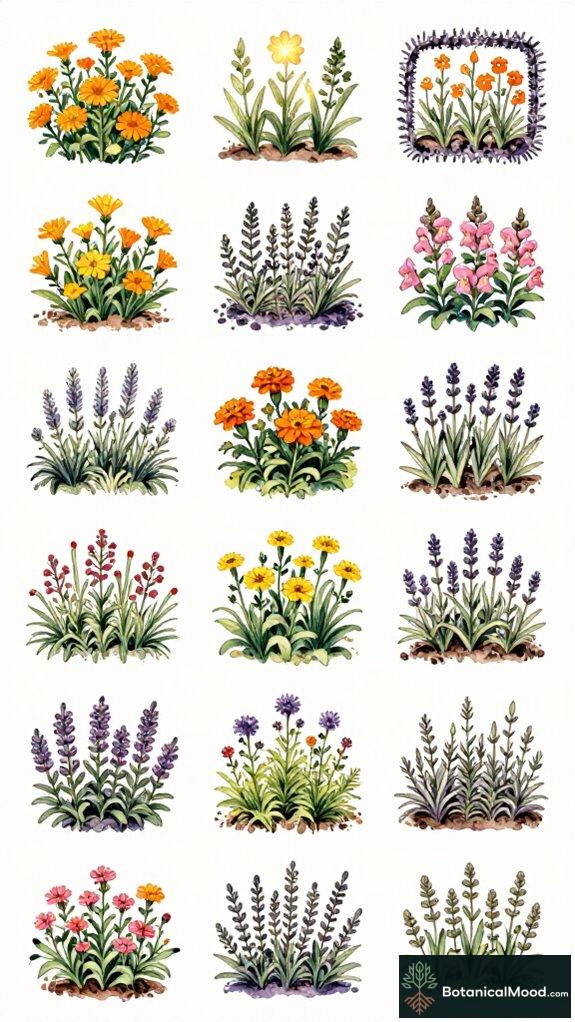
I planted spring snapdragons (*Antirrhinum majus*), echinacea (*Echinacea purpurea*), and fuchsia (*Fuchsia spp.*) in well‑drained beds.
A few inches of pet‑safe mulch, proper sun, and regular deadheading keep them thriving.
Even the summer asters (*Aster spp.*) and zinnias (*Zinnia elegans*) stay gorgeous without jeopardizing my pup’s health.
Fall roses (*Rosa spp.*) and calendula (*Calendula officinalis*) round out the palette—because who says safety can’t be stylish?
Ever tried a garden that looks good and doesn’t make your dog sick?
I’m still tweaking spacing and watering schedules—nature’s a bit unpredictable, after all.
—
Garden Design Tips for Dog‑Safe Blooms
I once turned a chaotic backyard into a pet‑approved oasis using low‑toxicity plants.
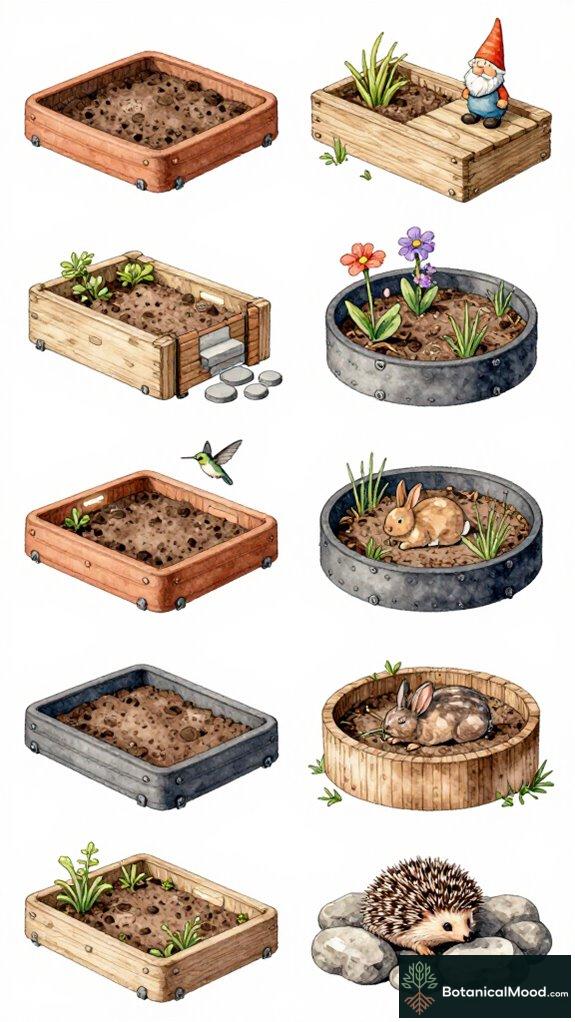
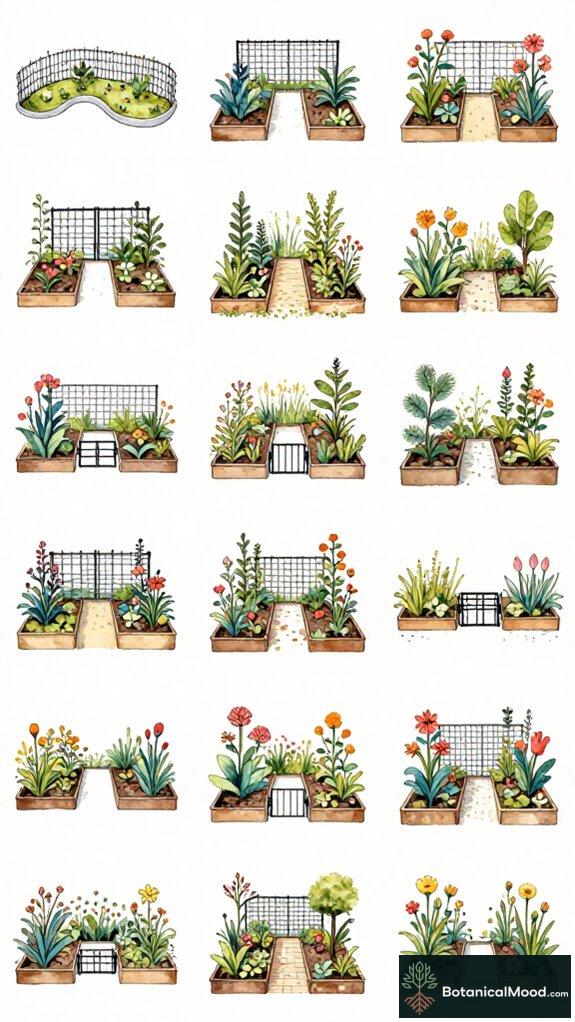
Strategically placed raised beds kept my golden retriever from digging up the roots.
I mixed textures—soft cosmos (*Cosmos bipinnatus*) with sturdy marigolds—to delight both pollinators and my dog’s curiosity.
The result? A vibrant, low‑maintenance space that feels like a living, breathing sanctuary.
Quick Takeaways
- Choose dog-safe, seasonal flowers like snapdragons, cosmos, echinacea, asters, zinnias, and roses for year-round beauty.
- Verify botanicals on labels to avoid toxic look-alikes, especially lilies and mixed bulbs.
- Use proper spacing and drainage, like 12–18 inches for echinacea, to reduce stress and improve blooms.
- Match plants to yard conditions—sun, soil, and foot traffic—so flowers thrive without risky substitutions.
- Practice pet-safe gardening: non-toxic mulch, pet-safe fertilizers, and organic pest control like neem or insecticidal soap.
Dog-Safe Flowers by Season (Spring vs. Fall)
As you plan your spring or fall dog-friendly flower beds, I recommend you pick bloomers from plants that consistently show up on pet-safe lists—then match them to the sun, soil, and foot-traffic zones in your yard.
I build spring blooms around snapdragons (Antirrhinum majus), fuchsias (Fuchsia spp.), cosmos (Cosmos spp.), and echinacea (Echinacea purpurea), because they tolerate beds and containers, and they reliably color high-visibility borders.
For fall colors, I shift to asters (Aster amellus), zinnias (Zinnia elegans), roses (Rosa spp., watch thorns), and pot marigolds (Calendula officinalis), which bring late pollen and strong color into October.
Pick These Pet-Friendly Sunny Yard Bloomers
When you’re building a dog-safe, sunny-yard palette, I start by choosing bloomers that tolerate heat, earn reliable pollinator traffic, and show up on pet-safe flower lists year after year—then I place them where your dog can sniff without turning the whole bed into a chew zone.
I reach for Cosmos (Cosmos spp.), cheerful Sunflowers (Helianthus annuus), and Zinnias, plus Petunia for quick bedding. For Sunny flower options that innovate with texture, Celosia adds vertical flair, and Marigold (Calendula officinalis) brings durable color, great for Pet friendly arrangements.
| Bloomers | Why they thrive | Placement |
|---|---|---|
| Cosmos | airy sway | border |
| Zinnias | sun-hardy | edging |
| Marigold | pest-leaning | paths |
| Petunia | fast cover | pots |
| Sunflower | tall anchors | back line |
| Celosia | heat resilience | mixed beds |
Echinacea for Easy Summer Blooms
Echinacea (Echinacea purpurea) is one of the easiest ways I build a dog-safe, pollinator-forward summer bed, because it gives dependable daisy-like color in pink and purple, then keeps working through the first frost in many regions.
I place (Echinacea purpurea) in sunlit borders or Summer containers, spacing plants 12–18 inches apart for airflow.
For Echinacea care, I use well-drained soil, water at planting, then mostly rely on rainfall. Deadheading after peak bloom extends display, and hardy stems stay upright.
Expect strong Pollinator benefits: bees and butterflies land on the cone center, while Color variations—rose, raspberry, and violet—layer beautifully.
As a native plant selection, echinacea offers the added benefit of supporting local ecosystems while remaining completely non-toxic to dogs and other backyard pets.
Fuchsias for Pots and Hanging Baskets
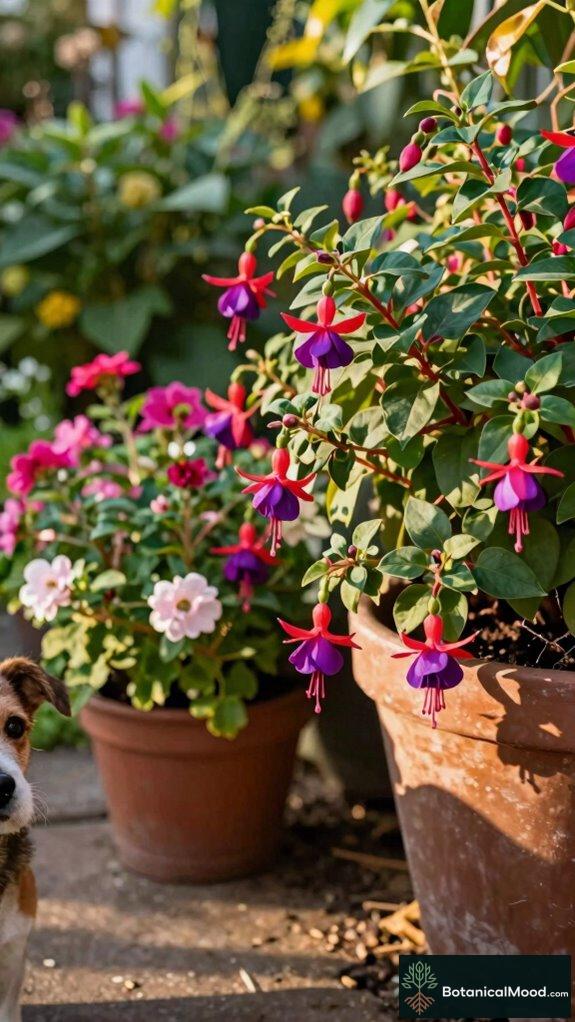
Fuchsias (genus *Fuchsia*, especially hardy and tender garden types) give me lush, drooping color that looks great in a container or on a hanging basket, and they stay visually interesting even as the season shifts.
For fuchsia care, I prioritize airy potting mix, even moisture, and bright shade to part sun, so blooms stay profuse without scorching.
I design hanging basket design by placing cascading varieties over a sturdy liner, adding slow-release fertilizer, and using a dribble-water saucer to stabilize humidity.
Fuchsias are dog-safe per typical pet-flower lists, and they also attract hummingbirds.
I plant once, then deadhead weekly, watching (Fuchsia magellanica) and (Fuchsia triphylla) perform from spring through frost.
Fall-Friendly Color: Roses and Zinnias
Fall-friendly color starts with roses and zinnias, because you can keep reliable, high-impact blooms in cool-season changes without sacrificing curb appeal or pollinator value. I plant rose care routines around sunlight, airflow, and mulch, then pair fall-bloom zinnia varieties for layered reds, golds, and magentas that still look intentional in beds and outdoor containers. To guide your design, I think in “color logic”:
| Bloom | Why it works | Quick check |
|---|---|---|
| Roses | structure, scent, repeat | thorn-safe placement |
| Zinnias | frost-tolerant swirls | deadhead lightly |
| Duo | continuous color | target 6+ hours sun |
| Soil | drainage focus | compost, not soggy |
| Pollinators | nectar, movement | avoid pesticides |
I choose (Rosa spp.) and (Zinnia elegans) to stay dog-safe-friendly.
Spring Snapdragons and Pot Marigolds
After we lock in the reliable fall pair of roses and zinnias, I shift my attention to spring beds where spring snapdragons and pot marigolds (Calendula officinalis, “true” Calendula) deliver bright, dependable color while staying dog-safe when you supervise chewing and remove spent blooms.
I plant snapdragons in sunny borders, then deadhead to keep spikes upright and pollinator-friendly.
For pot marigolds, I scatter seeds or transplant in well-drained soil, then harvest flowers early, repeating the cycle for a longer golden-orange show. Opt for colorful flowers for dog vision when selecting your spring palette to ensure your pet can appreciate the garden’s beauty.
To support vibrant blooms throughout the season, choose dog-friendly flower fertilizers that won’t harm your pet if ingested during play.
If your dog visits daily, I use raised edging and quick cleanup, so petals stay fresh, vivid, and controlled.
Freesia, Stock, and Madagascar Jasmine Indoors or Outdoors
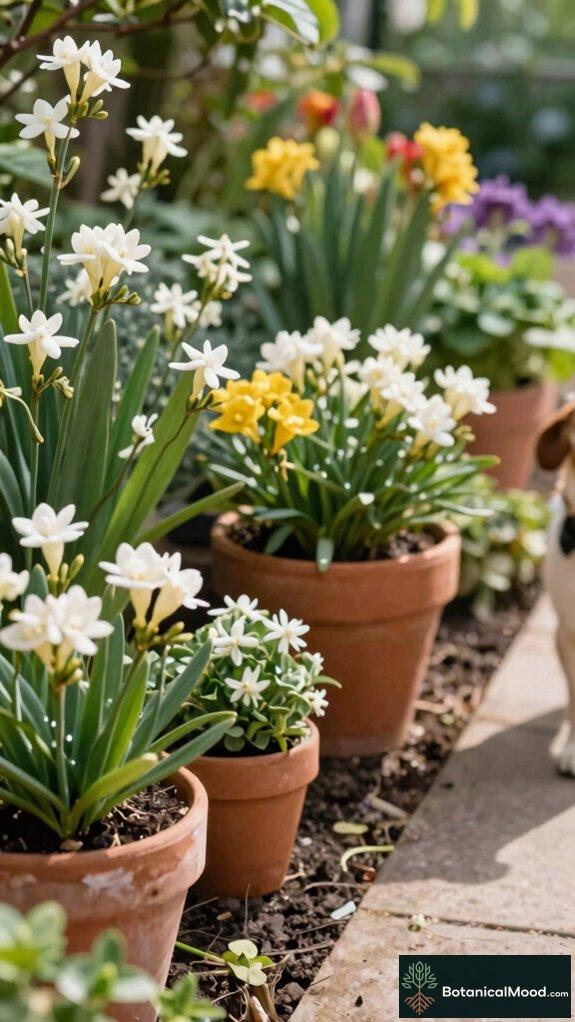
When you choose freesia (Freesia spp.), stock flowers (Matthiola incana), and Madagascar jasmine (Stephanotis floribunda) for a dog-safe yard or windowsill, you get three very different textures of spring color, and you can stage them so your pup only ever encounters petals you’ve already removed or supervised.
I plant freesia in sharply drained beds, then follow freesia care: cool mornings, sun-to-partial shade, and consistent moisture without waterlogging.
For stock arrangements, I cluster pastel spikes in terracotta pots, deadhead daily, and protect blooms from muddy paws.
For jasmine indoor, I train stems on trellis near bright windows, and keep outdoor jasmine on sheltered patios with airflow.
Red Flags to Avoid Toxic Flower Mix-Ups
Even if you pick “dog-safe” blooms like freesias (Freesia spp.), stock (Matthiola incana), and Madagascar jasmine (Stephanotis floribunda) for spring windowsills, I still watch for red flags during sourcing, because the same color palette often hides toxic look-alikes in mixed bouquets and seed packets, and my pup doesn’t read plant labels.
First, I verify botanical names on every packet, since toxic flower identification collapses when a common name varies by region.
I avoid “mixed bulbs” or bargain garden mixes that mention lilies, tulips, or peace lily.
I choose safe flower alternatives through trusted guides like Preventive Vet or Teleflora, and I cross-check with Rover.com before checkout.
Dog-Safe Rose Bed Border
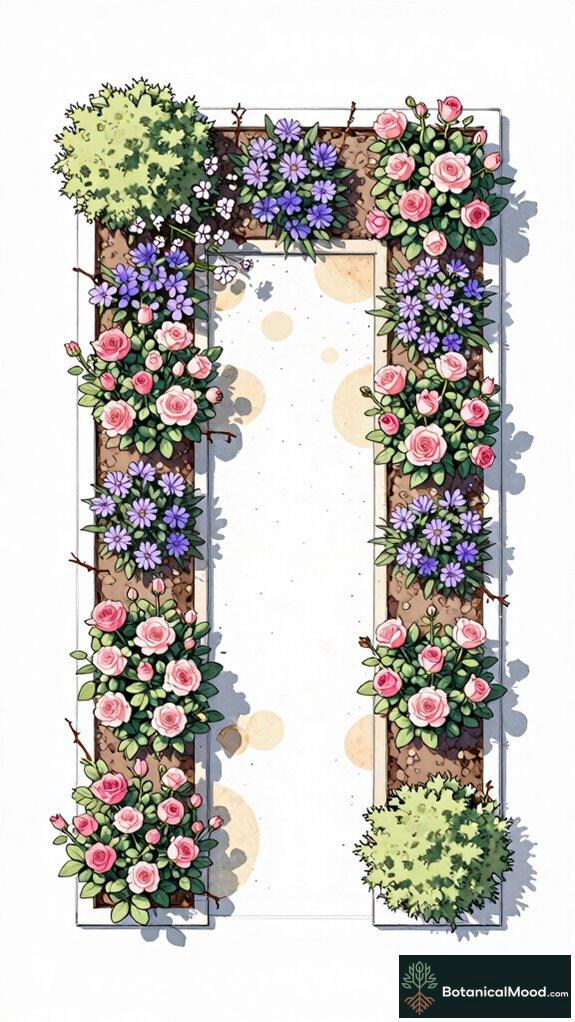
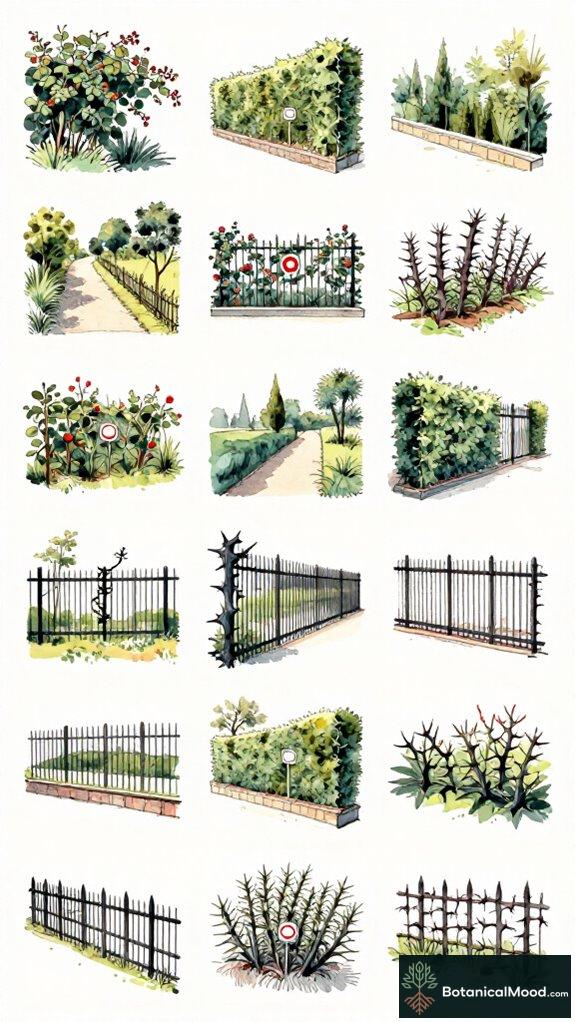
To create a dog-safe rose bed border, I plan around the realities of Rosa plant structure—especially the thorn habit—so the planting reads cleanly in late spring while staying safer for curious noses and paws that roam the edging line.
I set a low, continuous curb of dog safe roses, then tuck thorn-tolerant stems inward, using spacing that keeps paws off prickly margins, and I mulch with bark to reduce accidental contact.
For innovation, I pair rose bed layers with Echinacea (Echinacea purpurea) and Asters (Aster amellus) for texture, pollinators, and staggered bloom.
I also document fall checkups, right after first frost.
Related Pet-Friendly Garden Proucts
I like to think of related pet-friendly garden products as the “support system” that lets my dog-safe beds look intentional, bloom on schedule, and stay easy to manage—starting with plant-safe garden care tools and edging solutions that prevent nosey scavenging along the border line.
I choose slow-release pet friendly fertilizers in granular formulas, then water-in to reduce paw-activated runoff, and I prioritize organic pest control using neem (Azadirachta indica) sprays or insecticidal soap, both targeted and low-odor.
For edging, I install flexible, chew-resistant borders and keep trowels and pruners stored behind a latch. To stay precise, I label watering days, and I clean tools after (Echinacea purpurea) beds. When designing dedicated dog areas, I also consider natural grass alternatives that provide durable, safe surfaces for active pets while maintaining the aesthetic appeal of the garden.
Zoned Mulch Plant Ring
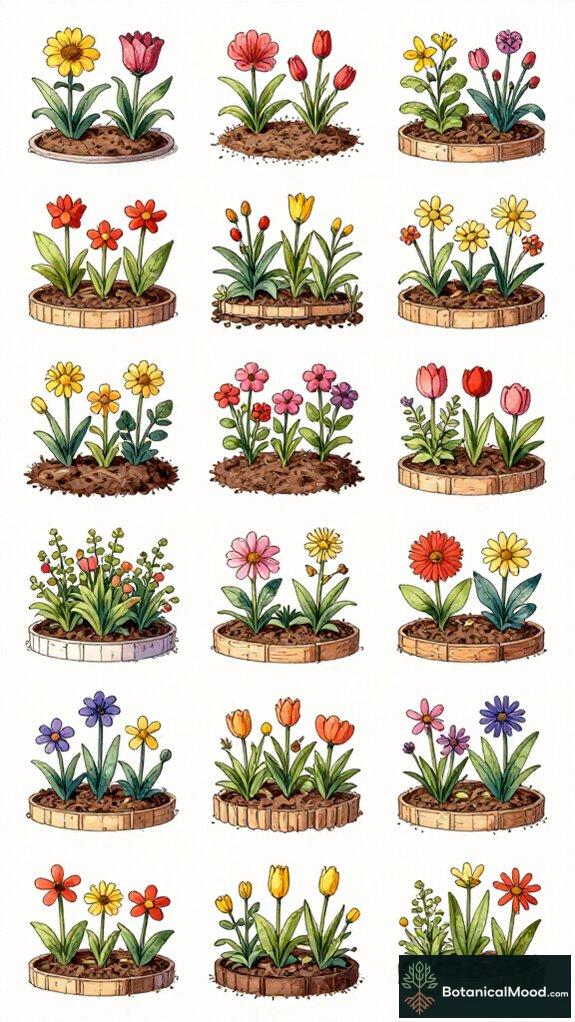
Once your edging and pet-safe garden care routine keep tools secure and plants tidy, I build a Zoned Mulch Plant Ring to give dog noses a clear boundary and help your flower bed stay consistent in moisture and temperature.
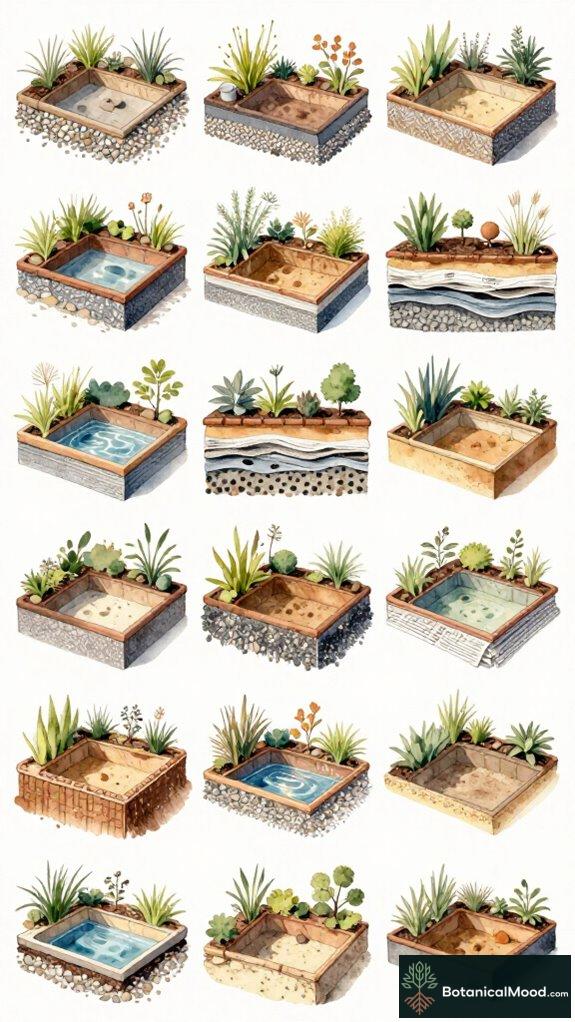
I lay a low, continuous ring of reclaimed wood edging, then install layered zoned planting zones: a fine top mulch, a coarse middle, and a clean, weed-suppressing base.
This structure improves mulch benefits, reducing evaporation, stabilizing soil temperature, and limiting paw traffic that compacts beds. For roses, zinnias, and Echinacea, I target a 2–3 inch mulch depth, plus drainage gaps near borders. Selecting non-toxic mulch materials ensures your dog stays safe while exploring the garden bed. Different mulch types offer sensory enrichment opportunities while maintaining safety for your dog’s digging and exploration habits.
FAQ
Are These Dog-Safe Flowers Safe if My Dog Chews Petals?
Yes—these flowers are generally dog-safe, but if your dog chews petals, pet safety still matters. Chewing can cause mild stomach upset. Offer only small amounts, supervise closely, and swap to tougher, non-toxic blooms if needed.
How Can I Prevent Digging While Keeping Flowers Accessible and Safe?
I prevent digging by placing sturdy hardware-cloth barriers or paver grids beneath mulch, then ring blooms with decorative low fencing and tall planters. You keep flower accessibility by using raised, chew-safe beds and teaching “leave it” with treats.
Which Dog-Safe Flowers Bloom Best in Full Sun Yards?
Sunlight becomes my compass: in full-sun yards, I choose sun loving blooms like Cosmos, Echinacea, Sunflowers, Zinnias, and Gerbera Daisies for vibrant color, steady heat tolerance, and creative, pollinator-friendly bed design.
Can I Plant Dog-Safe Flowers in Pots on Balconies or Patios?
Yes, you can plant dog-safe flowers in pots on balconies or patios. I choose sturdy pot selection with drainage, then plan balcony design for sun and air flow, growing Cosmos, Echinacea, zinnias, and calendula safely.
What Are the Most Common Toxic Flowers to Accidentally Buy?
“An ounce of prevention is worth a pound of cure.” I’ll tell you the common accidental toxic blooms: lilies, tulips, daffodils, hydrangeas, azaleas. For pet flower safety, learn toxic plant identification—check labels before you buy or bring bouquets home.
References
- https://bouqs.com/blog/heres-a-list-of-non-toxic-flowers-that-are-safe-for-your-furry-friend/
- https://www.rover.com/blog/safe-flowers-for-dogs/
- https://orchidrepublic.com/blogs/news/pet-friendly-flowers-cats-dogs
- https://www.dovelewis.org/blog/pet-safety-bloom-which-flowers-are-dangerous-pets
- https://www.purepetfood.com/blog/the-ultimate-list-of-dog-friendly-plants
- https://www.teleflora.com/floral-facts/pet-friendly-plants-flowers
- https://www.preventivevet.com/pets/beautiful-pet-safe-flowers-for-home-and-garden
- https://www.aspca.org/pet-care/animal-poison-control/dogs-plant-list