Tag: small space

  • 18 Best Small Space Cozy Outdoor Garden Room Ideas

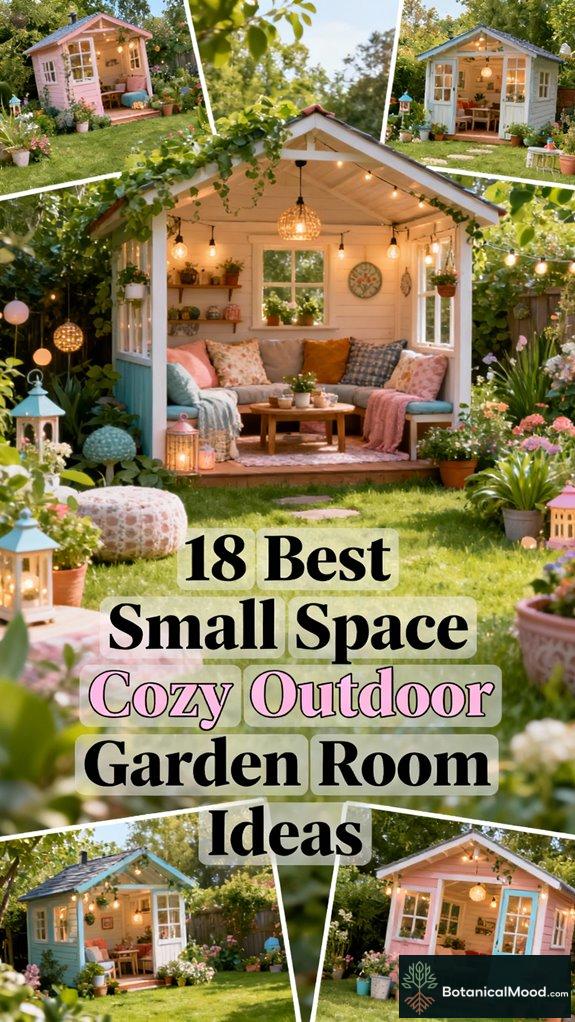
    18 Best Small Space Cozy Outdoor Garden Room Ideas

    Turning a cramped outdoor space into a cozy garden retreat feels like a personal victory, doesn’t it?

    I once created a minimalist reading nook in my tiny balcony. I hung Macramé holders for my trailing plants – because apparently, I need plants to spy on my neighbors.

    Picture this: a sleek chair, reclaimed wood table, and a whole lot of quiet. My own little world, you know?

    And when I added a rustic workshop shed, suddenly I was the “crafty” friend. Who knew vintage charm could make me feel so productive?

    But why stop there? What about your space?

    Do you crave a tranquil spot or maybe just a place to escape the chaos?

    We all deserve that little slice of paradise.

    Designing My Dream Garden: A Journey of Testing and Trials

    A few years ago, I fancied myself a garden designer — of sorts. I wanted to transform my garden into a floral explosion, but instead, I ended up with a wild jungle. Who knew daisies could be so aggressive?

    I learned the hard way that planning matters. So, I took a step back, researched garden layouts, and discovered the magic of companion planting. Now, my space flourishes with harmony instead of chaos! You should see my thriving herbs next to blooming perennials.

    Just remember, each tiny outdoor area can be your canvas, filled with colorful blooms, lush greens, and a few surprises along the way!

    Quick Takeaways

    • Create a minimalist reading nook with Macramé plant hangers and a sleek, weather-resistant chair for serenity and inspiration.
    • Design a chic outdoor office pod using sustainable materials and energy-efficient windows to enhance productivity in a lush environment.
    • Incorporate a cozy pergola lounge with plush cushions, ambient lighting, and aromatic plants for an inviting atmosphere for relaxation or social gatherings.
    • Utilize vertical garden walls to maximize space while incorporating lush greenery and edible herbs for a productive garden experience.
    • Transform a stylish storage shed into a cozy retreat with earthy tones, vintage furnishings, and warm decor accents for a relaxing outdoor escape.

    Minimalist Reading Nook With Hanging Planters

    minimalist garden reading nook

    Creating a minimalist reading nook adorned with hanging planters can transform a small outdoor space into a tranquil haven, perfect for curling up with a good book.

    Consider using suspended Macramé holders to cradle your favorite trailing plants like String of Hearts (Ceropegia woodii) or English Ivy (Hedera helix). Their cascading foliage will soften your nook, drawing the eye upward.

    Pair a sleek, weather-resistant chair with a small side table crafted from reclaimed wood for an eco-friendly touch. Additionally, incorporating minimalist vertical gardens can enhance the overall aesthetic while maximizing your available space.

    Opt for vibrant cushions in muted colors to evoke serenity. This harmonious blend creates an inviting atmosphere that fosters relaxation and inspiration, essential for every garden lover.

    Rustic Workshop Shed With Vintage Accents

    charming rustic workshop aesthetics

    As you step into a rustic workshop shed adorned with vintage accents, you immediately appreciate the charm that such a space can bring to your garden.

    Picture reclaimed wood shelves, repurposed tools resting beside handmade pottery, and softly flickering Edison bulbs illuminating your creative work. The natural patina of aged metals, like copper and iron, adds character, while wildflower bouquets (e.g., Achillea millefolium) sourced from your own garden enhance the ambiance. A combination of country chic aesthetics and rustic elements creates an inviting atmosphere that encourages relaxation and creativity.

    This serene haven transforms mundane tasks into invigorating experiences, inspiring creativity and fostering a profound connection to nature.

    Embracing this rustic aesthetic allows your garden to become a truly expressive retreat.

    Chic Outdoor Office Pod With Smart Features

    chic outdoor office pod

    When it comes to finding a dedicated workspace that embraces both style and functionality, a chic outdoor office pod equipped with smart features can be a game changer.

    Envision stepping into a sleek, compact structure, seamlessly blending modern design and technology, offering energy-efficient windows, integrated LED lighting, and climate control systems.

    Brands like Studio Shed and Garden House provide customizable options in sustainable materials like cedar (Thuja plicata) and recycled steel.

    These pods create an inspiring environment, adorned with lush greenery and vibrant plants, allowing creativity to flourish while enhancing productivity in a tranquil outdoor setting—capturing the essence of innovative garden design.

    Cozy Pergola Lounge With Comfy Cushions

    cozy outdoor lounge experience

    A cozy pergola lounge invites relaxation and tranquility into your outdoor space, especially when adorned with plush, comfy cushions that beckon you to unwind.

    Imagine sinking into vibrant textiles, like Sunbrella® fabrics, designed to withstand the elements yet exude comfort.

    Savor the luxury of vibrant Sunbrella® fabrics, crafted for comfort and resilience against the elements.

    Add a few thoughtfully selected plants, such as the fragrant Lavandula (lavender) or vibrant Geranium (Pelargonium), to enhance your sensory experience.

    Incorporating ambient lighting, such as twinkling fairy lights or lanterns, creates an enchanting atmosphere as evening descends.

    This space allows for social gatherings or solitary moments of reflection, offering a perfect fusion of beauty, design, and serenity.

    Serene Yoga Retreat Surrounded by Nature

    serene nature inspired yoga retreat

    Creating a serene yoga retreat surrounded by nature doesn’t just enhance your practice; it transforms your entire outdoor experience into a peaceful sanctuary.

    As I settle onto my organic cotton mat, I’m enveloped by the gentle rustle of native plants like Salvia (Salvia spp.) and the calming scent of lavender (Lavandula angustifolia).

    Strategically placed bamboo screens add privacy while maintaining a breezy atmosphere.

    Soft, ambient lighting from solar lanterns creates an inviting space for evening meditations.

    This mindful oasis merges tranquility with innovative design, reminding us how essential nature is for nurturing the spirit—a core value that inspired my journey with Botanical Mood.

    Compact Fire Pit Area With Built-In Seating

    compact fire pit seating

    Integrating a compact fire pit area with built-in seating into your outdoor space not only maximizes functionality but also enhances the aesthetic appeal of your garden.

    Picture an elegant design where stone or brick (e.g., basalt or bluestone) forms a cozy circular seat, surrounding a modern fire pit. Incorporating weather-resistant cushions in earthy tones not only invites relaxation but harmonizes with surrounding flora.

    I love pairing this setup with low-maintenance plants like lavender (Lavandula angustifolia) for enchanting scents. Brands like SoloStove offer chic fire pits that frame the ambience beautifully, inviting friends to gather under the stars while creating unforgettable memories.

    Whimsical Garden Art Studio With Natural Light

    whimsical natural light studio

    As I ponder the idea of setting up a whimsical garden art studio, I can’t help but envision how natural light can play an essential role in breathing life into the space.

    To enhance my studio, I’ve considered various elements:

    Element Description Benefits
    Skylights Inviting sunlight from above Illuminates artwork
    Open Windows Frames lush views outside Provides fresh air
    Reflective Surfaces Mirrors or shiny finishes Amplifies natural light

    This harmonious blend of creativity and nature really inspires me. I look forward to filling the studio with vibrant colors and diverse textures, celebrating artistic expression amid the garden’s beauty.

    Inviting Tea House With Bamboo Screening

    serene bamboo tea house

    After envisioning a whimsical garden art studio, I find myself captivated by the idea of an inviting tea house, nestled quietly among the flora.

    The natural ambiance created by bamboo screening (Bambusa spp.) offers an organic feel, perfect for relaxation and reflection.

    The tranquil presence of bamboo screening fosters a serene environment, ideal for moments of peace and contemplation.

    Here are some ideas to enhance this serene space:

    1. Comfortable seating: Opt for lightweight, weather-resistant chairs, maybe even a hanging chair for whimsy.
    2. Soft lighting: Use solar lanterns or string lights to create a magical evening glow.
    3. Tea essentials: Incorporate a small table for teapots and cups.
    4. Surrounding plants: Use fragrant herbs like mint (Mentha spp.) to enrich the atmosphere.

    Multifunctional Dining Space Under a Canopy

    multifunctional outdoor dining space

    Creating a multifunctional dining space under a canopy not only transforms an ordinary backyard into a remarkable retreat but also allows for shared moments with friends and family amidst nature.

    I’ve adorned my space with a sustainable wooden table, surrounded by weather-resistant chairs, creating a harmonious blend of style and durability. Integrating potted herbs like basil (Ocimum basilicum) enhances the ambiance and your culinary experience.

    Element Material Purpose
    Table Reclaimed wood Dining/Workspace
    Chairs Aluminum with cushions Comfort/Style
    Canopy Fabric UV protection Shade/Protection

    This setup encourages creativity, making it a true garden gem.

    Colorful Playhouse for Kids With Natural Elements

    colorful eco friendly playhouse design

    A vibrant playhouse can serve as a delightful focal point in any small outdoor garden, providing a cherished space for children to express their imagination while harmoniously blending with the natural elements surrounding it.

    To create this enchanting space, consider the following ideas:

    Envision an enchanting playhouse by blending colorful, eco-friendly materials with nature-inspired decor and interactive features for endless creativity.

    1. Colorful, eco-friendly materials like bamboo (Bambusoideae) for structure.
    2. Nature-inspired decor, incorporating textures from stones and wood.
    3. Living plants that double as play elements, such as climbing vines (Campsis radicans) for a whimsical touch.
    4. Interactive features, such as a chalkboard wall for limitless creativity.

    These elements can help foster a joyful connection with nature, embodying the ethos behind Botanical Mood.

    Stylish Storage Shed Repurposed as Retreat

    stylish garden retreat transformation

    Transforming an ordinary storage shed into a stylish retreat can elevate your small outdoor garden space, offering a unique sanctuary for relaxation and creativity. Envision adorning the interior with cozy seating, ambient lighting, and lush potted plants to bring nature inside.

    Design Element Description
    Color Palette Soft greens, earthy browns
    Furnishings Vintage chairs, reclaimed wood
    Decor Accents Fairy lights, botanical prints

    I love infusing innovative ideas into garden spaces, turning the mundane into extraordinary. This unique approach reflects both function and art, capturing the essence of a peaceful garden retreat.

    Tranquil Meditation Corner With Soft Fabrics

    tranquil meditation garden retreat

    Finding a serene space to unwind and reconnect with oneself is essential, especially in our fast-paced lives, and incorporating a tranquil meditation corner in your garden can offer that refuge.

    Here are some ideas to create your perfect peaceful retreat:

    1. Use soft, natural fabrics like organic cotton or linen for cushions and throws.
    2. Opt for earthy, calming color palettes, such as muted greens and gentle blues.
    3. Add aromatic plants like lavender (Lavandula angustifolia) for soothing scents.
    4. Integrate gentle lighting, through string lights or lanterns, to evoke warmth and serenity.

    This harmonious setup inspires reflection and rejuvenation.

    Vertical Garden Wall for Small Garden Rooms

    vertical garden wall ideas

    Creating a vertical garden wall not only maximizes your outdoor space but also brings an element of lushness to small garden rooms, enriching your living area with life and color.

    Here are some inspiring plants for your vertical wall:

    Plant Type Ideal Location Benefits
    Ferns (Polypodium) Shady areas Air purification
    Herbs (Basil, Mint) Sunny spots Culinary uses and aromas
    Succulents (Sedum) Sunlit sections Low maintenance
    Climbing Vines (Creeping Fig) Vertical support Attractive greenery

    With innovative containers and planting techniques, you can transform your garden room into an urban oasis.

    Charming Open-Air Kitchenette With Herb Garden

    charming outdoor kitchenette design

    As you step into an open-air kitchenette, the fresh scent of herbs like Ocimum basilicum (basil) and Mentha (mint) greets you, inviting culinary creativity to flourish in your small outdoor space.

    Step into your outdoor kitchenette and let the invigorating aromas of fresh basil and mint inspire your culinary adventures.

    To maximize this charming area, consider these innovative elements:

    1. Compact Work Surface: A foldable table for chopping fresh ingredients.
    2. Vertical Herb Planters: Wall-mounted containers that save ground space and provide quick access to your favorite herbs.
    3. Vintage-Style Fixtures: Incorporate rustic lighting and materials for an inviting ambiance.
    4. Portable Grill: Perfect for impromptu outdoor meals, enhancing the joy of al fresco dining.

    Elegant Greenhouse With Relaxing Seating

    personal oasis with greenery

    A well-designed greenhouse can become your personal oasis, where the beauty of nature meets the art of relaxation.

    Envision a serene space filled with lush greenery, like ferns (Polypodium leukotomos) and delicate orchids (Phalaenopsis spp.), creating a peaceful ambiance.

    Incorporating comfortable seating, such as wicker chairs or sleek metal benches, enhances the inviting atmosphere, allowing you to unwind with a book or sip herbal tea.

    Use soft, natural colors in your decor, harmonizing with the vibrant plants.

    Add personalized touches, like hand-painted pots or soothing water features, for a truly innovative retreat.

    It’s about creating your haven with Botanical Mood.

    Inviting Outdoor Movie Theatre Setup

    outdoor movie night setup

    Picture the excitement of settling in under a starlit sky, surrounded by lush greenery, while enjoying a classic film with friends and family.

    An inviting outdoor movie theatre setup is an innovative way to combine nature with cinematic delight.

    Here’s how I’d create this charming experience:

    1. Screen: Opt for a portable inflatable screen, easy to set up and store.
    2. Seating: Use cozy bean bags or chic blankets over plush outdoor cushions.
    3. Lighting: Incorporate twinkling string lights and solar lanterns for a magical ambiance.
    4. Snacks: Prepare a delightful snack bar with popcorn, candy, and fresh fruits.

    Creating this beautiful space enhances evenings spent outdoors and truly elevates the garden experience.

    Eco-Friendly Garden Office With Solar Panels

    eco friendly garden office design

    Incorporating an eco-friendly garden office into your outdoor space not only enhances productivity but also serves to harmonize your work environment with nature. I’ve found that installing solar panels greatly reduces my carbon footprint while providing ample energy for my gadgets.

    Here’s a quick comparison of eco-friendly options:

    Feature Benefits
    Solar Panels Sustainable energy source
    Green Roofs Insulation and biodiversity
    Recycled Materials Less waste and innovative design
    Natural Light Sources Boosts mood and productivity
    Aromatic Plants (Lavandula) Enhances well-being

    Investing in such elements not only beautifies my workspace but also nurtures a thriving ecosystem.

    Adaptive Multi-Use Space With Foldable Furniture

    versatile garden folding furniture

    Creating an adaptive multi-use space in my outdoor garden has transformed the way I engage with my environment, as I’ve discovered that foldable furniture offers remarkable versatility.

    Here’s how I’ve optimized my garden with clever choices:

    1. Folding chairs: Lightweight and easy to store, perfect for gatherings or solo relaxation.
    2. Expandable tables: Adjusts smoothly to accommodate both intimate meals and larger gatherings.
    3. Stackable benches: Ideal for whimsical seating that transforms from functional to compact.
    4. Portable loungers: Offers comfort during sunny days while being effortless to relocate.

    I cherish how these innovations meet varied needs while maintaining elegance in design.

    Charming Furniture for Small Patios

    charming small patio furniture

    When you step into a small patio, a variety of charming furniture options can instantly elevate the atmosphere and functionality of your outdoor retreat.

    Imagine sleek rattan chairs, perfectly paired with vibrant, weather-resistant cushions, offering both comfort and durability. A compact bistro set invites intimate meals, while multi-purpose storage benches keep clutter at bay. Opting for slim, space-saving designs can allow you to maximize your limited space without sacrificing style.

    Adding colorful throw pillows or soft outdoor rugs infuses warmth, enhancing the cozy vibe. Incorporating potted plants or vertical gardens (like *Ivy* or *Ferns*) softens the surroundings, inviting relaxation.

    With carefully curated pieces, I guarantee my small patio becomes a stylish sanctuary, a reflection of the idea that less can truly be more.

    Space-saving Furniture Arrangement

    space saving outdoor furniture solutions

    Maximizing the potential of a small outdoor garden room can be quite the challenge, yet thoughtful space-saving furniture arrangements can transform it into a harmonious retreat.

    Here are some innovative ideas to take into account:

    1. Fold-away desks that tuck against the wall when not in use.
    2. Ottomans with hidden storage that double as extra seating.
    3. Extendable dining tables for versatile entertaining options.
    4. Lightweight, movable furniture, like metal armchairs, for flexible arrangements.

    Meet the Garden Designer

    urban sanctuary garden design

    Meet Vanessa Clough, a passionate garden enthusiast from Portland, Oregon. After years of living in an urban apartment, she longed for a personal outdoor sanctuary that could combine her love for nature with hosting.

    To bring her vision to life, Vanessa engaged in an extensive garden design process, starting with meticulous planning and sketching of her ideas. She consulted professional garden designers and utilized resources from local nurseries to select the right plants for her small space garden, focusing on vertical gardening techniques to maximize her area.

    For the implementation, Vanessa used essential tools such as a trowel, pruners, and a garden fork from brands like Fiskars and Felco.

    She incorporated chic accessories like container planters from the Martha Stewart Garden Collection and sought advice from local horticulturists to guarantee that her plant choices thrived in Portland’s climate.

    Urban Container Gardening Techniques

    sustainable urban gardening techniques

    Urban container gardening opens up a world of possibilities, transforming even the tiniest balcony or patio into a lush, vibrant escape.

    Selecting larger containers with drainage holes guarantees better plant growth, while repurposed items like milk crates or plastic pools offer sustainable, cost-effective options.

    Larger containers with drainage holes enhance growth, while repurposed items provide eco-friendly, budget-friendly gardening solutions.

    Utilizing high-quality potting mixes with organic compost keeps nutrients balanced, and regular fertilization is key for thriving plants.

    Employing vertical gardening techniques maximizes space, enabling mobility for light access.

    Selecting compact vegetables (e.g., Solanum lycopersicum) and herbs (e.g., Ocimum basilicum) optimizes your culinary experience, creating a flourishing urban oasis with beauty and sustainability at its heart.

    Garden Design FAQ

    How Can I Choose the Best Location for My Garden Room?

    I prioritize sunlight and accessibility when choosing my garden room’s location. I avoid shaded areas, ensuring I have a stunning view while remaining close to my home. Everyone loves easy access to their cozy spaces!

    What Are the Best Plants for Privacy in Small Garden Rooms?

    Funny enough, I find that bamboo’s like a privacy ninja! For a softer look, I adore climbing roses and fragrant jasmine. They’re chic, innovative, and make my small garden room feel like a secret paradise!

    How Do I Ensure My Outdoor Room Stays Comfortable in Different Weather?

    I keep my outdoor room comfortable by using adjustable shades, weatherproof furniture, and cozy textiles. I also add a small fan or heater as needed, ensuring a delightful retreat throughout changing seasons and unpredictable weather.

    What Are Effective Ways to Incorporate Lighting in Small Garden Rooms?

    I love using string lights to create an enchanting atmosphere in my small garden room. Incorporating lanterns and dimmable lamps adds flexibility. Using solar-powered options is eco-friendly and efficient, enhancing both style and comfort effortlessly.

    How Can I Personalize My Outdoor Space Without Overwhelming It?

    Have you ever wondered how to make your outdoor space truly yours? I focus on selecting a few unique decor pieces, adding personal plants, and incorporating colors that resonate with me—without cluttering my cozy sanctuary.

    Summary

    Transforming my small outdoor space into a cozy garden retreat has been a wonderful journey. Every detail matters, whether I add a chic office pod or a peaceful yoga corner. It’s about creating a sanctuary that feels uniquely mine.

    I’d love to hear about your own experiences with creating your outdoor oasis. What inspired your design?

    Feel free to share some pictures of your garden! I’d love to see how you’ve designed your space.

    References

  • Sky-High Gardens: Small Space Vertical Planting Magic

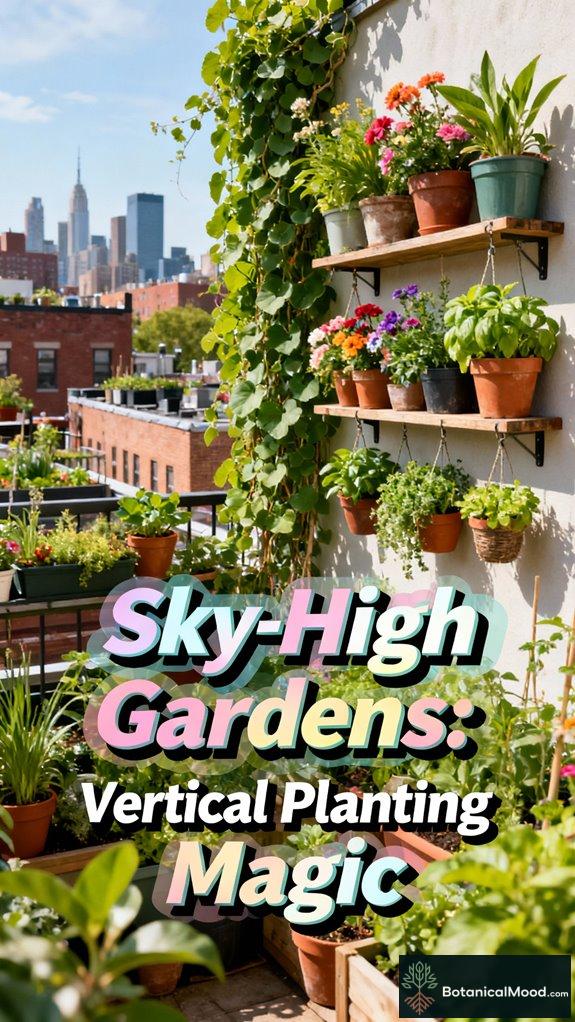
    Sky-High Gardens: Small Space Vertical Planting Magic

    Ever thought a tiny space could become a lush paradise?

    I did.

    When I discovered vertical gardening, I felt like a genius! Using trellises and nifty wall-mounted planters from GreenStalk, I crammed in *Jasminum* (Jasmine) and *Lathyrus odoratus* (Sweet Peas) like a pro.

    Pallet Gardens? Totally fab DIY vibes!

    And guess what? Drip irrigation met moisture-retaining magic – my plants are thriving! Who knew I could stress so much about keeping plants alive, only to realize they can flourish with some strategic planning?

    Ready to spice up your gardening journey?

    Creative Garden Design: My Vertical Garden Adventure

    Last summer, I decided to create my own vertical garden, armed with nothing but a paltry budget and a dream. I splurged on a tiered planter, hoping to imitate the fancy gardens I saw online. Spoiler alert: green thumbs don’t come installed!

    I picked *Herbs* for culinary delights, and yes, I still snagged a few *Lathyrus* just for visual appeal. The real challenge? Finding a place to hang my creations where they wouldn’t look like a jumble of chaos. But when I finally struck the right balance, I felt like I had just struck gold.

    Even my neighbors were impressed! Who knew that optimizing small spaces would include a touch of my very own outdoor flair?

    Quick Takeaways

    • Vertical gardens create lush green spaces in limited areas, transforming neglected corners into vibrant ecosystems with optimal plant placement.
    • Select climbing and sun-loving plants, like Jasmine and Sweet Peas, to maximize vertical growth and enhance garden aesthetics.
    • Utilize DIY systems, such as pallets and hanging bottles, to cultivate vertical gardens, offering customizable designs for personal tastes and available space.
    • Implement drip irrigation and moisture-retaining materials to ensure efficient water management, supporting sustainable growth for vibrant plants like herbs and strawberries.
    • Engage with local communities through workshops to promote urban gardening, fostering a shared spirit and enhancing biodiversity in confined spaces.

    Maximizing Space: Vertical Garden Structures

    vertical garden design solutions

    When it comes to maximizing space in small gardens, vertical garden structures can be game-changers for avid gardeners like myself. By employing various vertical structure types, such as trellises and wall-mounted planters, I’ve transformed my limited area into a lush retreat.

    These vertical planting systems not only save ground space but also create stunning visual height, drawing the eye upward. Brands like GreenStalk and Vertical Garden Supply offer innovative solutions that cater to diverse gardening styles. Incorporating creative vertical garden design ideas can help you make the most of challenging areas.

    When designed thoughtfully, these elements enhance the aesthetics, inviting greenery into otherwise neglected corners, thereby fostering a thriving ecosystem that brings joy and tranquility to my living space.

    Choosing the Right Plants for Vertical Growth

    vertical growth plant selection

    Selecting the right plants for vertical growth can truly elevate the charm of any small garden, transforming it into a vibrant oasis.

    When I consider climbing plants like Jasmine (Jasminum spp.) or Sweet Peas (Lathyrus odoratus), I focus on their light requirements and how they’ll fit into my space.

    Sun-loving options thrive against sunny trellises, while shade-tolerant varieties create lush coverage in darker corners.

    Sun-loving plants flourish on bright trellises, while shade-tolerant species bring greenery to the shadier nooks.

    Using a mix of textures and colors adds visual interest, allowing for an eye-catching vertical display. Incorporating sustainable urban gardening techniques not only enhances your garden’s appeal but also contributes to environmental health.

    DIY Vertical Gardening Systems: Design Models

    vertical gardening design models

    Creating a vertical garden can be one of the most rewarding experiences, particularly in small spaces where every inch counts.

    With a modular design, you can customize your setup using various frame materials to suit your taste and space effectively.

    Here are three inspiring design models you can consider:

    1. Pallet Gardens: Repurpose wooden pallets, enhancing their appeal with vibrant herbs like Ocimum basilicum (basil) or colorful flowers such as Petunia × hybrida (petunia).
    2. Planter Walls: Use sturdy metal or plastic frames to securely hold pots of your favorite climbing plants.
    3. Hanging Bottles: Recycle glass bottles suspended on a string, creating a unique aesthetic while cultivating trailing plants like Sedge (Carex).

    Water Management Techniques for Sustainable Growth

    sustainable water management techniques

    Effective water management is a vital aspect of nurturing vibrant vertical gardens, especially in the confined spaces typical of urban living.

    Utilizing drip irrigation systems allows me to efficiently deliver moisture directly to plant roots, minimizing waste and ensuring they receive just the right amount of water.

    In addition, incorporating materials that enhance moisture retention, such as coconut coir or vermiculite, means I can maintain consistent hydration levels.

    This balance is essential for thriving plants like strawberries (Fragaria × ananassa) or herbs like basil (Ocimum basilicum).

    Sustainable growth isn’t just about beauty; it’s about smart techniques that empower my gardening experience.

    Enhancing Aesthetics With Creative Plant Arrangements

    creative plant arrangement techniques

    When it comes to enhancing the aesthetics of my vertical garden, the arrangement of plants can be just as important as the plants themselves.

    Here’s how I create colorful arrangements that elevate natural decor:

    1. Layering Heights: I mix trailing plants like *Ivy* (Hedera helix) with taller specimens like *Sorghum* (Sorghum bicolor), creating a pleasing visual hierarchy.
    2. Color Coordination: I focus on a color palette, such as vibrant greens and soft purples, to bring harmony.
    3. Textures and Patterns: Using plants with varied leaf textures like *Ferns* (Polypodium) complements the overall aesthetic.

    These strategies impart sophistication to my urban oasis.

    Integrating Technology for Smart Vertical Gardens

    smart automated vertical gardening

    Integrating technology into the domain of vertical gardening not only amplifies the beauty and functionality of urban spaces, but it also provides a sophisticated approach to plant care that engages even the most novice gardener.

    With sensor integration and automation systems, I can create a seamless experience. Smart irrigation systems intelligently deliver water, while plant monitoring tools allow for precise climate adaptation.

    App connectivity enhances user interfaces, making data tracking intuitive and actionable. For example, with the help of various applications, I can manage light exposure for my succulents (Echeveria spp.) or adjust humidity levels for ferns (Polypodium spp.), transforming my vertical garden into a thriving ecosystem.

    Community Engagement in Vertical Gardening Projects

    community spirit through gardening

    Community engagement plays an essential role in the success of vertical gardening projects, especially in urban areas where shared green spaces are often scarce.

    By involving the neighborhood, we can cultivate more than just plants; we cultivate community spirit.

    Here are some effective strategies:

    1. Community Workshops: Host hands-on sessions that teach sustainability practices while nurturing local plants such as Basil (Ocimum basilicum) or Strawberry (Fragaria × ananassa).
    2. Gardening Initiatives: Launch projects that transform underutilized spaces into vibrant neighborhood gardens.
    3. Local Partnerships: Collaborate with schools for educational programs, fostering a deeper appreciation for urban greening.

    Overcoming Challenges in Urban Vertical Gardening

    urban vertical gardening challenges

    Urban vertical gardening, while an exciting endeavor, often presents a unique set of challenges that can deter even the most passionate gardeners.

    Here’s a quick snapshot of the key obstacles I’ve faced:

    Challenge Solution
    Sustainability Issues Focus on native plants (e.g., Achillea millefolium)
    Light Availability Utilize reflective materials for ideal sunlight
    Design Constraints Maximize verticality with modular units

    Vertical Planter Ideas for Balconies

    vertical gardening for balconies

    When you’re limited by space but still yearn for a flourishing garden, vertical planters can transform even the smallest balcony into a vibrant oasis. Here are some practical ideas to ponder:

    1. Hanging planters: Suspend them from ceiling hooks, adding layers of greenery.
    2. Stacked planters: Arrange pots in a tiered setup, allowing for diverse plant varieties.
    3. Wall planters: Attach racks or hooks to your walls, creating living art with herbs and flowers.

    Utilizing pocket gardens or DIY planters from repurposed materials not only maximizes your balcony but also reflects personal style.

    Maximize your balcony while showcasing your unique style with pocket gardens and DIY planters made from repurposed materials.

    Embrace the beauty of vertical gardening today!

    Vertical Gardening Layout Tips

    vertical garden layering tips

    Crafting a stunning vertical garden is both an art and a science, and understanding key layout tips can greatly elevate the beauty of your small space.

    Layer Plant Type Design Layering
    Bottom Groundcovers (Soleirolia soleirolii) Foundation Layer
    Middle Herbs (Ocimum basilicum) Seasonal Rotation
    Top Climbers (Phaseolus vulgaris) Light Optimization

    Establishing vertical tiers guarantees harmony; position shorter plants at the front or bottom, while sun-lovers occupy higher layers. Effectively grouping plants by their environmental needs simplifies maintenance, leaving your garden flourishing.

    Meet the Garden Visionary

    vertical garden urban oasis

    Maria Johnson from Portland, Oregon, always dreamed of a lush garden despite living in a petite urban apartment, inspiring her journey towards vertical gardening to maximize her limited space.

    To bring her vision to life, Maria meticulously researched garden design principles, focusing on vertical systems. She sketched various layouts before finalizing plans for wall-mounted planters and utilizing trellises to guarantee her plants could thrive upward while enhancing visual appeal.

    Creating her vertical oasis involved using tools like the Fiskars Garden Claw for easy digging. She chose products from brands such as GreenStalk for tiered planters. Moreover, local horticulturist Emily Carter provided guidance on plant selection and care best suited for vertical growth.

    Urban Garden Space Optimization

    urban garden space strategies

    While maneuvering urban living often presents challenges in cultivating vibrant green spaces, innovative strategies for garden optimization offer a solution that transforms modest environments into lush sanctuaries.

    Urban living may pose challenges for greenery, but creative garden optimization can turn small spaces into thriving oases.

    Here’s how I optimize urban garden spaces:

    1. Vertical Planting: Utilizing wall planters makes the most of tight spaces, encouraging biodiversity.
    2. Strategic Location: Geospatial analysis helps place gardens where they’re most beneficial, reducing food access gaps.
    3. Sustainable Design: Incorporating native plants (e.g., Echinacea purpurea) enhances the urban ecosystem, promoting health and resilience.

    Summary

    I’ve discovered that even the tiniest spaces can become lush escapes with vertical gardening. A few well-chosen plants, like Trachycarpus fortunei for shade or fragrant Thymus vulgaris, can make all the difference. With a bit of creativity, I’ve turned my small balcony into a vibrant oasis.

    I’d love to hear about your own experiences with vertical gardening! What challenges or joys have you encountered?

    Feel free to share pictures of your garden and tell us how you designed it. Let’s inspire each other!

    References

  • Small Space Oasis: How to Transform Your Balcony Garden?

    Small Space Oasis: How to Transform Your Balcony Garden?

    Ready to turn your sad little balcony into an oasis? Trust me, I’ve done it, and yes, I was skeptical at first!

    Start with measuring your space — I can’t stress this enough.

    Next, grab those lightweight containers that won’t give you a hernia. Think fiberglass or resin, and it’ll feel like you’re lifting feathers.

    Vertical gardening? Absolutely! Get some trellises and wall-mounted planters for plants like Sedum morganianum and Achillea millefolium. They’re basically the “I got this” of the plant world.

    Don’t forget multifunctional furniture like compact tables and foldable chairs. I promise they’ll make your life easier and your friends jealous.

    Spruce up the vibe with colorful pots and quirky garden art. Seriously, your balcony could be the relaxing spot you didn’t know you needed. Who wouldn’t want that?

    So, what are you waiting for? Let’s make that little corner the envy of the neighborhood!

    My Balcony Design Journey: A Garden to Remember

    I remember the first time I tried to design my balcony. It involved way too many plant choices and a questionable amount of impulse buying. I ended up with a hodgepodge of species that clashed like my uncle at a family BBQ.

    I finally settled on functional plants that not only beautified my space but thrived under my less-than-stellar care. A combination of lavender for that aromatic touch and climbing vines for the luscious vertical look transformed my dreary corner into a sensory escape.

    It wasn’t easy; there were times my balcony looked more like a jungle than an oasis, but hey, that’s gardening! Embracing those challenges made my little project even more rewarding. If I can do this, you most definitely can too!

    Quick Takeaways

    • Measure your balcony accurately to maximize space and create a well-utilized layout for plants and furniture.
    • Utilize vertical gardening techniques with wall-mounted containers and trellises for a lush, ground-saving garden design.
    • Select lightweight, durable containers with proper drainage, and opt for drought-tolerant plants for low-maintenance beauty.
    • Choose versatile furniture like foldable chairs and compact tables to create functional areas for relaxation and entertaining.
    • Personalize your balcony with colorful pots, unique garden art, and ambient lighting to reflect your style and enhance the overall aesthetic.

    Assessing Your Balcony Space: Measurements and Layout

    balcony garden space optimization

    By analyzing my specific space, I could guarantee that every choice, from container types to color schemes, resonated harmoniously with the natural surroundings – capturing the essence of what I believe every balcony garden should represent.

    Understanding my balcony measurements was vital for maximizing space utilization. I meticulously took note of dimensions, opting for vertical gardening to create layers of beauty without sacrificing precious ground space.

    Utilizing lightweight materials for shelves, like untreated pine (Pinus sylvestris), increased planting areas. Each item was carefully considered, ensuring it complemented both my aesthetic vision and the essential functionality my balcony demanded. Incorporating vertical gardening techniques can also enhance the visual appeal and provide ample growing space for plants in limited areas.

    Choosing the Right Containers for Your Balcony

    select appropriate balcony containers

    Containers serve as the backbone of any balcony garden, and choosing the right ones can dramatically enhance both the aesthetic appeal and functionality of your space.

    1. Material Matters: Opt for lightweight options like fiberglass or resin to ease handling, or go for classic terracotta for breathability.
    2. Drainage is Key: Verify containers have adequate drainage holes to prevent waterlogging—your plants’ roots will thank you.
    3. Size Selection: Larger pots retain moisture better, while smaller containers are excellent for herbs or trailing plants. Incorporating vertical garden ideas into your container design can maximize space and create a stunning floral display.

    Vertical Gardening: Maximizing Your Growing Area

    vertical planters for space

    Maximizing your growing area through vertical gardening opens a world of possibilities, especially when space is at a premium.

    I’ve found that using vertical planters allows me to create a lush oasis without sacrificing precious floor space.

    With wall-mounted gardening setups, I gain control over my plant arrangement, showcasing vibrant herbs and flowers like *Petunia* or *Basil* (Ocimum basilicum).

    It’s essential to select sturdy materials, supporting both beauty and functionality.

    Exploring options from brands like Vertiflora can transform your walls into living art, making the most of every inch while enhancing both visual appeal and your gardening experience.

    Selecting Climate-Resilient and Drought-Tolerant Plants

    drought tolerant plant selections

    To implement effective climate adaptation strategies and adhere to plant selection guidelines, consider these three drought-tolerant plants:

    1. *Sedum morganianum* (Burro’s Tail) – thrives in sunny spots and requires little water.
    2. *Salvia nemorosa* (Wood Sage) – attracts pollinators and adapts well to various soil conditions.
    3. *Achillea millefolium* (Yarrow) – offers beautiful blooms and withstands dry spells effortlessly.

    These selections empower you to create a resilient oasis.

    Designing Multifunctional Spaces for Relaxation and Entertaining

    multifunctional balcony garden oasis

    While creating a balcony garden, it’s essential to blend relaxation and entertaining spaces seamlessly, ensuring that every corner invites enjoyment and tranquility.

    Invest in versatile balcony furniture, like a compact table and foldable chairs, which can easily adapt from quiet coffee mornings to lively dinners with friends. Select items that complement your garden’s aesthetic, perhaps in natural wood or soft pastels, to elevate the overall atmosphere.

    Enhance the ambiance with carefully placed outdoor lighting, such as string lights or solar lanterns, that illuminate your space softly as dusk settles.

    This inviting design can transform your balcony into a multifunctional oasis, perfect for all occasions.

    Creating Sensory Experiences With Plants and Features

    sensory balcony garden design

    Cultivating a balcony garden isn’t just about plants and furniture; it’s an opportunity to engage the senses and create a richly textured environment.

    By incorporating sensory plants and feature lighting, I can enhance my outdoor space while elevating my overall experience.

    Incorporating sensory plants and ambient lighting transforms your outdoor space into an inviting sensory experience.

    1. Aromatic Herbs: Basil (Ocimum basilicum) and Rosemary (Salvia rosmarinus) provide delightful scents.
    2. Textured Foliage: Plants like Lamb’s Ear (Stachys byzantina) invite touch with their soft leaves.
    3. Ambient Lighting: Use warm fairy lights or solar garden lanterns to create an inviting atmosphere.

    Incorporating Smart Technology for Efficient Gardening

    smart technology enhances gardening

    As I explore the integration of smart technology in my balcony garden, I realize how these innovations not only simplify maintenance but also enhance the overall gardening experience.

    Implementing smart watering systems, like the AquaSentry, allows me to schedule irrigation precisely, ensuring each plant, whether my beloved basil (Ocimum basilicum) or vibrant geraniums (Pelargonium spp.), receives just the right amount of moisture.

    Automated lighting setups, such as the Philips Hue Grow Lights, enable me to extend sunlight hours, fostering ideal growth year-round.

    This control transforms my small sanctuary into an effortlessly thriving oasis, harmonizing technology and nature beautifully.

    Planning for Seasonal Changes and Plant Rotation

    seasonal planting and rotation

    Planning for seasonal changes and plant rotation within my balcony garden is essential for maintaining its vibrancy and health, especially since the climate often dictates what thrives at any given time.

    Here are three strategies I use for effective seasonal planning:

    1. Choose Seasonal Varieties: Opt for plants like Petunia (Petunia × atkinsiana) for summer and Pansies (Viola × wittrockiana) in cooler months.
    2. Plan a Rotation Schedule: Every few months, switch out bedding plants to keep the garden dynamic.
    3. Monitor Growth Patterns: Pay attention to how plants respond to sunlight and water, adjusting their placement as needed.

    Arranging Plants by Height and Sunlight Needs

    balanced plant arrangement strategy

    To create an eye-catching balcony garden, it’s essential to arrange plants by height and sunlight needs, guaranteeing that every green companion gets the light and space it requires to thrive.

    Start with tall plants, like a majestic Helichrysum bracteatum, at the back, allowing smaller varieties, such as Origanum vulgare, to shine in front. This organization enhances sunlight exposure and creates a layered effect, maximizing visual appeal.

    Furthermore, consider sun requirements; grouping sun-loving roses with shade-tolerant ferns ensures each species flourishes.

    With careful planning, you’ll cultivate a vibrant sanctuary, showcasing your passion for plant height and sunlight exposure while transforming your balcony into an urban oasis.

    Enhancing Privacy and Aesthetics With Green Walls

    green walls for privacy

    How might I elevate my balcony’s privacy while accentuating its aesthetic appeal?

    Integrating green walls into my small space offers compelling privacy solutions alongside stunning aesthetic enhancements.

    Here are three design options I’ve explored:

    1. Climbing Plants: Using robust vines like *Hedera helix* (English Ivy) creates a lush, living barrier.
    2. Vertical Installations: Modular systems allow for diverse plant material, from vibrant flowers to aromatic herbs, maximizing space.
    3. Trellises: Decorative structures support growth while adding texture and depth.

    Utilizing Edible Plants: Herbs and Vegetables for Small Spaces

    urban edible balcony gardening

    Exploring the charm of balcony gardens often leads me to contemplate the practical application of edibles, ideally suited for small urban spaces.

    To maximize flavor profiles, I recommend diverse herb varieties—like basil (Ocimum basilicum) and thyme (Thymus vulgaris)—paired with seasonal vegetable options such as dwarf tomatoes (Solanum lycopersicum) or peppers (Capsicum).

    Container choice is essential; opt for lightweight materials that guarantee suitable soil types and moisture retention.

    Implement companion planting for natural pest control, while mindful of growth habits, sunlight exposure, and watering needs.

    Translating these culinary delights into everyday use fosters a profound connection with the culinary experience right at home.

    Personalizing Your Balcony Garden With Decorative Elements

    personalizing balcony garden decor

    There’s something undeniably enchanting about adding personal touches to a balcony garden, making it not just a space for plants but a reflection of one’s style.

    Transforming your balcony garden with personal touches creates a beautiful space that reflects your unique style and personality.

    To truly make it your own, consider these decorative accents:

    1. Colorful Pots: Vibrant containers can enhance the overall aesthetic and bring joy.
    2. Artistic Lighting: String lights or lanterns not only illuminate but create a cozy atmosphere.
    3. Unique Garden Art: Sculptures or themed decor pieces add character and interest.

    Charming Vertical Plant Arrangements

    vertical garden charm techniques

    While transforming a small balcony into a lush vertical garden might seem challenging, the charm it brings can truly elevate your living space and enhance your connection with nature.

    I’m captivated by vertical arrangements that utilize hanging planters or wall-mounted panels. Combining herbs like *Ocimum basilicum* (basil) and trailing flowers like *Pelargonium* (geraniums) creates stunning plant combinations.

    Securing pots at varying heights not only showcases diverse textures but also allows for ample airflow. Stacked planters maximize limited space, adding immediate visual interest.

    Urban Balcony Layout Ideas

    urban balcony garden design

    Transforming your urban balcony into a well-designed garden involves thoughtful consideration of space and aesthetics, ensuring that every inch contributes to both beauty and functionality.

    Transform your urban balcony into a beautiful and functional garden, maximizing every inch for aesthetics and practicality.

    Here are three layout ideas to maximize your balcony’s potential:

    1. Vertical Planting: Use trellises and wall-mounted containers to create layers and depth, enhancing plant spacing.
    2. Lighting Integration: Incorporate flexible balcony lighting to highlight your plants and create an enchanting evening ambiance.
    3. Mix Plant Types: Combine edible and ornamental plants, selecting pots that complement your interior design, allowing for seamless changes.

    These strategies create a cohesive and mesmerizing outdoor living space that fulfills practical gardening needs while enhancing visual appeal.

    Garden Enthusiast Behind This Design

    lush balcony garden design

    The garden enthusiast, Thompson, hails from Portland, Oregon. Inspired by her childhood love for plants and a desire for a serene urban retreat, she envisioned a lush balcony garden.

    To bring her vision to life, Thompson meticulously planned her design, carefully considering factors such as sunlight, balance, and plant selection. She conducted extensive research on container gardening techniques and sought inspiration from online resources and local nurseries, adjusting her ideas based on available space.

    To create her stunning balcony oasis, Thompson utilized tools like the Fiskars pruning shears and DeWit hand tools. She incorporated various accessories from brands like Gardena and String Garden to enhance aesthetics.

    Collaborating with local horticulturists, she selected plants such as succulents, ferns, and herbs, ensuring a harmonious and thriving garden.

    Compact Urban Gardening Solutions

    urban gardening made easy

    Incorporating modular container systems not only helps increase plant density, but it also adds structure to your garden layout, enabling easy access to your plants for maintenance. Vertical gardening transforms limited spaces, utilizing walls and railings for maximum effect. You can create diverse habitats for balcony wildlife, enriching the urban ecosystem while enjoying the beauty of plants.

    Plant Type Benefits Examples
    Edible Plants Space-saving options Cherry tomatoes (Solanum lycopersicum)
    Drought-Tolerant Low maintenance Lavender (Lavandula)
    Climbing Plants Aesthetic privacy Morning glories (Ipomoea)

    With these solutions, you regain control over your green space.

    Summary

    I turned my balcony into a peaceful retreat with vibrant plants like Calibrachoa in vertical planters and beautiful succulents. Each corner showcases my love for nature, creating a restful space where I can unwind and enjoy the outdoors.

    I’d love to hear about your balcony garden experiences. What did you create in your own space?

    Feel free to share pictures of your garden design—I’m excited to see what you’ve done!

    References

  • 7 Brilliant Windowsill Vegetable Gardens for Compact Spaces

    7 Brilliant Windowsill Vegetable Gardens for Compact Spaces

    Have you ever thought about having your very own veggie collection right on your windowsill?

    Let me tell you, it’s a game changer!

    I’ve got sleek, modern planters packed with rich soil and my favorite greens like spinach and kale. Yes, I’m practically a horticultural genius now.

    With vertical trellises, I can make those climbing plants feel fancy, and don’t get me started on my upcycled produce trays—they’re basically my sustainability trophies.

    You can layer pots for max yield while making sure each plant gets its light fix. You know, just casually growing my own salad while grocery shopping sounds like a serious win, right?

    But hey, who doesn’t love trying out new urban gardening hacks?

    Creative Window Gardens: My Vertical Experiment

    Last spring, I decided to push the boundaries of my tiny kitchen. I fashioned a vertical garden using a mix of trellises and old wooden pallets.

    I wanted to see just how much I could squeeze into that sun-drenched space. It was a wild adventure watching my little plants climb their way up—climbing beans and sweet peas running a race up the wall.

    Every morning, I’d pluck a few fresh herbs for my omelette, and let me tell you: nothing beats that homegrown flavor.

    It changed how I viewed small spaces entirely. Who knew a little creativity could bring such joy? From herbs to leafy greens, each plant became a little piece of me, sprouting right where I cook!

    Quick Takeaways

    • Utilize compact containers with well-draining soil to grow nutrient-rich greens like spinach and kale in limited spaces.
    • Implement vertical gardening techniques with climbing structures to optimize space and enhance visual appeal on your windowsill.
    • Pair companion plants, such as tomatoes and basil, to boost yields and deter pests effectively in small gardens.
    • Incorporate decorative terracotta pots for aesthetics while ensuring proper drainage to promote healthy plant growth.
    • Stagger plant maturity through succession planting to ensure a continuous harvest from your windowsill garden.

    Compact Containers for Leafy Greens

    compact containers for greens

    When it comes to growing leafy greens, using compact containers can truly transform limited spaces, and I’ve found them to be both practical and aesthetically pleasing. Choosing the right soil selection is essential; I often opt for a well-draining mix enriched with organic matter to guarantee the best nutrient retention. Proper plant spacing, ideally 2-4 inches apart for species like Spinacia oleracea (spinach) or Brassica oleracea (kale), allows each plant to thrive without overcrowding. A variety of sleek, modern planter designs can enhance your windowsill while providing an inviting touch, perfectly suited for your vibrant indoor garden. Additionally, incorporating minimalist garden path configurations can help create a visually balanced environment that complements your greens.

    Vertical Gardens: Utilizing Climbing Plants

    vertical space gardening techniques

    Creating a vertical garden not only maximizes your available space but also adds a striking visual element to your windowsill.

    I love employing climbing structures such as trellises or wall-mounted planters to facilitate space optimization, making my gardening endeavors both efficient and aesthetically pleasing.

    For instance, I often use sweet peas (Lathyrus odoratus) or climbing cucumbers (Cucumis sativus) that thrive vertically.

    Choosing plants with vibrant flowers or lush foliage enhances the visual appeal, while ensuring a delightful harvest.

    This approach not only showcases beauty but also allows me to maintain control over my gardening environment, reflecting my passion for nature and design seamlessly. Additionally, incorporating vertical gardening techniques can significantly enhance the productivity of compact spaces, enabling a flourishing indoor garden.

    Companion Planting for Enhanced Growth

    companion planting for growth

    Companion planting takes advantage of the natural relationships between plants, fostering an ecosystem where various species thrive together in harmony, enriching each other’s growth.

    By strategically pairing plants, like tomatoes (Solanum lycopersicum) with basil (Ocimum basilicum), I’ve discovered significant companion benefits. These combinations not only deter pests but also boost flavor and overall yields.

    When applying these planting tips, consider height, root depth, and nutrient requirements.

    Marigolds (Tagetes spp.) can naturally repel nematodes, ensuring that my lettuce (Lactuca sativa) flourishes without competition.

    With these techniques, I create a vibrant, productive windowsill garden, so the beauty and functionality of gardening harmonize beautifully.

    Upcycled Produce Trays for Sustainable Gardening

    upcycled trays for gardening

    Although many might overlook them, upcycled produce trays can serve as an ingenious solution for sustainable gardening on your windowsill.

    These trays, often made from sturdy plastic or recycled wood, allow me to efficiently use upcycled materials while nurturing herbs and vegetables like Basil (Ocimum basilicum) or Cherry Tomatoes (Solanum lycopersicum).

    By incorporating efficient drainage holes, I create the perfect environment for healthy root systems.

    Using sustainable methods, I maximize space without sacrificing design, creating a visually appealing display.

    Plus, I love the satisfaction of transforming waste into functional beauty, showcasing my commitment to both gardening and environmental responsibility.

    Layered Pots for Maximum Yield

    layered gardening for productivity

    Layered pots present an innovative approach to maximizing yield in windowsill vegetable gardens, allowing me to cultivate a diverse range of plants in limited space.

    By employing layered gardening techniques, I can create container synergies between complementary vegetables like basil (Ocimum basilicum) and tomatoes (Solanum lycopersicum). I arrange pots thoughtfully, ensuring plants that thrive in different light and water conditions work together harmoniously.

    This design not only increases my productivity but also enhances the aesthetic appeal of my space. Each layer becomes an opportunity to experiment with vibrant colors and textures, making my windowsill a living work of art that embodies nature’s beauty.

    Herb and Vegetable Mixes for Limited Space

    enchanting windowsill herb garden

    Creating an enchanting windowsill garden requires an understanding of how to combine herbs and vegetables that not only thrive in harmony but also enhance the aesthetic appeal of limited spaces.

    For a successful herb and vegetable mix, I love pairing vibrant basil (Ocimum basilicum) with compact cherry tomatoes (Solanum lycopersicum). These herb varieties provide a delightful contrast in color and texture while maximizing your crop yield.

    Furthermore, chives (Allium schoenoprasum) work remarkably well alongside spinach (Spinacia oleracea); their subtle flavors elevate each dish.

    Seasonal Planting Strategies for Year-Round Harvests

    seasonal planting for harvests

    Selecting the right herbs and vegetables for your windowsill garden isn’t just about aesthetics; it’s also about how to keep those plants producing throughout the year. By aligning your seasonal crops with a well-planned planting calendar, you’ll gain a sense of control in your gardening endeavors.

    Season Recommended Crops
    Spring Basil (Ocimum basilicum), Spinach (Spinacia oleracea)
    Summer Cherry Tomatoes (Solanum lycopersicum var. cerasiforme), Peppers (Capsicum spp.)
    Fall Kale (Brassica oleracea var. sabellica), Swiss Chard (Beta vulgaris)
    Winter Microgreens (various), Potted Herbs (various)
    All Year Green Onions (Allium fistulosum)

    Utilizing these strategic choices, I’ve found immense satisfaction in cultivating a vibrant year-round garden.

    Innovative Vertical Plant Towers

    maximizing urban gardening efficiency

    Innovative vertical plant towers represent a transformative approach to urban gardening, making it possible to cultivate a remarkable number of plants in minimal space.

    These vertical plant innovations maximize stacking efficiency, enabling me to grow ten times more crops per square meter, especially in urban areas where space is limited.

    Clever Stacking Systems for Veggies

    clever vertical gardening solutions

    When you embrace clever stacking systems for veggies, you’re tapping into a world of garden possibilities that transform even the most confined spaces into vibrant green havens.

    Here are four effective ways to utilize these systems:

    Discover innovative methods to optimize your garden space with clever stacking systems for vegetables.

    1. Stackable planters: Create compact units for varied veggies, providing a maximum yield in minimal space.
    2. Vertical modules: Optimize height by layering, accommodating over 30 plants in just a 2 ft x 2 ft area.
    3. Integrated composting systems: Enhance nutrient delivery effectively with a vertical tower that nurtures your plants.
    4. Multi-tier shelving: Maximize sunlight exposure and manage watering precisely across different levels.

    Explore these designs that harmonize beauty with function.

    Meet the Urban Gardener

    urban container vegetable garden

    Samantha Johnson, a passionate advocate for sustainable living from Portland, Oregon, started her windowsill vegetable garden after searching for fresh herbs and vegetables during the pandemic, igniting her love for gardening.

    To design her ideal urban garden, Johnson researched container gardening and consulted books from horticulturists like Martha Stewart and the Old Farmer’s Almanac. She sketched her layout, focused on maximizing sunlight, and selected a mix of herbs and vegetables suitable for indoor growth.

    Using products like the AeroGarden for hydroponics, and high-quality soil from Miracle-Gro, Johnson cultivated her garden.

    She equipped herself with tools from Fiskars and accessorized with decorative terracotta pots to enhance her urban oasis.

    Urban Garden Layout Techniques

    efficient urban garden layout

    Creating an efficient layout for your urban garden can transform even the smallest of spaces into a productive haven where greenery thrives amidst the concrete jungle.

    To achieve superior garden space, I apply layout improvement techniques, utilizing square foot gardening to maximize yield and vertical structures for upward growth.

    I stagger crop maturity through succession planting and carefully select compatible species, ensuring each plant’s size fits perfectly within the space.

    Moreover, I create pathways for accessibility and layer plant heights for enhanced light exposure.

    Summary

    I’m starting a windowsill vegetable garden to enjoy fresh produce right at home. Using techniques like companion planting and layered pots helps optimize my small space. It’s amazing how much I can grow in such a compact area!

    I’d love to hear about your experiences with windowsill gardening. What challenges did you face, and what successes have you achieved?

    Feel free to share pictures of your own garden setup and tell us how you designed it!

    References