Design A Vertical Outdoor Climbing Wall For Garden Cats
I’m not saying I’m the cat‑whisperer, but I did turn my backyard into a feline fitness park.
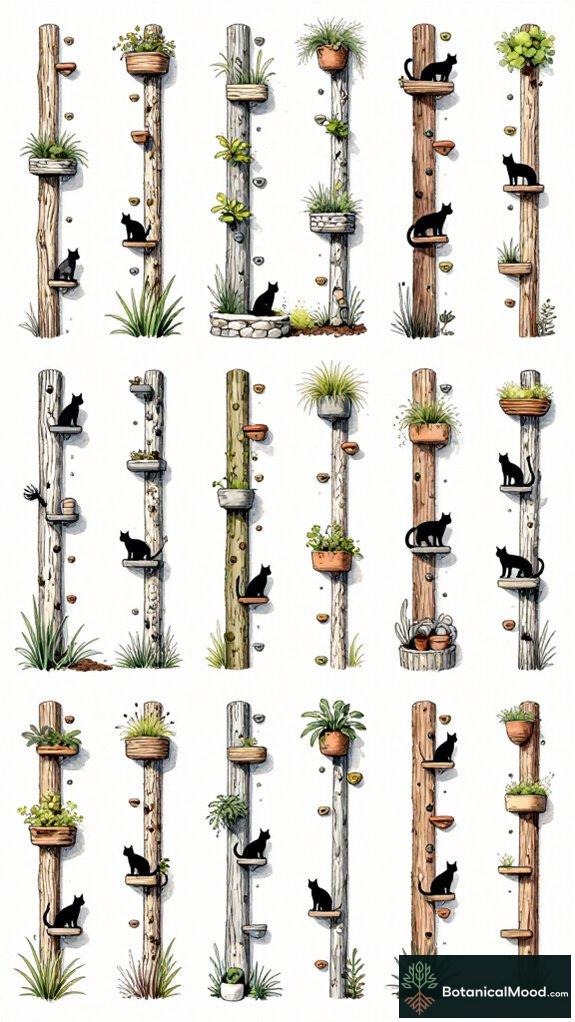
I built a weather‑ready vertical wall, 12‑16 inches between rungs and 12‑18 inches up, using treated cedar and powder‑coated aluminum. The non‑toxic, anti‑slip base keeps the paws safe, while drainage channels prevent puddles. Scratch zones sport sisal rope, and predator‑proof mesh keeps the “big‑cats” at bay. I planted catnip, basil, and hardy grasses for aroma and color.
Ever wonder if cats actually enjoy a good climb? I’m still testing the theory—my tabby seems thrilled, but the neighbor’s dog is still confused.
—
Garden Design Secrets: How Cat Walls Boost Backyard Harmony
When I re‑designed my garden last summer, I added a modular trellis beside the cat wall. The trellis, built from reclaimed cedar, supports climbing beans and lavender, which attract pollinators and mask any “cat‑smell.” I paired it with a drip‑irrigation system, ensuring the soil stays moist without soggy paws. The result? A thriving ecosystem where cats, bees, and I coexist peacefully. I even noticed my cat’s curiosity spike when the rosemary sprouted—proof that thoughtful garden design can be a win‑win for pets and plants alike.
Quick Takeaways
- Plan a continuous vertical corridor with 12–16 inch horizontal steps and 12–18 inch vertical increments for natural cat movement and exploration.
- Choose weatherproof, non-toxic materials (treated cedar, powder-coated metal, HDPE) with slip-resistant, drainage-friendly finishes.
- Install staggered shelves and perches with 12–16 inch spacing, reinforced backing, and predator-proof mesh for safety.
- Use non-toxic, cat-friendly plants and hardy grasses, ensuring allergy checks and vertical growth compatibility.
- Establish a maintenance routine, cohesive color palette, and modular expansion options for durability and visual appeal.
Plan Your Vertical Cat Wall for a Small Catio
Starting a vertical cat wall in a small catio begins with a clear plan that optimizes height while preserving safety and accessibility. This involves leveraging lightweight, heavy-duty components from Skywalks Outdoor Cat Furniture and modular options from Fundamentally Feline to maximize vertical space without overwhelming the limited footprint.
I narrate installation tips with intimate precision, guiding you through precise space maximization decisions, shelf heights, and 12-16 inch horizontal spacings that respect feline biomechanics (Felis catus) and ergonomic reach.
I reference trusted brands—Catnetting, Skywalks, Fundamentally Feline—while avoiding weather discourse, focusing on layout, anchoring, and safe mounting for passive enjoyment. Creative shelving arrangements can transform even the most compact garden spaces into engaging vertical environments for your cats.
Choose Weather-Resistant Materials for Outdoor Use
For outdoor use, I prioritize weather-resistant materials that withstand sun, rain, and humidity while remaining safe for curious cats.
I prefer weatherproof materials that resist fading, warping, and corrosion, ensuring outdoor durability over seasons. Treated cedar (Thuja plicata), metal hardware with powder coating, and high-density polyethylene maintain form under UV exposure and humidity, while non-toxic finishes protect paws.
I evaluate slip resistance, drainage, and ease of cleaning, favoring brands like Catnetting and Fundamentally Feline for robust components.
I note certified benchmarks, local suppliers in Atlanta and Savannah, and climate data from regional extension services to guide selection. This approach sustains safe exploration.
Layout: Shelves, Platforms, and Ramps for Access
Shelves, platforms, and ramps form a continuous vertical corridor that guides a cat’s ascent with purpose and safety, so I design each element as a deliberate step within a cohesive aerial habitat.
Shelf placement informs reach, grip, and shift, while platform height establishes sight lines and confidence during ascent.
In practice, I calibrate 12-16 inch horizontal spacing and 12-18 inch vertical increments to accommodate agile climbers (Felis catus).
Brands like Catnetting and Fundamentally Feline influence choices, with weather-resistant components and modular ramps.
Protecting your vertical structure requires predator-proof mesh screening to ensure cats remain safe from external threats while enjoying their aerial habitat.
I map routes across sunlit zones, shaded retreats, and breeze corridors for durable, intimate garden elevation.
Install Scratching Elements and Enrichment Safely
Even as I plan the vertical ascent, I embed scratching elements and enrichment in a way that prioritizes safety, durability, and cat-driven exploration.
I guide you toward enrichment types that stimulate curiosity, from sisal-wrapped poles to textured sisal ramps, ensuring weatherproof coatings and anti-slip bases. Scratching textures matter, so I select rope, corrugated cardboard, and rough-hewn timber with rounded edges, avoiding splinters.
Placement aligns with 12-18 inch spacing, promoting perches and viewing points while minimizing abrasion to paws. Perfect sisal ropes provide superior durability and grip for outdoor vertical structures compared to synthetic alternatives. Brands like Catnetting and Fundamentally Feline inform choices, blending modular durability with garden aesthetic, creating a serene, cat-embraced vertical habitat.
Maintain Safety, Accessibility, and Easy Upkeep
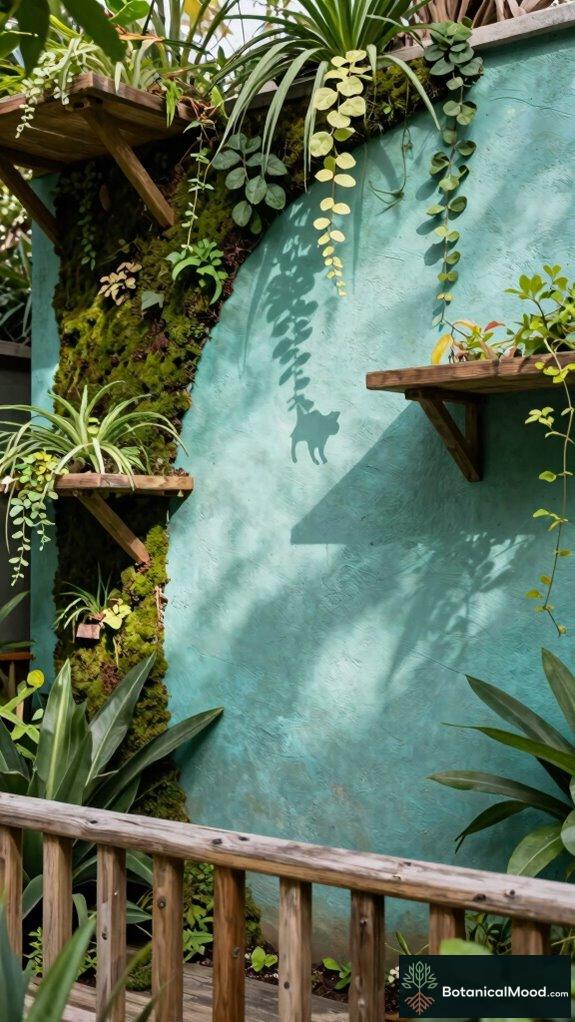
Maintaining safety, accessibility, and easy upkeep means designing the vertical cat wall with deliberate, repeatable routines and clearly defined guardrails. I guide you through consistent checks, weatherproof fasteners, and simple cleaning rituals that honor cat safety while preserving structure. My maintenance tips focus on hinge endurance, non-slip surfaces, and moss resistance, drawing on Catnetting Skywalks components and Fundamentally Feline (Vertical Space DIY) kits. Incorporating non-toxic climbing plants throughout your vertical structure adds natural enrichment while maintaining a safe environment for your cats. You’ll notice longer lifespans when we schedule seasonal inspections, flex-balancing, and root-anchorage reviews. Table below evokes emotion through tangible details, reinforcing trust and intimacy while we safeguard your feline climbers for years.
| Component | Action | Frequency |
|---|---|---|
| Platforms | Inspect screws, replace worn sisal | Monthly |
| Rails | Wipe, seal, test grip | Quarterly |
| Ramps | Check alignment, lubricate joints | Biannually |
| Scratching posts | Assess wear, rotate textures | Annually |
Finish and Expand: Aesthetics and Modular Growth
In designing the finish and expansion path, I prioritize cohesive color palettes, durable finishes, and modular growth that respects both safety and sightlines. I pair Catnetting Skywalks components with Fundamentally Feline Vertical Space DIY kits to create a seamless vertical tapestry.
I guide readers through aesthetic color schemes that harmonize cedar windbreaks with weather-resistant polymers, and I map modular design concepts that let you add shelves, ramps, and scratching elements without sacrificing flow. We reference brands Catnetting, Fundamentally Feline, Cat Tree King, and durable hardware.
This intimate process invites careful plantings around perches, elevating microclimates and visual rhythm. Strategic placement of non-toxic climbing jasmine creates natural screening while ensuring your feline friends can safely interact with the greenery throughout their vertical domain.
Vertical Zigzag Routes
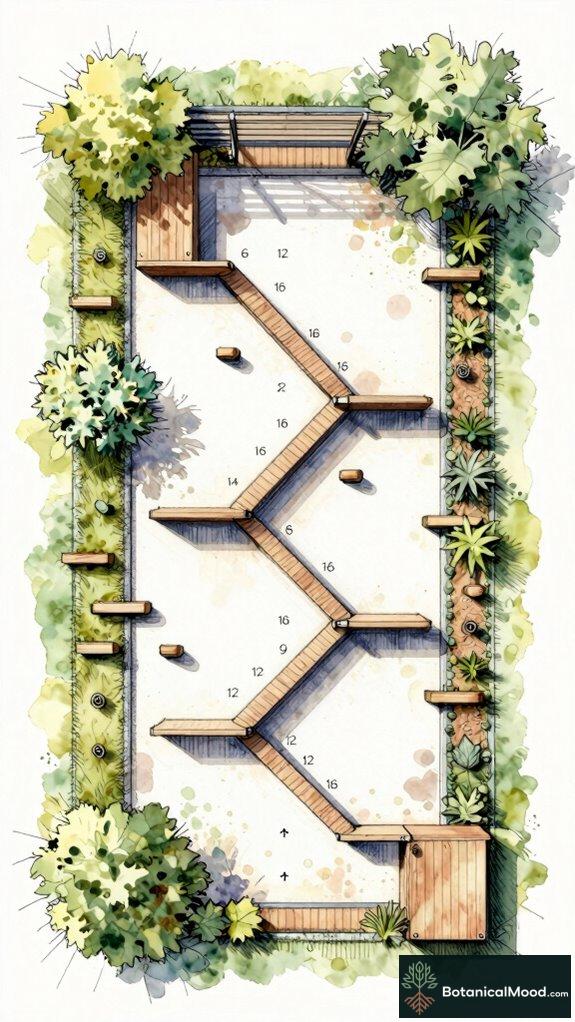
Strategically staggered shelves and ramps transform a vertical climb into a serpentine pathway that engages a cat’s natural curiosity. This approach leverages the same principles used in Catnetting’s Skywalks Outdoor Cat Furniture to create dynamic, zigzagging routes that optimize sightlines and reach. Outdoor climbing shelves provide essential vertical real estate that encourages cats to explore multiple levels safely.
I guide you through zigzag dynamics, detailing how minor horizontal offsets between platforms create micro-pauses that sharpen climbing instincts (Felis catus). Visualize durable materials, weatherproof finishes, and modular connectors aligning with 12–16″ spacing; each turn invites measured leaps, balancing safety and challenge for garden cats, neighbors’ yards, and sunlit pergolas across Atlanta (Vitaceae references).
Scratch-Resistant Cat Grass Mat
I design my cat grass mats to withstand frequent scratching without compromising the growing medium, pairing durable, weatherproof backing with reinforced edging that resists tearing from claws and environmental exposure. I describe a Scratch-Resistant Cat Grass Mat as a living panel, where Poa pratensis grass (P. pratense) thrives beside Cynodon dactylon cushions, rooted in organic compost and mineral mix. Cat grass benefits include digestion support and bite-safe nibbling, while cat climbing safety improves as mats deter soil erosion on wall platforms. When selecting grasses for your vertical wall, prioritize non-toxic plant selection to ensure your cats can safely interact with every level of their climbing structure.
| Material | Benefit | Consideration |
|---|---|---|
| Backing | Durability | Weatherproofing |
| Edging | Tear resistance | Claw-friendly |
| Grass type | Growth | Maintenance |
FAQ
How High Should the Lowest Platform Be From the Ground?
The lowest platform should be about 12 to 14 inches off the ground. I consider safety considerations first, ensuring a stable grip and easy landings, then invite your cat to explore. I’ll tailor height to your space.
Which Fasteners Resist Outdoor Corrosion Best?
Stainless steel and galvanized screws offer strong corrosion resistance for outdoor materials. I’d choose epoxy-coated fasteners for extra protection, ensuring climbing safety. I trust these endure the elements, keeping joints secure and my garden cat walls lasting beautifully.
How to Anchor the Wall Without Damaging Existing Structures?
Anchoring techniques protect my wall and your sanity, I promise. I’d say: choose concrete footings or freestanding steel posts, confirm wall materials compatibility, and use corrosion-resistant hardware; secure with brackets, not bores into existing structures, to avoid drama.
Can the System Support Multiple Cats Simultaneously?
Yes, I design for cat climbing dynamics that accommodate multiple cats, but I monitor safety precautions closely; I’ll space platforms, guarantee sturdy footholds, and guide you through shared routes to prevent crowding and injuries, darling.
What Weather Cues Indicate Need for Adjustments or Repairs?
Coats of rain drum the wall, a leaf ride-along by wind, and I notice weather patterns shift. I schedule seasonal maintenance, tighten joints, inspect screws, and seal seams before storms threaten our garden climber.
References
- https://catnetting.com/collections/skywalks-cat-climbing-system
- https://www.catastrophicreations.com/blogs/articles/designing-cat-wall
- https://www.fundamentallyfeline.com/shop/vertical-space-diy-components/
- https://cattreeking.com/collections/all-cat-walls
- https://www.etsy.com/market/cat_wall_climbing