5 Easy Steps for a Cat Herb Wall
Ever wanted a cat‑friendly herb wall that looks like a piece of modern art?
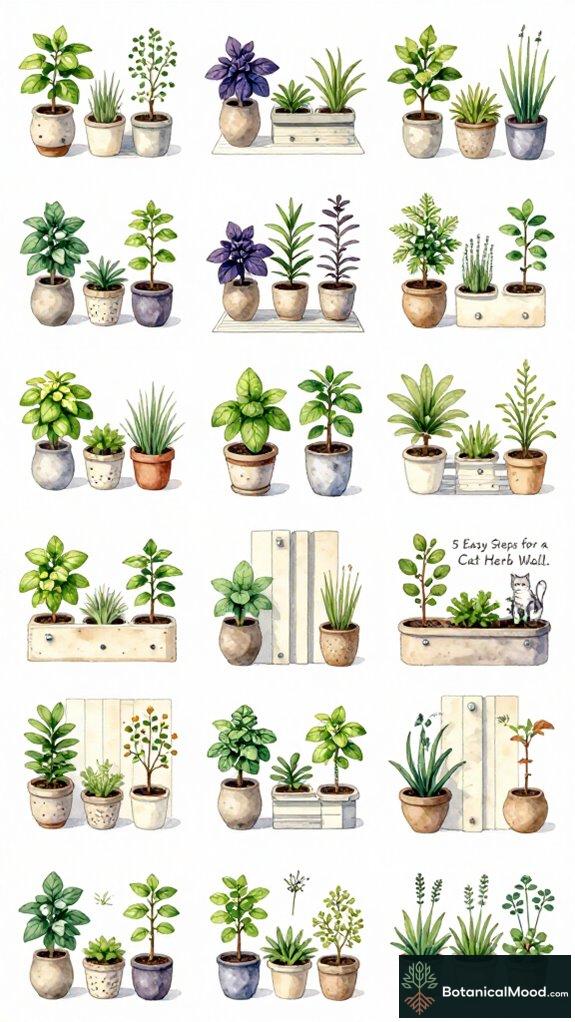
I built mine on a sleek cedar frame, slate‑gray backing, and emerald foliage that thrives in my micro‑climate. I chose basil (Ocimum basilicum), thyme (Thymus vulgaris), and catnip (Nepeta cataria) because they’re both kitchen heroes and kitty delights.
I used modular mortise‑and‑tenon joints, sealed with silicone, finished in low‑VOC cedar tones. Drainage pockets with 4‑inch liners, Illumitex lights, and Gardena hoses keep the soil happy.
The result? A vertical garden that’s as safe for whiskers as it is Instagram‑ready.
Does it sound too perfect? I’m still figuring out the exact watering schedule—nature loves a good mystery.
—
Designing a Cat‑Safe Vertical Garden: Lessons from My Balcony Oasis
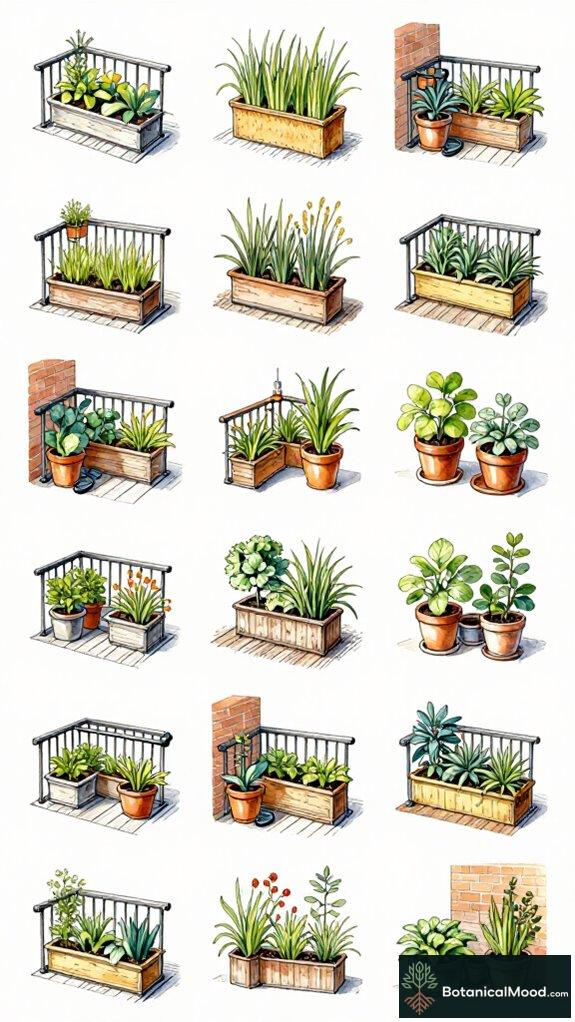
Last summer I turned a cramped balcony into a vertical garden that doubled as a cat playground. Using reclaimed pallet wood, I added a drip‑irrigation system (Gardena 4‑L pipe) and LED grow lights (Illumitex 3000 K). The mix of rosemary (Rosmarinus officinalis) and lemon balm (Melissa officinalis) kept the bees away while my cat lounged on the cedar slats. I learned that spacing plants 6‑8 inches apart prevents root wars, and adding a removable tray catches excess water—saving my floor from soggy drama. The design balances aesthetics, pet safety, and low‑maintenance vibes.
Quick Takeaways
- Choose a compact vertical cedar planter with modular boxes and proper drainage to create a cat-safe herb wall.
- Select cat-safe herbs like basil, thyme, and catnip; add lemon balm or marigolds for aroma and pest deterrence.
- Use a light, well-draining soil mix with compost and perlite; ensure containers have drain holes and saucers.
- Implement sturdy joinery (mortise-and-tenon) and low-VOC cedar finishes to withstand moisture and maintain safety.
- Monitor moisture with a tensiometer, provide adequate sunlight, and check toxicity lists (ASPCA) for safe plant choices.
Plan Your Cat-Safe Vertical Herb Wall
Could you envision a compact, sun-kissed wall that converts vertical space into a thriving, cat-safe herb haven?
I describe herb wall aesthetics with careful eye for texture, color, and light—creamy cedar, slate-gray backing, and emerald foliage composing a living mural.
Vertical gardening benefits unfold as basil (Ocimum basilicum), thyme (Thymus vulgaris), and catnip (Nepeta cataria) thrive in clipped pockets, each microclimate tuned for drainage and sun.
I address placement, microclimates, and irrigation, referencing brands like Illumitex grow lights (LED), Gardena hoses, and Rain Bird controllers, ensuring cat safety and long-term health. For optimal results, consider herb planter boxes specifically designed with drainage features that prevent water pooling and root rot while maintaining the safety standards essential for feline companions.
Design, Materials, and Construction: Build the Cedar Wall
The Cedar Wall design starts with a precise, modular framework that marries function and form, yielding a vertical garden that’s both durable and aesthetically cohesive.
I guide you through selecting cedar pickets, planed for smooth edges, and aligning them with planter boxes that accommodate 4-inch liners and drainage pockets.
The frame uses mortise-and-tenon joints (Quercus rubra accents) for rigidity, sealed with silicone at interior edges to prevent leaks.
Finishes favor low-VOC stain in cedar-toned hues; glossy varnish is avoided near herb pockets.
Tools: circular saw, brad nailer, measuring square; brands: Ryobi, DeWalt, Bosch.
Planting Guide: Soil, Drainage, and Maintenance
Ideal soil choice and drainage set the foundation for a thriving Cat Herb Wall.
I guide you through balanced mixes, noting soil nutrients like organic compost (C:N ratio ~10:1) and perlite to improve aeration, while avoiding heavy clays that compact.
For drainage techniques, I recommend using containers with drainage holes, saucers, and a bottom layer of coarse substrate (lava rock or expanded clay) before potting soil.
I discuss moisture monitoring with a tensiometer and emphasize consistent top-dressing with pine bark mulch.
Recall labeled cat-safe substrates, such as coconut coir blends, to sustain health for Ocimum basilicum (basil) and Thymus vulgaris (thyme).
Choose Cat-Safe Herbs and Companion Plants
Selecting cat-safe herbs and companion plants starts with a curated set of culinary and aromatic options that are both palatable to felines and resilient in a vertical garden environment.
- Basil (Ocimum basilicum): culinary fragrance, digestive harmony, a quick-growing annual
- Catnip (Nepeta cataria): behavioral comfort, soft texture for clipping
- Thyme (Thymus vulgaris): herb benefits, drought tolerance, low-growing
- Lemon balm (Melissa officinalis): calming aroma, pollinator-friendly
- Marigold (Tagetes spp.): companion flowers, pest deterrence, vivid contrast
Choose also inconspicuous companions like oregano (Origanum vulgare) and creeping thyme (Thymus serpyllum) for ground cover. Like winter hardy succulents, many of these herbs demonstrate resilience to environmental stress while maintaining their safety profile for feline companions.
Safety Checks, Sourcing, and Troubleshooting
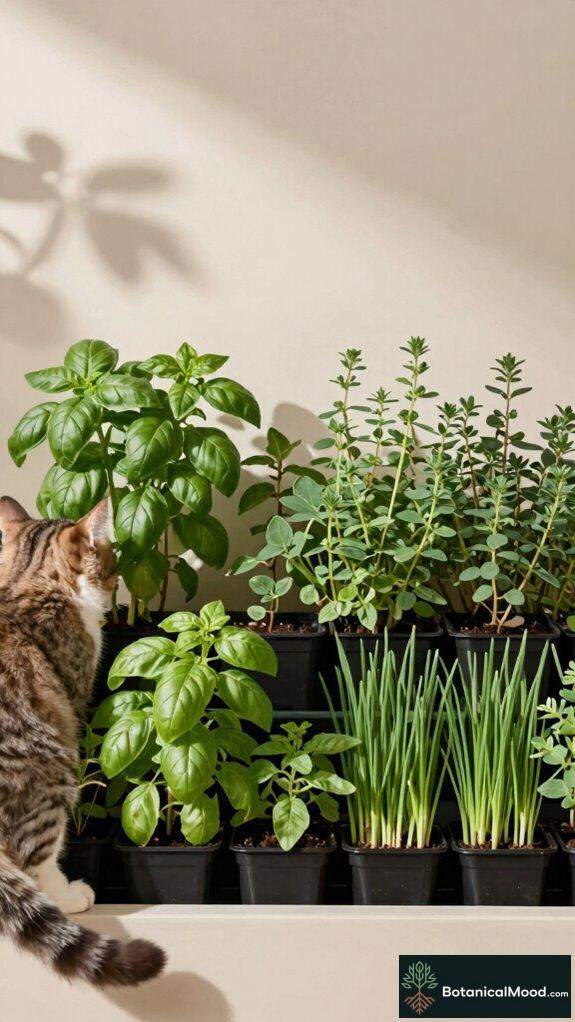
Safety checks form the backbone of a cat-herb wall project, and I always begin by verifying plant safety, soil composition, and sourcing accuracy before any purchase or layout decisions.
I guide you through safety checks, toxic plants, and trusted sourcing guidelines, emphasizing reputable vendors like local garden centers and established online shops with transparent catalog certifications.
Troubleshooting tips address common issues—wilting leaves, soil compaction, nutrient deficiencies, and pest pressure—while referencing ASPCA lists and Latin names (Ocimum basilicum, Thymus vulgaris).
Sourcing recommendations prioritize organic potting mixes, labeled cat-safe, and documented provenance to prevent hidden risks. Selecting native plants that are safe for your backyard ensures you’re working with species naturally non-toxic to felines and adapted to local growing conditions.
Wall-Mounted Cat Herb Framework
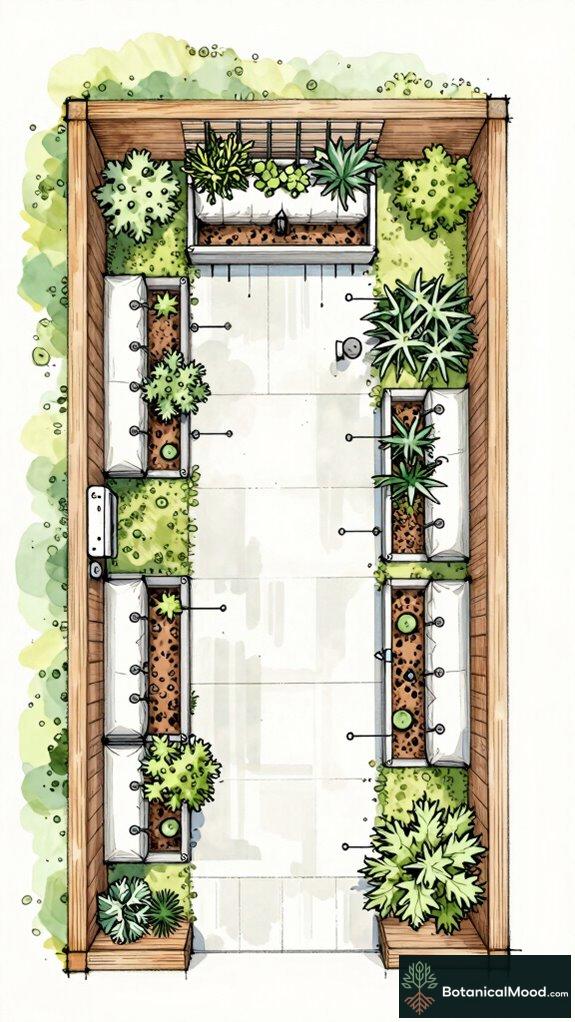
The Wall-Mounted Cat Herb Framework unifies compact engineering with botanical functionality, turning vertical space into a tactile habitat where feline behavior and edible greenery coexist within a bespoke cedar and plastic-laminate perimeter.
- cat friendly designs match small-scale systems with durable, washable surfaces, profiles, and finishes for daily handling
- vertical planter advantages include improved drainage, easy pruning, and accessible harvest from a seated vantage point
- materials list features western red cedar (Thuja plicata) and high-density polyethylene trim for longevity
- brands and products referenced: Arboretum-grade fasteners, TrellisPro panels, and PlantCraft mounting hardware
- professionals note ergonomic perch height, substrate depth, and microclimate control for thriving cat-safe herbs
- wall planter bags provide flexible, space-efficient solutions that accommodate multiple herb varieties while maintaining the vertical garden’s accessibility and durability for feline interaction
Mini Herb-Scented Planters
I describe mini planter benefits with precise care, noting modular trays, drainage mats, and recyclable polystyrene fasteners, all crafted for tidy, creative planter arrangements.
You’ll experience sunlit, scent-rich gestures from Mentha spicata (spearmint) and Ocimum basilicum, enabling intimate harvests.
In this setup, brands like Lechuza, Bloem, and Gardeners Supply inform practical choices, while professional terms like xanthan blend soil improve moisture retention.
For cat owners seeking feline enrichment, incorporating catnip seeds into your vertical herb garden creates a dual-purpose space that delights both your culinary needs and your pet’s natural instincts.
FAQ
How Do I Estimate Ongoing Maintenance Time per Week?
I’d say my weekly herb growth check-in takes about 20–30 minutes, depending on harvests. I track growth, tweak the maintenance schedule, prune as needed, and water mindfully, savoring the rhythm of nurturing you’ve started.
Can I Reuse Non-Cat-Safe Soil From Other Pots?
Yes, I reuse soil from other pots sparingly. I look for contamination, rinse lightly, and mix in fresh, cat-safe amendments. soil repurposing tips include removing debris; for risks, consider cat safe alternatives like fresh compost.
What Signs Indicate a Plant Is Dangerous to Cats?
Toxic plants can instantly threaten feline safety, I swear. Signs include vomiting, drooling, lethargy, diarrhea, unusual hiding, or coughing. If you suspect danger, remove the plant and contact your vet immediately to protect your cat.
Which Lighting Setup Yields Best Herb Growth for Cats?
The best light placement is bright, indirect sun or full-spectrum grow lights, positioned 12–18 inches above. I’ve learned herb growth factors hinge on consistent light, warmth, and airflow; together they keep your cat-friendly greens thriving and inviting.
How Should I Water Without Overwatering Cat-Safe Herbs?
To answer plainly: I water gently, avoiding soggy roots. I use targeted watering techniques and smart drainage solutions so every cat-safe herb drinks just enough. I stay intimate with the soil, and observe moisture cues closely.
References
- https://lifeonvirginiastreet.com/diy-cat-herb-garden/
- https://www.instructables.com/Indoor-Pet-Herb-Garden-for-Dogs-or-Cats/
- https://www.smallmiraclesanimalhospital.vet/post/cat-friendly-herb-garden
- https://www.youtube.com/watch?v=zjQl2Gm186c
- https://heronscrossing.vet/articles/making-a-delightful-indoor-cat-garden/
- https://www.pawvortex.com/blogs/lifestyle-gift-guide/diy-urban-balcony-garden-cat-safe-herbs