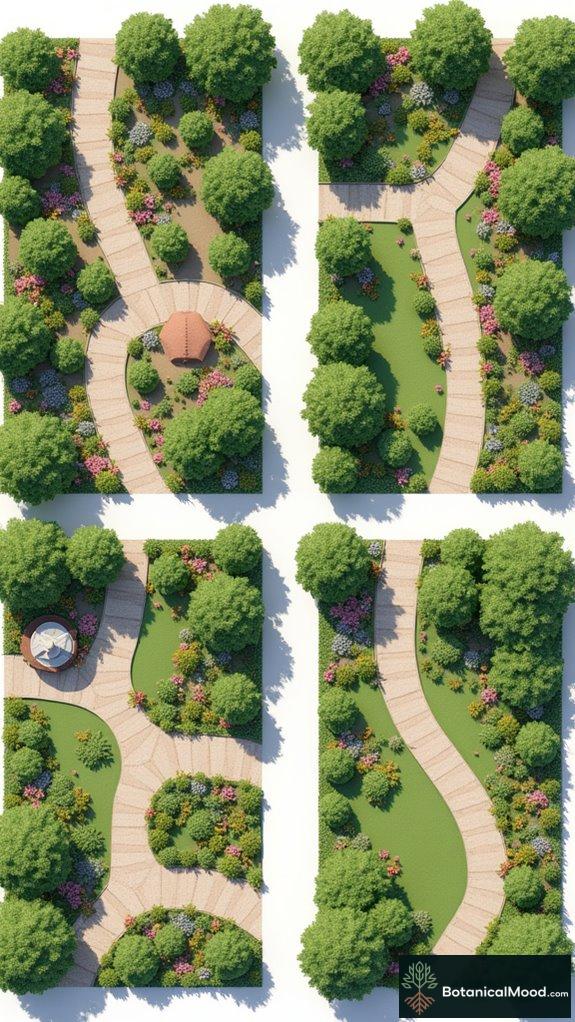
Transform Your Backyard Into a Serene Meditation Sanctuary
Ever tried meditating amidst chaos? Yeah, me neither.
Transforming my backyard into a meditation sanctuary was a wild ride. Picture this: wobbly garden paths made of stones, the occasional splash from my DIY pond, and—oh yes—lavender that attracts bees like they’re at a rave.
It’s like nature is saying, “Hey, chill out!” I mean, who doesn’t want to sit in a nook, sipping herbal tea, while avoiding reality?
But honestly, making space for serenity wasn’t as easy as it sounds. Finding the right herbs and textures took time—who knew bamboo could cause that much debate?
Could I pull it off?
Designing My Zen Garden: A Personal Journey
I once attempted to plant a rose garden, only to realize halfway through that my thumb was, uh, not green. So, I switched gears to herbs—basil and thyme. Imagine my surprise when they actually thrived! That taught me about adaptability; much like my meditation journey, it’s less about perfection and more about embracing growth. Now my backyard is a peaceful retreat, where every leaf and flower tells a story of resilience and transformation. Unconventional materials like recycled pallets became whimsical seating. Nothing like gardening bloopers to keep it authentic, right?
Quick Takeaways
- Select a tranquil location that captures natural light and provides shade, fostering a peaceful atmosphere for meditation.
- Incorporate calming colors and organic materials, such as stone paths and bamboo seating, to enhance serenity and connection to nature.
- Add water features like fountains or ponds to create soothing sounds that elevate the meditative experience.
- Utilize native plants and xeriscaping techniques to promote sustainability while maintaining a low-water, easy-care garden.
- Design your meditation nook away from distractions, using natural barriers for privacy and ensuring soft lighting for relaxation.
Understanding the Purpose of a Meditation Garden

Creating a meditation garden isn’t just about planting flowers; it’s about cultivating a serene space that nurtures the mind and soul.
Understanding the purpose of your garden deepens your connection to nature while enhancing meditation benefits, allowing you to unwind fully. Each element, from the vibrant colors of blooming perennials to the quiet symbolism of stone paths, plays a role in this journey. Incorporating Zen garden principles can further enhance the tranquil atmosphere and encourage mindfulness.
A thoughtfully designed space, infused with tranquility, inspires reflection and growth. When I began this project, I envisioned a sanctuary that would invite peace and understanding, showcasing how powerful symbolism can transform an ordinary backyard into an extraordinary escape.
Essential Design Elements for Serenity

A carefully curated meditation sanctuary demands an acute attention to various design elements that promote a sense of serenity.
I’ve found that incorporating calming colors, like soft greens or muted blues, establishes an atmosphere conducive to relaxation.
Incorporating calming colors like soft greens or muted blues fosters an inviting atmosphere perfect for relaxation.
Natural textures, such as smooth stones or rough-hewn wood, add depth and tactile appeal, creating a tactile interplay that feels inviting.
To enhance tranquility, consider organic materials, like bamboo or reclaimed wood for seating.
Ambient sounds sourced from subtle water features can elevate the space further. Additionally, incorporating shade-loving plants can create an inviting and peaceful environment, enhancing your connection to nature.
Choosing the Right Location and Planting

Choosing the right location for your meditation sanctuary can greatly impact its overall effectiveness, as specific spots within your yard may foster a deeper sense of peace and connection to nature.
In my experience, thoughtful location selection involves seeking areas that capture natural light yet offer shade during hotter months.
Consider the plant variety that surrounds your space—fragrant lavender or calming bamboo can enhance tranquility.
Furthermore, integrating native species not only supports local ecology but creates a beautiful, sustainable haven. Incorporating xeriscaping techniques can also help maintain a low-water garden while providing a serene atmosphere.
I’ve found that these elements provide an unparalleled setting for deep meditation, enhancing both emotional well-being and sensory pleasure.
Incorporating Hardscaping and Water Features

In my pursuit of the perfect meditation sanctuary, hardscaping and water features have proven to be transformative elements that elevate the overall ambiance and functionality of the space. By selecting innovative hardscape materials such as natural stone, concrete pavers, and permeable gravel, I’ve created inviting paths that guide my thoughts.
| Hardscape Material | Description | Benefits |
|---|---|---|
| Natural Stone | Durable and aesthetic | Adds natural texture |
| Concrete Pavers | Versatile shapes | Easy installation |
| Permeable Gravel | Eco-friendly | Supports drainage |
| Brick | Timeless appeal | Classic look |
| Flagstone | Unique patterns | Non-slip surface |
Moreover, incorporating water feature types like a wall fountain or a small pond not only captivates the senses but also brings soothing sounds, enhancing my meditative experience.
Ensuring Accessibility and Ease of Navigation

While creating my meditation sanctuary, I recognized that ensuring accessibility and ease of navigation is essential for fostering a serene environment.
I carefully designed accessible pathways that invite exploration while adhering to principles of inclusive design. By incorporating wide, smooth walkways made from permeable pavers, I minimized barriers and created seamless connections between zones.
Thoughtfully designed pathways enhance exploration and connection, ensuring accessibility and harmony within the serene sanctuary.
This thoughtful arrangement not only enhances mobility but also directs attention to tranquil features like subtle seating areas or soft greenery.
Each element harmonizes with the space, ensuring that every visitor can effortlessly navigate and experience the beauty, tranquility, and mindfulness I envisioned in my personal oasis.
Drawing Inspiration From Traditional Meditation Gardens

Drawing from the rich aesthetic and philosophical traditions of meditation gardens found throughout Asia, I sought ways to infuse those timeless elements into my own sanctuary.
Here are three traditional elements I embraced to enrich my garden symbolism:
- Raked gravel – Representing water’s flow, it creates a calming and meditative atmosphere.
- Boulders and stones – These symbolize permanence and resilience, grounding the space with their natural presence.
- Carefully placed plants – Each species embodies specific meanings, enhancing both beauty and spiritual significance.
Integrating these features fosters a serene environment, reminding me of the beauty in simplicity and nature.
Best Practices for Maintaining Your Meditation Sanctuary

Establishing a nurturing routine for your meditation sanctuary can greatly transform the space into a haven of tranquility, as regular care allows the vibrant life you’ve cultivated to thrive.
To start, focus on soil health; enriched, organic compost can notably enhance nutrient availability, fostering robust plant growth.
Prioritize soil health by using enriched, organic compost to boost nutrient availability and encourage thriving plant growth.
Moreover, thoughtful plant selection is essential; consider native species that align with your region’s climate.
Incorporating fragrant herbs, such as lavender or sage, not only soothes the senses but also attracts pollinators, enriching your sanctuary’s ecosystem.
With dedication and mindfulness, your meditation sanctuary will flourish, embodying a peaceful oasis that invigorates the spirit.
Zen Garden Pathway Arrangement

Creating a Zen garden pathway arrangement offers a unique opportunity to enhance both the aesthetic and spiritual journey through your garden sanctuary.
Here’s how to craft a pathway that encourages serenity:
- Integrate irregular stone textures for tactile variation, encouraging mindful navigation.
- Incorporate pathway symbolism using flat stones, designating significant reflection points comparable to Japanese *Ema* plaques. Additionally, consider that the pathways should emphasize key locations or views within the garden to reflect the importance of borrowing views.
- Utilize a meandering layout, ensuring shifts minimize direct transit, promoting a contemplative experience.
Zen Garden Stone Placement Guide

When seeking to cultivate tranquility within your Zen garden, thoughtful stone placement plays an important part in composing a serene atmosphere.
To begin, consider the stone symbolism; large boulders can represent stability and strength, while smaller stones evoke gentleness.
Balance is key, so I often mix various gravel textures for visual interest and tactile contrast, creating pathways that invite contemplation.
When arranging stones, keep in mind the principles of asymmetry and naturalness—irregular groupings foster a more organic feel.
Let your imagination guide you, and soon, you’ll find your Zen oasis reflects not only harmony but your unique sense of beauty—just like I’ve aimed for at Botanical Mood.
Meditation Nook Placement Strategy

Finding the right spot for your meditation nook is a delightful adventure that brings together elements of privacy, serenity, and connection with nature.
To enhance your experience, consider these essential factors for ideal nook orientation:
- Shield from Distractions: Locate your nook away from street noise and high-traffic areas. Use natural barriers like trees or shrubs to provide seclusion.
- Sunlight Balance: Choose a spot with soft morning light or dappled shade, ensuring comfort year-round.
- Ambient Sound: Position near calming water features or gentle breezes to enrich your meditation with soothing sounds. Incorporating water features can further elevate the tranquility of your chosen spot.
This approach can transform your practice into peaceful mindfulness.
Backyard Meditation Retreat Design

Designing a backyard meditation retreat invites an exploration of tranquility through thoughtful selections of natural elements and meaningful features.
I recommend incorporating soothing water features, like gentle fountains, to facilitate mindful breathing. Select low-maintenance, drought-tolerant plants such as bamboo or Japanese maples, arranged asymmetrically to inspire movement. Choose a peaceful setting that feels inviting, encouraging usage of your space.
Choosing ergonomic seating—perhaps a hammock or plush cushions—enhances comfort during extended meditation sessions. To create a serene atmosphere, opt for wind chimes with deep tones or stone lanterns that serve as focal points.
Ergonomic seating options, like hammocks or plush cushions, elevate comfort and support during your prolonged meditation practice.
Ultimately, this retreat should reflect personal spirituality, serving as a canvas for meditation techniques that nurture inner peace.
How To Design Zen Garden Spatial Harmony

To create a Zen garden that embodies spatial harmony, one must embrace the principles of simplicity, balance, and naturalness inherent in traditional design.
Here’s how I approach spatial arrangement with an emphasis on negative space:
- Cluster rocks in odd numbers to symbolize islands and enhance dynamism.
- Employ patterned raking of gravel to mimic water flows, inviting meditative focus.
- Incorporate minimal plant accents that enliven the area without overshadowing simplicity. This design should also reflect finding beauty in the uncomplicated, ensuring that each element contributes to the overall serenity of the space.
Meet the Garden Designer

Sarah Thompson, originally from Portland, Oregon, envisioned her backyard meditation sanctuary as a retreat from her fast-paced life, seeking tranquility and connection with nature after years in a corporate job.
To bring her vision to life, Sarah collaborated with a Certified Garden Design & Maintenance Professional (CGDMP). The design process began with an initial site appraisal, where she discussed her desires and challenges. This process reflects the garden planning principles emphasized in the CGDMP certification.
Through iterative sketches powered by CAD software, they refined the aesthetics and flow, ensuring the sanctuary would elevate her outdoor experience.
With the design finalized, Sarah transformed her space using high-quality accessories from brands like Fiskars and garden tools from DeWit.
She consulted with local horticulturists to select native plants, focusing on drought-resistant varieties, ensuring her designed garden was sustainable and beautiful.
Renowned Garden Design Experts

Crafting a meditation sanctuary requires not just a vision but also the expertise of renowned garden design professionals who understand the complex balance of form, function, and tranquility.
These experts prioritize meditative aesthetics through simplicity and sensory engagement, integrating harmonious elements like water, rocks, and thoughtfully selected plants.
Experts focus on meditative aesthetics, blending simplicity with sensory elements like water, rocks, and curated plants for a harmonious experience.
They emphasize tranquil landscaping tailored to your space, creating secluded areas encircled by hedges or trellises for privacy. By engaging with textures and colors, they orchestrate a garden experience that nurtures mindfulness.
When I envisioned Botanical Mood, I sought to bring forth such expertise, helping you cultivate your personal oasis of serenity amidst everyday chaos.
Garden Design FAQ
How Can I Introduce Mindfulness Into My Meditation Garden Design?
To introduce mindfulness into my meditation garden design, I focus on mindful design that emphasizes balancing space and natural elements.
I choose calming elements, like soft textures from ornamental grasses and the gentle sound of a water feature to invite tranquility.
Bright pops of color from flowering plants, such as lavender or salvia, encourage reflection and peace.
Each element in my garden invites a meditative state, enhancing my experience of nature’s beauty and serenity.
What Are the Best Times of Year to Meditate Outdoors?
The best times to meditate outdoors are during spring’s vibrant blooms and autumn’s golden hues.
I’ve found that spring meditations, surrounded by flowering shrubs, awaken my senses, while autumn reflections, with their crisp air, invite deeper contemplation.
Choosing a serene spot, perhaps among native perennials and ornamental grasses, enhances the experience.
I’ve designed spaces that embrace these seasonal shifts, revealing nature’s beauty and fostering mindfulness, which is a core theme of Botanical Mood I cherish greatly.
How Do I Deal With Wildlife in My Meditation Garden?
Dealing with wildlife in my meditation garden has been a rewarding challenge.
I’ve successfully implemented wildlife management techniques by using natural deterrents like lavender and marigolds. These aromatic plants not only enhance beauty but also keep critters at bay.
Creating a peaceful space means I’ve embraced organic solutions while ensuring my sanctuary remains untouched by unwanted visitors.
Through thoughtful plant selections, I maintain harmony, allowing nature’s tranquility to thrive alongside my meditation practice.
Can Meditation Gardens Be Designed on a Small Budget?
Absolutely, meditation gardens can be designed on a small budget!
Have you considered using budget-friendly plants like lavender or sedum for their calming colors and fragrances?
For DIY seating, repurposing pallets or using simple, handcrafted benches adds charm while keeping costs low.
I’ve incorporated stones and mulch for pathways, enhancing visual interest and creating a peaceful atmosphere.
With careful planning, you can craft a serene space that invites mindfulness without breaking the bank.
What Should I Do if I Experience Distractions While Meditating Outside?
When I experience distractions while meditating outside, I turn to distraction techniques like sound isolation.
I often incorporate natural sound barriers—like dense shrubs or bamboo—which muffle nearby noise.
Furthermore, I use a white noise machine or soothing music, gently playing in the background, to create a cocoon of tranquility.
These strategies help cultivate a serene atmosphere, allowing me to immerse myself fully in meditation, enhancing my connection with nature and my beautiful surroundings.
Share Your Own Garden
Turning my backyard into a meditation sanctuary is a journey towards peace. By carefully choosing plants, design elements, and adding soothing water sounds, I’ve crafted a refuge from the chaos of everyday life. It’s about creating my personal oasis, one mindful moment at a time.
I’d love to hear about your own experiences in creating a peaceful space. What elements have you found essential for your sanctuary?
Feel free to share pictures of your garden and describe how you designed it. Your insights could inspire others!
References
- https://thegardeningcook.com/meditation-gardens/
- https://www.tandfonline.com/doi/full/10.1080/24735132.2023.2215915
- https://www.shrubhub.com/blog/15-relaxing-landscaping-ideas-for-creating-a-meditation-garden.php
- https://www.yogajournal.com/lifestyle/balance/home-amp-garden/backyard-bliss/
- https://gardentherapy.ca/what-is-a-meditation-garden/
- https://draftscapes.com/japanese-garden-design-principles-home-landscape/
- https://www.dsbahr.com/apply-zen-garden-principles-to-your-deck-design
- https://www.swansonsnursery.com/blog/japanese-garden-design
- https://www.gardendesign.com/landscape-design/zen-gardens.html
- https://bowerandbranch.com/blogs/garden-glossary/zen-garden-ideas-and-tips