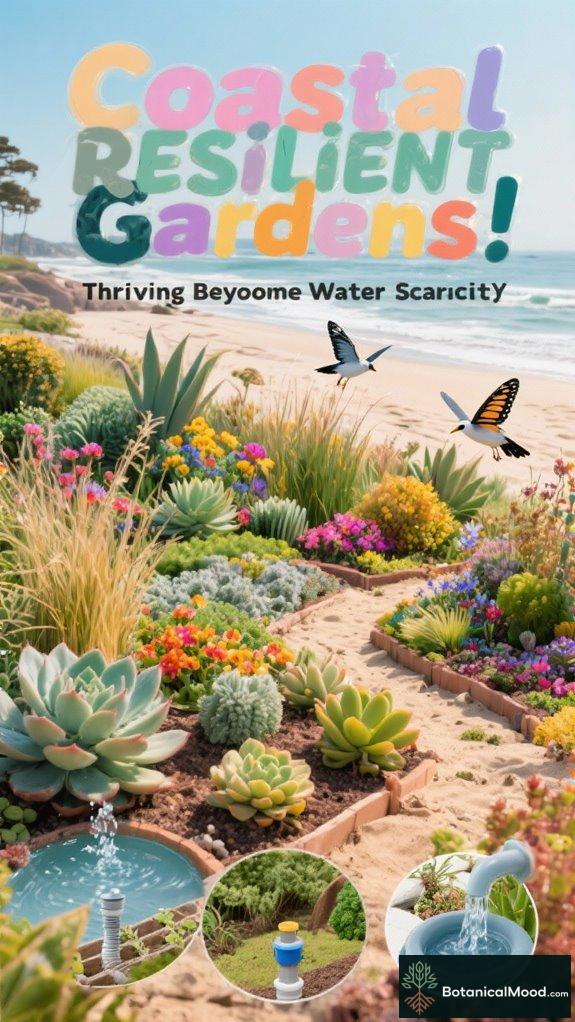
Coastal Resilient Gardens: Thriving Beyond Water Scarcity
Isn’t it ironic how we desperately save water while still wanting our gardens to look like something out of a fairy tale?
I dove into the world of coastal resilient gardens, and it turns out, native plants like Echinacea purpurea and Salvia farinacea are my new best friends. Who knew they could thrive in drought?
With my battle plans involving rainwater harvesting, drip irrigation, and snazzy bed arrangements, I’m practically a gardening Picasso—minus the beret.
But honestly, it’s a puzzle navigating water scarcity while trying to keep it gorgeous. The learning curve is real!
Designing with the Unpredictable: My Coastal Garden Experience
Last summer, I learned firsthand how unpredictable nature can be. I decided to redesign my garden, focusing on a water-efficient layout. I experimented with raised beds and placed drought-tolerant plants like lavender and succulents strategically.
To my surprise, a mini-drought hit! Thankfully, my meticulous planning allowed my garden to thrive while others wilted away.
Now, I relish in the beauty of my sustainable oasis, teaching friends about xeriscaping and the virtues of nature-friendly practices. Have you ever faced a sudden drought? How did you adapt your garden?
Quick Takeaways
- Utilize native drought-resistant plants to enhance garden resilience and reduce water usage while attracting local pollinators.
- Implement sustainable irrigation methods, such as drip systems and xeriscaping principles, to maximize water efficiency.
- Incorporate rainwater harvesting systems to capture runoff and provide plants with necessary moisture for thriving.
- Engage the community in garden design and maintenance to foster ownership and promote sustainable practices.
- Strategically arrange plants by their water needs and exposure to sunlight for optimal growth and resource management.
Benefits of Native Drought-Resistant Plants

When it comes to creating a sustainable and resilient garden, I find that incorporating native drought-resistant plants, like the vibrant Echinacea purpurea (purple coneflower) and the aromatic Salvia farinacea (mealycup sage), offers remarkable benefits that extend beyond mere aesthetics. These native plants are essential for effective drought adaptation, thriving in our increasingly volatile climate. Selecting robust species allows for reduced water usage, which not only conserves this precious resource but also lowers maintenance efforts. I’ve witnessed firsthand how these plants support local pollinators, including bees and butterflies, enriching biodiversity. Additionally, utilizing drought-resistant landscaping can help mitigate the impacts of climate change, promoting a healthier ecosystem for future generations.
Top Coastal Plants for Resilient Gardens
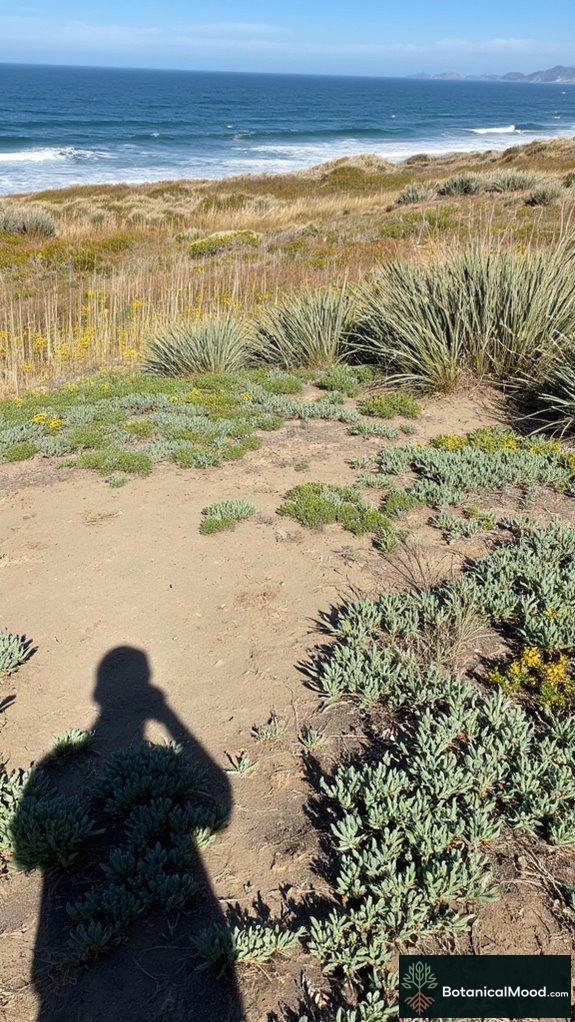
Creating a resilient coastal garden means selecting plants that not only withstand the unique challenges of windy, salty environments but also contribute to the local ecosystem. I find that incorporating species like Sea Oats (Uniola paniculata) and Beach Strawberry (Fragaria chiloensis) boosts coastal biodiversity, offering shelter and nourishment to enchanting wildlife.
In addition, the adaptability of native grasses, such as Cordgrass (Spartina alterniflora), showcases the profound strength of nature’s design. These plants endure salt spray and drought, minimizing maintenance.
Moreover, flowering beauties like Coastal Goldenrods (Solidago sempervirens) create vibrant, stunning scenery while attracting pollinators.
Designing for Water Efficiency

To make the most of our water resources in a coastal garden, I believe it’s essential to adopt thoughtful design principles that prioritize efficiency while celebrating the natural beauty of our surroundings.
In crafting water-efficient environments, I focus on integrating native plants like Salvia (Salvia spp.) and grasses such as Red Fescue (Festuca rubra). By implementing sustainable irrigation methods, such as drip systems, we guarantee our gardens thrive without excess water waste. Additionally, incorporating xeriscaping principles can enhance the resilience of our gardens against water scarcity.
Here’s a concise visualization of effective strategies:
| Strategy | Description | Benefits |
|---|---|---|
| Native Planting | Use plants adapted to local conditions | Reduced water usage |
| Mulching | Apply organic matter to retain moisture | Improved soil health |
| Smart Irrigation | Utilize sensors and timers | Targeted, efficient watering |
| Grouping Plants | Cluster plants with similar needs | Efficient water management |
| Soil Amendments | Improve drainage and moisture retention | Healthier plant growth |
Rainwater Harvesting Techniques

Rainwater harvesting can greatly transform how we manage water in our coastal gardens.
Implementing efficient water collection systems not only conserves this precious resource but elevates your landscaping’s sustainability. Picture a series of aesthetically pleasing rain barrels, capturing runoff from your roof, channeled through attractive downspouts.
I’ve found that incorporating native plants like Salvia (Salvia spp.) and Echinacea (Echinacea purpurea) thrives with accessed rainwater, promoting resilience against drought.
You can also install permeable pavers to redirect runoff into storage tanks, ensuring an eco-friendly approach. During peak rainy seasons, my garden flourishes with an expressed vibrancy, enriched by this innovative method.
Basically, embracing rainwater harvesting sets a powerful precedent for sustainable landscaping, revealing a future of resource-savvy, resilient gardens.
Innovative Irrigation Solutions
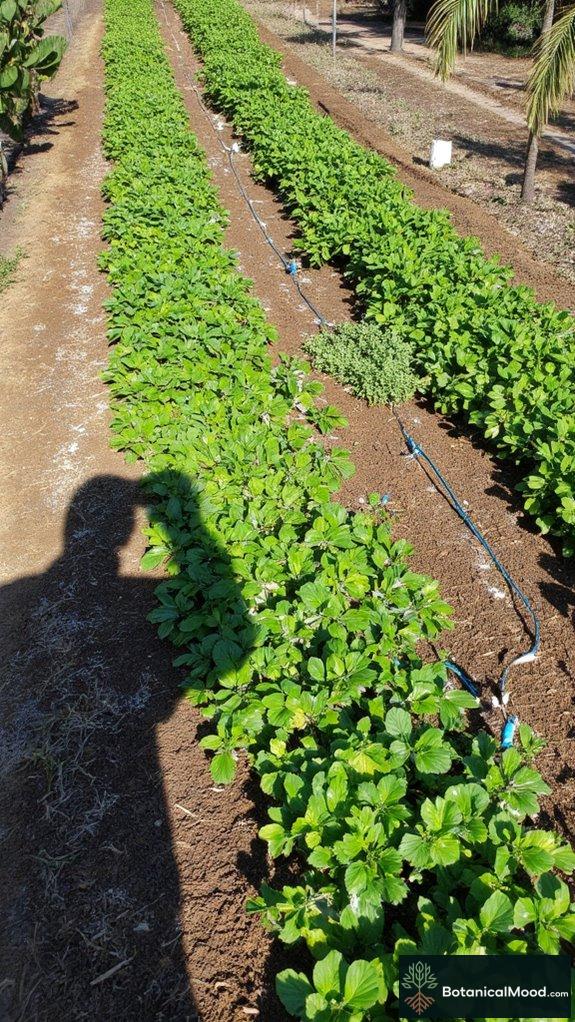
Expanding upon the principles of rainwater harvesting, innovative irrigation solutions can further enhance water conservation and overall sustainability in coastal gardens.
Integrating drip irrigation systems into your garden allows for precise water delivery directly to plant roots, minimizing evaporation and runoff. Coupled with advanced moisture sensors, they guarantee that your garden receives ideal hydration without waste.
These sensors monitor soil moisture levels in real time, providing data that empowers gardeners to irrigate only when necessary, preventing over-saturation and promoting healthy root development.
Brands like Toro and Rain Bird offer cutting-edge options that seamlessly blend technology with design, elevating the garden experience.
Embracing these innovative strategies not only conserves resources but transforms our gardens into resilient havens that withstand drought and climate change.
Soil Moisture Conservation Strategies

While many may underestimate the importance of soil moisture in gardening, I’ve discovered that implementing effective conservation strategies can considerably enhance the vigor of coastal gardens.
One of the most powerful strategies is mulch application, which not only suppresses weeds but also retains moisture by creating a protective barrier. Materials like shredded bark (Pinus spp.) or straw work wonders in slowing evaporation.
Additionally, incorporating soil amendments such as organic compost (e.g., Vermicompost) improves soil structure, allowing it to hold moisture more efficiently. This dynamic duo of mulch and amendments empowers our gardens to flourish even in challenging coastal conditions.
As I explore the depths of these techniques, I’m motivated to share my journey through Botanical Mood, cultivating both beauty and resilience in our coastal environments.
Creating Saltwater Intrusion Barriers
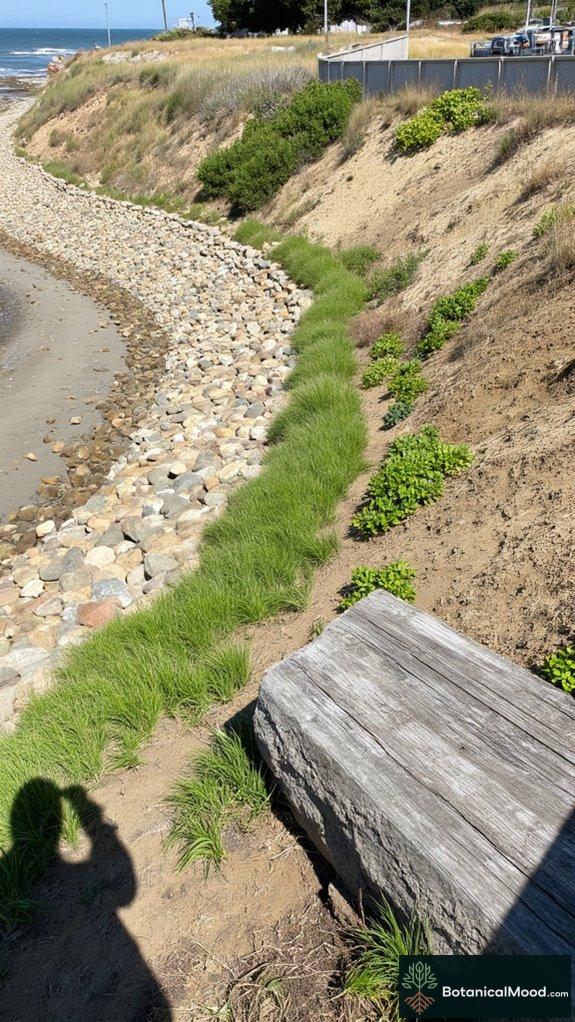
Creating effective saltwater intrusion barriers is crucial for protecting our coastal gardens, especially as climate change accelerates the salinity of soil and water. I’ve discovered that integrating certain natural elements can greatly enhance our defenses.
| Barrier Type | Material Used | Coastal Vegetation |
|---|---|---|
| Earthen Dikes | Soil | Spartina alterniflora |
| Vegetative Buffers | Native Grasses | Panicum virgatum |
| Riprap | Rocks & Boulders | Salix exigua |
| Sea Walls | Concrete | Hibiscus rosa-sinensis |
Utilizing saltwater barriers helps maintain the integrity of delicate ecosystems while supporting robust coastal vegetation. I’ve found that thoughtful design helps guarantee the resilience of our gardens, contributing to overall ecological balance and enhancing beauty. After all, a thriving garden reflects our commitment to sustainability.
Case Studies of Coastal Resilient Gardens

Understanding how to implement saltwater intrusion barriers sets a strong foundation for cultivating coastal resilient gardens.
In my exploration of various garden designs, one compelling case study hails from Long Island, New York, where I encountered a vibrant blend of native species like Spartina alterniflora and Salicornia europaea. These plant combinations showcase resilience, thriving in saline conditions while enhancing biodiversity.
Another inspiring instance lies in San Francisco, where innovative outdoor planners utilized raised beds and organic mulching methods to create stunning coastal gardens.
By employing meticulous garden design strategies, these projects not only exhibit beauty but also sustain the ecosystem.
These examples have profoundly influenced my viewpoint, reminding me that coastal gardens can flourish even amidst the challenges posed by environmental change, steering us toward a sustainable future.
Engaging Local Community in Garden Design

Engaging local communities in garden design not only fosters a sense of ownership but also guarantees that the gardens reflect the unique characteristics of the area.
I believe that through community workshops and design collaboration, we can create vibrant spaces that truly resonate with residents.
Here are three key benefits of engaging the community:
- Diverse Viewpoints: Multiple angles lead to richer garden designs that meet various needs.
- Sustainable Practices: Local knowledge often includes traditional methods of sustainable gardening, enhancing ecological balance.
- Increased Participation: When community members are involved, they’re more likely to maintain and care for the garden.
Resources for Sustainable Plant Sourcing

When we prioritize sustainable plant sourcing, we take significant steps toward promoting ecological integrity within our coastal resilient gardens.
By collaborating with reputable plant nurseries that specialize in native and drought-resistant species, we can cultivate ecosystems that not only thrive but endure.
For example, sourcing from local nurseries like the Green Thumb Nursery fosters strong community ties and guarantees healthier plants. Choosing plants such as Salvia apiana and Artemisia californica guarantees we embrace biodiversity while reducing maintenance needs.
I’ve found numerous resources online that endorse sustainable sourcing practices, connecting us with growers committed to environmentally sound methods.
Innovative Coastal Garden Solutions

Innovative Coastal Garden Solutions not only address the challenges posed by climate change but also enhance the beauty and biodiversity of our outdoor spaces.
Consider these powerful methods for sustainable landscaping and coastal biodiversity:
- Drip Irrigation: This method delivers water directly to the roots, minimizing waste and promoting robust plant health.
- Rainwater Harvesting Systems: By capturing and utilizing rainwater, we effectively reduce reliance on municipal sources while bolstering soil health.
- Drought-Tolerant Native Plants: Cultivating indigenous species like *Euphorbia terracottanum* ensures resilience, requiring minimal irrigation while supporting local ecosystems. Additionally, incorporating landscape rocks can decrease irrigation needs and enhance the visual appeal of gardens.
Employing these techniques, I’ve transformed my coastal garden into a thriving sanctuary, balancing visual appeal with ecological responsibility. This transformation was pivotal in planning my vision at Botanical Mood.
Garden Bed Arrangement Strategies
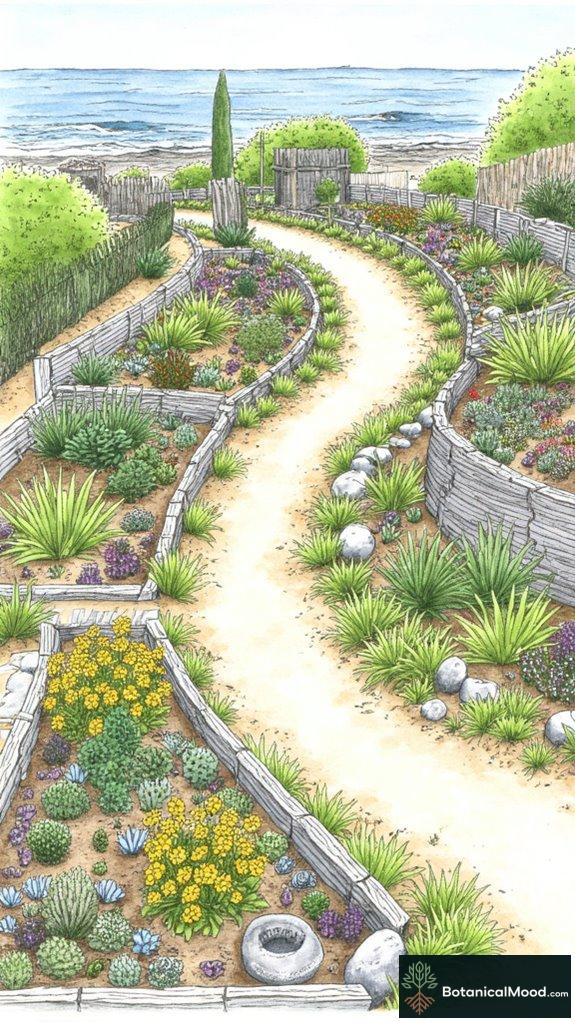
Successfully arranging garden beds can truly elevate the aesthetics and functionality of your coastal garden, especially as harmonious layouts can enhance both growth and enjoyment.
Bed orientation plays an essential role in this process; I often position beds to maximize sunlight while shielding them from harsh winds. Taller plants, like *Helianthus annuus* (sunflowers), naturally protect delicate species behind them through strategic plant layering.
For increased drainage and protection, I embrace tiered or raised beds built with durable materials, allowing for better moisture retention in coastal climates.
Grouping plants by their needs not only simplifies maintenance, but also fosters visual appeal, creating a stunning palette of silvers, greens, and blues tailored to the coastal environment. This method resonates profoundly with my vision for sustainable gardening.
Meet the Garden Visionary
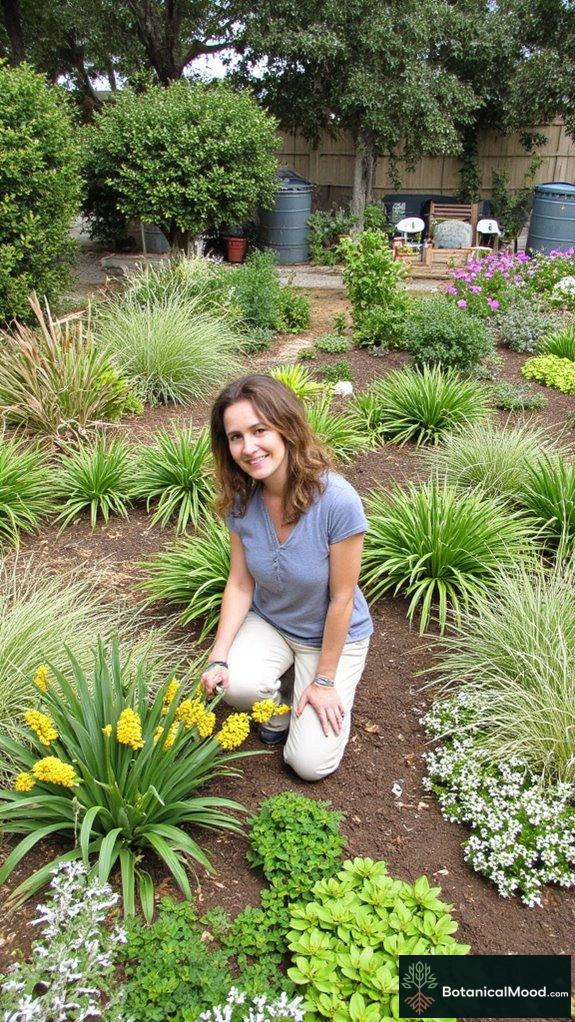
Meet the Garden Visionary: Lisa Greenfield from Santa Barbara, California, embraced her passion for sustainable landscaping after witnessing the effects of drought in her community, driving her desire to create a resilient garden.
To achieve her vision, Greenfield engaged in a thorough design process that included collaborating with local horticulturists and conservation groups. By integrating native plants, grouping them according to their water needs, and planning for peak irrigation efficiency, she made certain that her garden would be both beautiful and sustainable.
To bring her design to reality, Greenfield utilized tools such as drip irrigation systems from Rain Bird, rainwater harvesting barrels from AquaSav, and eco-friendly mulch from Wood Mountain.
With guidance from experts like garden architect Karen Chapman, she successfully cultivated her vibrant, drought-resistant garden.
Top Botanical Gardens Nationwide
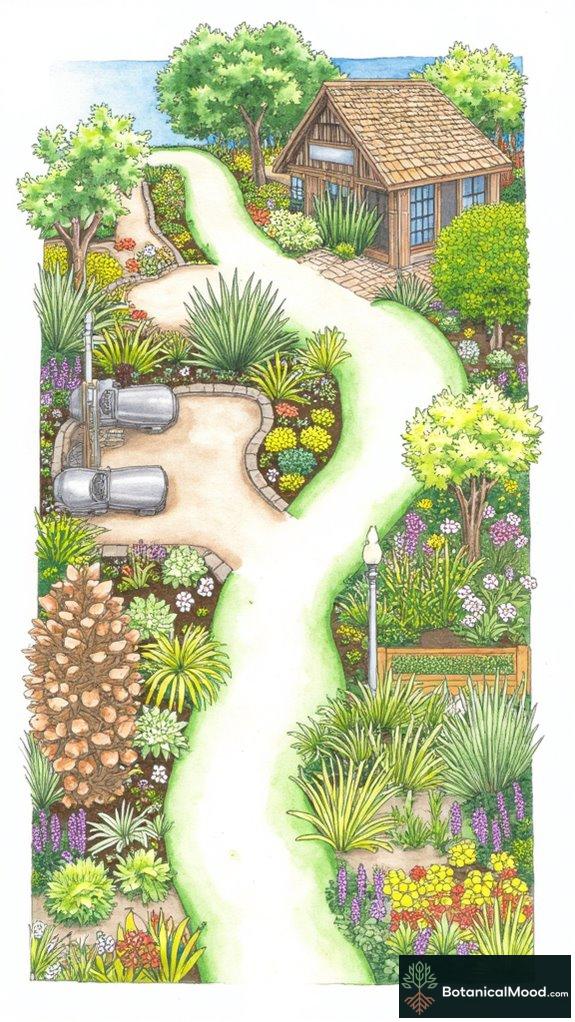
As I explore the diverse scenery of botanical gardens across the United States, I’m continually awed by their unique dedication to conservation, education, and public engagement.
The commitment to plant preservation and innovative visitor engagement practices is truly inspiring.
Here are three standout botanical gardens worth experiencing:
- Longwood Gardens (Kennett Square, PA): An expansive 1,100 acres home to over 1.6 million visitors annually, showcasing remarkable horticultural diversity.
- Fairchild Tropical Botanical Garden (Coral Gables, FL): Famed for its tropical collections and immersive exhibitions, it’s a leader in visitor experience, embodying the latest botanical garden trends.
- New York Botanical Garden (Bronx, NY): A dynamic botanical museum known for interactive exhibits, attracting diverse audiences enthusiastic to engage with the natural world.
Summary
I love creating coastal resilient gardens. Incorporating plants like sea thrift and lavender not only brings beauty but also helps us deal with water scarcity. Through smart design and irrigation, I see our gardens thriving, blending sustainability with nature.
I’d love to hear your experiences with coastal gardens. What challenges have you faced, and how have you overcome them?
Share your garden pictures and the design choices you made! Let’s inspire each other.
References
- https://prism.sustainability-directory.com/scenario/resilient-water-systems-in-coastal-cities/
- https://www.ipcc.ch/report/ar6/wg2/chapter/chapter-4/
- https://www.epa.gov/arc-x/water-utilities-preparedness-and-resilience
- https://www.cfr.org/backgrounder/water-stress-global-problem-thats-getting-worse
- https://pmc.ncbi.nlm.nih.gov/articles/PMC10300917/
- https://sefari.scot/document/community-resilience-to-water-based-risks-perceptions-and-actions-of-remote-coastal-communities
- https://www.stockholmresilience.org/research/research-stories/2024-09-02-the-risk-of-global-water-shortages-is-greater-than-previously-thought-new-research-shows.html
- https://www.southwestboulder.com/blog/top-5-drought-tolerant-landscaping-projects
- https://planetforward.org/story/innovative-ideas-both-big-and-small-to-solve-the-drought-crisis/
- https://www.hiltonheadlandscapes.com/sustainable-practices-for-coastal-landscaping-shoreline-innovative-solutions
- https://h2oglobalnews.com/water-crisis-solution-solution-to-the-water-crisis/
- https://pacifichorticulture.org/articles/thriving-water-saving-gardens-for-california-and-beyond/
- https://www.seagoinggreen.org/blog/2023/05/23/2023-5-23-7-sustainable-solutions-to-water-scarcity
- https://bluestem.ca/uncategorized/u-s-desalination-plants-a-water-smart-solution-for-your-gardens-future/
- https://worldwaterreserve.com/water-scarcity-solutions-for-the-21st-century/
- https://www.homesandgardens.com/gardens/coastal-garden-ideas
- https://www.houzz.com/photos/coastal-raised-garden-bed-ideas-phbr2-bp~t_728~s_2110~a_34-20597
- https://www.thecoastaloak.com/coastal-landscaping/
- https://mygardenlife.com/what-to-grow/coastal-beach-garden
- https://www.diggers.com.au/blogs/learn/stylish-coastal-garden
- https://northcoastgardening.com/2010/04/coastal-gardening/
- https://frustratedgardener.com/the-making-of-our-coastal-garden/
- https://www.gardenia.net/gardens/garden-styles/coastal-garden
- https://www.youtube.com/watch?v=apYoW0RS_NU
- https://madronelandscapes.com/about-us/water-conservation/
- https://www.surfrider.org/news/transforming-neighborhoods-with-ocean-friendly-gardens-in-long-beach-california
- https://www.fws.gov/project/teaching-water-wise-landscape-design-conserve-water
- https://seagrant.soest.hawaii.edu/xeriscaping/
- https://waterefficientgardens.com
- https://www.armstronggarden.com/landscaping/design
- https://joegardener.com/podcast/waterwise-gardening/
- https://waterwisegardenplanner.org
- https://thegarden.org/learn/water-harvesting-program/
- https://www.youtube.com/watch?v=Imyhm7M_kYU
- https://en.wikipedia.org/wiki/List_of_botanical_gardens_and_arboretums_in_the_United_States
- https://www.pacaso.com/blog/top-10-botanical-gardens-in-the-u-s
- https://www.publicgardens.org/20-most-popular-us-botanical-gardens/
- https://www.tripadvisor.com/Attractions-g191-Activities-c57-t58-United_States.html
- https://www.usbg.gov
- https://www.nybg.org


