How To Grow A Holistic Healing Garden For Pets
I thought I’d finally outsmart my cat’s curiosity—then realized I needed a pet‑safe garden.
I audit every plant for dog‑ and cat‑safety, cross‑checking databases, then map scents, shade, texture, and dig‑safe zones into predictable sniff‑and‑stay paths.
I plant calming, non‑toxic botanicals like catnip (Nepeta cataria), valerian (Valeriana officinalis), lemon balm (Melissa officinalis), and chamomile (Matricaria chamomilla), plus edible flowers such as calendula (Calendula officinalis) and nasturtium (Tropaeolum majus).
I add clipped leafy greens, pet‑safe sedums, and orderly spacing for rest cycles, then maintain with organic inputs, screened hot compost, and weekly monitoring—so your low‑risk, healing environment works long‑term, and you’ll pick up more practical details next.
Garden Design Tips: Pet‑Friendly Flow & Texture
I once turned a chaotic backyard into a soothing pet oasis. I used raised beds, scent corridors, and shade sails, balancing safety with style. The result? A calm, sniff‑approved retreat for both dogs and cats.
Quick Takeaways
- Audit every herb for pet safety using reputable non-toxic databases and local guidance before planting.
- Design separate dog and cat zones: dog sniffing paths with drainage, and cat vertical hiding/resting spaces.
- Plant calming, non-toxic herbs like lavender, chamomile, catnip, valerian, and lemon balm with consistent spacing.
- Use organic, pet-safe garden care: neem oil/insecticidal soap, weekly checks, dig guards, and spill trays to prevent hazards.
- Build an elevated, lined compost bed with safe waste separation to avoid pathogens and odors while supporting long-term fertility.
Choose Pet-Safe Healing Herbs
Choosing pet-safe healing herbs starts with an evidence-based plant audit, because even “natural” species can irritate paws, trigger allergies, or disrupt digestion if your dog or cat samples foliage.
I begin my herb selection with a label-first approach, cross-checking each cultivar against non-toxic databases and local extension guidance, then I group herbs by function and exposure.
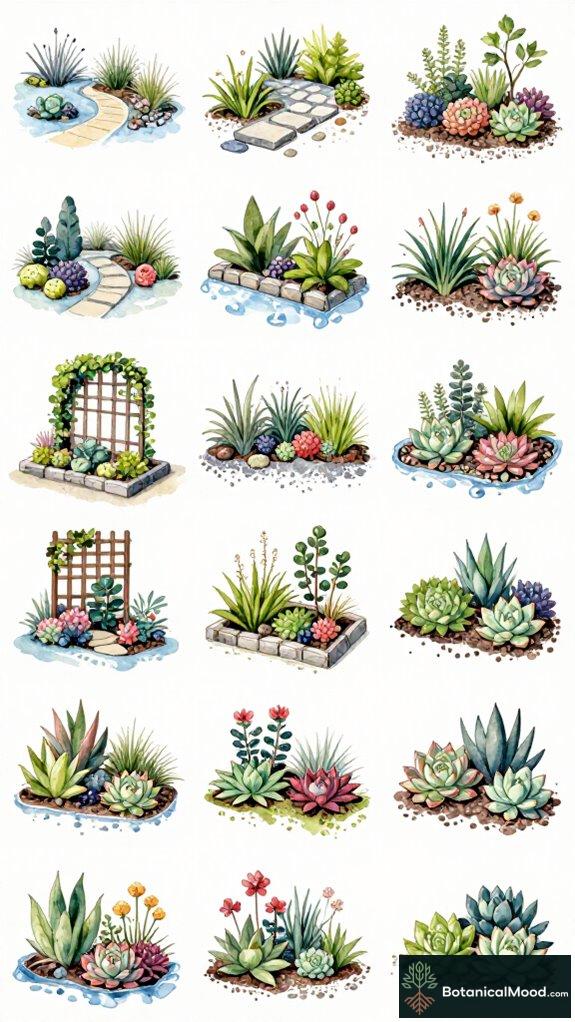
For calmer foraging, I plant catnip (Nepeta cataria), lemongrass, and valerian in raised beds, where supervision is easy. Winter hardy succulents can also complement your herb garden by providing year-round visual interest while maintaining pet safety standards.
I prioritize sensory fragrance benefits, like soothing aromatic leaves, while keeping bedding-safe ground covers and removing any unknown volunteers. When designing raised beds and borders, I incorporate safe aromatic plants that provide natural pest deterrent benefits without compromising your pet’s safety.
Plan Zones for Dogs and Cats
After you’ve completed the pet-safe herb audit from the last section, I plan zones next, because dogs and cats use a healing garden differently—dogs explore with scent and pawing, while cats hunt vertically, nap in protected pockets, and claim specific litter-like spots.
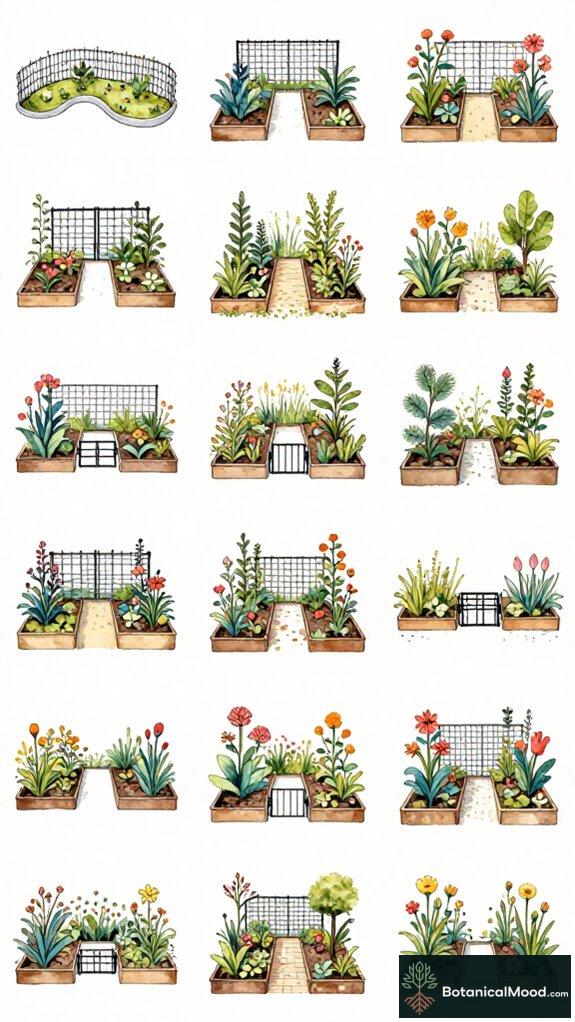
I lay dog friendly pathways along curved, gravel-edged loops, so pawprints stay predictable and cleanup stays fast. For these pathways, crushed granite gravel provides excellent drainage while remaining comfortable underfoot for your dog’s paws. Stylish dog paths with properly edged borders create defined circulation routes that encourage pets to stay on designated areas.
Next, I build feline resting areas under layered shrubs and trellised perches, then include a guarded sand or sedge patch for confident, low-odor marking.
I add a central “sniff-and-stay” corridor, plus side entry gates, so both species circulate without conflict.
Wherever I fence, I use secure, horizontal privacy, and I leave shade and water breaks.
Pick Calming Herbs for Less Stress
To help lower stress in your canine companion, I start by selecting calming, non-toxic herbs that provide both therapeutic scent compounds and multisensory foraging texture. Then I place them along the dog enrichment herb garden’s sniff-and-stay corridor and near shaded pause points.
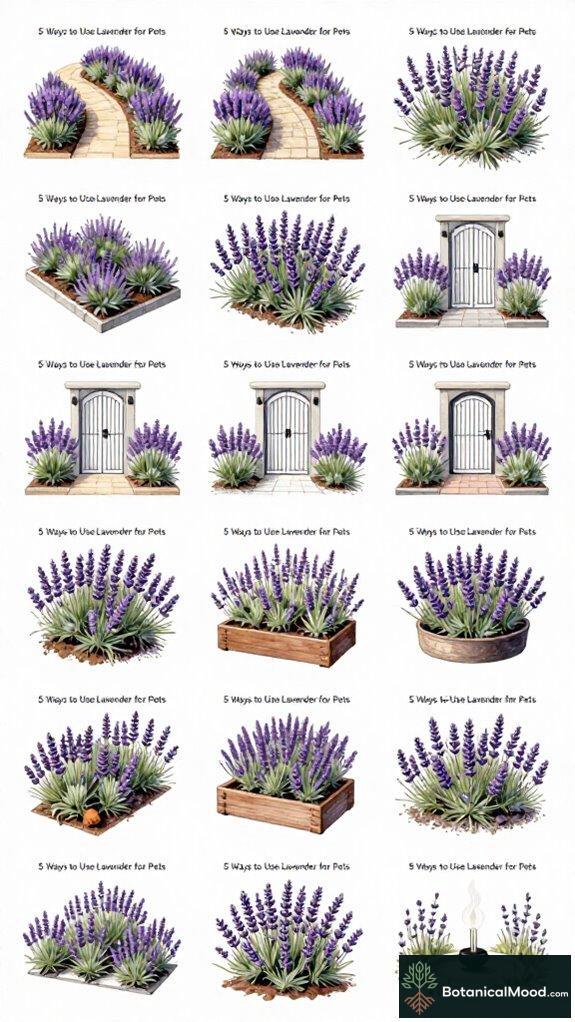
For herb selection, I prioritize lavender (Lavandula angustifolia), chamomile (Matricaria recutita), and lemon balm (Melissa officinalis), each offering distinct aromas and soft, safe foliage for confident mouthing and investigative sniffing.
With careful spacing in raised beds, I aim for consistent stress reduction, supporting nervous system regulation and more relaxed rest cycles after enrichment.
Add Edibles and Texture Plants
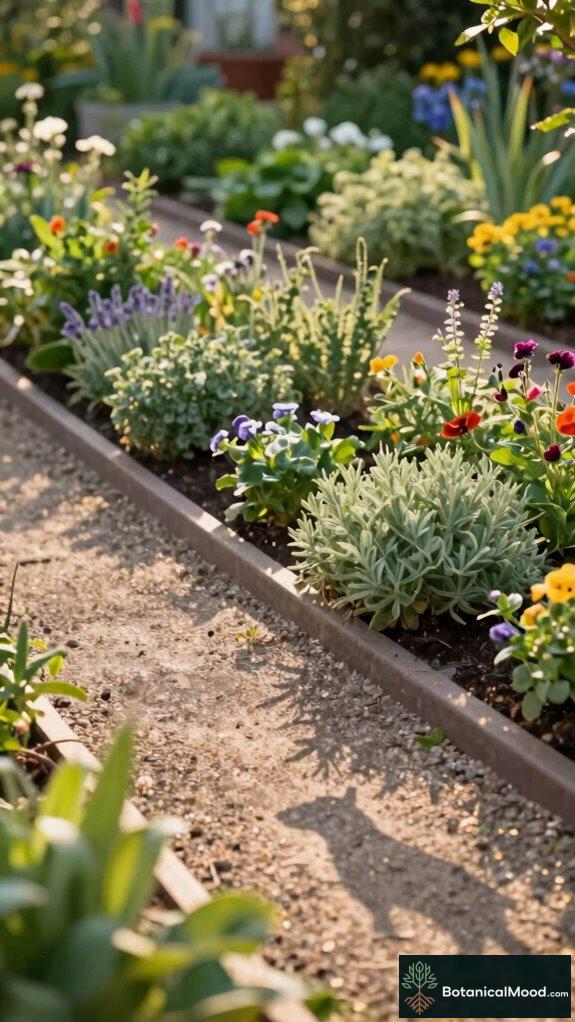
Edibles and texture plants turn a pet-friendly garden from “nice to smell” into a true foraging environment, and I design that shift by adding dog-safe leafy greens, fruiting perennials, and tactile groundcovers alongside the herb beds and sniffing paths.
I plant edible flowers like calendula (Calendula officinalis) and nasturtium (Tropaeolum majus), so scent cues pair with colorful petals and edible rewards. These flowers provide nutritional and sensory benefits that encourage natural grazing behaviors in pets.
For texture variety, I interlace lamb’s ear (Stachys byzantina) and creeping thyme (Thymus serpyllum) over gravel edges and raised-bed borders.
Pet-friendly sedum plants like stonecrop varieties add succulent texture while remaining safe for curious pets to brush against during garden exploration.
I bias toward staggered harvest windows, so enrichment stays consistent across seasons.
Add Shade, Water, and Dig Spots
Once you’ve built foraging interest with herb beds, edible flowers, and tactile borders, I make the garden usable through heat management and outlet spaces by adding shade, water, and dig spots where dogs naturally pause, roam, and release energy.
I install shade structures at mid-path intervals, plus wind-filtering canopies that cast dappled light, then I pair them with water features: a bubbler, drip line, and rinsing station kept scrupulously clean. For winter months, consider installing solar-powered heated bird baths that can serve dual purposes for visiting wildlife while maintaining water access year-round. I place digging areas near a fence edge, lined with buried hardware cloth and filled with sifted sand, so excavation stays intentional. Windbreak fence fabrics can also enhance these protected zones by reducing wind exposure around your pet’s favorite resting spots.
| Zone | Purpose |
|---|---|
| A | Playful pathways |
| B | Digging areas |
| C | Water features |
Use Organic, Hazard-Free Garden Care
As you settle into organic, hazard-free pet-garden care, I treat every task—soil amendments, feeding, and pest management—as part of the enclosure’s overall safety plan, because a dog or cat won’t read labels and they’ll lick, graze, and investigate the microclimate up close.
I choose organic fertilizers and build a monitoring routine, so my raised beds, gravel paths, and herb borders stay resilient without toxins.
- Compost tea (nutrient-rich, low residue) boosts soil biology.
- Use natural pest control: neem oil, insecticidal soap, Bt.
- Mulch with pet-safe sedge, avoid cocoa.
- Inspect weekly for fleas, ticks, leaf lesions.
For added protection in pet-accessible areas, thorny plants create natural barriers that deter unwanted entry while remaining non-toxic to curious animals. For high-traffic areas where pets spend the most time, consider installing natural grass alternatives to reduce wear while maintaining a safe, comfortable surface for your animals to play and rest on.
Related Pet-Friendly Garden Proucts
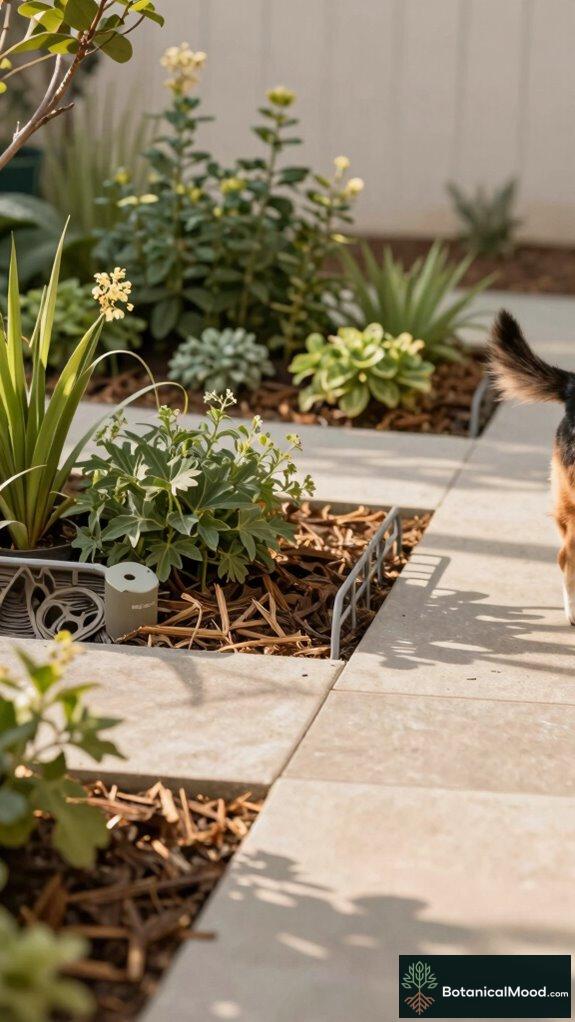
To help your Holistic Healing Garden stay truly pet-friendly, I pair certified-safe plant choices (and veterinary-approved herbs) with garden products that prevent licking, digging damage, and unsafe runoff, because the enclosure’s comfort depends on more than landscaping—it depends on the surfaces, barriers, and maintenance tools you bring into the space. I choose healing garden tools with covered, rubberized grips, plus splash-guard watering wands that reduce aerosol mist near (Carex) urine zones, and I top beds with pet friendly mulch like straw or bark blends labeled no cocoa. For dog waste management, compost aerators help safely process pet waste while maintaining garden hygiene. For outdoor grazing areas, naturally clean your pet’s run by rotating grazing zones and using pet-safe cleaning methods to prevent harmful chemical exposure.
| Product | Why it works |
|---|---|
| Dig guards | protects roots, limits excavation |
| Spill trays | blocks runoff around seating |
| Lick-proof stakes | redirects chewing safely |
Organic Pet-Safe Compost Bed
- Build a 12–18 in. raised, lined bed, then top with screened compost.
- Choose odor-safe composting methods, like hot composting, to stabilize nutrients. Using compost starters can accelerate the decomposition process and enhance microbial populations in your composting system.
- Rely on compost benefits, moisture retention, and microbial activity for resilient root zones.
- Plant pet-safe edges, mulch lightly, and monitor leachate after storms.
- Implement dog waste composting systems separately to ensure your garden bed remains free from pathogens while creating nutrient-rich amendments for ornamental plantings.
FAQ
How Do I Test Plants for Pet Safety Before Planting?
I test plants for pet safety by doing safety testing first: verify each label with reputable toxicology databases, then cross-check with a vet. I start with pet friendly plants only, grow in raised beds, and observe any chewing.
What’s the Ideal Layout for Separate Dog and Cat Zones?
I’d split your space into two zones: a secure dog romping lane on one side, then cat safe zones with climbing cover and barriers on the other. I’d add curved paths, separate borders, and dog friendly plants only in each area.
Which Calming Herbs Are Safest for Anxious Dogs and Puppies?
I’d choose vet-approved calming herbs like chamomile and lavender, plus scent-rich catnip-free options—herb benefits include soothing aroma, stress relief, and gentle anxiety remedies through foraging. Start small, monitor reactions, and keep puppies supervised in the garden.
Can Cats and Dogs Share the Same Water Source Without Issues?
Yes, they can share—if you manage water source hygiene and watch pet hydration habits. I keep separate bowls within one station, clean daily, refresh often, and place them in shade to prevent contamination and stress.
What Should I Do if My Pet Digs up Plants or Bedding?
If your pet digs up plants, I install digging deterrents like a contained digging pit, thick groundcovers, and secure borders. I also switch to plant alternatives in raised beds so only the sandbox gets disturbed.
References
- https://www.herbalhaven.com/blogs/herb-journal/how-to-create-a-canine-enrichment-herb-garden
- https://www.bloomingsecrets.com/blog/learn-how-to-create-pet-friendly-and-calming-outdoor-spaces
- https://furhealer.com/how-to-create-a-pet-friendly-garden/
- https://extension.psu.edu/petscaping-creating-a-pet-friendly-garden/
- https://www.finegardening.com/article/designing-a-beautifully-lush-dog-friendly-garden
- https://www.youtube.com/watch?v=jCAfsCeNOT0