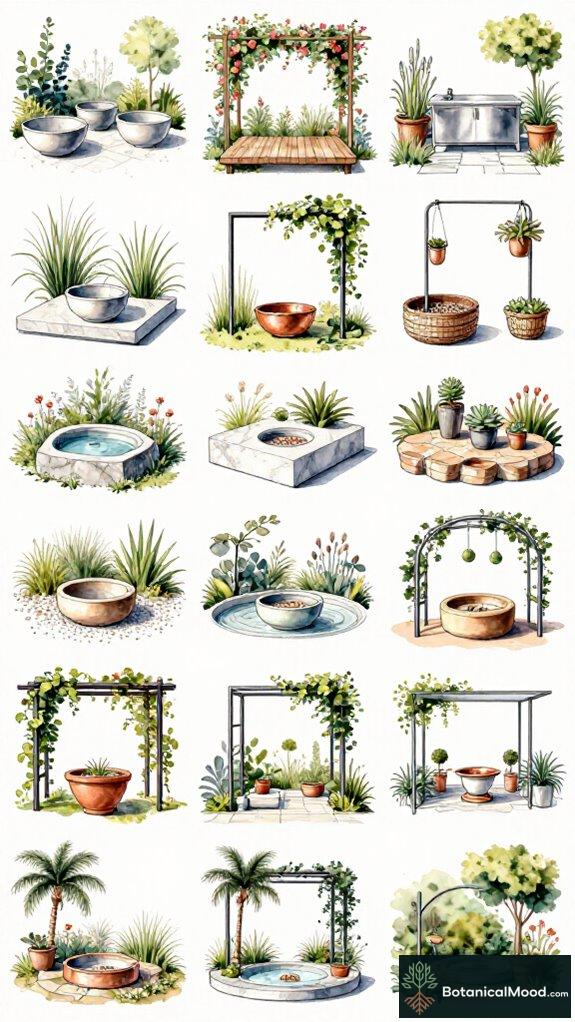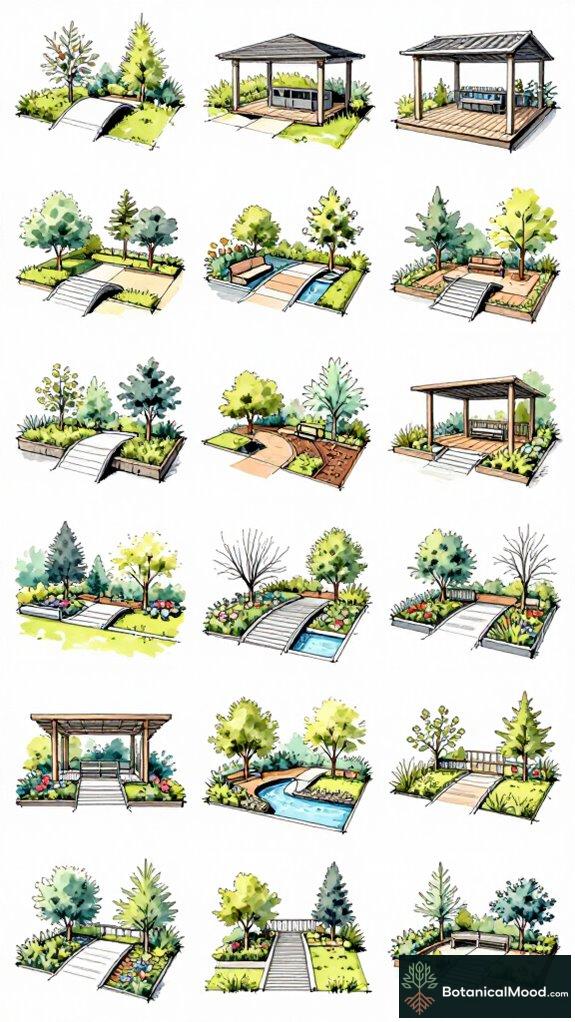
Integrating Senior Dog Ramps Into Your Garden Layout
I finally stopped pretending my old mutt could sprint up stairs—turns out, ramps are the real garden heroes.
I installed a 7‑degree, non‑slip ramp at the deck entry, carpeted it, and watched him glide like a senior celebrity.
The gentle slope spreads his weight, easing arthritis, while a shaded mulch path leads to a raised water bowl—pure bliss for him, and a sigh of relief for me.
I paired it with a pressure‑mounted gate; no more risky stair climbs.
Honestly, the design feels like a puzzle, but the payoff—his wagging tail and my peace of mind—makes every detail worth it.
—
Garden Ramp Design: Balancing Style and Senior Pet Safety
When I added a decomposed‑granite pathway next to the ramp, it blended with my minimalist garden, yet stayed firm for his paws.
I chose a low‑profile, weather‑resistant rail, matching the garden’s slate tiles, and added a tiny solar light for night trips.
The result? A seamless, accessible garden that feels both chic and compassionate—proof that functionality can look good.
Quick Takeaways
- Position ramps at primary garden access points like patios and deck entries to create intuitive pathways for senior dogs.
- Use soft, permeable surfaces such as mulch or decomposed granite along high-traffic pathways to reduce joint stress.
- Install shade structures and water features near ramp endpoints to encourage comfortable rest and continued outdoor exploration.
- Apply non-slip tape and carpeted surfaces to ramps with 6 to 8-degree slopes for maximum safety and traction.
- Integrate solar lighting and decorative planters along ramps to illuminate pathways and establish visual boundaries for arthritic dogs.
Measure Your Yard and Assess Your Senior Dog’s Mobility Limits
How do you determine whether your senior dog truly needs a ramp, and where should it be positioned within your garden layout? Start by conducting a thorough mobility assessment, observing how your aging companion navigates existing obstacles—stairs, decks, elevated patios.
I measure my yard measurements systematically, noting high-traffic zones where arthritic joints suffer most impact. Does your dog hesitate before jumping? Struggle climbing? These signs indicate ramp necessity. Folding dog ramps offer practical solutions that collapse for easy storage and transport around your property.
Position ramps at primary access points: bedroom exits, deck entries, garden passages. Consider slope gradients carefully; longer ramps distribute weight evenly, reducing jarring on compromised hips. This strategic placement maintains independence while protecting vulnerable joints. Portable pet steps provide flexible solutions that can be repositioned throughout your garden as your senior dog’s needs change seasonally.
Choose the Right Ramp Type for Your Space and Dog’s Weight
Once you’ve identified where your senior dog struggles most in your garden, selecting the appropriate ramp type becomes essential—and it’s not a one-size-fits-all decision.
I recommend evaluating ramp materials—carpeted surfaces like PetSafe CozyUp provide superior traction—alongside weight capacity specifications matching your dog’s needs.
Consider these innovative solutions:
- Orthopedic foam ramps (Snoozer brand) distribute pressure evenly, reducing joint strain
- Wooden platforms with gentle slopes accommodate larger breeds safely
- Modular designs adapt as mobility changes seasonally
The PetSafe CozyUp’s 120-pound capacity suits most seniors, while Snoozer’s 100-pound option works smaller dogs. Folding dog ramps are particularly practical for gardens where space constraints require flexible storage solutions.
Longer ramps require more horizontal space but offer gentler inclines, minimizing jarring impacts on arthritic joints. Installing anti-slip surfaces along your ramp pathway provides additional traction and prevents slipping for senior dogs with mobility challenges.
Place Your Ramp to Connect Key Garden Zones
Strategic ramp placement transforms your garden into a cohesive, accessible space where your senior dog moves naturally between high-traffic zones without strain or confusion.
I recommend positioning ramps to connect your patio deck, elevated garden beds, and shaded rest areas, creating intuitive pathways that encourage movement while reducing joint impact.
Consider ramp aesthetics by selecting materials—carpeted surfaces, rubber ridging—that complement your outdoor design while ensuring garden safety. For optimal traction and safety, apply non-slip tape to ramp surfaces to prevent your senior dog from slipping during wet or icy conditions.
PetSafe CozyUp’s 70-inch length accommodates gentle slopes between zones.
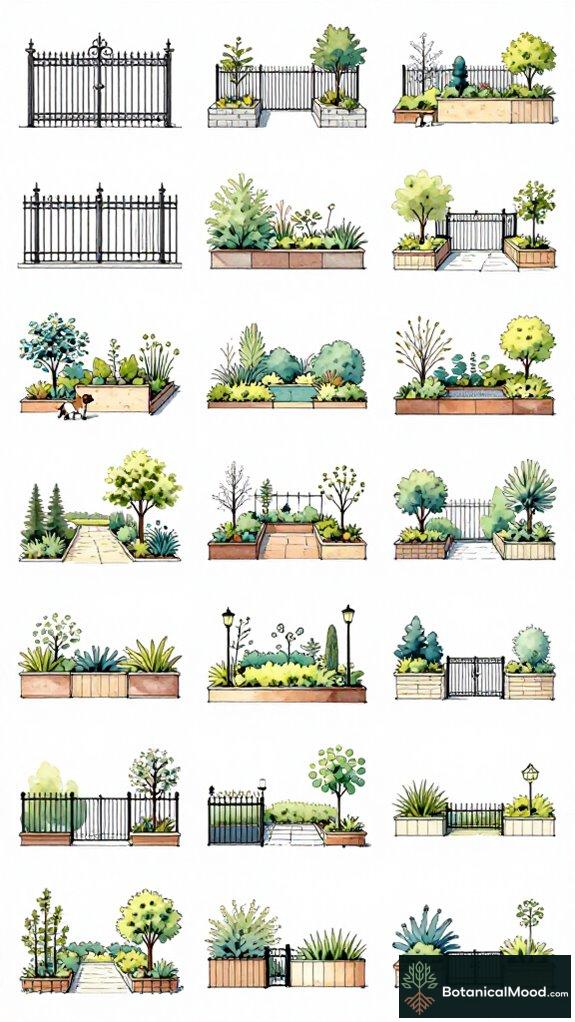
Integrate hedges and soft walkways to delineate circulation routes, allowing your aging companion independent navigation through thoughtfully zoned garden spaces. Well-designed dog paths encourage natural movement patterns and reduce stress on aging joints throughout your outdoor environment.
Build Dog-Friendly Pathways to Your Ramp
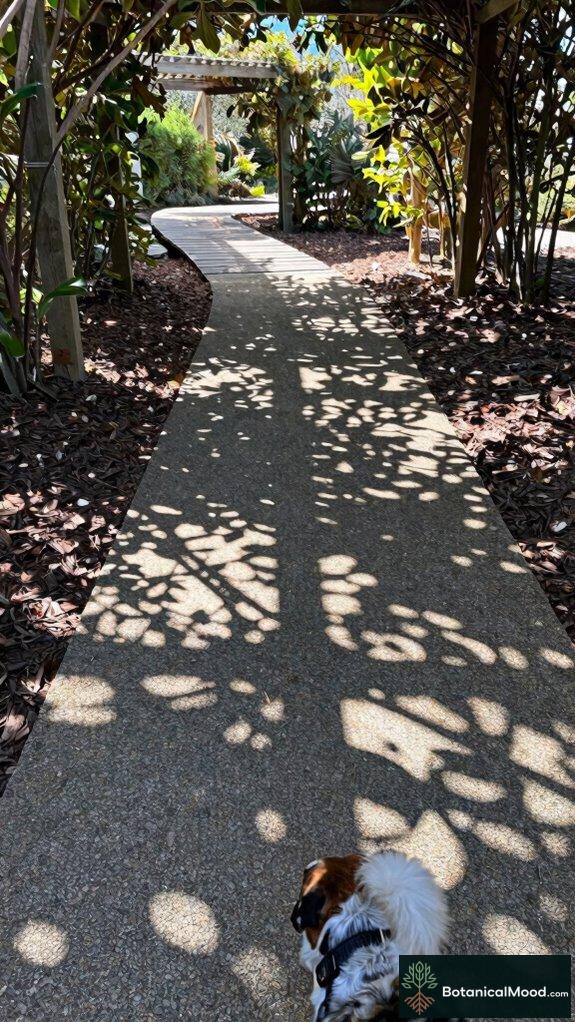
Three foundational elements—soft walkway surfaces, strategic fencing, and shift zones—create the scaffolding for seamless pathways leading to your senior dog’s ramp.
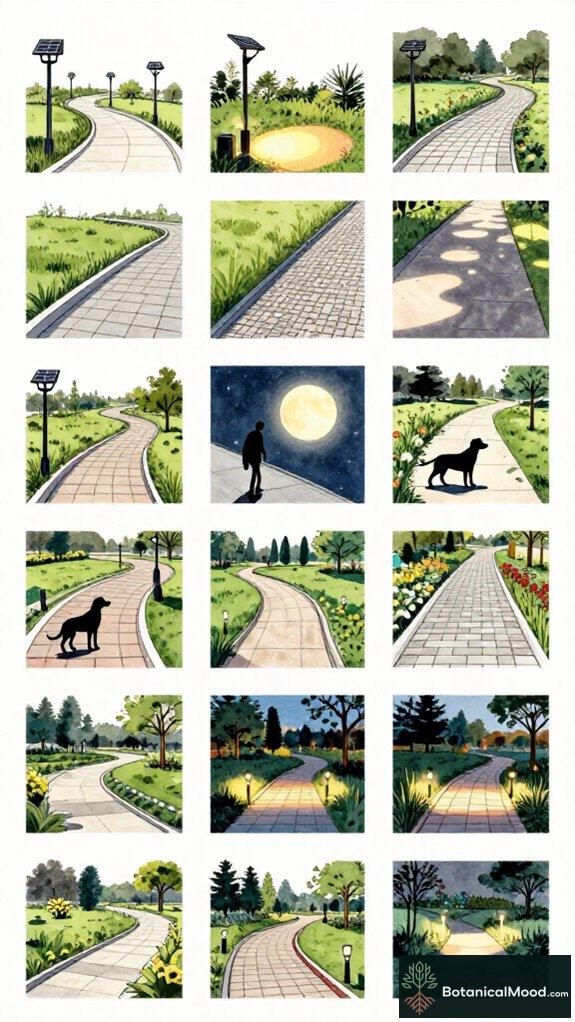
I’ve discovered that integrating high-traffic pathway materials transforms your garden’s design aesthetics while protecting arthritic joints. Soft, durable surfaces like mulch or decomposed granite distribute weight evenly, preventing impact stress on aging paws. Crushed granite gravel offers excellent permeability while maintaining a comfortable walking surface for senior dogs.
Consider these innovations:
- Permeable walkways reducing joint jarring while maintaining excellent drainage
- Hedgerow borders (Ilex spp.) creating protective corridors and visual interest
- Shade structures along routes preventing heat exhaustion during mobility shifts
Strategic fencing partitions dog-safe zones, while gentle grade changes between areas guarantee your senior companion navigates confidently toward the ramp’s welcoming incline. Similar to how willow tunnel structures create enriching passages for garden rabbits, thoughtfully designed pathways provide both functional navigation and environmental stimulation for senior dogs.
Ramp Surfaces: Non-Slip and Weather-Resistant Options
A ramp’s surface material makes the critical difference between confident mobility and treacherous slipping, particularly for senior dogs whose arthritic joints and compromised balance demand maximum traction.
I’ve found that non-slip materials—including carpeted surfaces, rubber ridging, and textured coatings—prove essential for aging canines traversing outdoor spaces. Weather-resistant coatings protect against moisture damage while maintaining grip during rain or frost.
The PetSafe CozyUp features carpeted traction that I’ve observed prevents slipping effectively. Combining durable, slip-resistant fabrics with protective sealants guarantees your ramp withstands seasonal changes.
Strategic placement of non-slip materials in high-traffic zones maximizes safety, allowing arthritic dogs sustained independence throughout garden shifts.
Shade and Water Access Near Ramps
While guaranteeing your senior dog’s footing remains secure on properly surfaced ramps, you’ll also want to evaluate what happens once they’ve navigated the incline—namely, their access to shade and fresh water during garden time.
Strategic sun protection transforms your garden into a comfortable retreat. Position ramps near natural shade from deciduous trees (Quercus spp.) or install pergolas overhead. Consider using indoor outdoor dog mats under shaded areas to provide additional cushioning and protection from cold ground temperatures. Creating a cool oasis with proper shading prevents heat stress and keeps your senior dog comfortable during outdoor time.
Hydration stations placed within 10 feet of ramp endpoints guarantee your aging companion stays refreshed:
- Elevated water bowls reducing neck strain during drinking
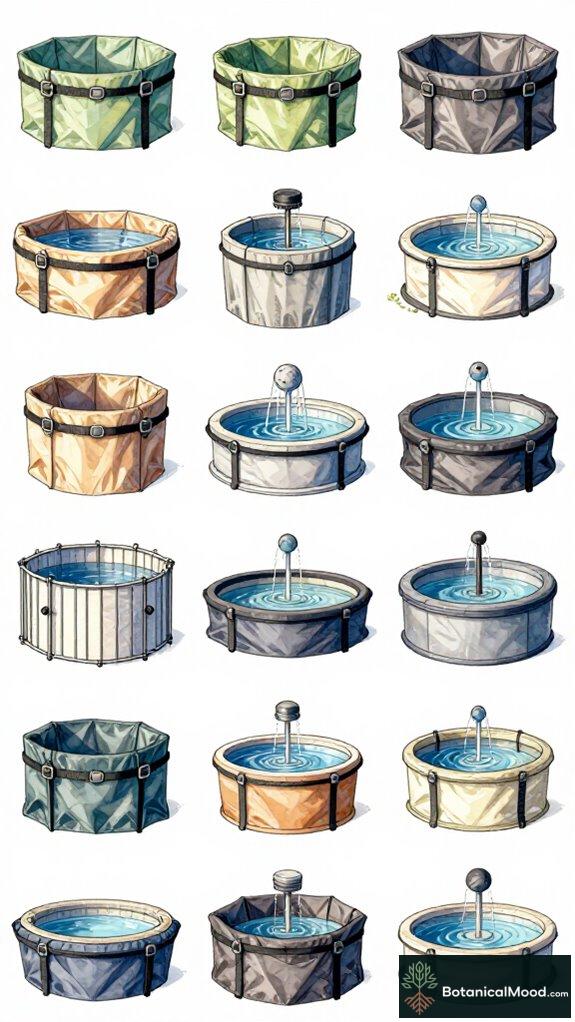
- Shaded alcoves featuring built-in fountains encouraging hydration
- Moisture-wicking pathways connecting rest areas systematically
These thoughtful integrations create accessible, innovative garden spaces honoring senior dog wellness.
DIY Garden Decor
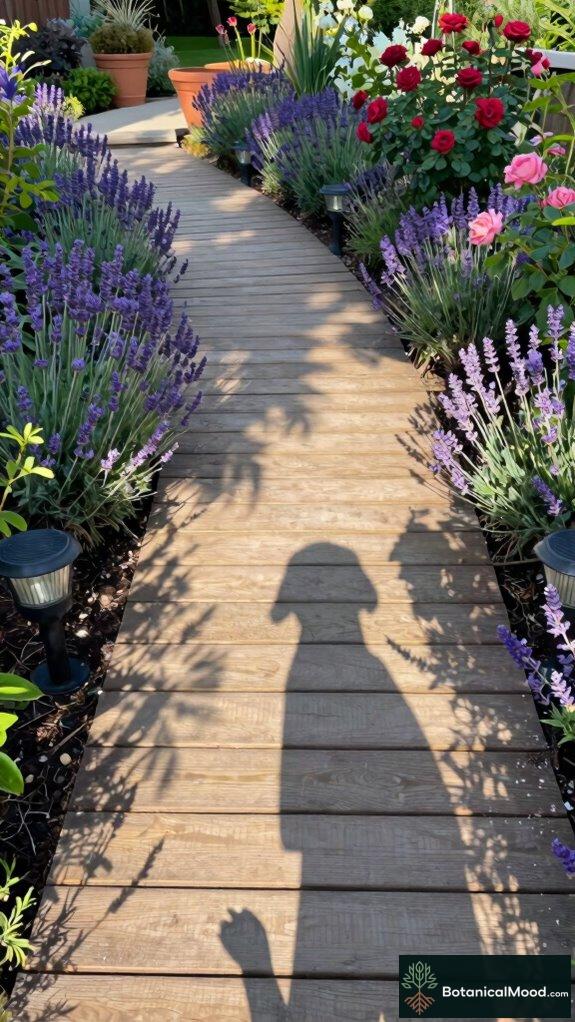
Creating personalized garden decor tailored to your senior dog’s mobility needs doesn’t require professional landscaping expertise—you can craft functional, aesthetic elements that complement your ramp installation while enhancing safety and comfort.
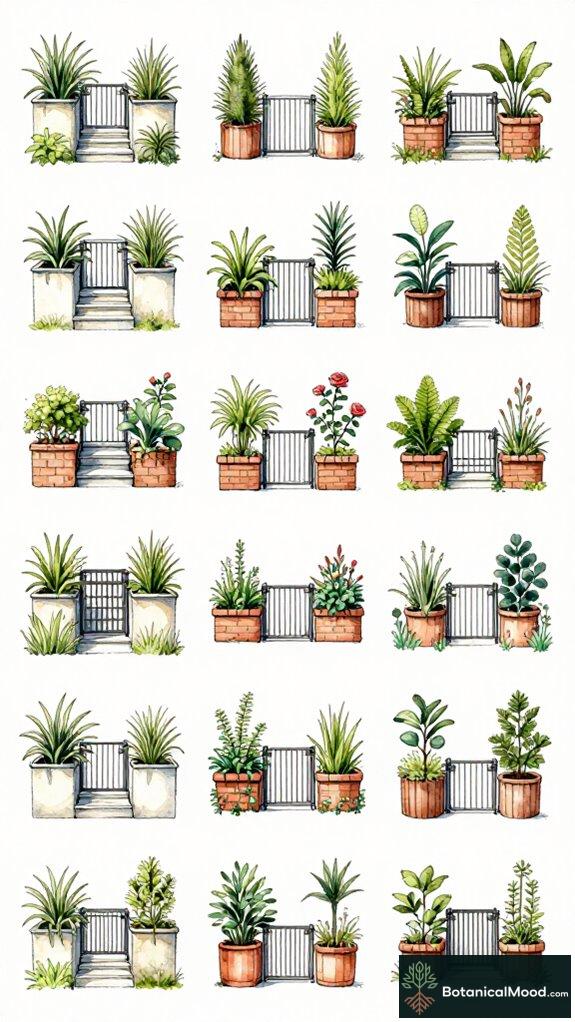
I’ve discovered that strategically positioned decorative planters alongside ramp pathways establish visual boundaries, guiding arthritic dogs safely toward accessible zones.
Installing solar-powered outdoor lighting illuminates pathways between deck ramps and garden areas, preventing stumbles during evening hours.
I incorporate pet-friendly flowers (Roses, Lavender) with themed seating near ramp landings, creating restorative spaces. Lavender gardens offer anxiety reduction benefits that can help calm nervous senior dogs while they navigate their outdoor environment.
Seasonal decor—autumn ornamental grasses, spring perennials—refreshes garden aesthetics while maintaining accessibility corridors essential for senior mobility and independence.
Maintaining consistent hose pressure regulators in any integrated water features ensures your misting system operates safely around senior dogs without overwhelming water pressure that could startle or injure them.
Ramp Placement and Slope Design
Strategic ramp placement within your garden’s layout determines whether your senior dog‘ll navigate safely toward favorite zones or struggle unnecessarily with access.
I’ve discovered that positioning ramps near high-traffic areas, shaded rest spots, and water features creates intuitive pathways for arthritic companions.
- Gentle incline safety—6 to 8-degree slopes prevent joint strain while maintaining dignity
- Ramp aesthetics seamlessly integrated with deck platforms, matching existing hardscaping materials
- Non-slip surfaces using carpet or rubber ridging eliminate dangerous slipping risks
The PetSafe CozyUp’s 70-inch length and carpeted traction exemplifies ideal slope design.
Longer ramps distribute weight evenly, reducing jarring impact that compromises mobility in senior dogs with hip dysplasia or arthritis. Consider pairing ramps with pressure-mounted pet gates to restrict access to stairs your senior dog should avoid.
Maintaining your ramp’s effectiveness requires regular cleaning with natural outdoor cleaners to prevent algae buildup that compromises traction on wet surfaces.
FAQ
How Often Should I Inspect My Senior Dog Ramp for Safety and Wear Damage?
I’d inspect your ramp monthly—think of it as your dog’s safety checkpoint. Check ramp stability, material durability, and carpet traction. Weather and paw traffic degrade surfaces fast, so catching wear early keeps your senior companion moving confidently.
Can I Use a Ramp for Multiple Dogs With Different Weight Capacities Simultaneously?
I’d recommend against simultaneous use—ramp stability suffers when you exceed weight capacity. You’ll want size requirements matching your heaviest dog, or consider separate ramps for different weight classes to guarantee safety.
What’s the Best Way to Train an Older Dog to Use a New Ramp?
I’ve discovered the secret: you’ll want gradual exposure combined with positive reinforcement. Start by letting your senior explore the ramp stationary, rewarding curiosity. Then incrementally encourage walking it, treating each small success to build confidence innovatively.
How Do Seasonal Weather Changes Affect Ramp Maintenance and Longevity Outdoors?
I’ve found that seasonal weather impact demands you rotate materials strategically. Moisture degrades wood; UV exposure weakens carpet traction. You’ll maximize material durability by applying protective sealants quarterly and upgrading to composite alternatives that withstand extreme temperature fluctuations.
Are There Budget-Friendly Alternatives to Commercial Ramps for Garden Integration?
I’d create DIY ramp designs using repurposed materials—reclaimed wood, composite decking, or concrete pavers. You’ll innovate cost-effective solutions while customizing dimensions for your senior dog’s specific mobility needs and garden layout.
References
- https://ariawooddesigns.com/blogs/pet-wellness-journal/dog-ramp
- https://www.greymuzzle.org/resources/health-and-well-being/importance-dog-friendly-landscaping-senior-pets
- https://www.rover.com/blog/pet-ramps/
- https://www.akc.org/expert-advice/home-living/dog-stairs-and-ramps/
- https://www.youtube.com/watch?v=XPSYNbgVC9A
- https://www.petmd.com/dog/general-health/does-my-dog-need-dog-stairs-dog-ramp
- https://www.lewis.ucla.edu/wp-content/uploads/sites/2/2015/04/Seniors-and-Parks-8-28-Print_reduced.pdf
- https://pmc.ncbi.nlm.nih.gov/articles/PMC3351901/