Pest-proofing pet storage? Been there, lost that battle. Twice.
My garage became a mouse nightclub after I stored kibble in a “sealed” bin. Turns out, “sealed” means nothing to hungry rodents.
Now? Airtight Rubbermaid Brilliance containers only. BPA-free, because I’m not a monster. Elevated on pallets. Sealed gaps with food-grade silicone.
Lavender and peppermint oil? My passive-aggressive security team. So far, zero squatters.
—
Garden Design for Pest Deterrence: My Lavender Wall of Shame
I once planted marigolds in a neat row. Useless. The pests laughed.
Then I discovered strategic garden design: layered heights, dense Lavandula angustifolia borders, companion planting with rosemary and sage. Integrated pest management changed everything.
My neighbor still uses chemical sprays. His cat brings him “gifts.” Mine doesn’t. Connection? Maybe.
Quick Takeaways
- Use airtight, pest-proof containers with secure lids to store pet food and treats.
- Keep storage areas clean, dry, and organized to prevent pest attraction and easy detection of infestations.
- Seal all gaps, cracks, and entry points around shelves and walls with silicone or weatherproof caulking.
- Elevate pet food containers on sturdy shelves or pallets to reduce ground-level pest access.
- Incorporate natural deterrents like peppermint oil and grow pest-repellent plants near storage zones.
Understand Why Pests Are After Your Pet Food
Have you ever wondered why pests like ants, cockroaches, and rodents are so attracted to pet food? It’s primarily because pet kibble, especially brands like Blue Buffalo or Wellness, contains proteins, fats, and carbohydrates that mimic natural food sources, such as insect larvae or small mammals (Rodentia, family Muridae).
These pests find the scent irresistible, especially in warm, humid environments where food particles settle. Left exposed, pet food becomes an inviting oasis for foraging insects and rodents, who seek nourishment that closely resembles their natural diet. Storing pet food in sealed containers also prevents the attraction of pests that may carry bacteria or parasites into areas where aromatic plants are grown for your garden. Proper garden fencing solutions can further protect outdoor pet food storage areas from unwanted pest access.
Making it essential to minimize accessibility and eliminate temptation.
Keep Pet Food in Airtight, Secure Containers
Storing pet food in airtight, secure containers acts as a frontline defense against pest intrusion. Using high-quality, BPA-free containers like OXO Good Grips (for sturdy seals) or Rubbermaid’s Brilliance series (for transparent visibility) locks out insects such as ants (Formicidae) and pantry moths (Plodia interpunctella).
Confirm containers with adjustable, airtight lids are used, ideally with no gaps or cracks. Position these containers in cool, dry locations away from humidity zones, which attract pests and promote mold growth. For optimal cooling and climate control in pet storage areas, consider installing solar powered cooling fans to maintain ideal temperature conditions.
For comprehensive protection strategies, consider installing pressure-mounted pet gates to restrict pet access to areas where food storage occurs, preventing accidental spills and additional pest attraction. Proper sealing and strategic placement safeguard your pet’s nourishment, preventing pests from sensing the rich scent and infiltrating the storage area.
Clean and Remove Pet Food Leftovers Regularly
Regularly cleaning up pet food leftovers is essential in disrupting the scent trails that attract pests such as ants (Formicidae), pantry moths (Plodia interpunctella), and beetles (Dermestidae).
I make it a routine to clear bowls and wipe surfaces daily, especially after meal times, ensuring no crumbs or spills remain. Using gentle, effective cleaners like vinegar solutions or specialized pet-safe disinfectants helps remove residual odors that can draw in insects. Just as dog snow boots protect pets from winter hazards, proper food storage protection shields pets from contaminated food sources during colder months when pests seek indoor shelter.
This consistent diligence not only safeguards my pet’s food but also prevents infestations, keeping the storage area dry, tidy, and free from the complex pheromone trails that pests follow to locate nourishment. For outdoor pet areas, maintaining natural grass alternatives can similarly reduce pest habitats around feeding zones.
Seal Gaps, Cracks, and Holes to Block Pest Entry
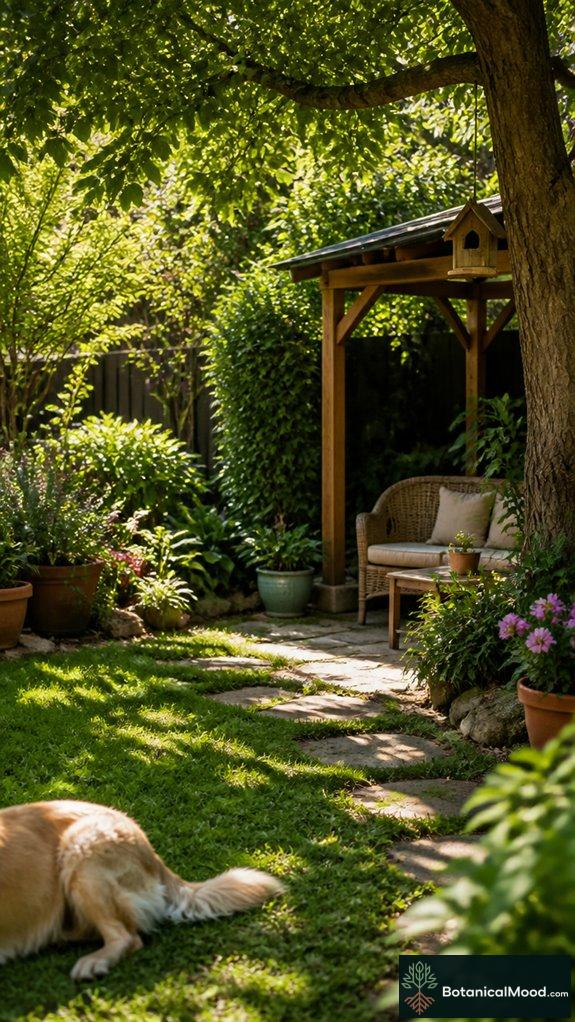
Small gaps, cracks, and holes in storage containers, walls, and shelving units often serve as unnoticed entry points for pests like ants (Formicidae), pantry moths (Plodia interpunctella), and beetles (Dermestidae). These make them critical vulnerabilities in pet food storage areas. To truly prevent infestation, I recommend sealing these vulnerabilities with durable materials like silicone sealant, weatherproof caulking, or mesh screens. Creating a comfortable outdoor environment for your pets, such as with solar-powered cooling systems, can also help reduce stress-related behaviors that attract pests to storage areas. Establishing dog-friendly hedges around your storage area provides an additional natural barrier against pest entry.
- Inspect regularly — focus on corners, around pipes, and shelf joints.
- Use food-grade sealants to close gaps behind shelving units.
- Replace damaged or worn seals immediately for ongoing protection.
Elevate Pet Food Storage Off the Ground
Elevating pet food storage containers—whether they’re sturdy plastic bins from brands like IRIS or Rubbermaid Commercial—serves as a practical measure to prevent access by persistent pests such as ants, beetles (Dermestidae), and pantry moths (Plodia interpunctella).
By raising these containers, ideally onto sturdy shelves or pallets, you create a barrier that limits pests’ ability to crawl or fly directly onto the food, especially during warm, humid months. This simple step reduces dampness, discourages insects that thrive near ground level, and makes pest detection easier.
Successfully elevating your storage fosters a cleaner, more organized pantry, minimizing pest entry points and safeguarding your pet’s nutrition.
Use Natural Deterrents Like Peppermint Oil or Plants
Encouraging pest deterrence through natural alternatives, such as peppermint oil or aromatic plants, offers a safe and eco-friendly approach to protecting pet food storage areas from unwanted insects.
I’ve found that placing a few drops of peppermint (Mentha piperita) essential oil on cotton balls around storage containers creates a potent barrier that pests dislike.
Furthermore, cultivating pest-repellent plants like lavender (Lavandula angustifolia) or marigolds (Tagetes spp.) near storage zones enhances the natural defense. For additional protection, incorporating thorny plant varieties creates multiple layers of deterrence that discourage both pests and unwanted wildlife access. Similarly, implementing wildlife-safe pond covers ensures that natural water sources near pet areas remain protected from contamination and pest breeding.
- Use high-quality, pure peppermint oil for maximum repellent strength.
- Grow pest-proof plants with dense foliage to act as natural barriers.
- Regularly refresh essential oil application for lasting effectiveness.
Regularly Inspect and Repair Damage to Storage Areas
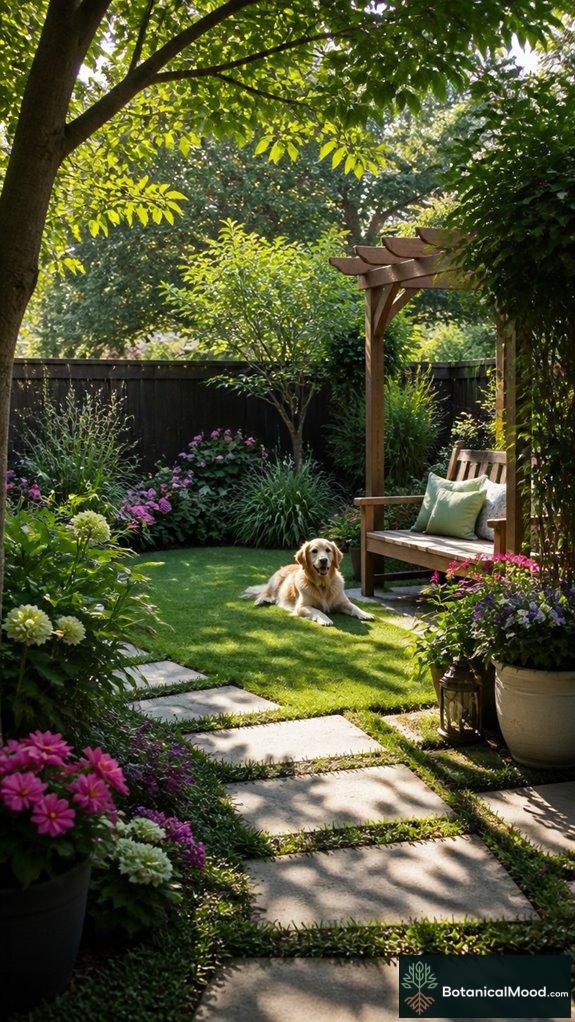
Regularly inspecting storage areas for damage is essential to maintaining a pest-resistant environment, especially where pet food like Orijen or Blue Buffalo is stored. I check for cracks, holes, or weakened seals in containers, shelves, and walls—any vulnerability that pests such as rodents (Muridae spp.) could exploit.
Repairs should be swift, sealing gaps with steel wire mesh or weatherproof caulk, particularly around entry points like vents or pipe penetrations. Maintaining a clean, organized space minimizes scent trails and hiding spots. For additional pest deterrence, consider using citronella essential oils to naturally repel unwanted visitors from storage areas. Creating a pet-safe storage environment also means avoiding storing toxic plants or flowers near pet food areas, as some common household plants can be harmful if accidentally ingested by curious pets.
Consistent inspections thwart infestation attempts, preserving the integrity of your pet’s food storage and ensuring a hygienic, pest-free setting that keeps both pets and household safe.
Baited Rat-Proof Containers
Are conventional storage containers truly effective at deterring rodents such as Muridae species from accessing pet food like Orijen or Blue Buffalo? Baited rat-proof containers, made from materials like galvanized steel or heavy-duty plastic with secure locking mechanisms, considerably reduce access points for cunning rodents.
Conventional containers often fail; rat-proof, lockable bins effectively block rodent access to premium pet foods.
- They incorporate rodent bait stations, laced with anticoagulants or visual attractants, to discourage intrusion.
- The tight-sealing lids prevent the entry of gnawing incisors and minimize odor leaks that draw pests.
- Regularly monitoring bait stations ensures sustained effectiveness, preventing rodent populations from establishing footholds near your pet’s nourishment.
Strategic positioning away from cats and other pets helps maintain the effectiveness of these containers in your storage areas. For comprehensive pet security, consider implementing microchip pet flaps to prevent wild intruders from accessing indoor storage areas where pet food is kept. These thoughtful features uphold the integrity of pet food storage, safeguarding both your pets and your peace of mind.
Container Garden Rooftop Terraces
Transforming an unused rooftop terrace into a thriving container garden combines urban sustainability with creative scenery design. I focus on choosing durable, pest-resistant containers like ceramic or composite materials that deter rodents and insects.
Compact, stackable planters enable vertical gardening, maximizing limited space while minimizing pest access. Selecting a mix of pet-safe, non-toxic plants such as marigolds (Tagetes spp.), zinnias (Zinnia elegans), and succulents (Crassulaceae) helps deter pests naturally.
Installing fine mesh screens around the perimeter prevents entry of rodents and stray insects, protecting both plants and pets. For additional security against persistent intruders, consider integrating microchip pet flaps that allow only authorized animals access to your garden space. Maintaining proper ventilation with solar powered cooling fans helps regulate temperature and humidity to further discourage pest infestations. Thoughtful layout and strategic plant placement foster a thriving, pest-proof rooftop oasis that invites relaxation and vibrant growth.
Plant Non-Toxic, Pet-Safe Herbs
When selecting herbs for a pet-safe garden, it’s essential to focus on species that are both non-toxic to animals and easy to cultivate in containers. I recommend starting with basil (Ocimum basilicum), which offers fragrant leaves that thrive indoors and outdoors.
Consider catnip (Nepeta cataria) for its calming effects on cats, and parsley (Petroselinum crispum) for its robust growth and nutritional benefits. Lavender can also be incorporated into your garden as a soothing herb choice that helps reduce anxiety in dogs while adding aromatic beauty to your space. For outdoor pet areas, implementing self-draining potty systems keeps your garden clean while protecting your herbs from contamination.
- Choose organic, pesticide-free seeds to prevent chemical exposure.
- Use well-draining soil tailored for container gardening, like cactus or herb mix.
- Position the pots in shaded or partial sun areas to avoid heat stress.
FAQ
What Are the Safest Pest-Proof Containers for Pet Food?
I always choose airtight, food-grade containers like stainless steel or thick plastic with sealed lids for pet food. They’re safe, durable, and keep pests out, giving both my pet’s food and my mind peace of mind.
How Often Should I Inspect My Pet Food Storage Area?
Like a vigilant guardian, I inspect my pet food storage weekly, spotting any signs of pests early. Regular checks keep my furry friends safe, feeling like I’ve got a trusty, old-school watchdog watching over my pet’s goodies.
Are There Chemical Repellents Safe for Pets Around Storage Areas?
Absolutely, I’d recommend only using pet-safe repellents, like natural oils or deterrent sprays, carefully avoiding contact with food or pets. Always read labels and consult your vet to guarantee safety before applying any chemical around storage areas.
Can Pet Food Attract Pests Indoors or Only Outdoors?
Did you know pet food can attract pests both indoors and outdoors? I’ve seen how easily they’re drawn in, especially if stored improperly. Keep your pet’s food sealed tight to protect your home from unwanted guests.
What Signs Indicate Pests Have Infiltrated Pet Food Storage?
If pests infiltrate your pet food storage, you’ll notice tiny holes, chewed packaging, droppings, and weird smells. I always keep an eye out for these signs to protect my pets and maintain a pest-free home.
Summary
Just like a sturdy trellis supports climbing vines, implementing these pest-proof pet storage strategies creates a resilient barrier against unwanted intruders. By understanding pest behavior, investing in secure, airtight containers such as Rubbermaid’s Premier Series, and maintaining impeccable cleanliness, you establish a disciplined system that wards off rodents and insects alike. Regular inspections and thoughtful enhancements—like elevated storage and pest-repellent planting—transform your pet food area into an impervious sanctuary, where safeguarding your furry friends’ nourishment is as natural as tending a lush, well-designed garden.