5 Dangerous Native Plants to Remove Now
Ever thought your garden could be a dog‑danger zone?
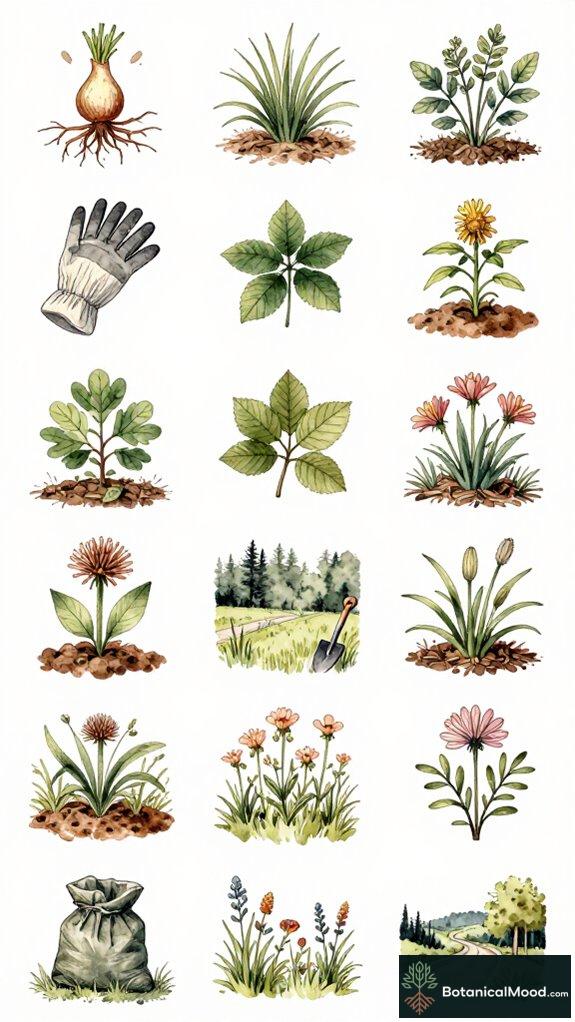
I’m pulling five toxic plants out now—sago palm seeds (Cycas revoluta) in biohazard bags, azaleas & rhododendrons (Rhododendron spp.) pruned low, foxglove (Digitalis purpurea) bagged before it seeds, oleander (Nerium oleander) leaves sealed, and daffodil bulbs (Narcissus) mulched under vertical barriers.
I learned the hard way when my pup chewed a sago seed and nearly turned green.
The process is messy, but the relief? Pure joy when I see his tail wagging safely among the safe shrubs.
I’m not a botanist, just a cautious pet‑owner who knows the stakes.
—
Garden Design Tips for Pet‑Safe Spaces
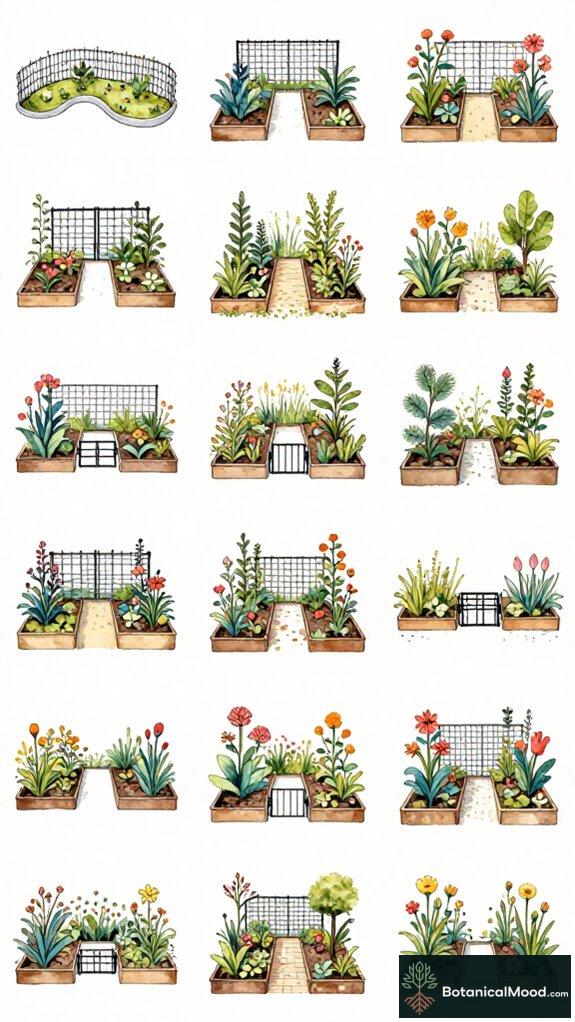
I redesigned my backyard after a near‑miss with a rhododendron.
Swapped low understory for raised, non‑toxic beds (lavender, rosemary).
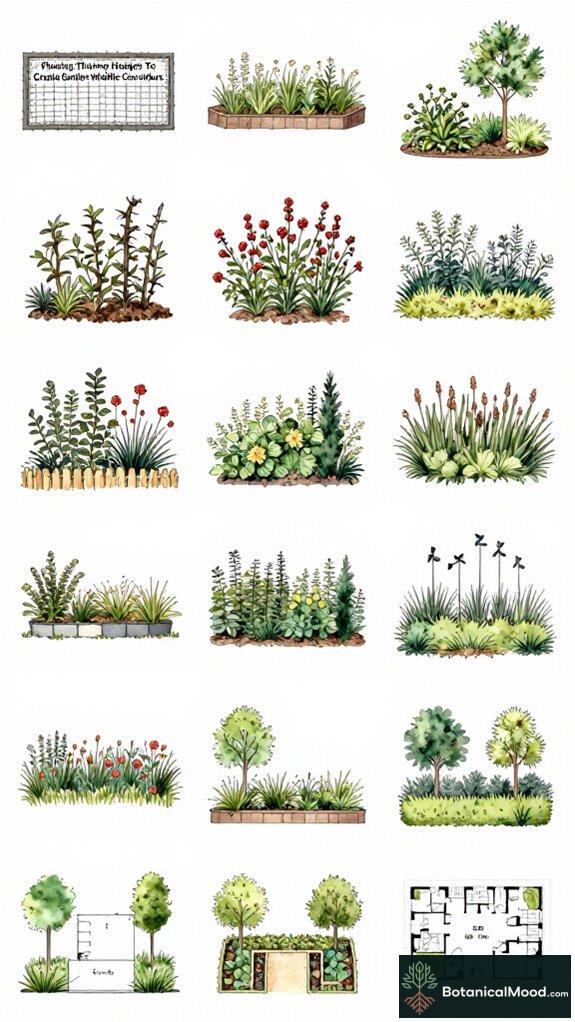
Added decorative mulch, stone edging, and a low fence.
Now the garden looks chic, and my dog roams without risk.
Quick Takeaways
- Remove sago palm (*Cycas revoluta*) seeds and pods immediately; they’re highly toxic—treat all parts as biohazards.
- Eliminate azaleas and rhododendrons; all plant parts are poisonous to dogs and require hard physical barriers or replacement.
- Pull out foxglove before seeding; every part is toxic and can cause dangerous heart problems in pets.
- Avoid oleander exposure; it’s fatally toxic if ingested, so secure plants and bag fallen leaves in sealed yard waste.
- Keep daffodil/narcissus and lily bulbs out of reach; deter digging with heavy mulch and replace with safer perennials.
Remove Sago Palm Seeds: Keep Them Away From Dogs
Because sago palm (*Cycas revoluta*) is one of the most dangerous ornamental shrubs for dogs, I urge you to treat every seed and seedpod as a biohazard—especially the seeds, which carry the highest risk.
I put on nitrile gloves, then harvest pods into a sealed, labeled bag, and I never shake fronds near turf.
For sago palm precautions, I scrape fallen debris from beds, step onto tarp, and collect fragments with a HEPA shop vac.
When seeds disposal happens, I double-bag, keep them locked, and transport to supervised hazardous-waste drop-off, ideally the same day.
Stop Azaleas & Rhododendrons From Reaching Dogs
Two of the most dangerous ornamental shrubs I manage for dog-safety are azaleas and rhododendrons (genus *Rhododendron*), and I treat them as high-priority targets in any yard where pets roam freely.
Every part is toxic, so I design around them to prevent dog exposure, especially during spring flush when foliage is most tempting. I replace ringed beds with alternative landscaping, using dog-safe perennials, dense groundcovers, and physical barriers like welded wire edging, so canines can’t mouth leaves.
If they’re already established, I prune low branches, install mulch depth barriers, and relocate planters off-leash paths immediately.
Remove Foxglove: Call the Vet If You See Symptoms
After I stop azaleas and rhododendrons from reaching dogs, I turn to foxglove (*Digitalis purpurea*), a showy, bell-flowered biennial that still poses a serious risk because every part—from petals to seed pods—can trigger life-threatening cardiac effects. I remove it before it seeds, wearing gloves, and I keep pets away until I bag and landfill all cuttings, because foxglove dangers aren’t subtle. Consider planting native wildflower alternatives that provide beauty without toxicity concerns. When selecting plants for your yard, prioritize native plants safe for pets to minimize toxic exposure risks. If you see symptoms, call your veterinarian immediately, and treat this as a cardiac emergency.
| Symptom cluster | What it suggests |
|---|---|
| vomiting/diarrhea | GI irritation, toxin load |
| weakness/lethargy | systemic impact |
| abnormal heart rhythm | cardiac glycosides |
| collapse | arrhythmia risk |
| death potential | delayed fatal failure |
For pet safety, don’t wait, act fast.
Don’t Keep Oleander Where Pets Can Reach It
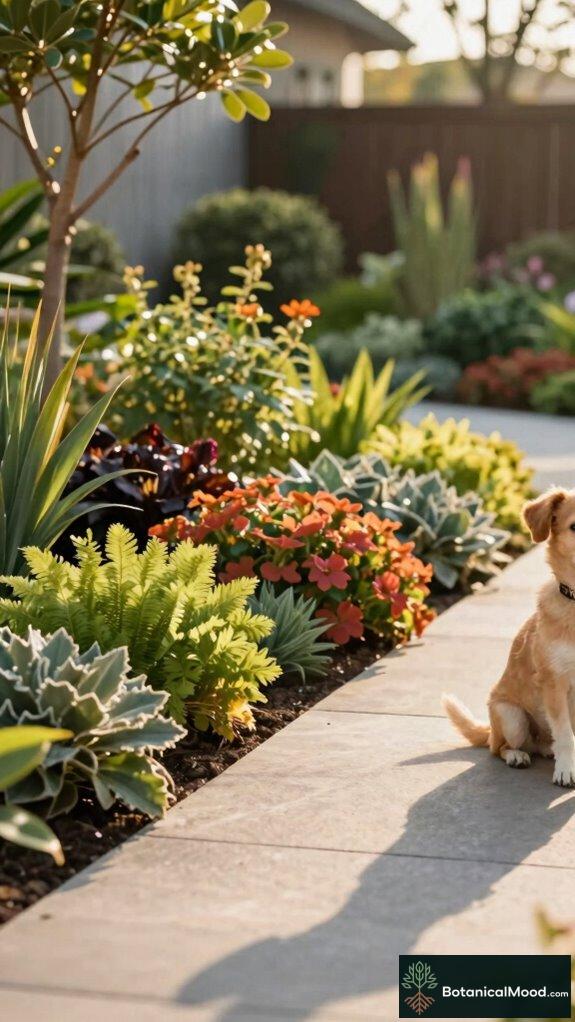
I don’t keep oleander (*Nerium oleander*) within paw’s reach, because this popular ornamental shrub is notorious for being fatally toxic in every plant part, and even small amounts can trigger severe illness in dogs that mouth, chew, or lick landscaping clippings.
If you’re upgrading your yard, practice pet safety and plant awareness by placing oleander nowhere near gates, patios, or dog-walk paths, and by mulching fallen leaves into sealed yard waste.
I also swap it for non-toxic, colorful alternatives in the same sun exposure zones, so your border still reads bold.
If ingestion happens, call ASPCA Poison Control at (888) 426-4435 fast.
Keep Daffodil/Narcissus Bulbs Out of Pet Areas
To boost bulb safety, I keep them out of pet areas entirely, or relocate them behind a locked, vertical barrier.
Then, mulch heavily to deter digging. If you’re redesigning beds near patios or walkways, choose non-bulb groundcovers instead, because daffodil toxicity escalates fast after accidental chewing.
I’d rather be proactive than reactive.
Related Pet-Friendly Garden Proucts
Keeping daffodil and narcissus bulbs out of pet areas starts with physical control, but a well-managed garden also needs pet-friendly replacement plants that still look intentional in mixed borders and containers, especially where dogs nose around and cats patrol perches.
I swap risky bulbs for pet safe plants like (Allium tuberosum) chives, (Hemerocallis) daylilies, and (Carex) sedges, plus non toxic flowers such as (Echinacea purpurea) coneflower and (Tagetes patula) marigolds.
I use granular slow-release fertilizers, raised trough planters, and root barriers, so maintenance stays clean. Slow release fertilizers also support shade shrubs that provide shelter and coverage in chicken run areas. Monitoring your outdoor pets with smart outdoor cameras allows you to observe their behavior in garden spaces and ensure they’re avoiding dangerous plants.
For borders, I choose staggered textures, dense groundcovers, and lick-proof edging.
Caution: Toxic Lily Bulbs
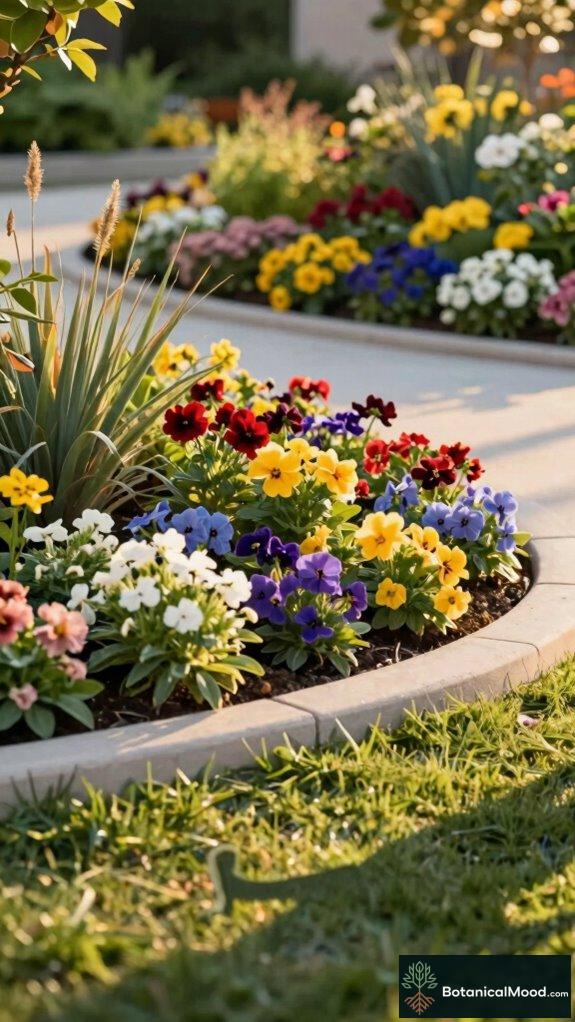
Lily bulbs demand respect in any pet-exposed environment, because a single dig-and-chew moment can turn a tidy border into a medical emergency. I treat every toxic lily bulb as a high-priority removal candidate, since most risk concentrates underground, and ingestion can trigger severe GI distress and rapid decline.
In my designs, I replace lilies with layered, pet-safer perennials, then use a snug edging trench, gloves, and sealed disposal bags to prevent replanting accidents.
If you suspect chewing, I recommend immediate veterinarian contact or ASPCA Poison Control at (888) 426-4435, then prioritize plant safety.
FAQ
What’s the Fastest First Aid Step After Pet Plant Ingestion?
I’d act fast: prevent further exposure, remove plant bits from your pet’s mouth, then call emergency contacts immediately—the ASPCA Animal Poison Control at (888) 426-4435—while you transport to a vet; don’t induce vomiting unless instructed.
Are These Plants Toxic to Cats as Well as Dogs?
Yes—most of these toxic plants endanger cats too, sometimes just as severely as dogs. Sago palm, oleander, and azalea/rhododendron are especially risky for pet safety; if ingestion happens, call your vet or poison control right away.
Can Pets Recover if Treated Immediately—What’s the Typical Timeline?
Yes—many pets recover if treated immediately. I expect symptom timeline to start within hours (vomiting, drooling, weakness), then stabilize as treatment kicks in. Treatment effectiveness is best early; severe cases need 24–72 hours ICU and close cardiac or liver monitoring.
How Do I Safely Dispose of Removed Plant Parts and Seeds?
Severed seeds glitter like tiny grenades; I wrap them in sealed bags and label them. I follow compost guidelines—never compost toxic parts—and use secure disposal methods: curbside yard-waste only if plants are non-toxic.
Which Garden Signs Mean My Pet Ate Something Toxic?
If your pet ate something toxic, watch for vomiting, diarrhea, drooling, bloody stools, weakness, tremors, paralysis, trouble breathing, or collapse. Use symptoms identification fast and prioritize plant safety—call your vet or ASPCA Poison Control immediately.
References
- https://www.akc.org/expert-advice/home-living/poisonous-plants-for-dogs/
- https://www.vetmed.ucdavis.edu/toxic-plant-garden
- https://pmc.ncbi.nlm.nih.gov/articles/PMC10467095/
- https://www.vpisglobal.com/wp-content/uploads/2019/01/factsheetpoisonoussubstances091.pdf
- https://fieldreport.caes.uga.edu/these-25-plants-are-toxic-to-pets/
- https://pbswisconsin.org/news-item/many-landscape-plants-can-put-dogs-in-danger
- https://www.aspca.org/pet-care/aspca-poison-control/toxic-and-non-toxic-plants
- https://www.vet.cornell.edu/departments-centers-and-institutes/riney-canine-health-center/canine-health-topics/plants-toxic-dogs