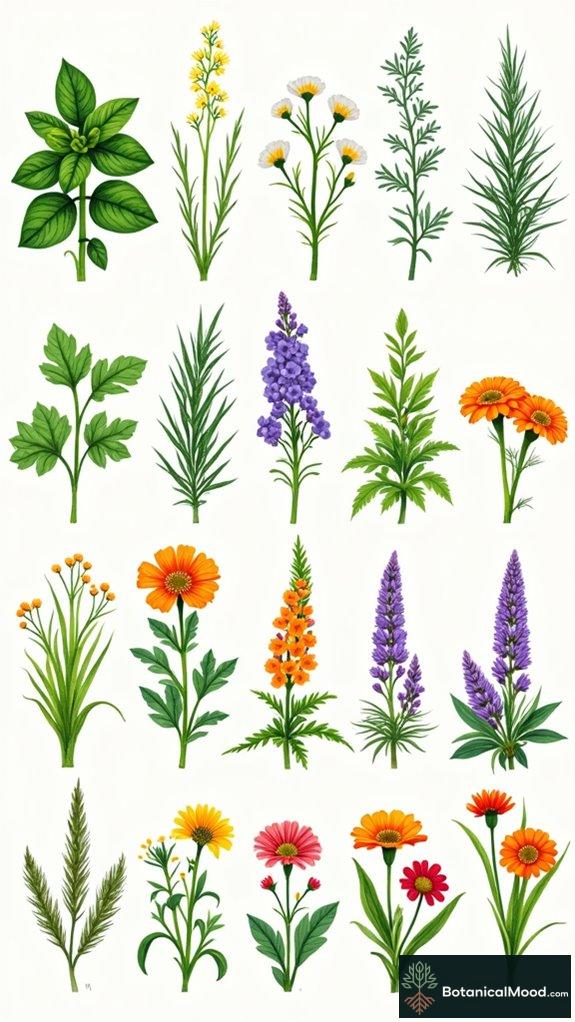
9 Best Bee-Loving Backyard Garden Design Strategies
Ever wanted a garden that’s basically a bee rave?
Well, I took on that challenge, armed with nothing but native plants like purple coneflowers and bee balm.
Let’s just say, my backyard transformed into a buzzing paradise!
I clustered the plants attractively—hard not to when I realized my rock piles and shallow water features were now the hottest spots in town for pollinators.
I’ve even created cute nests for those ground-nesting bees.
Doesn’t that sound like a lot of fun, right?
Turns out, I’ve become the proud owner of a bee-flavored ecosystem, complete with a fab pollinator pathway and distinct zones. Talk about sweet success!
Tips from My Bee Garden Experience: Design Matters
I remember the day I set up my first bee-friendly patch. Oh boy, was I clueless!
Started with just a few random plants but ended up researching native species and their nectar values like a total nerd.
In retrospect, planning distinct zones for flowering times made my garden buzz-worthy and, honestly, I felt like Hogwarts’ Herbology professor.
And the bees? They’re total gluttons—they showed up quickly!
Believe me, as the bees flocked to my garden, I learned firsthand why it’s vital to make each square foot count with diverse plants and garden design. Balancing aesthetics while ensuring a sustainable habitat is key.
Quick Takeaways
- Incorporate a variety of native plants with staggered bloom times to ensure continuous nectar and pollen availability for bees throughout the growing season.
- Group flowering plants in clusters to enhance visibility and attract bees more effectively, creating stunning visual displays in your garden.
- Add diverse habitat features such as rock piles and shallow water sources to provide shelter and hydration for a range of pollinator species.
- Minimize pesticide use and implement integrated pest management practices to protect pollinators and maintain a healthier garden ecosystem.
- Utilize tools like soil test kits and consult local horticulturists to better understand plant needs and promote biodiversity in your garden.
Create a Bee Lawn With Pollinator-Friendly Flowers

Creating a bee lawn filled with pollinator-friendly flowers not only enhances my garden’s aesthetic beauty, but it also plays a crucial role in supporting local ecosystems.
By integrating blooms like clover, native asters, and lavender, I invite bees and butterflies to flourish in my space. Their vibrant colors and delightful scents create a welcoming atmosphere, transforming my garden into a lively tapestry.
Integrating clover, native asters, and lavender invites vibrant bees and butterflies, transforming my garden into a delightful tapestry of life.
I’ve also found that these selections thrive in various conditions, making my design more resilient. Additionally, planting native flowers encourages local pollinator populations, contributing to biodiversity.
Watching pollinators flutter around brings me joy, reminding me of the interconnectedness that inspired me to create this space, fostering harmony with nature.
Emphasize Native Plant Selection

Selecting native plants is essential for a bee-friendly garden, as they not only provide sustenance for local pollinators but also thrive in the conditions specific to my region. By choosing native options, I delight in witnessing vibrant blooms and the joyous buzz of bees. Additionally, implementing pollinator-friendly garden ecosystems can enhance the overall effectiveness of the garden in attracting more bees and other beneficial insects.
| Native Plant | Bloom Season | Attracts |
|---|---|---|
| Purple Coneflower | Summer | Bumblebees |
| Bee Balm | Summer | Honeybees |
| Black-eyed Susan | Late Summer | Solitary Bees |
| Aster | Fall | Leafcutter Bees |
These plants foster connections, cultivating a harmonious ecosystem that nurtures both flora and fauna.
Cluster Plantings for Maximum Visibility

One effective strategy I’ve discovered in my bee-loving garden is the concept of cluster plantings, where I group several plants of the same species in close proximity to maximize their visibility.
By planting vibrant coneflowers, delicate salvia, or sweet-scented lavender in clusters, I create a stunning visual impact while attracting bees more effectively.
This method enhances the aesthetic charm of my garden, as the unified colors and textures draw the eye.
Not only do the bees benefit from easily accessible nectar, but I also find joy in observing their dance among my cherished blooms, reminding me why I created Botanical Mood. Additionally, cluster plantings improve habitat diversity, creating a thriving ecosystem for various pollinators to flourish.
Incorporate Diverse Habitat Features

Incorporating diverse habitat features within my bee-loving backyard garden not only enhances its ecological balance but fosters a rich environment for pollinators. By introducing native plants, rock piles, and water sources like birdbaths, I create varied microhabitats that attract numerous bee species. Adding sustainable garden practices can further amplify the benefits for both the garden and its inhabitants.
| Habitat Feature | Benefits |
|---|---|
| Native flowers | Provides nectar and pollen |
| Rock piles | Offers shelter and nesting |
| Water sources | Guarantees hydration for bees |
These thoughtful additions deepen my connection with nature and illustrate the vibrant ecosystem I’ve nurtured, echoing my passion for thoughtful gardening captured on my site, Botanical Mood.
Provide Ground Nesting Opportunities

Providing ground nesting opportunities is an essential aspect of cultivating a bee-friendly garden, as nearly 70% of all native bee species prefer to nest in the ground rather than in trees or built structures.
To create a welcoming environment for these beneficial insects, consider the following:
- Leave patches of bare soil: They need exposed ground to dig their nests.
- Incorporate diverse soil types: Different bees prefer sandy or clayey soils, which can encourage varied species to settle.
- Add small log piles or stones: These can help provide shelter and warmth for emerging bees.
Mix Pollinator-Friendly Plants Into Turfgrass

Mixing pollinator-friendly plants into turfgrass creates a vibrant tapestry of color and texture that not only beautifies our gardens but also supports bee populations and other pollinators.
By selecting a mix of native wildflowers and perennial herbs, I can design an enchanting setting. Here’s a quick overview:
| Plant Type | Flower Color | Benefits |
|---|---|---|
| Lavender | Purple | Attracts bees |
| Black-eyed Susan | Yellow | Supports beneficial insects |
| Creeping Thyme | Pink/Blue | Ground cover & nectar |
| Clovers (Trifolium) | White/Red | Nitrogen fixation |
This blend nourishes our ecosystem while enhancing beauty.
Ensure Water Availability for Pollinators

How can we best attract and sustain the delicate balance of pollinators in our gardens? One essential element is providing accessible water sources.
- Create shallow water dishes with pebbles for bees and butterflies to perch on.
- Utilize a rain garden to capture runoff, fostering a thriving ecosystem.
- Add a small birdbath, making sure it’s refreshed regularly to invite thirsty pollinators.
In my own garden, I’ve noticed that a simple water feature can transform the space into an inviting haven.
Through mindful design, we can guarantee our beloved pollinators have everything they need to thrive, promoting beauty and balance simultaneously.
Minimize Pesticide Use and Favor IPM Practices

While cultivating a vibrant and inviting garden, it’s essential to minimize pesticide use and adopt integrated pest management (IPM) practices, as these approaches not only protect our beloved pollinators but also enhance the overall health of our garden ecosystems.
IPM emphasizes prevention and monitoring, relying on a blend of natural solutions and organic products. Below is a simple guide for effective practices.
| Strategy | Tools | Benefits |
|---|---|---|
| Attracting Beneficial Insects | Ladybug larvae, lacewings | Natural pest control |
| Crop Rotation | Seasonal flowers, veggies | Reduces pest populations |
| Companion Planting | Marigolds, basil | Repels nematodes |
Embracing these strategies can transform our gardens into resilient havens.
Engage in Community and Certification Programs

Engaging in community and certification programs not only deepens our connection to gardening but also amplifies our efforts to create bee-friendly spaces.
Joining local gardening clubs and eco-certification groups enriches our experience and expands our knowledge, fostering a vibrant community dedicated to pollinator health.
Engaging with local gardening clubs enhances our understanding and builds a community committed to nurturing pollinators.
- Collaborate on local pollinator gardens
- Participate in sustainable gardening workshops
- Earn beekeeper certifications through integrated education
Case Study: Native Plant Focus

As I immerse myself in the rich world of native plant gardening, I’ve observed that these flora not only create stunning aesthetics but also provide essential resources for our local bee populations. By selecting native plants like black-eyed Susan and bee balm, I guarantee varied bloom times, from early spring to late fall, keeping nectar and pollen accessible. Furthermore, the presence of native bee species is crucial for pollination, especially for certain crops that thrive in our region. Planting in clusters maximizes bee foraging efficiency, while diverse flower shapes cater to different species, attracting a vibrant community of pollinators. Each garden, with its unique native palette, fosters not just beauty but a rich tapestry of life, reminding me of nature’s complex connections.
Pollinator Pathways and Zones

Creating effective pollinator pathways and zones in my garden is essential for fostering a thriving ecosystem that supports bee populations and other important pollinators.
- I cluster nectar-rich plants to minimize their energy expenditure.
- I plan for seasonal blooms, ensuring sustenance all year round.
- I design soft shifts with ground covers for easy movement between zones.
Meet the Garden’s Creator

Meet Jane Smith from Oregon, whose passion for ecological gardening was ignited during her studies at Oregon State University, where she learned the significance of creating habitats for native bees and other pollinators.
To transform her vision into reality, Jane enrolled in a certification program at the Phipps Conservatory, where she gained skills in soil evaluation and plant identification. Through practical experiences and ongoing mentorship, she developed a design plan that incorporates local ecosystems and native plant communities, focusing on sustainability and pollinator support.
Jane honed her skills in soil evaluation and plant identification, crafting a sustainable design plan that nurtures local ecosystems.
Using tools such as a soil test kit from LaMotte, she meticulously prepared her garden beds.
She incorporated accessories like pollinator hotels from Gardener’s Supply Company and selected native plants suggested by local horticulturists, including those from the Oregon Association of Nurseries, to enhance biodiversity.
Popular Flowering Bee Attractors

Crafting a bee-friendly garden involves selecting flowering plants that not only beautify the scenery but also serve as valuable food sources for pollinators.
Consider planting Wild Bee Balm, Asters, and Purple Coneflower; their vibrant colors and shapes attract various bee species throughout the seasons.
Yarrow’s accessible pollen is a favorite too, while Anise Hyssop brings delightful purple blooms.
For annuals, Zinnias and Cosmos add a cheerful touch, with Basil offering aromatic blooms.
Strategically grouping these plants enhances visibility for bees, creating a bountiful space that thrives naturally, which is what I aim to inspire through Botanical Mood.
References
- https://www.frontiersin.org/journals/sustainable-cities/articles/10.3389/frsc.2023.1102360/full
- https://extension.umn.edu/landscape-design/planting-and-maintaining-bee-lawn
- http://millionpollinatorgardens.org/wp-content/uploads/2019/09/Million-Pollinator-Garden-Challenge-Report-LOW-RES-FOR-WEB-031719.pdf
- https://createsolutions.tufts.edu/wp-content/uploads/2021/08/CREATE_Pollinators_Murphy_Crone.pdf
- https://www.pollinator.org/bfg
- https://gardeningsolutions.ifas.ufl.edu/design/gardening-with-wildlife/gardening-for-bees/
- https://gardenforwildlife.com/blogs/learning-center/boost-your-gardens-buzz-attracting-wild-bees-with-native-plants
- https://www.howardnature.org/wp-content/uploads/2020/05/Native-Plant-Pollinator-Garden-Templates.pdf
- https://www.cnps.org/gardening/bee-friendly-gardening-2892
- https://news.oregonstate.edu/news/twenty-five-plants-attracting-native-bees-garden
- https://www.finegardening.com/article/designing-a-stylish-pollinator-garden
- https://wildpollinators-pollinisateurssauvages.ca/2024/06/06/beginner-pollinator-garden-the-3-x-3-x-3-system/
- https://www.monrovia.com/be-inspired/find-your-pollinator-garden-style.html
- https://gsepc.org/wp-content/uploads/2024/03/Pollinator-Design.pdf
- https://www.pollinator-pathway.org/native-garden-designs
- https://www.phipps.conservatory.org/classes-and-programs/for-adults/gardening-classes-and-certificates/phipps-gardening-certificate-programs
- https://ecornell.cornell.edu/certificates/food-and-plant-science/landscape-design/
- https://www.theenglishgarden.co.uk/gardening-advice/how-to-become-a-garden-designer-with-pollyanna-wilkinson/
- https://ffl.ifas.ufl.edu/resources/apps/bee-gardens/
- https://cpe.ucdavis.edu/course/designing-and-monitoring-pollinator-friendly-landscapes
- https://zerowastehomestead.com/best-flowers-for-bees-15-native-plants-that-attract-bees/
- https://www.gardenary.com/blog/easy-plants-that-attract-bees-and-butterflies-to-the-garden
- https://www.summerwindsnursery.com/ca/inspire/blog/best-flowers-for-bees/
- https://www.buddhabeeapiary.com/blog/what-flowers-do-honeybees-like
- https://www.youtube.com/watch?v=-L4BVTMFNF0