Creating a butterfly garden is a wonderful journey that brings beauty and biodiversity to your space. I suggest starting with a native plant paradise, incorporating nectar-rich flower beds that bloom continuously. You might also enjoy designing a colorful wildflower meadow or butterfly-friendly container gardens with vibrant annuals. Implementing pollinator pathways can connect fragmented habitats, while strategic plant placements guarantee butterflies have easy access to food and hydration. Keep exploring to discover even more enchanting garden layouts that invite butterflies.
Quick Takeaways
- Incorporate a variety of native plants to support local butterfly populations and enhance biodiversity throughout the garden.
- Design nectar-rich flower beds with continuous blooming plants to ensure a steady supply of nectar for butterflies year-round.
- Create wildflower meadows using diverse native wildflower seeds mixed with annuals to attract various butterfly and bee species.
- Establish butterfly puddling stations and water features surrounded by native plants to provide essential hydration and minerals for butterflies.
- Design cottage and shade gardens with colorful, fragrant, and native plants while maintaining a pesticide-free environment to attract and support butterflies.
Native Plant Paradise

Creating a butterfly garden filled with native plants can transform any outdoor space into a vibrant sanctuary, especially when you consider how essential these plants are for local butterfly populations. Selecting plants that support butterflies throughout their life cycle is crucial for ensuring that both adult butterflies and their larvae have the resources they need to thrive. Incorporating native plant species into your garden design not only enhances biodiversity but also provides the necessary habitat for pollinators.
Colorful Wildflower Meadow

A colorful wildflower meadow brings life and vibrancy to any outdoor space, inviting not just the eye, but also a plethora of pollinators, including butterflies, bees, and moths.
In my meadow design, I mix diverse native wildflower seeds with annuals like Phacelia and Cosmos, ensuring a rich tapestry of color. To further enhance the habitat, including a variety of nectar sources is essential for attracting different species of butterflies and bees.
I prioritize pollinator plants such as Milkweed and Aster, creating habitats for caterpillars too. This approach not only supports biodiversity but also enhances the beauty of my garden. Researching local butterfly species helps determine the best plants to include for attracting these beautiful insects.
I created Botanical Mood to share these perspectives, empowering you to cultivate your own thriving wildflower meadow, inviting nature's charm into your life.
Nectar-Rich Flower Bed
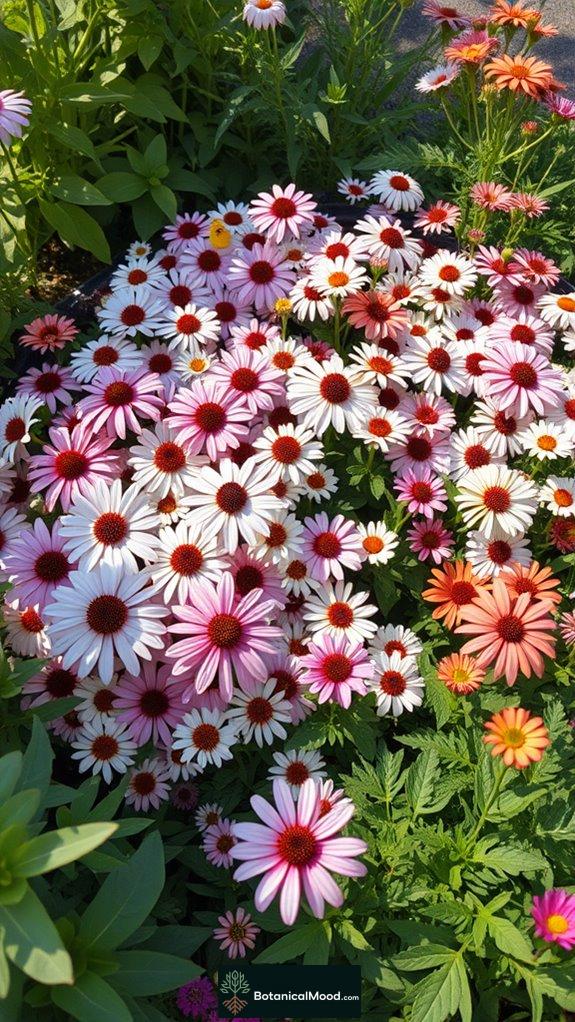
Nectar-rich flower beds serve as a delightful haven for butterflies, providing essential sustenance while enhancing the garden's overall aesthetic. To attract various butterfly species, I recommend planting favorites like coneflower, zinnia, and lantana. By clustering these nectar sources, you create vibrant displays that catch butterflies' attention. Consider tiered planting to form a diverse feeding area and guarantee sunlight reaches each bloom. Incorporating continuous blooming plants like catmint assures a steady supply of nectar throughout the season. Additionally, selecting native plant species can significantly increase the garden's appeal to local butterfly populations. At Botanical Mood, I aim to inspire others to create beautiful, thriving gardens that support these magnificent pollinators.
Butterfly-Friendly Container Garden

When you think about creating a butterfly-friendly container garden, it's important to contemplate how these vibrant spaces can attract and support these delicate pollinators.
In my experience with container gardening, I've found that using larger pots with drainage holes is essential for healthy plants. Positioning these containers in sunny spots enhances butterfly behavior, attracting them to nectar-rich blooms.
I love incorporating colorful flowers, aromatic herbs, and host plants for caterpillars. By clustering plants and adding water sources, I create a welcoming oasis. Additionally, selecting pollinator-friendly plants can significantly increase the number of butterflies visiting your garden.
Through my journey with Botanical Mood, I've witnessed how these gardens can transform any space into a butterfly haven.
Pollinator Pathway
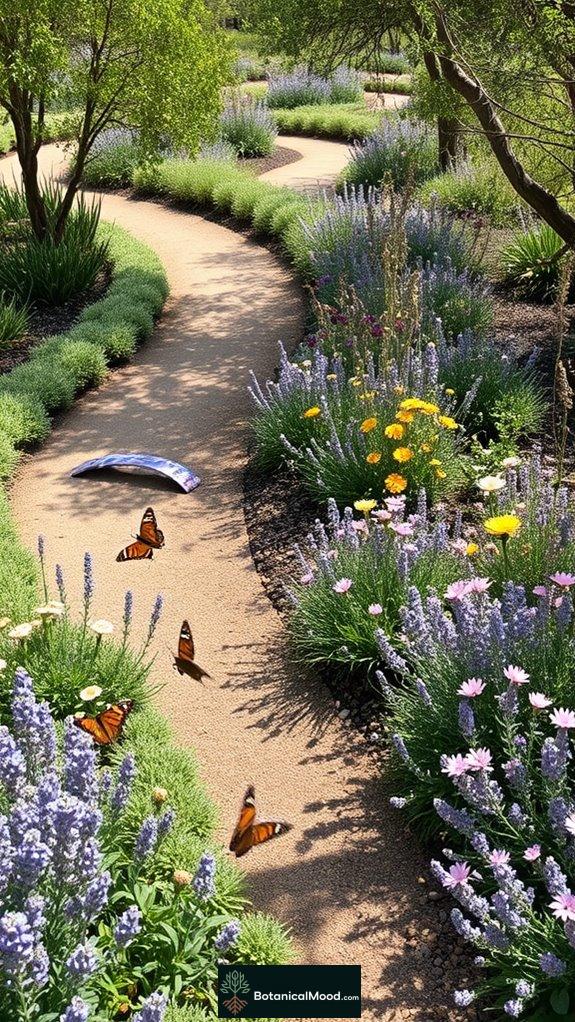
Creating spaces that support pollinators extends beyond just container gardening; it leads us to the concept of the Pollinator Pathway. This innovative approach focuses on pollinator corridor design, creating linear gardens that connect fragmented habitats.
By selecting native plants and incorporating diverse heights, we can enhance biodiversity and provide essential food sources. Native bee and butterfly gardens not only attract these beautiful creatures but also foster ecological balance within our communities.
Community engagement strategies are significant, encouraging involvement in planning and maintaining these critical corridors.
As I developed Botanical Mood, I recognized the powerful impact of these pathways on ecological health. Together, we can transform our environments, ensuring a thriving setting for butterflies and all pollinators while enriching our communities.
Water Feature Oasis
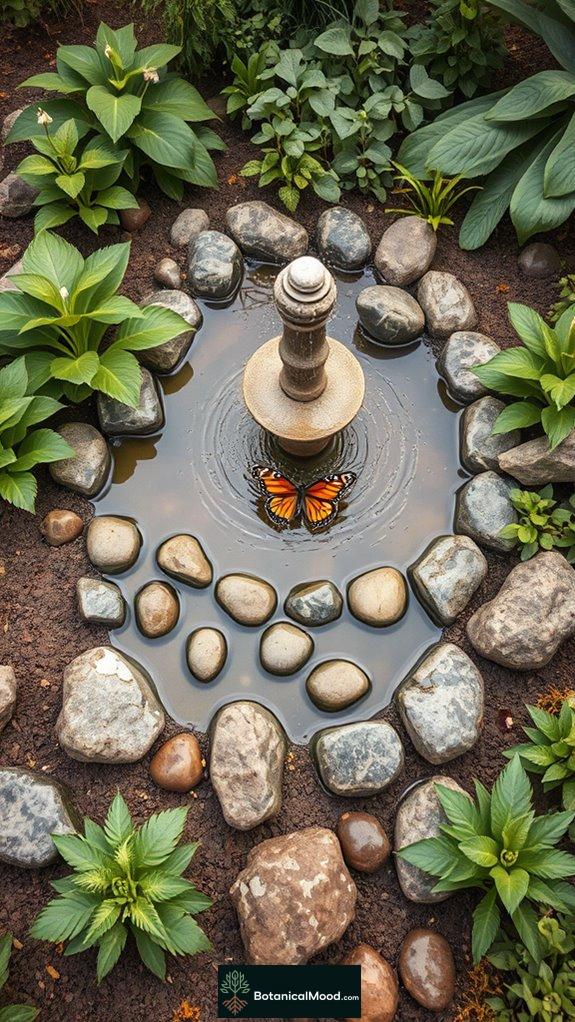
Water features can dramatically enhance your garden, transforming it into a vibrant oasis that attracts butterflies and other wildlife.
Incorporating butterfly puddling stations is important, as these areas allow butterflies to extract essential minerals from damp surfaces.
Surround your water features with native plants, ensuring a rich nectar source and a thriving ecosystem.
Surrounding water features with native plants enriches the garden, providing vital nectar and fostering a vibrant ecosystem.
Regular water feature maintenance is significant; refill and clean these elements to keep them inviting.
Using shallow water and strategically placed rocks fosters safety and accessibility for butterflies.
The soothing sounds of a fountain or pond not only captivate but also create a stunning focal point in your garden.
Raised Bed Sanctuary
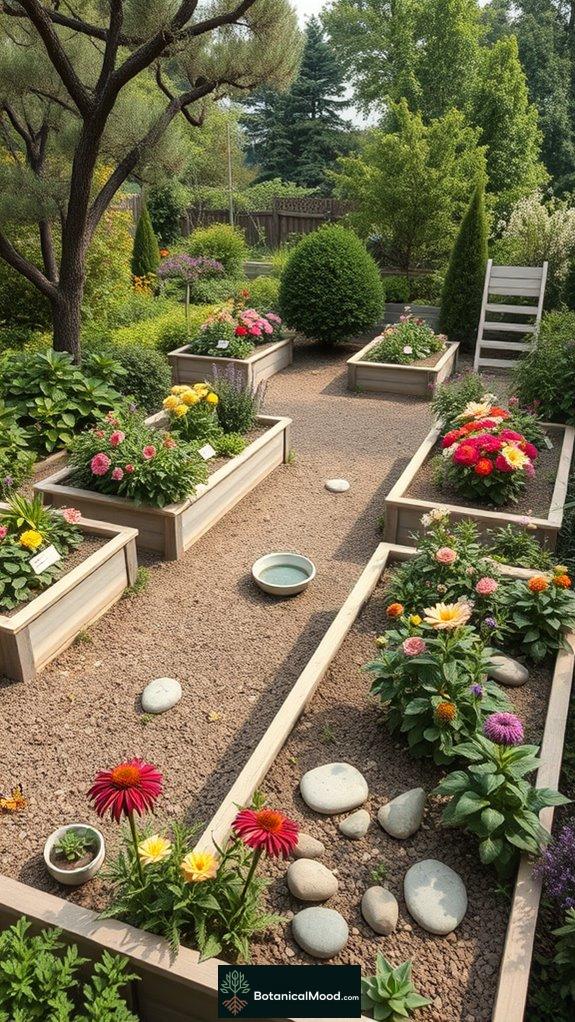
A raised bed sanctuary offers a unique opportunity to cultivate a vibrant habitat specifically designed for butterflies, enhancing both the beauty and functionality of your garden.
By utilizing an effective raised bed design, I strategically place nectar-rich plants like butterfly bushes and coneflowers to create a butterfly-attracting oasis.
Layering taller plants at the back, I guarantee visual interest while promoting accessibility for close observation.
I incorporate shallow water dishes and basking stones, inviting butterflies to thrive.
With careful soil preparation and diverse plant selection, my raised beds become a powerful attraction, fostering a deeper connection with nature and its delicate creatures.
Herb Garden Haven
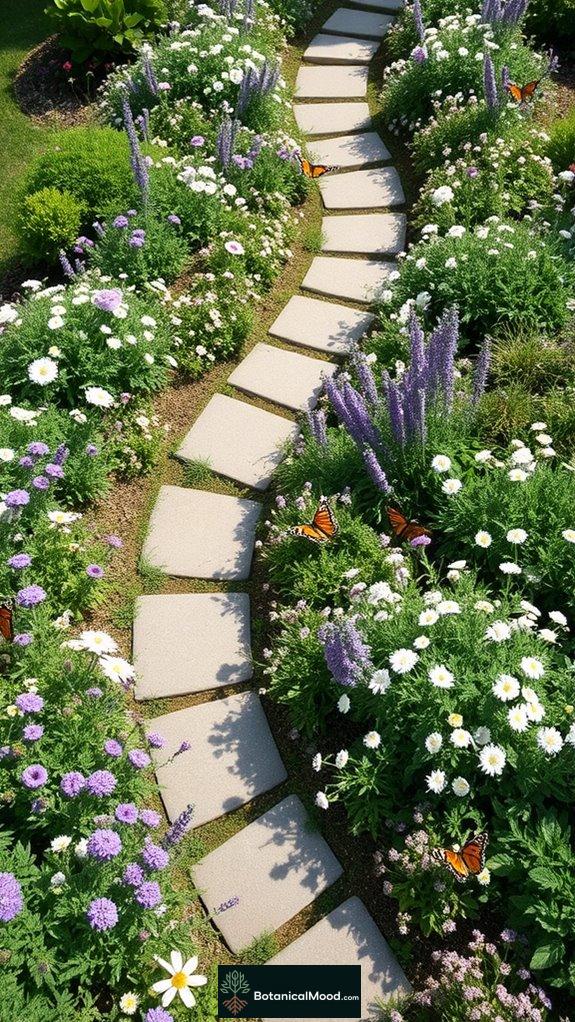
When it comes to attracting butterflies, an herb garden haven stands out as a delightful and functional choice. The herb diversity benefits are immense, creating a vibrant ecosystem that invites various butterfly species.
By incorporating aromatic herb selections like bee balm and dill, I provide essential nectar sources while also supporting caterpillars. Herbs bloom at different times, ensuring butterflies have food throughout the summer.
For ideal design, I mix colorful clusters of flowers, allowing butterflies to land easily. This harmonious blend not only enhances beauty but also fosters a thriving habitat, which is why I created Botanical Mood—to inspire others to create these enchanting spaces.
Vertical Garden Wall
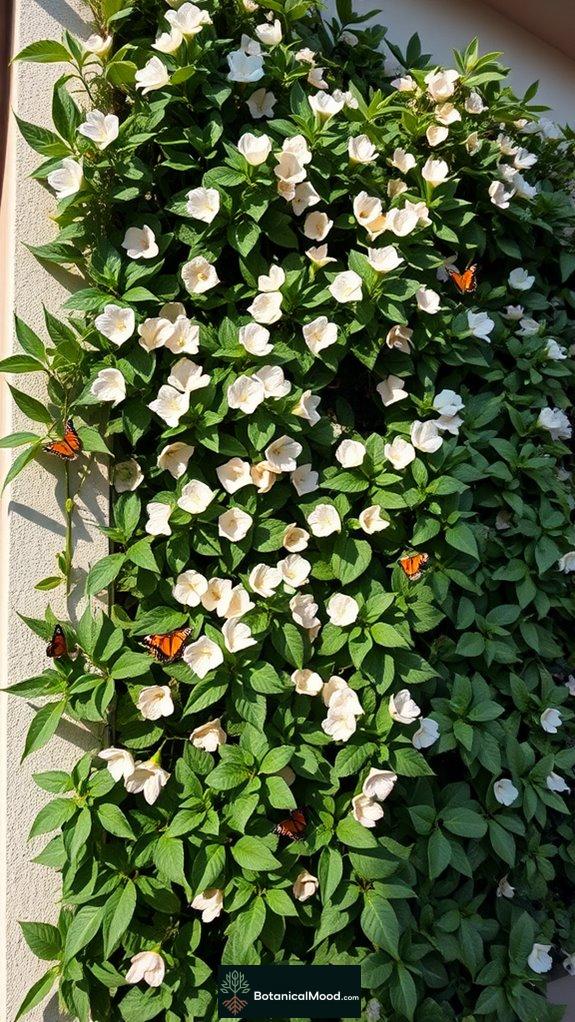
Creating a butterfly-friendly garden isn't limited to traditional layouts; a vertical garden wall offers an innovative approach that maximizes space and enhances beauty.
By incorporating diverse host plants, I can create a thriving butterfly habitat that supports their entire lifecycle. The vertical garden benefits include shelter from predators, nectar-rich flowers for adult butterflies, and microclimates that stabilize temperature and humidity.
With the right design, including adequate sunlight and efficient watering systems, these walls not only beautify my space but also contribute to biodiversity.
I crafted Botanical Mood to explore such powerful gardening strategies that amplify nature's splendor.
Cottage Garden Charm
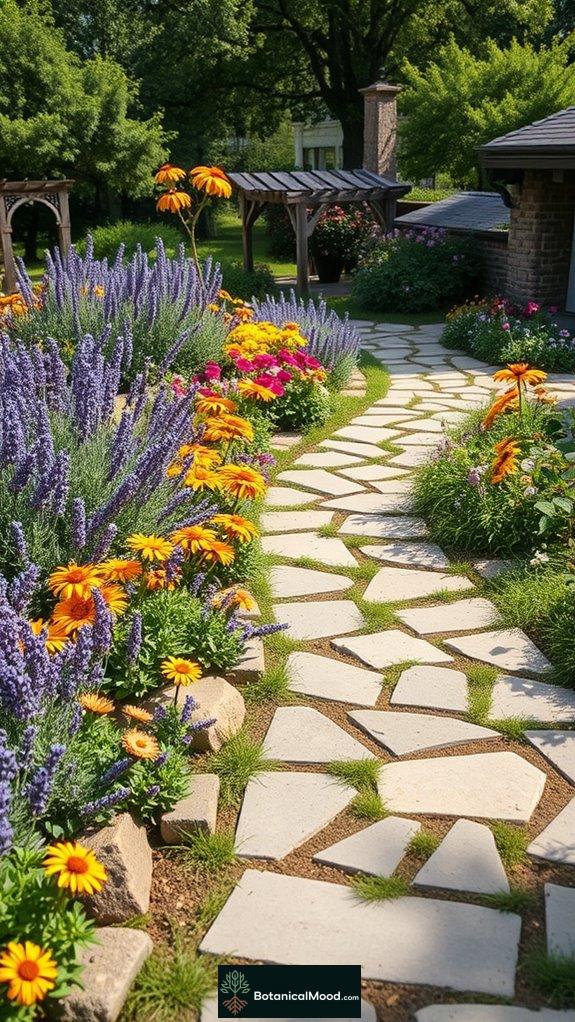
How can one transform a garden into an enchanting haven for butterflies? Embrace cottage garden aesthetics with a whimsical garden design that invites vibrant life.
I recommend fragrant blooms like bee balm and lavender, which not only attract butterflies but also fill the air with delightful scents. Incorporate colorful plants such as marigolds and zinnias alongside native flowers like black-eyed Susans for a visual feast.
Create winding pathways with natural materials to enhance the charm, while ensuring a pesticide-free environment promotes healthy growth.
Shade Garden Retreat
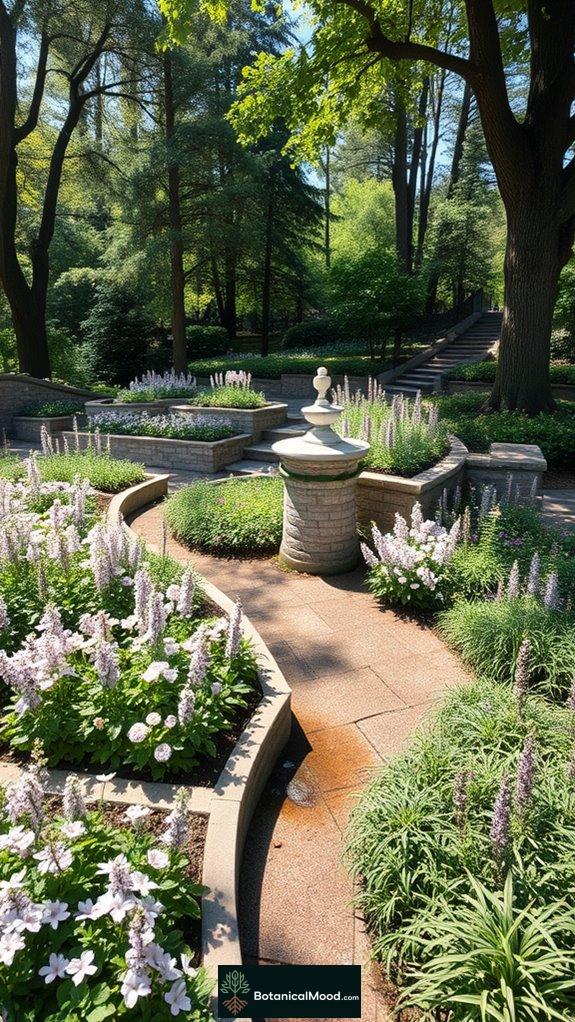
A shade garden can be a peaceful retreat, offering a cool sanctuary for butterflies and gardeners alike. By focusing on shade plant selection, I create a diverse butterfly habitat design that thrives in partial sunlight.
Plants like woodland phlox and astilbe provide vibrant blooms while maintaining well-drained soil for health.
I've arranged plants in tiers, ensuring accessibility and visual appeal. Water features, like shallow puddling stations, invite butterflies to drink and bask.
Incorporating native species enhances local biodiversity, creating a powerful ecosystem. This garden not only attracts beautiful butterflies but also enriches my connection to nature, a passion I share through Botanical Mood.
Butterfly House Corner
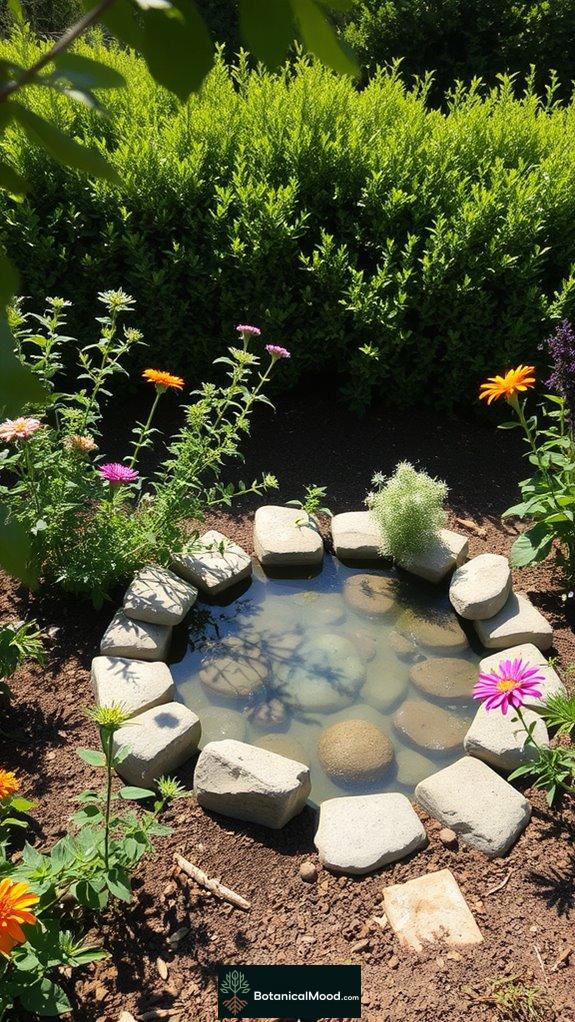
Establishing a Butterfly House Corner can transform your garden into a vibrant haven for these exquisite insects.
By catering to their habitat requirements and understanding butterfly behavior, you'll attract a dazzling array of species.
To create this enchanting space, consider:
- Location: Choose a sunlit area receiving at least 6 hours of light daily.
- Native Plants: Incorporate milkweed and dill as host plants.
- Nectar Sources: Use plants like butterfly bush and lantana.
- Water Features: Add shallow water sources for hydration and perching.
This Butterfly House Corner enhances both beauty and biodiversity, embodying the essence of my website, Botanical Mood.
Seasonal Blooms Layout
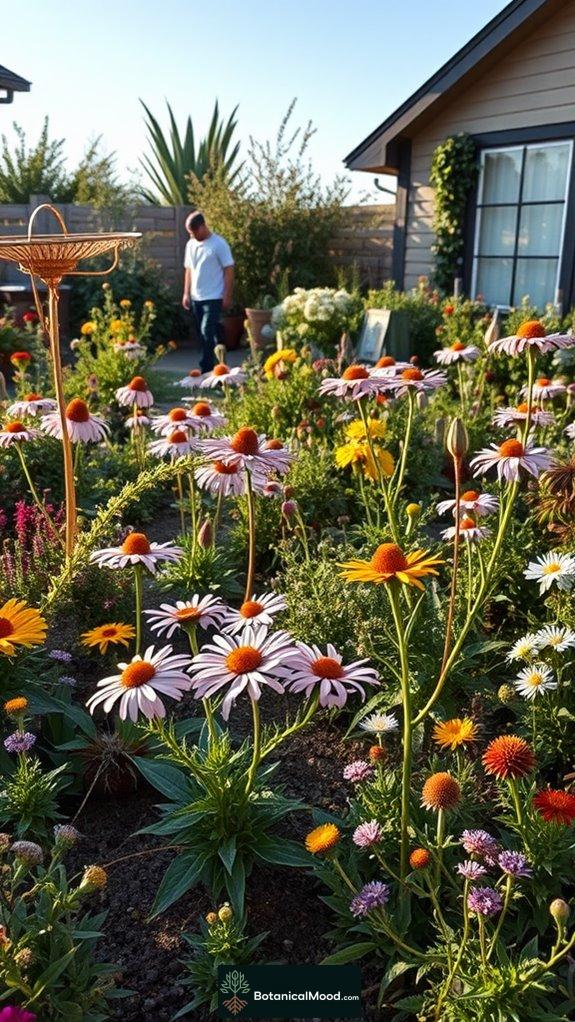
Creating a garden layout that celebrates seasonal blooms can further enhance the Butterfly House Corner, inviting a continuous parade of butterflies throughout the year.
By implementing seasonal bloom strategies, I guarantee that nectar-rich flowers flourish from spring to fall, creating a dynamic butterfly bloom calendar.
I mix vibrant native plants with perennial favorites like coneflowers and sedums, strategically staggering their bloom times.
Positioning these beauties in full sun, I maximize their appeal, while also integrating compact annuals for bursts of color.
This thoughtful design not only attracts butterflies but also nourishes my passion for creating alluring garden spaces, as seen on Botanical Mood.
Butterfly and Bee Habitat Design
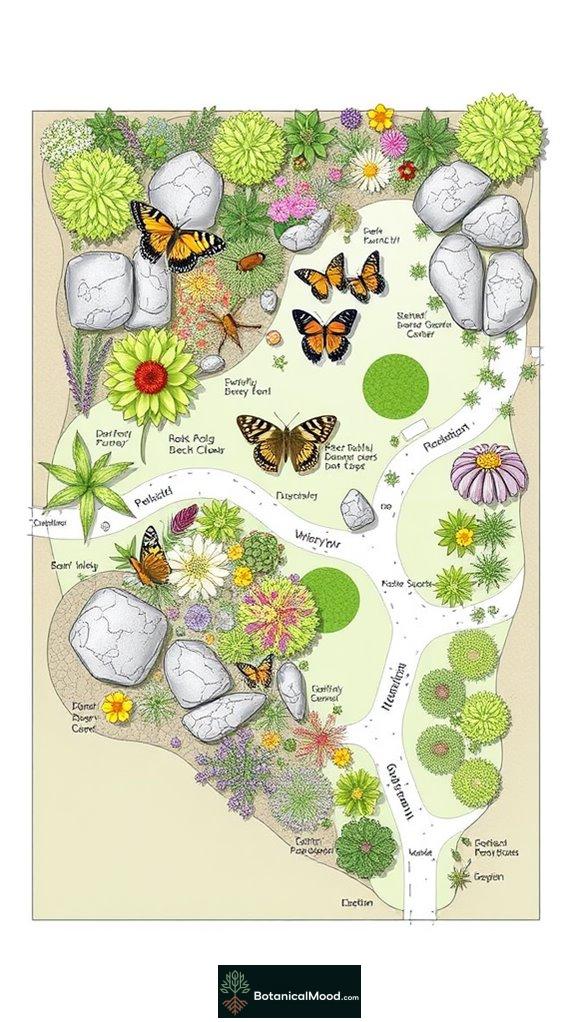
Designing a butterfly and bee habitat goes beyond simply planting flowers; it involves creating a thriving ecosystem that nurtures these essential pollinators throughout their life cycles.
Creating a butterfly and bee habitat requires fostering a vibrant ecosystem that supports these vital pollinators throughout their entire life cycles.
To build an effective habitat, consider these key elements:
- Pollinator Shelter: Incorporate rock and brush piles for nesting.
- Diverse Planting: Select native plants that support various butterfly species.
- Habitat Connectivity: Use bioswales or pathways to link fragmented spaces.
- Water Sources: Provide shallow areas for hydration.
Colorful Flower Arrangement Ideas
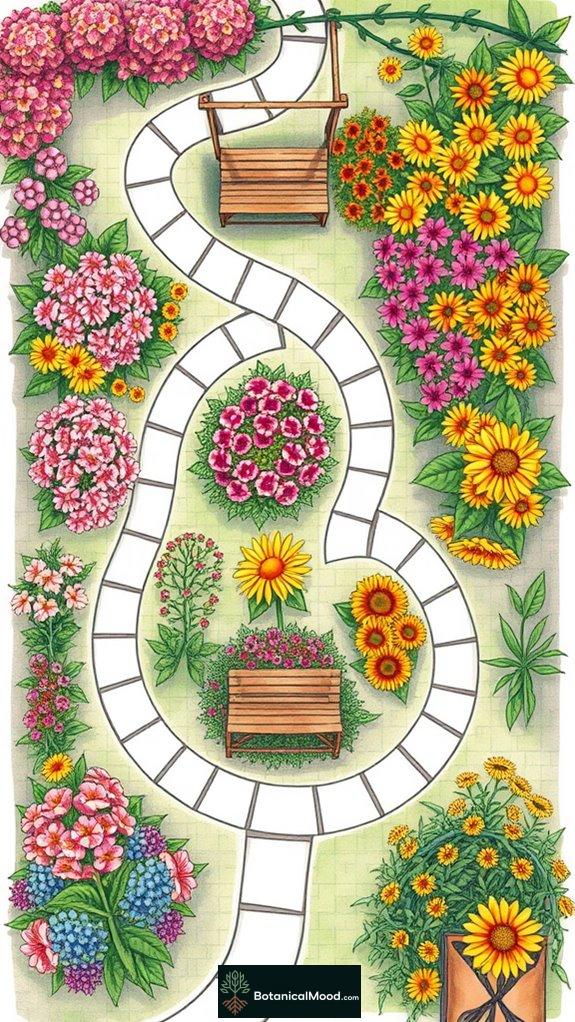
While exploring the enchanting world of colorful flower arrangements, I often find myself captivated by how the right combination of blooms can transform a space.
To create vibrant arrangements, consider mixing seasonal colors like cherry blossoms for spring or sunflowers for summer. Pair pastel pink peonies with light pink parrot tulips, or arrange primary colors—red gerbera daisies, yellow solidago, and calla lilies—into stunning displays.
Vintage teacups filled with delicate roses add a romantic touch, while rustic caddies with sunflowers offer a natural charm.
At Botanical Mood, I aim to inspire your journey in crafting beautiful, butterfly-attracting gardens.
Butterfly-friendly Plant Placement

To attract butterflies effectively, the placement of your plants is essential, as it can greatly influence the diversity and number of butterflies visiting your garden.
Consider these powerful strategies:
- Sunny Locations: Guarantee at least 6 hours of sunlight exposure daily.
- Sheltered Spots: Use fences or shrubs for protection against winds.
- Layered Layouts: Position taller plants at the back for depth.
- Pathway Design: Create defined areas with stone or mulch pathways.
Strategic Plant Positioning Benefits Butterflies
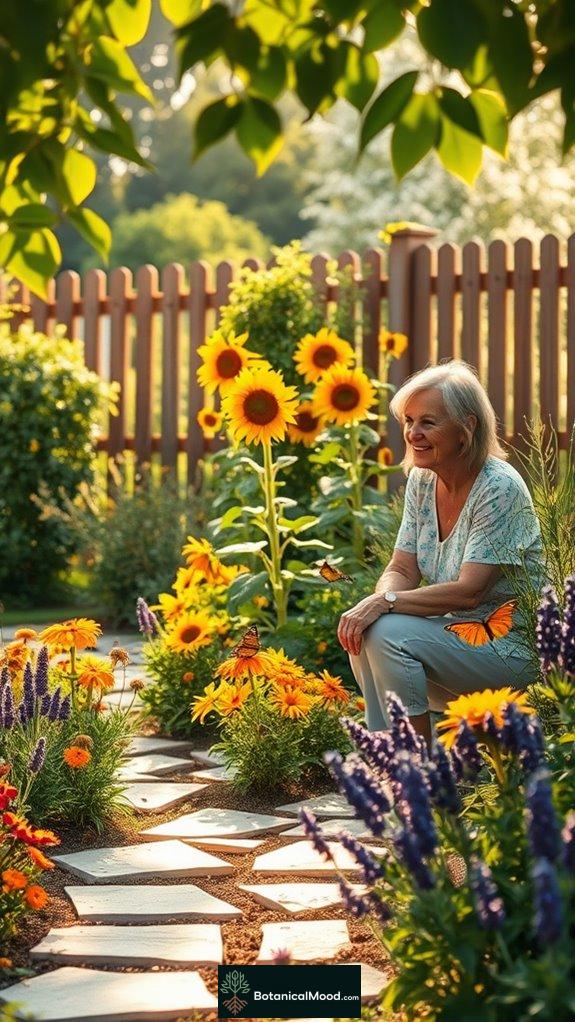
Strategic plant positioning greatly enhances a garden's ability to attract butterflies, creating a vibrant ecosystem that thrives on beauty and biodiversity.
By grouping nectar sources, I guarantee butterflies can efficiently access food, maximizing their visits.
Grouping nectar sources ensures butterflies can easily find food, enhancing their visits and enriching the garden experience.
I also pay attention to butterfly behaviors, placing basking areas on sunny rocks, while offering sheltered spots for cooling down. This balance of sun and shade fosters ideal plant growth, supporting butterflies throughout their life cycles.
In my journey with Botanical Mood, I discovered that understanding these dynamics transforms gardens into thriving habitats, drawing in stunning butterflies year-round.
It's all about creating the perfect environment for these magnificent creatures.
Questions and Answers
How Do I Maintain a Butterfly-Friendly Garden Year-Round?
I maintain a butterfly-friendly garden year-round by focusing on pest management and selecting seasonal blooms. I guarantee diverse plants, provide water, and create shelter, making my garden a thriving sanctuary for these beautiful creatures.
What Are the Best Times to Plant for Butterflies?
Spring blooms beckon butterflies, and I've learned that planting right after the last frost guarantees vibrant life. For fall nectar, I prepare gardens weeks before the first frost, creating a haven for these enchanting creatures.
Can I Attract Butterflies in Small Urban Spaces?
I've successfully created urban butterfly gardens using container gardening. With the right nectar-rich flowers and host plants, even small spaces can become vibrant habitats, attracting beautiful butterflies and enhancing my urban environment.
Are There Specific Plants That Repel Butterflies?
While some plants like certain herbs can act as butterfly repellent plants, I focus on cultivating a vibrant garden. For effective garden pest control, select nectar-rich flowers that invite butterflies instead of pushing them away.
How Do I Identify Different Butterfly Species Visiting My Garden?
I know identifying butterfly species can seem challenging, but observing their behavior helps. Watch their flight patterns and colors closely; I've found it empowers me to recognize different species and appreciate their beauty even more.
References
- https://www.gardendesign.com/landscape-design/butterfly-garden.html
- https://be.green/en/blog/butterfly-paradise-how-to-create-a-garden-that-attracts-butterflies
- https://theplantnative.com/faqs/native-plants-for-butterflies/
- https://therelaxedgardener.com/blogs/martinis-and-marigolds/creating-a-garden-butterflies-will-love
- https://www.cnps.org/gardening/gardening-for-butterflies-3106
- https://butterfly-conservation.org/news-and-blog/my-urban-wildflower-meadow
- https://ownthatgardenlife.com/2019/03/09/how-to-attract-butterflies-to-your-garden/
- https://www.birdsandblooms.com/gardening/attracting-butterflies/wildflowers-for-butterflies/
- https://alena-samoylenko.com/best-gardening-project-for-kids-creating-a-wildflower-meadow-for-butterflies-and-other-pollinators/
- https://www.gardenswithwings.com/butterfly-garden/nectar-plants