Why not infuse your small garden with nature-inspired decor?
I mean, really, why settle for something that feels less than calm?
Using local plants and natural materials not only looks good but keeps our little critter friends happy, too. Last summer, I decided to integrate some native flora that practically begged to shine in my garden – and wow, did they deliver!
Organic shapes create a beautiful flow, making any small space feel bigger. Plus, creating cozy, functional zones? Total win!
Isn’t it time we embraced our garden’s natural charm?
Creating a Cozy Retreat: My Garden Design Journey
Let me spill some tea about my own garden adventure. Picture this: a small patch in my backyard, overgrown and uninviting. After a haphazard consultation with Pinterest (yes, I owe it all to the internet), I learned about layering plants.
So, I snatched up perennials and grasses that begged for a spot in the sun, and guess what? Magic happened! The space went from drab to fab. I even threw in a rustic bench for those moments of zen (or just to sip my iced coffee while avoiding chores). It was all about functionality and creativity intertwined.
Plus, it opened up opportunities for pollinators to visit. Yes, I can officially declare my small garden a thriving ecosystem! Don’t let your garden be just a space—make it a vibrant sanctuary!
Quick Takeaways
- Nature-inspired decor enhances aesthetic appeal, creating a tranquil atmosphere that promotes relaxation in small garden spaces.
- Utilizing native plants boosts local ecosystems, attracting pollinators and enriching biodiversity without the need for chemicals.
- Sustainable materials in decor reflect environmental stewardship, adding unique character while minimizing ecological impact.
- Functional elements, like multi-tiered planters and mobile containers, maximize space, allowing for both beauty and practicality in compact areas.
- Organic flow and symmetrical designs create harmony, transforming small gardens into inviting and cohesive retreats.
Creating a Tranquil Atmosphere With Natural Elements

When I step into a small garden, I often feel an immediate sense of calm and serenity enveloping me, as if the natural elements around me are gently whispering for me to slow down and breathe.
This is the magic of mindful gardening, where I embrace nature therapy through carefully chosen elements. I integrate native plants, which adapt effortlessly to our environment, reducing maintenance and enhancing sustainability. Native plant ecosystems require less water and provide habitats for local wildlife, further contributing to the garden’s resilience. Incorporating symmetry in design creates a sense of harmony that enhances the overall tranquility of the space.
Water features softly gurgle, masking city noise while creating a soothing atmosphere.
Tactile pathways made from stone lead me deeper into the garden’s mysteries, stimulating my senses.
Enhancing Aesthetic Appeal Through Organic Shapes

Embracing organic shapes in garden design adds an undeniable charm that transforms even the smallest spaces into inviting havens.
When I focus on organic forms, I notice how they enhance the aesthetic appeal and create a seamless flow in my garden. Here’s why I advocate for this approach:
- Curvilinear lines lead the eye naturally, mimicking flowing pathways found in nature.
- These gentle shapes foster harmonious textures that invite relaxation.
- Curved garden beds create a sense of expansion, making my space feel larger and more open.
- Plants with rounded forms enhance the overall softness, tying the environment together beautifully.
Incorporating curved pathways not only contributes to a more organic feel but also promotes sustainability in garden designs.
Incorporating Local Flora and Fauna in Design

Incorporating local flora and fauna in garden design not only enhances the beauty of our spaces but also acts as a vital support system for the surrounding wildlife. By embracing native plant selection, we create vibrant habitats that boost wildlife diversity.
| Native Plant | Wildlife Attraction | Seasonal Interest |
|---|---|---|
| Coneflowers | Pollinators | Summer blooms |
| Serviceberry | Birds and insects | Spring berries |
| Prairie Grasses | Ground-nesting birds | Multi-season color |
Utilizing these native plants improves soil health, requires fewer chemicals, and supports ecosystem balance. I’ve created Botanical Mood to share these innovative perspectives, showcasing how we can make sustainable choices while cultivating a garden that resonates with our native ecology, ultimately connecting us deeper with nature’s rhythm.
Utilizing Sustainable Materials for Eco-Friendly Decor

Utilizing sustainable materials in garden decor not only reflects our commitment to environmental stewardship but also enhances the aesthetic appeal of our outdoor spaces.
It’s exciting to see how eco-friendly materials contribute to both beauty and sustainability.
- Choose FSC-certified wood for furniture, ensuring sustainable sourcing.
- Embrace reclaimed timber, which locks in carbon and diverts waste.
- Opt for secondhand finds to support the circular economy while reducing new resource extraction.
- Select biodegradable options for pots, minimizing microplastic pollution.
Designing Multi-Functional Garden Decor

After exploring how sustainable materials can elevate our garden aesthetics, it’s time to think about how design can transform outdoor spaces into multi-functional havens. By integrating innovative garden furniture and seasonal decorations, we can create vibrant areas suited for various activities, from entertaining guests to gardening.
Here’s a quick look at some multi-functional elements you can incorporate:
| Element | Functionality |
|---|---|
| Pergolas | Shade and grow climbing plants |
| Built-in benches | Seating with storage for tools |
| Fire pits | Gathering spots for warmth and light |
| Raised beds | Edible gardens that are visually appealing |
| Pathways | Connect zones with natural flow |
Embrace these features for a garden that adapts to your lifestyle, turning every visit into a delightful experience.
Adding Color With Nature-Inspired Paints and Textiles

As you explore the beauty of your small garden, consider how nature-inspired paints and textiles can breathe new life into your outdoor space.
A thoughtful combination of colors and textures can elevate your garden design while promoting wellness through color psychology. Here are a few ideas to inspire you:
- Opt for muted greens like Chartwell Green and Moss Green for calming and classic backdrops.
- Incorporate pastel shades such as peach fuzz and soft pinks to gently contrast surrounding foliage.
- Choose earth tones like Truffle Brown to ground your design within natural elements.
- Practice textile coordination by aligning fabric colors with your plant selections for a cohesive aesthetic.
This harmony in design not only enhances beauty but supports a tranquil garden atmosphere.
Implementing Water Features for Serenity and Life

Creating a serene garden space often involves more than just selecting the right plants and textiles; the incorporation of water features can greatly enhance the overall atmosphere.
Water benefits extend beyond aesthetics; they provide a soothing soundtrack that fosters relaxation and stress relief. I’ve found that running water beautifully masks unwanted noise, creating an oasis of tranquility.
Plus, these features support wildlife, attracting birds and butterflies, which spark joy and curiosity in our gardens.
Compact options, like pondless fountains, fit even the tiniest spaces, offering visual delight without the hassle of maintenance.
Embracing water features not only elevates the beauty of your garden but also enhances biodiversity, promoting a thriving ecosystem.
That’s why I created Botanical Mood, to inspire you with these transformative ideas.
Strategic Lighting Ideas to Highlight Natural Beauty

Soft glimmers of light can transform a small garden into a magical retreat during nighttime hours, showcasing its natural beauty in a completely new way.
By employing strategic lighting, you can create enchanting ambient lighting and festive illuminations that highlight your garden’s features. Here are four innovative ideas:
- Use walkway and edge lights to gently guide movement while maintaining a serene atmosphere.
- Incorporate uplighting on trees to cast dramatic shadows and depth across your space.
- Hang string lights overhead to create an illusion of height and charm.
- Spotlight feature plants or sculptures to draw attention without overcrowding the area.
In creating Botanical Mood, I aim to inspire innovative designs that celebrate the beauty of your garden.
Personalizing Your Space With Handmade Decor Items

How can you truly transform your small garden into a reflection of your personality? One powerful way is through handmade decor items, which bring unique handmade aesthetics to your outdoor space.
These one-of-a-kind creations often carry personalized stories, allowing you to weave your taste, memories, and inspirations into the fabric of your garden.
I love incorporating custom sculptures or vibrant mosaics that become focal points, enhancing the visual interest of my compact area.
Choosing handmade pieces not only supports local artisans but also aligns with eco-friendly practices, making my garden both beautiful and sustainable.
Each handcrafted item adds texture and character, turning my small garden into a delightful expression of who I am.
Organic Flow of Garden Elements

When you consider the organic flow of garden elements, it’s essential to think about how rhythm and repetition can transform your outdoor space. I’ve found that these elements foster organic harmony and create mesmerizing rhythmic patterns.
Here’s how:
- Use curved lines to promote soft movement and a relaxed atmosphere.
- Incorporate repetitive colors and shapes to reinforce visual unity throughout the garden.
- Select varied plant shapes like conical and rounded to enhance the natural rhythm.
- Integrate water features harmoniously with plants to enrich biodiversity and maintain balance.
I truly believe that embracing these principles can elevate your garden experience, inviting both exploration and tranquility.
Discovering this flow not only embodies nature’s beauty but inspired me to create Botanical Mood, a platform to celebrate such designs.
Arrangement of Natural Features

The arrangement of natural features plays an essential part in shaping the atmosphere of a garden, creating spaces that aren’t only beautiful but also functional.
To achieve natural harmony, I focus on placing native plants in clusters, mimicking their natural growth patterns, which not only enhances visual balance but also supports local wildlife.
Curved pathways meandering through gentle mounds invite exploration and represent nature’s organic shapes.
Incorporating microhabitats like birdhouses or water features adds depth and support for biodiversity, blending seamlessly into the environment.
I find that utilizing natural stones and mulch for pathways reduces visual disruption, fostering an inviting, harmonious space.
When I designed Botanical Mood, I aimed to inspire others to appreciate such beauty and innovation in their small gardens.
Space-Efficient Garden Decor Ideas

Creating a vibrant garden in a limited space can feel like a challenge, yet with the right decor ideas, it becomes a fulfilling endeavor that enhances both beauty and usability.
Here are some innovative space-efficient garden decor ideas to reflect upon:
- Vertical Gardening: Maximize your space with trellises or vertical towers, allowing plants to grow upward and beautify walls.
- Multi-Tiered Planters: Use stackable systems like ladder shelves to create miniature settings, adding depth without expanding your garden’s footprint.
- Mobile Containers: Incorporate floating border planters that can adapt to varying sun or shade conditions, keeping your garden dynamic.
- Dwarf Plants: Select compact crop varieties for border planting, ensuring a lush space without overwhelming your garden.
DIY Small Space Garden Layout
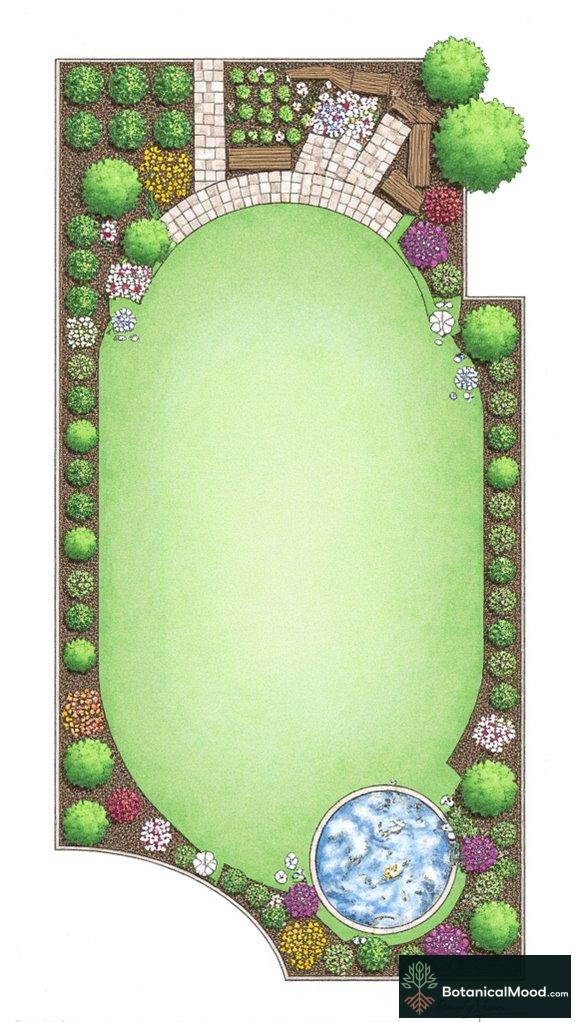
Designing a small space garden layout can transform even the most compact areas into vibrant green retreats, filled with life and charm.
To maximize garden accessibility, I often start with a straight pathway flanked by herb beds or cut flowers, creating a functional and inviting space.
Incorporating a small, curved lawn area keeps some greenery while reducing maintenance demands.
Plant placement is essential; I choose long-blooming perennials like *Erysimum* and repeat-flowering roses for sustained visual interest.
A bold focal feature, like a circular path around a water element, enhances the design, while strategically positioned seating provides relaxation spots.
Creating Functional Garden Zones

When you envision a small garden, it’s easy to overlook the potential for creating distinct zones that cater to various activities and moods.
By employing functional zoning benefits, I’ve transformed my small space into an inviting sanctuary.
Transforming a small space into an inviting sanctuary is possible through the art of functional zoning.
Here are a few inspiring zone themes:
- Relaxation Zone: A cozy nook with comfortable seating and sensory plants like lavender.
- Dining Zone: A charming area with a table illuminated by soft lighting, perfect for evening gatherings.
- Cultivation Zone: Productive beds that mix flowers with edible plants for beauty and utility.
- Play Zone: An interactive space for kids, featuring natural boundaries with hedges or rockeries.
Creating these zones not only enhances usability but also amplifies the garden’s aesthetic charm—something I deeply appreciate at Botanical Mood.
Questions and Answers
Can I Incorporate Nature-Inspired Decor on a Tight Budget?
Absolutely, you can seamlessly incorporate nature-inspired decor on a tight budget!
I often explore thrift store finds, transforming vintage items into beautiful DIY projects. For instance, I’ve upcycled old bicycles into charming plant holders, and ceramic pots into delightful birdbaths.
You can craft rustic pathways by painting stones, adding unique character. Embrace your creativity with affordable materials and let your garden bloom with personality, all while keeping your wallet happy!
What Are the Best Plants for a Small Nature-Inspired Garden?
For a small nature-inspired garden, I recommend using native plants and container gardening.
Consider incorporating low-growing perennials like wild bergamot and butterfly milkweed, which attract pollinators and offer stunning colors.
Use containers for climbing plants, like runner beans or flowering vines, to maximize space. Mixing textures with ferns and hellebores creates a lush aesthetic.
My passion for gardening led to creating Botanical Mood, where I share innovative ideas for green spaces.
How Do I Maintain Nature-Inspired Decor Throughout the Seasons?
Maintaining nature-inspired decor throughout the seasons feels like weaving a tapestry of ever-changing beauty.
I focus on seasonal updates, rotating my potted plants to showcase spring tulips and autumn chrysanthemums, enhancing vibrancy.
I guarantee decor protection by bringing in delicate art during harsh weather.
Adding wildlife-friendly elements, like bird feeders, keeps my garden lively year-round.
Ultimately, I created Botanical Mood to share this harmony and inspire others to celebrate nature through thoughtful design.
Is It Possible to Design a Nature-Inspired Garden in an Urban Setting?
Yes, it’s absolutely possible to design a nature-inspired garden in an urban setting!
I’ve seen urban wildlife flourish in small spaces, especially with green balconies adorned with pollinator-friendly plants.
By layering vegetation, utilizing vertical elements, and incorporating reclaimed materials, we can create immersive oases that both charm and benefit nature.
This innovative approach not only enhances our connection to the environment but also cultivates a sanctuary amidst the urban hustle, where beauty and functionality coexist.
What Are Some Common Mistakes to Avoid in Small Garden Decor?
In small gardens, I’ve learned to avoid common mistakes like overcrowded spacing and clashing styles.
Too many plants suffocate their beauty, while mismatched colors create chaos. Instead, I choose a cohesive theme, allowing space for each plant to thrive.
It’s crucial to contemplate sun exposure and soil conditions for vibrant growth.
References
- https://raleighrealty.com/blog/gardening-statistics-trends
- https://www.monarchgard.com/thedeepmiddle/fundamentals-of-natural-garden-design
- https://www.frontiersin.org/journals/psychology/articles/10.3389/fpsyg.2016.00088/full
- https://www.shrubhub.com/blog/beautiful-modern-garden-ideas.php
- https://hittlelandscape.com/blog/backyard-design-natural-elements/
- https://blog.firsttunnels.co.uk/sustainable-garden-design/
- https://www.backyardboss.net/naturalistic-landscape-design/
- https://northcoastgardening.com/2012/08/wildlife-garden-design-shape/
- https://joegardener.com/podcast/benefits-naturalistic-garden-kelly-norris/
- https://www.instagram.com/p/CY9kwe7Kv59/