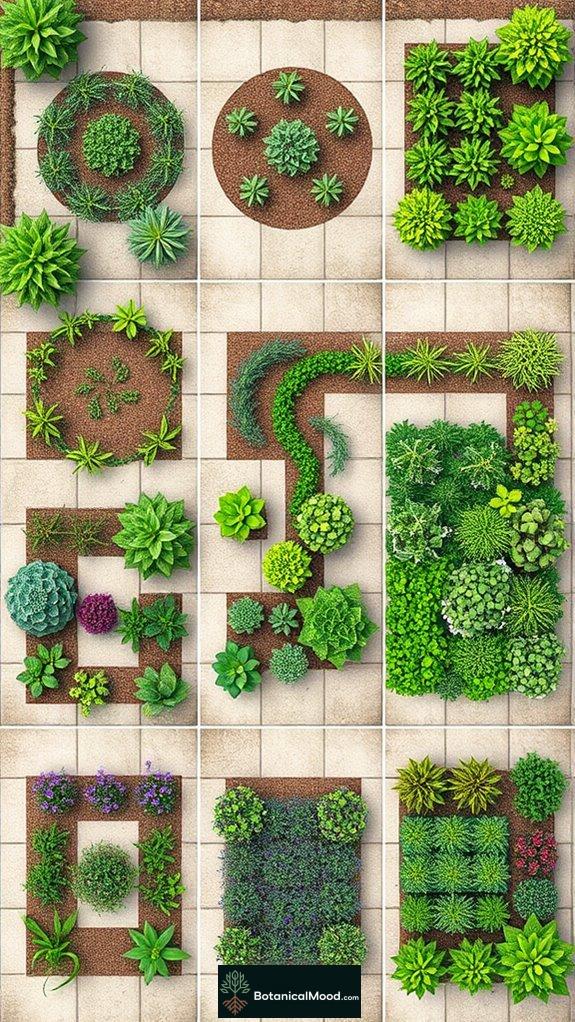
7 Best Brick-Bordered Herb Garden Design Ideas
Transform Your Yard with These Brick-Bordered Herb Gardens
Ever looked at your sad patch of dirt and thought, “I should grow something other than weeds”?
I finally tackled my outdoor chaos last spring with a brick-bordered herb garden. The Classic Raised Bed became my basil and rosemary haven, though I nearly killed everything that first month.
For tight spaces, I’m obsessed with the Vertical Herb Garden with brick support. Compact yet impressive when guests visit.
The Curved Brick design adds that natural touch I desperately needed after my “straight-line obsession” phase.
Want practicality with style? Try the Tiered approach for optimal sunlight. My oregano finally stopped looking so… depressed.
How My Disaster-Turned-Dream Garden Taught Me Patience
My first brick-bordered herb garden was an absolute nightmare. I’d watched exactly two YouTube videos and suddenly thought I was a master landscaper. The bricks I selected were mismatched yard sale finds, and my initial layout resembled something created by a toddler with building blocks.
Three weekends of frustration later, I finally consulted my neighbor Martha (a retired landscape architect—talk about lucky). She taught me about proper drainage, north-facing considerations, and how certain herbs actually hate each other when planted too close (who knew plants had social preferences?).
Now my little herbal sanctuary features proper capstones, deliberate spacing, and a charming rustic pathway that actually serves a purpose beyond Instagram photos. The rosemary and sage finally coexist peacefully.
Quick Takeaways
- Create a charming classic raised brick bed (3×6 feet) for sturdy herb gardening, ideal for basil, rosemary, and thyme.
- Utilize curved brick borders for a natural look, providing visual appeal and suitable for herbs like cilantro and sage.
- Design a brick circle herb garden (3-6 feet diameter) for easy access and companion planting benefits.
- Employ vertical herb gardens with brick support to maximize small spaces while growing herbs like mint and chives.
- Integrate a tiered brick herb garden for enhanced drainage and sunlight, perfect for a variety of herbs including parsley and thyme.
Classic Raised Brick Bed Design
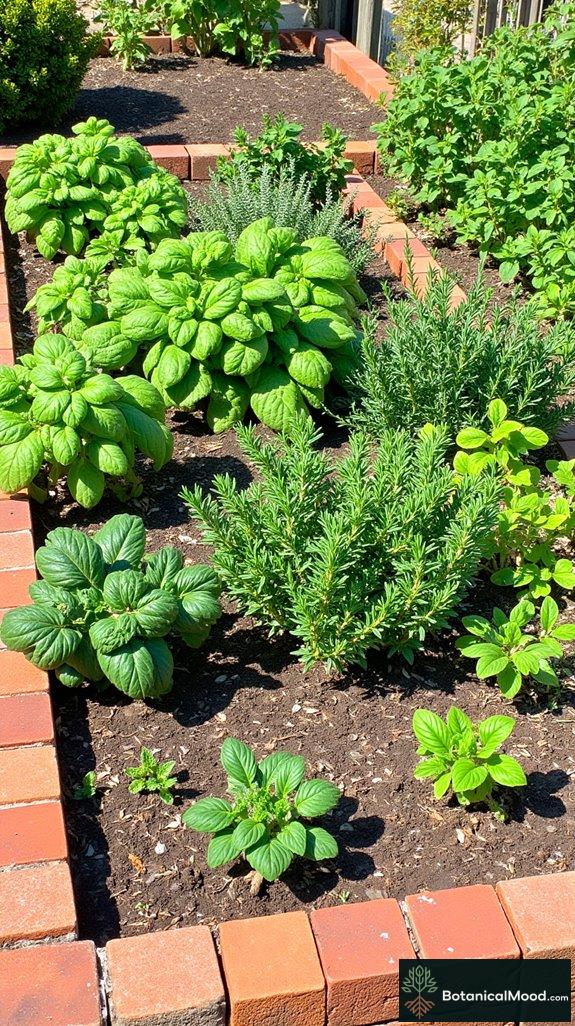
A classic raised brick bed offers an elegant and sturdy structure for your herb garden. Typically measuring 3×6 feet, these beds provide ample space for a variety of herbs.
Elevate your herb garden with a timeless raised brick bed, providing elegance and durability in a 3×6 foot space.
Constructed from durable bricks, they create a timeless aesthetic while guaranteeing proper drainage. The raised design promotes excellent air circulation, making it ideal for gardening enthusiasts. Commonly, you’ll find plants like basil, rosemary, thyme, and mint thriving within this stylish enclosure. Additionally, creating a sturdy border around your herb garden can help delineate the space and enhance its visual appeal.
Selecting Plants for Your Brick Herb Garden
When selecting plants for your brick bed, consider both culinary and aesthetic qualities:
- Basil: Great for cooking, especially in Italian dishes.
- Thyme: Low-growing and drought-resistant.
- Chives: Adds a mild onion flavor to dishes.
- Oregano: Hardy and perfect for Mediterranean meals.
- Mint: Fragrant and versatile, but can spread quickly.
Designing Your Raised Brick Herb Bed
To design a classic raised brick herb bed, follow these steps:
- Choose a Sunny Location: Guarantee a minimum of 6 hours of sunlight daily.
- Plan a Square or Rectangular Shape: Fit your available space and access needs.
- Lay Bricks Carefully: Level them to create a uniform height.
- Select Companion Plants: Pair herbs that enjoy similar growing conditions.
Pro Tips:
- Space plants 12-18 inches apart for ideal growth.
- Arrange taller plants like basil in the back and shorter herbs in front for visual appeal.
Seasonal Care & Maintenance for Your Brick Herb Bed
Regularly water, fertilize, prune, and monitor for pests throughout the year to keep your raised brick bed thriving.
Curved Brick Borders for a Natural Look
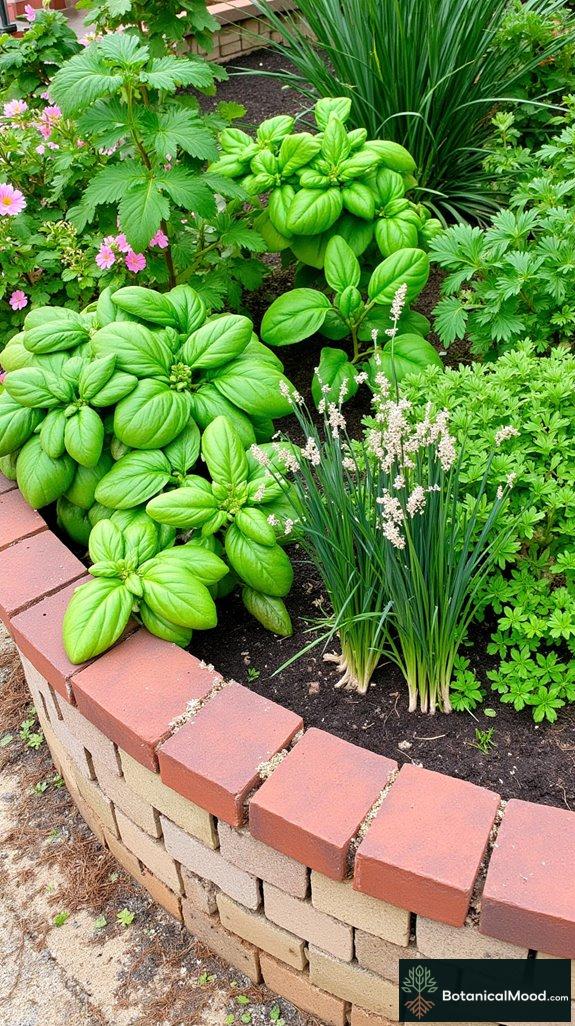
Curved brick borders create a visually appealing and organic structure for herb gardens, blending seamlessly with natural environments. An ideal size for a curved bed is around 4 feet in diameter, allowing ample space for a variety of herbs. In addition to bricks, consider incorporating woodland plants that thrive in shaded areas, which can enhance the overall beauty of the garden.
Using red or beige bricks, the border gives a charming rustic feel, while curved layouts soften the garden’s geometry. Select herbs like basil, rosemary, thyme, or mint to fill this vibrant, aromatic space, complementing each other’s growth habits. Choose quality soil with good drainage to promote healthy plant growth.
Choosing the Right Herbs for Your Curved Brick Garden Bed
When selecting plants for your herb garden, consider their compatibility, sunlight needs, and growth habits. Suggested plants include:
- Basil
- Cilantro
- Oregano
- Chives
- Sage
Designing Your Curved Brick Herb Garden Bed for Best Growth
To design your curved herb garden, consider the following tips:
- Assess sunlight exposure; most herbs thrive in 6-8 hours of sun daily.
- Plan the curvature with a gentle sweep to enhance movement and accessibility.
- Space plants 12-18 inches apart to guarantee proper air circulation and growth.
Pro Tip: Use taller herbs like rosemary at the back or center of the curve, gradually making way for shorter herbs toward the front edges.
Seasonal Care and Maintenance for Your Herb Garden Bed
Regularly water, fertilize with organic options, prune plants for shape, and monitor for pests throughout the seasons to maintain a thriving herb garden.
Tiered Brick Herb Garden
Tiered Brick Herb Garden
A tiered brick herb garden adds both style and functionality to your outdoor space. Typically running 4-6 feet in length and 2-3 feet in height, this design consists of layered sections, each filled with rich soil and bordered with durable bricks. The layout showcases a visually appealing sloped effect, enhancing drainage while providing ample sunlight access to every plant. Ideal herbs for this design include basil, thyme, rosemary, and parsley. Materials like reclaimed bricks give a rustic charm, while the soil mix should preferably contain compost and organic matter for maximum growth. Additionally, divided trough herb gardens serve as a trendy option for organizing various herbs in a compact space.
A tiered brick herb garden beautifully blends aesthetics and functionality, maximizing space while providing an ideal environment for your favorite herbs.
How to Select Herbs for a Tiered Brick Herb Garden
When selecting plants, consider your culinary preferences, climate, and sunlight availability. Here’s a list of ideal herbs:
- Basil
- Oregano
- Chives
- Mint
- Sage
Designing Your Tiered Brick Herb Garden
To design your garden, follow these steps:
- Choose the Location: Confirm a sunny spot with good drainage.
- Plan Your Levels: Create at least three tiers for varied plant heights.
- Space Wisely: Place taller herbs like basil at the back and shorter ones like chives in front.
- Pro Tip: Use vertical gardening solutions by adding trellises for climbing herbs like mint.
- Arrange for Aesthetics: Mix leafy herbs with flowering varieties for a vibrant look.
Seasonal Care and Maintenance for Your Herb Garden
Maintain your tiered herb garden with regular watering, monthly fertilizing, seasonal pruning, and proactive pest control throughout the year.
Brick Circle Herb Garden
A brick circle herb garden is an inviting and functional planting bed designed as a circular shape bordered by bricks. Typically, the diameter can range between 3 to 6 feet, allowing for ample growing space while remaining compact. The arrangement fosters easy access from all sides, ideal for harvesting fresh herbs.
Materials like durable bricks or pavers create a defined border, while soil within the circle provides an excellent growing medium for various herbs. Commonly used plants include basil, thyme, rosemary, and parsley, which thrive in full sun and well-drained soil.
Selecting Plants for Your Brick Circle Herb Garden
To choose plants for your brick circle herb garden, consider sun exposure, fragrance, and growth habits. Here are some suitable options:
- Basil
- Oregano
- Cilantro
- Mint
- Chives
Select herbs that complement each other in both flavor and light requirements.
Designing and Arranging Your Brick Circle Herb Garden
When designing your brick circle herb garden, keep in mind these planning tips:
- Prepare the soil by tilling and enriching it with compost.
- Lay bricks to form a secure, circular border.
- Arrange taller herbs like rosemary towards the center and shorter ones like chives along the edge.
- Space plants about 12 inches apart for optimum growth.
Pro Tip: Use companion planting techniques to enhance growth and deter pests.
Seasonal Care and Maintenance for Your Brick Circle Herb Garden
Regularly verify proper watering, fertilizing with organic options, pruning for healthy growth, and keeping an eye on pests throughout the seasons.
Vertical Herb Garden With Brick Support
A vertical herb garden supported by bricks offers a unique and space-saving solution for garden enthusiasts. Typically designed as a rectangular or square bed, this planting structure ranges from 2 to 4 feet in height and can spread 3 to 5 feet wide.
A brick-supported vertical herb garden is a stylish, space-efficient solution for gardening lovers, reaching heights of 2 to 4 feet.
Crafted from durable bricks or pavers, this garden not only provides stability but also contributes to an attractive aesthetic. Ideal herbs to include are basil, rosemary, thyme, and mint, which flourish in well-draining soil. Use a mix of potting soil and compost to enrich the bed and promote healthy growth.
How to Select Plants for a Vertical Herb Garden
When selecting plants for your vertical bed, consider the following criteria:
- Sunlight: Most herbs thrive in full sun, so choose sun-loving varieties.
- Growth Height: Select compact plants to avoid crowding; consider vining options for higher spaces.
Suggested Plants:
- Basil
- Chives
- Oregano
- Parsley
- Thyme
Designing a Brick-Supported Vertical Herb Garden
To design your vertical herb garden effectively, follow these tips:
- Layout Planning: Position taller plants, like basil, at the back and shorter ones, like chives and thyme, in front.
- Spacing: Space plants about 12 inches apart for ample air circulation.
- Accessibility: Guarantee easy access to each plant for harvesting.
Pro Tips: Use vertical gardening pockets or containers within the bricks for additional growing space and to pair visual interest with easy maintenance.
Seasonal Care and Maintenance of Your Vertical Herb Garden
Guarantee consistent care by watering regularly, fertilizing every 4-6 weeks, pruning as needed to promote growth, and monitoring for pests throughout the seasons.
Rustic Brick Pathways Between Herb Beds

Creating a rustic herb garden defined by charming brick pathways brings both beauty and functionality to your outdoor space. Each planting bed typically measures 4 feet by 8 feet, arranged in a staggered layout to create walking space between rows. The rustic look comes alive through the use of red bricks, which can form winding paths, enhancing accessibility and aesthetic appeal.
Ideal plants for this environment include fragrant herbs like basil, oregano, rosemary, thyme, and chives, all thriving in sunny conditions.
How to Select Plants for Your Rustic Herb Garden
Choosing the right plants involves understanding their compatibility and growth habits.
Consider opting for:
- Basil
- Oregano
- Rosemary
- Thyme
- Chives
- Mint (in a contained space)
Designing and Planning Your Rustic Herb Garden Beds
To design a stunning herb garden with pathways, follow these tips:
- Plan the layout ensuring that pathways are at least 2 feet wide for easy access.
- Space plants 12 to 18 inches apart to allow for growth.
- Use taller herbs like rosemary at the back and shorter varieties like thyme in front.
- Incorporate companion planting for healthier growth.
Seasonal Care and Maintenance for Your Herb Garden
Provide consistent watering, apply organic fertilizers in early spring, prune regularly, and implement natural pest control methods throughout the growing season.
Edible Landscape With Brick Borders

Creating a brick-bordered edible garden elevates both aesthetics and functionality in your garden. A typical planting bed is approximately 4 feet wide by 10-12 feet long, allowing for easy access and efficient use of space.
The arrangement features raised beds bordered by brick, providing excellent drainage and warmth for your plants. Recommended plants include vegetables like tomatoes, basil, and peppers, along with edible flowers like nasturtiums. Materials such as clay bricks add a rustic, durable touch while allowing water to permeate through well.
How to Select Plants for Brick-Bordered Edible Garden Beds
When choosing plants for your brick-bordered edible garden, consider the following list for a successful mix:
- Tomatoes
- Bell Peppers
- Basil
- Rosemary
- Lettuces
- Strawberries
- Nasturtiums
Aim for a combination of herbs, vegetables, and edible flowers for a diverse and visually appealing bed.
Designing Your Edible Garden Bed with Brick Borders
Planning your brick-bordered bed begins with a sunny location that receives at least 6 hours of sunlight daily.
Here are essential tips:
- Spacing: Allow 18-24 inches between larger plants (like tomatoes) and 8-12 inches for smaller herbs.
- Layering: Place taller plants like tomatoes at the back and shorter herbs like basil at the front for visibility.
- Pro Tip: Utilize companion planting for pest control and enhanced growth!
Seasonal Care and Maintenance for Your Edible Garden Bed
FAQ
How Do I Choose the Right Herbs for My Garden?
I choose herb varieties based on my cooking needs and their growth habits. I love companion planting, too; pairing complementary herbs not only maximizes space but also enhances flavor and keeps pests at bay.
Can I Use Recycled Bricks for My Herb Garden?
Of course you can use recycled bricks! They’re eco-friendly, boosting your herb garden’s aesthetics while saving the planet. Who needs new bricks when repurposed ones offer character and charm? Go green and grow culinary delights!
What Maintenance Do Brick Borders Require?
Brick upkeep’s pretty minimal! I regularly check for loose bricks and weeds. To guarantee border longevity, I clean debris and occasionally refill gaps with soil. It keeps my garden looking neat and vibrant without too much hassle!
How Can I Prevent Weeds in My Brick-Bordered Garden?
I prevent weeds in my brick-bordered garden by applying mulch around my herbs and ensuring proper spacing between plants. This creates a healthier environment, allowing my herbs to thrive while minimizing unwanted growth. It’s liberating!
Are There Specific Soil Requirements for Herbs in Brick Gardens?
I use well-draining herb soil with a mix of compost and sand. It meets my herbs’ drainage needs perfectly, ensuring they thrive while I enjoy my garden’s bounty without worrying about soggy roots.
Summary
When designing my herb garden, I’ve found magic beyond plants. Brick borders—raised, tiered, or curved—enhance both beauty and function in my garden space. I mix design elements to create a personal sanctuary that feeds both body and soul.
Have you experimented with brick borders in your herb garden? Share your successes and challenges with incorporating these features into your green space.
We’d love to see your garden designs! Drop a photo of your herb garden in the comments with details about your design choices. What brick patterns or layouts have worked best for your space?