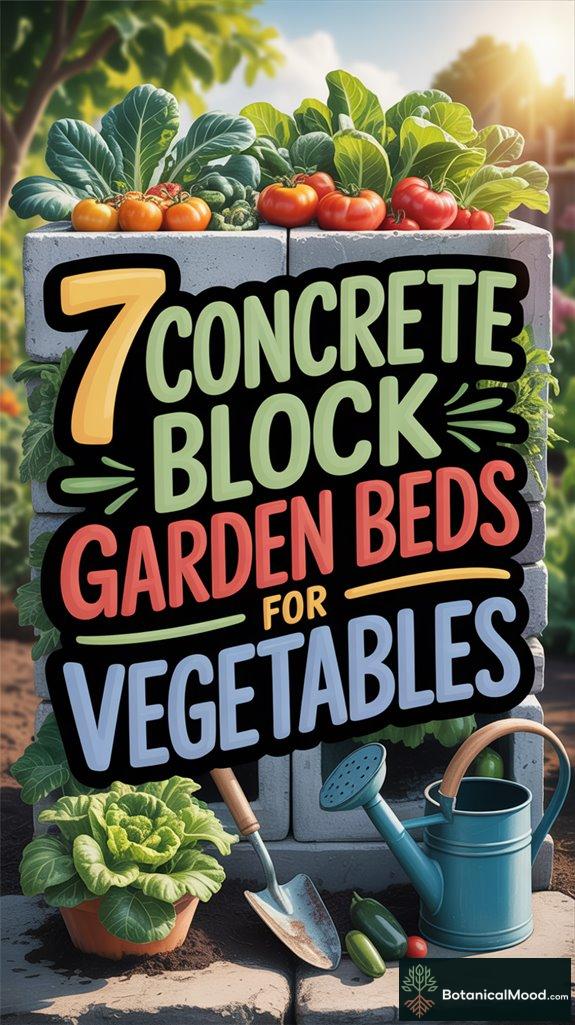
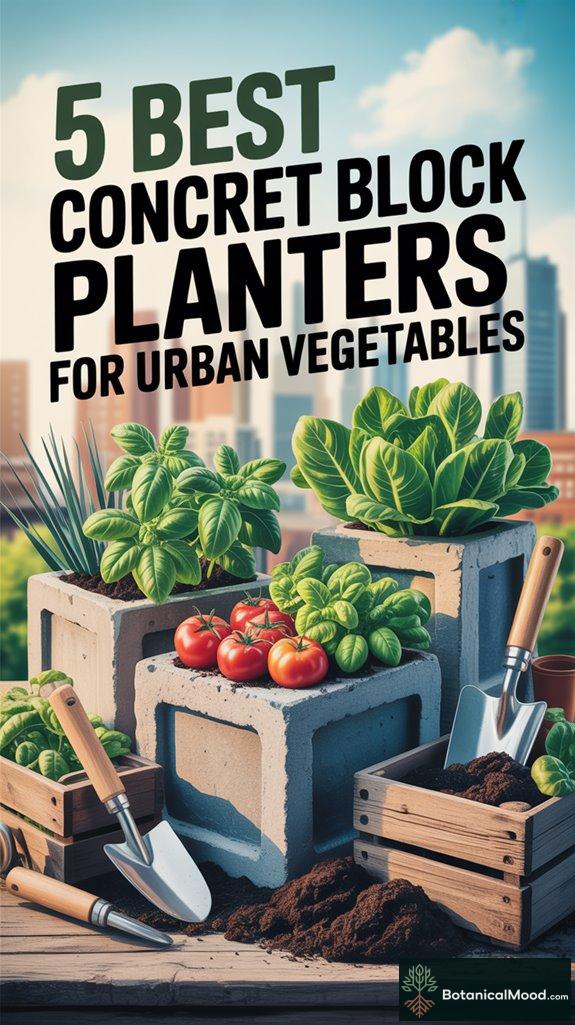
9 Raised Concrete Block Garden Beds Ideas
Raised concrete block garden beds? Oh, they’re not just for show; they’re practically the Swiss Army knife of gardening!
I learned that when I tried creating my own.
Raising the beds to a comfy height was key. Sure, a little backache now and then might add character, right? And let’s not forget turning those sturdy blocks into extra seating—innovative, I’d say.
Stability is everything, so I partially buried them. Yup, just a bit of dirt and magic to enhance drainage!
As for sustainability, seriously, have you ever tried engaging with your neighbors? It’s like a gardening therapy session!
Now, let’s get real—how do we manage seasonal upkeep? That’s the million-dollar question!
My Journey to an Eco-Friendly Garden Oasis
So, I once decided it’d be great to host a gardening workshop at my place. What a disaster—until I upgraded my raised beds!
I remember the thrill of filling those concrete blocks with rich, nutrient-dense soil. Folks were amazed at the drainage and accessibility. The laughter echoed as I explained my genius plan to turn garden space into seating.
Now, I’ve got an eco-friendly sanctuary bursting with veggies! In my quest for sustainable gardening, I’ve learned about companion planting and organic pest control—experiences I’d love to share.
Creating that vibrant community spirit made the journey worthwhile. Who knew blocks could build not just gardens but friendships?
Quick Takeaways
- Combine concrete block garden beds with colorful flowers to create visually appealing designs that enhance the garden’s aesthetic charm.
- Stack concrete blocks to create vertical planters, optimizing space for herbs and compact vegetables.
- Use hollow blocks to plant trailing herbs like mint, allowing for attractive cascading foliage.
- Install trellises within concrete block beds to support climbing plants, maximizing vertical gardening opportunities.
- Incorporate decorative features, such as embedded stones or painted blocks, to personalize your concrete garden bed design.
Ideal Height Configurations for Accessibility

Raised concrete block garden beds are an excellent way to cultivate flowers, vegetables, or herbs in a structured, durable format. Typically constructed to heights between 18 to 36 inches, these beds guarantee easy access for gardeners of all abilities. Additionally, the modular design of concrete block gardens allows for flexible configurations to suit any garden space.
The blocks can be arranged in various shapes like rectangles or squares, providing a tidy and visually appealing layout. Common materials include concrete blocks, gravel for drainage, and soil enriched with compost. To construct, stack the concrete blocks in your desired configuration, fill with a nutrient-rich growing medium, and plant your selections.
Selecting Plants for Your Raised Bed
When choosing plants for a raised concrete block garden bed, consider sunlight, plant height, and companion planting. Here are some suggestions:
- Tomatoes
- Lettuce
- Peppers
- Marigolds
- Basil
- Radishes
Designing Your Raised Garden Bed
To creatively design your raised concrete block bed, start with a layout sketch. Essential tips include:
- Center taller plants like tomatoes in the back.
- Space smaller plants, such as lettuce, in the front.
- Use companion planting to promote biodiversity and deter pests.
- Follow a planting density of 1-2 plants per square foot for smaller crops.
Pro tip: Guarantee each plant receives adequate sunlight and water, adjusting space as necessary.
Benefits of Raised Beds for Gardening
Raised beds provide numerous advantages, including improved drainage, better soil quality, and extended growing seasons. They reduce pest exposure while lowering back strain, making gardening more enjoyable and accessible.
Creative Use of Capped Blocks for Seating

Raised concrete block garden beds offer a functional yet decorative solution for urban gardening. Constructed using durable cinder or concrete blocks, these beds can be varied in size—typically measuring 4 feet by 8 feet—to accommodate various plants.
Raised concrete block garden beds provide an attractive and practical solution for urban gardening, adapting to diverse plant needs with their customizable size.
Arrange blocks to create seating areas surrounding your garden, enhancing both accessibility and aesthetics. Common materials include mortar for securing blocks and a garden fabric to prevent weeds. Fill the beds with quality soil and compost, ensuring proper drainage. Concrete block vegetable planters are a fantastic way to incorporate modern design into your gardening space.
Selecting Plants for Your Raised Bed
Consider selecting plants that thrive in the same light and moisture conditions. Here are some excellent choices:
- Herbs: Basil, Mint, Rosemary
- Vegetables: Tomatoes, Lettuce, Peppers
- Flowers: Marigolds, Nasturtiums, Pansies
Designing Your Capped Block Garden Bed
To plan an effective layout for your raised bed, follow these tips:
- Sunlight: Assess the light requirements of each plant and position accordingly.
- Height: Place taller plants at the back or center for visibility.
- Spacing: Allow adequate space for growth; typically 12-18 inches between plants.
- Layouts: Experiment with circular or mixed rows to create visual interest.
- Pro Tip: Use companion planting to maximize space and protect plants from pests.
Enjoying Your Outdoor Space
Creating an inviting outdoor environment can enhance relaxation and promote well-being. Incorporating elements like seating, pathways, and decorative features will encourage more time spent in your garden area.
Consider adding string lights or outdoor artwork to elevate the ambiance in your garden retreat.
Enhanced Stability With Partially Buried Lower Blocks

Partially buried concrete block garden beds offer enhanced stability and a unique look. Typically, these beds range from 3 to 4 feet in width and can be any length, allowing for versatile layout options. The design features lower blocks sunken into the soil, creating a solid foundation and improved drainage. Constructed from durable concrete, these blocks can withstand the elements, making them suitable for a variety of climates. This method of construction also allows for better water management, ensuring your plants receive the right amount of moisture without waterlogging.
Select low-maintenance plants, vibrant flowers, or productive vegetables to grace your garden. A compact arrangement not only maximizes space but also provides a well-defined structure for your garden.
Selecting Plants for Your Raised Bed
When choosing plants for your concrete block garden bed, consider the sun exposure and soil conditions. Here are some great plant options:
- Tomatoes
- Peppers
- Herbs (basil, parsley)
- Strawberries
- Marigolds
Designing Your Concrete Block Garden Bed
To design your raised garden bed, follow these tips:
- Layout: Opt for a rectangular shape for easy access.
- Stagger plants for visual interest and ideal sunlight exposure.
- Space plant varieties according to their height and spread (e.g., taller plants in the back).
- Pro tip: Use companion planting to deter pests and promote growth.
Creating an Inviting Outdoor Space
Transform your garden bed into a cozy outdoor retreat by incorporating elements such as seating areas, path walkways, and decorative stones. Using diverse plants can create layers of texture and color, enhancing your garden’s charm and inviting wildlife.
Optimizing Soil Management With Hollow Block Filling

Raised concrete block garden beds are sturdy, customizable structures perfect for gardening enthusiasts. Typically, they come in various sizes, ranging from 4×4 feet to larger 4×8 feet arrangements, and can be configured in square or rectangular layouts.
The height allows for ideal soil drainage, mixing hollow blocks with organic matter to enhance soil fertility. Plants that thrive in these beds include vegetables, herbs, and ornamental flowers. Construct these beds by stacking concrete blocks, ensuring stability and accessibility for easy maintenance. Additionally, utilizing hollow block filling can further improve the moisture retention and nutrient availability in your garden beds.
How to Select Plants for Concrete Block Beds
When selecting plants for your concrete block garden bed, consider climate, sunlight, and your personal preference. Here are some suitable plants for this setup:
- Cherry Tomatoes
- Basil
- Swiss Chard
- Marigolds
- Strawberries
Designing Your Concrete Block Garden Bed
When designing your raised garden bed, consider the following:
- Sunlight Exposure: Choose a location with at least 6-8 hours of sunlight.
- Plant Height: Place taller plants at the back for ideal light.
- Companion Planting: Mix crops like tomatoes with basil for improved growth.
- Spacing: Space plants adequately to allow airflow—about 12-18 inches apart for larger crops.
- Layering: Incorporate taller plants to create visual interest.
Exploring Other Garden Bed Styles
When considering various garden bed styles, raised beds, containers, or traditional in-ground gardens can all have their unique benefits.
Raised beds provide better soil control, while container gardening offers flexibility in plant arrangement. Each style suits different gardening needs, making it essential to evaluate your available space and gardening goals for the perfect setup.
Designing Multi-Functional Garden Spaces

Raised concrete block garden beds are sturdy and customizable, ideal for growing various plants. Typically, they range in size from 4×4 feet to 4×12 feet, allowing ample space for your gardening ambitions. Using concrete blocks, you can create a lasting and aesthetically pleasing structure. Additionally, by incorporating customizable cinder block gardens, you can not only enhance functionality but also create unique designs tailored to your space.
The blocks can be arranged in an L-shape or rectangular formation, and fill them with nutrient-rich soil. This bed provides excellent drainage, temperature control, and makes gardening accessible for all ages. Common plants include vegetables like tomatoes and peppers, as well as herbs and perennial flowers.
Ergonomic Gardening Techniques With Raised Beds

Raised concrete block garden beds offer an excellent ergonomic solution for gardeners of all experience levels. These beds can be tailored to various sizes (typically 4×4 feet or 4×8 feet) and arranged in a layout that complements your garden space.
Constructed with sturdy concrete blocks, they provide durability and stability, making them ideal for growing vegetables, herbs, and flowers. The blocks create a well-drained environment while allowing for easy access and maintenance. Additionally, incorporating native rain garden plants can help to enhance the overall health and biodiversity of your garden.
Selecting Plants for Raised Beds
When choosing plants for your raised bed, consider your climate and the amount of sunlight the area receives. Here are some ideal plants:
- Tomatoes
- Lettuce
- Carrots
- Basil
- Spinach
- Peppers
Designing Your Raised Garden Bed
To design your raised garden bed, follow these tips:
- Map out your garden layout before planting.
- Space plants according to their mature size (e.g., 12-18 inches for tomatoes).
- Use companion planting for pest control and enhanced growth.
Pro tips: Group taller plants on the north side to prevent shade over shorter plants. Moreover, consider using trellises for vines like cucumbers to maximize space.
Benefits of Vertical Gardening
Vertical gardening can further enhance your raised beds, optimizing space while providing extra sunlight and air circulation.
It also allows for creative designs and efficient use of resources, making your gardening experience even more enjoyable.
Incorporating Drainage Solutions With Block Hollows

Raised concrete block garden beds provide excellent structure and drainage solutions, utilizing hollow blocks that encourage healthy soil moisture levels.
Typically 12-18 inches high, these beds can be arranged in various geometries, allowing for versatile layouts.
Constructed using weather-resistant concrete blocks, the overall look is modern and functional, with potential for creative designs through block placement.
Ideal plants include herbs, vegetables, and flowers, which thrive in nutrient-rich soil.
Selecting Plants for Concrete Beds
When choosing plants for raised concrete block garden beds, consider your climate, light exposure, and drainage.
Recommended plants include:
- Tomatoes
- Basil
- Lettuce
- Marigolds
- Peppers
Designing Your Garden Bed Effectively
To design an effective raised garden bed using concrete blocks, start with a plan that includes dimensions and desired plant types.
Tips for planning:
- Measure and mark the area before construction.
- Focus on companion planting for better growth.
- Space plants 12-18 inches apart to guarantee adequate air circulation.
Pro tips: Use taller plants at the back and smaller ones in front for visual aesthetics, and consider seasonal rotations to maximize space.
Importance of Soil Health in Gardening
Maintaining healthy soil is essential for a flourishing garden.
Opt for organic fertilizers and periodic soil tests to check nutrient levels.
Consider incorporating compost to improve soil structure and provide essential nutrients through natural processes, thereby enhancing plant growth and resilience against pests.
Utilizing Community Resources for Concrete Block Gardens

Concrete block garden beds are durable and customizable options for growing vegetables, herbs, and flowers. Typically, these beds measure 4 to 6 feet long and 2 to 4 feet wide, with heights of 12 to 18 inches.
Construct your garden by stacking concrete blocks in a rectangular or square arrangement, leaving space for drainage. Fill the interior with nutrient-rich soil, enhancing it with compost. The sturdy structure works well for a variety of plants, including tomatoes, peppers, and marigolds.
Utilize reclaimed concrete blocks for an eco-friendly touch!
Selecting Plants for Concrete Block Beds
When choosing plants for your concrete block garden, consider sunlight, spacing, and growth habits. Some excellent options include:
- Basil
- Zucchini
- Lettuce
- Snap peas
- Petunias
Designing Your Concrete Block Garden Bed
To design an appealing concrete block garden, follow these helpful tips:
- Plan the layout for height and color contrast.
- Space plants adequately, with taller varieties at the back and shorter ones in front.
- Consider companion planting for pest control.
- Maintain 18-24 inches between plants for airflow and growth.
Exploring Local Gardening Clubs
Joining local gardening clubs can be a valuable resource. These organizations often share tips on sustainable practices, organize community gardens, and offer valuable networking opportunities.
Participation encourages collaboration and shared gardening wisdom among enthusiasts, enriching your gardening experience.
Sustainable Soil Choices for Long-Lasting Growth

Raised concrete block garden beds provide an excellent structure for growing vibrant plants. These beds vary in size, typically ranging from 4×4 feet to 4×8 feet, and can be arranged in any shape that suits your garden space. The concrete blocks create a sturdy layout, allowing for efficient drainage and soil retention.
Constructed by stacking blocks, they’re durable and easy to customize. Ideal for vegetables such as tomatoes, peppers, and herbs, these beds promote healthy root growth thanks to superior soil choices like compost, peat moss, and natural fertilizers.
Selecting Ideal Plants for Raised Beds
When choosing plants for your raised concrete block garden, consider sun exposure, growth habits, and maintenance needs. Here are some ideal options:
- Tomatoes
- Peppers
- Basil
- Lettuce
- Radishes
Designing and Planning Your Planting Bed
Creating a well-designed planting bed involves careful planning. Here are some tips:
- Start by choosing a sunny location.
- Use a soil mix of compost, organic material, and loam.
- Space plants according to their mature size to avoid overcrowding—approximately 12-18 inches for larger plants and 6-12 inches for smaller ones.
- Consider companion planting to enhance growth.
- Pro tip: Label your plants to track progress and maintenance needs.
Exploring Vertical Gardening Techniques
Vertical gardening is an innovative approach that maximizes space and enhances air circulation. By using trellises, wall planters, or even hanging pots, you can cultivate a diverse array of plants in limited spaces.
This technique not only beautifies your garden but also facilitates easier harvesting and maintenance.
Seasonal Planting Bed Upkeep

Though it may be easy to overlook, seasonal upkeep of your planting beds is essential for sustaining vibrant plant life throughout the year. Here’s how I prepare for each season:
- Winter preparation: Mulch garden beds with organic material, like straw or shredded leaves, to insulate plant roots against frost.
- Regular weeding: Clear out weeds that compete for nutrients, ensuring plants thrive.
- Pest control: Monitor for pests, using natural repellents like neem oil to protect tender plants.
- Soil amendment: Test soil and add compost, enhancing nutrient availability for healthier growth.
Prioritizing these tasks turns my garden into a thriving ecosystem.
Summary
Building raised concrete block garden beds has truly transformed my outdoor space into a vibrant retreat. I’ve found that mixing design elements, like creating seating with capped blocks, not only adds charm but also helps me manage soil more effectively. It’s all about blending practicality with beauty for a thriving garden.
I’d love to hear about your experiences with raised garden beds. What designs have worked for you?
Feel free to share photos of your garden and your design ideas. I’m excited to see how you’ve created your own green oasis!