I can’t get over how stylish stackable concrete block gardens can elevate any space!
I mean, who knew these little blocks could look so good, right?
Trust me, I’ve seen my garden transform from drab to fab with these modular interlocking designs.
Plus, they’re a breeze for drainage! I’ve packed the cores with rich soil, then dropped in some basil and cherry tomatoes, and voilà!
Oh, and remember, taller plants in the back give it that Pinterest-perfect vibe. It’s like nature’s version of a high-rise!
Ever tried that?
It’s a green journey full of surprises!
Creating a Dreamy Urban Garden Oasis
Last summer, I hit a wall with my adorably cramped balcony. One afternoon, I swapped my cluttered pots for the stackable blocks. Imagine cramming in fresh herbs, mini peppers, and lush flowers in perfect harmony.
To say it was a game changer is an understatement. Each tier became a conversation starter—seriously, who can resist asking, “How did you do that?”
It turned my little urban space into a lush garden escape. Plus, using sustainable practices made me feel like Mother Nature herself—minus the rain.
Seriously, if I can whip up a gorgeous stackable garden, what’s stopping you? 🌱
Quick Takeaways
- Concrete blocks are durable and offer versatile designs, allowing for creative and stylish stackable garden arrangements.
- Staggered layers in block arrangements provide visual appeal and improve stability while creating pathways for easy access.
- Fill block beds with nutrient-rich soil to support a variety of plants, enhancing aesthetics and garden health.
- Optimize limited spaces using vertical gardening techniques and tiered arrangements to maximize planting areas in urban settings.
- Incorporate decorative features like garden art and stones to personalize and elevate the overall look of your garden.
Benefits of Using Concrete Blocks for Garden Beds
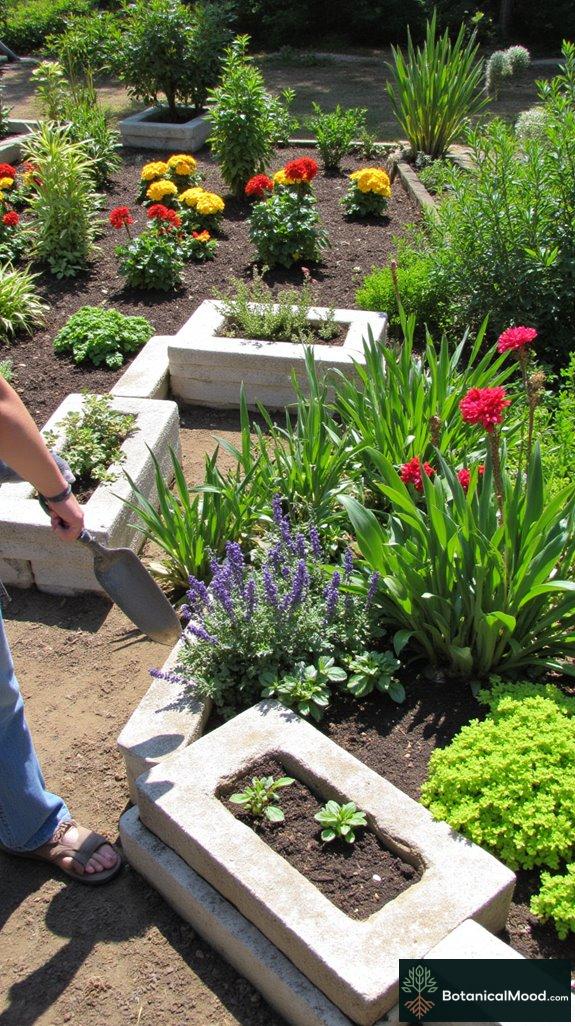
Concrete blocks provide durable and versatile options for creating stylish stackable garden beds. These planting beds can be arranged in various sizes and configurations, allowing for creative layouts and improved accessibility. Constructing your garden bed with concrete blocks involves stacking blocks securely, with gaps for soil and plants, ensuring drainage and preventing weed growth. You can fill the beds with nutrient-rich soil and a variety of plants, from colorful flowers to hardy vegetables. Additionally, using concrete blocks for urban gardening can help optimize limited space while adding a modern aesthetic to your outdoor area.
Selecting Plants for Concrete Block Beds
When selecting plants for your concrete block garden bed, consider sun exposure, moisture requirements, and growth habits. Here are some great options:
- Marigolds
- Zinnias
- Basil
- Cherry Tomatoes
- Lavender
Designing Your Concrete Block Garden Bed
To design your garden bed, follow these steps for an organized and attractive layout:
- Choose a full sun or partial shade location.
- Plan the arrangement of concrete blocks, ensuring stability and accessibility.
- Space plants according to their mature size, typically 12-18 inches apart.
- Layer plants based on height—taller in the back, shorter in the front for visibility.
Pro tip: Incorporate a trellis for climbing plants or vines to maximize vertical space and create visual interest.
Innovative Container Gardening Techniques
Container gardening is an excellent alternative for limited yard space. Use recycled materials like old buckets, wooden crates, or even plastic bottles to create unique plant displays.
Combining creative containers with various plants can enhance aesthetics and optimize space. Embrace vertical gardening, intercropping, and harmonious plant pairing for a thriving and beautiful garden.
Choosing the Right Block Size and Style
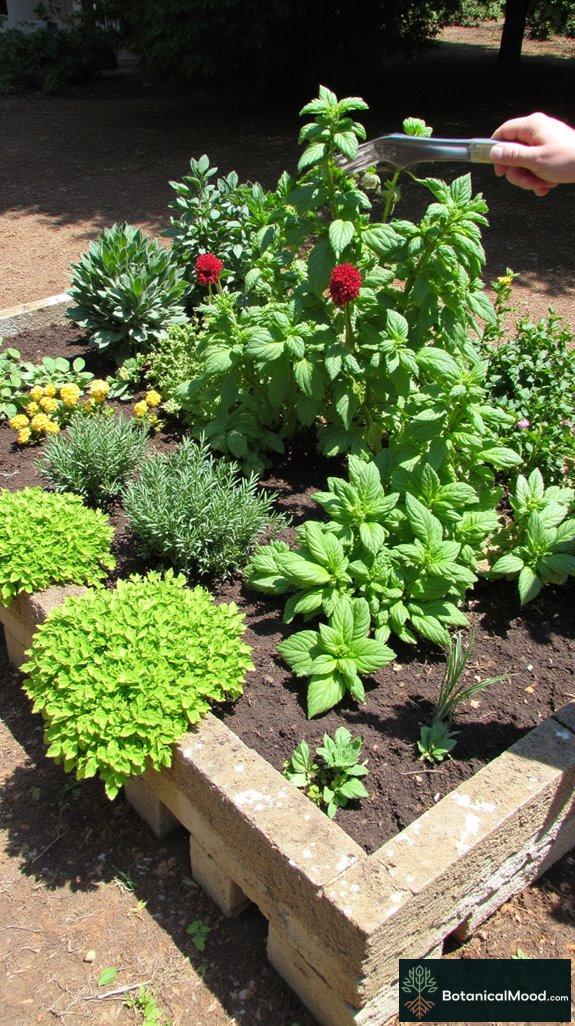
Stylish stackable block gardens provide a versatile and structured approach to gardening. These planting beds utilize materials like concrete, wood, or bricks, allowing for customizable sizes and configurations. The size of blocks typically ranges from 12 to 24 inches, facilitating easy stacking for stability and aesthetic appeal. Additionally, you can enhance the functionality of your garden by incorporating tire stack growing towers, which can add height and unique flair to your garden design.
Stackable block gardens offer a chic and adaptable way to cultivate your green space.
Arrange the blocks in a rectangular or L-shape layout to create distinct sections for different plant types. Suitable plants include herbs, vegetables, and flowers, offering a vibrant look and functional benefits. The construction involves leveling the ground, aligning the blocks securely, and filling them with soil and compost.
Construction Techniques for Stability

Stylish stackable block gardens offer a modern twist to traditional planting beds, combining aesthetics with functionality. Typically constructed with modular, interlocking concrete or wooden blocks, they can be arranged in a variety of sizes, from small square patches to expansive rectangular beds. Each layer can be staggered for a visually appealing look while providing excellent drainage and soil stability. Ideal plants include herbs, flowers, or vegetables, selected based on sunlight and soil moisture needs. The multi-tiered design allows for easy access and maintenance. Additionally, cinder block modular beds are known for their durability and versatility in various garden setups.
Selecting Plants for Stackable Block Beds
When selecting plants for your stackable block garden, consider the following:
- Sunlight Requirements: Choose plants based on light exposure.
- Height Variation: Include tall plants like sunflowers for the back or sides.
- Root Depth: Consider the root growth; deep-rooted plants may need additional soil.
Suggested Plants:
- Basil
- Marigolds
- Cherry Tomatoes
- Lavender
- Zinnias
Designing Your Stackable Block Garden
To design your stackable block garden effectively:
- Plan Layout: Sketch the arrangement of each block and plant.
- Spacing: Space plants according to their mature size, allowing airflow.
- Accessibility: Confirm each layer is reachable without disturbance.
Pro Tips:
- For taller plants, place them at the back or center.
- Mix perennials with annuals for all-season beauty.
- Use mulch to retain moisture and reduce weeds.
Exploring Vertical Gardening Techniques
Vertical gardening offers a unique way to maximize space in small areas.
Combining trellises, wall planters, and tiered containers can create lush green walls. This method not only enhances aesthetics but also increases air circulation, leading to healthier plants.
Utilize materials like repurposed pallets or hanging pots to add a touch of creativity to your gardening space.
Designing Your Garden Layout
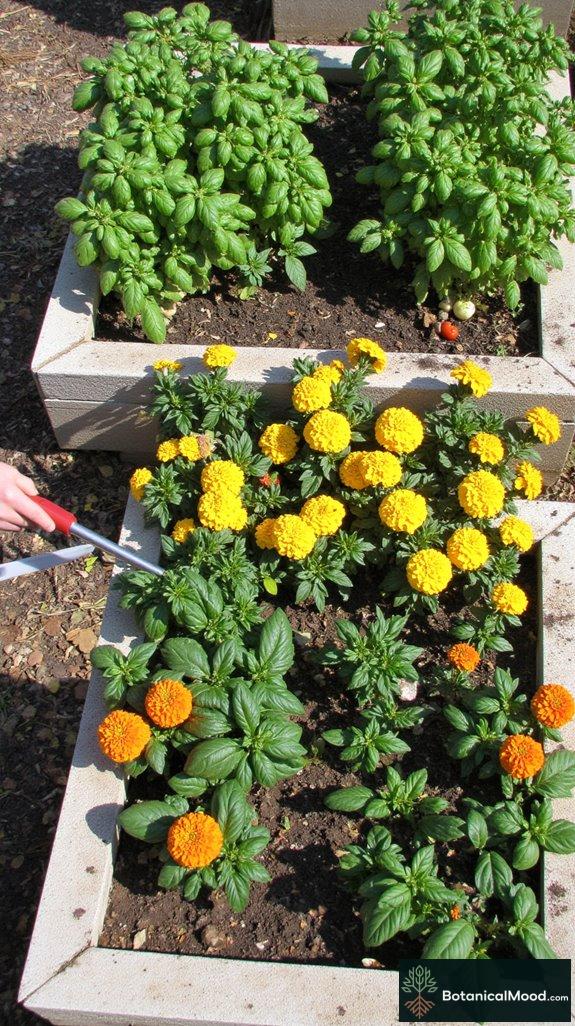
Stylish stackable block gardens are a modern and versatile gardening solution, perfect for maximizing space in urban areas or small backyards. Typically, these beds are constructed from durable materials such as concrete blocks, wood, or stone, allowing for various designs and settings. Sizes can range from small square plots to larger rectangular designs, accommodating plants at different heights for visual interest. The overall layout often features tiered planting layers, promoting proper drainage and sunlight access. Ideal plants include herbs, vegetables, and flowers, which can thrive in this structured environment. Customizable cinder block vegetable gardens can enhance both aesthetic appeal and functionality in your gardening space.
Selecting Plants for Stackable Block Gardens
To guarantee a vibrant garden, consider the following criteria when selecting plants:
- Sunlight Requirement: Choose sun-loving or shade-tolerant plants based on your garden’s positioning.
- Height Variance: Select a mix of tall plants (like sunflowers) and low-growing flowers (like alyssum).
- Growth Habit: Opt for cascading varieties (like trailing thyme) for top rows.
- Companion Planting: Combine compatible plants to enhance growth and deter pests.
Suggested Plants:
- Basil
- Cherry Tomatoes
- Marigolds
- Strawberries
- Lavender
Designing Your Stylish Block Garden
When designing your stackable block garden, follow these practical tips:
- Plan Layout: Sketch a design on paper before construction.
- Block Arrangement: Use staggered stacking for an aesthetically pleasing look.
- Adequate Spacing: Leave at least 12-18 inches between taller and shorter plants to avoid overcrowding.
- Layering Technique: Position larger plants at the back and smaller ones at the front for visibility.
Pro Tips:
- Incorporate a drip irrigation system for ease of watering.
- Use decorative rocks or mulch for added appeal and to retain moisture.
Exploring Container Gardening Techniques
Container gardening offers a flexible way to incorporate plants into limited spaces. With proper drainage and suitable soil, herbs and vegetables can thrive in pots of varying sizes, allowing you to customize your garden arrangement.
Consider using vertical structures for climbing plants, making the most of vertical space while achieving a colorful display.
Filling Hollow Cores for Enhanced Strength

Creating stylish stackable block gardens involves constructing planting beds that not only look great but also provide strength and durability. These beds typically utilize interlocking concrete blocks or bricks, arranged to form a raised garden. The size can vary based on available space—common dimensions are 4×4 feet or 3×6 feet.
For enhanced strength, hollow cores within the blocks can be filled with gravel or soil, adding stability and aiding in drainage. Plants like herbs, seasonal flowers, or even compact vegetables thrive in these gardens. Additionally, consider incorporating a vertical herb garden to maximize space and diversify your planting options.
Selecting the Best Plants for Your Bed
When selecting plants for your stackable block garden, consider the following:
- Herbs: Basil, thyme, rosemary
- Flowers: Marigolds, petunias, zinnias
- Vegetables: Cherry tomatoes, lettuce, radishes
Designing Your Stylish Stackable Garden
To design your stackable block garden effectively, follow these tips:
- Plan your layout: Consider sunlight, accessibility, and aesthetic appeal.
- Spacing: Maintain 12-18 inches between plants for proper growth.
- Layering: Position taller plants at the back and shorter ones at the front for better visibility.
- Pro Tip: Incorporate a drip irrigation system for easy watering.
Exploring Sustainable Gardening Practices
Sustainable gardening practices not only enhance your garden’s health but also promote biodiversity. Incorporate composting methods, utilize native plant species, and practice crop rotation for a thriving ecosystem.
Modular Lightweight Concrete Panels: A Stylish Option

Modular lightweight concrete panels offer a chic and functional solution for creating stylish stackable block gardens.
These panels, usually sized 2×2 feet, easily interlock for flexible arrangements, providing a contemporary look. You can design your planting beds in varied layouts—rectangular, square, or even curves.
Modular lightweight concrete panels offer versatile interlocking designs, enabling chic garden layouts in various shapes like rectangles, squares, or curves.
With a smooth surface for easy maintenance, these panels require minimal material stress, making them ideal for urban gardening. Constructed with reinforced, lightweight aggregates, they’re durable yet easy to handle, ideal for vegetable, herb, or decorative flower gardens. Additionally, incorporating pollinator-friendly plants into your design will help you create a vibrant ecosystem that supports local bee populations.
Selecting Plants for Your Modular Bed
When choosing plants for your modular lightweight concrete panel garden, consider the following:
- Herbs: Basil, mint, cilantro
- Vegetables: Cherry tomatoes, lettuce, peppers
- Flowers: Marigolds, petunias, geraniums
Choose plants based on sunlight, moisture, and space for growth.
Designing Your Stackable Garden Bed
To design your stackable block garden, follow these tips:
- Plan Layout: Determine the size and shape of your garden.
- Select a Sunlit Location: Ascertain the garden gets at least 6 hours of sunlight daily.
- Space Plants Properly: Consider mature size; space them 12-18 inches apart.
- Layer for Visual Appeal: Arrange taller plants at the back and shorter in front.
- Consider Growth Habits: Mix perennial and annual plants for seasonal blooms.
Pro tip: Keep a consistent watering schedule to maintain plant health.
Exploring Garden Design Inspirations
Explore various garden design inspirations, such as vertical gardens, raised beds, and trellises.
Combine elements like container gardening with stackable garden beds for a dynamic environment. Recall to incorporate pathways and seating areas to enhance accessibility and enjoyment.
Lining Your Planter Bed to Enhance Functionality

Stylish stackable block gardens offer an eye-catching way to grow plants in limited spaces.
Constructed from durable materials like wood or plastic, these planter beds often measure around 3 feet by 6 feet, allowing for ample planting space while maintaining a neat look.
Their modular design enables gardeners to arrange multiple beds in various layouts, creating a visually appealing setting. To enhance functionality, lining the interior with landscaping fabric prevents soil loss and discourages weeds, while also promoting proper drainage.
Selecting Plants for Your Planter Bed
When choosing plants for your stackable block garden, consider factors like sunlight, soil type, and plant height.
Opt for combinations that thrive together and create visual harmony. Here are some great plant choices:
- Herbs: Basil, Thyme, Oregano
- Vegetables: Lettuce, Radishes, Cherry Tomatoes
- Flowers: Marigolds, Petunias, Pansies
Designing Your Stackable Block Garden
Creating an effective design for your planter bed involves thoughtful planning.
Start by sketching your layout to visualize each plant’s spacing. Here are some tips:
- Arrange taller plants at the back and shorter ones in the front for an organized look.
- Allow 12-18 inches between each plant for adequate growth.
- Pro tip: Group plants with similar watering and sunlight needs together.
Maintaining a Thriving Garden Ecosystem
Consider integrating beneficial insects and companion planting into your garden design.
Attract pollinators like bees and butterflies by incorporating flowering plants.
Regularly rotate crops to promote soil health and reduce pests. Keep your block garden vibrant and diverse!
Integrating Raised Berms for Aesthetic Appeal
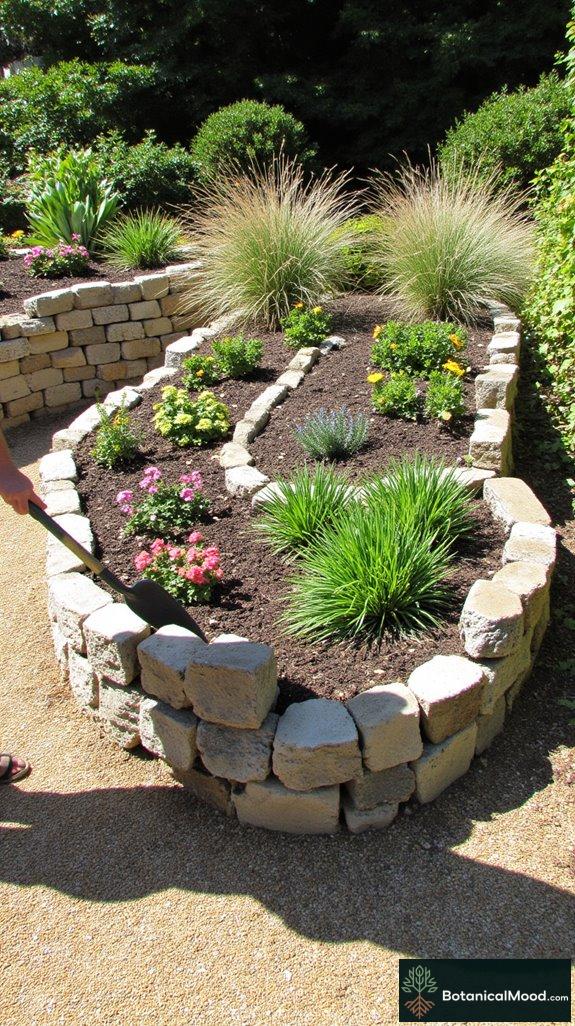
Raised berm planting beds are elevated areas designed to create visual interest and improve drainage in your garden. Typically ranging from 1 to 3 feet in height and 3 to 6 feet wide, these beds can be arranged in various configurations to achieve a stunning aesthetic appeal.
Crafted using natural materials like stone, wood, or composite blocks, they offer both durability and style. Popular plants for raised berms include perennial flowers, shrubs, and ornamental grasses, which provide year-round beauty. Construction involves layering soil and compost within the raised structure, promoting healthy plant growth while maximizing drainage.
Crafted from natural materials, raised berms combine durability and style, featuring perennial flowers and ornamental grasses for year-round beauty.
Selecting Plants for Raised Berm Gardens
When choosing plants for raised berms, evaluate sunlight, soil type, and moisture requirements. Here are some excellent options:
- Lavender
- Coneflower (Echinacea)
- Daylily (Hemerocallis)
- Sedum
- Ornamental grasses (e.g., Miscanthus)
Designing Your Raised Berm Planting Bed
To design a stunning raised berm, begin by plotting your layout using graph paper or digital planners. Tips to evaluate:
- Elevate the center and slope downward for effective drainage.
- Space plants 12-24 inches apart based on their mature size.
- Group plants by height for visual layering.
- Use a mix of colors and textures for a dynamic look.
Pro Tip: Evaluate incorporating taller plants as a backdrop for shorter ones to enhance depth!
Enhancing Your Garden With Unique Features
Incorporating garden art or unique pathways can elevate your raised berm design. Evaluate adding decorative stones or sculptures to enhance visual appeal, and create winding paths with gravel or wood chips for easy access and maintenance.
Soil Volume Considerations for Optimal Growth
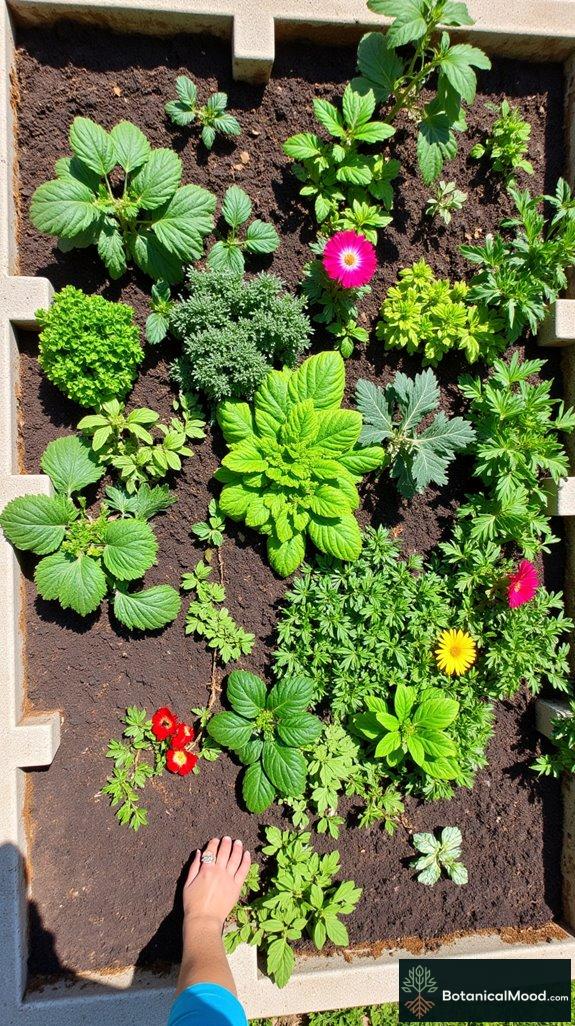
Stylish stackable block gardens provide an innovative way to create green spaces in urban environments. These modular beds are typically constructed using concrete blocks, wood, or recycled materials, allowing for versatile sizes and arrangements. A 2×3 foot layout is popular, offering ample soil volume for root development while guaranteeing easy maintenance.
When building, verify to fill each layer with quality potting soil, ideally mixed with compost for nutrients.
Choosing the Right Plants for Your Bed
Selecting plants for your stackable block garden depends on sunlight, climate, and personal preference. Consider these options:
- Herbs: Basil, parsley, thyme.
- Vegetables: Lettuce, radishes, cherry tomatoes.
- Flowers: Marigolds, petunias, and zinnias.
Designing Your Stackable Block Garden
To design and plan your stackable block garden, follow these tips:
- Choose a sunny location with at least 6 hours of sunlight.
- Use taller plants like tomatoes in the back and shorter herbs in the front for visibility.
- Space plants according to their growth habits (e.g., 12 inches apart for veggies).
- Add pathways to access plants easily, maximizing your growing potential.
Pro Tip: Use companion planting to enhance growth and repel pests.
Benefits of Vertical Gardening Solutions
Vertical gardening offers numerous benefits, including maximizing space, improving air circulation, and reducing weed growth. This sustainable practice allows for creativity and biodiversity, contributing notably to a greener environment, especially in small areas.
Incorporate vertical elements like trellises or hanging planters for a stylish touch!
Planting Ideas for Stackable Block Gardens
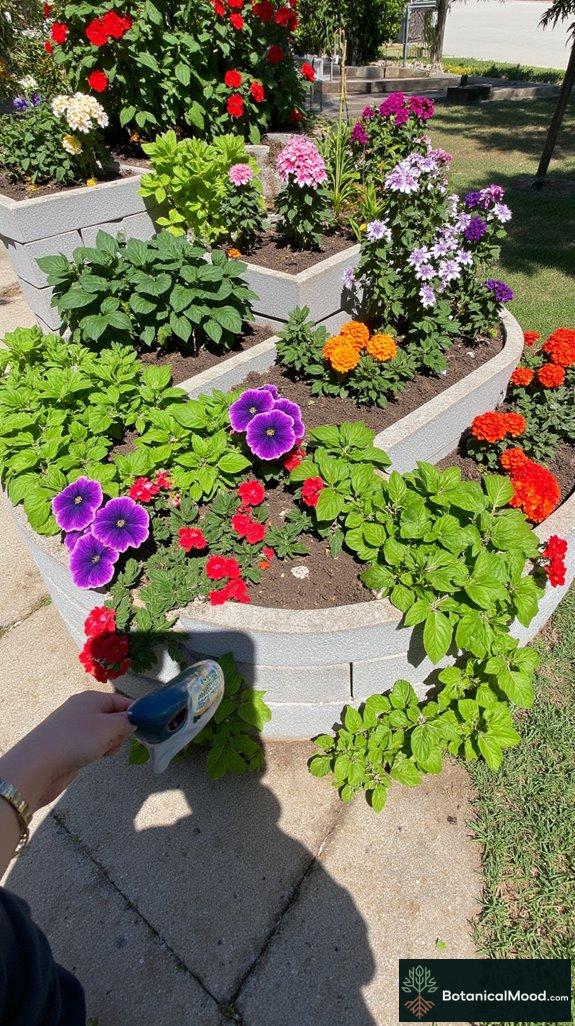
Stackable block gardens create a modern and versatile planting bed. Typically constructed from durable materials like concrete or wood, these gardens consist of interlocking blocks, allowing for easy tiered arrangements.
The ideal size varies based on available space, with sections ranging from 3 to 6 feet in width and height. The layout can be customized to fit any garden style, offering a chic aesthetic while maximizing plant exposure to sunlight. Popular plants include colorful annuals like petunias and marigolds, alongside perennial herbs such as basil and thyme.
The ideal stackable block garden can be customized from 3 to 6 feet, providing a stylish way to maximize sunlight exposure for your plants.
Selecting Plants for Stackable Block Gardens
When choosing plants for your stackable block garden, consider the sunlight and water needs. Here are some great options:
- Petunias
- Marigolds
- Basil
- Thyme
- Lettuce
- Strawberries
Designing a Stylish Stackable Block Garden
To design a stackable block garden, start with a solid foundation and plan your layout. Consider these tips:
- Choose plants with similar light and water requirements.
- Arrange taller plants, like sunflowers, in the back and shorter ones, like herbs, in the front.
- Space plants according to their mature sizes to prevent overcrowding.
- Pro tip: Use companion planting to promote growth and deter pests.
Maintaining Plant Health in Stackable Gardens
Maintaining the health of your stackable block garden involves regular watering and proper fertilization.
Focus on a balanced nutrient mixture, maintaining soil pH and employing organic pest control methods where necessary. Regularly prune plants to promote healthy growth and encourage airflow around the foliage.
Experimentation with new plant combinations can lead to a vibrant and thriving garden oasis.
Sustainable Practices in Block Garden Construction
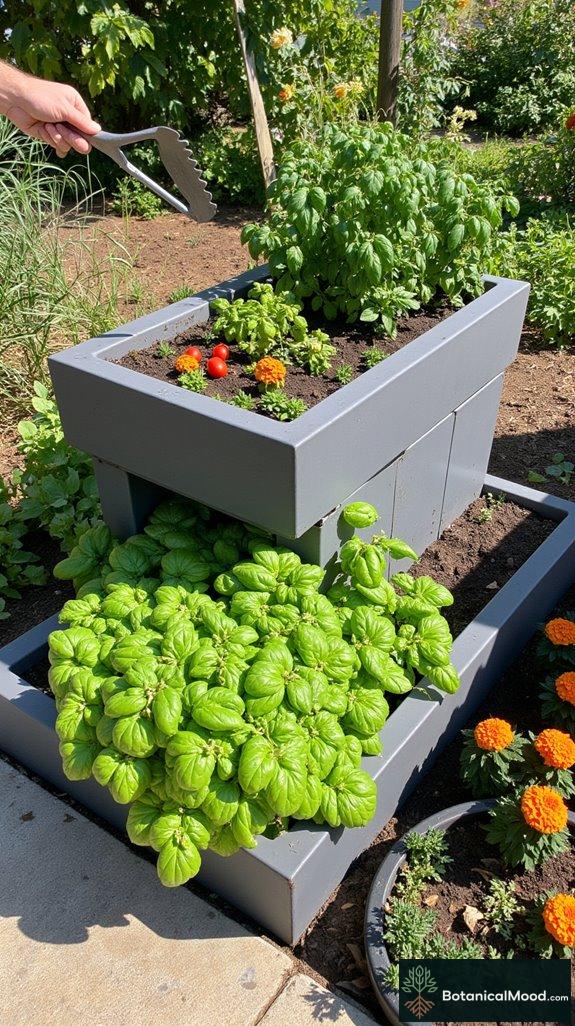
Stackable block gardens are an innovative, sustainable solution for urban gardening. Typically measuring 3-4 feet wide, these beds can be arranged in various layouts—such as tiered or linear—to maximize space. Constructed from durable materials like repurposed concrete blocks or timber, the blocks create distinct planting compartments, allowing for proper drainage and soil ventilation.
The overall look is modern and eye-catching, making it a decorative addition to any environment. Ideal plants include herbs, flowers, and vegetables, which grow well in this type of garden bed.
How to Select Plants for Your Block Garden
Choosing the right plants is essential to the success of your block garden. Consider these options:
- Basil
- Marigolds
- Cherry tomatoes
- Lavender
- Bell peppers
Select herbs for easier maintenance and flowers for vibrant colors. Consider sun and shade preferences for best growth.
Designing Your Stackable Block Garden
When planning your block garden, follow these tips:
- Plan Layout: Sketch the arrangement before starting.
- Layering: Use taller plants at the back and shorter at the front.
- Spacing: Make sure plants have enough room to grow (1-2 feet apart).
- Sun Exposure: Group sun-loving plants together.
Professional Tip: Utilize companion planting to promote pest resistance and mutual growth benefits.
Exploring Vertical Gardening Techniques
Vertical gardening complements stackable block gardens, maximizing space and creativity. Wall planters and trellises can enhance your garden’s aesthetics while providing additional planting areas.
Incorporate climbing plants like peas or beans for added height, making sure they’re spaced appropriately to allow vines to flourish.
Tips for Maintaining Your Concrete Block Garden Beds

Concrete block garden beds are an
Rotational Mulching for Beds
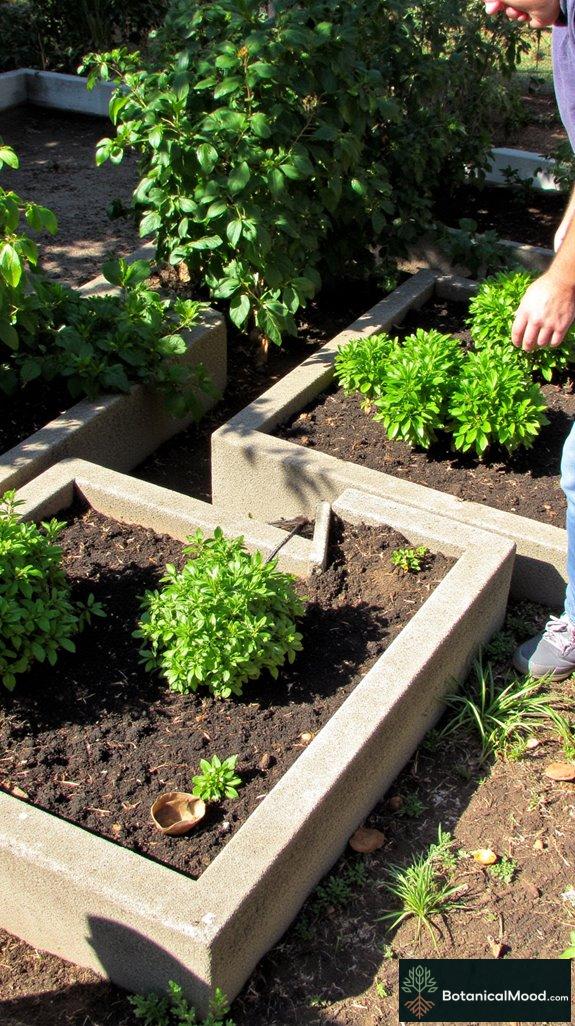
Maintaining healthy soil and plant life in our concrete block garden beds naturally leads us to contemplate the practice of rotational mulching.
Summary
I find stackable block gardens to be a perfect mix of style and function. They can breathe life into any area, whether it’s a small balcony or a larger yard. Using concrete blocks and smart plant choices makes my gardening experience both enjoyable and sustainable.
I’d love to hear about your experiences with stackable gardens! What has worked for you?
Please share photos of your gardens and tell me how you designed them. I can’t wait to see your creative designs!
References
- https://abundantminigardens.com/how-to-create-an-awesome-raised-garden-bed/
- https://www.youtube.com/watch?v=-w1Fa-aUIOw
- https://www.youtube.com/watch?v=DNLfHO99DPE
- https://scurlockfarms.com/designing-and-creating-our-dream-garden/
- https://www.homedepot.com/p/Oldcastle-7-5-in-x-7-5-in-x-5-5-in-Tan-Brown-Concrete-Planter-Wall-Block-16202336/206501693