Tag: backyard design

  • 10 Tips For Artful Compartmentalized Espalier Gardens

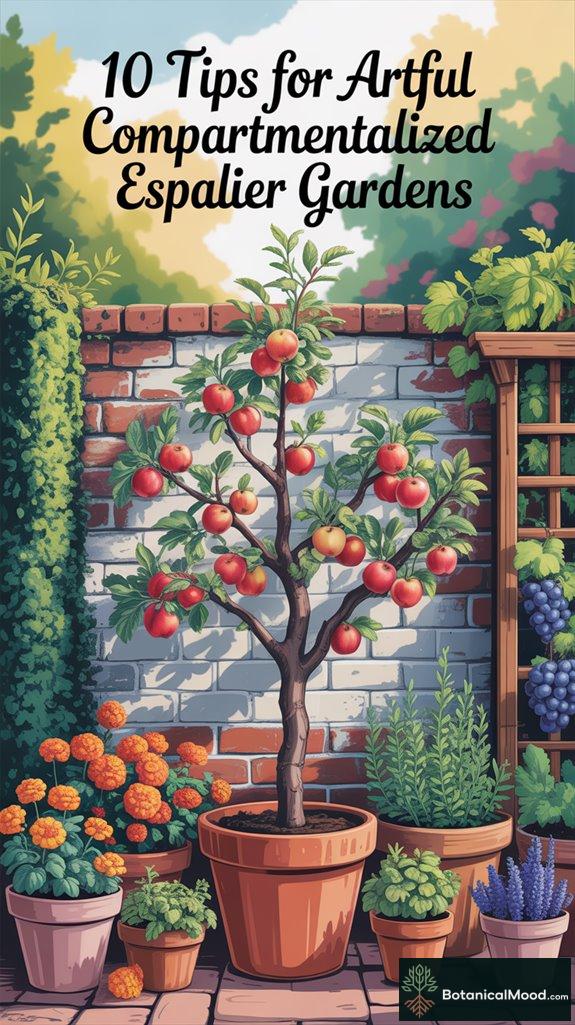
    10 Tips For Artful Compartmentalized Espalier Gardens

    Want to turn your backyard into a living piece of art? Trust me, I’ve been there with espalier gardens – it’s like creating a botanical chess game.

    I started my espalier journey after a disastrous attempt at regular gardening (RIP, tomato jungle of 2019). Now I’m obsessed with training fruit trees into geometric patterns, like some kind of plant-whispering architect.

    My favorite combo? Malus domestica (fancy talk for apple trees) and Ficus carica (figs, if you’re not feeling pretentious). I space them 2-3 feet apart on my DIY support system – nothing says “I’ve got my life together” like perfectly aligned branches.

    Pro tip: Regular pruning is crucial, unless you’re going for that “abandoned French castle” vibe. And yes, mulching matters. My garden buddies include lavender and thyme, because why not add some aromatherapy to this green geometry?

    How My Failed Modern Art Project Became a Stunning Garden Wall Design

    Back in 2020, I tried creating a minimalist outdoor art installation that honestly looked like a sad clothesline. Then it hit me – why not combine it with espalier techniques? I repurposed the steel cables into a diamond-pattern support system, perfect for training Persian mulberries (Morus nigra) and dwarf pears (Pyrus communis).

    The transformation was mind-blowing. Now my garden wall serves as both a productive fruit garden and a conversation starter. Visitors always ask about the “living sculpture,” not knowing it started as a happy accident with some spare construction materials and an overambitious art project.

    Quick Takeaways

    • Utilize a 3×6 foot section layout for optimal plant spacing and improved drainage, enhancing garden growth and aesthetics.
    • Choose a mix of edible and ornamental plants for visual appeal and diversity, ensuring they are suitable for your local climate.
    • Implement vertical planting techniques using trellises to draw the eye upwards and maximize space without sacrificing beauty or function.
    • Incorporate companion plants to foster a healthy ecosystem, using herbs and flowers to deter pests and support nutrient uptake in your garden.
    • Use durable materials like weather-resistant wood or stone for structure and design consistency, combining functionality with artful garden aesthetics.

    Choose the Right Location for Your Espalier Garden

    espalier garden space design

    Espalier planting beds are distinctive garden spaces that elegantly train trees or shrubs against a flat surface, allowing them to grow in a controlled fashion.

    Typically, these beds can vary in size but often measure about 3 to 5 feet wide, making them ideal for small areas. These beds are usually arranged in a geometric pattern using materials like treated wood, stone, or concrete for durability and aesthetics. The layout is designed to maximize sunlight exposure while allowing for easy maintenance.

    Common plants for espalier gardens include fruit trees such as apples and pears, as well as ornamental shrubs like camellias and jasmine. Moreover, incorporating minimalist contemporary aesthetics can enhance the visual appeal of your garden while promoting sustainability.

    Selecting Plants for Your Espalier Bed

    When choosing plants for your espalier garden, consider the following:

    • Climate Compatibility: Select plants suited to your local climate.
    • Growth Habit: Choose species that naturally grow laterally.
    • Fruit/Flower Production: Decide if you want edible or decorative plants.

    Suggested Plants:

    • Apple Trees (Malus)
    • Pear Trees (Pyrus)
    • Fig Trees (Ficus carica)
    • Jasmine (Jasminum)
    • Camellia (Camellia japonica)

    Designing Your Espalier Planting Bed

    To design an effective espalier planting bed, follow these tips:

    1. Layout Planning: Sketch your desired shape and size before planting.
    2. Support Structures: Install trellises, wires, or fences for plant training.
    3. Spacing: Space plants 2 to 3 feet apart to guarantee air circulation.

    Pro Tips:

    • Start with young, pliable plants for easier training.
    • Regularly prune to encourage the desired shape.
    • Maintain a consistent watering schedule to promote healthy growth.

    The Benefits of Espalier Gardening

    Espalier gardening not only optimizes limited space but also adds an artistic touch to your surroundings.

    This unique technique brings a structured beauty while allowing for efficient fruit production.

    Embracing this gardening method can transform your outdoor space into an elegant edible oasis.

    Select Ideal Fruit Tree Varieties for Espalier

    vertical fruit garden design

    Espalier planting beds are decorative and practical structures that utilize flat training techniques to grow fruit trees along walls or fences, creating a stunning vertical garden. These beds typically measure 3×6 feet, allowing enough space for several trees.

    Constructed from weather-resistant wood or stone, they offer excellent drainage and aeration while maintaining an aesthetically pleasing look. Ideal materials include cedar for longevity and treated wood for protection against pests.

    Employ complementary plants like herbs or annuals in the base for added visual interest and biodiversity.

    Selecting Suitable Plants for Espalier Beds

    Selecting fruit trees for your espalier garden requires considering size, fruit type, and growth habits. Options include:

    • Apple: Dwarf varieties like ‘Kolomikta’ thrive in smaller spaces.
    • Pear: ‘Patten’ produces lovely fruits and robust growth.
    • Cherry: ‘Stella’ is self-pollinating and has beautiful blooms.
    • Fig: ‘Little Miss Figgy’ offers compact size and delicious fruits.

    Designing Your Espalier Planting Bed

    To design an espalier planting bed, consider these key tips:

    1. Choose Sunny Location: Many fruit trees thrive in 6-8 hours of sunlight daily.
    2. Plan Plant Spacing: Space trees 12-24 inches apart for ideal growth.
    3. Create Support Structures: Install horizontal wires or trellises for guiding growth.
    4. Use Companion Plants: Incorporate herbs to deter pests; marigolds work well.

    Pro Tip: Regularly prune trees to maintain shape and encourage fruit production.

    Espalier Maintenance and Care

    Regular maintenance is vital for a thriving espalier garden. This includes consistent watering to guarantee soil moisture, strategic pruning for shape and health, and soil amendments to boost nutrient levels.

    Effective pest management practices are also important to protect your harvest.

    Plan the Layout of Your Compartmentalized Sections

    stylish compartmentalized planting beds

    Compartmentalized planting beds are a stylish way to grow plants while adding structure and visual appeal to your garden. Typically measuring 4×8 feet, these beds can be constructed using wood, stone, or recycled materials.

    Arranging them in a grid pattern creates distinct sections, allowing for different plant types to thrive. Espaliered varieties, herbs, and ornamental grasses are popular choices, as they maximize space and height. Additionally, incorporating principles from traditional Japanese zen garden composition techniques can enhance the overall harmony and balance of your layout.

    Consider using durable materials like cedar wood for longevity and aesthetic appeal.

    Choosing the Right Plants for Your Garden

    When selecting plants for your compartmentalized beds, consider factors such as sunlight, soil type, and water needs. Here are some excellent options:

    • Espaliered Fruit Trees: Apple, Pear
    • Herbs: Rosemary, Thyme, Basil
    • Flowers: Lavender, Marigold, Pansies
    • Vegetables: Lettuce, Tomato, Peppers

    Tips for Designing Your Planting Beds

    To design your planting bed, begin with a layout plan mapping out the specific compartments. Here are some tips:

    • Space Plants Appropriately: Allow at least 12-18 inches between larger plants and 8-12 inches for smaller varieties.
    • Layer for Aesthetics: Position taller plants at the back and shorter ones at the front.
    • Companion Planting: Use compatible plants to enhance growth and deter pests.
    • Pro Tip: Incorporate pathways between compartments for easy access and maintenance.

    Exploring Other Garden Designs

    In addition to compartmentalized beds, consider incorporating raised beds or vertical gardens, both of which can optimize space.

    Raised beds provide better drainage and soil control, while vertical gardens allow for creative combinations of plants in limited spaces.

    Mix decorative elements, such as trellises or garden art, to enhance your garden’s aesthetic appeal.

    Utilize Support Structures for Optimal Growth

    espalier fruit tree structures

    Espalier planting beds are artistic structures designed to reliably grow fruit trees and shrubs against a wall or fence, maximizing space and sunlight exposure. Generally sized between 4 to 6 feet wide and 6 to 10 feet tall, these beds typically utilize strong materials like wood for frames and wire for support.

    Construction involves building a sturdy trellis or frame that allows the plants to be trained horizontally, creating a patterned, visually appealing arrangement.

    Choosing the Right Plants for Espalier

    When selecting plants for your espalier bed, consider sun exposure and growth characteristics. Ideal plants include:

    • Apple trees (e.g., ‘Belle de Boskoop’)
    • Pear trees (e.g., ‘Conference’)
    • Fig trees (e.g., ‘Brown Turkey’)
    • Grape vines (e.g., ‘Concord’)
    • Jujube (Ziziphus jujuba)

    Designing Your Espalier Planting Bed

    To design an espalier planting bed, follow these tips:

    1. Select a sunny location: Confirm at least 6 hours of sun exposure daily.
    2. Plan your layout: Consider a linear or fan shape for visual appeal.
    3. Space your plants wisely: Allow 2 to 3 feet between plants for air circulation.
    4. Train progressively: Tie branches to the supports as they grow to maintain shape.
    5. Regularly prune: Focus on maintaining the design and promoting healthy growth.

    Benefits of Vertical Gardening

    Vertical gardening provides numerous advantages, including enhancing space efficiency, improving air circulation, and creating visual interest in small areas. Additionally, incorporating companion planting strategies can result in increased yields and healthier plants in your garden.

    Understand Pruning Techniques for Espalier Trees

    espalier trees on supports

    Espalier planting beds are uniquely designed for growing fruit or ornamental trees on sturdy supports against walls or fences. Typically, a size of 4×8 feet is ideal, allowing adequate space for growth. The layout features a grid system with horizontal and vertical branches secured using wires or trellises.

    Espalier planting beds offer a unique way to cultivate trees against walls or fences, maximizing space in a charming 4×8 layout.

    Constructed from pressure-treated wood or stone, these beds create a charming visual appeal while maximizing your garden space. Common plants include apple, pear, and fig trees, which thrive when pruned and shaped meticulously.

    Selecting Plants for Espalier Beds

    When choosing plants for your espalier bed, consider the following:

    • Local climate: Opt for varieties suited to your region.
    • Maintenance level: Select trees that align with your care routine.
    • Resilience: Look for disease-resistant types.

    Suggested Plants:

    • Apple trees (Malus domestica)
    • Pear trees (Pyrus communis)
    • Citrus trees (Citrus spp.)
    • Cherry trees (Prunus avium)

    Designing Your Espalier Planting Bed

    To design your espalier planting bed, follow these steps for optimum success:

    • Plan arrangement: Start by positioning taller plants on the back and shorter ones in front.
    • Space wisely: Maintain at least 18–24 inches between plants for adequate air circulation.
    • Use pathways: Integrate walking paths for easier access to the plants.

    Pro Tips:

    • Prune regularly to encourage horizontal growth.
    • Use heavy-duty support materials for especially vigorous species.

    Exploring Garden Design Principles

    Additionally, consider incorporating companion planting methods to enhance biodiversity and create a thriving ecosystem. Implementing native plants along with your espalier trees can provide crucial habitat for beneficial insects, ultimately improving plant health and yield.

    Incorporate Companion Plants for Biodiversity

    espalier gardens maximize space

    Espalier gardens are visually striking planting beds that maximize space and enhance aesthetics by growing plants against a wall or latticework framework. Typically, a 4×6-foot area is ideal, featuring well-defined compartments that create an orderly layout.

    Common materials include trellises, wooden frames, or wire systems. These structures support various plants, emphasizing fruits, vegetables, or ornamental flowers, fostering a picturesque garden.

    Constructing an espalier bed involves preparing soil, placing the framework, and planting chosen varieties while ensuring adequate sun exposure.

    Selecting Plants for Companion Planting

    Selecting the right companion plants is vital for biodiversity. Consider these vibrant options:

    • Herbs: Basil, Rosemary, Mint
    • Flowers: Marigolds, Nasturtiums, Lavender
    • Fruits: Strawberries, Tomatoes, Blueberries
    • Vegetables: Peppers, Carrots, Cabbage

    Designing Your Espalier Planting Bed

    To design an effective espalier bed, follow these tips:

    1. Plan the layout: Identify a sunny spot and measure the desired footprint.
    2. Choose a framework: Opt for sturdiness to support your plants.
    3. Spacing requirements: Allow at least 12-18 inches between plants for airflow.
    4. Arrange vertically: Position taller plants against the wall and shorter ones in front for layers.
    5. Utilize vertical growth: Train plants along the support system.

    Pro Tip: Always consider plant compatibility; some thrive together, while others may compete for nutrients.

    Exploring Urban Vertical Gardening

    Urban vertical gardening is an innovative approach to maximize limited space in city areas.

    Using wall planters, hanging pots, or grid systems, gardeners can cultivate a variety of plants, benefiting from improved aesthetics and air quality.

    Vertical gardens not only provide fresh produce but also create a tranquil oasis amidst concrete environments, promoting sustainability and healthy living.

    Manage Soil Quality for Healthy Growth

    vertical gardening for compact spaces

    Artful compartmentalized espalier gardens are strategic planting beds designed to enhance vertical growth and maximize space in smaller areas. Typically sized at 4×8 feet, these beds can be arranged in a series of panels or grids.

    Built using durable materials like treated wood or galvanized metal, they feature an open trellis system to support climbing plants. Varieties such as decorative apples, wisteria, and jasmine are commonly used for their ornamental and aromatic qualities.

    Constructed with careful attention to soil quality, make sure to amend with compost for excellent drainage and nutrient retention, promoting healthy growth.

    Selecting Plants for Espalier Beds

    When selecting plants for your espalier beds, consider growth patterns and compatibility with your design. Recommended plants include:

    • Apple trees (Malus domestica)
    • Grape vines (Vitis vinifera)
    • Pear trees (Pyrus communis)
    • Climbing roses (Rosa spp.)
    • Jasmine (Jasminum spp.)

    Designing Your Espalier Garden Bed

    To design an effective espalier bed, follow these tips:

    • Determine the sun exposure and space for trellises.
    • Space plants 18-24 inches apart to guarantee airflow.
    • Use a grid layout for uniformity and aesthetics.
    • Regularly prune for structure and light access.
    • Incorporate a watering system for convenience, ensuring even moisture retention and healthy root systems.

    Exploring Vertical Gardening Techniques

    Vertical gardening techniques such as using wall-mounted planters or freestanding trellis systems can complement your espalier beds.

    These methods not only increase plant yield but also add dynamic visual interest, making small spaces lively. Incorporating a variety of herbs, annuals, and perennials enhances biodiversity while fostering ecological balance.

    Implement Effective Watering Strategies

    espalier garden design strategies

    Espalier gardens feature a unique planting bed structure that showcases plants trained against a wall or trellis. Typically, these beds are rectangular, sized 4×8 feet, providing a compact yet visually appealing layout. Constructed using durable materials like cedar wood or stone, they incorporate well-draining soil enriched with compost.

    This design allows for both aesthetic beauty and effective space utilization, showcasing plants like apples, pears, and flowering vines. The arrangement should focus on maximizing sunlight exposure and creating a layered effect, where taller plants serve as the backdrop for shorter varieties.

    Selecting Plants for Espalier Gardens

    When selecting plants for your espalier garden, choose varieties that thrive in your climate and suit your aesthetic. Consider these options:

    • Apple trees (Malus domestica)
    • Pear trees (Pyrus)
    • Cherry trees (Prunus avium)
    • Climbing roses (Rosa spp.)
    • Grape vines (Vitis vinifera)

    Designing Your Espalier Garden Bed

    To design your espalier bed, start by sketching your layout, guaranteeing a clear plan for your trellis or support structure.

    Here are some essential tips:

    • Arrange taller plants at the back, medium plants in the middle, and shorter plants in front.
    • Space plants 18-24 inches apart to ensure air circulation.
    • Use anchors or stakes to secure trellises as needed.

    Pro Tips: Regularly prune the branches to maintain shape and encourage growth, and guarantee consistent access to sunlight.

    Companion planting can enhance the health and yield of your garden. Certain pairings, like tomatoes with basil or carrots with onions, can deter pests naturally while promoting growth.

    This method encourages a symbiotic relationship among plants, optimizing nutrient uptake and pest management, leading to a thriving garden ecosystem.

    Use Mulching to Preserve Moisture and Suppress Weeds

    compartmentalized garden design benefits

    Compartmentalized espalier gardens are designed to maximize space while maintaining an artistic, structured appearance.

    Compartmentalized espalier gardens optimize space, combining functionality with an aesthetically pleasing, structured design.

    Typically, these beds are arranged in rectangular or square sections, measuring 3×6 feet. Constructed with sturdy materials like weather-resistant wood or decorative stone, each compartment is filled with nutrient-rich soil to support growth.

    Common plants include fruit trees, berries, and ornamental vines trained on trellises. Mulching not only preserves moisture but also suppresses weeds, guaranteeing your garden remains healthy and low-maintenance.

    Selecting Plants for Espalier Gardens

    When selecting plants for your espalier garden, consider the following options:

    • Apple Trees
    • Pear Trees
    • Grape Vines
    • Blueberries
    • Fig Trees

    Choose plants based on your climate, sunlight availability, and desired aesthetics.

    Designing and Planning Your Espalier Bed

    To design an effective espalier garden, follow these tips:

    • Plan in sections for each plant type.
    • Space trees 3-5 feet apart and vines closer, about 12-18 inches.
    • Use trellises for vertical growth and maximum sun exposure.

    Pro tips: Consider your garden’s sun exposure for ideal growth and guarantee adequate irrigation routes.

    Benefits of Companion Planting in Gardens

    Companion planting enhances growth and pest control in your garden.

    For instance, planting marigolds alongside vegetables can deter harmful insects. Further, pairing legumes with nitrogen-fixing plants boosts soil fertility, promoting healthier garden ecosystems.

    Design for Seasonal Aesthetics and Harvest Timing

    vertical espalier garden design

    Espalier gardens utilize vertical space through a flat arrangement of trees and shrubs trained to grow against walls or trellises. These planting beds typically measure 4-6 feet wide and can extend several feet long, offering enchanting aesthetics through layered plantation.

    Constructed with sturdy wooden or metal supports, these beds are often framed with decorative stones or bricks. Ideal plants include apples, pears, and berries like raspberries or blackberries, which flourish in compact, well-drained soil while providing seasonal beauty.

    Selecting Plants for Espalier Gardens

    1. Apple Trees (Malus domestica)
    2. Pear Trees (Pyrus communis)
    3. Blueberries (Vaccinium corymbosum)
    4. Grapevines (Vitis vinifera)
    5. Raspberries (Rubus idaeus)

    When selecting plants, choose varieties that reflect aesthetic preferences and climate adaptability. Opt for disease-resistant cultivars for ease of care.

    Designing Your Espalier Planting Bed

    • Choose a sunny location (6-8 hours of sunlight).
    • Measure space and create a layout plan using graph paper.
    • Install a sturdy trellis structure or support system.
    • Space plants 2-3 feet apart to promote airflow and sunlight distribution.

    Pro Tip: Use a mix of flowering and fruiting plants to create a visually dynamic garden while promoting a staggered harvest period for year-round interest.

    Exploring Companion Planting Benefits

    Companion planting can enhance garden health, protecting plants from pests while promoting nutrient sharing. Experiment with companion crops, such as marigolds to fend off aphids, and herbs like basil for beneficial insect attraction.

    Mulching and Weeding Routines

    mulching enhances garden health

    Maintaining a thriving espalier garden involves establishing a diligent mulching and weeding routine, as these practices greatly contribute to plant health and overall aesthetic appeal.

    When I mulch, I choose organic materials like wood chips, straw, or cocoa hulls. These materials suppress weeds while providing nutrients.

    Here’s a quick guide:

    Mulch MaterialsBenefits
    Wood ChipsRetain moisture, suppress weeds
    StrawLight, easy to spread, degrades quickly
    BarkLong-lasting, enhances aesthetics
    Cocoa HullsNutrient-rich, pleasant aroma

    Effective weed management involves regular monitoring and hand-pulling. Together, these strategies support a flourishing garden.

    FAQ

    Can I Grow Vegetables Alongside My Espalier Trees?

    Absolutely, I grow vegetables alongside my espalier trees! Just guarantee crop compatibility; tomatoes and lettuce thrive in vertical gardening. It’s rewarding to maximize space while providing fresh produce for friends and family. Happy gardening!

    How Do I Protect My Espalier Garden From Pests?

    I used to think pests would leave my beautifully arranged espalier garden alone, but I’ve found organic deterrents like neem oil and companion planting work wonders for pest control. It’s a labor of love for my plants!

    What Is the Best Time to Plant Espalier Trees?

    I’ve found spring planting is ideal for espalier trees, giving them a full growing season. However, fall planting can also work well, allowing roots to establish before winter, so choose what suits your garden best!

    How Long Does It Take for Espalier Trees to Mature?

    Espalier trees usually take about three to five years to mature, depending on various factors. I’ve found that consistent care and proper espalier techniques notably speed up tree growth, leading to beautiful, productive results for everyone.

    Can I Use Containers for My Espalier Garden?

    I’ve found container success with my espalier trees; just recall to choose the right soil. Well-draining mix keeps roots happy, and nurturing them in pots can create a stunning vertical garden display.

    Summary

    I create my compartmentalized espalier garden by mixing art with plant care. I select prime spots for Malus domestica (apples) and Prunus persica (peaches), using specific pruning methods. My garden becomes a living display that showcases nature’s beauty across seasons.

    Have you tried espalier gardening? Drop a comment below about your successes, challenges, and lessons learned while training fruit trees against walls or fences.

    We’d love to see your espalier creations! Share photos of your garden design and tell us about the techniques you used to shape your trees. Did you follow traditional patterns or create your own unique style?

  • 9 Best Bee-Loving Backyard Garden Design Strategies

    9 Best Bee-Loving Backyard Garden Design Strategies

    Ever wanted a garden that’s basically a bee rave?

    Well, I took on that challenge, armed with nothing but native plants like purple coneflowers and bee balm.

    Let’s just say, my backyard transformed into a buzzing paradise!

    I clustered the plants attractively—hard not to when I realized my rock piles and shallow water features were now the hottest spots in town for pollinators.

    I’ve even created cute nests for those ground-nesting bees.

    Doesn’t that sound like a lot of fun, right?

    Turns out, I’ve become the proud owner of a bee-flavored ecosystem, complete with a fab pollinator pathway and distinct zones. Talk about sweet success!

    Tips from My Bee Garden Experience: Design Matters

    I remember the day I set up my first bee-friendly patch. Oh boy, was I clueless!

    Started with just a few random plants but ended up researching native species and their nectar values like a total nerd.

    In retrospect, planning distinct zones for flowering times made my garden buzz-worthy and, honestly, I felt like Hogwarts’ Herbology professor.

    And the bees? They’re total gluttons—they showed up quickly!

    Believe me, as the bees flocked to my garden, I learned firsthand why it’s vital to make each square foot count with diverse plants and garden design. Balancing aesthetics while ensuring a sustainable habitat is key.

    Quick Takeaways

    • Incorporate a variety of native plants with staggered bloom times to ensure continuous nectar and pollen availability for bees throughout the growing season.
    • Group flowering plants in clusters to enhance visibility and attract bees more effectively, creating stunning visual displays in your garden.
    • Add diverse habitat features such as rock piles and shallow water sources to provide shelter and hydration for a range of pollinator species.
    • Minimize pesticide use and implement integrated pest management practices to protect pollinators and maintain a healthier garden ecosystem.
    • Utilize tools like soil test kits and consult local horticulturists to better understand plant needs and promote biodiversity in your garden.

    Create a Bee Lawn With Pollinator-Friendly Flowers

    pollinator friendly bee lawn garden

    Creating a bee lawn filled with pollinator-friendly flowers not only enhances my garden’s aesthetic beauty, but it also plays a crucial role in supporting local ecosystems.

    By integrating blooms like clover, native asters, and lavender, I invite bees and butterflies to flourish in my space. Their vibrant colors and delightful scents create a welcoming atmosphere, transforming my garden into a lively tapestry.

    Integrating clover, native asters, and lavender invites vibrant bees and butterflies, transforming my garden into a delightful tapestry of life.

    I’ve also found that these selections thrive in various conditions, making my design more resilient. Additionally, planting native flowers encourages local pollinator populations, contributing to biodiversity.

    Watching pollinators flutter around brings me joy, reminding me of the interconnectedness that inspired me to create this space, fostering harmony with nature.

    Emphasize Native Plant Selection

    native plants attract pollinators

    Selecting native plants is essential for a bee-friendly garden, as they not only provide sustenance for local pollinators but also thrive in the conditions specific to my region. By choosing native options, I delight in witnessing vibrant blooms and the joyous buzz of bees. Additionally, implementing pollinator-friendly garden ecosystems can enhance the overall effectiveness of the garden in attracting more bees and other beneficial insects.

    Native Plant Bloom Season Attracts
    Purple Coneflower Summer Bumblebees
    Bee Balm Summer Honeybees
    Black-eyed Susan Late Summer Solitary Bees
    Aster Fall Leafcutter Bees

    These plants foster connections, cultivating a harmonious ecosystem that nurtures both flora and fauna.

    Cluster Plantings for Maximum Visibility

    cluster plantings enhance visibility

    One effective strategy I’ve discovered in my bee-loving garden is the concept of cluster plantings, where I group several plants of the same species in close proximity to maximize their visibility.

    By planting vibrant coneflowers, delicate salvia, or sweet-scented lavender in clusters, I create a stunning visual impact while attracting bees more effectively.

    This method enhances the aesthetic charm of my garden, as the unified colors and textures draw the eye.

    Not only do the bees benefit from easily accessible nectar, but I also find joy in observing their dance among my cherished blooms, reminding me why I created Botanical Mood. Additionally, cluster plantings improve habitat diversity, creating a thriving ecosystem for various pollinators to flourish.

    Incorporate Diverse Habitat Features

    diverse habitat features enhanced

    Incorporating diverse habitat features within my bee-loving backyard garden not only enhances its ecological balance but fosters a rich environment for pollinators. By introducing native plants, rock piles, and water sources like birdbaths, I create varied microhabitats that attract numerous bee species. Adding sustainable garden practices can further amplify the benefits for both the garden and its inhabitants.

    Habitat Feature Benefits
    Native flowers Provides nectar and pollen
    Rock piles Offers shelter and nesting
    Water sources Guarantees hydration for bees

    These thoughtful additions deepen my connection with nature and illustrate the vibrant ecosystem I’ve nurtured, echoing my passion for thoughtful gardening captured on my site, Botanical Mood.

    Provide Ground Nesting Opportunities

    ground nesting bee habitats

    Providing ground nesting opportunities is an essential aspect of cultivating a bee-friendly garden, as nearly 70% of all native bee species prefer to nest in the ground rather than in trees or built structures.

    To create a welcoming environment for these beneficial insects, consider the following:

    • Leave patches of bare soil: They need exposed ground to dig their nests.
    • Incorporate diverse soil types: Different bees prefer sandy or clayey soils, which can encourage varied species to settle.
    • Add small log piles or stones: These can help provide shelter and warmth for emerging bees.

    Mix Pollinator-Friendly Plants Into Turfgrass

    pollinator friendly garden design

    Mixing pollinator-friendly plants into turfgrass creates a vibrant tapestry of color and texture that not only beautifies our gardens but also supports bee populations and other pollinators.

    By selecting a mix of native wildflowers and perennial herbs, I can design an enchanting setting. Here’s a quick overview:

    Plant Type Flower Color Benefits
    Lavender Purple Attracts bees
    Black-eyed Susan Yellow Supports beneficial insects
    Creeping Thyme Pink/Blue Ground cover & nectar
    Clovers (Trifolium) White/Red Nitrogen fixation

    This blend nourishes our ecosystem while enhancing beauty.

    Ensure Water Availability for Pollinators

    accessible water for pollinators

    How can we best attract and sustain the delicate balance of pollinators in our gardens? One essential element is providing accessible water sources.

    • Create shallow water dishes with pebbles for bees and butterflies to perch on.
    • Utilize a rain garden to capture runoff, fostering a thriving ecosystem.
    • Add a small birdbath, making sure it’s refreshed regularly to invite thirsty pollinators.

    In my own garden, I’ve noticed that a simple water feature can transform the space into an inviting haven.

    Through mindful design, we can guarantee our beloved pollinators have everything they need to thrive, promoting beauty and balance simultaneously.

    Minimize Pesticide Use and Favor IPM Practices

    minimize pesticides enhance ecosystems

    While cultivating a vibrant and inviting garden, it’s essential to minimize pesticide use and adopt integrated pest management (IPM) practices, as these approaches not only protect our beloved pollinators but also enhance the overall health of our garden ecosystems.

    IPM emphasizes prevention and monitoring, relying on a blend of natural solutions and organic products. Below is a simple guide for effective practices.

    Strategy Tools Benefits
    Attracting Beneficial Insects Ladybug larvae, lacewings Natural pest control
    Crop Rotation Seasonal flowers, veggies Reduces pest populations
    Companion Planting Marigolds, basil Repels nematodes

    Embracing these strategies can transform our gardens into resilient havens.

    Engage in Community and Certification Programs

    community driven pollinator education efforts

    Engaging in community and certification programs not only deepens our connection to gardening but also amplifies our efforts to create bee-friendly spaces.

    Joining local gardening clubs and eco-certification groups enriches our experience and expands our knowledge, fostering a vibrant community dedicated to pollinator health.

    Engaging with local gardening clubs enhances our understanding and builds a community committed to nurturing pollinators.

    • Collaborate on local pollinator gardens
    • Participate in sustainable gardening workshops
    • Earn beekeeper certifications through integrated education

    Case Study: Native Plant Focus

    native plants support pollinators

    As I immerse myself in the rich world of native plant gardening, I’ve observed that these flora not only create stunning aesthetics but also provide essential resources for our local bee populations. By selecting native plants like black-eyed Susan and bee balm, I guarantee varied bloom times, from early spring to late fall, keeping nectar and pollen accessible. Furthermore, the presence of native bee species is crucial for pollination, especially for certain crops that thrive in our region. Planting in clusters maximizes bee foraging efficiency, while diverse flower shapes cater to different species, attracting a vibrant community of pollinators. Each garden, with its unique native palette, fosters not just beauty but a rich tapestry of life, reminding me of nature’s complex connections.

    Pollinator Pathways and Zones

    pollinator friendly garden design

    Creating effective pollinator pathways and zones in my garden is essential for fostering a thriving ecosystem that supports bee populations and other important pollinators.

    • I cluster nectar-rich plants to minimize their energy expenditure.
    • I plan for seasonal blooms, ensuring sustenance all year round.
    • I design soft shifts with ground covers for easy movement between zones.

    Meet the Garden’s Creator

    ecological gardening for pollinators

    Meet Jane Smith from Oregon, whose passion for ecological gardening was ignited during her studies at Oregon State University, where she learned the significance of creating habitats for native bees and other pollinators.

    To transform her vision into reality, Jane enrolled in a certification program at the Phipps Conservatory, where she gained skills in soil evaluation and plant identification. Through practical experiences and ongoing mentorship, she developed a design plan that incorporates local ecosystems and native plant communities, focusing on sustainability and pollinator support.

    Jane honed her skills in soil evaluation and plant identification, crafting a sustainable design plan that nurtures local ecosystems.

    Using tools such as a soil test kit from LaMotte, she meticulously prepared her garden beds.

    She incorporated accessories like pollinator hotels from Gardener’s Supply Company and selected native plants suggested by local horticulturists, including those from the Oregon Association of Nurseries, to enhance biodiversity.

    bee friendly flowering plants garden

    Crafting a bee-friendly garden involves selecting flowering plants that not only beautify the scenery but also serve as valuable food sources for pollinators.

    Consider planting Wild Bee Balm, Asters, and Purple Coneflower; their vibrant colors and shapes attract various bee species throughout the seasons.

    Yarrow’s accessible pollen is a favorite too, while Anise Hyssop brings delightful purple blooms.

    For annuals, Zinnias and Cosmos add a cheerful touch, with Basil offering aromatic blooms.

    Strategically grouping these plants enhances visibility for bees, creating a bountiful space that thrives naturally, which is what I aim to inspire through Botanical Mood.

    References

  • Why Nature’s Curves Transform Backyard Design Forever?

    Why Nature’s Curves Transform Backyard Design Forever?

    Nature’s curves have the magical ability to change our backyards forever, but hey, why did no one tell me sooner?

    I used to think straight lines were the pinnacle of backyard design – a little too practical, right? But then I stumbled upon curvy pathways, and wow, they invited me on a journey of exploration!

    These gentle curves bring beauty, emotional depth, and even support local critters. Seriously, who knew my garden could house more than just my collection of gnomes?

    Feeling inspired yet?

    My Unexpected Garden Transformation Experience

    Last summer, I decided to add some winding paths to my garden – a seemingly minor task turned chaotic adventure. Armed with a shovel, I began to embrace those organic curves. When I uncovered a family of toads living under a bush, I had to chuckle. Toads in my garden? Who knew I was running a wildlife sanctuary?

    It taught me that designing with nature in mind isn’t just aesthetically pleasing; it fosters life. Layered plantings became my mantra, attracting butterflies and bees galore. Now, my garden is not just a space to relax but a vibrant habitat, subtly reminding me that nature knows best.

    Isn’t it funny how a little curve can invite so much joy?

    Quick Takeaways

    • Curvilinear pathways enhance visual appeal, promoting calmness and encouraging exploration within backyard spaces.
    • Organic shapes foster emotional connections with nature, contributing to improved mental health and well-being.
    • Flexible edging and gentle lines enhance functional usability while celebrating the beauty of natural forms.
    • Biodiversity is supported through layered plantings and biomimetic features, creating thriving ecosystems in guide backyards.
    • Ecological authenticity ensures gardens evolve harmoniously with nature, fostering sustainable and resilient landscapes over time.

    Embracing Organic Shapes in Garden Design

    embrace organic shapes naturally

    When you immerse yourself in garden design, embracing organic shapes can transform your outdoor space into a harmonious oasis that feels authentically connected to nature.

    I’ve found that incorporating organic patterns, like curvilinear pathways or flowing plant beds, enhances the beauty and functionality of the environment.

    Choosing native plants that naturally blend with these forms not only promotes nature integration but also encourages biodiversity.

    Consider innovative products like flexible edging materials to define your garden’s contours effortlessly.

    With each curve and wave, your space will resonate with the essence of the earth, becoming both a personal retreat and a reflection of the artistry of nature.

    Additionally, utilizing curved pathways in gardens can guide visitors through your landscape while subtly emphasizing the natural flow of the environment.

    The Psychological Benefits of Curvilinear Landscapes

    curvilinear landscapes promote serenity

    Curvilinear vistas inherently nurture a sense of calm and psychological well-being, as I’ve often observed during my walks through gardens that showcase these gentle, flowing lines. These organic shapes foster an emotional connection, allowing me to lose myself in their serenity. Curved pathways enhance spatial awareness, inviting exploration and contemplation. I find that the subtle meanders promote mindfulness, effectively reducing stress. Engaging with designs featuring soft contours, like those using native plantings or perennial beds, rejuvenates the spirit. At Botanical Mood, I appreciate how these elements weave together to create restorative spaces that inspire innovation while honoring nature’s innate beauty. The integration of modern zen garden principles promotes harmony and balance, further amplifying the calming effects of these designs.

    Enhancing Biodiversity Through Biomimetic Features

    biodiversity enhancing garden design

    Incorporating biomimetic features into garden design not only enhances biodiversity but also mirrors the complex systems found in nature, which can enrich our outdoor spaces. By creating biodiversity hotspots that encourage a diverse array of flora and fauna, we not only celebrate life but also foster habitat connectivity across our gardens. Employing techniques inspired by natural ecosystems—like layered planting, native species, and water features—can transform our green spaces into thriving habitats. I’ve seen firsthand how these innovations deepen the relationship between gardens and nature, inspiring me to share this journey through Botanical Mood’s lens of nature’s beauty, ultimately benefiting both aesthetics and ecology. Additionally, the principles of biomimetic landscape architecture can lead to sustainable practices that promote ecological balance and resilience in our gardens.

    Creating Sensory-Rich Environments With Nature’s Curves

    nature s curves enhance experience

    In a world brimming with straight lines and rigid structures, nature’s curves emerge as a soft invitation to indulge our senses, guiding us to rethink how we design our outdoor spaces.

    By incorporating these flowing forms, we can foster deeper sensory exploration and tactile experiences, enhancing our connection with nature.

    Consider these features:

    1. Winding pathways that beckon you to stroll, engaging your vision with movement and rhythm.
    2. Curved garden beds that create layers of lush texture, inviting your hands to explore.
    3. Sinuous water features that reflect light, offering a calming soundscape, perfect for vibrant private moments.

    Sustainable Practices in Biophilic Backyard Design

    sustainable biophilic backyard design

    While exploring the myriad ways to enhance our outdoor spaces, I’ve found that sustainable practices in biophilic backyard design resonate deeply, allowing us to forge a genuine connection with our environment.

    Organic Shapes in Garden Layout

    organic garden design principles

    Creating a garden layout that embraces organic shapes allows for a more intimate relationship with nature, as these flowing and irregular forms resonate with the inherent beauty found in the natural world. To elevate your garden’s organic aesthetics, consider these elements:

    1. Curvilinear edges seamlessly unite areas, promoting visual harmony.
    2. Irregular planting beds enhance biodiversity and soil drainage, which contributes to plant selection for a thriving ecosystem.
    3. Dynamic light patterns shift throughout the day, enriching sensory experiences.

    With nature inspiration as your guide, these organic shapes evoke tranquility, creating inviting spaces that invite exploration and reflection. Ultimately, they enrich our connection to the environments we cherish.

    Nature-Inspired Layout Techniques

    nature themed garden design techniques

    To truly embrace the essence of nature in your garden, let’s explore layout techniques that prioritize rhythm and flow, enhancing the organic experience of the space.

    Consider incorporating curved pathways that guide visitors seamlessly through your garden, creating a natural flow that encourages exploration.

    Integrate plantings that shift harmoniously, blending colors and textures, ensuring each element complements its neighbors.

    Use varied heights and layered arrangements to add depth, allowing sunlight to dance through the foliage.

    Fluid Pathway Organization

    fluid exploration in nature

    How can one best curate a backyard space that not only invites exploration but also resonates with the organic contours of Nature?

    In my approach to fluid pathway organization, I’ve discovered the art of seamlessly integrating spaces through:

    1. Dynamic Corridors: Acting as engaging connectors, enhancing interaction and movement flow.
    2. Courtyards: Creating multisensory passage zones that blend the indoor-outdoor experience.
    3. Flexible Layouts: Ensuring adaptable pathways that accommodate various activities while promoting pathway connectivity.

    Balancing enclosure and openness, I design pathways to guide visitors naturally. This fosters comfort, encourages lingering, and ultimately transforms the entire backyard experience into one of harmonious exploration. Resilient systems like these emphasize both robustness and openness to enhance adaptability and long-term enjoyment.

    Biomorphic Elements in Backyard Design

    biomorphic backyard design elements

    Biomorphic elements breathe life into backyard design, offering a harmonious blend of nature’s forms with human creativity.

    I’ve embraced biomorphic sculptures like smooth stones and curved benches that echo the undulations of waves and the spirals of shells, creating a seamless shift between the natural and built environments. These natural patterns inspire me; they evoke the complex textures of tree bark or the delicate veins of leaves, enriching visual interest. Incorporating biomorphic design into backyard elements can enhance the overall aesthetic appeal and create a connection to nature.

    How To Design Natural Landscape Architectural Influences

    natural landscape architectural integration

    Designing a backyard that naturally integrates architectural influences begins by understanding the seamless relationship between built structures and the surrounding scenery. To achieve this, I focus on three key elements:

    1. Native Plant Integration: I research historical plant communities to guide species selection, ensuring ecological authenticity. This practice not only promotes biodiversity but also supports local fauna by creating habitats.
    2. Succession Dynamics: I anticipate natural shifts, employing diverse layers that evolve over time, fostering resilience and sustainability.
    3. Cohesive Design Principles: I incorporate intentional lines, textures, and repetition, merging function with aesthetics, creating a harmonious backyard that breathes life and beauty.

    It’s all about crafting spaces that celebrate nature’s curves while enhancing usability.

    Meet the Garden’s Visionary

    sustainable garden biodiversity partnership

    Samantha Greene, hailing from Asheville, North Carolina, developed a passion for sustainable gardening after attending a local ecology workshop, sparking her desire to create a natural backyard haven that enhances local biodiversity. To achieve her vision, Samantha collaborated with garden visionary and designer Claire Adams, who guided her through the design process. They focused on integrating ecological principles, employing multi-layered plantings, and emphasizing native species to foster resilience and support local wildlife. Samantha utilized tools such as a power tiller from Troy-Bilt and gardening accessories from Fiskars, along with guidance from horticulturists like Doug Tallamy, to establish a vibrant, self-sustaining garden that thrives with minimal maintenance. This approach aligns with the principles of naturalistic gardening, encouraging a partnership with nature that promotes biodiversity in urban spaces.

    Renowned Landscape Architects and Designers

    visionary landscape design evolution

    The beauty of outdoor spaces is often shaped by the visionary minds behind them, and renowned site architects and designers play an essential part in this artistic endeavor.

    Take the terrain pioneers like Frederick Law Olmsted, who revolutionized urban parks, blending functionality with nature’s beauty. Their design evolution reveals how we can elevate our surroundings, integrating native plants and ecological principles.

    Innovators like Piet Oudolf and Gilles Clément focus on sustainable aesthetics, enhancing biodiversity and resilience. Embracing their legacies, we can transform our backyards into vibrant ecosystems, where nature’s curves gracefully intertwine with human creativity, reflecting the very essence of our connection to the environment.

    Garden Design FAQ

    What Materials Are Best for Creating Organic Shapes in Garden Design?

    To create organic shapes in garden design, I love using natural materials like stone, bamboo, and reclaimed wood, which seamlessly blend with the surroundings.

    Incorporating sculptural elements, such as curved benches or boulders, enhances the flow of the space. Products like Weathered Stone or Garden Art’s handcrafted pieces can elevate your design.

    Ultimately, using these materials fosters an innovative garden aesthetic, capturing nature’s beauty and transforming outdoor spaces into serene retreats.

    How Can I Incorporate Curves in a Small Backyard Space?

    Incorporating curves into a small backyard space can create a sense of flow and expansiveness.

    I’ve found that curved fencing not only delineates areas beautifully but also adds interest.

    For seating, consider circular arrangements that invite conversation and warmth, perhaps using weather-resistant materials like teak or aluminum.

    With thoughtful plant selections, like cascading sweet alyssum or tall phlox, these elements harmonize to transform your garden into a serene retreat.

    What Maintenance Is Required for Biomorphic Garden Features?

    Maintaining biomorphic garden features requires regular upkeep focused on shape and function. I recommend using a gentle power washer for sculptural elements to remove dirt without damaging the surface.

    Furthermore, check for algae growth, especially in shaded areas, and apply an eco-friendly cleaner as needed.

    Pruning surrounding plants accentuates curves, enhancing visual flow.

    Innovative products like porous pavers allow drainage, ensuring longevity.

    Embracing these maintenance tips nurtures both beauty and design integrity in your garden.

    Can I DIY Natural Pathway Designs Using These Principles?

    Absolutely, you can DIY natural pathway designs inspired by biomorphic principles!

    By utilizing DIY pathway techniques, I’ve crafted winding paths with smooth river stones and recycled wood, embracing organic shapes that flow effortlessly through my garden.

    Incorporating plantings like moss and wildflowers enhances the natural beauty. Brands like EcoPathway offer sustainable materials to spark your creativity, enabling you to create truly unique spaces that reflect nature’s elegance.

    It’s all about blending innovation with inspiration!

    How Do I Select Plants That Complement Organic Landscape Designs?

    To select plants that complement organic scenery designs, I focus on native plant selection, ensuring they thrive in my local environment.

    I also consider seasonal color schemes, pairing blooming species like Echinacea with lush green foliage for visual appeal throughout the seasons.

    I often use products from local nurseries that specialize in native varieties, creating a harmonious blend that enhances my garden’s natural beauty and fosters biodiversity.

    This balance truly transforms outdoor spaces.

    Share Your Own Garden

    When I blend nature’s curves into my backyard design, I not only boost its beauty but also create a vibrant space that feels alive. This organic approach brings joy and supports local wildlife, transforming my outdoor area into a sanctuary I truly cherish.

    I’d love to hear about your experiences with backyard design! What elements have you incorporated that reflect nature’s beauty?

    Feel free to share pictures of your garden and tell us how you designed it. I’m eager to see your creative spaces!

    References

  • Industrial Edge: Transform Your Backyard Into Urban Oasis

    Industrial Edge: Transform Your Backyard Into Urban Oasis

    Turning my backyard into an urban oasis with an industrial vibe? Challenge accepted!

    I mean, who doesn’t want a concrete jungle at home?

    I’d kick things off with concrete, steel, and that charmingly rustic reclaimed wood—because strong structures can totally be a fashion statement, right?

    Throw in some vintage Edison bulbs and antique planters for warmth; it’s like inviting your grandma over to meet your hipster friends!

    Oh, and let’s not forget Corten Steel planters packed with drought-tolerant succulents. Because why not require less water while feeling superior about my trendy green thumb?

    My fun adventure doesn’t stop there. I’ll drape warm string lights and stylish LED spotlights around like confetti. Just imagine sulking in a slightly pretentious but cozy ambiance! Who’s joining me for an Instagrammable night?

    You know, it was a real struggle figuring out if I wanted a fire pit, or one of those fancy outdoor screens. Well, I opted for cozy conversations instead—not that I’m taking credit for bringing friends close, right?

    I might fumble through backyard design decisions, but hey, we’ll figure it out together! Ready to channel your inner urban designer with me?

    Designing the Perfect Garden Oasis: A Personal Journey

    I remember the first time I attempted to design my garden oasis—what a disaster! I planted an assortment of flowers that seemed more confused than me!

    However, one fateful summer, I discovered the magic of layering textures with ornamental grasses and bold foliage. I learned to embrace unexpected elements—like my random obsession with unique stone pathways.

    Researching garden design taught me that it’s about blending styles. Mix rustic woods with modern metals… and voilà! A backyard that feels harmonious yet dynamic.

    So, who else is ready to ditch their plain yard? Let’s embark on this blooming adventure!

    Quick Takeaways

    • Use durable materials like concrete, steel, and reclaimed wood to create robust structures in your backyard.
    • Incorporate greenery with vertical plant walls and drought-tolerant succulents for a harmonious blend of nature and industrial design.
    • Enhance ambiance with vintage lighting, such as Edison bulbs, and contemporary steel water features for focal points.
    • Establish charming pathways with textured pavers and elegant stone walls for a structured yet inviting environment.
    • Collaborate with horticulturists for thoughtful plant selection that complements the industrial theme while embracing sustainability.

    Key Materials for an Industrial Backyard

    industrial backyard design elements

    When you envision an industrial backyard, think of a space where raw materials and sleek design elements come together harmoniously.

    I love using concrete, steel, and reclaimed wood for structures; they provide a sturdy foundation while exuding an edgy vibe.

    For flooring, consider textured pavers that invite exploration, paired with stylish metal planters bursting with vibrant greenery. Brands like Corten Steel offer rusted finishes that elevate the aesthetic.

    Incorporating wire mesh can define areas without sacrificing openness, creating an inviting sanctuary. One essential aspect to consider is contemporary steel water features, which can serve as stunning focal points while enhancing the overall ambiance of your outdoor space.

    When designing this urban oasis, I’ve aimed for not just beauty, but a sense of liberation, allowing nature and structure to coexist freely.

    Vintage Accents to Enhance Industrial Charm

    vintage accents enhance industrial charm

    To truly elevate the rugged elegance of an industrial backyard, incorporating vintage accents can work wonders.

    By contrasting the rawness of industrial materials with timeless charm, you’ll create a fascinating oasis.

    Here are three vintage elements I recommend:

    1. Old Farmhouse Furniture: Rustic wooden tables and chairs bring warmth to your space while showcasing character.
    2. Antique Planters: Look for distressed metal or ceramic pots that add charm and history to your greenery.
    3. Vintage Lighting: Edison bulbs or wrought iron fixtures can bring an inviting glow to evening gatherings.

    Incorporating farmhouse prairie garden style can further enhance the overall aesthetic.

    These simple additions hold power to transform your garden’s atmosphere beautifully.

    Creating Structure With Hardscaping Elements

    hardscaping for structured ambiance

    While hardscaping may often be overlooked in favor of lush greenery, I believe it plays an essential role in establishing a structured and inviting atmosphere in your urban sanctuary.

    Pathways of charming pavers or sleek concrete lead the eye, guiding us through purposeful spaces.

    Consider integrating elegant stone walls or wooden trellises, which not only define borders but also foster a sense of enclosure.

    I admire the work of renowned designers like Piet Oudolf, known for seamlessly blending hardscaping with nature, creating harmonious designs.

    This website, Botanical Mood, aims to inspire your journey toward an expansive, liberating outdoor refuge that reflects your unique spirit.

    Balancing Textures: Metals and Greens

    metals enhance garden greenery

    As I explore the interplay between metals and greens in garden design, I can’t help but admire the striking contrasts and harmonies they create.

    Using the right textures can elevate your backyard with an urban twist.

    Here are three ideas to ponder:

    1. Corten Steel Planters: Their rustic finish pairs beautifully with vibrant foliage, adding depth.
    2. Aluminum Furniture: Lightweight and modern, it complements lush greenery, enhancing comfort without overwhelming the design.
    3. Copper Accents: With time, they develop a lovely patina, creating a dynamic contrast against various plants.

    This combination, featured in designers like Piet Oudolf’s work, inspires me to continue my journey with Botanical Mood.

    Effective Lighting for an Urban Atmosphere

    urban oasis lighting transformation

    How can the right lighting transform your backyard into an enchanting urban oasis? Illuminating your space with warm, inviting tones beckons you to relax and enjoy.

    Soft string lights draped elegantly can create a cozy atmosphere, while LED spotlights on feature plants add dramatic flair—imagine the graceful shadows that dance beneath fig trees and patio vines.

    Battery-operated lanterns, from brands like Festoon or West Elm, are perfect for evenings.

    I’m captivated by the designs of renowned garden creators like Piet Oudolf, and through my website Botanical Mood, I endeavor to inspire your journey in crafting these magical moments in your own outdoor haven.

    Functional Layout for Urban Gardens

    inviting functional urban gardens

    Creating an inviting and functional layout in your urban garden not only enhances its beauty but also maximizes its usability. By designing clear zones for different activities, I’ve noticed my garden feels more open and free.

    1. Zoning: Separate relaxation, dining, and gardening areas for efficient space use. Multitasking and functional design can greatly enhance the experience of each zone.
    2. Pathways: Create winding paths to invite exploration and easy navigation.
    3. Adaptability: Confirm your layout can evolve with changing gardening needs.

    Gardening legends like Monty Don inspire my designs, blending unity and function.

    With thoughtful planning, I’m liberating my urban space into a thriving oasis that celebrates beauty and utility.

    Geometric Paving Stone Arrangements

    geometric paving stone designs

    Inspired by the functional layout of my urban garden, I’ve sought ways to enhance its aesthetic appeal and usability through geometric paving stone arrangements.

    Using contrasting shapes—like bold hexagons against subtle rectangles—creates a dynamic look that captivates the eye.

    I’ve chosen durable brands like Belgard and Pavestone, which offer vibrant colors and patterns.

    These arrangements not only guide visitors but also inspire a sense of freedom.

    Industrial-Themed Outdoor Seating Arrangements

    industrial outdoor seating ideas

    While crafting an inviting outdoor space, I’ve discovered that industrial-themed seating arrangements can transform a backyard into a stylish haven perfect for relaxation and socializing.

    To create an edgy vibe, consider these ideas:

    1. Sleek metal chairs, like the ROD chair, offer contemporary charm.
    2. Reclaimed wood accents mixed with steel frames deliver warmth and durability.
    3. High stools, such as the ATTIC model, maximize vertical space while enhancing flair. The industrial style décor emphasizes visible structures that highlight the raw essence of the space.

    Each piece harmonizes form and function, adding character that resonates with the urban aesthetic I love.

    Join me in reimagining your outdoor area through inspired design!

    Repurposed Materials in Landscaping

    sustainable garden design inspiration

    Transforming your garden with repurposed materials brings a unique charm that celebrates sustainability and creativity.

    Whether I’m using reclaimed wood for rustic raised beds or turning old metal grates into trellises, each piece tells a story. Sustainability in garden design nurtures the environment and conserves resources, contributing to a more eco-friendly backyard.

    I love the sparkle of crushed recycled glass as mulch, enhancing both drainage and aesthetics, while recycled rubber tires serve as quirky, stacked beds.

    For inspiration, I often look to renowned garden designers like Piet Oudolf, who embrace natural beauty with industrial elements.

    How To Design Industrial Chic Backyard Landscaping Ideas

    industrial chic backyard design

    Designing an industrial chic backyard can be an exciting journey, especially when you embrace the raw beauty of materials like exposed steel, weathered wood, and concrete. To maximize the natural light in your outdoor space, consider incorporating large steel planters filled with drought-tolerant succulents for a striking contrast against harsh materials. Use vertical plant walls, merging lush greenery with the industrial backdrop, to soften the environment. Illuminate your space with ambient lighting, like Edison bulb string lights, creating a warm, inviting atmosphere. Through the thoughtful integration of these elements, I invite you to transform your space into a modern urban oasis.

    Meet the Visionary Designer

    urban oasis with industrial design

    Lisa Thompson from Portland, Oregon, sought to transform her underutilized backyard into a vibrant urban oasis, inspired by her love for blending nature with industrial design elements found in the cityview.

    To achieve her dream garden, Thompson collaborated with a visionary designer who guided her through an extensive design process, including consultations on integrating dynamic elements, materials, and sustainable practices while ensuring the space reflected her changing tastes and lifestyle. By focusing on the relationship between form and function, she was able to create a space that felt both purposeful and inviting.

    Through the implementation of heavy steel edging, salvaged wire trellises, and large pavers from brands like Belgard, Thompson brought her design to life.

    Expert horticulturists provided plant selections that harmonized with the industrial accents, creating a breathtaking and functional environment.

    Renowned Landscape Architects

    renowned landscape architecture firms

    Renowned terrain architects shape our outdoor environments into harmonious reflections of nature and urban life, blending creativity with ecological sensitivity. Firms like Gregory Lombardi Design focus on timeless principles while Horiuchi & Solien deliver all-encompassing garden solutions. Janice Parker’s meticulous planning guarantees unique settings, while James Corner Field Operations revitalizes urban spaces, such as Tongva Park. Halvorson Design champions sustainability, incorporating green roofs and history. Their iconic projects—from Central Park to the High Line—transform urban settings into lush escapes, often recognized in prestigious awards like the ASLA Awards that highlight excellence in landscape architecture. Inspired by these visionaries, I created Botanical Mood to celebrate the artistry and ecological values in garden design.

    Garden Design FAQ

    What Are the Best Plants for an Industrial-Style Garden?

    I love succulents, ornamental grasses, and hardy perennials for an industrial-style garden. They exude a rugged charm, thrive in tough conditions, and bring life to the raw materials, creating a balanced, vibrant space that’s truly unique.

    How Can I Maintain My Industrial Landscape Over Time?

    Maintaining my industrial terrain, I embrace the irony: I’m a gardening rebel! I regularly trim, water, and occasionally curse those pesky weeds, while relishing the freedom of crafting a wild yet structured space. It’s my kind of liberation.

    Can Industrial Elements Work in Small Backyards?

    I’ve found that incorporating industrial elements in small backyards creates a unique charm. Compact furniture, vertical gardens, and bold materials let me express creativity while maximizing space, making my outdoor retreat feel inviting and liberating.

    What Is the Cost Range for an Industrial Backyard Transformation?

    I’ve found that transforming a small backyard with industrial elements typically costs between $2,000 and $10,000, depending on materials and design choices. It’s amazing how you can create a unique space with just the right investments!

    How Long Does Corten Steel Take to Develop Its Patina?

    Once in a blue moon, I find that corten steel typically takes about six months to develop its patina. This transformation creates a unique, rustic charm that adds character to any outdoor space, enhancing its allure.

    Share Your Own Garden

    Transforming my backyard into an industrial oasis started with blending metals and vintage accents. I mixed lush greenery with rustic steel beams, creating a captivating space. It’s my personal canvas, showcasing my unique style and love for nature blended with design.

    I’d love to hear about your own backyard transformation experiences. What did you do to create your space?

    Feel free to share pictures of your garden and tell us about your design journey!

    References

  • Top 9 Minimalist Small Backyard Garden Design Layouts

    Top 9 Minimalist Small Backyard Garden Design Layouts

    Minimalist small backyard garden designs boast an efficient use of space while prioritizing beauty and functionality. They often feature a simplified material palette, incorporating natural elements like stone and wood, alongside low-maintenance plants. Focal points such as ornamental trees or water features enhance visual interest, while sleek pathways promote seamless flow throughout the space. Container gardening offers versatility, ensuring uniformity in color schemes. Such designs reflect the careful consideration that informs the creations showcased on Botanical Mood, highlighting a serene ambiance. Explore more perspectives into these enchanting layouts.

    Quick Takeaways

    • Utilize a simplified material palette with natural elements like stone and wood to create a cohesive, modern aesthetic in small backyards.
    • Incorporate geometric designs with straight-edged seating and rectangular dining sets to enhance visual order and organization.
    • Design focal points such as ornamental trees or unique sculptures to draw attention and add visual interest to the garden space.
    • Focus on low-maintenance plants like drought-tolerant varieties to minimize upkeep while maintaining beauty and sustainability.
    • Create seamless transitions between indoor and outdoor spaces using minimalist furniture and large windows for an open, inviting atmosphere.

    Simplified Material Palette

    minimalistic design color choices

    When designing a minimalist small backyard garden, focusing on a simplified material palette can make all the difference. By incorporating natural materials like stone, wood, and concrete, I create a space that celebrates natural aesthetics. I also opt for sustainable materials, using recycled elements to minimize environmental impact. A limited color scheme of neutral tones keeps the look clean and cohesive. Low-maintenance textures, such as smooth surfaces, add to the ease of care. Durable planters made from metal or concrete not only enhance the design but also contribute to longevity. This is why I created Botanical Mood—to inspire others to embrace thoughtful gardening designs. Low-maintenance plants are a great addition to ensure the garden remains easy to care for and visually appealing. Additionally, choosing materials that support biodiversity can foster a healthier ecosystem within your garden.

    Minimal Garden With a Focal Point

    simple garden with centerpiece

    Creating a minimalist small backyard garden requires more than just a simplified material palette; it also needs an enchanting focal point that draws the eye and anchors the design.

    For me, effective focal point design involves incorporating ornamental trees with striking branches, elegant sculptures, or soothing water features. Innovative water feature designs can serve as a dynamic element that enhances the overall visual appeal of the garden.

    I love how decorative containers can elevate visual interest, while unique garden gates spark curiosity.

    Strategically placing these elements at pathway intersections or corners enhances garden aesthetics.

    Transitional Spaces

    connecting different environments seamlessly

    Transformative spaces blur the lines between inside and outside, allowing for a seamless flow that enhances the overall garden experience.

    I love integrating changing aesthetics into my designs, creating inviting outdoor living areas that feel like extensions of my home. Using porcelain tiles for pathways and minimalist furniture helps maintain clean lines while ensuring comfort.

    I often utilize vertical elements like trellises to maximize space without clutter, and I strategically place lighting to emphasize architectural features. By borrowing views through large windows or sliding doors, I create a sense of openness, inviting nature into my personal oasis. Incorporating minimalist landscape planning techniques can further elevate the design, ensuring simplicity and functionality.

    It's these innovative touches that make every garden unique.

    Container Gardening

    gardening in limited spaces

    Container gardening opens up a world of possibilities for small backyard spaces, allowing anyone to cultivate beauty and greenery, even in limited areas.

    The key is in container selection—choose ones that align with your garden style and guarantee they've adequate drainage.

    Selecting the right containers is crucial; ensure they match your garden aesthetic and provide proper drainage.

    For soil preparation, start with an all-purpose potting mix enriched with organic matter like compost. This boosts moisture retention and fertility.

    Don't forget to moisten the soil before planting! Additionally, you can enhance your container garden with vertical gardening techniques, which maximize your planting area and add dimension to your space.

    Uniform Color Scheme

    consistent color palette design

    While many elements contribute to a minimalist backyard garden, a uniform color scheme often stands out as a foundational aspect that ties everything together.

    I've found that selecting a muted palette of no more than three colors fosters a sense of color harmony, creating a visually soothing atmosphere. By using cool, neutral tones like white, gray, and green, and incorporating texture variety through different plant forms, I achieve a seamless balance.

    Occasional splashes of bolder hues can serve as accents, enhancing the garden's appeal. This approach not only reflects my love for design but aligns perfectly with the ethos of Botanical Mood. Additionally, a well-planned sustainable outdoor living space can greatly enhance the overall aesthetic and functionality of the garden.

    Low-Maintenance Plants

    easy care greenery options

    Creating a minimalist backyard garden isn't just about a uniform color scheme; it also involves choosing the right plants that complement the overall design while minimizing upkeep.

    For low maintenance landscaping, consider these drought-tolerant varieties:

    1. Lavender – Its beauty thrives with minimal care.
    2. Geraniums – Long-blooming and easy to manage.
    3. Sedum – Perfect for dry areas, requiring little attention.
    4. Hostas – Ideal for shaded spots, offering diverse foliage.

    These selections not only enhance your garden's aesthetics but also guarantee you spend more time enjoying your space than maintaining it. Additionally, incorporating low-maintenance native plants can further enhance the sustainability of your landscape design.

    At Botanical Mood, I appreciate how beauty and simplicity can coexist effortlessly.

    Non-Traditional Ground Covers

    creative alternative landscaping options

    Non-traditional ground covers can transform any backyard into a lush retreat, offering both aesthetic appeal and functional benefits.

    I love using unconventional plant choices like Golden Creeping Jenny or Mazus for their vibrant colors and resilience.

    These plants not only provide beauty but also support eco-friendly landscaping by minimizing resource use.

    For a unique twist, consider adding succulents like Hens and Chicks; their drought tolerance makes them perfect for low-maintenance gardens. Additionally, incorporating low maintenance evergreen plants can enhance visual structure while requiring minimal upkeep.

    Minimalist Water Features

    simple elegant water designs

    Have you ever wondered how a minimalist water feature can elevate your small backyard garden?

    These elements can create stunning water soundscapes while enhancing tranquil aesthetics.

    Here are four innovative ideas for your space:

    1. Wall-Mounted Fountains: Save space and enjoy soothing sounds.
    2. Vertical Waterfalls: Elegantly cascade water without occupying much room.
    3. Ceramic Pot Fountains: Compact and visually striking, they add charm.
    4. Rain Chains: Unique, stylish alternatives to traditional downspouts.

    Incorporating these features not only beautifies your garden but also draws you closer to nature, which is the essence of why I created Botanical Mood. Additionally, a well-designed water feature can serve as a focal point that enhances the overall harmony of your outdoor space.

    Clean-Lined Furniture and Geometry

    modern geometric furniture design

    Minimalist water features beautifully complement the serene atmosphere of small backyard gardens, but the design doesn't stop there.

    Incorporating clean-lined furniture enhances geometric harmony, creating inviting spaces that feel effortlessly organized.

    I love selecting straight-edged designs, like modular seating and low-profile loungers, to maintain those clean aesthetics.

    Elegant rectangular dining sets further enhance visual order, while simple, geometric outdoor decor adds maximum impact without overwhelming the space. Additionally, the use of low maintenance materials is essential for achieving a modern minimalist garden aesthetic that requires minimal upkeep.

    Sleek Pathways and Open Spaces

    modern design inviting environment

    Creating sleek pathways and open spaces in a small backyard garden not only enhances its aesthetic appeal but also promotes a sense of tranquility and order.

    To achieve this, consider these innovative ideas:

    1. Simple Materials: Use concrete or gravel for low-maintenance pathways.
    2. Neutral Colors: Opt for colors that blend seamlessly with nature.
    3. Pathway Lighting: Incorporate subtle lighting to guide and illuminate.
    4. Open Space Design: Emphasize negative spaces to create a calming atmosphere.

    Additionally, using gravel pathways can provide a natural look while being cost-effective and easy to install.

    With these elements, I've curated designs on Botanical Mood that celebrate beauty while ensuring functionality, enhancing your outdoor experience beautifully.

    Compact Zen Garden Concepts

    minimalist tranquility in nature

    While exploring the essence of tranquility, compact Zen gardens emerge as a perfect solution for small outdoor spaces.

    These gardens embody Zen garden aesthetics through their use of natural materials such as gravel and rocks, creating a serene ambiance.

    Incorporating low-maintenance greenery like moss and ferns enhances the minimalist feel, while small water features, like bamboo fountains, add soothing sounds.

    Strategically placed lanterns can illuminate focal points, enhancing the overall compact design.

    I created Botanical Mood to inspire others to embrace the beauty of such gardens, showcasing how simplicity and nature can harmoniously coexist in our limited spaces. Additionally, the use of raked gravel patterns can represent water and evoke a sense of movement within the stillness of the garden.

    Efficient Plant Arrangement Techniques

    optimal plant layout strategies

    Efficient plant arrangement techniques can transform any small backyard garden into a vibrant tapestry of color and life.

    Transform your small backyard into a vibrant garden with efficient plant arrangement techniques for color and life.

    By employing innovative methods, we can maximize our garden's potential through:

    1. Layered planting: Position taller plants at the back and shorter ones in front for efficient spacing and sunlight exposure.
    2. Vertical gardening: Use trellises for climbing plants, making the most of vertical space.
    3. Container gardening: Optimize every nook with pots and hanging baskets.
    4. Raised beds: Enhance drainage and accessibility, perfect for small areas.

    Additionally, incorporating rainwater harvesting can provide a sustainable water source for your garden, ensuring it thrives even in dry spells.

    At Botanical Mood, I'm passionate about these techniques to inspire beautiful, functional gardens that thrive.

    Meet the Garden Creator

    garden design enthusiast unveiled

    In the vibrant world of gardening, the garden creator plays an essential part, shaping spaces that reflect both beauty and functionality.

    These professionals engage in thorough garden design, balancing aesthetic appeal with practical needs. They excel in client communication, ensuring they understand preferences while managing expectations throughout the project.

    With a strong foundation in horticulture and environmental design, garden creators utilize design software for precise planning.

    They oversee project execution, guiding teams and ensuring compliance with regulations. Their passion for innovative designs and sustainable practices drives the creation of stunning outdoor spaces, inspiring those who seek to transform their backyards into serene havens. Additionally, they often incorporate modern minimalist elements, such as vertical gardens, to enhance the overall design and maximize space efficiency.

    References