Tag: fruit trees

  • 5 Tips for Multi-Tiered Espalier Fruit Trees

    5 Tips for Multi-Tiered Espalier Fruit Trees

    Ever wondered why my espalier fruit trees look like fancy wall art? Trust me, it wasn’t always this pretty.

    I learned the hard way that not all fruit trees want to be supermodels against a wall. After my first ‘Cox Orange Pippin’ (Malus domestica) decided to play rebel, I got smarter. Now I’m that weird gardener who talks to their ‘Stella’ cherry trees while training them.

    Spacing is crucial – I give them 18-24 inches of personal space (if only my neighbors understood this concept). My trellis game is strong, and I’ve become best friends with marigolds for pest control. Who knew flowers could be such excellent bodyguards?

    Sometimes I catch myself staring at my perfectly tiered trees, feeling like a proud parent. Though let’s be honest, it’s mostly luck and stubbornness.

    How My Failed Rose Garden Led to Espalier Success

    Before discovering espalier, I had this ambitious rose garden that turned into a thorny nightmare. One day, while nursing my battle wounds from pruning gone wrong, I spotted my neighbor’s amazing espaliered pear tree. That’s when it clicked – vertical gardening wasn’t just space-efficient, it was actually easier on my back! I transformed my cramped side yard into a living fence of apple and cherry trees (Prunus avium). Added bonus: the structured design created this amazing backdrop for my herb garden, with thyme and sage (Salvia officinalis) thriving in the dappled shade.

    Quick Takeaways

    • Choose disease-resistant fruit tree varieties like ‘Cox Orange Pippin’ (apple) and ‘Bartlett’ (pear) for a successful espalier setup.
    • Construct planting beds that are at least 4-6 feet wide and 8-10 feet long for optimal spacing and access.
    • Install sturdy trellises at 45-degree angles early to support the trees and ensure efficient growth.
    • Maintain soil health through regular compost additions and test for nutrient needs to support thriving plants.
    • Use companion plants like lavender and marigold to deter pests and enhance the overall health of your fruit trees.

    Selecting the Right Fruit Varieties

    espalier fruit tree planting

    Multi-tiered espalier fruit tree planting beds offer a visually appealing and space-efficient way to cultivate various fruit varieties. These beds typically measure 4-6 feet long and 2-3 feet wide, arranged in rows or staggered patterns for aesthetic appeal.

    Multi-tiered espalier fruit tree planting beds provide an attractive, space-saving solution for growing diverse fruit varieties.

    Constructed from materials such as treated wood, stone, or composite boards, the beds can be elevated to promote drainage. The design integrates a trellis system that supports the fruit trees as they grow laterally, creating a structured silhouette. Plants used often include apples, pears, and cherries, intentionally selected for their adaptability to pruning techniques.

    When choosing plants for your espalier bed, consider varieties that respond well to training and pruning:

    • Apple Trees (e.g., ‘Cox Orange Pippin’)
    • Pear Trees (e.g., ‘Bartlett’)
    • Cherry Trees (e.g., ‘Stella’)
    • Plum Trees (e.g., ‘Damson’)
    • Fig Trees (e.g., ‘Brown Turkey’)

    Choosing disease-resistant varieties enhances your success. Additionally, opting for trees that thrive in a tropical forest canopy environment can support healthier growth and yield.

    Designing Your Espalier Planting Bed

    Design your espalier bed to maximize sunlight and airflow.

    Consider these tips:

    1. Layout: Position taller trees towards the north and shorter ones towards the south.
    2. Spacing: Space plants 18-24 inches apart to allow for growth and maintenance.
    3. Trellis Support: Install a sturdy trellis early to guide the trees as they grow.
    4. Access: Guarantee there’s access to tend to the plants easily.

    Remember to prune regularly for shape and airflow, promoting healthy fruit production.

    Garden Maintenance and Soil Health

    Incorporating compost and organic fertilizers improves soil structure, supporting healthy root systems.

    Regular mulching conserves moisture and suppresses weeds. Stay vigilant against pests and diseases to maintain vibrant, productive plants in your espalier garden.

    Planning Your Espalier Design

    espalier fruit tree design

    Espalier fruit trees are a wonderful way to maximize space while creating an artful garden feature. A typical planting bed for these trees should measure at least 4-6 feet wide and 8-10 feet long, ideally situated against a wall or fence for support.

    Using sturdy materials like treated wood or stone, construct a raised bed with good drainage. The layout can feature multiple tiers that allow for careful organization and easy access to each plant. In the planting bed, dwarf or semi-dwarf fruit trees like apples, pears, and plums work well, as they’re easier to train into an espalier shape.

    Choosing Plants for Your Bed

    When selecting plants for your espalier, consider the following:

    • Apple: Versatile and hardy.
    • Pear: Requires less space, flavorful fruit.
    • Peach: Offers beautiful blossoms and sweet fruit.
    • Fig: Thrives in warm climates, adds a unique touch.
    • Citrus: Great for Mediterranean climates, fragrant foliage.

    Designing Your Espalier Planting Bed

    To design an efficient espalier bed, follow these tips:

    1. Layout: Plan your tiered system, guaranteeing even spacing (8-12 inches apart).
    2. Support Structure: Install a trellis or wire for training.
    3. Plant Orientation: Position taller varieties on the upper tier.
    4. Sunlight Access: Confirm each plant receives adequate sunlight.
    5. Watering: Integrate a drip irrigation system for convenience.

    Additionally, regularly prune and train your trees for ideal growth and fruit production. Incorporating companion planting strategies can also enhance the overall health and productivity of your espalier garden.

    Maintaining Your Garden Environment

    Beyond espalier structures, consider companion planting for biodiversity in your garden.

    Adding herbs and flowers like marigolds or basil can enhance pest control and attract beneficial pollinators, creating a thriving ecosystem around your fruit trees.

    Proper Pruning Techniques

    elegant multi tiered planting beds

    Multi-tiered planting beds are elegant, space-efficient structures ideal for growing a variety of fruits, herbs, and flowers. Typically, they consist of stacked levels, each approximately 2 to 3 feet wide, with heights varying from 1 to 3 feet.

    Constructed using treated wood or stone, these beds allow for excellent drainage and accessibility. Arrange them in a terraced, staggered pattern to create a visually appealing look. Utilize rich soil and add organic matter for enhanced fertility.

    Choosing Plants for Multi-Tiered Beds

    When selecting plants for your multi-tiered bed, consider their height, sunlight needs, and root structure. Ideal plants include:

    • Apple trees
    • Pear trees
    • Blueberries
    • Strawberries
    • Raspberries

    Designing Your Multi-Tiered Bed

    To design your multi-tiered planting bed:

    1. Assess sunlight exposure and drainage.
    2. Create a scale diagram for layout.
    3. Space taller plants (like apple trees) at the back level.
    4. Place medium-sized plants (like blueberries) in the middle.
    5. Reserve the front for ground covers (like strawberries).

    Pro Tip: Use companion planting strategies to maximize health and yield by pairing compatible species that deter pests and promote growth.

    Enhancing Soil Health for Plant Growth

    Maintaining soil health is essential for a thriving multi-tiered garden. Regularly amend soil with organic compost to improve nutrient availability and microbial activity. Additionally, incorporating soil amendments can help to create a more balanced nutrient profile.

    Rotate your crops and leave resting periods to sustain fertility, ensuring a bountiful harvest season after season.

    Ensuring Adequate Support Structures

    multi tiered fruit planting

    A multi-tiered planting bed is an innovative structure designed to cultivate a variety of plants, particularly espalier fruit trees. Typically constructed in a rectangular layout, it should measure at least 4 feet by 8 feet. Use materials like treated wood or stone for durability.

    Create tiered levels using soil mounds or raised supports to maximize sunlight exposure and drainage. Ascertain each tier is at least 1 foot apart for proper air circulation. Select plants suited for a vertical garden, mixing varieties like apples, pears, and figs for a diverse fruit yield.

    Create tiered levels for optimal sunlight and drainage, ensuring each is spaced 1 foot apart for airflow while mixing diverse fruit varieties.

    Selecting Plants for Your Bed

    When selecting plants, consider their growth habits and compatibility. Ideal choices for multi-tiered beds include:

    • Apple trees (Malus domestica)
    • Pear trees (Pyrus communis)
    • Fig trees (Ficus carica)
    • Cherry trees (Prunus avium)

    Designing Your Multi-Tiered Bed

    To design your planting bed effectively, follow these tips:

    1. Sketch a Layout: Create a blueprint of your tiers and plant arrangements.
    2. Space Plants Wisely: Allow at least 2-3 feet between taller and shorter plants to prevent overshadowing.
    3. Layer Plants: Place slow-growing plants in front of quicker-growing varieties.
    4. Support Structures: Use trellises or wires to guide fruit trees horizontally.

    Pro Tip: Use companion planting to enhance growth and reduce pests! Incorporating companion planting strategies can significantly improve fruit tree health by fostering beneficial relationships between plants.

    Fertilizing Your Garden Properly

    Applying fertilizer effectively guarantees your plants receive essential nutrients. Organic options like compost enhance soil health, while synthetic fertilizers should be used cautiously to avoid chemical buildup.

    Always test your soil to determine its nutrient needs before application, guaranteeing a thriving environment for your multi-tiered planting bed.

    Managing Soil and Watering Needs

    espalier fruit tree design

    Creating a multi-tiered espalier fruit tree bed is an artistic and space-efficient venture suitable for small gardens. Typically sized about 4 feet wide and at least 8 feet long, these beds are arranged in a zig-zag layout or in tiers to maximize sunlight exposure.

    Constructing this bed requires durable materials such as treated wood or recycled composite for the side borders and sturdy trellis supports for vine training. Soil should be a well-drained mix of organic compost and loamy soil, aiding nutrient retention and drainage.

    Selecting Plants for Your Espalier Bed

    When selecting plants for this type of bed, choose varieties that thrive in your climate and complement each other. Here are some excellent options:

    • Espalier Apple Trees
    • Pear Trees (e.g., ‘Bartlett’)
    • Fig Trees
    • Blueberries
    • Grapevines

    Designing Your Espalier Planting Bed

    To design an effective planting bed, follow these guidelines:

    • Plan your layout: Reflect on sunlight and wind patterns.
    • Spacing: Space fruit trees 2-3 feet apart, ensuring airflow.
    • Trellis Alignment: Position trellises at 45-degree angles for ideal support.
    • Vertical Layers: Incorporate varying heights for visual appeal.

    Pro Tips: Use companion plants like lavender or marigold to deter pests while providing aesthetic interest.

    Ponder integrating vertical gardening techniques alongside your espalier bed. Using wall-mounted planters can save even more space and add vibrant greenery, enhancing your home’s aesthetics.

    This approach pairs well with companion planting to improve yield and pest management within your garden.

    Bed Preparation for Seasonal Growth

    soil amendment for growth

    Bed preparation involves more than simply planting; it sets the stage for robust seasonal growth that nourishes both the plants and the gardener’s spirit.

    Let’s begin by amending the soil. I recommend mixing in organic matter such as compost or well-rotted manure, which enriches the soil and boosts nutrient availability for my fruits.

    Seasonal timing is critical; I usually prepare my beds in early spring, ensuring the frost has passed.

    To enhance drainage and aeration, I incorporate perlite or coarse sand.

    FAQ

    Can I Espalier Non-Fruit Trees Alongside My Fruit Trees?

    Absolutely, I’ve seen non-fruit trees alongside fruit trees work beautifully. Just keep compatibility concerns in mind for growth and light. The aesthetic benefits can be stunning, creating a harmonious and inviting garden space for everyone.

    How Long Does It Take for Espalier Trees to Produce Fruit?

    It usually takes about three to five years for espalier trees to bear fruit. With diligent tree maintenance, that timeline can feel like a journey, filled with anticipation and the promise of shared harvests ahead.

    What Pests Are Most Common With Espalier Fruit Trees?

    I often encounter aphids and spider mites on my espalier fruit trees. Effective pest control and disease management are essential. By staying vigilant, I can protect my trees and serve my garden wonderfully.

    Is It Necessary to Fertilize My Espalier Fruit Trees?

    Yes, it’s necessary to fertilize my espalier fruit trees. I focus on the right fertilizer timing, ensuring soil quality remains high. Healthy trees give back more fruit, which I love sharing with friends and family!

    Can I Grow Espalier Trees in Containers?

    Absolutely, I can grow espalier trees in containers! I’ve found smaller tree sizes work best. Container gardening allows me to maximize space while still serving up a beautiful and productive garden to share with others.

    Summary

    I cultivate my multi-tiered espalier plums and apples with careful precision. Each branch requires thoughtful pruning and support, creating a living framework that’s both functional and beautiful. This method maximizes space while ensuring abundant harvests in my garden.

    Have you tried espalier techniques in your garden? Share your successes, challenges, and lessons learned while training fruit trees against walls or trellises.

    We’d love to see your espalier projects! Post photos of your trained fruit trees, including details about your design choices and support systems. What inspired your layout, and how has it evolved over time?

  • 10 Tips For Artful Compartmentalized Espalier Gardens

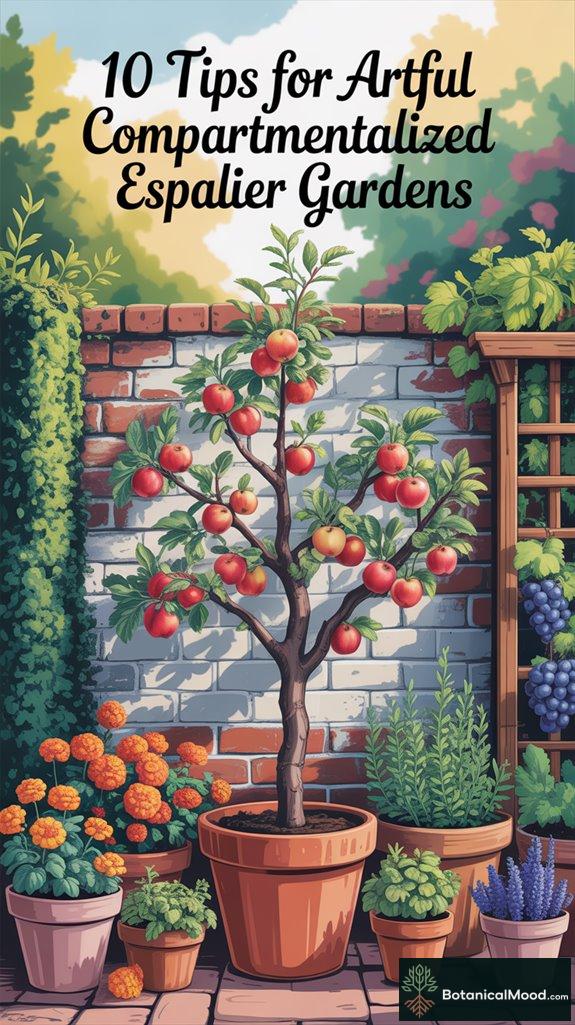
    10 Tips For Artful Compartmentalized Espalier Gardens

    Want to turn your backyard into a living piece of art? Trust me, I’ve been there with espalier gardens – it’s like creating a botanical chess game.

    I started my espalier journey after a disastrous attempt at regular gardening (RIP, tomato jungle of 2019). Now I’m obsessed with training fruit trees into geometric patterns, like some kind of plant-whispering architect.

    My favorite combo? Malus domestica (fancy talk for apple trees) and Ficus carica (figs, if you’re not feeling pretentious). I space them 2-3 feet apart on my DIY support system – nothing says “I’ve got my life together” like perfectly aligned branches.

    Pro tip: Regular pruning is crucial, unless you’re going for that “abandoned French castle” vibe. And yes, mulching matters. My garden buddies include lavender and thyme, because why not add some aromatherapy to this green geometry?

    How My Failed Modern Art Project Became a Stunning Garden Wall Design

    Back in 2020, I tried creating a minimalist outdoor art installation that honestly looked like a sad clothesline. Then it hit me – why not combine it with espalier techniques? I repurposed the steel cables into a diamond-pattern support system, perfect for training Persian mulberries (Morus nigra) and dwarf pears (Pyrus communis).

    The transformation was mind-blowing. Now my garden wall serves as both a productive fruit garden and a conversation starter. Visitors always ask about the “living sculpture,” not knowing it started as a happy accident with some spare construction materials and an overambitious art project.

    Quick Takeaways

    • Utilize a 3×6 foot section layout for optimal plant spacing and improved drainage, enhancing garden growth and aesthetics.
    • Choose a mix of edible and ornamental plants for visual appeal and diversity, ensuring they are suitable for your local climate.
    • Implement vertical planting techniques using trellises to draw the eye upwards and maximize space without sacrificing beauty or function.
    • Incorporate companion plants to foster a healthy ecosystem, using herbs and flowers to deter pests and support nutrient uptake in your garden.
    • Use durable materials like weather-resistant wood or stone for structure and design consistency, combining functionality with artful garden aesthetics.

    Choose the Right Location for Your Espalier Garden

    espalier garden space design

    Espalier planting beds are distinctive garden spaces that elegantly train trees or shrubs against a flat surface, allowing them to grow in a controlled fashion.

    Typically, these beds can vary in size but often measure about 3 to 5 feet wide, making them ideal for small areas. These beds are usually arranged in a geometric pattern using materials like treated wood, stone, or concrete for durability and aesthetics. The layout is designed to maximize sunlight exposure while allowing for easy maintenance.

    Common plants for espalier gardens include fruit trees such as apples and pears, as well as ornamental shrubs like camellias and jasmine. Moreover, incorporating minimalist contemporary aesthetics can enhance the visual appeal of your garden while promoting sustainability.

    Selecting Plants for Your Espalier Bed

    When choosing plants for your espalier garden, consider the following:

    • Climate Compatibility: Select plants suited to your local climate.
    • Growth Habit: Choose species that naturally grow laterally.
    • Fruit/Flower Production: Decide if you want edible or decorative plants.

    Suggested Plants:

    • Apple Trees (Malus)
    • Pear Trees (Pyrus)
    • Fig Trees (Ficus carica)
    • Jasmine (Jasminum)
    • Camellia (Camellia japonica)

    Designing Your Espalier Planting Bed

    To design an effective espalier planting bed, follow these tips:

    1. Layout Planning: Sketch your desired shape and size before planting.
    2. Support Structures: Install trellises, wires, or fences for plant training.
    3. Spacing: Space plants 2 to 3 feet apart to guarantee air circulation.

    Pro Tips:

    • Start with young, pliable plants for easier training.
    • Regularly prune to encourage the desired shape.
    • Maintain a consistent watering schedule to promote healthy growth.

    The Benefits of Espalier Gardening

    Espalier gardening not only optimizes limited space but also adds an artistic touch to your surroundings.

    This unique technique brings a structured beauty while allowing for efficient fruit production.

    Embracing this gardening method can transform your outdoor space into an elegant edible oasis.

    Select Ideal Fruit Tree Varieties for Espalier

    vertical fruit garden design

    Espalier planting beds are decorative and practical structures that utilize flat training techniques to grow fruit trees along walls or fences, creating a stunning vertical garden. These beds typically measure 3×6 feet, allowing enough space for several trees.

    Constructed from weather-resistant wood or stone, they offer excellent drainage and aeration while maintaining an aesthetically pleasing look. Ideal materials include cedar for longevity and treated wood for protection against pests.

    Employ complementary plants like herbs or annuals in the base for added visual interest and biodiversity.

    Selecting Suitable Plants for Espalier Beds

    Selecting fruit trees for your espalier garden requires considering size, fruit type, and growth habits. Options include:

    • Apple: Dwarf varieties like ‘Kolomikta’ thrive in smaller spaces.
    • Pear: ‘Patten’ produces lovely fruits and robust growth.
    • Cherry: ‘Stella’ is self-pollinating and has beautiful blooms.
    • Fig: ‘Little Miss Figgy’ offers compact size and delicious fruits.

    Designing Your Espalier Planting Bed

    To design an espalier planting bed, consider these key tips:

    1. Choose Sunny Location: Many fruit trees thrive in 6-8 hours of sunlight daily.
    2. Plan Plant Spacing: Space trees 12-24 inches apart for ideal growth.
    3. Create Support Structures: Install horizontal wires or trellises for guiding growth.
    4. Use Companion Plants: Incorporate herbs to deter pests; marigolds work well.

    Pro Tip: Regularly prune trees to maintain shape and encourage fruit production.

    Espalier Maintenance and Care

    Regular maintenance is vital for a thriving espalier garden. This includes consistent watering to guarantee soil moisture, strategic pruning for shape and health, and soil amendments to boost nutrient levels.

    Effective pest management practices are also important to protect your harvest.

    Plan the Layout of Your Compartmentalized Sections

    stylish compartmentalized planting beds

    Compartmentalized planting beds are a stylish way to grow plants while adding structure and visual appeal to your garden. Typically measuring 4×8 feet, these beds can be constructed using wood, stone, or recycled materials.

    Arranging them in a grid pattern creates distinct sections, allowing for different plant types to thrive. Espaliered varieties, herbs, and ornamental grasses are popular choices, as they maximize space and height. Additionally, incorporating principles from traditional Japanese zen garden composition techniques can enhance the overall harmony and balance of your layout.

    Consider using durable materials like cedar wood for longevity and aesthetic appeal.

    Choosing the Right Plants for Your Garden

    When selecting plants for your compartmentalized beds, consider factors such as sunlight, soil type, and water needs. Here are some excellent options:

    • Espaliered Fruit Trees: Apple, Pear
    • Herbs: Rosemary, Thyme, Basil
    • Flowers: Lavender, Marigold, Pansies
    • Vegetables: Lettuce, Tomato, Peppers

    Tips for Designing Your Planting Beds

    To design your planting bed, begin with a layout plan mapping out the specific compartments. Here are some tips:

    • Space Plants Appropriately: Allow at least 12-18 inches between larger plants and 8-12 inches for smaller varieties.
    • Layer for Aesthetics: Position taller plants at the back and shorter ones at the front.
    • Companion Planting: Use compatible plants to enhance growth and deter pests.
    • Pro Tip: Incorporate pathways between compartments for easy access and maintenance.

    Exploring Other Garden Designs

    In addition to compartmentalized beds, consider incorporating raised beds or vertical gardens, both of which can optimize space.

    Raised beds provide better drainage and soil control, while vertical gardens allow for creative combinations of plants in limited spaces.

    Mix decorative elements, such as trellises or garden art, to enhance your garden’s aesthetic appeal.

    Utilize Support Structures for Optimal Growth

    espalier fruit tree structures

    Espalier planting beds are artistic structures designed to reliably grow fruit trees and shrubs against a wall or fence, maximizing space and sunlight exposure. Generally sized between 4 to 6 feet wide and 6 to 10 feet tall, these beds typically utilize strong materials like wood for frames and wire for support.

    Construction involves building a sturdy trellis or frame that allows the plants to be trained horizontally, creating a patterned, visually appealing arrangement.

    Choosing the Right Plants for Espalier

    When selecting plants for your espalier bed, consider sun exposure and growth characteristics. Ideal plants include:

    • Apple trees (e.g., ‘Belle de Boskoop’)
    • Pear trees (e.g., ‘Conference’)
    • Fig trees (e.g., ‘Brown Turkey’)
    • Grape vines (e.g., ‘Concord’)
    • Jujube (Ziziphus jujuba)

    Designing Your Espalier Planting Bed

    To design an espalier planting bed, follow these tips:

    1. Select a sunny location: Confirm at least 6 hours of sun exposure daily.
    2. Plan your layout: Consider a linear or fan shape for visual appeal.
    3. Space your plants wisely: Allow 2 to 3 feet between plants for air circulation.
    4. Train progressively: Tie branches to the supports as they grow to maintain shape.
    5. Regularly prune: Focus on maintaining the design and promoting healthy growth.

    Benefits of Vertical Gardening

    Vertical gardening provides numerous advantages, including enhancing space efficiency, improving air circulation, and creating visual interest in small areas. Additionally, incorporating companion planting strategies can result in increased yields and healthier plants in your garden.

    Understand Pruning Techniques for Espalier Trees

    espalier trees on supports

    Espalier planting beds are uniquely designed for growing fruit or ornamental trees on sturdy supports against walls or fences. Typically, a size of 4×8 feet is ideal, allowing adequate space for growth. The layout features a grid system with horizontal and vertical branches secured using wires or trellises.

    Espalier planting beds offer a unique way to cultivate trees against walls or fences, maximizing space in a charming 4×8 layout.

    Constructed from pressure-treated wood or stone, these beds create a charming visual appeal while maximizing your garden space. Common plants include apple, pear, and fig trees, which thrive when pruned and shaped meticulously.

    Selecting Plants for Espalier Beds

    When choosing plants for your espalier bed, consider the following:

    • Local climate: Opt for varieties suited to your region.
    • Maintenance level: Select trees that align with your care routine.
    • Resilience: Look for disease-resistant types.

    Suggested Plants:

    • Apple trees (Malus domestica)
    • Pear trees (Pyrus communis)
    • Citrus trees (Citrus spp.)
    • Cherry trees (Prunus avium)

    Designing Your Espalier Planting Bed

    To design your espalier planting bed, follow these steps for optimum success:

    • Plan arrangement: Start by positioning taller plants on the back and shorter ones in front.
    • Space wisely: Maintain at least 18–24 inches between plants for adequate air circulation.
    • Use pathways: Integrate walking paths for easier access to the plants.

    Pro Tips:

    • Prune regularly to encourage horizontal growth.
    • Use heavy-duty support materials for especially vigorous species.

    Exploring Garden Design Principles

    Additionally, consider incorporating companion planting methods to enhance biodiversity and create a thriving ecosystem. Implementing native plants along with your espalier trees can provide crucial habitat for beneficial insects, ultimately improving plant health and yield.

    Incorporate Companion Plants for Biodiversity

    espalier gardens maximize space

    Espalier gardens are visually striking planting beds that maximize space and enhance aesthetics by growing plants against a wall or latticework framework. Typically, a 4×6-foot area is ideal, featuring well-defined compartments that create an orderly layout.

    Common materials include trellises, wooden frames, or wire systems. These structures support various plants, emphasizing fruits, vegetables, or ornamental flowers, fostering a picturesque garden.

    Constructing an espalier bed involves preparing soil, placing the framework, and planting chosen varieties while ensuring adequate sun exposure.

    Selecting Plants for Companion Planting

    Selecting the right companion plants is vital for biodiversity. Consider these vibrant options:

    • Herbs: Basil, Rosemary, Mint
    • Flowers: Marigolds, Nasturtiums, Lavender
    • Fruits: Strawberries, Tomatoes, Blueberries
    • Vegetables: Peppers, Carrots, Cabbage

    Designing Your Espalier Planting Bed

    To design an effective espalier bed, follow these tips:

    1. Plan the layout: Identify a sunny spot and measure the desired footprint.
    2. Choose a framework: Opt for sturdiness to support your plants.
    3. Spacing requirements: Allow at least 12-18 inches between plants for airflow.
    4. Arrange vertically: Position taller plants against the wall and shorter ones in front for layers.
    5. Utilize vertical growth: Train plants along the support system.

    Pro Tip: Always consider plant compatibility; some thrive together, while others may compete for nutrients.

    Exploring Urban Vertical Gardening

    Urban vertical gardening is an innovative approach to maximize limited space in city areas.

    Using wall planters, hanging pots, or grid systems, gardeners can cultivate a variety of plants, benefiting from improved aesthetics and air quality.

    Vertical gardens not only provide fresh produce but also create a tranquil oasis amidst concrete environments, promoting sustainability and healthy living.

    Manage Soil Quality for Healthy Growth

    vertical gardening for compact spaces

    Artful compartmentalized espalier gardens are strategic planting beds designed to enhance vertical growth and maximize space in smaller areas. Typically sized at 4×8 feet, these beds can be arranged in a series of panels or grids.

    Built using durable materials like treated wood or galvanized metal, they feature an open trellis system to support climbing plants. Varieties such as decorative apples, wisteria, and jasmine are commonly used for their ornamental and aromatic qualities.

    Constructed with careful attention to soil quality, make sure to amend with compost for excellent drainage and nutrient retention, promoting healthy growth.

    Selecting Plants for Espalier Beds

    When selecting plants for your espalier beds, consider growth patterns and compatibility with your design. Recommended plants include:

    • Apple trees (Malus domestica)
    • Grape vines (Vitis vinifera)
    • Pear trees (Pyrus communis)
    • Climbing roses (Rosa spp.)
    • Jasmine (Jasminum spp.)

    Designing Your Espalier Garden Bed

    To design an effective espalier bed, follow these tips:

    • Determine the sun exposure and space for trellises.
    • Space plants 18-24 inches apart to guarantee airflow.
    • Use a grid layout for uniformity and aesthetics.
    • Regularly prune for structure and light access.
    • Incorporate a watering system for convenience, ensuring even moisture retention and healthy root systems.

    Exploring Vertical Gardening Techniques

    Vertical gardening techniques such as using wall-mounted planters or freestanding trellis systems can complement your espalier beds.

    These methods not only increase plant yield but also add dynamic visual interest, making small spaces lively. Incorporating a variety of herbs, annuals, and perennials enhances biodiversity while fostering ecological balance.

    Implement Effective Watering Strategies

    espalier garden design strategies

    Espalier gardens feature a unique planting bed structure that showcases plants trained against a wall or trellis. Typically, these beds are rectangular, sized 4×8 feet, providing a compact yet visually appealing layout. Constructed using durable materials like cedar wood or stone, they incorporate well-draining soil enriched with compost.

    This design allows for both aesthetic beauty and effective space utilization, showcasing plants like apples, pears, and flowering vines. The arrangement should focus on maximizing sunlight exposure and creating a layered effect, where taller plants serve as the backdrop for shorter varieties.

    Selecting Plants for Espalier Gardens

    When selecting plants for your espalier garden, choose varieties that thrive in your climate and suit your aesthetic. Consider these options:

    • Apple trees (Malus domestica)
    • Pear trees (Pyrus)
    • Cherry trees (Prunus avium)
    • Climbing roses (Rosa spp.)
    • Grape vines (Vitis vinifera)

    Designing Your Espalier Garden Bed

    To design your espalier bed, start by sketching your layout, guaranteeing a clear plan for your trellis or support structure.

    Here are some essential tips:

    • Arrange taller plants at the back, medium plants in the middle, and shorter plants in front.
    • Space plants 18-24 inches apart to ensure air circulation.
    • Use anchors or stakes to secure trellises as needed.

    Pro Tips: Regularly prune the branches to maintain shape and encourage growth, and guarantee consistent access to sunlight.

    Companion planting can enhance the health and yield of your garden. Certain pairings, like tomatoes with basil or carrots with onions, can deter pests naturally while promoting growth.

    This method encourages a symbiotic relationship among plants, optimizing nutrient uptake and pest management, leading to a thriving garden ecosystem.

    Use Mulching to Preserve Moisture and Suppress Weeds

    compartmentalized garden design benefits

    Compartmentalized espalier gardens are designed to maximize space while maintaining an artistic, structured appearance.

    Compartmentalized espalier gardens optimize space, combining functionality with an aesthetically pleasing, structured design.

    Typically, these beds are arranged in rectangular or square sections, measuring 3×6 feet. Constructed with sturdy materials like weather-resistant wood or decorative stone, each compartment is filled with nutrient-rich soil to support growth.

    Common plants include fruit trees, berries, and ornamental vines trained on trellises. Mulching not only preserves moisture but also suppresses weeds, guaranteeing your garden remains healthy and low-maintenance.

    Selecting Plants for Espalier Gardens

    When selecting plants for your espalier garden, consider the following options:

    • Apple Trees
    • Pear Trees
    • Grape Vines
    • Blueberries
    • Fig Trees

    Choose plants based on your climate, sunlight availability, and desired aesthetics.

    Designing and Planning Your Espalier Bed

    To design an effective espalier garden, follow these tips:

    • Plan in sections for each plant type.
    • Space trees 3-5 feet apart and vines closer, about 12-18 inches.
    • Use trellises for vertical growth and maximum sun exposure.

    Pro tips: Consider your garden’s sun exposure for ideal growth and guarantee adequate irrigation routes.

    Benefits of Companion Planting in Gardens

    Companion planting enhances growth and pest control in your garden.

    For instance, planting marigolds alongside vegetables can deter harmful insects. Further, pairing legumes with nitrogen-fixing plants boosts soil fertility, promoting healthier garden ecosystems.

    Design for Seasonal Aesthetics and Harvest Timing

    vertical espalier garden design

    Espalier gardens utilize vertical space through a flat arrangement of trees and shrubs trained to grow against walls or trellises. These planting beds typically measure 4-6 feet wide and can extend several feet long, offering enchanting aesthetics through layered plantation.

    Constructed with sturdy wooden or metal supports, these beds are often framed with decorative stones or bricks. Ideal plants include apples, pears, and berries like raspberries or blackberries, which flourish in compact, well-drained soil while providing seasonal beauty.

    Selecting Plants for Espalier Gardens

    1. Apple Trees (Malus domestica)
    2. Pear Trees (Pyrus communis)
    3. Blueberries (Vaccinium corymbosum)
    4. Grapevines (Vitis vinifera)
    5. Raspberries (Rubus idaeus)

    When selecting plants, choose varieties that reflect aesthetic preferences and climate adaptability. Opt for disease-resistant cultivars for ease of care.

    Designing Your Espalier Planting Bed

    • Choose a sunny location (6-8 hours of sunlight).
    • Measure space and create a layout plan using graph paper.
    • Install a sturdy trellis structure or support system.
    • Space plants 2-3 feet apart to promote airflow and sunlight distribution.

    Pro Tip: Use a mix of flowering and fruiting plants to create a visually dynamic garden while promoting a staggered harvest period for year-round interest.

    Exploring Companion Planting Benefits

    Companion planting can enhance garden health, protecting plants from pests while promoting nutrient sharing. Experiment with companion crops, such as marigolds to fend off aphids, and herbs like basil for beneficial insect attraction.

    Mulching and Weeding Routines

    mulching enhances garden health

    Maintaining a thriving espalier garden involves establishing a diligent mulching and weeding routine, as these practices greatly contribute to plant health and overall aesthetic appeal.

    When I mulch, I choose organic materials like wood chips, straw, or cocoa hulls. These materials suppress weeds while providing nutrients.

    Here’s a quick guide:

    Mulch MaterialsBenefits
    Wood ChipsRetain moisture, suppress weeds
    StrawLight, easy to spread, degrades quickly
    BarkLong-lasting, enhances aesthetics
    Cocoa HullsNutrient-rich, pleasant aroma

    Effective weed management involves regular monitoring and hand-pulling. Together, these strategies support a flourishing garden.

    FAQ

    Can I Grow Vegetables Alongside My Espalier Trees?

    Absolutely, I grow vegetables alongside my espalier trees! Just guarantee crop compatibility; tomatoes and lettuce thrive in vertical gardening. It’s rewarding to maximize space while providing fresh produce for friends and family. Happy gardening!

    How Do I Protect My Espalier Garden From Pests?

    I used to think pests would leave my beautifully arranged espalier garden alone, but I’ve found organic deterrents like neem oil and companion planting work wonders for pest control. It’s a labor of love for my plants!

    What Is the Best Time to Plant Espalier Trees?

    I’ve found spring planting is ideal for espalier trees, giving them a full growing season. However, fall planting can also work well, allowing roots to establish before winter, so choose what suits your garden best!

    How Long Does It Take for Espalier Trees to Mature?

    Espalier trees usually take about three to five years to mature, depending on various factors. I’ve found that consistent care and proper espalier techniques notably speed up tree growth, leading to beautiful, productive results for everyone.

    Can I Use Containers for My Espalier Garden?

    I’ve found container success with my espalier trees; just recall to choose the right soil. Well-draining mix keeps roots happy, and nurturing them in pots can create a stunning vertical garden display.

    Summary

    I create my compartmentalized espalier garden by mixing art with plant care. I select prime spots for Malus domestica (apples) and Prunus persica (peaches), using specific pruning methods. My garden becomes a living display that showcases nature’s beauty across seasons.

    Have you tried espalier gardening? Drop a comment below about your successes, challenges, and lessons learned while training fruit trees against walls or fences.

    We’d love to see your espalier creations! Share photos of your garden design and tell us about the techniques you used to shape your trees. Did you follow traditional patterns or create your own unique style?

  • 9 Best Sectional Espalier Methods For Fruit Trees

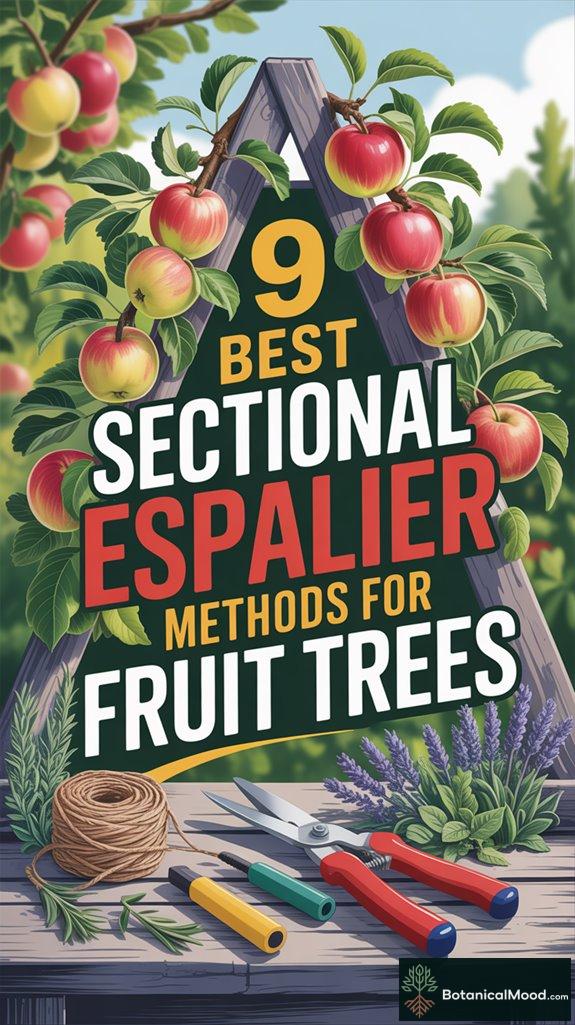
    9 Best Sectional Espalier Methods For Fruit Trees

    Want to turn your fruit trees into living works of art? Let me spill the tea on espalier methods.

    I discovered the magic of espalier when my tiny urban garden felt like a shoebox. Traditional Horizontal Espalier became my go-to for Malus domestica (fancy talk for apples), though I’ll admit my first attempt looked more like a drunk spider’s web.

    The Double Curtain method? Pure eye candy. My ‘Bartlett’ pear rocks this style, and visitors can’t stop gushing. For tight spaces, I swear by the A-Frame – it’s like Tetris for tree branches.

    From Disaster to Design: How a Storm Transformed My Fruit Garden

    Last spring, a nasty windstorm knocked down my beloved apple tree. Instead of crying over spilled apples, I turned lemons into lemonade (or rather, fallen trees into garden art). I created a mixed espalier garden wall combining both ornamental and fruiting plants – Japanese maple (Acer palmatum) intertwined with espaliered ‘Honeycrisp’ apples. The contrast between maple’s burgundy leaves and apple’s white blossoms is absolutely dreamy. Added bonus? The design naturally attracts beneficial insects like mason bees (Osmia bicornis), turning my garden into a pollination paradise.

    Quick Takeaways

    • Traditional Horizontal Espalier is ideal for small spaces, utilizing trellises for easy maintenance and support for apples, pears, and figs.
    • Lattice Espalier maximizes sunlight and air circulation, perfect for densely planted areas, and works well with a variety of fruit trees.
    • A-Frame Espalier efficiently uses vertical space, allowing easy access for harvesting while supporting various fruits like apple, pear, and cherry trees.
    • Double Curtain and Cordon Espalier techniques emphasize specific spacing and pruning practices, ensuring healthy growth and increased fruit production among selected varieties.
    • Pyramid and Serpentine Espalier styles create visually appealing structures while maintaining necessary sunlight exposure and air flow for optimal tree health and fruit yield.

    Traditional Horizontal Espalier

    horizontal fruit tree training

    Traditional Horizontal Espalier

    Traditional Horizontal Espalier is a delightful gardening method that allows fruit trees to flourish in limited spaces while providing an artistic display. This method typically utilizes a framework of trellises or wires attached to a wall or fence, encouraging the trees to spread out horizontally. The recommended size for such a planting bed can range from 3 to 5 feet deep and up to 10 feet wide, utilizing materials like wood, metal, or sturdy wire for support.

    Plant varieties commonly used include apple, pear, or fig trees, which provide visual interest and delicious harvests. Constructing this bed involves preparing the soil, creating a support system, and carefully pruning and training young trees along the structure. Additionally, incorporating sleek steel designs can enhance the aesthetic appeal of your espalier setup.

    Selecting Plants for Espalier Beds

    When selecting plants for your horizontal espalier bed, consider the following options:

    • Apple trees (Malus domestica)
    • Pear trees (Pyrus communis)
    • Fig trees (Ficus carica)
    • Cherry trees (Prunus avium)
    • Peach trees (Prunus persica)
    • Plum trees (Prunus domestica)

    Choose varieties that are suited to your climate and have a potential growth habit compatible with espalier training.

    Designing Your Espalier Planting Bed

    To design an effective traditional horizontal espalier, follow these tips:

    1. Choose a sunny location to promote ideal growth – aim for at least 6-8 hours of sunlight.
    2. Space trees 2-3 feet apart to allow for airflow and prevent overcrowding.
    3. Consider a trellis height of 4-6 feet to provide easy access for maintenance and harvest.
    4. Select a sturdy structure that can support the weight of mature plants and withstand weather conditions.
    5. Prune branches regularly to guide growth along the supports, maintaining desired shapes.

    Pro Tip: Regularly check your tree ties to verify they’re secure but not constricting the growth of your plants.

    Benefits of Vertical Gardening Techniques

    Vertical gardening techniques, like espalier, not only maximize space but also enhance air circulation around your plants. These methods promote healthier fruit development while adding visual charm to your garden.

    Plus, they encourage creative design elements in small urban areas, allowing you to grow food in innovative and beautiful ways. Don’t forget to incorporate companion plants to improve biodiversity and pest control.

    Fan-Shaped Espalier

    fan shaped fruit tree training

    A fan-shaped espalier is a stunning method to train fruit trees that enhances both aesthetics and space optimization. Typically 6-8 feet wide and 4-6 feet tall, this arrangement creates a visually appealing fan pattern against a wall, fence, or trellis. Constructed using sturdy materials such as wood, metal stakes, or wire, the design relies on proper spacing and wiring to secure the tree branches. Common plants used include apple, pear, and stone fruits, all of which can adapt beautifully to this structure. Additionally, using stackable concrete block planting beds can further enhance your garden’s layout and functionality.

    Selecting Plants for Fan-Shaped Espalier

    Choosing the right plants is crucial for a successful fan-shaped espalier. Consider the following options:

    • Apple (Malus domestica)
    • Pear (Pyrus)
    • Cherry (Prunus avium)
    • Plum (Prunus domestica)
    • Figs (Ficus carica)

    Designing a Fan-Shaped Espalier

    Designing a fan-shaped espalier requires careful planning and consideration. Use these tips to create an effective layout:

    • Space plants 12-24 inches apart to allow for ample growth.
    • Position the main trunk at a slight angle for a natural flow.
    • Secure branches to the frame with ties or clips every 12 inches.

    Pro tip: Regular pruning guarantees healthy air circulation and light exposure, promoting fruit production and a clean look.

    Benefits of Espalier Training Techniques

    Utilizing espalier training techniques offers numerous benefits. By effectively managing growth, you can maximize your garden space while producing abundant fruit.

    Furthermore, this method is ideal for smaller urban gardens, contributing to increased greenery and improving air quality. A well-maintained espalier can also boost curb appeal and provide a focal point in your outdoor space.

    Vertical Espalier

    vertical garden design method

    Vertical Espalier

    Vertical espalier planting beds are an innovative method for training fruit trees to grow against a wall or trellis, creating a stunning visual centerpiece while maximizing space and sunlight.

    Vertical espalier planting beds elegantly train fruit trees against walls, enhancing visual appeal while optimizing garden space and sunlight.

    Typically, these beds range from 4 to 6 feet in width, allowing for easy access and maintenance. Constructed using sturdy materials like wood or metal, they can feature horizontal wires or supports for the branches.

    Ideal plants include apple, pear, and fig trees, all of which thrive when pruned and trained. The overall arrangement should be organized, creating an eye-catching display with a vertical height that draws the eye upward and utilizes limited garden area effectively.

    Selecting Plants for Vertical Espalier Beds

    When selecting plants for your vertical espalier bed, consider the following:

    • Apple trees – hardy and versatile.
    • Pear trees – delicious fruits with minimal care.
    • Plum trees – beautiful blossoms and fruitful harvests.
    • Fig trees – great for smaller spaces and climates.

    Designing Your Vertical Espalier Bed

    To effectively design your vertical espalier bed, follow these steps:

    • Choose a sunny location – ideal for fruit trees.
    • Space plants appropriately – allow 18-24 inches between each tree.
    • Plan for growth – consider the ultimate size of the trees.
    • Use trellis systems – install strong supports for training.

    To maximize your space and enhance the aesthetic appeal of your outdoor areas, consider these design strategies.

    Pro Tips:

    • Start with young trees for easier training.
    • Regularly prune to maintain shape and productivity.
    • Create a schedule for watering and fertilizing for peak growth.

    Enhancing the Garden with Espalier Techniques

    Incorporating espalier techniques can dramatically transform your garden settings.

    These methods not only maximize your space but also add aesthetic value with structured, beautiful shapes. With a little creativity and care, gardeners can enjoy the dual benefits of functional fruit production and striking garden design.

    Double Curtain Espalier

    fruit trees in parallel

    The Double Curtain Espalier is a mesmerizing method to train fruit trees, enhancing garden aesthetics while maximizing fruit production. Ideal for small spaces, this design features two rows of trees arranged parallel, providing an organized look.

    A typical layout consists of two to four plants on either side of a central support structure, made from durable materials like treated wood for longevity. Each tree is carefully pruned to encourage horizontal growth and create a curtain of fruit-laden branches.

    The planting bed should be approximately 10-12 feet long and 4-6 feet wide, allowing ample space for growth and light exposure.

    Selecting Plants for Double Curtain Espalier

    When selecting plants for a Double Curtain Espalier, opt for varieties that thrive in your climate and can adapt to training.

    Recommended plants include:

    • Apple (Malus domestica)
    • Pear (Pyrus)
    • Cherry (Prunus avium)
    • Plum (Prunus domestica)
    • Fig (Ficus carica)

    Designing Your Double Curtain Espalier

    To design a successful Double Curtain Espalier, consider the following steps:

    • Choose a sunny location with well-drained soil.
    • Space plants 3-4 feet apart for best air circulation and growth.
    • Use sturdy trellises or wire systems for support.
    • Implement regular pruning to maintain symmetry and promote fruit production.
    • Fertilize as needed and guarantee consistent watering.

    Pro tip: Create a visual plan with measurements to guide plant placement and adjust as necessary during growth.

    Enhancing Garden Aesthetics with Espalier

    Incorporating Double Curtain Espalier not only enriches your garden but can also complement other landscaping features, such as pathways and flower beds. Additionally, you might consider a stunning monochromatic palette to enhance your garden’s aesthetic appeal.

    Consider mixing ornamental plants or annuals to add color and texture around the fruit trees. This design creates a stunning focal point while promoting a harmonious garden ecosystem.

    Cordon Espalier

    vertical fruit tree gardening

    Cordon espalier beds feature a unique vertical growth method for fruit trees, maximizing space and sunlight exposure. Typically, these beds are around 1-2 feet deep and can span a length of 6-10 feet. Constructed in a linear or horizontal layout against a wall or fence, they provide a striking frame for your garden.

    The bed consists of well-draining soil, enriched with organic materials, and sturdy trellising made from wood or metal that supports the trees as they grow. Common plants used include apple, pear, and plum trees, which are pruned to form a single stem with horizontal branches at desired intervals.

    Selecting Plants for Cordon Espalier

    When choosing plants for your cordon espalier bed, consider these factors:

    • Suitable Trees: Look for self-pollinating varieties.
    • Climate Compatibility: Confirm the plants thrive in your region.
    • Space Requirements: Choose dwarf or semi-dwarf varieties.

    Suggestions:

    • ‘Gala’ Apple
    • ‘Bartlett’ Pear
    • ‘Stanley’ Plum
    • ‘Cox’s Orange Pippin’ Apple

    Designing a Cordon Espalier Bed

    To design an effective cordon espalier bed, follow these tips:

    • Plan Layout: Position your trellis horizontally or vertically based on available space.
    • Spacing: Space trees 18-24 inches apart for ideal growth.
    • Pruning: Regularly prune and train branches to follow the trellis grid.

    Pro Tips:

    • Use wire or sturdy twine to secure branches.
    • Confirm the structure supports seasonal fruit weight.

    Benefits of Espalier Techniques for Urban Gardens

    Espalier techniques are especially beneficial for urban gardens, where space is limited. By training trees vertically, you can cultivate delicious fruits while creating an attractive feature that enhances privacy and aesthetics without taking up too much room.

    Integration of vertical gardens increases air circulation and sunlight exposure, promoting healthier plant growth.

    Serpentine Espalier

    serpentine fruit tree bed

    A serpentine espalier planting bed features a graceful, wavy structure that allows fruit trees to grow against a wall, fence, or trellis in a space-efficient manner. Typically 3-4 feet wide, the bed can be designed to fit any length, creating an attractive visual element in your garden.

    Construct this bed using materials such as treated wood or stone and fill with nutrient-rich soil. Space your fruit trees, like apples, pears, or figs, along the serpentine curves to promote horizontal growth and easy access to sunlight.

    Selecting Plants for Your Espalier Bed

    When selecting plants for your serpentine espalier, look for varieties that naturally train well. Consider these options:

    • Apple (Malus domestica)
    • Pear (Pyrus communis)
    • Cherry (Prunus avium)
    • Plum (Prunus domestica)
    • Grapes (Vitis vinifera)

    Designing a Serpentine Espalier Planting Bed

    To design your planting bed, follow these tips:

    • Plan the layout: Sketch the serpentine shape on paper to visualize how trees will be positioned.
    • Space carefully: Ideally, space your trees 18-24 inches apart to allow for growth.
    • Use vertical supports: Install a trellis or sturdy wire for support as the trees train along the serpentine lines.
    • Consider sunlight: Place taller trees on the north side to avoid shading shorter ones.

    Pro Tip: Regular pruning and training of branches will keep your espalier looking tidy!

    Benefits of Espalier Fruit Trees

    Espalier fruit trees offer unique benefits in limited spaces. They enhance aesthetic appeal, maintain a manageable growing height, and make harvesting more convenient.

    Additionally, they promote increased sunlight exposure, yielding better fruit production outcomes. Explore various espalier designs to fit your garden’s spirit!

    Pyramid Espalier

    pyramid shaped fruit tree design

    A pyramid espalier planting bed is a visually striking way to grow fruit trees in a compact space. Typically, this arrangement features three to four tiers stacked in a pyramid shape, maximizing sunlight exposure.

    Generally, a 4-foot-by-4-foot area works well, with sturdy trellis materials like cedar wood or galvanized wire for support. The construction involves creating a central post with horizontal supports attached at each tier, allowing branches to be trained easily. This artistic layout can accommodate a variety of fruit trees, including apple, pear, and fig.

    Selecting Plants for Pyramid Espalier

    When choosing plants for your pyramid espalier, consider their growth habits and hardiness. Here are some excellent options:

    • Apple Trees (Malus domestica)
    • Pear Trees (Pyrus communis)
    • Plum Trees (Prunus domestica)
    • Cherry Trees (Prunus avium)
    • Fig Trees (Ficus carica)

    Designing a Pyramid Espalier Bed

    For effective design and planning of your pyramid espalier bed, follow these tips:

    • Create a Blueprint: Sketch the layout on paper for easier organization.
    • Tier Spacing: Space each tier about 12-18 inches apart to confirm sunlight and air circulation.
    • Plant Range: Use dwarf varieties suited for small spaces.
    • Consistent Angle: Train branches to grow outward at 45-degree angles for a uniform appearance.
    • Staking: Secure young plants to prevent them from bending.

    Maintenance Tips for Healthy Growth

    Regular maintenance is vital for the success of a pyramid espalier.

    Prune branches in late winter to encourage fresh growth, and regularly check for pests and diseases.

    Confirming adequate irrigation and fertilization can help your trees thrive, allowing you to enjoy a bountiful harvest in a limited space. Happy gardening!

    Lattice Espalier

    lattice framed fruit tree gardening

    Lattice espalier is a stunning gardening technique that allows fruit trees to climb a structured frame, enhancing aesthetics while maximizing fruit production. Ideal for smaller spaces, these beds typically measure 5 to 8 feet wide and can stretch along walls or fences.

    Made from durable materials like cedar or treated wood, the lattice is constructed by creating a grid of horizontal and vertical slats. Corners and edges are reinforced for stability, allowing varieties such as apple, pear, or fig trees to grow flat against the lattice, arranged to showcase their branches beautifully. This method not only saves space but also invites sunlight, contributing to healthier fruit-bearing.

    Selecting Plants for Lattice Espalier

    When choosing plants for your lattice espalier, consider factors like hardiness zone, growth rates, and fruit types. Here’s a list of suitable options:

    • Apple (Malus domestica)
    • Pear (Pyrus communis)
    • Cherry (Prunus avium)
    • Apricot (Prunus armeniaca)
    • Fig (Ficus carica)
    • Plum (Prunus domestica)

    Designing Your Lattice Espalier Bed

    To design a lattice espalier bed, start by sketching a layout plan on paper. Key tips include:

    • Spacing: Plant trees 3 to 4 feet apart to allow for ideal growth and air circulation.
    • Orientation: Position the lattice wall facing south or west for maximum sunlight exposure.
    • Support: Confirm adequate anchoring of the lattice frame to withstand wind.

    Pro Tip: Prune regularly to maintain shape and promote fruitful growth. Rotate branches as they mature to keep them attached to the frame.

    Exploring Additional Espalier Styles

    Beyond lattice espalier, consider techniques like fan or cordon styles for diverse fruit tree designs. These methods also enhance garden space, allowing for the creation of fruitful barriers and eye-catching scenery.

    Both techniques encourage efficient air circulation, leading to healthier trees. Using different patterns can add visual interest while maintaining functionality in your garden scheme.

    A-Frame Espalier

    vertical fruit tree gardening

    The A-frame espalier is an innovative and vertical gardening technique ideal for fruit trees, maximizing space while offering an attractive structure.

    Typically constructed from sturdy materials like cedar or treated wood, the A-frame stands roughly 6-8 feet high, allowing for efficient sunlight exposure. The frame consists of two angled posts connected at the top, forming an “A” shape that supports the branches of your selected fruit trees. Common choices include apple, pear, and cherry varieties, which can be carefully pruned and trained to grow flat against the frame.

    This method not only creates a beautiful display but also facilitates easy harvesting.

    Selecting Plants for A-Frame Espalier

    When choosing plants for your A-frame espalier, consider varieties that support the structure. Here are some popular options:

    • Dwarf Apple Trees
    • Espalier Pear Trees
    • Cherry Trees
    • Fig Trees
    • Citrus (like Meyer Lemon)

    Designing Your A-Frame Espalier Bed

    Planning your A-frame espalier bed requires careful design to promote ideal growth and aesthetics. Use these tips for creating an effective layout:

    • Position the A-frame in a sunny part of your garden, receiving at least 6-8 hours of sunlight.
    • Space your trees about 2-3 feet apart, allowing room for growth.
    • Incorporate trellis netting to aid in supporting branches.
    • Prune regularly to maintain desired shape and health.

    For spacing, plant taller varieties at the back and shorter ones at the front to maximize light absorption.

    Exploring Companion Planting Techniques

    In companion planting, pairing compatible plants fosters healthier growth and pest management.

    For instance, consider planting herbs like basil and chives near your fruit trees to deter pests naturally while promoting pollination. Knowing which plants thrive together can create a harmonious ecosystem within your garden, ultimately enhancing fruit quality, crunchiness, and sweetness.

    Regular Soil Amendment Applications

    enhancing soil for productivity

    Regular applications of soil amendments are essential for ensuring the health and productivity of your espalier fruit trees.

    By enhancing soil texture and improving nutrient retention, the use of organic materials like compost and well-rotted manure fosters a nourishing environment for plants like Malus domestica (apple) and Prunus persica (peach).

    These amendments not only bolster microbial activity but also encourage deeper root systems, which leads to better water absorption.

    Incorporating amendments seasonally helps maintain balance and provides a steady supply of nutrients, ensuring your fruit trees thrive and produce abundantly while serving your gardening aspirations.

    FAQ

    What Types of Fruit Trees Are Best for Espalier Techniques?

    I’ve found that apple varieties like ‘Espalier Granny Smith’ and pear cultivars such as ‘D’Anjou’ are perfect for espalier techniques. They’re not only beautiful, but they also produce delicious fruit, serving others’ taste buds delightfully!

    How Long Does It Take for Espalier Trees to Mature?

    Espalier trees typically take three to five years to reach maturity, depending on growth conditions. I’ve found that providing ideal sunlight and consistent watering really boosts their development, helping me serve others with delicious fruit sooner!

    Can Espalier Techniques Be Used for Ornamental Plants?

    I’ve used ornamental espalier to create stunning designs in my garden. By applying training techniques, I shape plants beautifully, adding visual interest while making the most of limited space. It’s rewarding to share such creativity!

    What Tools Are Needed for Espalier Pruning and Training?

    I always use pruning shears for trimming and training wires to guide my plants. These tools help shape my espaliers beautifully, allowing me to serve others with stunning greenery while maximizing the space efficiently.

    How Should I Protect My Espalier Trees From Pests?

    I protect my espalier trees from pests by using organic methods like neem oil and insecticidal soap. Regular monitoring and promoting beneficial insects help create a balanced ecosystem, ensuring my trees thrive while serving nature’s needs.

    Summary

    I carefully select espalier methods for my fruit trees, from Traditional Horizontal for apple trees to Pyramid style for cherries. Through experience, I’ve learned that combining these techniques with rich soil amendments creates both a productive and visually appealing garden space.

    Have you tried any espalier methods in your garden? Share your successes, challenges, and lessons learned while training fruit trees into these beautiful living sculptures.

    We’d love to see your garden masterpieces! Drop some photos of your espalier projects below and tell us about your design process – from initial planning to maintenance techniques. Your experience could inspire fellow gardeners.