Tag: outdoor aesthetics

  • Color Block Your Garden: Design Magic That Pops?

    Color Block Your Garden: Design Magic That Pops?

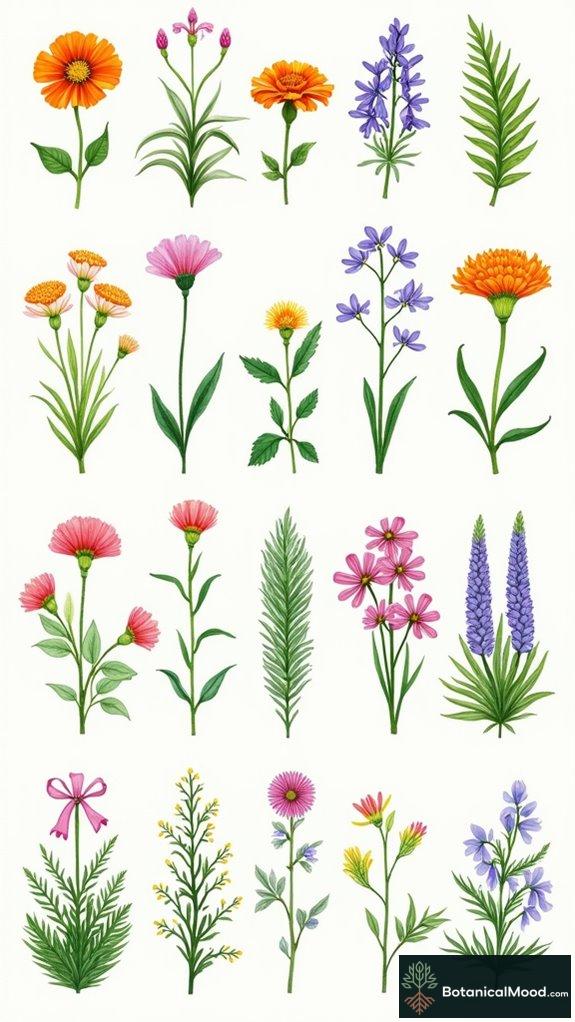
    Color blocking my garden feels like custom painting a masterpiece — only I have a notorious black thumb!

    Who knew vibrant marigolds could practically high-five the dramatic purple salvias?

    It’s a wild setup but staggered blooms make sure there’s always something popping all year round.

    And let’s not forget textural contrasts! Soft ferns cuddling up next to spiky grasses give me pure garden envy.

    Trust me, picking native plants isn’t just eco-guilt; it’s a lively party for pollinators too.

    So, am I gardening or just pretending to be a plant whisperer?

    How I Turned My Black Thumb to Green Through Design Choices

    I’ll never forget the time I planted my first garden. Picture me — shovel in hand, questionable optimism on my face. I mixed colors like a toddler—chaotic but fun!

    But then again, a messy design ended up attracting a myriad of bees. Turns out, throwing in some echinacea and bee balm was a game changer.

    It not only looked stunning but gave those little guys a buffet and me an unforgettable experience.

    From that day, I learned how clever garden design can transform any outdoor space into a sanctuary of life. Embracing color and native plants just feels right — who knew design could be so rewarding?

    Quick Takeaways

    • Utilize contrasting colors in your plant selections to create bold visual statements, enhancing the overall garden beauty.
    • Craft a cohesive color palette by employing complementary, analogous, or monochromatic schemes for emotional impact and visual harmony.
    • Incorporate various textures and forms by mixing plants like spiky ornamental grasses with soft ferns to enrich visual interest.
    • Plan for seasonal color continuity by choosing a mix of perennials and annuals with staggered bloom times throughout the year.
    • Implement proper peony care, including well-drained soil and regular watering, to ensure vibrant blooms that enhance your color-blocked garden design.

    Understanding Color Blocking in Garden Design

    bold color contrast gardens

    Color blocking in garden design serves as a powerful tool, allowing us to manipulate the visual experience of a space through strategic color choices.

    I’ve found that using contrasting colors in distinct sections creates a bold statement, drawing the eye and framing the garden’s beauty. Envision vibrant yellow marigolds energetically juxtaposed against deep purple salvias, which invites moments of reflection.

    Crafting a Cohesive Color Palette

    cohesive garden color palette

    When designing a garden, it’s essential to contemplate how each plant contributes to a cohesive color palette, ensuring that the colors not only complement each other but also evoke the desired emotional response.

    To craft this palette, I often consider:

    Consider color harmonies, seasonality, and focal points to create a captivating garden palette that delights the senses.

    • Color harmonies: Use complementary, analogous, or monochromatic schemes to create balance.
    • Seasonality: Select plants that bloom at different times for continuous color, like daylilies or asters.
    • Focal points: Incorporate bold splashes of color, such as red geraniums or purple salvia, to draw the eye and create excitement.

    Embracing these elements can transform a garden into a vibrant sanctuary. Additionally, incorporating companion planting techniques can enhance the visual appeal and productivity of your garden layout.

    Enhancing Texture and Form for Visual Appeal

    texture and form enhancement

    While selecting plants for vibrant colors is fundamental, the interplay of texture and form greatly enhances a garden’s overall visual appeal.

    Consider integrating spiky ornamental grasses like Miscanthus alongside soft, feathery ferns. The contrast invites the eye to dance across the scenery.

    Layering bold-leaved perennials such as hostas with delicate flowers, like astilbes, further enriches this tapestry.

    Don’t forget structure; trellises adorned with climbing clematis can provide vertical excitement.

    Incorporating sustainable illumination techniques can also highlight your textured plantings at night, adding an enchanting quality to the garden.

    I’ve found that incorporating various heights and forms not only captivates attention but also fosters a tranquil harmony, something I deeply appreciate in my own garden and share at Botanical Mood for fellow enthusiasts.

    Seasonal Planning for Continuous Color

    continuous seasonal garden color

    How can we guarantee our gardens remain vibrant from season to season?

    By thoughtful seasonal planning, we can orchestrate a symphony of colors that evolves beautifully throughout the year.

    Here are three strategies to ponder:

    • Choose Perennials: Select perennials like coneflowers and daylilies for their enduring blooms that return each year.
    • Incorporate Annuals: Integrate seasonal annuals like zinnias and petunias to fill gaps and create bursts of color.
    • Layer Bloom Times: Mix early, mid, and late bloomers such as spring tulips, summer roses, and autumn asters for continual interest.

    Moreover, understanding the principles of seasonal color coordination can enhance the visual appeal of your garden design.

    Practical Tips for Implementing Color Blocking

    color blocked garden design tips

    Creating a color-blocked garden brings a striking visual appeal that not only enhances your outdoor space but also enthralls the senses throughout the seasons. By incorporating native plant choices, you can further support local pollinators while beautifying your landscape.

    To achieve this, I recommend combining bold hues and varied textures. Use this table as a guide for effective color blocking:

    Color Group Plant Types Seasonal Interest
    Warm Colors Marigolds, Snapdragons Spring, Fall
    Cool Colors Delphiniums, Aconitum Summer
    Neutrals Lavender, Ornamental Grasses Year-round

    When designing, group plants in solid blocks to create visual rhythm and harmony, drawing visitors in with enthralling arrangements.

    Case Study: Vibrant Planting Arrangements

    vibrant color blocking arrangements

    To successfully illustrate the art of vibrant color blocking in the garden, one must consider how carefully chosen plant combinations can create a mesmerizing tapestry of color and texture.

    The art of vibrant color blocking transforms gardens into stunning tapestries of color and texture through thoughtful plant combinations.

    Here’s how I approached my own vibrant planting arrangements:

    • I embraced colors like blue-green and burgundy-purple for striking contrast.
    • A mix of plants, such as purple basil and blood beets, kept visual uniformity despite seasonal changes. Successful shade vegetables like arugula thrive in shaded conditions, adding to the diversity of your design.
    • By repeating single plant species, I simplified care and enhanced the enchanting effect.

    These principles helped me craft an intimate space brimming with life and beauty, inspiring others to explore their own Botanical Mood.

    Color Blocking Composition Strategies

    color blocking garden design

    In designing a garden that captivates the eye and nourishes the soul, effective color blocking composition strategies play an essential part.

    I often start by sketching overlapping rectangular blocks, assigning each to a single plant type for visual cohesion. Using a combination of informal and patterned color blocking, I achieve balance and striking contrasts, employing contrasting shapes like triangle clusters within beds.

    To enhance depth, I incorporate borders of shorter plants, while ensuring views remain unobstructed. The right coordinated palettes create harmony—think blue-green with burgundy-purple—adding seasonal interest and drawing the eye to the complex beauty in nature’s offerings.

    Meet the Garden’s Visionary Designer

    visionary designer s vibrant garden

    The garden’s visionary designer, Lloyd-Jones, hails from Washington, USA. Inspired by a love for nature and the beauty she witnessed in historical gardens, she developed a deep desire to create a vibrant outdoor space.

    To achieve her dream, Lloyd-Jones meticulously researched garden design principles, exploring the works of prominent designers like Gertrude Jekyll and Lancelot Brown. She drafted plans that emphasized color-blocking and naturalistic planting, collaborating with local horticulturists and garden planners throughout the design process to guarantee a harmonious blend of the artistic and ecological elements.

    Creating her exquisite garden involved using tools from brands like Fiskars for pruning, along with accessories from companies such as GardenTrends for planters and decorative elements.

    Lloyd-Jones also consulted with renowned horticulturists to select a thoughtful mix of native plants and vibrant flowers to realize her vision.

    Iconic Flowering Landscape Favorites

    vibrant flowering garden favorites

    Iconic flowering scenery favorites bring vibrancy and life to any garden space, and understanding which flowers can grace your outdoor haven can truly elevate your design.

    Consider these stunning options:

    • Orchids, leading the potted category, flourish with exotic beauty.
    • Tulips, boasting over 3,000 varieties, provide a colorful spectrum and easy care.
    • Peonies, with their lush blooms, offer timeless appeal, radiating elegance in every garden.

    References

  • Vibrant Seasonal Colors: Your Garden Palette Perfected

    Vibrant Seasonal Colors: Your Garden Palette Perfected

    There’s something utterly magical about a vibrant garden that feels like a scene out of a fairy tale.

    I learned this the hard way—my first attempt featured an unholy mix of Echinacea and a few sad Pansies. Let’s just say it looked more like a circus than a cohesive palette.

    Now, I dive deeper into the seasonal color wheel. I layer plants with varying heights, toss in some hardy shrubs, and use lush ground covers like they’d gone out of style. Oh, and you can’t forget the hardscape elements—natural pavers are a must for keeping it all in harmony.

    Have you ever poured your heart into garden design only to wonder if you should’ve just planted weeds instead?

    It can be a rollercoaster!

    The Joys and Challenges of Layering Plants: A Personal Journey

    When I decided to transform my backyard, I was clueless but excited. I remember standing amidst towering azaleas and wanting to layer stunning colors. It was a whirlwind of ordering perennials, frantically Googling heights, and getting lost in plant catalogs.

    One day, I planted a weeping cherry tree, thinking it would be the showstopper. Spoiler alert: it was. But beneath it, I tucked vibrant bulbs and soft ferns, creating an underworld of delight. The layers added a visual feast!

    So, if you’re hesitating about garden design—relax! It’s an evolving masterpiece filled with joy, surprise, and yes, even a bit of chaos.

    Quick Takeaways

    • Select seasonal perennials like Echinacea and Sedum for durable beauty that enhances your garden’s vibrant color palette year-round.
    • Incorporate complementary color schemes using plants like Geraniums and Begonias to create striking contrasts and harmonious visual appeal.
    • Layer plants of varying heights to add depth, using tall Delphiniums, medium Asters, and low Sedums for a captivating garden design.
    • Enhance your garden space with hardscape elements like pathways and retaining walls, which complement and unify your vibrant plant colors.
    • Utilize plants that require minimal care, such as Geraniums, to ensure continuous blooms and seasonal color without extensive maintenance.

    Understanding the Seasonal Color Wheel for Garden Design

    seasonal color garden design

    To create a vibrant and cohesive garden that truly reflects the beauty of nature, understanding the seasonal color wheel is essential.

    I’ve found that each season breathes its own array of colors into the scenery, from the crisp whites and soft pastels of spring blooms to the warm, fiery hues of autumn foliage.

    Each season paints the garden with its unique palette, from spring’s delicate pastels to autumn’s vibrant warmth.

    By selecting plants that harmonize with these seasonal shifts, like seasonal perennials and hardy shrubs, I enhance the garden’s allure.

    Incorporating color theory not only guides my choices but weaves a story throughout the year, ensuring my garden feels alive and radiant, just as I envisioned when guiding Botanical Mood’s essence.

    Additionally, understanding seasonal transition gardening can inspire new ideas as you shift from spring to summer blooms.

    Exploring Key Color Schemes for Your Garden

    harmonious color scheme transformation

    How can the right color scheme transform your garden into a harmonious sanctuary? Utilizing complementary color plantings can create striking contrasts that enhance the beauty of your landscape.

    Selecting Plants for Year-Round Color Consistency

    year round colorful plant selection

    Creating an inviting garden space requires more than just appealing aesthetics; it demands a thoughtful selection of plants that work in harmony year-round.

    To guarantee vibrant colors throughout the seasons, consider these key choices:

    1. Perennials: Think Echinacea or Sedum for endurance and beauty, blooming year after year.
    2. Evergreens: Use varieties like Juniper or Boxwood to maintain structure and lush greenery in winter, providing a backdrop for seasonal color.
    3. Seasonal Annuals: Embrace Pansies in spring and vibrant Marigolds in summer, adding splashes of color while maintaining continuity.

    Incorporating edible landscape strategies can enhance your garden’s productivity while keeping it visually appealing.

    Enhancing Depth With Texture and Height Variations

    layered plant height variations

    While depth and dimension often enhance the overall appeal of a garden, understanding how to incorporate texture and height variations is essential for creating a visually stimulating environment.

    I love arranging plants in layers, using towering sunflowers alongside sprawling groundcovers. Here’s a simple guide to inspire your choices:

    Height Texture Examples
    Tall Bold Delphiniums, Foxgloves
    Medium Soft Asters, Lavender
    Low Textured Sedums, Creeping Phlox
    Ground Cover Dense Thyme, Creeping Juniper

    These layers invite exploration, revealing delightful surprises throughout the seasons. Incorporating height layering techniques allows for a striking and harmonious garden design that captivates the senses.

    Integrating Hardscape Elements Into Your Color Palette

    harmonizing hardscape and plants

    Integrating hardscape elements into your color palette can transform your garden into a cohesive masterpiece, especially when you thoughtfully select materials that harmonize with your plant choices.

    Here’s what you can consider:

    1. Pavers and Pathways: Choose warm-hued natural stone or crisp white pavers that complement blooming flowers.
    2. Retaining Walls: Use weathered wood or rustic bricks that echo earthy tones, enriching the overall look of your space.
    3. Garden Furniture: Select finishes in muted colors to enhance rather than compete, inviting you to linger among your flourishing greenery.

    These choices deepen connections in your garden, nurturing an inviting atmosphere.

    Choosing the Right Plant Varieties for Your Climate

    select climate appropriate plants

    Understanding your local climate is essential when selecting plant varieties, as it can greatly affect not only the health and longevity of your garden but also its aesthetic appeal.

    For instance, if you live in a warm, arid region, consider drought-resistant plants like lavender or succulents.

    Conversely, if you’re nestled in a cooler, shaded area, ferns and hostas can thrive beautifully.

    Always check your USDA Plant Hardiness Zone to guide your choices.

    Embracing the right varieties not only enhances your garden’s vibrancy but also guarantees it flourishes year after year—something I deeply cherish in garden design.

    Vibrant Floral Arrangement Techniques

    vibrant floral arrangement techniques

    Crafting vibrant floral arrangements is one of the most enchanting aspects of garden design, as it allows me to express creativity and invoke emotion through color and texture. To master this art, I focus on these essential techniques:

    1. Grid technique: Using tape across the vase opening to hold flowers securely, ensuring a beautifully structured display.
    2. Spiral technique: Arranging stems in a spiral for a natural balance and flow, creating an elegant aesthetic.
    3. Negative space: Embracing empty areas to let blooms breathe and shine, enhancing the overall impact of each arrangement. Understanding the colour wheel is crucial for creating harmonious color palettes that make your arrangements pop.

    These thoughtful approaches enhance my love for floral design, as showcased on my site, Botanical Mood.

    Seasonal Color Coordination Layout

    seasonal color garden design

    Creating a seasonal color coordination layout for your garden not only enhances its aesthetic appeal but also fosters a thriving environment that reflects the beauty of nature throughout the year.

    I love employing complementary schemes—like vibrant reds and lush greens—contrasting with harmonious analogues for depth. Each plant I choose not only flourishes in my USDA zone but also understands timing, ensuring overlapping blooms.

    Textural variation is key, too; combining perennials for structure with annuals for pops of color creates an inviting scene.

    Observing shifts through colors, like fiery autumn reds or serene winter whites, feels like a dance of seasonal beauty.

    Meet the Garden’s Creator

    environmental design and horticulture

    The garden’s creator, Coffin, hails from Winterthur, Delaware, where her passion for blending nature and design led her to pursue a career in environmental design, inspired by the beauty of formal gardens.

    Coffin, a Winterthur native, infuses her environmental design career with a passion for formal gardens and nature’s beauty.

    To realize her garden vision, Coffin meticulously planned each section, applying her formal training in environmental design and collaborating with horticulturists like Henry Francis du Pont, ensuring a harmonious blend of plant varieties and structural elements.

    Coffin utilized tools like trowels and garden hoes, accessorized with handcrafted sundials and terracotta pots.

    She favored brands such as Fiskars for garden tools and sought inspiration from renowned horticulturists, ensuring her garden reflected both artistry and scientific precision.

    vibrant annual garden blooms

    While planning my garden, I’ve come to appreciate the vibrant impact that popular annual blooms can add to any scenery, transforming it into a lively and colorful haven.

    Here are three of my favorite annuals that truly shine:

    1. Petunia: This beauty brings a burst of color and works wonderfully in both beds and containers.
    2. Geranium: Known for its resilience, it adds charm with its vibrant blooms and variety of colors.
    3. Begonia: With its lush foliage and delicate flowers, it’s perfect for shaded areas, effortlessly brightening any spot.

    These blooms create an enchanting atmosphere that captivates the senses.

    References

  • Top 29 Garden Aesthetic Trends in 2026

    Top 29 Garden Aesthetic Trends in 2026

    In 2026, garden aesthetics are downright cool—like when nature decides to team up with tech.

    I mean, AI is overseeing my watering schedule now. Who knew my plants could be so demanding?

    With snazzy drought-tolerant hybrids like Echinacea purpurea thriving, I actually have a shot at keeping my garden alive. Throw in dwarf citrus trees for that luxury feel while snacking on fresh fruit? Talk about multitasking.

    I remember planting some companion crops last summer. Let’s just say I really didn’t know what I was doing. It was a chaotic jungle of greens, yet it brought together an unexpected harmony, gray and all. But hey, a little chaos makes life interesting, right?

    What’s your garden flavor this year?

    My Journey with Garden Design: From Chaos to Clarity

    Last summer, my garden venture was anything but peaceful. I decided to combine an array of plants, from thyme to zinnias, not realizing how unruly they’d become.

    Every morning, I would step out, coffee in hand, only to encounter a wild jungle instead of my envisioned paradise.

    But as time passed, I discovered the beauty in diversity. Each plant thrived in its chaos, supporting each other in unexpected ways. Maybe there’s something to be said about letting things unfold naturally.

    It taught me that garden design is more than aesthetics; it’s about nurturing life in all its messy glory.

    Quick Takeaways

    • AI-driven precision gardening enhances plant health with real-time data, optimizing watering, nutrients, and pest detection in 2026 garden aesthetics.
    • Sustainable practices emphasize rewilding, climate-smart crops, and pollinator-friendly designs to boost biodiversity and eco-friendly gardening trends.
    • Regencycore and barkitecture styles dominate, blending pastel hues, natural textures, and pet-friendly features for elegant, soothing garden environments.
    • Hardy hybrid flowers and heirloom roses gain popularity due to drought tolerance, extended blooming, and striking visual impact in garden layouts.
    • Urban edible landscapes expand with compact fruit trees, rainwater harvesting, and drip irrigation to save water and maximize small garden productivity.

    Precision Gardening Through AI and Data Analysis

    ai enhanced precision gardening

    Although precision gardening has long relied on observational skills and traditional knowledge, the integration of AI and data analysis now elevates this practice to unprecedented levels of accuracy and responsiveness. In addition to optimizing plant health, rainwater harvesting techniques can be enhanced by AI applications that help capture every raindrop, ensuring sustainable water management within the garden.

    AI gardening applications, harnessing real-time environmental sensor data, refine watering and nutrient strategies, fostering data driven aesthetics that merge scientific rigor with visual harmony—precisely why I created Botanical Mood to celebrate this innovative synergy. Designers Tom Massey and Je Ahn’s “The Avanade Intelligent Garden” exemplifies this approach, with AI-analyzed sensor data guiding maintenance for optimal plant health.

    Hardy Hybrid Flowers for Resilience and Beauty

    resilient hybrid flower gardening

    Extending the precision found in AI-driven gardening, the use of hardy hybrid flowers offers a tangible way to blend resilience with aesthetic appeal in any setting.

    Their hybrid flower benefits include drought tolerance and vibrant sunfast pigments, making them essential for resilient garden designs.

    • Uniform growth for structured layouts
    • Extended reblooming periods
    • Enhanced disease and pest resistance
    • Diverse color patterns and foliage texture

    Incorporating these flowers not only elevates the garden’s beauty but also promotes sustainable water conservation techniques essential for thriving in challenging climates.

    Fruit Trees as Luxury and Sustenance Elements

    luxury edible landscaping options

    When you incorporate fruit trees such as the Delbard’s Rosa (Malus domestica ‘Delbard’) or the exquisite ‘Black Oxford’ peach (Prunus persica) into your garden, you’re not just planting greenery—you’re infusing a space with both luxury and sustenance that elevates the entire scenery. Edible landscaping with these trees offers seasonal harvests, blending opulence with self-sufficiency while enhancing garden aesthetics innovatively. Furthermore, many urban gardeners are finding that top fruit trees can thrive in limited spaces, making them ideal for small urban gardens.

    Cutting Gardens for Edible and Floral Use

    cutting gardens for beauty

    The allure of fruit trees such as Delbard’s Rosa (Malus domestica ‘Delbard’) or the ‘Black Oxford’ peach (Prunus persica) often draws gardeners into a deeper exploration of cultivating not only edible but visually enchanting plants.

    Embracing cutting garden trends means carefully selecting flowers to blend beauty and utility.

    • Cosmos and dahlias brighten cutting gardens with vivid colors.
    • Hardy hybrids offer resilience and prolonged bloom times.
    • Perennials like foxgloves add height and texture.
    • Annuals such as zinnias provide edible petals for diverse use.

    Incorporating edible flowers promotes an edible landscape design that enhances both aesthetics and functionality in the garden.

    Sustainable Climate-Smart Crops and Companion Planting

    sustainable crops and companionship

    As climate challenges intensify, I’ve noticed that adopting sustainable climate-smart crops alongside companion planting techniques offers an indispensable approach to creating resilient and productive garden ecosystems. Leveraging AI-driven crop selection and IoT moisture sensors supports nitrogen-fixing legumes with cereals, enhancing soil health. This synergy reduces synthetic inputs while nurturing biodiversity—a practice I champion on Botanical Mood to inspire environmentally innovative, thriving garden artistry. Additionally, utilizing companion planting strategies can maximize space and yield in raised bed gardens, fostering a more sustainable garden environment.

    Botanical Bento Box Garden Design

    ecological harmony garden design

    Cultivating resilient ecosystems with sustainable crops naturally leads into the concept of tightly curated garden spaces that maximize both function and form, a philosophy embodied in Botanical Bento Box garden design.

    This approach elevates garden aesthetics through ecological harmony, employing:

    • Compact, purposeful plant selection
    • Seasonal container rotations
    • Pollinator-friendly species integration
    • Distinct garden “room” compartmentalization

    Incorporating low maintenance tropical plant combinations can enhance the ease and beauty of your Botanical Bento Box.

    I founded Botanical Mood to celebrate this refined, mindful style.

    Regencycore Style With Pastel and Neutral Palettes

    romantic pastel garden elegance

    Romantic elegance finds new expression in Regencycore garden design, where soft pastel and neutral palettes set a refined, timeless atmosphere that calls to mind early 19th-century English scenery.

    Pastel elements like wisteria (Wisteria sinensis) and peonies (Paeonia spp.) create lush, aromatic layers, while classical symmetry and delicate, ornate furnishings invite serene, innovative outdoor experiences inspired by this historic, elegant style.

    Barkitecture: Incorporating Bark Textures

    pet friendly garden designs

    When you consider how gardens can extend their role beyond mere aesthetics, barkitecture emerges as a compelling response to the developing relationship between people and their pets, especially dogs.

    This innovative trend enhances barkitecture benefits through pet friendly designs that incorporate:

    • Natural bark textures for tactile engagement
    • Safe, shaded retreats for pet comfort
    • Native, non-toxic plants promoting ecosystem health
    • Sustainable fencing blending ecology with security

    These elements enrich outdoor living while honoring both pet welfare and garden beauty.

    Blush Pink Color Accents in Garden Design

    blush pink garden elegance

    Exploring the tactile charm of barkitecture naturally brings us to contemplate how color subtly shapes a garden’s mood and visual impact. Blush pink palettes introduce understated elegance through roses (Rosa spp.), foxgloves (Digitalis purpurea), and pink muhly grass, combining softness with texture in innovative designs. Incorporating sensory garden elements can further enhance these soothing atmospheres, promoting mental wellness through natural interactions.

    Plant TypeExamples
    Roses‘Mortimer Sackler’, ‘Ancient Mariner’
    PerennialsFoxgloves, Peonies
    GrassesPink Muhly Grass
    Color PairingGreens, Grays, Warm Maroons

    Geometric Garden Layouts

    geometric elegance in gardens

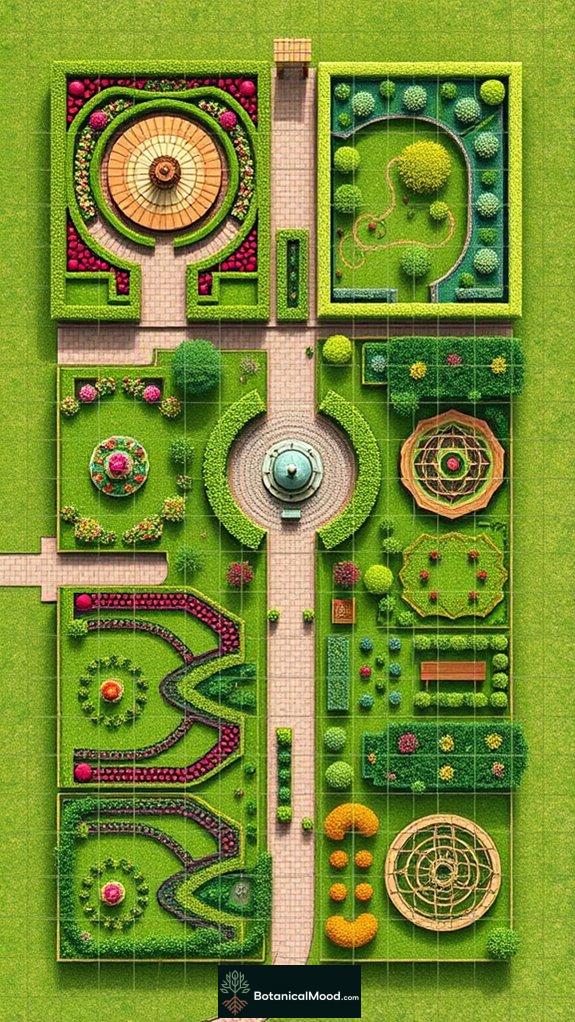
    Although garden design often celebrates organic forms and free-flowing arrangements, geometric garden layouts hold a distinctive appeal by emphasizing symmetry, balance, and precise lines that introduce structure and elegance to outdoor spaces.

    Their spatial organization relies on geometric patterns that enhance rhythm and sophistication.

    • Classic shapes like circles and squares define planting zones
    • Repetitive patterns create visual harmony and focal points
    • Integration with sustainable materials elevates eco-friendly design
    • Strategic lighting and seating add multifunctional appeal

    Incorporating abstract landscape techniques allows designers to push the boundaries of traditional geometric layouts, creating distinctive compositions that captivate the eye.

    Rewilding and Pollinator-Friendly Planting

    rewilding and pollinator habitats

    As gardens shift toward ecological harmony, rewilding and pollinator-friendly planting emerge as essential strategies that not only restore native habitats but also nurture the complex relationships between flora and fauna.

    Embracing rewilding benefits means integrating indigenous species like Helianthus annuus to create vibrant pollinator habitats, enhancing biodiversity while supporting ecological resilience. These approaches transform spaces into dynamic, climate-conscious sanctuaries. Additionally, incorporating native plants that attract diverse pollinators can lead to healthier ecosystems and improved soil quality.

    Pocket Forests and Native Habitat Creation

    urban wildlife habitat creation

    When urban spaces suffer from fragmentation and neglect, pocket forests offer an innovative solution that combines ecological restoration with native habitat creation.

    These dense clusters promote urban wildlife, enhance community engagement, and provide microclimates that counteract heat islands.

    • Rapid native vegetation restoration
    • High biodiversity with layered habitats
    • Collaborative, community-driven stewardship
    • Significant urban cooling and air quality benefits

    Integrating native wisdom into the design of pocket forests encourages sustainable garden growth and fosters a deeper connection between communities and their local ecosystems.

    Renaissance of Roses in Show Gardens

    roses tradition innovation artistry

    The timeless allure of roses (Rosa spp.) commands a renewed spotlight in the show gardens of 2026, heralding a renaissance that merges rich historical legacy with contemporary horticultural innovation.

    Embracing heirloom rose varieties, designers refine romantic garden designs through layered planting, showcasing blush pinks and deep crimsons.

    This blend of tradition and modernity enhances sensory depth, embodying my vision for Botanical Mood’s celebration of garden artistry and innovation.

    Companion Flowers: Delphiniums, Foxgloves, and Alliums

    companion flowers enhance biodiversity

    Though often overlooked in favor of more flamboyant blooms, companion flowers such as delphiniums (Delphinium spp.), foxgloves (Digitalis spp.), and alliums (Allium spp.) play an essential part in achieving both structural height and ecological balance within garden compositions.

    Their role in companion planting enhances garden biodiversity by attracting pollinators and repelling pests.

    • Vertical accents complement low-growing plants
    • Staggered blooms extend seasonal interest
    • Deep roots aid soil nutrient cycling
    • Alliums deter aphids, benefiting neighbors

    New Perennials for Extended Seasonal Interest

    vibrant resilient perennial varieties

    As I explore new perennials that promise to extend seasonal interest, I find Proven Winners’ Art and Soul Mangave series particularly fascinating for their unique foliage and resilience; varieties such as Aztec King and Moonlow exhibit broad, silvery leaves adorned with burgundy flecks or dramatic dark purple spots that catch sunlight, making them ideal for both full sun exposures and container gardens. Incorporating these perennials into your design can enhance eco-friendly garden design by promoting biodiversity and sustainability in your backyard.

    VarietyPerennial ColorSeasonal Textures
    Aztec KingSilvery green with burgundy flecksBroad leaves, glossy
    MoonlowSilvery blue-greenLarge dark purple glowing spots
    Purple People EaterBlue-green with reddish-purple spotsUpward-folding margins
    Silver FoxLight green with waxy coatingGlowing silver with teeth edges

    Outdoor Bathtubs as Luxury Garden Features

    luxurious outdoor bathing experience

    Exploring garden perennials with striking foliage like the Art and Soul Mangave series naturally encourages a broader appreciation for unique outdoor elements that elevate garden spaces.

    This leads me to the enchanting allure of outdoor bathtubs as luxurious garden features. Offering sophisticated outdoor aesthetics and immersive wellness bathing, these tubs blend ergonomic design with nature’s tranquility, enhancing self-care rituals and garden ambiance.

    • Sculptural, oval tubs crafted for full-body immersion
    • Integrate seamlessly with greenery and stone pathways
    • Promote stress relief via fresh water bathing options
    • Serve as bold focal points in maximalist garden designs

    Woven Willow Trellises and Natural Grasses

    sustainable garden artistry elegance

    When you combine the artisanal craft of woven willow trellises with the soft, undulating forms of natural grasses, you create garden features that embody both sustainability and timeless elegance.

    A well-executed woven trellis design supports climbing plants, while natural grass varieties add texture and movement. This synergy enhances naturalistic gardens, reflecting Botanical Mood’s passion for innovative, eco-conscious garden artistry.

    AI-Driven Plant Health Monitoring Systems

    ai enhanced plant monitoring systems

    AI monitoring combined with soil sensors offers:

    • Real-time nutrient and moisture tracking
    • Early pest and disease detection via drone imaging
    • Adaptive irrigation systems reducing water waste
    • AI platforms like Solix Ag Robotics optimizing plant health

    This fusion reshapes garden aesthetics and care. Additionally, incorporating sustainable water conservation techniques such as rainwater harvesting can further enhance the effectiveness of these AI-driven systems.

    Environmental Sensor Use for Garden Data

    precision gardening with sensors

    Although traditional gardening delights in tactile interaction and seasonal rhythms, the integration of environmental sensors transforms how we observe and maintain our outdoor sanctuaries, bringing a heightened precision that benefits both plant health and aesthetic coherence.

    Through advanced sensor monitoring and sophisticated data analytics, gardeners can now capture detailed real-time microclimate variations, optimize irrigation, and sustain vibrant environments, exemplifying innovation in botanical stewardship.

    Incorporating Fruit Trees in Home Gardens

    integrating fruit trees aesthetically

    Since integrating fruit trees into home gardens offers a unique blend of aesthetic charm and practical yield, I’ve found it essential to explore their varied roles within modern residential settings.

    Embracing fruit tree aesthetics enhances urban orchard design by:

    • Selecting hardy, disease-resistant hybrids
    • Utilizing dwarf varieties for compact spaces
    • Employing espalier techniques for architectural interest
    • Combining fruit trees with companion plants for biodiversity

    This integration aligns with the innovative vision I share on Botanical Mood.

    Palatable Peppers as Edible Garden Accents

    edible ornamental pepper design

    Peppers, with their vibrant hues and versatile flavors, have emerged as essential components in contemporary edible garden design, where aesthetic appeal harmonizes seamlessly with culinary practicality. Selecting ornamental pepper varieties emphasizes diverse pepper flavor profiles, favoring palatable, flavor-forward types like Serranos and Anaheims. This innovation balances visual impact and kitchen utility, reflecting my Botanical Mood’s passion for blending beauty with purposeful, sustainable garden artistry. By integrating edible landscape strategies, gardeners can maximize both the beauty and productivity of their outdoor spaces.

    Creating Small Secluded Garden Patios and Privacy Walls

    secluded tranquil garden spaces

    How can a small garden space transform into a tranquil sanctuary that balances privacy and elegance?

    By integrating secluded spaces with innovative privacy enhancements like pleached trees, bamboo screens in movable containers, modular “bento box” planting designs, and textured walls combining wood, stone, and metal. These elements provide functional yet aesthetically rich retreats, inspiring thoughtful garden design—a core philosophy behind Botanical Mood. Embracing country chic aesthetics can also enhance the cozy and inviting atmosphere of your rustic garden oasis.

    Water-Saving Gardening Tools and Techniques

    water conservation gardening practices

    A handful of innovative water-saving gardening tools and techniques empower both novice and experienced gardeners to cultivate vibrant, healthy environments while conserving precious resources. Rainwater conservation systems paired with efficient irrigation—such as subsurface drip—optimize soil moisture, enhance plant health, and reduce waste. These advances, celebrated here at Botanical Mood, redefine sustainable garden care with elegance and precision. One effective approach is incorporating xeriscaping practices that emphasize drought-resistant plants and efficient landscaping designs.

    Tool/TechniqueBenefitEmotion Evoked
    Rainwater barrelsConserves municipal waterEmpowerment
    Drip irrigation systemMaximizes water useConfidence
    Organic mulchingRetains soil moistureHarmony
    Gray water recyclingSaves freshwaterResponsibility

    Garden Party Features: Gazebos and Tiered Fountains

    modern garden party essentials

    What defines the perfect garden party setting in 2026 often hinges on the thoughtful integration of garden structures and water features that enhance both ambiance and utility.

    Modern gazebo materials like aluminum and glass combine with innovative fountain designs featuring LED lighting and eco-conscious pumps to create dynamic, multifunctional spaces.

    • Modular layouts and retractable panels
    • Organic stone tiers with smart water controls
    • Climate-adaptive, year-round usability
    • Cohesive lighting for evening enchantment

    Incorporating innovative water features into your garden can significantly elevate the overall aesthetic and provide a serene atmosphere.

    Hardy Disease-Resistant Flower Varieties

    hardy disease resistant flowers

    Although many gardeners seek vibrant displays and lush growth, in 2026, cultivating hardy, disease-resistant flower varieties has become essential for both aesthetic appeal and sustainable landscaping.

    New compact shrub varieties like Bellini® Cherry Lagerstroemia and DreamCloud® Reblooming Hydrangea showcase striking, disease-resistant blooms, combining vivid color with resilient structure—offering innovative solutions for low-maintenance, enduring garden designs inspired by Botanical Mood’s commitment to garden importance.

    Climate-Resilient Sustainable Plant Selection

    climate resilient plant selection

    When choosing plants that can withstand increasingly unpredictable climates, I’ve found that selecting climate-resilient varieties not only improves garden sustainability but also enriches visual interest through thoughtful design.

    Climate adapted legumes like chickpeas (*Cicer arietinum*) and pigeon pea (*Cajanus cajan*) exemplify sustainable farming, enhancing soil health with minimal water.

    • Thrive in arid, sun-drenched zones
    • Boost nitrogen via biological fixation
    • Require minimal irrigation once established
    • Support eco-friendly, resilient soil ecosystems

    Incorporating water-wise desert gardens into your landscape design can further enhance the sustainability of your outdoor space.

    Functional and Aesthetic Cutting Garden Crops

    climate resilient cutting gardens

    Building upon the importance of climate-resilient plant choices, incorporating functional and aesthetic cutting garden crops allows gardeners to create spaces that are both visually rewarding and highly productive. I favor versatile species like zinnias (Zinnia elegans) and edible flower varieties such as nasturtiums (Tropaeolum majus), enhancing cut flower arrangements while supporting sustainability—principles inspiring the Botanical Mood vision for innovative garden design in 2026. Additionally, including native bee and butterfly gardens can further enrich the ecosystem while providing vibrant colors and life to garden spaces.

    Using Natural Materials for Rustic Garden Structures

    natural rustic garden structures

    In crafting garden structures that echo the timeless allure of the natural world, I find that selecting materials such as reclaimed wood, driftwood, bamboo, and natural stone imbues outdoor spaces with an authentic rustic charm that few manufactured alternatives can match.

    Embracing natural aesthetics fosters innovative rustic structures by:

    • Weaving flexible branches for stability
    • Combining stone bases with wooden arches
    • Using driftwood to add organic texture
    • Anchoring bamboo for sustainable strength

    Moreover, incorporating rocky landscape elements allows for seamless integration with the surrounding alpine environment. This approach reflects my commitment to inspiring eco-conscious design at Botanical Mood.

    Integrating Wildlife Habitats for Biodiversity

    wildlife friendly native gardens

    Rustic garden structures crafted from natural materials like reclaimed wood and bamboo not only enhance aesthetic appeal but also create inviting spaces where local wildlife can thrive, connecting the beauty of design with ecological purpose. Using native plants in these gardens further boosts local biodiversity and provides essential habitats for pollinators and other wildlife.

    References

  • 9 Best Artistic DIY Planter Designs

    9 Best Artistic DIY Planter Designs

    Who knew creating garden planters could be such a wild ride?

    I’ve stumbled upon nine artistic DIY planter designs that make my garden look like it belongs in a fancy magazine.

    You’ve got your geometric painted pots that scream “artsy genius!”—seriously, can we not? And don’t get me started on the cactus-themed pots that could make even my relatives giggle with delight.

    Butterfly motifs? Check! And who doesn’t love a true repurposed tile square planter? I mean, why buy when you can craft?

    It’s all about elevating my gardening game—no pressure, right?

    Garden Design: My Wandering Path to Plant Happiness

    So, one day, I decided my backyard needed a makeover. Armed with a few slightly questionable Pinterest ideas and a hot cup of coffee, I dove into building a flower bed.

    I used reclaimed wood for a rustic edge, thinking I’d outperform those Instagram garden influencers. Spoiler alert: it mostly ended up a beautiful disaster. But hey, the journey taught me that garden design is as much about the plants as it is about making mistakes (and learning from them).

    In the end, it turned into a whimsical habitat—one that’s basically a tribute to trial and error. It’s the imperfections that bring personality, right?

    Quick Takeaways

    • Explore geometric painted flower pots with vibrant patterns and contrasting finishes for a bold, artistic statement in gardens.
    • Create playful cactus-themed pots featuring quirky designs and vibrant colors, enhancing any succulent collection with artistic flair.
    • Use butterfly motif clay pots with intricate patterns to add whimsy and charm, making garden spaces more inviting.
    • Experiment with innovative DIY planter concepts, such as patterned tile square planters or fabric-covered pots, for a personalized touch.
    • Repurpose household items into unique planters, like decoupage clay pots or vertical herb gardens, promoting sustainability and creativity.

    Geometric Painted Flower Pots

    vibrant geometric painted pots

    When I first decided to transform my bland flower pots into vibrant geometric painted masterpieces, I realized how profoundly colors and shapes can elevate a garden’s aesthetic.

    The key lies in using geometric color schemes that echo the natural beauty surrounding them.

    Employing various painted pot techniques, I created bold triangles, squares, and circles, layering shades that complement my blooms.

    I focused on matte and glossy finishes, providing an appealing contrast.

    Each pot became a reflection of my personality, inviting friends to share in the joy of gardening.

    It’s more than decoration; it’s about fostering a sense of community through art. Incorporating decorative wooden planter boxes in your design can further enhance the garden’s charm and functionality.

    Cactus-Themed Painted Pots

    vibrant cactus painted pots

    Crafting cactus-themed painted pots introduces a delightful, playful element to any garden arrangement while showcasing the unique resilience of these intriguing plants.

    I love using vibrant cactus colors like deep greens, warm yellows, and bright pinks to make my pots pop. The quirky designs, featuring fun cactus patterns or whimsical faces, bring a personal touch that invites creativity into my space.

    When I paint these pots, I often envision how they’ll complement my favorite succulents, creating a cohesive garden aesthetic. Incorporating sustainable gardening techniques enhances not only the beauty of the pots but also the health of the plants housed within them.

    Cactus-themed pots aren’t just decor; they’re a way to foster a sense of community and connection through shared gardening experiences.

    Gold Hanging Flower Pots

    elegant gold flower pots

    Gold hanging flower pots exude an air of elegance and sophistication, transforming any indoor or outdoor space into a chic haven.

    I love how their gold pot aesthetics add a luxurious touch, effortlessly elevating my plants.

    To achieve this look, I found several metallic finish tutorials that guide you through the process of creating your own stunning masterpiece.

    Brands like Martha Stewart and Rust-Oleum offer fantastic spray paints to give your pots that perfect gleam.

    Butterfly Motif Clay Pots

    whimsical butterfly clay pots

    Embracing the beauty of nature often leads to delightful creations, and butterfly motif clay pots bring life and whimsy to any garden display.

    I find immense joy in utilizing butterfly design inspiration, allowing the vibrant colors and elaborate patterns to flourish.

    By employing straightforward clay pot techniques, anyone can transform simple terracotta into stunning pieces of art.

    Envision painting delicate butterflies in pastel hues or incorporating 3D elements to create depth.

    As these charming pots accent your garden, they foster a sense of belonging, connecting us to nature’s wonders and inviting playful conversations among fellow garden enthusiasts.

    Creating art through gardening is truly rewarding. Additionally, these unique pots can serve as a budget-friendly garden decor option, allowing you to express creativity without overspending.

    Boho Rainbow Clay Pots

    boho colorful clay pots

    Colorful vibrancy radiates through boho rainbow clay pots, capturing the essence of a laid-back, artistic spirit that many of us seek in our outdoor spaces.

    Embracing boho aesthetics, these pots invite us to blend our love for nature with creativity.

    To create your own boho rainbow clay pots, consider these ideas:

    • Use acrylic paints to bring rainbow colors alive.
    • Experiment with various textures, like sponge painting for a unique touch.
    • Incorporate geometric patterns to enhance visual interest.
    • Seal with a clear coat for durability and shine.
    • Add potted plants that complement the vibrant hues, fostering an inviting atmosphere.

    Succulent Garden in Birdbath

    succulent garden birdbath transformation

    While a birdbath typically attracts feathered friends to your garden, it can also transform into a stunning succulent garden that enriches your outdoor aesthetic.

    Through birdbath restoration, I’ve unearthed a forgotten treasure and reimagined it with vibrant succulents like Echeveria and Sedum.

    Selecting a cohesive color palette not only enhances visual appeal, but also showcases nature’s artistry.

    With a bit of succulent care—ensuring proper drainage and occasional watering—I’ve created a lively focal point.

    Every glance at this unique combination fills me with joy, reminding me of the beauty found in unexpected places.

    In addition, incorporating handcrafted birdhouses can further elevate the charm of your garden space.

    Join me in this creative endeavor!

    Letterpress Drawer Vertical Succulent Garden

    vintage drawer succulent garden

    Transforming a letterpress drawer into a vertical succulent garden is both an enchanting project and an innovative way to bet on space-saving design in your garden or home.

    Using vintage drawer repurposing techniques can genuinely cultivate a unique atmosphere.

    Here’s what I love about this project:

    • It embraces letterpress techniques, celebrating history and design.
    • Succulents offer a low-maintenance growing option, perfect for busy lifestyles.
    • The arrangement lets you showcase different textures and colors.
    • It invites creativity through paint or natural finishes.
    • It fosters a sense of belonging, connecting your home to nature’s beauty.

    Wood Bead Hanging Planter

    colorful wood bead planter

    Creating a wood bead hanging planter is an extraordinary way to blend functionality with artistic flair, greatly enhancing your indoor or outdoor space.

    I love experimenting with vibrant wood bead colors to create unique designs that reflect my personality. Whether I opt for earthy tones or bold hues, these beads add warmth and character to my plant display.

    Using various hanging techniques, like macramé and simple knots, I can create elegant arrangements that draw the eye upward.

    This project not only elevates my gardening aesthetic but also fosters a sense of belonging within my home, connecting me to nature and creativity.

    Self-Watering Animal Planters

    whimsical self watering planters

    Self-watering animal planters offer an innovative solution for those who want to merge functional gardening with whimsical design.

    These charming pieces not only serve as practical self-watering designs but also add a playful touch to any garden space. They foster a sense of community, bringing people together over their delightful aesthetics.

    • Variety of animal shapes: From foxes to elephants
    • Eco-friendly materials: Biodegradable and sustainable choices
    • Simple setup: Just fill the reservoir for hydration
    • Hidden watering system: Keep your plants happy and healthy
    • Perfect for kids’ gardens: Encourage learning and responsibility

    Let’s embrace this blend of utility and whimsy together!

    Artistic Planter Arrangement Techniques

    harmonious planter arrangement techniques

    How do you turn a simple group of planters into a harmonious and visually engaging arrangement?

    Start with the rule of three; group planters in sets of three for balance.

    I like to place the tallest plants centrally, tapering down in height to create natural flow.

    Focusing on varied heights fosters depth in your arrangement and creates a more dynamic look.

    Focus on textural contrast by mixing bushy fillers around your focal thriller, while spillers cascade gracefully over edges.

    Choose colors that resonate, ensuring color harmony by grouping similar foliage or blooms.

    Vary heights and textures to foster depth, and use creative containers for added flair.

    It’s such a joy to witness these arrangements come alive in my garden!

    Case Study: Unique Planter Creations

    creative garden planter designs

    Unique and imaginative planter designs can transform any garden space into a lively artistic expression, resonating with the surrounding scenery while enhancing functionality.

    I’ve discovered so many inspiring creations that embody both aesthetics and practicality, encouraging us all to explore creative gardening techniques in our spaces.

    • Vertical herb gardens made from 2×4 lumber
    • Repurposed household items as decorative planters
    • Decoupage clay pots using vintage book pages
    • Sink planters incorporating hollow logs
    • Multi-tiered planter boxes for varied showcases

    These unique planter designs invite us to personalize our gardens and foster a sense of belonging in our green spaces. Furthermore, engaging in creative upcycling projects can add character to your garden while reducing waste and promoting sustainability.

    Planter Arrangement for Small Spaces

    vibrant small space gardening

    When you want to create a vibrant garden in a small space, the arrangement of your planters plays a crucial role in maximizing both aesthetic appeal and functionality.

    I love utilizing container grouping techniques, arranging plants for ideal visual impact while considering their growth habits. By combining colorful blooms, like violas and marigolds, with herbs such as basil and thyme, I achieve beautiful planting combinations in limited areas. Seasonal themes can also be reflected in your arrangements to provide fresh visuals throughout the year.

    I often adhere to the “thriller, filler, spiller” approach, layering textures and colors that bring depth, making every corner feel lively and inviting.

    It’s truly a joy to cultivate such artistic expressions in small spaces.

    Innovative DIY Planter Concepts

    creative diy planter designs

    The transformative power of innovative DIY planters often ignites my creativity, as each unique design not only breathes life into my garden but also reflects my personal style and aesthetic sensibilities.

    Here are some inspired concepts I’ve explored:

    • Patterned tile square planters for an eclectic touch
    • Spray-painted baskets to create stylish, budget-friendly designs
    • Fabric-covered planters in contemporary shades for softness
    • Repurposed tin cans wrapped in napkins for colorful textures
    • Hypertufa heart-shaped planters for a rustic, sturdy vibe
    • Painted cinder blocks transformed with stencils to add a playful element to outdoor spaces

    Embracing sustainable planter materials and textured planter styles, I find joy in crafting an inviting sanctuary within my garden.

    Decoration With Artistic Planter Ideas

    artistic planter decoration ideas

    Artistic planter decorations have the remarkable ability to elevate any space, drawing attention to the beauty of both plants and the containers that hold them. By incorporating artistic textures through techniques like dripping paint or elaborate carvings, we can create enchanting displays that resonate with our personal style. Natural-Inspired Themes like rustic clay pots wrapped in wooden bark can seamlessly blend nature with decor, adding warmth and earthiness to any arrangement. Seasonal motifs, such as placing pumpkins near planters, infuse a festive spirit into any arrangement. I love exploring unique containers and experimenting with color palettes, whether it’s patchwork painting or whimsical upcycled bins, as they nurture a sense of belonging and transform our spaces into vibrant expressions of creativity and nature’s beauty.

    Meet the Artistic Planter Creator

    artistic garden design collaboration

    Meet the Artistic Planter Creator: Smith, hailing from Portland, Oregon, combined her background in garden design and vibrant love for nature to envision a garden that expresses her artistic spirit. To bring her design to life, Smith meticulously researched plant varieties and color palettes, creating a harmonious layout. She sketched her initial ideas and collaborated with local horticulturists to refine her vision, ensuring it reflected both beauty and practicality in her garden. Inspired by Claude Monet’s famous floral masterpiece, she incorporated a variety of colors and textures in her plant selection, aiming to create an immersive experience for her visitors. Utilizing tools from brands like Fiskars and Dewit, Smith enhanced her garden with premium compost and organic fertilizers from Espoma. She incorporated decorative planters from Hay and elevated accessories like garden sculptures inspired by artist Salvador Dali, ensuring a unique artistic flair.

    Renowned Plant Artists and Companies

    botanical artistry redefined creatively

    Exploring the intersection of art and horticulture, renowned plant artists and innovative companies are redefining how we perceive botanical artistry. Their dedication to botanical sculpture techniques inspires us all to view plant life creatively, and here are some amazing talents to contemplate:

    • Lutfi Janania Zablah from ROSALILA creates surreal living sculptures.
    • Carolina Spencer’s Matagalanplantae blends ceramics and botanicals in Spain.
    • Ruby Barber and Sophie Parker push boundaries with unique innovations. Their unique designs encapsulate their individual artistic journeys, such as Lutfi Janania Zablah’s background in fashion and floral arrangements.]
    • Their commissioned pieces fuse art and nature beautifully.
    • These contemporary plant artists not only elevate beauty but inspire DIY planter designs that resonate with our passion for greenery.

    Garden Design FAQ

    What Materials Are Best for Creating Artistic Planters?

    To create artistic planters, I love using recycled materials like old pallets, tin cans, or glass jars.

    These items not only help reduce waste but also add character to my garden.

    Natural fibers, such as jute or coconut coir, work beautifully for hanging planter designs, lending an organic touch.

    They’re sustainable and blend effortlessly with various plants, enriching your garden’s aesthetic while promoting environmental responsibility.

    Discovering these materials inspires creativity in my gardening journey!

    How Do I Maintain Painted Planters Outdoors?

    To maintain painted planters outdoors, I focus on weather resistance and paint durability.

    I apply a protective sealant, like polyurethane, which guards against moisture and UV damage. Regularly check for paint chipping, and touch up areas as needed to keep their vibrant colors intact.

    During extreme weather, I sometimes move them to shaded spots. This not only enhances my garden’s beauty but also fosters a sense of belonging in my outdoor space.

    Can I Use Synthetic Pots Instead of Clay?

    Absolutely, I can use synthetic pots instead of clay. Their synthetic durability is impressive, making them withstand harsh weather.

    However, I always consider drainage; many synthetic pots don’t have adequate holes. Ensuring your plants can breathe is essential.

    Brands like Scheurich offer stylish options that perform well outdoors. I’ve found that combining the beauty of these modern designs with practical features enhances my garden’s aesthetic, while keeping it functional as well.

    What Are the Best Plants for Hanging Planters?

    For hanging planters, I love using trailing vines like pothos or string of hearts; they create stunning cascades of greenery.

    Hanging succulents, such as Burro’s tail or jade plant, add a unique touch with their playful shapes.

    These plants thrive in bright, indirect light and require minimal maintenance, making them perfect for beginners.

    I appreciate how they enhance my living space, contributing to a vibrant, welcoming atmosphere that reflects my passion for gardening.

    How to Choose Colors for a Cohesive Planter Design?

    To choose colors for a cohesive planter design, I focus on color harmony and color psychology.

    I often select complementary shades that evoke tranquility or energy, depending on the mood I want to create in my garden space. Using a color wheel helps me visualize combinations, ensuring my planters align with existing décor.

    Earthy tones, pastels, or vibrant hues can express personality while enhancing nature’s beauty—elements I cherish in each corner of my garden.

    References

  • 10 Best Symmetrical Garden Layouts for Perfect Balance

    10 Best Symmetrical Garden Layouts for Perfect Balance

    Creating symmetrical garden layouts is a beautiful way to achieve balance and harmony in your outdoor space. I love the classic rectangular garden layout with its straight lines, or the circular design that invites a central focal point like a stunning birdbath. The mirror image flower beds evoke tranquility, while tiered gardens bring a unique visual interest to sloped terrains. Stay with me, and you'll discover even more tips on achieving perfect balance in your garden design.

    Quick Takeaways

    • Classic rectangular layouts utilize straight lines and symmetrical borders for efficient space and visual harmony.
    • Circular designs with a central focal point, like a birdbath or sundial, promote balance and engagement.
    • Mirror image flower beds create tranquility through identical plant arrangements on either side of a central axis.
    • Quadrant planting in square gardens maximizes land use and enhances symmetry while maintaining plant health.
    • Symmetrical pathways guide visitors through the garden, enhancing the overall visual flow and harmony.

    Classic Rectangular Garden Layout

    rectangular garden design layout

    When I think of a classic rectangular garden layout, I often envision a space that embodies both elegance and order.

    With its straight lines and right angles, this design maximizes space efficiency, making it perfect for various gardens. The rectangular borders create a symmetry that enhances visual harmony, allowing for balanced features on either side. I love how pathways of gravel or stepping stones guide visitors, while identical planters reinforce that sense of stability. Additionally, incorporating diagonal garden paths can further enhance the visual perception of space, drawing the eye across the garden.

    This minimalist approach not only showcases the beauty of plants but also inspired me to create Botanical Mood, sharing innovative ideas for enhancing our green spaces. Achieving classic proportions in garden design can elevate the overall aesthetic, ensuring a timeless appeal.

    Circular Symmetry With Central Focal Point

    centrally focused circular design

    A classic rectangular garden layout provides a structured foundation, but embracing circular symmetry with a central focal point can elevate your garden design to new heights.

    1. Consider a stunning birdbath that invites nature.
    2. Opt for a graceful sundial that combines function with aesthetic.
    3. Choose a large sculpture to draw the eye and inspire conversation.

    With careful focal point selection and strategic lighting effects, your circular design will shine both day and night, creating an inviting atmosphere. Incorporating symmetrical elements in your design will further enhance the sense of harmony and balance throughout the garden.

    I created Botanical Mood to help fellow garden enthusiasts explore innovative designs like this, enhancing our appreciation for nature's beauty in our own spaces.

    Radial Design With Pathways Leading to a Center

    central pathway radial design

    Embracing the beauty of radial design, I find that pathways leading to a central focal point create an engaging and dynamic garden experience.

    With carefully chosen pathway materials like natural stone or gravel, I enhance the garden's rustic charm while ensuring low garden maintenance.

    Incorporating a central water feature amplifies visual balance, inviting garden exploration from all angles.

    Layered planting adds depth, with taller plants near the center, creating a stunning backdrop for leisurely strolls.

    This design offers remarkable flexibility, allowing pathways to intersect creatively, ensuring that my garden remains an innovative sanctuary for all who visit. Additionally, geometric pathway designs can further enhance the overall aesthetic and functionality of the garden layout.

    Mirror Image Flower Beds

    symmetrical garden flower beds

    Creating mirror image flower beds transforms any garden into a stunning display of symmetry and elegance, allowing me to appreciate the beauty of nature in a structured way.

    Transform your garden with mirror image flower beds for a stunning, serene display of nature's beauty.

    To achieve floral balance, I focus on:

    1. Centerline Alignment: Establish a clear axis for symmetry.
    2. Identical Plant Choices: Select plants that mirror each other in size and color.
    3. Consistent Visual Weight: Guarantee equal density on both sides for a polished look.

    This design not only creates harmony but also evokes tranquility. In classic French gardens, symmetrical formal garden design is often emphasized, enhancing the overall aesthetic appeal.

    I love sharing these innovative ideas through Botanical Mood, inspiring others to embrace the art of symmetry in their gardens.

    Geometric Box Garden Design

    structured planting area design

    Geometric box garden designs offer a mesmerizing approach to landscaping, where structure and form take center stage.

    I find that these designs, with their square and rectangular shapes, create a sense of order and elegance. To achieve stunning results, I focus on geometric plant selection, emphasizing clipped box hedges for that perfect symmetry.

    Regular box hedge maintenance keeps those sharp lines crisp and enhances the overall visual impact. The interplay of geometry not only defines spaces but also draws the eye to focal points, making these gardens both inviting and enchanting. Additionally, incorporating abstract landscape techniques helps elevate the design by adding layers of depth and interest.

    Through Botanical Mood, I aim to inspire others to embrace this innovative style.

    Symmetrical Hedge Maze

    intricate garden puzzle design

    Symmetrical hedge mazes captivate the imagination with their complex designs and orderly aesthetic.

    When I navigate these enchanting spaces, I'm drawn to:

    1. Tall, neatly trimmed hedges that create a stunning visual barrier.
    2. Elaborate pathways that guide me through a maze of wonder.
    3. Central features, like gazebos, that serve as delightful focal points.

    Regular hedge maintenance is essential to preserve their beauty, ensuring that every turn offers clarity in maze navigation.

    Regular upkeep of hedges is vital for maintaining their charm, providing clear pathways in the enchanting maze experience.

    As I explore, I appreciate how these mazes enhance gardens, creating fun, private spaces. Additionally, these mazes often reflect medieval landscape architecture principles, showcasing the historical influence on modern designs.

    It's this passion for design that inspired me to create Botanical Mood, sharing my love for innovative garden layouts.

    Dual Pathways With Symmetric Planting

    symmetrical planting with dual pathways

    In a well-designed garden, dual pathways not only guide the eye but also create an inviting atmosphere that beckons visitors to explore.

    By utilizing pathway materials like gravel or brick, I find that these routes can enhance the garden's symmetry. On either side, I employ innovative planting techniques, arranging identical species or colors to maintain balance and harmony.

    I often incorporate raised planters to add depth, while seasonal flowers bring vibrant life to the design. Additionally, implementing height layering techniques ensures that each plant contributes to a lush and dynamic landscape.

    This meticulous approach guarantees that my garden remains visually striking, highlighting the beauty of symmetry.

    It's this passion for design that inspired me to create Botanical Mood.

    Formal Parterre Garden Layout

    symmetrical garden design layout

    Creating a formal parterre garden layout can transform your outdoor space into a masterpiece of design, especially when you appreciate the elegance of symmetry and order.

    Consider these three elements for your parterre plantings:

    1. Geometric shapes: Arrange flowers and shrubs in crisp squares or circles.
    2. Evergreen hedging: Use *Ilex crenata* or *Taxus baccata* to frame your design.
    3. Year-round interest: Incorporate hellebores and tulips for continuous blooms.

    With careful garden maintenance, you can achieve a stunning visual appeal that complements your home's architecture, just as I envisioned when creating Botanical Mood. Additionally, consider using companion planting strategies to maximize your garden's yield and enhance plant health.

    Square Garden With Quadrant Planting

    quadrant planting in garden

    When I envision a square garden with quadrant planting, I see a beautifully structured space that invites both practicality and aesthetic pleasure. This layout offers quadrant advantages, creating symmetry while maximizing land use.

    I love incorporating diverse planting strategies, like pairing herbs such as basil and rosemary with vibrant vegetables like tomatoes and cucumbers. The intersecting paths not only enhance accessibility but also add visual appeal.

    Each quadrant can be rotated seasonally, ensuring soil health and preventing pests. This method reflects the historical influence of cultural heritage landscape patterns, inspiring my passion for gardening at Botanical Mood, where beauty meets functionality.

    Tiered Garden With Balanced Levels

    balanced tiered garden design

    While exploring the concept of tiered gardens with balanced levels, I find myself captivated by how they transform sloped terrains into visually stunning, functional spaces.

    Imagine these elements:

    1. Tiered planters that create dynamic planting zones, each with unique flora.
    2. Retaining walls formed from bricks or natural stones, adding texture and stability.
    3. Thoughtful pathways that guide visitors through lush greenery, enhancing movement and interaction.

    With balanced elevation, these gardens not only showcase beauty but also serve practical purposes. Incorporating innovative designs allows us to create spaces that inspire, reflecting the very essence of what I envisioned for Botanical Mood.

    Centerpiece Focal Point Arrangement

    tabletop decorative centerpiece arrangement

    A well-arranged centerpiece can transform a garden into an enchanting sanctuary, drawing the eye and inviting exploration.

    Choosing the right centerpiece materials is crucial; I often opt for weather-resistant options like stone or durable metals. In symmetrical designs, large urns or sculptures create a striking focal point, while asymmetrical layouts can feature living tree sculptures for dynamic seasonal interest.

    To enhance visual harmony, balancing elements around the centerpiece is key. Incorporating seasonal bloomers and evergreens guarantees year-round appeal, keeping the garden vibrant.

    As I designed Botanical Mood, I aimed to inspire you to create your own unique oasis with these principles in mind.

    Geometric Pattern Arrangement Techniques

    pattern arrangement methods explained

    Geometric pattern arrangement techniques play an essential role in designing gardens that not only captivate but also create a sense of order and beauty.

    Here's how I approach these innovative designs:

    1. Grid layouts offer structured elegance with parallel lines.
    2. Circular designs draw the eye to focal points like ponds or sculptures.
    3. Triangular arrangements guide movement through dynamic plantings.

    Symmetrical Pathway Configuration

    balanced route design concept

    Creating a symmetrical pathway configuration can transform your garden into a harmonious retreat, where every path invites exploration and admiration.

    Aligning paths to mirror each other on either side of a central axis creates visual flow, guiding the eye toward a stunning focal point.

    Using consistent pathway materials, like bluestone pavers, enhances this symmetry while integrating features like identical garden beds or water elements.

    Don't forget about symmetrical lighting; placing fixtures evenly along the pathways not only illuminates but also accentuates the design.

    I created Botanical Mood to share how these elements can elevate your garden into a beautifully balanced space.

    Designing for Visual Harmony

    creating cohesive visual elements

    While designing a garden, attaining visual harmony is essential to create a space that feels inviting and balanced.

    To attain this, I focus on:

    1. Color Harmony: Selecting plants that complement each other enhances the garden's aesthetic appeal.
    2. Texture Balance: Combining varying textures adds depth and interest, making the space feel alive.
    3. Spatial Arrangement: Thoughtful layout optimization guarantees that every element contributes to the overall design principles.

    References

  • Industrial Water Features: Sleek Steel Design Mastery

    Industrial Water Features: Sleek Steel Design Mastery

    Industrial water features showcase sleek steel design mastery through their mirror-polished finishes and innovative interwoven elements. The use of high-quality stainless steel not only enhances durability but also creates stunning reflections that elevate the visual appeal of gardens. By incorporating LED lighting and diverse materials, these features blend functionality with artistry, transforming outdoor spaces into enchanting environments. Visitors can explore further to discover more about the artistry and design elements that define modern garden aesthetics.

    Quick Takeaways

    • Mirror-polished finishes in stainless steel create stunning reflections, enhancing the modern aesthetic of industrial water features.
    • Interwoven designs combining materials like stainless and Corten steel add visual interest and texture to water features.
    • Technological integration, including LED lighting, creates dynamic displays and optimizes energy efficiency for a contemporary feel.
    • Various water feature types, such as cascades and fountains, can be customized to blend art and functionality in commercial spaces.
    • Reflective and textured surfaces enhance visual depth, transforming ordinary environments into captivating spaces.

    Mirror-Polished Finishes: Reflecting Modern Aesthetics

    reflective modern design aesthetics

    When you think about modern aesthetics in industrial water features, mirror-polished finishes stand out as an enchanting choice that transforms ordinary spaces into extraordinary visual experiences. These sleek surfaces create stunning mirror reflections, enhancing the visual appeal of gardens and outdoor spaces. By employing advanced design techniques, industrial designers seamlessly integrate these finishes into contemporary architecture, allowing water feature sculptures to exude serenity and elegance. With high-quality stainless steel ensuring durability, the meticulous polishing process results in flawless surfaces that catch the eye. Additionally, the corrosion resistance of stainless steel ensures that these striking features maintain their beauty over time, making them a worthwhile investment for any setting. The use of sculptural minimalist designs further accentuates the elegance of these water features, blending functionality with artistry. I created this website, Botanical Mood, to celebrate such innovations, helping you envision the beauty of these modern masterpieces in your own space.

    Interwoven Designs: Blending Materials for Visual Interest

    material fusion for aesthetics

    Interwoven designs in industrial water features capture attention by blending diverse materials that create striking visual interest.

    I find that material combinations, like stainless steel and Corten steel, enhance texture dynamics, creating a compelling contrast. The smooth surfaces of polished steel juxtaposed with the rough, oxidized finish of Corten steel offers a stunning visual effect.

    Nature-inspired patterns, such as filigree, can further enrich these designs, allowing the features to harmonize with their surroundings. Incorporating modern industrial elements into these features can elevate the overall aesthetic and functionality of your landscape.

    At Botanical Mood, I appreciate how thoughtful material selection not only elevates aesthetics but also reflects cultural influences, encouraging a deeper connection to the natural world.

    Technological Integration: Enhancing Features With LED Lighting

    led lighting feature enhancement

    Innovative technology plays a significant role in enhancing the charm of industrial water features, especially through the use of LED lighting.

    With smart lighting systems, these features adapt to their surroundings, optimizing energy efficiency while engaging viewers.

    • Color-changing effects create dynamic displays, transforming the atmosphere.
    • Dimmable options allow for perfect brightness control, enhancing safety at night.
    • Durable materials guarantee longevity, reducing maintenance costs.

    Water Feature Varieties: Cascades, Walls, and Fountains

    types of water features

    Water features come in various forms, each offering unique visual and auditory experiences that can elevate any environment.

    Cascades present stunning cascading aesthetics, where water gracefully flows from one level to another, enhancing the scenery's charm.

    Walls, or water walls, showcase a sleek, modern design, allowing water to cascade down surfaces, creating a soothing ambiance indoors.

    Fountains capture attention with their diverse dynamics, from simple bubble jets to elaborate sculptural pieces.

    Each type can be tailored to fit commercial spaces, seamlessly integrating art and innovation.

    As I explore these designs, I hope to inspire your own creative visions for incorporating water features into your surroundings.

    Reflective and Textured Surfaces: Creating Depth in Design

    depth through reflective textures

    Depth in design often transforms a mundane space into an enchanting environment, and the use of reflective and textured surfaces plays an essential role in this process.

    • Reflective pools accentuate sculptures, enhancing the overall aesthetic.
    • Textured stone, like granite, adds natural complexity and visual interest.
    • Customizable elements allow for unique artistic expressions that amplify depth perception.

    Geometric Plant Arrangement Techniques

    plant layout design methods

    Creating a visually enchanting garden often hinges on how we arrange plants. Geometric plant arrangement techniques serve as a powerful method for achieving this goal. By employing abstract landscape composition methods, designers can create harmonious and striking visual effects that captivate the eye.

    Modern Steel Water Layouts

    contemporary steel water designs

    As we explore the enchanting world of modern steel water layouts, it becomes clear how these designs elevate the aesthetic appeal of outdoor spaces.

    Custom steel designs offer unique advantages, transforming any environment with sleek elegance and durability.

    • Stainless steel's corrosion resistance guarantees longevity.
    • Water walls create mesmerizing reflections and soothing sounds.
    • Innovative features like the "Petal Water Wall" add dynamic beauty.

    With countless steel water benefits, these features not only enhance your garden's charm but also reflect your personal style. Additionally, integrating innovative water feature designs can further enhance the overall experience of your outdoor space.

    My passion for garden design inspired the creation of this website, Botanical Mood, where beauty meets innovation.

    Garden's Visionary Creator

    innovative garden designer vision

    Visionary creators in garden design possess a unique ability to blend nature's beauty with innovative artistry, crafting spaces that resonate with both tranquility and inspiration.

    Their visionary concepts and design philosophies embrace diverse materials like steel, stone, and marble, allowing for enthralling water features that harmonize with various architectural styles.

    These designers prioritize sustainability, ensuring environmental adaptability while respecting local cultures. Incorporating sustainable sculptural elements into small rock gardens, they create a harmonious balance of form and function.

    Collaborating with engineers and architects, they realize imaginative designs that enhance public and private spaces.

    Their expertise in advanced technologies, like WATERlab, showcases their commitment to precision, ultimately inspiring the creation of enchanting gardens that reflect the essence of beauty and creativity.

    References