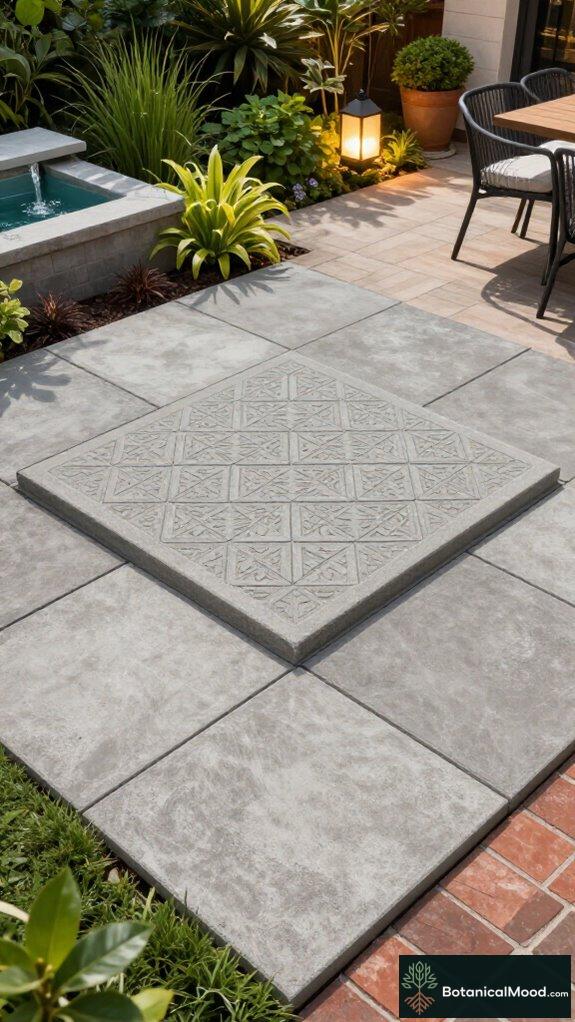
Ever dreamed of a garden that screams “I have my life together” without the actual maintenance? Sunken brick borders might be your jam.
I’ve become obsessed with these 2-6 foot planting beds that sit 12-18 inches deep. The brick edges aren’t just pretty—they’re functional lifesavers for drainage. Trust me, I learned this after drowning half my plants last year.
My Echinacea and Delphiniums are finally thriving after I switched to this setup.
The best part? Playing with multicolored bricks like some kind of adult LEGO session. Who knew garden design could be therapeutic AND slightly addictive?
Not perfect yet, but honestly, when is gardening ever?
My Embarrassing Brick Border Disaster That Actually Worked Out
Last summer, I hosted a garden party that almost became a catastrophe. I’d installed my sunken brick border just days before, using salvaged Victorian bricks from my grandmother’s old property. As guests arrived, my neighbor’s dog crashed through, sending bricks tumbling and exposing my hasty installation work.
Instead of ruining the evening, it became a group project. Friends grabbed trowels, wine glasses still in hand, rearranging the border into something far more artistic than my original design.
The “accidental layout” created natural planting zones I’d never considered—shade-loving ferns nestled against sun-worshipping lavender with perfect transition areas. Sometimes your worst gardening moments become your most inspired designs. That border’s still standing, dog-proof now, and full of happy memories alongside the blooms.
Quick Takeaways
Sunken brick border gardens feature structured raised beds made from sunken bricks, promoting both visual appeal and excellent drainage.
Ideal plant selections include perennials, annuals, herbs, and foliage plants that thrive in your local climate for a vibrant garden.
Effective design involves planning, grouping plants in odd numbers, and creating layers with taller plants at the back.
Regular maintenance such as watering, fertilizing, and pest management is essential for the health of sunken brick gardens.
Enhance the garden with pathways, decorative elements, and whimsical touches to create a charming and functional outdoor space.
The Charm of Sunken Brick Borders in Cottage Gardens
Sunken brick border cottage gardens embody an enchanting aesthetic, offering a plentiful planting bed that can vary in size and arrangement. Typically constructed by digging a shallow trench and laying down aged bricks, the result is a charming, rustic appearance. This design allows for easy access to nurturing plants, while the bricks maintain the soil’s structure. Ideal plants include perennial flowers, herbs, and vibrant seasonal blooms, while materials like rich compost and mulch enhance soil quality and moisture retention. The use of rustic reclaimed bricks adds a unique character to your garden, creating an inviting atmosphere.
Sunken brick border cottage gardens create a rustic charm, providing ample space for diverse and vibrant plantings.
Selecting Plants for Sunken Brick Beds
When selecting plants, consider color, height, and blooming periods. Here are some suggestions:
Lavender
Echinacea (Coneflower)
Rudbeckia (Black-eyed Susan)
Salvia
Snapdragons
Designing and Planning Your Planting Bed
To create a beautiful planting bed, follow these tips:
Plan for Height Variation: Place taller plants, like sunflowers, at the back.
Use Focal Points: Incorporate unique plants, such as ornamental grasses.
Space Plants Properly: Allow 12-24 inches between mature plants for proper airflow.
Layer Your Plants: Combine groundcovers with taller perennials for depth.
Pro tip: Sketch a design before planting to visualize spacing and plant combinations.
Seasonal Care and Maintenance
Throughout the year, guarantee proper watering, fertilizing, pruning, and pest control to keep your sunken brick border flourishing.
Exploring Other Garden Styles
Cottage gardens can also blend beautifully with tropical and Mediterranean designs. Incorporating palms, succulents, or vibrant tiles can create stunning contrasts while enriching the overall setting’s diversity.
Essential Materials for Creating Brick Edges
Sunken brick border cottage gardens are characterized by their low-profile beds framed with bricks, creating a charming yet functional area for plants. Typically ranging from 4 to 6 feet wide, these beds can be arranged in a rectangular or oval layout, lending an inviting look to your garden.
Constructed by digging out the soil to create a sunken effect, bricks are laid flat or at an angle, enhancing drainage and aesthetics. Ideal plants include perennials like lavender, daisies, and daisies, which thrive in these defined spaces while allowing for excellent airflow. Incorporating natural stone edges can also enhance the beauty and structure of your garden beds.
Selecting Plants for Sunken Brick Beds
When selecting plants for your sunken brick garden, consider these options:
Delphiniums
Hellebores
Speedwell
Salvias
Designing Your Sunken Brick Planting Bed
To design your planting bed effectively:
Start with a clear plan: sketch the layout.
Arrange taller plants at the back and shorter upfront.
Space plants adequately for growth; generally, 12-18 inches apart is ideal.
Utilize varying bloom times for continuous color.
Pro Tip: Group plants in odd numbers for a more natural look.
Seasonal Care and Maintenance
Year-round maintenance of your sunken brick bed includes consistent watering, regular fertilizing, timely pruning, and vigilant pest control.
Additional Garden Features for Cottage Gardens
Incorporating pathways of gravel or stepping stones can lead visitors through your sunken brick borders, enhancing both accessibility and the serene atmosphere of your cottage garden.
Add whimsical touches like birdhouses or rustic fences to enrich the overall aesthetic.
Installation Process for Sunken Brick Borders
Sunken Brick Border Cottage Gardens
Sunken brick border cottage gardens elegantly combine rustic charm with structured design, creating vibrant and visually appealing planting beds.
Sunken brick border cottage gardens are enchanting planting beds that blend rustic charm with structured elegance. Typically ranging from 2 to 4 feet wide and surrounded by a modest brick wall, these beds create a distinct framework for diverse plants. Constructed with durable bricks or pavers, they can accommodate various arrangements of colorful flowers, herbs, or vegetables, enhancing visual appeal and ensuring good drainage.
Selecting the Right Plants for Your Garden
When choosing plants for your sunken brick border, consider the following:
Perennials: Echinacea, Lavender, and Daylilies.
Annuals: Petunias, Zinnias, and Marigolds.
Herbs: Basil, Thyme, and Chives.
Foliage plants: Hostas and Ferns.
Designing Your Planting Bed Effectively
To design your sunken brick border, consider these tips:
Choose a focal point plant.
Layer plants by height: taller plants in the back, shorter in the front.
Space plants according to their mature size.
Use organic shapes for a natural look.
Pro tip: Group plants in odd numbers for a more dynamic impact!
Seasonal Care and Maintenance Tips
Regularly water, fertilize, prune, and manage pests to keep your cottage garden thriving throughout the year.
Exploring Other Garden Features
Incorporate decorative elements such as trellises, birdbaths, or garden sculptures to enhance your sunken brick border, creating a serene outdoor retreat. Additionally, utilizing minimalist water-wise design techniques can further optimize your garden’s sustainability and resilience.
Designing Curved Borders for a Flowing Aesthetic
Creating a sunken brick borderplanting bedenhances your garden’s aesthetics by creating a flowing, harmonious design.
Typically 3 to 5 feet wide and extending in gentle curves, this garden feature combines practicality with beauty.
Use durable materials like reclaimed bricks or capstones to form this inviting edge, ensuring to level the ground beneath. Fill with a mixture of quality topsoil and organic compost to promote healthy plant growth.
Selecting the Right Plants
When selecting plants for your sunken brick border, opt for varieties that complement each other in height, color, and texture.
Consider:
Lavender
Sedum varieties
Daylilies
Coreopsis
Ornamental grasses
Foxglove
Designing Your Curved Planting Bed
To design the perfect curved bed, follow these tips:
Mark your desired shape with a garden hose.
Choose plants with varying heights for visual interest, placing taller plants toward the back or center.
Aim for a balanced color palette.
Pro tip: Space perennials about 12-18 inches apart for air circulation and growth.
Seasonal Care and Maintenance
Regularly water, fertilize in early spring, prune dead foliage, and monitor for pests throughout the year to keep your bed thriving.
Exploring Other Garden Layouts
Consider adding vertical elements to your garden like trellises or arbors. These features not only maximize space but also add dimension and focus points, creating a more dynamic garden experience.
Choosing the Right Brick Types for Your Garden
Sunken brick border cottage gardens feature a charming layout with a raised planting bed surrounded by sunken bricks, creating an inviting border. Typically, these beds are 12-18 inches high and can vary in size based on your garden area. The bricks add a rustic look and help retain moisture. Common materials include clay or crushed bricks for added drainage, while plants like roses, lavender, and geraniums fill the space, arranged in layers for visual interest.
Sunken brick border cottage gardens create charming raised beds, combining rustic appeal with moisture retention for vibrant plant arrangements.
Selecting Plants for Sunken Beds
When selecting plants for your sunken brick borders, consider these factors:
Sun and shade tolerance
Soil type and drainage
Color harmonies
Suggestions:
Marigolds
Foxglove
Salvia
Echinacea
Hostas
Designing Your Sunken Brick Garden Bed
To design your sunken brick border, follow these tips:
Choose a focal point plant as a centerpiece.
Use odd numbers for groupings for appealing aesthetics.
Space larger plants (24-36 inches apart) at the back and smaller ones (12-18 inches apart) in the front.
Incorporate pathways for easy access.
Pro Tip: Use companion planting to maximize growth and pest resistance.
Seasonal Maintenance of Your Brick Border Garden
Throughout the year, regularly water, fertilize, prune, and manage pests to maintain a vibrant sunken brick garden.
Exploring Related Garden Features
Consider incorporating trellises or arbors in your garden design. They offer vertical interest and are perfect for climbing plants like clematis or sweet peas, enhancing the overall beauty of your cottage garden.
Enhancing Planting Areas With Spiral Herb Gardens
Spiral herb gardens are a vertical planting design that maximizes space while providing an attractive focal point. Typically constructed in a circular or spiral shape, these beds can range from 3 to 6 feet in height and 4 to 5 feet in diameter.
Using materials such as brick, stone, or timber, you create walls that retain soil while allowing for various planting zones. The layout promotes excellent drainage and sun exposure, ideal for herbs. Popular plants include basil, rosemary, thyme, and mint, chosen for their adaptability and culinary usefulness.
How to Select Plants for a Spiral Herb Garden
When choosing plants, consider size, growth habits, and culinary uses. Great options include:
Basil
Chives
Oregano
Lemon Balm
Sage
Designing a Spiral Herb Garden
To create an appealing spiral herb garden, follow these tips:
Plan the spiral design in a sunny location.
Space plants based on growth habits: smaller herbs at the top, larger ones at the base.
Use a mix of perennial and annual herbs for continuous growth.
Pro Tip: Place taller plants on the outer edges to maintain visibility.
Seasonal Care and Maintenance
Regularly water, fertilize with a balanced organic mix, prune to encourage growth, and implement integrated pest management for a flourishing spiral garden throughout the year.
Exploring Companion Planting Benefits
Companion planting enhances growth and pest resistance, making it a worthwhile strategy for your herb garden. Pair herbs with compatible vegetables, like planting basil with tomatoes to improve flavor and deter pests naturally.
Visual Depth: How Sunken Borders Transform Your Space
Sunken brick border cottage gardens are a charming and visually appealing planting bed type. This design features a recessed area surrounded by brick borders, providing visual depth and a defined structure.
Typically measuring 4-6 feet wide, these beds can be arranged in various shapes: circular, oval, or irregular. The overall look is lush and inviting, often filled with diverse flower species, herbs, and perennials, alongside rich, organic materials such as compost and mulch.
Construction involves digging a shallow bed, laying a brick border (ensuring proper drainage), and filling it with a nutrient-rich soil mix.
Selecting Plants for Sunken Cottage Gardens
Choose plants that thrive in your climate and complement the cottage aesthetic. Consider the following options:
Lavender
Coneflower
Black-eyed Susan
Delphinium
Foxglove
Hostas
Thyme
Designing a Sunken Brick Border Bed
Plan your sunken garden by following these tips:
Select a sunny spot that gets 6-8 hours of light.
Layer plants by height to create depth (tall in back, short in front).
Space plants according to their mature size to avoid overcrowding.
Pro Tip: Incorporate annuals for seasonal bursts of color and change.
Seasonal Care for Sunken Gardens
Maintain your sunken garden by ensuring consistent watering, applying fertilizer every season, pruning established plants, and monitoring for pests year-round.
The Benefits of Companion Planting
Companion planting is an excellent way to improve your sunken garden’s health. By pairing compatible plants, you can enhance growth, deter pests, and attract beneficial insects, resulting in a thriving ecosystem that supports your cottage garden’s beauty and productivity.
Long-Term Benefits of Brick Edging in Cottage Gardens
Sunken brick border cottage gardens create a charming and defined planting bed, typically measuring 3-4 feet wide.
Arranged in a circular or rectangular layout, these borders give gardens a quaint, vintage appeal. Constructed using weather-resistant bricks, the edges are sunk into the ground for stability and a clean look, allowing plants to spill over the sides naturally. The soil within is enriched for ideal growth, perfect for a variety of plants including colorful perennials, fragrant herbs, and lush annuals.
Selecting Plants for Your Cottage Garden
When selecting plants for your sunken brick border, take into account varieties that thrive in your climate and complement each other visually.
Recommended plants include:
Lavender
Peonies
Foxglove
Salvia
Daylilies
Creeping Thyme
Designing Your Cottage Garden Bed
To design your planting bed, start by sketching a layout that highlights plant combinations.
Follow these tips:
Group plants by height; taller plants like foxglove in the back, shorter like creeping thyme in the front.
Space plants according to their mature size to prevent overcrowding.
Use pathways for accessibility between plants.
Pro Tips: Use repetition of certain plants to create continuity and balance.
Seasonal Care and Maintenance
Regularly water, fertilize, prune, and manage pests throughout the seasons to maintain a healthy, vibrant garden.
Alternative Garden Borders to Explore
For a unique twist, explore alternative border materials like natural stone or wood, adding differing textures and colors to your garden design while maintaining a rustic charm.
Integrating Multicolored Bricks for Personalized Touches
Sunken brick border cottage gardens feature a charming aesthetic that integrates multicolored bricks with lush plants. Typically, these beds range from 4 to 8 feet in diameter, arranged in a circular or oval layout to create a cozy focal point. Constructed using natural clay bricks, the planting area is sunken about 6 inches below the surrounding ground, allowing for better drainage and plant visibility.
You can include perennials, annuals, and even ornamental grasses to create a vibrant tapestry of colors and textures.
Selecting Plants for Sunken Brick Beds
Opt for plants that complement the cottage style and thrive in your local climate. Consider these options:
Lavender (Lavandula)
Echinacea (Coneflower)
Gaillardia (Blanket Flower)
Salvia (Sage)
Coreopsis (Tickseed)
Designing a Stunning Planting Bed
For effective design and planning:
Choose a central focal plant, surrounded by smaller companions.
Aim for a color scheme: consider pastel hues for a softer look or vibrant tones for a lively display.
Space taller plants towards the back (or center), and shorter ones in front.
Pro Tips:
Use odd numbers of plants for more visual interest.
Group plants with similar care needs together.
Seasonal Care and Maintenance
Regularly water, fertilize, prune, and monitor for pests throughout the year for prime plant health and aesthetics.
Exploring Cottage Garden History
Cottage gardens emerged in the 16th century, reflecting personal style and practicality.
They often include edibles, emphasizing sustainable gardening practices alongside beautiful blooms.
Embrace this tradition while creating your own sunken brick garden!
Exploring Influences From English and Mediterranean Traditions
Sunken brick border cottage gardens feature a charming, rustic layout with a defined planting bed, typically 3-5 feet wide, surrounded by low, sunken brick borders. These flower beds showcase a mix of English and Mediterranean plant species, arranged in an informal, layered style for visual appeal.
Using reclaimed bricks, you can easily construct the border by digging a shallow trench, laying the bricks, and backfilling with soil. This design encourages drainage while providing a well-defined space for seasonal blooms and perennial favorites.
Selecting Plants for Your Cottage Garden
When selecting plants for your sunken brick border, consider these options:
Lavender
Hollyhocks
Delphiniums
Salvia
Pansies
Echinacea (Coneflower)
Thyme
Designing Your Sunken Brick Border Bed
To design your planting bed, follow these steps:
Choose a sunny location.
Sketch your layout, incorporating an informal arrangement.
Group plants by height—taller species at the back.
Space plants adequately (12-24 inches apart) for airflow.
Pro Tips:
Use a mix of perennial and annual plants for continuous blooms.
Incorporate herbs and companion planting for added benefits.
Seasonal Care and Maintenance Tips
Throughout the year, maintain your garden with regular watering, bi-annual fertilizing, seasonal pruning, and vigilant pest control.
Exploring Mediterranean Garden Features
Mediterranean gardens often emphasize drought-resistant plants and terracotta pots, reflecting a harmonious relationship between nature and architecture.
FAQ
How Do Sunken Brick Borders Prevent Erosion?
Sunken brick borders effectively prevent erosion by employing soil stabilization techniques and drainage management methods. I’ve seen how they create barriers that absorb water, redirecting it away and keeping the soil firmly in place.
Can I Use Recycled Bricks for My Garden?
Absolutely, I love using recycled bricks in my garden! They breathe life into my space, weaving a tapestry of sustainability and beauty. Embracing recycled materials elevates my garden aesthetics and liberates my creative spirit.
What Maintenance Is Required for Brick-Edged Gardens?
Maintaining brick-edged gardens involves regular seasonal upkeep, like removing debris and weeds. I focus on brick preservation, ensuring they stay intact and vibrant. Trust me, it’s liberating to see your garden thrive year after year!
Are Sunken Borders Suitable for All Soil Types?
While working on my garden, I found that sunken borders thrive in well-drained soil. However, heavy clay presents drainage challenges, making soil suitability essential for successful growth. Always consider drainage to open up your garden’s true potential!
How Do I Remove Weeds From Brick Borders Effectively?
I tackle weed removal in my brick borders by regularly pulling them out, using a hoe, or applying mulch for that extra barrier. Effective brick maintenance means keeping those pesky weeds at bay, allowing my garden to thrive!
Summary
I’ve integrated sunken brick borders into my cottage garden, loving how they accentuate my hostas and lavender while keeping soil in place and weeds at bay. The warm brick tones against lush greens create a captivating natural tapestry in my outdoor space.
Have you used brick borders in your own garden? I’d love to hear about your experiences with installation challenges or how they’ve enhanced your garden’s appearance over time.
Share your garden journey with our community! Send pictures of your brick borders or other garden design elements you’re proud of, and tell us about your inspiration and process. What creative solutions have you discovered?
Transform Your Yard with These Brick-Bordered Herb Gardens
Ever looked at your sad patch of dirt and thought, “I should grow something other than weeds”?
I finally tackled my outdoor chaos last spring with a brick-bordered herb garden. The Classic Raised Bed became my basil and rosemary haven, though I nearly killed everything that first month.
For tight spaces, I’m obsessed with the Vertical Herb Garden with brick support. Compact yet impressive when guests visit.
The Curved Brick design adds that natural touch I desperately needed after my “straight-line obsession” phase.
Want practicality with style? Try the Tiered approach for optimal sunlight. My oregano finally stopped looking so… depressed.
How My Disaster-Turned-Dream Garden Taught Me Patience
My first brick-bordered herb garden was an absolute nightmare. I’d watched exactly two YouTube videos and suddenly thought I was a master landscaper. The bricks I selected were mismatched yard sale finds, and my initial layout resembled something created by a toddler with building blocks.
Three weekends of frustration later, I finally consulted my neighbor Martha (a retired landscape architect—talk about lucky). She taught me about proper drainage, north-facing considerations, and how certain herbs actually hate each other when planted too close (who knew plants had social preferences?).
Now my little herbal sanctuary features proper capstones, deliberate spacing, and a charming rustic pathway that actually serves a purpose beyond Instagram photos. The rosemary and sage finally coexist peacefully.
Quick Takeaways
Create a charming classic raised brick bed (3×6 feet) for sturdy herb gardening, ideal for basil, rosemary, and thyme.
Utilize curved brick borders for a natural look, providing visual appeal and suitable for herbs like cilantro and sage.
Design a brick circle herb garden (3-6 feet diameter) for easy access and companion planting benefits.
Employ vertical herb gardens with brick support to maximize small spaces while growing herbs like mint and chives.
Integrate a tiered brick herb garden for enhanced drainage and sunlight, perfect for a variety of herbs including parsley and thyme.
Classic Raised Brick Bed Design
A classic raised brick bed offers an elegant and sturdy structure for your herb garden. Typically measuring 3×6 feet, these beds provide ample space for a variety of herbs.
Elevate your herb garden with a timeless raised brick bed, providing elegance and durability in a 3×6 foot space.
Constructed from durable bricks, they create a timeless aesthetic while guaranteeing proper drainage. The raised design promotes excellent air circulation, making it ideal for gardening enthusiasts. Commonly, you’ll find plants like basil, rosemary, thyme, and mint thriving within this stylish enclosure. Additionally, creating a sturdy border around your herb garden can help delineate the space and enhance its visual appeal.
Selecting Plants for Your Brick Herb Garden
When selecting plants for your brick bed, consider both culinary and aesthetic qualities:
Basil: Great for cooking, especially in Italian dishes.
Thyme: Low-growing and drought-resistant.
Chives: Adds a mild onion flavor to dishes.
Oregano: Hardy and perfect for Mediterranean meals.
Mint: Fragrant and versatile, but can spread quickly.
Designing Your Raised Brick Herb Bed
To design a classic raised brick herb bed, follow these steps:
Choose a Sunny Location: Guarantee a minimum of 6 hours of sunlight daily.
Plan a Square or Rectangular Shape: Fit your available space and access needs.
Lay Bricks Carefully: Level them to create a uniform height.
Select Companion Plants: Pair herbs that enjoy similar growing conditions.
Pro Tips:
Space plants 12-18 inches apart for ideal growth.
Arrange taller plants like basil in the back and shorter herbs in front for visual appeal.
Seasonal Care & Maintenance for Your Brick Herb Bed
Regularly water, fertilize, prune, and monitor for pests throughout the year to keep your raised brick bed thriving.
Curved Brick Borders for a Natural Look
Curved brick borders create a visually appealing and organic structure for herb gardens, blending seamlessly with natural environments. An ideal size for a curved bed is around 4 feet in diameter, allowing ample space for a variety of herbs. In addition to bricks, consider incorporating woodland plants that thrive in shaded areas, which can enhance the overall beauty of the garden.
Using red or beige bricks, the border gives a charming rustic feel, while curved layouts soften the garden’s geometry. Select herbs like basil, rosemary, thyme, or mint to fill this vibrant, aromatic space, complementing each other’s growth habits. Choose quality soil with good drainage to promote healthy plant growth.
Choosing the Right Herbs for Your Curved Brick Garden Bed
When selecting plants for your herb garden, consider their compatibility, sunlight needs, and growth habits. Suggested plants include:
Basil
Cilantro
Oregano
Chives
Sage
Designing Your Curved Brick Herb Garden Bed for Best Growth
To design your curved herb garden, consider the following tips:
Assess sunlight exposure; most herbs thrive in 6-8 hours of sun daily.
Plan the curvature with a gentle sweep to enhance movement and accessibility.
Space plants 12-18 inches apart to guarantee proper air circulation and growth.
Pro Tip: Use taller herbs like rosemary at the back or center of the curve, gradually making way for shorter herbs toward the front edges.
Seasonal Care and Maintenance for Your Herb Garden Bed
Regularly water, fertilize with organic options, prune plants for shape, and monitor for pests throughout the seasons to maintain a thriving herb garden.
Tiered Brick Herb Garden
A tiered brick herb garden adds both style and functionality to your outdoor space. Typically running 4-6 feet in length and 2-3 feet in height, this design consists of layered sections, each filled with rich soil and bordered with durable bricks. The layout showcases a visually appealing sloped effect, enhancing drainage while providing ample sunlight access to every plant. Ideal herbs for this design include basil, thyme, rosemary, and parsley. Materials like reclaimed bricks give a rustic charm, while the soil mix should preferably contain compost and organic matter for maximum growth. Additionally, divided trough herb gardens serve as a trendy option for organizing various herbs in a compact space.
A tiered brick herb garden beautifully blends aesthetics and functionality, maximizing space while providing an ideal environment for your favorite herbs.
How to Select Herbs for a Tiered Brick Herb Garden
When selecting plants, consider your culinary preferences, climate, and sunlight availability. Here’s a list of ideal herbs:
Basil
Oregano
Chives
Mint
Sage
Designing Your Tiered Brick Herb Garden
To design your garden, follow these steps:
Choose the Location: Confirm a sunny spot with good drainage.
Plan Your Levels: Create at least three tiers for varied plant heights.
Space Wisely: Place taller herbs like basil at the back and shorter ones like chives in front.
Pro Tip: Use vertical gardening solutions by adding trellises for climbing herbs like mint.
Arrange for Aesthetics: Mix leafy herbs with flowering varieties for a vibrant look.
Seasonal Care and Maintenance for Your Herb Garden
Maintain your tiered herb garden with regular watering, monthly fertilizing, seasonal pruning, and proactive pest control throughout the year.
Brick Circle Herb Garden
A brick circle herb garden is an inviting and functionalplanting bed designed as a circular shape bordered by bricks. Typically, the diameter can range between 3 to 6 feet, allowing for ample growing space while remaining compact. The arrangement fosters easy access from all sides, ideal for harvesting fresh herbs.
Materials like durable bricks or pavers create a defined border, while soil within the circle provides an excellent growing medium for various herbs. Commonly used plants include basil, thyme, rosemary, and parsley, which thrive in full sun and well-drained soil.
Selecting Plants for Your Brick Circle Herb Garden
To choose plants for your brick circle herb garden, consider sun exposure, fragrance, and growth habits. Here are some suitable options:
Basil
Oregano
Cilantro
Mint
Chives
Select herbs that complement each other in both flavor and light requirements.
Designing and Arranging Your Brick Circle Herb Garden
When designing your brick circle herb garden, keep in mind these planning tips:
Prepare the soil by tilling and enriching it with compost.
Lay bricks to form a secure, circular border.
Arrange taller herbs like rosemary towards the center and shorter ones like chives along the edge.
Space plants about 12 inches apart for optimum growth.
Pro Tip: Use companion planting techniques to enhance growth and deter pests.
Seasonal Care and Maintenance for Your Brick Circle Herb Garden
Regularly verify proper watering, fertilizing with organic options, pruning for healthy growth, and keeping an eye on pests throughout the seasons.
Vertical Herb Garden With Brick Support
A vertical herb garden supported by bricks offers a unique and space-saving solution for garden enthusiasts. Typically designed as a rectangular or square bed, this planting structure ranges from 2 to 4 feet in height and can spread 3 to 5 feet wide.
A brick-supported vertical herb garden is a stylish, space-efficient solution for gardening lovers, reaching heights of 2 to 4 feet.
Crafted from durable bricks or pavers, this garden not only provides stability but also contributes to an attractive aesthetic. Ideal herbs to include are basil, rosemary, thyme, and mint, which flourish in well-draining soil. Use a mix of potting soil and compost to enrich the bed and promote healthy growth.
How to Select Plants for a Vertical Herb Garden
When selecting plants for your vertical bed, consider the following criteria:
Sunlight: Most herbs thrive in full sun, so choose sun-loving varieties.
Growth Height: Select compact plants to avoid crowding; consider vining options for higher spaces.
Suggested Plants:
Basil
Chives
Oregano
Parsley
Thyme
Designing a Brick-Supported Vertical Herb Garden
To design your vertical herb garden effectively, follow these tips:
Layout Planning: Position taller plants, like basil, at the back and shorter ones, like chives and thyme, in front.
Spacing: Space plants about 12 inches apart for ample air circulation.
Accessibility: Guarantee easy access to each plant for harvesting.
Pro Tips: Use vertical gardening pockets or containers within the bricks for additional growing space and to pair visual interest with easy maintenance.
Seasonal Care and Maintenance of Your Vertical Herb Garden
Guarantee consistent care by watering regularly, fertilizing every 4-6 weeks, pruning as needed to promote growth, and monitoring for pests throughout the seasons.
Rustic Brick Pathways Between Herb Beds
Creating a rustic herb garden defined by charming brick pathways brings both beauty and functionality to your outdoor space. Each planting bed typically measures 4 feet by 8 feet, arranged in a staggered layout to create walking space between rows. The rustic look comes alive through the use of red bricks, which can form winding paths, enhancing accessibility and aesthetic appeal.
Ideal plants for this environment include fragrant herbs like basil, oregano, rosemary, thyme, and chives, all thriving in sunny conditions.
How to Select Plants for Your Rustic Herb Garden
Choosing the right plants involves understanding their compatibility and growth habits.
Consider opting for:
Basil
Oregano
Rosemary
Thyme
Chives
Mint (in a contained space)
Designing and Planning Your Rustic Herb Garden Beds
To design a stunning herb garden with pathways, follow these tips:
Plan the layout ensuring that pathways are at least 2 feet wide for easy access.
Space plants 12 to 18 inches apart to allow for growth.
Use taller herbs like rosemary at the back and shorter varieties like thyme in front.
Incorporate companion planting for healthier growth.
Seasonal Care and Maintenance for Your Herb Garden
Provide consistent watering, apply organic fertilizers in early spring, prune regularly, and implement natural pest control methods throughout the growing season.
Edible Landscape With Brick Borders
Creating a brick-borderededible garden elevates both aesthetics and functionality in your garden. A typical planting bed is approximately 4 feet wide by 10-12 feet long, allowing for easy access and efficient use of space.
The arrangement features raised beds bordered by brick, providing excellent drainage and warmth for your plants. Recommended plants include vegetables like tomatoes, basil, and peppers, along with edible flowers like nasturtiums. Materials such as clay bricks add a rustic, durable touch while allowing water to permeate through well.
How to Select Plants for Brick-Bordered Edible Garden Beds
When choosing plants for your brick-bordered edible garden, consider the following list for a successful mix:
Tomatoes
Bell Peppers
Basil
Rosemary
Lettuces
Strawberries
Nasturtiums
Aim for a combination of herbs, vegetables, and edible flowers for a diverse and visually appealing bed.
Designing Your Edible Garden Bed with Brick Borders
Planning your brick-bordered bed begins with a sunny location that receives at least 6 hours of sunlight daily.
Here are essential tips:
Spacing: Allow 18-24 inches between larger plants (like tomatoes) and 8-12 inches for smaller herbs.
Layering: Place taller plants like tomatoes at the back and shorter herbs like basil at the front for visibility.
Pro Tip: Utilize companion planting for pest control and enhanced growth!
Seasonal Care and Maintenance for Your Edible Garden Bed
FAQ
How Do I Choose the Right Herbs for My Garden?
I choose herb varieties based on my cooking needs and their growth habits. I love companion planting, too; pairing complementary herbs not only maximizes space but also enhances flavor and keeps pests at bay.
Can I Use Recycled Bricks for My Herb Garden?
Of course you can use recycled bricks! They’re eco-friendly, boosting your herb garden’s aesthetics while saving the planet. Who needs new bricks when repurposed ones offer character and charm? Go green and grow culinary delights!
What Maintenance Do Brick Borders Require?
Brick upkeep’s pretty minimal! I regularly check for loose bricks and weeds. To guarantee border longevity, I clean debris and occasionally refill gaps with soil. It keeps my garden looking neat and vibrant without too much hassle!
How Can I Prevent Weeds in My Brick-Bordered Garden?
I prevent weeds in my brick-bordered garden by applying mulch around my herbs and ensuring proper spacing between plants. This creates a healthier environment, allowing my herbs to thrive while minimizing unwanted growth. It’s liberating!
Are There Specific Soil Requirements for Herbs in Brick Gardens?
I use well-draining herb soil with a mix of compost and sand. It meets my herbs’ drainage needs perfectly, ensuring they thrive while I enjoy my garden’s bounty without worrying about soggy roots.
Summary
When designing my herb garden, I’ve found magic beyond plants. Brick borders—raised, tiered, or curved—enhance both beauty and function in my garden space. I mix design elements to create a personal sanctuary that feeds both body and soul.
Have you experimented with brick borders in your herb garden? Share your successes and challenges with incorporating these features into your green space.
We’d love to see your garden designs! Drop a photo of your herb garden in the comments with details about your design choices. What brick patterns or layouts have worked best for your space?
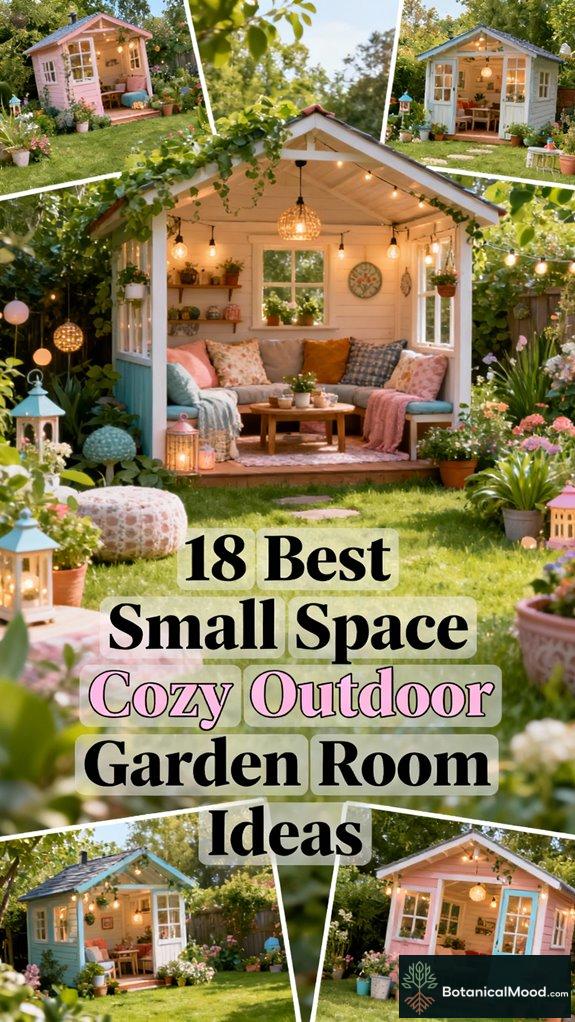
Turning a cramped outdoor space into a cozy garden retreat feels like a personal victory, doesn’t it?
I once created a minimalist reading nook in my tiny balcony. I hung Macramé holders for my trailing plants – because apparently, I need plants to spy on my neighbors.
Picture this: a sleek chair, reclaimed wood table, and a whole lot of quiet. My own little world, you know?
And when I added a rustic workshop shed, suddenly I was the “crafty” friend. Who knew vintage charm could make me feel so productive?
But why stop there? What about your space?
Do you crave a tranquil spot or maybe just a place to escape the chaos?
We all deserve that little slice of paradise.
Designing My Dream Garden: A Journey of Testing and Trials
A few years ago, I fancied myself a garden designer — of sorts. I wanted to transform my garden into a floral explosion, but instead, I ended up with a wild jungle. Who knew daisies could be so aggressive?
I learned the hard way that planning matters. So, I took a step back, researched garden layouts, and discovered the magic of companion planting. Now, my space flourishes with harmony instead of chaos! You should see my thriving herbs next to blooming perennials.
Just remember, each tiny outdoor area can be your canvas, filled with colorful blooms, lush greens, and a few surprises along the way!
Quick Takeaways
Create a minimalist reading nook with Macramé plant hangers and a sleek, weather-resistant chair for serenity and inspiration.
Design a chic outdoor office pod using sustainable materials and energy-efficient windows to enhance productivity in a lush environment.
Incorporate a cozy pergola lounge with plush cushions, ambient lighting, and aromatic plants for an inviting atmosphere for relaxation or social gatherings.
Utilize vertical garden walls to maximize space while incorporating lush greenery and edible herbs for a productive garden experience.
Transform a stylish storage shed into a cozy retreat with earthy tones, vintage furnishings, and warm decor accents for a relaxing outdoor escape.
Minimalist Reading Nook With Hanging Planters
Creating a minimalist reading nook adorned with hanging planters can transform a small outdoor space into a tranquil haven, perfect for curling up with a good book.
Consider using suspended Macramé holders to cradle your favorite trailing plants like String of Hearts (Ceropegia woodii) or English Ivy (Hedera helix). Their cascading foliage will soften your nook, drawing the eye upward.
Pair a sleek, weather-resistant chair with a small side table crafted from reclaimed wood for an eco-friendly touch. Additionally, incorporating minimalist vertical gardens can enhance the overall aesthetic while maximizing your available space.
Opt for vibrant cushions in muted colors to evoke serenity. This harmonious blend creates an inviting atmosphere that fosters relaxation and inspiration, essential for every garden lover.
Rustic Workshop Shed With Vintage Accents
As you step into a rustic workshop shed adorned with vintage accents, you immediately appreciate the charm that such a space can bring to your garden.
Picture reclaimed wood shelves, repurposed tools resting beside handmade pottery, and softly flickering Edison bulbs illuminating your creative work. The natural patina of aged metals, like copper and iron, adds character, while wildflower bouquets (e.g., Achillea millefolium) sourced from your own garden enhance the ambiance. A combination of country chic aesthetics and rustic elements creates an inviting atmosphere that encourages relaxation and creativity.
This serene haven transforms mundane tasks into invigorating experiences, inspiring creativity and fostering a profound connection to nature.
Embracing this rustic aesthetic allows your garden to become a truly expressive retreat.
Chic Outdoor Office Pod With Smart Features
When it comes to finding a dedicated workspace that embraces both style and functionality, a chic outdoor office pod equipped with smart features can be a game changer.
Envision stepping into a sleek, compact structure, seamlessly blending modern design and technology, offering energy-efficient windows, integrated LED lighting, and climate control systems.
Brands like Studio Shed and Garden House provide customizable options in sustainable materials like cedar (Thuja plicata) and recycled steel.
These pods create an inspiring environment, adorned with lush greenery and vibrant plants, allowing creativity to flourish while enhancing productivity in a tranquil outdoor setting—capturing the essence of innovative garden design.
Cozy Pergola Lounge With Comfy Cushions
A cozy pergola lounge invites relaxation and tranquility into your outdoor space, especially when adorned with plush, comfy cushions that beckon you to unwind.
Imagine sinking into vibrant textiles, like Sunbrella® fabrics, designed to withstand the elements yet exude comfort.
Savor the luxury of vibrant Sunbrella® fabrics, crafted for comfort and resilience against the elements.
Add a few thoughtfully selected plants, such as the fragrant Lavandula (lavender) or vibrant Geranium (Pelargonium), to enhance your sensory experience.
Incorporating ambient lighting, such as twinkling fairy lights or lanterns, creates an enchanting atmosphere as evening descends.
This space allows for social gatherings or solitary moments of reflection, offering a perfect fusion of beauty, design, and serenity.
Serene Yoga Retreat Surrounded by Nature
Creating a serene yoga retreat surrounded by nature doesn’t just enhance your practice; it transforms your entire outdoor experience into a peaceful sanctuary.
As I settle onto my organic cotton mat, I’m enveloped by the gentle rustle of native plants like Salvia (Salvia spp.) and the calming scent of lavender (Lavandula angustifolia).
Strategically placed bamboo screens add privacy while maintaining a breezy atmosphere.
Soft, ambient lighting from solar lanterns creates an inviting space for evening meditations.
This mindful oasis merges tranquility with innovative design, reminding us how essential nature is for nurturing the spirit—a core value that inspired my journey with Botanical Mood.
Compact Fire Pit Area With Built-In Seating
Integrating a compact fire pit area with built-in seating into your outdoor space not only maximizes functionality but also enhances the aesthetic appeal of your garden.
Picture an elegant design where stone or brick (e.g., basalt or bluestone) forms a cozy circular seat, surrounding a modern fire pit. Incorporating weather-resistant cushions in earthy tones not only invites relaxation but harmonizes with surrounding flora.
I love pairing this setup with low-maintenance plants like lavender (Lavandula angustifolia) for enchanting scents. Brands like SoloStove offer chic fire pits that frame the ambience beautifully, inviting friends to gather under the stars while creating unforgettable memories.
Whimsical Garden Art Studio With Natural Light
As I ponder the idea of setting up a whimsical garden art studio, I can’t help but envision how natural light can play an essential role in breathing life into the space.
To enhance my studio, I’ve considered various elements:
Element
Description
Benefits
Skylights
Inviting sunlight from above
Illuminates artwork
Open Windows
Frames lush views outside
Provides fresh air
Reflective Surfaces
Mirrors or shiny finishes
Amplifies natural light
This harmonious blend of creativity and nature really inspires me. I look forward to filling the studio with vibrant colors and diverse textures, celebrating artistic expression amid the garden’s beauty.
Inviting Tea House With Bamboo Screening
After envisioning a whimsical garden art studio, I find myself captivated by the idea of an inviting tea house, nestled quietly among the flora.
The natural ambiance created by bamboo screening (Bambusa spp.) offers an organic feel, perfect for relaxation and reflection.
The tranquil presence of bamboo screening fosters a serene environment, ideal for moments of peace and contemplation.
Here are some ideas to enhance this serene space:
Comfortable seating: Opt for lightweight, weather-resistant chairs, maybe even a hanging chair for whimsy.
Soft lighting: Use solar lanterns or string lights to create a magical evening glow.
Tea essentials: Incorporate a small table for teapots and cups.
Surrounding plants: Use fragrant herbs like mint (Mentha spp.) to enrich the atmosphere.
Multifunctional Dining Space Under a Canopy
Creating a multifunctional dining space under a canopy not only transforms an ordinary backyard into a remarkable retreat but also allows for shared moments with friends and family amidst nature.
I’ve adorned my space with a sustainable wooden table, surrounded by weather-resistant chairs, creating a harmonious blend of style and durability. Integrating potted herbs like basil (Ocimum basilicum) enhances the ambiance and your culinary experience.
Element
Material
Purpose
Table
Reclaimed wood
Dining/Workspace
Chairs
Aluminum with cushions
Comfort/Style
Canopy
Fabric UV protection
Shade/Protection
This setup encourages creativity, making it a true garden gem.
Colorful Playhouse for Kids With Natural Elements
A vibrant playhouse can serve as a delightful focal point in any small outdoor garden, providing a cherished space for children to express their imagination while harmoniously blending with the natural elements surrounding it.
To create this enchanting space, consider the following ideas:
Envision an enchanting playhouse by blending colorful, eco-friendly materials with nature-inspired decor and interactive features for endless creativity.
Colorful, eco-friendly materials like bamboo (Bambusoideae) for structure.
Nature-inspired decor, incorporating textures from stones and wood.
Living plants that double as play elements, such as climbing vines (Campsis radicans) for a whimsical touch.
Interactive features, such as a chalkboard wall for limitless creativity.
These elements can help foster a joyful connection with nature, embodying the ethos behind Botanical Mood.
Stylish Storage Shed Repurposed as Retreat
Transforming an ordinary storage shed into a stylish retreat can elevate your small outdoor garden space, offering a unique sanctuary for relaxation and creativity. Envision adorning the interior with cozy seating, ambient lighting, and lush potted plants to bring nature inside.
Design Element
Description
Color Palette
Soft greens, earthy browns
Furnishings
Vintage chairs, reclaimed wood
Decor Accents
Fairy lights, botanical prints
I love infusing innovative ideas into garden spaces, turning the mundane into extraordinary. This unique approach reflects both function and art, capturing the essence of a peaceful garden retreat.
Tranquil Meditation Corner With Soft Fabrics
Finding a serene space to unwind and reconnect with oneself is essential, especially in our fast-paced lives, and incorporating a tranquil meditation corner in your garden can offer that refuge.
Here are some ideas to create your perfect peaceful retreat:
Use soft, natural fabrics like organic cotton or linen for cushions and throws.
Opt for earthy, calming color palettes, such as muted greens and gentle blues.
Add aromatic plants like lavender (Lavandula angustifolia) for soothing scents.
Integrate gentle lighting, through string lights or lanterns, to evoke warmth and serenity.
This harmonious setup inspires reflection and rejuvenation.
Vertical Garden Wall for Small Garden Rooms
Creating a vertical garden wall not only maximizes your outdoor space but also brings an element of lushness to small garden rooms, enriching your living area with life and color.
Here are some inspiring plants for your vertical wall:
Plant Type
Ideal Location
Benefits
Ferns (Polypodium)
Shady areas
Air purification
Herbs (Basil, Mint)
Sunny spots
Culinary uses and aromas
Succulents (Sedum)
Sunlit sections
Low maintenance
Climbing Vines (Creeping Fig)
Vertical support
Attractive greenery
With innovative containers and planting techniques, you can transform your garden room into an urban oasis.
Charming Open-Air Kitchenette With Herb Garden
As you step into an open-air kitchenette, the fresh scent of herbs like Ocimum basilicum (basil) and Mentha (mint) greets you, inviting culinary creativity to flourish in your small outdoor space.
Step into your outdoor kitchenette and let the invigorating aromas of fresh basil and mint inspire your culinary adventures.
To maximize this charming area, consider these innovative elements:
Compact Work Surface: A foldable table for chopping fresh ingredients.
Vertical Herb Planters: Wall-mounted containers that save ground space and provide quick access to your favorite herbs.
Vintage-Style Fixtures: Incorporate rustic lighting and materials for an inviting ambiance.
Portable Grill: Perfect for impromptu outdoor meals, enhancing the joy of al fresco dining.
Elegant Greenhouse With Relaxing Seating
A well-designed greenhouse can become your personal oasis, where the beauty of nature meets the art of relaxation.
Envision a serene space filled with lush greenery, like ferns (Polypodium leukotomos) and delicate orchids (Phalaenopsis spp.), creating a peaceful ambiance.
Incorporating comfortable seating, such as wicker chairs or sleek metal benches, enhances the inviting atmosphere, allowing you to unwind with a book or sip herbal tea.
Use soft, natural colors in your decor, harmonizing with the vibrant plants.
Add personalized touches, like hand-painted pots or soothing water features, for a truly innovative retreat.
It’s about creating your haven with Botanical Mood.
Inviting Outdoor Movie Theatre Setup
Picture the excitement of settling in under a starlit sky, surrounded by lush greenery, while enjoying a classic film with friends and family.
An inviting outdoor movie theatre setup is an innovative way to combine nature with cinematic delight.
Here’s how I’d create this charming experience:
Screen: Opt for a portable inflatable screen, easy to set up and store.
Seating: Use cozy bean bags or chic blankets over plush outdoor cushions.
Lighting: Incorporate twinkling string lights and solar lanterns for a magical ambiance.
Snacks: Prepare a delightful snack bar with popcorn, candy, and fresh fruits.
Creating this beautiful space enhances evenings spent outdoors and truly elevates the garden experience.
Eco-Friendly Garden Office With Solar Panels
Incorporating an eco-friendly garden office into your outdoor space not only enhances productivity but also serves to harmonize your work environment with nature. I’ve found that installing solar panels greatly reduces my carbon footprint while providing ample energy for my gadgets.
Here’s a quick comparison of eco-friendly options:
Feature
Benefits
Solar Panels
Sustainable energy source
Green Roofs
Insulation and biodiversity
Recycled Materials
Less waste and innovative design
Natural Light Sources
Boosts mood and productivity
Aromatic Plants (Lavandula)
Enhances well-being
Investing in such elements not only beautifies my workspace but also nurtures a thriving ecosystem.
Adaptive Multi-Use Space With Foldable Furniture
Creating an adaptive multi-use space in my outdoor garden has transformed the way I engage with my environment, as I’ve discovered that foldable furniture offers remarkable versatility.
Here’s how I’ve optimized my garden with clever choices:
Folding chairs: Lightweight and easy to store, perfect for gatherings or solo relaxation.
Expandable tables: Adjusts smoothly to accommodate both intimate meals and larger gatherings.
Stackable benches: Ideal for whimsical seating that transforms from functional to compact.
Portable loungers: Offers comfort during sunny days while being effortless to relocate.
I cherish how these innovations meet varied needs while maintaining elegance in design.
Charming Furniture for Small Patios
When you step into a small patio, a variety of charming furniture options can instantly elevate the atmosphere and functionality of your outdoor retreat.
Imagine sleek rattan chairs, perfectly paired with vibrant, weather-resistant cushions, offering both comfort and durability. A compact bistro set invites intimate meals, while multi-purpose storage benches keep clutter at bay. Opting for slim, space-saving designs can allow you to maximize your limited space without sacrificing style.
Adding colorful throw pillows or soft outdoor rugs infuses warmth, enhancing the cozy vibe. Incorporating potted plants or vertical gardens (like *Ivy* or *Ferns*) softens the surroundings, inviting relaxation.
With carefully curated pieces, I guarantee my small patio becomes a stylish sanctuary, a reflection of the idea that less can truly be more.
Space-saving Furniture Arrangement
Maximizing the potential of a small outdoor garden room can be quite the challenge, yet thoughtful space-saving furniture arrangements can transform it into a harmonious retreat.
Here are some innovative ideas to take into account:
Fold-away desks that tuck against the wall when not in use.
Ottomans with hidden storage that double as extra seating.
Extendable dining tables for versatile entertaining options.
Lightweight, movable furniture, like metal armchairs, for flexible arrangements.
Meet the Garden Designer
Meet Vanessa Clough, a passionate garden enthusiast from Portland, Oregon. After years of living in an urban apartment, she longed for a personal outdoor sanctuary that could combine her love for nature with hosting.
To bring her vision to life, Vanessa engaged in an extensive garden design process, starting with meticulous planning and sketching of her ideas. She consulted professional garden designers and utilized resources from local nurseries to select the right plants for her small space garden, focusing on vertical gardening techniques to maximize her area.
For the implementation, Vanessa used essential tools such as a trowel, pruners, and a garden fork from brands like Fiskars and Felco.
She incorporated chic accessories like container planters from the Martha Stewart Garden Collection and sought advice from local horticulturists to guarantee that her plant choices thrived in Portland’s climate.
Urban Container Gardening Techniques
Urban container gardening opens up a world of possibilities, transforming even the tiniest balcony or patio into a lush, vibrant escape.
Selecting larger containers with drainage holes guarantees better plant growth, while repurposed items like milk crates or plastic pools offer sustainable, cost-effective options.
Larger containers with drainage holes enhance growth, while repurposed items provide eco-friendly, budget-friendly gardening solutions.
Utilizing high-quality potting mixes with organic compost keeps nutrients balanced, and regular fertilization is key for thriving plants.
Selecting compact vegetables (e.g., Solanum lycopersicum) and herbs (e.g., Ocimum basilicum) optimizes your culinary experience, creating a flourishing urban oasis with beauty and sustainability at its heart.
Garden Design FAQ
How Can I Choose the Best Location for My Garden Room?
I prioritize sunlight and accessibility when choosing my garden room’s location. I avoid shaded areas, ensuring I have a stunning view while remaining close to my home. Everyone loves easy access to their cozy spaces!
What Are the Best Plants for Privacy in Small Garden Rooms?
Funny enough, I find that bamboo’s like a privacy ninja! For a softer look, I adore climbing roses and fragrant jasmine. They’re chic, innovative, and make my small garden room feel like a secret paradise!
How Do I Ensure My Outdoor Room Stays Comfortable in Different Weather?
I keep my outdoor room comfortable by using adjustable shades, weatherproof furniture, and cozy textiles. I also add a small fan or heater as needed, ensuring a delightful retreat throughout changing seasons and unpredictable weather.
What Are Effective Ways to Incorporate Lighting in Small Garden Rooms?
I love using string lights to create an enchanting atmosphere in my small garden room. Incorporating lanterns and dimmable lamps adds flexibility. Using solar-powered options is eco-friendly and efficient, enhancing both style and comfort effortlessly.
How Can I Personalize My Outdoor Space Without Overwhelming It?
Have you ever wondered how to make your outdoor space truly yours? I focus on selecting a few unique decor pieces, adding personal plants, and incorporating colors that resonate with me—without cluttering my cozy sanctuary.
Summary
Transforming my small outdoor space into a cozy garden retreat has been a wonderful journey. Every detail matters, whether I add a chic office pod or a peaceful yoga corner. It’s about creating a sanctuary that feels uniquely mine.
I’d love to hear about your own experiences with creating your outdoor oasis. What inspired your design?
Feel free to share some pictures of your garden! I’d love to see how you’ve designed your space.
Designing vibrant gardens feels like reconnecting with nature‘s magnificent palette. Honestly, who knew plant colors could bring out my artsy side?
In the Pacific Northwest, I discovered that lush greens and silvery evergreens aren’t just pretty—they radiate tranquility. Rhododendrons, those glorious native blooms, really took my gardening game up a notch.
Let’s be real: who doesn’t love a bit of dramatic flair with Mediterranean-inspired drought-tolerant plants? Don’t even get me started on Oregon grape and salal—native plants that also scream sustainability. Crazy how nature has it all figured out, right?
H2: My Journey Through Garden Design and Native Plant Choices
I once dared to mix soft blues and warm lavender in my coastal garden. The result? A sea of calming colors—perfect for a relaxed evening with a glass of wine (or two). I learned that layering these tones governed the garden’s rhythm, creating an inviting atmosphere.
And yes, I even invite the occasional pollinator over. After all, I’m not trying to create a desert; it’s about crafting diverse habitats. Embracing native plants not only supports the ecosystem but makes me feel like a responsible green-thumb champion. Who doesn’t want to be an eco-hero while showcasing stunning blooms?
Quick Takeaways
Regional color palettes enhance garden aesthetics by reflecting local flora and improving harmony with the environment.
Coastal gardens utilize soft blues, greens, and lavender to evoke a serene atmosphere.
Arid region designs feature golden zinnias and terracotta elements for vibrant, warm color schemes.
Emphasizing native plants boosts sustainability, supports local wildlife, and creates visually harmonious gardens.
Incorporating bold colors with neutrals and textures fosters balance and interest in garden designs.
Importance of Regional Color Palettes in Garden Design
When I explore the vast spectrum of garden design, I often find that the essence of a space hinges on the regional color palette selected for its plants.
The hues of local flora resonate deeply with surrounding vistas, evoking a sense of belonging. In my coastal gardens, I adore the soft blues and greens of sea oats and lavender, blending harmoniously with driftwood features.
Meanwhile, arid regions bloom vibrantly with golden zinnias and rich terracotta elements. Choosing native plants not only enhances aesthetics but also fosters sustainable practices, making every garden a demonstration to the unique beauty of its environment, something I celebrate through my Botanical Mood journey. Additionally, incorporating native pollinators in garden design promotes ecosystem health and contributes to the overall vibrancy of the landscape.
Pacific Northwest Garden Aesthetics
Pacific Northwest gardens are a vivid tapestry, characterized by their lush foliage and diverse ecosystems that thrive in a climate inspired by both coastal and mountainous terrains.
As I explore these enchanting vistas, I’m captivated by the interplay of silvery evergreens, vibrant Rhododendrons, and delicate ferns that create a harmonious palette.
The use of native plants, such as Oregon grape and salal, emphasizes sustainability and beauty. Creating a serene woodland garden with native species not only enhances the aesthetic but also supports local wildlife.
Embracing native plants like Oregon grape and salal cultivates a garden that is both sustainable and beautifully attuned to its environment.
Incorporating stone pathways enhances texture and invites wanderers into this serene sanctuary.
Each garden reflects the unique artistry of its creator, evoking a sense of intimacy and connection with nature—a core reason I founded Botanical Mood.
Embracing Pastels: The 2024 Garden Color Trend
As garden enthusiasts, we often find ourselves enchanted by the ethereal charm of pastel hues that emerge in the 2024 garden color trend, inviting tranquility and a sense of whimsy into our outdoor spaces.
Imagine soft lavender peeking through crisp white blooms or delicate pale pink petals harmonizing with a muted blue sky. These gentle tones evoke feelings of serenity, balancing vibrant foliage.
Incorporating pastel annuals like snapdragons or sweet alyssums can create painted vistas. Including cottage style floral gardens, characterized by their informal plantings and soft colors, can enhance your overall design.
At Botanical Mood, I’ve curated ideas to celebrate these soft shades, helping your garden flourish with serenity as you cultivate spaces that embody beauty and peace.
Mediterranean Inspirations for Drought-Tolerant Landscapes
Drought-tolerant environments can be both stunning and sustainable, especially when inspired by the sun-kissed regions of the Mediterranean, where lush vegetation and arid conditions harmoniously coexist.
Here are four delightful elements to embrace:
Lavender: Its aromatic spikes bring life and fragrance, thriving in rocky soil.
Olive Trees: Symbolizing timeless beauty, their silvery leaves catch the sun wonderfully.
Agave: This sculptural succulent boasts striking shapes, defying drought with ease.
Cypress: Tall and slender, they frame vistas with an elegant silhouette.
Incorporating xeriscaping principles into your design will further enhance water efficiency.
With these choices, I’ll help you create a serene oasis that reflects the Mediterranean spirit.
Simplifying Color Schemes for Visual Impact
Color schemes in garden design can greatly influence the mood and aesthetic appeal of outdoor spaces. I often find that simplifying color choices, perhaps by clustering a few harmonious hues, creates a compelling visual impact.
For instance, a palette of deep blues and soft whites evokes tranquility, while vibrant reds and yellows can energize a space. Selecting regional plants that complement these colors, like lavender and poppies, enhances the effect.
Embracing a minimalistic approach, I’ve learned, allows each flower to shine, transforming ordinary gardens into enchanting vistas. This clear vision drives my passion for fostering beauty—it’s the essence behind Botanical Mood.
Techniques for Balancing Bold Colors
Bold colors can infuse energy and dynamism into a garden design, but without proper balance, they risk overpowering the space. Here are some techniques I use to guarantee harmony when selecting vivid hues:
Incorporate Neutrals: Plant calming shades like whites and greens to soften bold tones.
Create Focal Points: Use standout colors at strategic locations to draw the eye without overwhelming.
Limit Color Palette: Choose two or three bold shades for cohesion, enhancing drama while avoiding chaos.
Textural Contrast: Integrate different leaf shapes and sizes to complement color vibrancy, creating depth and interest.
These elements, when harmonized, help cultivate tranquility amidst boldness.
Impact of Native Plants on Sustainability
While exploring the myriad options available for creating stunning garden designs, I’ve come to appreciate the profound impact that native plants have on sustainability.
Native plants, like coneflowers and black-eyed Susans, not only thrive in local climates but also provide essential habitats for pollinators and wildlife. They require less water and fewer chemicals, reducing our ecological footprint.
Native plants, such as coneflowers and black-eyed Susans, enhance biodiversity while thriving on minimal water and chemicals.
Imagine a setting filled with vibrant colors, effortlessly blending into the environment.
Through my passion for gardening and my website, Botanical Mood, I’ve aimed to inspire others to embrace these remarkable plants, nurturing both beauty and biodiversity in our gardens, and ultimately, our world.
Seasonal Interest in Colorful Garden Design
Creating a garden that captivates in every season involves a thoughtful approach to color and design elements, ensuring that each plant selection harmonizes within the setting throughout the year.
Spring blooms: Vibrant tulips and cheerful daffodils awaken the earth, bringing joy to the eye.
Summer vibrancy: Sunflowers and zinnias bask in the sun, offering robust hues that ignite warmth.
Autumn tapestry: Rich reds and oranges emerge with chrysanthemums and asters, painting a breathtaking farewell to summer.
Winter elegance: Evergreens and ornamental grasses provide structure, adding depth and intrigue to a quiet terrain.
Each season, a different story unfolds.
Native Plant Garden Showcase
Native plant gardens embody a harmonious blend of ecological function and aesthetic appeal, drawing in both gardeners and wildlife alike. I adore featuring species like purple poppy mallow, which thrives as low-growing ground cover along edges. Meanwhile, rough blazing star delights pollinators such as monarch butterflies. The American beautyberry not only captivates the eye with its purple berries but also nourishes local wildlife. Furthermore, these native plant gardens provide year-round interest and habitat for a variety of species.
Backyard Color Scheme Layout
In my experience, a well-planned color scheme can transform an ordinary backyard into an extraordinary canvas of nature.
Here’s how I approach creating an engaging setting:
Choose an overarching palette—I often lean towards analogous colors for a harmonious flow.
Identify a focal point—a vibrant specimen plant or garden art can anchor the design beautifully.
Apply the rule of threes—grouping plants in odd numbers cultivates balance and interest.
Consider seasonal appeal—I always incorporate evergreens to maintain structure when blooms fade, ensuring my garden shines year-round.
Meet the Garden’s Creator
The owner, Collins, hailing from California, developed a passion for garden creation through her childhood experiences in her grandmother’s vibrant backyard, igniting her dream of designing a unique garden space.
To bring her vision to life, Collins engaged in extensive research on sustainable garden practices while sketching preliminary designs and collaborating with local outdoor designers to refine her ideas. She conducted soil tests and assessed sunlight patterns, ultimately choosing a mix of native plants that harmonized with California’s climate.
Collins utilized tools such as the Dewalt cordless drill and Fiskars garden shears, complemented by accessories like Gardenite plant support stakes.
She consulted horticulturists like Gertrude Jekyll to inspire her color schemes and plant compositions, ensuring her garden embodied both beauty and functionality.
Renowned Flowering Landscape Favorites
Creating an enchanting garden often hinges on selecting the right flowering plants that resonate with both the local ecosystem and the desired aesthetic.
Among my favorites, begonias and impatiens glisten brightly, attracting pollinators like whispers of nature’s embrace.
The remarkable ’Cocktail Brandy’ begonia especially enchants with its vibrant hue, while impatiens ’Accent Coral’ sits harmoniously amidst greens.
Incorporating peonies, with their lush, fragrant blooms signifying fortune, adds a sense of history.
I find solace in low-maintenance structures, like hydrangeas and Weigela florida, where vibrant colors dance across the seasons, creating an inviting tapestry that pleases the eyes and nourishes the soul.
Creating garden pathways is like playing with nature’s giant puzzle pieces, and trust me, I’ve made my fair share of miscalculations!
The last time I attempted a stone design, I accidentally ordered enough pebbles to cover a small moon. Who knew I’d end up with enough smooth stones for an airstream camper?
Combining rustic flagstones with reclaimed wood borders? Chef’s kiss!
It’s ironic how a little creativity can lead to a lot of chaos, but hey, it’s all part of the charm, right?
Plus, who doesn’t love a good eco-friendly paver from Nicolock or Cambridge Paving Stones?
Discovering the Magic of Garden Design
Last summer, while revamping my backyard, I stumbled upon a local stone supplier. Their passionate stories about each piece reminded me that garden design isn’t just about aesthetics; it’s about connection. I incorporated those ethically sourced stones into my path, each one telling a story rather than just laying there.
The vibrant mosaic tiles? A nod to my love for travel! This little journey has taught me that no garden is too small to inspire—whether it’s sustainability, art, or just plain fun. Plus, add in some whimsical lighting, and voilà! Your garden pathway becomes the perfect evening escape.
Embrace the creativity, but remember, every path has its bumps!
Quick Takeaways
Combine smooth pebbles and rustic flagstones for inviting contrast in your garden pathway design.
Use geometric patterns like herringbone or zigzag to create dynamic visuals that inspire exploration.
Enhance pathways with evergreen borders and colorful flowering plants for year-round beauty and seasonal pops of color.
Incorporate mosaic tiles and personalized stones to add unique character and reflect your individual style.
Consider integrating decorative lighting to create enchanting ambiance and improve visibility during evening gatherings.
Material Combinations for Unique Pathways
When I envision a garden pathway, I often think about how the right combination of materials can create not just a functional route but also a stunning visual experience.
Envision combining smooth pebbles with rustic flagstones, interspersed with vibrant moss, creating an inviting contrast that beckons visitors to explore.
Incorporating reclaimed wood borders softens changes, while incorporating native stones can enhance local biodiversity.
A blend of materials, like decomposed granite and recycled bricks, not only serves the environment but adds character and warmth.
As I curate my own garden pathways, I’m reminded of how thoughtful design fosters connections with nature and nurtures our shared spaces. Additionally, the use of asymmetrical stone arrangements can provide sculptural design elements that elevate the overall aesthetic of the pathway.
Design Styles: From Rustic to Contemporary
Designing a garden pathway is as much about aesthetic appeal as it’s about functionality, and the style you choose can profoundly influence the overall feel of your outdoor space.
From rustic cobblestones that blend seamlessly with nature to sleek contemporary pavers offering a modern edge, each design speaks volumes. I often admire how natural stone pathways inspire a warm, inviting atmosphere, ideal for entertaining, while minimalist options can convey elegance and sophistication. Considering color palettes, textures, and surrounding flora brings harmony, creating serene changes. At Botanical Mood, I cherish how thoughtful designs elevate every garden, encouraging enjoyment for others in your outdoor haven. Incorporating elements like minimalist concrete water features can enhance the tranquil ambiance of your garden space.
Enhancing Pathways With Complementary Elements
Enhancing a garden pathway goes beyond mere stones and pavers; it involves a complex dance of complementary elements that elevate the entire scenery.
As I meticulously select finishing touches, I find joy in the harmony they create.
Decorative lighting that casts enchanting shadows at dusk
Colorful flowering plants that offer seasonal bursts of beauty
These elements transform a simple walkway into an inviting journey. Incorporating decorative lighting not only improves visibility but also adds a magical ambiance to your garden.
I invite you to reflect on how these enhancements fuse function with aesthetics, crafting a space where each visitor feels welcomed and inspired.
It’s a passion I hope to share through my endeavors.
Construction Tips for Durable Stone Paths
While investing time in constructing durable stone pathways, I endeavor for a balance between functionality and aesthetics, ensuring that every step along the path offers a tactile experience.
To achieve lasting results, I always begin with a solid foundation, using crushed gravel or sand to provide stability. Selecting resilient stones, like bluestone or flagstone, enhances both durability and visual appeal. I carefully place each stone with proper spacing, allowing for water drainage and easy maintenance.
Regularly inspecting the path helps me identify any settling or wear, ensuring I uphold both beauty and resilience throughout the seasons, inspiring others to create similarly inviting gardens.
Creative Ideas for Personalizing Stone Pathways
Crafting a stone pathway doesn’t just serve its basic function; it’s an opportunity to infuse personal style into your garden.
By expressing your creativity, you can create a space that truly reflects who you are. Here are some ideas to get you started:
Incorporate decorative stones with personal symbols or family initials.
Add vibrant mosaic tiles interspersed for a splash of color and character.
Use locally sourced stones to connect your pathway to the surrounding environment.
Personalizing your pathway brings warmth to your outdoor space, inviting friends and family to enjoy the visual harmony and thoughtful design that I’ve always aimed for with Botanical Mood.
Unique Patterns in Pathways
Unique patterns in pathways can transform a simple garden walk into a complex tapestry of design and function, creating a visual dialogue that invites exploration and reflects the unique personality of your outdoor area. Incorporating stone paving offers durability, timelessness, and beauty, making it an essential element in enhancing the aesthetics of your landscape.
Pattern Type
Description
Ideal Use Case
Geometric Patterns
Zigzag or herringbone for dynamic visuals
Straight, structured paths
Circular Designs
Concentric rings for flowing aesthetics
Enhancing natural elements
Irregular Patterns
Varied shapes to foster rustic charm
Blending into native environments
Incorporating these elements inspires serene outdoor experiences, encouraging mindfulness and connection with nature.
Pathway Layouts With Natural Stones
Creating an inviting pathway with natural stones not only enhances the aesthetics of your garden but also instills a sense of harmony within the surroundings.
Embrace large flagstones for visual focal points and a touch of grandeur.
Incorporate gaps filled with grass or ground cover to soften the hardscape and create a versatile design.
Opt for meandering layouts that mimic natural scenery flows, framing beautiful garden features.
Rustic Pebble Mosaic Pathways
Rustic pebble mosaic pathways offer a charming and versatile approach to garden design, enveloping spaces in natural beauty while enhancing functionality.
I love selecting smooth, rounded pebbles for their vibrant colors, especially when they’re wet, revealing their true brilliance. Preparing a stable base of crushed rock guarantees these creations endure, fitting seamlessly into any garden.
With patterns ranging from concentric spirals to geometric shapes, each design tells a unique story. I find joy in crafting these textured pathways, which not only improve drainage and safety but also complement the organic elements of my surroundings.
They’re a wonderful way to serve the environment and enrich outdoor experiences.
Decoration With Garden Stone Pathways
When you’re looking to enhance the beauty of your garden, incorporating stone pathways can substantially elevate the overall aesthetic while providing functional benefits.
Large flat stones seamlessly blend with lush greenery, creating a serene pathway.
Arranging colorful, textured stones in a mosaic offers a mesmerizing visual treat.
Integrating seasonal flowers along the path introduces dynamic color changes throughout the year.
Each step along your stone path serves both beauty and practicality, fostering a sense of harmony.
The thoughtful design enhances the outdoor experience, inviting others to appreciate nature’s artistry as they stroll through your curated sanctuary.
Meet the Garden Designer
The proud owner of this beautiful garden is the Smith family from Portland, Oregon. Inspired by their childhood memories of nature walks, they envisioned a tranquil space filled with lush plants and floral beauty.
To achieve their dream garden, the Smiths set out on a thorough design process that began with consulting professional resources such as the Certified Garden Design & Maintenance Professional (CGDMP) program. They conducted site analyses, gathered plant lists based on RHS horticulture principles, and worked with garden design software to create detailed plans.
Using design tools like CAD software and 3D modeling with Sketchup, the Smith family carefully crafted their garden. Incorporating quality products from brands like Miracle-Gro and local horticulturists, they made certain their garden flourished with sustainable practices and vibrant plant life.
Renowned Garden Designers and Brands
Creating a stunning garden can often be as much about the materials and products you choose as it is about the design itself. Renowned brands like Nicolock Paving Stones and Cambridge Paving Stones with ArmorTec® combine durability with aesthetic appeal, offering high-quality paving options like Alpine Ridge and ArmorTec® pavers.
Brand
Key Feature
Popular Product
Nicolock
Eco-friendly permeable pavers
Alpine Ridge
Cambridge
ArmorTec® for longevity
Random Designs
MPG Stone
Natural stones for pathways
Lawn Stepping Stones
These choices enhance your garden’s beauty while serving the environment.
Garden Design FAQ
How Do I Choose the Right Stone Material for My Garden Path?
I choose stone material based on durability, color, and texture that complements my garden’s style. I also consider how the stones feel underfoot and their maintenance needs to guarantee a welcoming path for everyone.
What Maintenance Do Stone Pathways Require Throughout the Seasons?
Stone pathways need regular weeding, occasional washing to prevent stains, and resealing every few years. Think of it like nurturing a friendship; a little care keeps it strong and beautiful for everyone to enjoy.
Can I Install a Stone Pathway by Myself?
Yes, you can install a stone pathway yourself! I found it rewarding to plan, gather materials, and lay stones. Just make sure to measure correctly and take your time for a great finish.
How Do I Prevent Weeds From Growing Between Stones?
To prevent weeds, I mix polymeric sand into the joints between stones. After sweeping it in, I wet the pathway lightly. This process creates a solid barrier, keeping weeds at bay, ensuring my pathway stays beautiful.
Are There Eco-Friendly Options for Pathway Construction?
I often choose recycled materials, like reclaimed bricks or permeable pavers, for pathways. They’re eco-friendly, support drainage, and reduce environmental impact, all while looking beautiful. It’s a simple way to create sustainable outdoor spaces.
Share Your Own Garden
I love adding a stone pathway to my garden because it not only looks good but also invites me to explore the space. Mixing materials and personal flair creates a unique path that reflects my style. Paying attention to details makes all the difference in design.
I’d love to hear about your experiences with garden pathways. What designs have you tried?
Feel free to share pictures of your garden and tell me how you crafted your design!
I recently tackled the challenge of creating a decorative garden arbor and let me tell you, it was an adventure!
Wood arbors, especially those wrapped in climbing honeysuckle or clematis, definitely pull focus. I mean, who doesn’t love a touch of rustic charm?
On the flip side, a sleek metal arbor can totally elevate the vibe—like your garden is suddenly hosting a fancy gala. I personally tossed in some cozy seating and vibrant plants, and it turned my yard into my own little oasis. Isn’t that what we all want?
Still, just when I thought I had it all figured out, I discovered that some vines were a little more needy than I had anticipated! Who knew gardening was a relationship game?
The Magic of Garden Design: A Personal Journey
Decorative arbors aren’t just about looks; they can transform your garden into a personal sanctuary. My experience with a metal arbor was eye-opening. After installing it, I hung fairy lights, and it felt like I stepped into a Pinterest dream! I paired it with lavender and wistful climbing roses, which added delightful scents and colors.
But let’s be real: maintaining those plants? A bit chaotic. They turned out to be star performers in the garden drama, requiring constant attention. Yet, those moments spent nurturing them were incredibly rewarding. Whether it’s about the perfect design, fragrant flowers, or simply a cozy coffee spot, don’t underestimate how much a well-placed arbor can elevate your outdoor experience!
Quick Takeaways
Choose compact wood or metal arbors to enhance the charm without overwhelming small backyard spaces.
Utilize climbing plants like clematis or honeysuckle to create vibrant displays around arbors.
Incorporate decorative elements, such as hanging flower baskets or solar lanterns, for added color and ambiance.
Position arbors strategically to frame pathways and create inviting focal points for exploration.
Select materials that complement the garden’s overall vibe, continuing a theme in your outdoor design.
Charming Wood Arbors for Rustic Vibes
When you consider transforming your garden into a serene retreat, adding a charming wood arbor can create an inviting focal point that enhances the rustic ambiance.
Imagine a beautifully crafted cedar arbor, its natural grains and rich tones blending harmoniously with climbing vines like honeysuckle or clematis. The gentle arch of the structure invites guests to wander, offering a shaded nook for gatherings or quiet reflection.
Incorporating distressed finishes or decorative carvings can deepen the rustic appeal, inspiring combinations of rustic elegance that serve both aesthetic and functional purposes. Additionally, incorporating diy garden arbor plans into your design can help ensure your arbor meets both stylistic and structural needs.
I believe such beauty truly enriches our outdoor spaces, fostering connection among neighbors and loved ones.
Elegant Metal Arbors: A Touch of Class
While many might visualize their gardens adorned with the warmth of wood, opting for elegant metal arbors can elevate your outdoor space to new heights of sophistication and charm.
Incorporating materials like wrought iron or aluminum, these arbors can stand out, showcasing stunning designs that harmonize with lush climbing plants like roses or clematis.
I find that sleek finishes, often in muted colors, provide a refined backdrop, allowing the vibrancy of your flowers to shine.
Envision hosting gatherings beneath a metal arbor, serving refreshments while surrounded by beauty—it’s a gesture of elegance that enhances the experience for everyone who visits. Additionally, these structures can serve as creative pergola decorations, further enhancing the aesthetic appeal of your garden.
Timeless Natural vs. Painted Finishes
The choice between timeless natural wood finishes and vibrant painted options can greatly impact the aesthetic of your garden arbor, adding character and depth to your outdoor oasis.
Natural finishes, such as cedar or redwood, showcase organic beauty, seamlessly blending with lush greenery and blooming flowers, while offering durability against the elements.
On the other hand, painted finishes allow you to express creativity through colors that harmonize or contrast with your garden’s palette, such as soft pastels or bold hues.
When selecting finishes, it’s essential to evaluate the overall vibe of your space and the emotions you want to evoke for those you serve.
Transforming Pathways With Arbor Designs
How can well-designed arborstransform pathways into enchanting corridors of greenery?
When I think of creating inviting walkways, arbors come to mind as essential elements that can redefine your garden’s aesthetic. They frame the path, inviting guests into a lush oasis, while serving as vertical gardens adorned with climbing plants.
Choose materials that harmonize with natural surroundings, such as cedar or wrought iron.
Incorporate seasonal blooms like climbing roses or sweet peas for a vibrant show.
Strategically position arbors to maximize sun exposure and shade.
Integrate benches nearby, fostering moments of tranquility for visitors to enjoy the beauty.
Additionally, implementing vertical elements like modern rooftop gardens can enhance the feeling of greenery in urban settings.
Let’s create a beautiful refuge together!
Cozy Seating Spaces: Benches Under Arbors
Arbors not only shape the pathways of our gardens but also create inviting retreats under their canopies, inviting us to pause and enjoy nature’s tranquility.
Adding cozy benches beneath these arbors transforms them into intimate seating areas, perfect for welcoming friends or indulging in a peaceful moment alone.
A simple wooden bench, perhaps made of cedar for its natural resistance, pairs beautifully with the surrounding greenery.
Opting for soft, weather-resistant cushions adds comfort and charm.
As sunlight filters through leaves, I appreciate how these spaces foster connections, making them ideal for intimate gatherings or serene afternoons.
They truly elevate any garden experience.
Vertical Gardens: Climbing Plants and Vines
While enjoying a quiet moment in the garden, I often find myself mesmerized by the vibrant life that vertical gardens bring, especially as climbing plants and vines weave their way up arbors and trellises, creating living tapestries that breathe energy into outdoor spaces.
To inspire your own vertical garden, consider incorporating:
Clematis for stunning blooms and rich colors
Wisteria to create cascading drapes of blossoms
Honeysuckle that fills the air with sweet fragrance
Ivy for a classic, evergreen backdrop
These choices not only enhance aesthetics but also serve as nurturing habitats, promoting biodiversity in your backyard.
Integrating Arbors With Pool and Patio Areas
Creating a seamless connection between your pool area and patio often elevates the overall aesthetic of your outdoor space, especially when you integrate an elegant arbor to define changes.
By choosing a beautifully crafted wooden arbor, perhaps one adorned with climbing wisteria or fragrant jasmine, you can create an enchanting focal point that invites guests into the space.
Surrounding the arbor with colorful flowering perennials like hydrangeas or ornamental grasses enhances the natural beauty, while providing a lush backdrop.
At Botanical Mood, I believe these elements transform ordinary spaces into inviting retreats, perfect for entertaining or simply enjoying sunny afternoons.
Choosing the Right Arbor Size for Your Space
When it comes to enhancing your backyard aesthetics, choosing the right arbor size can greatly influence the atmosphere of your garden. A well-sized arbor not only complements your design but also promotes interaction and relaxation.
Consider these guiding factors to help you decide:
Available Space: Assess your yard’s dimensions to avoid overwhelming smaller areas.
Purpose: Determine if your arbor is for decoration, support, or creating an entryway.
Surrounding Elements: Confirm the arbor harmonizes with your patio, plants, and pathways.
Materials: Opt for durable materials like cedar or vinyl that suit your climate and style.
With thoughtful planning, you’ll create a serene garden retreat.
Case Study: Arched Wooden Arbor
An arched wooden arbor stands as a striking feature in any garden, enhancing both its aesthetic appeal and functional design. With the right materials and construction, you can create a mesmerizing entrance or a supportive structure for climbing plants. Pressure-treated wood is often preferred due to its enhanced resistance to decay, ensuring longevity and sturdiness in your garden feature.
Wood Type
Benefits
Cedar
Rot-resistant, low maintenance
Redwood
Durability, natural beauty
Cypress
Weather-resistant, easy to work with
Treated Pine
Affordable, strong structural integrity
Pressure-Treated
Enhanced resistance to decay
These stunning arbors not only serve as focal points, but they also invite guests into your garden’s beauty.
Compact Arbor Arrangement Techniques
Compact arbors bring a world of possibilities to small gardens, acting as elegant focal points that invite exploration without overwhelming the space.
Use vertical elements to maximize utility in limited square footage.
Incorporate slim, lightweight frames for minimal footprint.
Select arbors with narrow widths but sufficient height for accessibility.
Position arbors to frame pathways, enhancing visual interest.
Thoughtfully arranged compact arbors, like those from brands such as Gardman, elegantly integrate multi-functional features, bringing beauty and function into harmonious balance.
As I design my own small garden, these strategies inspire me to create inviting spaces that serve both my needs and those who wander through.
Arbors With Climbing Plants
Creating an idyllic backyard often hinges on the interplay between structure and nature, where arbors serve as enchanting hosts for climbing plants that infuse life and character into the garden.
Consider vibrant clematis, with its self-clinging habit and colors ranging from deep purple to soft pink, thriving in sunlit spots. Honeysuckle, meanwhile, delights with its rapid growth and fragrant flowers, attracting butterflies.
For shaded corners, climbing hydrangea offers stunning white blooms while Virginia Creeper displays brilliant autumn hues. By selecting the right climbers, we can create an inviting atmosphere, perfect for gatherings, opening up a world of sensory beauty in our gardens.
Decoration With Garden Arbor Ideas
While it’s easy to overlook the potential beyond the climbing plants that grace arbors, their decorative capacity can truly enhance the garden’s aesthetic appeal.
Consider these ideas:
Hang potted plants or flower baskets from the beams for vibrant color.
Incorporate lighting with solar lanterns or string lights to create a magical atmosphere.
Add small sculptures or artistic accents to elevate the structure’s charm.
Position built-in seating or decorative benches beneath for inviting gatherings.
Utilizing these enhancements, I find arbors become enchanting focal points, inviting loved ones to share in the beauty of our garden together.
Meet the Garden Arbor Designer
Meet the Garden Arbor Designer, Mrs. Johnson, who hails from Asheville, North Carolina. Inspired by her childhood memories of playing in her grandmother’s vibrant garden, she envisioned creating a peaceful retreat for her family.
Mrs. Johnson achieved her garden design by obtaining the Certified Garden Design & Maintenance Professional (CGDMP) certification, which equipped her with essential knowledge on plant selection and sustainable practices. She meticulously assessed her site conditions, collaborated with local artisans, and engaged in numerous workshops to perfect her design plans.
To bring her vision to life, Mrs. Johnson employed computer-aided design (CAD) tools, alongside high-quality materials from brands like Trex for decking and DuraCeramic for flooring.
She consulted with local horticulturists from the North Carolina Botanical Garden to select appropriate plants, ensuring her garden flourished sustainably.
Renowned Garden Design Experts
Renowned garden design experts are redefining terrain by blending artistry with ecological awareness, crafting spaces that resonate with both beauty and sustainability. Their innovative approaches advocate for biodiversity, transforming our backyards into havens of natural beauty.
Expert
Design Philosophy
Key Trend
Piet Oudolf
Naturalistic Planting and Dynamics
Seasonal Changes
Jane Ashley & Claudia de Yong
Sustainable, Wild Planting
Eco-Friendly Landscaping
Kelly D. Norris
New Naturalism and Biodiversity
Nature Rooms
Through thoughtful design, we’re encouraged to create gardens that not only serve our aesthetic needs but actively benefit our environment, fostering connections and nurturing wildlife.
Garden Design FAQ
How Much Maintenance Do Wooden Arbors Require?
Wooden arbors need regular maintenance, like sealing and painting every few years, to keep them looking great. I’ve found it’s best to check for rot or pests annually—it really helps prolong their life!
Can Arbors Withstand Extreme Weather Conditions?
I’ve found that while arbors can withstand mild weather, extreme conditions can be tough on them. It’s essential to choose durable materials and apply protective treatments to guarantee they stand strong against harsh elements.
What Types of Plants Are Best for Each Arbor Style?
For each arbor style, I recommend climbing roses for classic designs, fragrant jasmine for modern ones, and vibrant clematis for rustic styles. These plants not only enhance beauty but also create inviting spaces for others to enjoy.
How to Securely Install an Arbor in the Ground?
To securely install an arbor, I dig deep holes for the posts, ensuring they’re set in concrete. I also brace the structure while it sets, making sure it stands strong against the elements.
Are Arbors Suitable for Year-Round Use in All Climates?
Though some might say arbors aren’t meant for every season, I’ve found they can thrive in various climates with proper materials and care. My experience shows they add charm and joy year-round, enhancing any garden.
Share Your Own Garden
I love the idea of creating a small decorative garden arbor in my backyard. With the right mix of wood or metal and climbing plants, it can turn my outdoor space into a personal retreat. Every detail adds to the charm, making it a peaceful escape.
What’s your experience with garden arbors? I’d love to hear how you’ve transformed your outdoor spaces.
Feel free to share pictures of your garden designs and tell us how you created your unique sanctuary!
Searching for wooden garden fence inspiration? You’re not alone! I often find myself daydreaming about the perfect fence.
Take cedar vertical slatted fences. So rustic, yet so dreamy! And those sleek horizontal designs? They scream modern chic!
My friends sometimes laugh when I say open wood lattice fences help plants breathe – but who wouldn’t want a garden’s sunshine fix, right?
I even tried a picture frame fence once; let’s just say, I now cherish my privacy a little…too fiercely.
And don’t even get me started on coastal beach house fences with white paint! They make my garden feel like a peaceful getaway. What’s your vibe?
Garden Design: A Sublime Journey to Tranquility
You know that moment when you stumble upon a hidden gem in your garden? I remember when I decided to go all out and mix a classic cedar fence with climbing roses. The blooming colors contrasted beautifully against the wood, and it felt like nature and my artistry were dancing together.
Each panel became a backdrop for life, inviting butterflies and my kids’ laughter alike. I realized then that a fence is more than just a barrier; it’s an invitation to savor outdoor moments. Whether it’s privacy, style, or a warm welcome to little visitors, there’s so much depth in thoughtful garden design!
Quick Takeaways
Explore cedar vertical slatted fences for a rustic charm that combines beauty with excellent privacy in garden designs.
Consider sleek horizontal wood fences for a modern aesthetic that embodies minimalism and enhances privacy without sacrificing style.
Utilize charming wooden fence ideas like post and rail or white picket fences to define boundaries while adding timeless appeal to your outdoor space.
Open wood lattice fences are ideal for promoting plant growth and air circulation, providing both support and an airy feel to gardens.
Look into eco-friendly options made from recycled materials that offer durability and minimal maintenance, enhancing your garden’s sustainability.
Cedar Vertical Slatted Fences for Rustic Charm
When I think about achieving rustic charm in my garden, cedar vertical slatted fences immediately come to mind, and they’ve become a popular choice for many setting professionals and DIY enthusiasts alike.
The allure lies not only in their natural beauty but also in their remarkable cedar weather resistance, which guarantees longevity against the elements. These fences provide excellent vertical slat privacy, creating a serene oasis in your yard.
Visualize lush greenery framed by warm wood, enhancing your outdoor space. Investing in cedar fencing elevates your garden’s aesthetic while establishing a secure sanctuary that invites both tranquility and inspiration for nature lovers.
Sleek Horizontal Wood Fences for Modern Aesthetics
Sleek horizontal wood fences represent a sophisticated evolution in garden design, transforming outdoor spaces with their contemporary aesthetics and clean lines.
I gravitate towards these modern designs because they embody minimalism and strength, appealing to the power of simplicity in landscaping.
Their appeal lies in:
Their allure is rooted in enhanced privacy, versatile materials, and seamless integration with minimalist design.
Enhanced privacy without sacrificing style.
Versatility with various modern fence materials.
The ability to complement existing architectural features.
Seamless integration with minimalist design elements.
When strategically placed, they not only elevate the visual impact but also create a tranquil atmosphere, making the outdoors feel both expansive and inviting.
This is why I explore such designs passionately.
Open Wood Lattice Fences to Encourage Plant Growth
Open wood lattice fences serve as a beautiful and functional addition to any garden, particularly when you want to encourage plant growth while maintaining an airy feel. Their grid-like structure allows for ample sunlight and air circulation, promoting vertical growth in climbing plants. I often use them not only as plant support but also to define garden spaces.
Feature
Description
Material
Naturally rot-resistant wood
Aesthetic
Rustic yet elegant
Maintenance
Low maintenance required
Functionality
Ideal for vines and flowers
Versatility
Can be painted or stained
Durable Picture Frame Fences for Enhanced Structure
Durable picture frame fences offer not only privacy but also an architecturally aesthetic appeal that can transform any garden scenery into a structured haven.
Choosing the right components guarantees long-lasting beauty:
Selecting premium materials ensures enduring elegance and a captivating aesthetic for your outdoor spaces.
Select high-quality picture frame materials like cedar or redwood.
Utilize advanced fence assembly techniques for structural integrity.
Integrate decorative lattice within your design for enhanced visual depth.
Consider color treatments to harmonize with your garden’s palette.
Each element contributes to a powerful display, combining function and artistry.
When I embrace these designs, I create spaces that echo my passion for beauty in nature.
Coastal Beach House Fences With White Paint Accents
Coastal beach house fences adorned with white paint accents can infuse a serene charm into any seaside property, creating a quintessential coastal aesthetic that’s inviting and picturesque.
I believe nothing quite captivates the essence of beachside aesthetics like a whitewashed fence, its gleaming surface reflecting the sun’s vibrant energy. These designs not only delineate property lines but also enhance landscaping, harmonizing elegantly with sandy hues and oceanic blues.
You’ll find brands like Trex offering durable, low-maintenance solutions that embody this whitewashed charm, ensuring you enjoy beauty without compromising functionality. For me, nothing beats that fresh, breezy feeling these fences provide.
Black Painted Fences for a Bold Garden Statement
A striking black painted fence stands as a bold statement in any garden, serving not only as a boundary but also as an elegant framing device that enhances the overall scenery.
When considering a black paint finish, I recommend focusing on:
Choosing durable, weather-resistant formulations that fight fading.
Pairing with vibrant flowers, creating stunning bold color contrasts.
Incorporating varying fence heights to add visual depth.
Utilizing linear patterns for an ultra-modern aesthetic.
The beauty of a black fence transcends mere functionality; it elevates your garden’s allure, transforming it into a sanctuary that whispers elegance and strength, much like my Botanical Mood vision.
Customizable Gates That Complement Your Fencing
When it comes to enhancing the cohesive look of your garden, customizable gates offer a unique opportunity to extend the character of your fencing, perfectly marrying form and function.
With my experience, I’ve discovered how custom gate designs can transform a mundane entry into a striking focal point. You can select from a range of gate hardware options that not only elevate the aesthetic appeal but also guarantee durability and security.
Whether it’s a stunning arch-top or a classic flat design, your gate can reflect your garden’s personality and ambitions, creating an inviting atmosphere while maintaining a powerful statement.
Creative Decorative Panels and Screening Solutions
Beyond simply providing boundary lines, creative decorative panels and screening solutions can elevate your garden’s visual allure and privacy, enhancing both functionality and aesthetic appeal.
Here are four compelling ideas to inspire you:
Use intricately designed decorative paneling for a focal point, blending style with security.
Implement natural wood screenings that blend seamlessly with your surroundings.
Opt for an artistic lattice, allowing vines to climb while offering privacy.
Incorporate colorful painted panels that reflect your personality, making a bold statement.
These elements embody elegance, transforming your space into a sanctuary while ensuring privacy screening as a priority.
Incorporating Mirrors and Art for Visual Depth
Incorporating mirrors and art into your garden not only creates visual depth but also invites a unique play of light that can transform ordinary spaces into extraordinary vistas.
Strategically placed mirrors can reflect lush greenery and vibrant flowers, enhancing the sense of space. I’ve frequently experimented with mirror placements near pathways and seating areas to establish focal points and visual intrigue.
Strategically positioned mirrors can amplify your garden’s beauty, creating enchanting reflections of lush greenery and vibrant blooms.
Pairing these reflections with bold art installations, like sculptures or vibrant panels, can infuse character. Consider using weather-resistant materials for enduring beauty. Additionally, using mirrors to reflect surrounding nature can create stunning illusions that draw the eye and enhance the garden’s enchanting atmosphere.
This approach enhances your garden’s design, inviting a journey of exploration and admiration, while turning a simple fence into a stunning canvas.
Unique Recycled Wood Composite Fences for Sustainability
Sustainability in garden design often hinges on the materials we choose, and unique recycled wood composite fences offer an innovative solution that marries environmental consciousness with aesthetic beauty.
Choosing such eco-friendly options for your garden can elevate your design while reducing your carbon footprint. Here are some benefits:
Durability: Recycled materials withstand weather better than traditional wood.
Aesthetic Versatility: They come in various styles, fitting any garden vibe.
Low Maintenance: No need for staining or sealing, saving time and resources.
Sustainable Source: Embrace sustainable practices while enhancing garden appeal.
In any design, I value the equilibrium between beauty and responsibility. Additionally, incorporating drought-resistant plants can further enhance your garden’s sustainability by minimizing water usage.
Innovative Fencing Techniques Displayed
As I explore innovative fencing techniques, I’m fascinated by how they redefine the terrain of modern gardening. Using eco-friendly materials in artistic designs, these methods elevate ordinary barriers into extraordinary features. By integrating vertical space solutions, such as trellises and espalier designs, gardeners can maximize their yield while maintaining an aesthetic appeal. Additionally, incorporating magical nighttime lighting can create an enchanting atmosphere, making the garden a magical retreat after dark.
Technique
Benefits
Mixed Materials Fencing
Blends durability with style
Woven Natural Material Fencing
Eco-conscious and artisan-crafted
Espalier Fencing Technique
Maximizes yields in small spaces
Whether it’s enhancing privacy or optimizing space, each technique offers a unique blend of beauty and function. These innovations not only transform aesthetics but also serve the practical needs of our dynamic outdoor environments.
Stylish Wooden Fence Layouts
When thinking about creating a stylish wooden fence layout, the aesthetic appeal and functionality often take center stage in garden design.
Consider these striking options:
Horizontal plank aesthetics enhance outdoor spaces with sleek, modern lines.
Vertical slatted privacy secures your garden vibe while allowing airflow, especially with staggered slats.
Picture frame layouts fortify strength, offering a timeless, structured look.
Mixed-width pickets add visual dynamism, a fascinating blend of style and ingenuity.
Each layout creates a powerful statement while enriching your garden’s overall design, establishing a boundary that doesn’t just define space, but elevates it.
Charming Wooden Fence Ideas
Creating an inviting atmosphere in your garden often begins with the perfect wooden fence, effortlessly blending beauty with functionality. Charming wooden fence ideas can elevate any garden space, offering rustic wood aesthetics alongside practical privacy solutions.
Fence Type
Features
Benefits
Post and Rail
Open feel, defines boundaries
Wildlife control
White Picket
Timeless design, tightly spaced
Ideal for gardens or pools
Shadowbox
Alternating pickets, semi-privacy
Light and airflow, appealing view
Incorporating these styles, I’ve found they create not just barriers, but invitations to explore the charming spaces beyond.
Decoration With Creative Garden Fencing
Decorating your garden fence can transform it from a simple boundary into a stunning design feature, enhancing the overall charm of your outdoor space.
Here are some impactful ideas to elevate your garden fence aesthetics:
Integrate artistic planters using picture frames or vibrant pallet arrangements.
Accentuate charm with whimsical vintage elements and playful pickets.
Use stencils for geometric patterns or personalized quotes, adding contemporary flair.
Install hanging lanterns and decorative baskets for cozy, creative outdoor accents.
Meet the Garden’s Visionary
Meet the Garden’s Visionary: Thompson from Oregon always dreamed of a sanctuary that echoed her love for nature, inspired by iconic garden designers like Gertrude Jekyll and Vita Sackville-West.
To achieve her vision, Thompson immersed herself in a thorough garden design process. She meticulously researched various styles, layered in colorful planting schemes, and even enrolled in horticulture classes to hone her skills, taking cues from historic gardens such as Sissinghurst.
Creating her designed garden, Thompson utilized tools from brands like Fiskars for efficient planting and garden maintenance.
She incorporated decorative accessories like trellises and garden furniture from major retailers, along with expert advice from local horticulturists, ultimately bringing her vision to life.
Renowned Garden Design Influencers
In a world where garden aesthetics often intertwine seamlessly with personal expression, following renowned garden design influencers can offer invaluable inspiration and guidance for those looking to cultivate their own lush sanctuaries.
Consider Hubert Lamański, whose floral artistry fills my feed with creativity, or Mark Lane, blending media prowess with innovative designs.
Hubert Lamański’s floral artistry ignites creativity, while Mark Lane merges media insight with groundbreaking designs.
I often draw observations from Ann-Marie Powell’s practical gardening tips, alongside the stylistic influence of Christina Koether.
Not to mention, the pioneering naturalism of Piet Oudolf is simply stunning.
These garden influencers epitomize design aesthetics, proving that every garden can become a masterpiece waiting to bloom.
Share Your Own Garden
I love how a wooden fence can turn my garden into a stunning retreat. It’s about more than boundaries; it’s a blend of beauty and function. Choosing the right style, whether it’s classic or modern, makes my space feel like a true sanctuary.
What has your experience been with wooden fences in your garden? I’d love to hear your thoughts in the comments!
Also, feel free to share pictures of your garden design. I’m excited to see how you’ve brought your own unique touch to your outdoor space!
Looking to jazz up my tiny outdoor space has been a hilarious adventure.
I mean, who knew choosing modern patio furniture could be so…challenging?
I finally settled on sleek, powder-coated aluminum thankfully from Fermob, which doesn’t make me feel like I’m sitting in a kiddie playground. The folding tables and stackable chairs are lifesavers. They sneakily hide away when my pizza and Netflix date calls!
And let’s not forget a little vertical gardening. It’s my new favorite hobby. Who’s ready to watch my herbs grow—the only thing thriving in my life?
I can’t help but wonder; why wasn’t I a gardening guru sooner?
Creative Garden Design Solutions for Compact Spaces
Last summer, I dived headfirst into vertical gardening. I strung my herbs up like necklaces on my wall—who knew thyme would look fabulous hanging?
I transformed a boring brick wall into a lush green statement piece with clever hanging planters from Harmonia Living.
The fresh basil and mint became my little culinary stars, and friends were amazed, thinking I had a secret talent. Spoiler: it was just me, a drill, and a sprinkle of Pinterest inspiration.
Mixing herbs with flowers brought bursts of color. Suddenly, my outdoor retreat was looking less like a forgotten corner and more like a scene straight out of a designer catalog. Isn’t growth just beautiful?
Quick Takeaways
Choose minimalist outdoor furniture sets like folding chairs and extendable tables to maximize space without compromising style or functionality.
Opt for modular, multi-functional designs that allow for versatile seating arrangements and seamless transitions between uses.
Incorporate compact garden furniture, such as rattan cube sets and folding dining sets, to enhance functionality while minimizing space.
Integrate vertical gardening solutions with seating to maximize planting potential and create a vibrant outdoor aesthetic.
Select sustainable materials like recycled composites and bamboo from brands known for their eco-friendly and stylish designs.
Top Outdoor Furniture Sets for Small Spaces
When you’re working with limited patio space, it can sometimes feel challenging to find outdoor furniture that doesn’t compromise on style or functionality.
I’ve discovered that choosing sets with minimalist aesthetics elevates my space without overwhelming it. Look for options crafted from versatile materials like powder-coated aluminum or weather-resistant wicker.
Choosing minimalist outdoor furniture enhances your space while maintaining elegance, especially when crafted from durable materials like powder-coated aluminum or weather-resistant wicker.
Brands like Fermob and Kettler offer pieces that beautifully combine sleek lines with practical durability, allowing for effortless elegance. Additionally, incorporating stylish contemporary patio furniture can further enhance the visual appeal of your outdoor area.
Dining sets with folding chairs or compact lounge arrangements seamlessly adapt to gatherings. Such choices not only maximize my space but also enhance the overall atmosphere, making every outdoor experience feel sophisticated yet inviting.
Space-Saving Furniture Features
Space-saving furniture features not only optimize limited outdoor areas but also enhance the overall aesthetic without sacrificing comfort or style.
I often marvel at how innovative designs transform compact settings into inviting retreats.
Take, for example, folding chairs and extendable tables that offer unparalleled space efficiency. The sleek lines of modern loungers or stackable pieces make them a demonstration of sophisticated versatility.
Brands like Caxton and Harmonia Living prioritize these elements, creating a harmonious balance between functionality and elegance.
Benefits of Modular and Multi-Functional Designs
Modular and multi-functional designs have revolutionized how we approach outdoor living spaces, blending style with practicality in ways that delight both the eye and the experience. Additionally, these designs often incorporate layered tropical aesthetics, enhancing the overall ambiance of compact outdoor areas while providing a lush and inviting atmosphere.
The Appeal of Collapsible and Nestable Solutions
Have you ever thought about how collapsible and nestable furniture can transform your patio into a versatile outdoor oasis?
Imagine effortlessly stowing collapsible chairs away when not in use, creating more space for activities and gatherings.
Nestable tables add a sleek, organized touch, allowing you to maximize your compact area while maintaining a stylish aesthetic.
Brands like Fermob and Kettler offer beautifully designed options that blend functionality with modern elegance.
In a world where every inch matters, these innovative solutions empower you to curate an inviting atmosphere, reflecting both sophistication and practicality in your outdoor living spaces.
Vertical Gardening Integration in Outdoor Furniture
While incorporating vertical gardening into outdoor furniture may seem like a novel idea, it opens up a world of possibilities for both aesthetics and functionality in your patio space.
Imagine integrated seating paired with chic vertical wall planters, transforming an otherwise mundane area into a vibrant retreat. These planters not only maximize your planting potential but also create stunning visual contrasts that command attention. You can cultivate herbs or cascading flowers, accentuating furniture designs while enriching your environment. Vertical gardens can elevate the ambiance of your outdoor space by introducing lush greenery in a compact format. Brands like Upcycle have perfected this trend, offering striking options for small spaces. You deserve an outdoor sanctuary that reflects your bold style and maximizes every inch.
Railing-Mounted Furniture for Tight Areas
Railing-mounted furniture represents an innovative solution for maximizing functional space in tight outdoor areas, particularly in urban settings where balconies and small patios dominate.
These clever installations let you embrace the outdoors without cluttering your space. With sturdy railing options, you can attach tables, chairs, or planters that seamlessly blend into your environment.
Vibrant Colors and Patterns for a Modern Look
In a world where outdoor living spaces have become extensions of our homes, incorporating vibrant colors and patterns into modern patio furniture can invigorate any environment, making it a true reflection of personal style.
Utilizing color theory, I blend bold hues like deep blues and fiery oranges to create striking contrasts that energize intimate spaces.
Through pattern mixing, I experiment with geometric prints and botanical motifs, layering textures that captivate the eye.
Brands like Sunbrella and Fermob offer a multitude of options, allowing me to embrace creativity while ensuring durability under the sun.
It’s time to elevate your outdoor aesthetic with dynamic designs that truly resonate.
Sustainable Materials in Modern Patio Furniture
As we increasingly seek harmony with our environment, choosing sustainable materials in modern patio furniture has never been more essential. Embracing eco-friendly materials not only elevates design but also fosters a connection with nature.
Consider these options:
Recycled composites—crafted from post-consumer plastics, they’re durable and stylish.
Bamboo—a fast-growing grass, it’s both strong and beautiful.
Teak—responsibly sourced, weather-resistant, and long-lasting.
Reclaimed wood—each piece tells a story, reducing waste while adding character.
With a conscious choice, I aim to contribute to a greener future while enjoying elegant outdoor spaces.
Notable Brands and Designers in the Market
The world of modern patio furniture is enriched by a plethora of brands and designers who prioritize not only aesthetics but also sustainability, quality, and innovative design.
Renowned names like Fermob and Dedon lead the charge, creating pieces that fuse cutting-edge design trends with unmatched furniture durability. Their focus on eco-friendly materials doesn’t compromise style; rather, it elevates it, offering exceptional solutions for compact outdoor spaces.
With versatility in mind, their collections exemplify how modern design meets exceptional function, making them indispensable for any discerning outdoor aficionado.
When I explore these brands, I find inspiration that fuels my passion for beautiful, livable gardens.
Case Study: Space-Saving Designs
While maneuvering the complex challenges of small outdoor spaces, I’ve found that space-saving designs present not only practical solutions but also exciting opportunities for creative expression.
Here are some innovative designs and compact solutions that transform the ordinary:
Multifunctional furniture with hidden storage, like benches and side tables.
Foldable or extendable dining tables to adapt seating as needed.
Lightweight, stackable chairs to maximize vertical space.
Cohesive collections that complement each other, maintaining a streamlined aesthetic. Folding Garden Furniture options like rattan folding chairs and metal bistro tables can enhance your space-saving strategy.
These strategies invite you to elevate your outdoor experience, ensuring that even the smallest patios can be both functional and beautifully designed.
Optimizing Corner Seating Arrangements
How can we make the most of those often-overlooked corners in our patios?
By crafting optimized seating arrangements, we enhance both seating comfort and corner aesthetics. Angled modular pieces can create intimacy, while small tables prevent clutter. Consider this table highlighting powerful corner seating options:
Type
Features
Benefits
Corner Loveseat
Compact and stylish
Maximizes space usage
Storage Ottoman
Dual-purpose for seating and storage
Keeps corners tidy
Swivel Chair
Dynamic movement for engagement
Increases comfort and flow
Utilizing these ideas transforms corners into inviting areas that empower the outdoor experience.
Compact Garden Furniture Solutions
In small gardens, finding the right furniture solutions can enhance both functionality and aesthetics noticeably.
I’ve discovered several compact furniture options that elevate outdoor aesthetics without overwhelming the space:
Rattan cube sets maximize seating capacity while maintaining a small footprint.
Folding dining sets made from acacia wood allow easy storage when not in use.
Modular seating can be rearranged effortlessly to fit varying layouts.
Multipurpose benches provide integrated storage, reducing clutter.
These compact furniture solutions not only adapt to my needs but also contribute notably to creating a stylish and functional outdoor oasis.
Decoration With Modern Garden Patio Furniture
The allure of modern patio furniture lies in its ability to effortlessly blend style and functionality, making outdoor spaces not just comfortable but also visually striking.
Modern patio furniture seamlessly merges style and functionality, transforming outdoor spaces into both comfortable retreats and stunning visual experiences.
Incorporating elements like low-slung profiles not only frames scenic views but enhances outdoor aesthetics.
I’ve found that selecting pieces with cushion durability, like weather-resistant cushions, combines comfort with longevity.
Artful lighting fixtures and symmetrical arrangements boost both elegance and balance.
Mixing materials—metal, wood, and textiles—creates texture contrasts that enrich the ambiance.
Truly, modern patio furniture revolutionizes outdoor living, promoting a seamless connection between nature and design, reflecting the ethos I embraced at Botanical Mood.
Creative Garden Space Curator
Mason, a dedicated botanist from Oregon, envisioned her garden as a vibrant sanctuary reflecting her passion for native flora and a deep connection to her natural surroundings throughout her life.
To bring her vision to life, Mason carefully evaluated her space, considering light and soil conditions. She then collaborated with renowned horticulturists and garden designers to curate a cohesive plan. This involved selecting plants that harmonized with local ecosystems while encouraging visual flow and seasonal interest.
Mason utilized tools from brands like Fiskars for precision pruning, along with accessories such as West Elm’s multifunctional outdoor furniture to enhance usability.
She also consulted professionals from Monrovia to guarantee sustainable plant choices, creating a living tableau that resonates with her narrative.
Renowned Garden Designers and Brands
When exploring the world of modern outdoor living, it’s vital to recognize how renowned garden designers and brands have transformed compact spaces into elegant extensions of our homes.
They create inviting environments that foster relaxation and connection with nature.
Brown Jordan’s timeless yet modern designs, perfect for small patios.
Castelle’s artisan craftsmanship guarantees durability through handcrafted excellence.
Harmonia Living offers stylish furniture that balances quality with affordability.
Terra Outdoor Living emphasizes innovative materials and collaborates with worldwide artisans for unique collections.
Together, these brands embody the essence of functional beauty, redefining compact outdoor living with sophisticated artistry.
Share Your Own Garden
I’ve found that smart design can make small outdoor spaces truly shine. Using modular seating from brands like Article and West Elm, I’ve turned my tiny patio into a cozy retreat. Adding vertical gardens not only saves space but brings in fresh greenery that brightens the area.
I’d love to hear about your experiences with compact outdoor spaces. What design tips have you discovered?
Also, if you have a garden you’ve created, feel free to share some pictures. How did you bring your vision to life?
Have you ever thought about turning your garden into a serene sanctuary? Well, I certainly have!
I’m all about blending those minimalist wall fountains with ferns and Corten steel. Talk about serene elegance, right?
And solar-powered waterfalls? Yes, please! Nothing screams eco-friendly like a cascade powered by sunshine, happily pouring over luscious Hostas undulata.
But let’s be real, those contemporary tiered designs and LED-lit ponds with Nymphaea? They make me feel like a garden wizard. Who wouldn’t want a glowing pond at night?
Isn’t outdoor harmony just a tad elusive, like a good Wi-Fi signal? But hey, I’m always up for the challenge.
Real-Life Lessons in Garden Harmony
Last summer, I decided to dive into the world of garden design, inspired by a friend’s outdoor oasis. Armed with newfound ambition, I mixed native plants, ornamental grasses, and, of course, a cheeky little fountain.
It wasn’t all smooth sailing; I learned that sunlight and shade can be frenemies. Such an adventure! The satisfaction of seeing my garden flourish taught me that patience really is a gardener’s best friend. Now, my little patch of paradise not only delights me but also welcomes local butterflies and birds.
Have you ever created a space that transformed your world? Trust me, the journey is worth every earthy footstep.
Quick Takeaways
Minimalist wall fountains blend granite or Corten steel with serene water flows and ferns for understated garden elegance.
Solar-powered waterfalls use photovoltaic panels for eco-friendly cascades, extending runtime and integrating with perennials like Hostas.
Contemporary tiered fountains feature asymmetrical, multi-level designs in stainless steel or granite, enhancing modern landscapes.
LED-illuminated pond designs offer customizable, energy-efficient lighting with color options to highlight water lilies and native plants.
Modern stainless steel water features provide sleek, durable structures that promote tranquil flows and complement various garden plantings.
Minimalist Wall Fountains
While many garden enthusiasts crave ornate water features, I find that minimalist wall fountains provide a tranquil escape through their understated elegance, drawing on clean lines and subtle water cascades to enhance outdoor spaces with effortless beauty.
In minimalist design, these fountains integrate seamlessly as innovative wall art, using materials like sleek granite or Corten steel to create focal points that blend functionality and form.
I appreciate how they incorporate elements such as whispering water flows around ferns (Pteridophyta), fostering a serene ambiance that elevates garden harmony. Additionally, these designs can be tailored to fit modern garden aesthetics, ensuring they complement the overall look of your space.
As I share on Botanical Mood, this approach redefines outdoor innovation, inspiring fresh, efficient designs that I’m passionate about.
Solar-Powered Outdoor Waterfalls
As the shift toward sustainable gardening gains momentum, I find that solar-powered outdoor waterfalls infuse gardens with an invigorating blend of innovation and natural beauty. These waterfalls draw energy from photovoltaic panels to create gentle cascades that enhance eco-conscious environments.
I’ve explored solar panel efficiency, where high-efficiency models like those from SunPower convert sunlight into reliable power, minimizing waste and extending runtime even on cloudy days.
These eco-friendly designs, featuring integrated LED lighting and recycled materials, blend seamlessly with perennials (e.g., Hostas undulata) in my Botanical Mood setups, fostering tranquil oases that I crafted to inspire sustainable elegance. Additionally, incorporating innovative elements such as stone and wood can elevate the aesthetic appeal, creating visual harmony within the landscape.
Contemporary Tiered Garden Fountains
I explore contemporary tiered fountains as the next layer in garden design, where their sleek, multi-level structures build on the energy-efficient appeal of waterfalls by emphasizing innovative form and fluid movement that captivates the eye.
Incorporating contemporary design elements like asymmetrical tiers and minimalist silhouettes, these fountains feature durable tiered fountain materials such as weather-resistant stainless steel or polished granite (e.g., Gneiss stone), which enhance water’s graceful cascade while integrating smart, eco-friendly pumps.
They’re perfect for modern gardens, creating a serene focal point that marries functionality with aesthetic innovation, as I envisioned in Botanical Mood to inspire transformative outdoor spaces. Sculptural minimalist concrete features can also enhance the overall landscape design, adding textural contrast and a sense of harmony.
This elevates your yard’s elegance and tranquility.
LED-illuminated Pond Designs
Shifting seamlessly from the elegance of tiered fountains, LED-illuminated pond designs bring an enchanting nighttime glow to garden vistas. Here, energy-efficient LEDs, such as those from trusted brands like Oase or Aquascape, subtly enhance water features and surrounding flora like water lilies (Nymphaea) with customizable color options that mimic moonlight or vibrant hues.
As I explore these innovative setups, I appreciate how they fuse natural pond aesthetics and serene water colors to transform your outdoor space.
I love how programmable LEDs let me create dynamic, energy-saving displays that evoke tranquil, moonlit scenes with hues from deep blues to soft greens.
You’ll discover that integrating submersible lights with native plants like pickerelweed (Pontederia) elevates the ambiance, offering a sophisticated, low-maintenance allure.
I’ve found that app-controlled options from Aquascape allow for seamless color shifts, innovating your garden’s mood with effortless, eco-friendly elegance.
Modern Stainless Steel Water Features
Shifting effortlessly from the glow of LED ponds, modern stainless steel water features introduce a sleek, contemporary flair to garden environments. Their durable, corrosion-resistant surfaces, often crafted from high-grade 304 or 316 alloys, reflect sunlight and create minimalist focal points that harmonize with urban-inspired designs. I appreciate how these sleek designs elevate outdoor aesthetics with reflective surfaces and modern finishes, drawing on durable materials for artistic expressions and functional elements. Innovative installations integrate sustainable practices into contemporary styles. Industrial water features play a significant role in enhancing both functionality and design in outdoor spaces. From my explorations on Botanical Mood, I highlight Prunus serrulata (Japanese cherry) as a complementary planting, enhancing these features’ innovative appeal.
Geometric Shaped Fountains
Geometric shaped fountains infuse garden designs with structured elegance, where their precise forms—such as cubes, spheres, or pyramids crafted from resilient materials like granite or polished concrete—create enchanting focal points that blend symmetry and innovation.
As I explore angular fountain designs, I appreciate how cube shaped water features, with their sharp edges and modern allure, transform ordinary spaces into innovative oases, enhancing biodiversity through water flow that attracts birds and adding layers like LED lighting for nighttime drama.
Explore angular designs: I find that incorporating cubes from brands like Oase boosts visual impact and water efficiency in your setup.
Material mastery: Use granite for enduring appeal, as I do in my projects, merging strength with aesthetic precision for lasting beauty.
Innovative integration: That’s why I founded Botanical Mood—to help you fuse these features with smart tech, elevating your garden’s dynamic flow. Moreover, employing modern lighting techniques can dramatically enhance the visual impact of water features, creating captivating reflections and shadows that elevate the overall ambiance of your garden.
Backyard Infinity Pools With Fountains
As I explore the allure of backyard infinity pools with fountains, I find that these designs, often featuring a vanishing edge that mimics a serene horizon, create an elegant illusion of endless water while incorporating cascading jets or subtle spouts for added dynamism.
Transforming your space into a true backyard oasis, they deliver infinity tranquility through innovative architectural design that blends pool integration with setting harmony.
I appreciate how varying water textures enhance visual aesthetics and serene reflections foster a calming ambiance, elevating outdoor luxury.
On Botanical Mood, which I created to spotlight such innovative features, you’ll discover real-life examples that inspire your own harmonious retreat.
Freestanding Glass Water Walls
Freestanding glass water walls captivate with their sleek, transparent panels that channel water in a mesmerizing sheet, turning ordinary garden spaces into modern sanctuaries of reflection and sound.
I love how these artistic water installations, with their innovative transparent panel designs, blend seamlessly into contemporary gardens, using materials like tempered glass and recirculating pumps for efficiency and elegance.
Enhance visual depth: I integrate these walls with perennials like hostas (Hosta spp.) to create layered, innovative environments that play with light and shadow.
Promote serenity: They mimic natural cascades, fostering a Botanical Mood that I envisioned for stress relief in urban-adjacent settings.
Boost innovation: Custom designs from brands like Oase allow easy adaptation, incorporating LED lighting for nighttime allure.
Integrating freestanding glass water walls with sustainable water feature techniques not only enhances the aesthetic but also supports environmental health in garden spaces.
Urban Rooftop Water Installations
Urban rooftop water installations, which elegantly adapt classical fountain concepts to high-rise environments, captivate me with their ability to infuse cityscapes with tranquil, flowing elements that mitigate urban noise and foster green retreats. I’m drawn to how innovative designs, like those featuring recirculating pumps and native plants (e.g., Sedum spurium), enhance urban garden aesthetics by integrating sleek, modular basins that blend seamlessly with concrete jungles. These setups achieve rooftop tranquility, turning overlooked spaces into serene oases that promote biodiversity and mental respite, as I often highlight on Botanical Mood for inspiring modern escapes. Moreover, incorporating stunning outdoor fountains can elevate these designs further, adding an artistic focal point that complements the surrounding landscape.
Low-Maintenance Rock Pool Fountains
Rock pool fountains captivate me as a simpler, more accessible option for gardens, blending natural elements like rugged granite boulders and recirculating water systems that require minimal upkeep compared to their urban counterparts on rooftops. I love how these innovative designs incorporate natural filtration systems—such as those using beneficial bacteria in substrates like river gravel (typically sourcing from quartz-rich beds)—to maintain crystal-clear water with minimal intervention. Meanwhile, aesthetic rocks placement, featuring layered arrangements of schist or granite, creates a visually dynamic, eco-friendly focal point that evokes a wild stream’s serenity.
Explore natural filtration systems to innovate your garden’s ecosystem, reducing chemical needs and promoting biodiversity with hardy aquatic plantings like water lilies (Nymphaea spp.). In addition, the use of rustic stone xeriscaping not only enhances visual appeal but also aligns with sustainable landscaping practices.
Master aesthetic rocks placement for a modern twist, using GPS-guided layouts to balance form and flow, as I envisioned when founding Botanical Mood to inspire sustainable designs.
Adopt recirculating tech for low-effort elegance, integrating solar pumps that enhance energy efficiency while amplifying the tranquil ambiance of your outdoor space.
Interactive Touch-Activated Fountains
While interactive touch-activated fountains intrigue me with their seamless blend of technology and nature, they transform ordinary garden spaces into dynamic, sensory experiences that respond instantly to a fingertip’s gentle pressure, activating cascading streams or illuminated jets as seen in modern installations like those featuring SensiFlow sensors integrated with LED arrays for enhanced nighttime ambiance.
I’ve explored how interactive design elements, such as touch sensor technology in the innovative AquaJet Pro, let me customize flows for evening gatherings, blending with perennials like Rosa hybrid teas (in full bloom).
These features, with their precise, energy-efficient responses, elevate garden aesthetics, fostering a harmonious tech-nature fusion that sparks joy in every interaction.
Vertical Garden Water Cascades
How do vertical garden water cascades effortlessly merge the serenity of flowing water with the lush vibrancy of upward-growing foliage, creating a striking vertical oasis that maximizes space in even the smallest gardens?
I integrate innovative vertical garden aesthetics, where the cascading water sound transforms mundane walls into dynamic, space-saving features, drawing from my Botanical Mood ethos to foster tranquil, plant-rich environments. Utilizing a rainwater harvesting system can enhance the eco-friendliness of your design by capturing every raindrop for efficient irrigation and sustainability.
Using ferns (Pteridophyta) and ivies (Hedera helix), I enhance color palettes with greens and blues for a modern, therapeutic retreat.
Amplify tranquility: Let the cascading water sound mask urban noise, promoting relaxation in your daily routine.
Boost innovation: Experiment with modular panels to customize height and plant variety, adapting to any garden size.
Enhance biodiversity: Incorporate native species for ecological benefits, merging beauty with sustainable design elements.
Abstract Metal Sculpture Fountains
Abstract metal sculpture fountains, which fuse innovative forms like twisted spires or irregular orbs from durable materials such as stainless steel or Corten steel (that develops a protective rust patina over time), bring a bold, contemporary edge to garden designs by channeling water through their geometric intricacies.
I appreciate how abstract flow designs transform static metal into dynamic water art, enhancing sculpture water contrasts that play with light and shadow, like those from leading brands such as Oase or Aquascape products.
In my Botanical Mood vision, these elements add innovative depth, evoking a sense of modern elegance amidst perennials like Rosa ‘Black Beauty’.
They inspire gardens where form meets fluidity, boosting aesthetic appeal with minimal maintenance for innovative enthusiasts.
Patio Water Bowl Arrangements
One effective addition to any patio is the water bowl arrangement, which uses shallow, artistically shaped basins made from durable materials like polished granite or weather-resistant terracotta to create a calming water feature that draws the eye while blending seamlessly with surrounding foliage.
In my experience, innovative patio design with water bowl maintenance guarantees longevity, using decorative bowl materials such as basalt (Basalt vulgaris) for a modern edge.
I appreciate how bowl arrangement styles, seasonal bowl updates, and water feature accessories adapt to small space solutions, enhancing plant integration tips like pairing with ferns (Pteridophyta) for a dynamic, verdant display.
Explore minimalist bowl styles for compact patios, integrating LED-lit accessories to innovate nighttime ambiance.
Adopt easy maintenance routines, rotating materials seasonally to prevent algae in tight spaces.
Incorporate native plants for eco-friendly updates, boosting biodiversity while elevating your water feature’s aesthetic.
Additionally, water features can significantly improve the overall ambiance of your outdoor space, making it a perfect retreat.
High-Tech Fountain Automation Systems
As technology integrates seamlessly into garden design, I appreciate how high-tech fountain automation systems, such as those featuring programmable pumps and app-controlled features from brands like Aquascape, elevate the tranquility of outdoor spaces by allowing precise adjustments to water flow and lighting for ideal aesthetic appeal.
I’ve found that incorporating smart irrigation systems enhances efficiency, syncing with remote control fountains to optimize water usage and support vibrant plantings like Rosa (Rosa hybrid tea).
This setup lets me remotely fine-tune settings, creating dynamic, sustainable displays that blend innovation with the beauty of structured gardens, fostering a peaceful retreat I envisioned for Botanical Mood.
Color-Changing LED Water Features
How do color-changing LED water features instantly elevate a garden’s ambiance, turning ordinary fountains into enchanting focal points that mimic the shifting hues of dusk or dawn?
I love how these innovations, like dynamic lighting effects from brands such as Aquascape, transform my outdoor spaces with color-changing aesthetics, blending LED technology with water’s flow to highlight plants like Rosa (rose) varieties in evening light. This results in an atmosphere that fosters outdoor mood lighting, creating a tranquil retreat for relaxation and entertainment.
This creates a serene, innovative retreat that I designed for Botanical Mood, drawing from my appreciation for nature’s beauty.
Enhance mood dynamically: I integrate dynamic lighting effects to shift colors, making my garden feel alive and responsive to the day’s rhythms.
Boost visual appeal: Color-changing aesthetics add depth, accentuating stone features and foliage, like ferns (Pteridophyta), for a professional touch.
Promote energy efficiency: These LEDs consume less power, allowing me to sustain innovative designs sustainably in my own backyard oasis.
Courtyard Stone Basin Fountains
While I admire the dynamic allure of color-changing LEDs, courtyard stone basin fountains offer a timeless elegance that I integrate into my designs to create serene, stone-centric retreats, drawing from natural materials like weathered granite or limestone basins (such as those from Basaltic Stoneworks) that harmonize with surrounding flora like Buxus (boxwood) shrubs.
I innovate courtyard aesthetics with diverse stone materials and cultural influences, from Asian to Mediterranean styles, exploring unique basin shapes for visual appeal. Additionally, incorporating small backyard garden fountains into the design enhances the tranquil atmosphere and connects spaces harmoniously.
For maintenance tips, I suggest seasonal checks to enhance water soundscapes and guarantee longevity.
Design trends focus on space optimization via efficient installation techniques, fostering environment integration that transforms gardens, inspired by why I launched Botanical Mood for enduring beauty.
Sustainable Rainwater Harvesting Fountains
I embrace sustainable rainwater harvesting fountains as the next evolution in garden design, merging environmental stewardship with aesthetic charm to capture and repurpose rainfall for dynamic water features. This is why I created Botanical Mood to inspire eco-conscious innovations.
These systems, blending rain garden designs with permeable paving systems, transform urban spaces into resilient, water-wise oases that feature native plants (like Aquilegia canadensis for color) and recirculating basins for minimal waste.
Discover how rain garden designs integrate seamlessly with permeable paving systems to filter and store stormwater, creating innovative, low-maintenance features that enhance biodiversity.
Explore the aesthetic thrill of watching harvested rain cascade through sculpted stone channels, adding a rhythmic beauty to your garden while conserving resources.
Embrace cutting-edge technology, such as smart sensors in these fountains, to automate water flow and maximize efficiency, turning your yard into a forward-thinking haven. Additionally, these systems can significantly contribute to enhancing regional biodiversity, preserving local ecosystems that are often impacted by urbanization.
Modern Bamboo Water Channels
In the developing world of garden design, modern bamboo water channels blend timeless elegance with eco-friendly innovation, channeling water through sustainably sourced materials like Bambusa oldhamii (a durable, fast-growing species) to create visually alluring features.
As I explore bamboo landscaping, I appreciate how these eco-friendly materials, such as Bambusa oldhamii, deliver innovative, low-maintenance channels that weave water through gardens, enhancing flow and serenity while minimizing environmental impact. Layered tropical forest canopies can serve as an inspiring backdrop for these designs, adding richness and depth to the overall aesthetic.
I designed Botanical Mood to spotlight such sustainable elements, like these channels’ graceful lines and natural resilience, which add depth to your outdoor haven.
Deck-Mounted Mist Fountains
Deck-mounted mist fountains, which cleverly integrate water vapor into elevated outdoor spaces, effortlessly cool and refresh patios while adding a layer of ethereal beauty to garden designs.
As I innovate with deck designs incorporating advanced mist technologies, I appreciate how they elevate outdoor aesthetics and garden integration, delivering water elegance and sensory experiences that foster soothing ambiance, enhance outdoor living, and align with current design trends for scenery harmony.
Enhance your deck designs with cutting-edge mist technologies that cool spaces like (Ficus benjamina) shaded retreats.
Boost outdoor aesthetics by blending water elegance into garden integration, creating serene sensory experiences.
Follow design trends for scenery harmony in your outdoor living, as I crafted Botanical Mood to spotlight such innovative, soothing ambiance features.
Illuminated Floating Pond Elements
Illuminated floating pond elements, such as LED-lit lily pads or solar-powered orb lights, transform serene water features into enchanting focal points that enhance nighttime garden ambiance.
I love how these innovative additions, including floating lanterns, create mesmerizing pond reflections that dance with colors and shadows, elevating designs with Nymphaea (water lily) motifs for a modern twist.
They amplify the tranquil beauty of my Botanical Mood creations, where I blend technology and nature to inspire your garden’s allure.
Experiment with vibrant hues and durable materials, as I do, to craft personalized, reflective oases that captivate under the stars.
Customizable Modular Water Walls
Customizable modular water walls bring a dynamic elegance to garden designs, allowing you to adapt flowing water features to fit any space with ease.
I find that these customizable designs, with their versatile modular elements, let me innovate by arranging panels to suit modern environments, like incorporating (Ranunculus aquatilis) for a tranquil water edge, enhancing both aesthetics and acoustics in your backyard haven.
Explore endless configurations to match your garden’s transforming style.
Seamlessly blend with existing foliage for a cohesive, innovative display.
Customize flow rates and heights to create personalized auditory experiences.
Industrial Pipe and Valve Fountains
Industrial pipe and valve fountains infuse gardens with a rugged, industrial charm that marries functionality with artistic expression, drawing from reclaimed materials like aged copper pipes and brass valves to create striking water features I particularly admire for their raw aesthetic.
I often integrate rustic industrial designs, featuring a vintage valve for adjustable water flows, to innovate garden layouts, turning old machinery into dynamic sculptures that enhance acoustics and visuals.
For instance, using Corten steel (a weather-resistant alloy) in these setups adds patina over time, fostering a living, changing element in perennial borders, while promoting sustainable reuse in contemporary designs. Such designs can be complemented by asymmetrical stone arrangements, adding an organic contrast that enhances the overall visual impact of the water feature.
Terrace Overflow Water Designs
Terrace overflow water designs blend seamless levels of water flow across garden terraces, crafting an elegant cascade that mimics natural streams and evokes a profound sense of serenity in outdoor spaces.
As I explore these innovative terrace overflow water designs, I draw from my experience with elements like the graduated stone ledges in English country gardens, which I’ve adapted for modern setups to create dynamic, eco-friendly features that I featured on Botanical Mood for inspiring transformations.
Innovate with multi-level gradients: I design terrace overflow systems using varying heights and (Aquilegia canadensis) plantings to amplify water’s rhythmic movement, enhancing visual depth.
Sustainably source materials: Opt for permeable stones and recycled composites, as I do, to guarantee longevity and eco-integration in your water designs.
Harmonize with flora: Incorporate cascading perennials like (Heuchera spp.) around overflows, which I’ve found elevates the serene ambiance while supporting biodiversity.
To achieve a tranquil aesthetic in your outdoor space, consider the principles of Zen garden composition, which emphasize balance and harmony in design.
Whisper-Quiet Submersible Pumps
In my experience, selecting the right equipment for a garden fountain often hinges on achieving unobtrusive operation, which is where whisper-quiet submersible pumps, such as the energy-efficient models from brands like Aquascape or Little Giant, truly excel by minimizing noise to below 40 decibels while reliably circulating water through elaborate designs.
I appreciate how these pumps boost water pump efficiency, delivering innovative, high-flow rates for intricate setups like tiered cascades (e.g., amidst Salix integra foliage), ensuring quiet water solutions enhance the garden’s tranquil beauty.
Moreover, incorporating a modern minimalist water feature into your design not only elevates the aesthetic but also complements the peaceful ambiance created by these pumps.
With durable motors and adaptive controls, they let me create serene, noise-free havens that innovate outdoor aesthetics without disruption.
Eco-Friendly Recirculating Systems
As I explore eco-friendlyrecirculating systems for garden fountains, I often find that these innovative setups, which minimize water waste through closed-loop designs and solar-powered pumps from brands like Oase or Pondmaster, allow me to sustain elaborate water features while preserving the environment.
By embracing sustainable water conservation, I integrate recirculating filters that recycle every drop, reducing evaporation in my garden’s (Aquilegia canadensis) shaded nooks, enhancing innovative, low-impact designs for vibrant ecosystems.
I select eco-friendly materials, such as bamboo and recycled resins, to craft durable pumps that blend seamlessly with naturalistic borders, fostering beauty in sustainable layouts that I appreciate for their elegant, resource-smart appeal.
Through these systems, I’ve woven in my Botanical Mood ethos—promoting innovative conservation—to inspire readers, like you, to transform ordinary spaces into thriving, eco-conscious havens with minimal upkeep.
Artistic Resin Fountain Sculptures
Artistic resin fountain sculptures captivate my garden designs with their versatile forms, as I favor pieces that transform ordinary spaces into elegant focal points using lightweight, weather-resistant materials.
I appreciate their artistic aesthetics, crafted from innovative sculptural materials that allow creative compositions to shine, blending fluid dynamics with outdoor artistry for a mesmerizing water flow.
Playful designs, infused with thematic elements like ancient motifs or (Ficus benjamina) integrations, create interactive installations that I’m drawn to, fostering innovation as in my Botanical Mood vision, where beauty and functionality intersect seamlessly in modern environments. These pieces often reflect sculptural topographical designs, providing a harmonious balance between nature and modern art.
Garden Pathway Water Streams
Garden pathway water streams gracefully enhance my outdoor layouts, where I blend flowing water with natural stone borders to craft serene, interactive walkways that echo the gentle rhythm of a babbling brook. I innovate with water flow aesthetics, using techniques like varying stream speeds for mesmerizing patterns, while pathway integration techniques fuse these features with native plants such as ferns (Pteridophyta) and river stones, creating immersive experiences that elevate garden design—much like the inspiration behind Botanical Mood, my site for transformative outdoor spaces.
Incorporating herbal garden layouts can also provide historical context and inspiration for these tranquil features.
Experiment with dynamic flows: Adjust water speeds to achieve innovative, eye-catching aesthetics that mimic natural brooks, enhancing sensory engagement.
Incorporate natural elements: Use stones and low-maintenance perennials for seamless integration, boosting ecological balance and visual appeal.
Design for interaction: Create meandering paths that encourage exploration, merging aesthetics with functional innovation for personalized garden retreats.
Contemporary Fire and Water Combos
In contemporary garden designs, I blend fire and water elements to create enchanting focal points that transform ordinary outdoor areas into sophisticated retreats. The flickering glow of a fire pit, such as those from Hearth & Home, dances alongside the tranquil flow of a water feature like a sleek basalt column fountain (Lupinus albus-inspired planters nearby for contrast).
I innovate with fire feature designs, incorporating stainless steel rings and natural gas burners that harmonize with cascading water walls, elevating your garden’s allure. Always, I prioritize water safety measures, like ground-fault circuit interrupters and auto-shutoff systems, to mitigate risks, ensuring these dynamic combos remain safe and mesmerizing (e.g., pairing with resilient Agave americana for textural contrast). To further enhance the ambiance, consider implementing modern landscape lighting techniques that illuminate both the fire and water features, highlighting their beauty after sunset.
This fusion, drawing from my Botanical Mood ethos, sparks creativity in outdoor sanctuaries.
Wall-Mounted LED Strip Fountains
After exploring the interplay of fire and water in garden designs, I focus on wall-mounted LED strip fountains, slim and versatile fixtures that embed strips of energy-efficient LEDs along vertical surfaces to produce a mesmerizing cascade of light and water, highlighting innovative LED strip designs for dynamic color shifts that mimic natural phenomena, such as the flowing rivers of a Japanese zen garden (Riverside stream, Cryptomeria japonica).
This wall mounted elegance transforms ordinary walls into focal points of modern serenity.
Customize LED strip designs to sync with smart home systems, adapting hues like cool blues for evening tranquility or vibrant greens inspired by verdant scenery.
Enhance wall mounted elegance with energy-efficient LEDs that reduce environmental impact, perfect for urban patios where space is premium.
Integrate seamlessly into diverse settings, from contemporary courtyards to lush borders featuring perennials like hostas (Hosta spp.), elevating your garden’s innovative allure.
Additionally, consider how dramatic garden shadow effects can complement your design by casting enchanting silhouettes that play with light and water dynamics.
Minimalist Sphere Water Features
Moving from the sleek LED strips that illuminate walls, I explore minimalist sphere water features, which offer an enchanting simplicity in garden design by featuring smooth, rounded forms like granite spheres (e.g., those crafted from durable Sierra Gray granite) that gently bubble or recirculate water, creating an ambient soundscape reminiscent of a tranquil Japanese kare-sansui rock garden.
These sphere encapsulations, with their minimalist aesthetics, innovate by integrating seamless basalt (Basalt sp.) structures that enhance flow dynamics, drawing from Japanese influences to foster serene, low-maintenance oases.
I appreciate how they transform ordinary gardens into elegant retreats, emphasizing clean lines and subtle water play for a modern, contemplative vibe that elevates your outdoor sanctuary.
Solar-Lit Nighttime Fountain Ideas
While solar-powered fountains transform evening gardens into enchanting retreats, I find that these innovative features cleverly harness renewable energy from integrated photovoltaic cells (such as those in SunWatt panels) to illuminate water flows with energy-efficient LEDs, creating a soft, ambient glow that mimics moonlight over rippling pools.
Embracing solar fountain aesthetics, I’ve seen how LED water illumination elevates designs with subtle, energy-saving hues, like those paired with aquatic plants (e.g., water hyacinths (Eichhornia crassipes)) for a modern, eco-conscious paradise.
Discover how customizable LED settings enhance solar fountain aesthetics, turning ordinary nights into innovative light shows.
Experiment with energy-efficient integrations that boost garden biodiversity, such as combining fountains with native ferns for a seamless, glowing ecosystem.
Appreciate the sustainable beauty that inspired my Botanical Mood platform, subtly weaving technology into natural designs for lasting inspiration.
Outdoor Water Mirror Installations
As I explore outdoor water mirror installations, I find that these reflective features, often crafted from smooth stone basins or shallow pools lined with durable materials like polished granite and reinforced fiberglass from brands such as Aquascape, create an enchanting illusion of infinite space by mirroring the sky, clouds, and surrounding greenery in meticulous detail.
Reflective surfaces, such as glass-like water sheets or polished metal edges, amplify this water ambiance, drawing innovative designs that blend (Nymphaea ‘Colorado’ for aquatic blooms) into serene settings.
I appreciate how these installations, evoking timeless elegance, enhance garden tranquility with subtle LED integrations, fostering an energetic engagement of light and shadow for modern outdoor retreats. Romantic garden lighting can enhance the overall experience, creating captivating nighttime reflections and atmospheric depth in these tranquil spaces.
Geometric Concrete Basin Designs
Geometric concrete basin designs captivate with their sharp, angular forms, such as cubes, rectangles, and hexagons, that transform ordinary garden spaces into minimalist masterpieces. I appreciate how these geometric designs fuse concrete aesthetics with modern architecture, elevating minimalist landscaping through artistic expression and functional beauty. Using sustainable materials like polished aggregate (Viburnum tinus), they guarantee outdoor cohesion, design versatility, and urban integration, which inspired me to create Botanical Mood for sharing innovative garden visions.
Additionally, sustainable sculptural ideas can be incorporated into these designs to enhance the overall visual appeal and ecological value of your rock garden.
Discover geometric designs that redefine your outdoor spaces with bold, modern architecture.
Experiment with concrete aesthetics for sustainable, low-maintenance minimalist landscaping.
Integrate these for functional beauty, blending artistic expression with urban harmony.
App-Controlled Smart Fountains
App-controlled smart fountains blend cutting-edge technology with timeless garden elegance, allowing me to customize water flows, lighting schemes, and schedules directly from my smartphone for a truly interactive outdoor retreat.
With seamless smartphone compatibility, I leverage automated controls and real-time monitoring to fine-tune water efficiency and energy management, all through intuitive cloud-based systems.
Customizable settings enable me to adapt flows for ideal hydration in my garden beds, featuring perennials like Hydrangea paniculata, while voice activation and app notifications handle remote operation effortlessly.
This innovation transforms my space into a dynamic, eco-conscious haven.
Zen-Inspired Linear Waterfalls
I often admire how Zen-inspired linear waterfalls introduce a serene, minimalist flow to my outdoor space, channeling water in straight, contemplative streams that echo ancient Japanese garden traditions.
These waterfalls create tranquil soundscapes that mask urban noise and transform any yard into a peaceful garden oasis through innovative, low-maintenance designs using materials like basalt rock (lava stone).
Innovate with modular setups: Easily integrate LED lighting and smart sensors to enhance your waterfall’s ambiance, adapting to dusk or weather for a dynamic, eco-friendly feature.
Blend flora seamlessly: Surround with plants like Japanese maple (Acer palmatum) and hostas (Hosta spp.) to amplify the minimalist aesthetic, fostering a restorative retreat.
Amplify sensory appeal: Experiment with varying water velocities to customize tranquil soundscapes, turning your garden into an innovative, meditative haven. Additionally, consider incorporating zen garden principles into your design for holistic harmony and balance.
Balcony Hanging Water Pots
Balcony hanging water pots bring a revitalizing elegance to urban dwellings, transforming narrow balconies into lush, water-gentled sanctuaries where cascading streams mimic natural rivulets and support thriving aquatic plants like peace lilies (Spathiphyllum spp.).
All while I weave elements from my Botanical Mood vision to foster everyday tranquility in confined spaces. In my designs, innovative balcony planter designs merge with hanging garden aesthetics, using lightweight, weather-resistant materials like recycled polymers to create vertical oases that incorporate vibrant ferns (Pteridophyta) and water-retaining substrates for sustained hydration.
I appreciate how these setups, with their cascading blues and greens, innovatively blend form and function, echoing my passion for urban greening.
Modern Mosaic Tiled Fountains
Modern mosaic tiled fountains infuse outdoor spaces with artistic flair, extending the water-centric themes from hanging pots by anchoring serenity in more expansive settings.
I explore how these fountains, with their colorful mosaic patterns and elaborate tile designs, push garden innovation by blending ceramic (like handcrafted Talavera) and glass tiles into dynamic, customizable artworks that evoke tranquility amid vibrant flora such as Rosa gallica (French rose).
Innovate your layout with colorful mosaic patterns that reflect contemporary trends, turning simple water flows into bold visual statements.
Enhance elaborate tile designs by incorporating LED lighting for nighttime drama, making your outdoor oasis feel alive and modern.
I designed Botanical Mood to inspire such features, helping you create personalized, eco-conscious retreats that balance beauty and functionality. Additionally, these modern mosaics can be utilized in modular garden designs, allowing for seamless integration of natural elements and water features.
Ground-Level Reflective Pools
Ground-level reflective pools, with their serene, mirror-like surfaces, elegantly anchor garden designs by capturing the sky’s ever-changing hues and the subtle sway of surrounding foliage, such as Salix babylonica (weeping willow).
I appreciate how these reflective surfaces foster a tranquil ambiance, transforming ordinary spaces into innovative oases that mirror modern aesthetics, like pairing them with Hosta cultivars (plantain lilies) for textural contrast.
Drawing from my Botanical Mood ethos, I’ve seen them elevate designs by reflecting vibrant perennials, such as Echinacea purpurea (purple coneflower), adding depth and calm to your garden’s innovative narrative.
Integrated Lighting and Water Jets
Integrated lighting and water jets bring a dynamic layer to garden designs, where I’ll show you how they infuse evening gatherings with an enchanting glow and rhythmic motion that echoes the tranquility of reflective pools.
By incorporating soft illumination techniques, such as subtle LED arrays in water features like the cascading jets of a Narcissus (daffodil) border, and synchronized water choreography that creates fluid patterns, you elevate your space with innovative flair.
Enhance ambiance: Use soft illumination techniques to layer gentle hues over water jets, fostering a serene, innovative retreat.
Create rhythm: Implement synchronized water choreography for displays that mimic natural flows, adding dynamic appeal to evening events.
Boost interaction: Integrate these elements for interactive shows, as I envisioned in Botanical Mood, transforming gardens into enthralling, modern oases.
In addition, by adding magical nighttime lighting, you can further enhance the enchanting effect of your water features for a truly captivating experience.
Custom Aluminum Frame Fountains
Custom Aluminum Frame Fountains often serve as the backbone of innovative garden water features, where their lightweight yet durable structure, crafted from high-grade aluminum alloys like those in the 6061 series, allows for endless customization that adapts seamlessly to various terrain designs.
I find that integrating custom engraving options, such as etched motifs on the frames, transforms these into personalized art pieces, while modern frame materials like anodized aluminum resist corrosion and enhance visual appeal in gardens featuring perennials (e.g., Hydrangea macrophylla). This principle of mastering symmetry not only applies to the design of the fountains but also enriches the overall aesthetic of the garden layout.
For me, this innovation stems from why I created Botanical Mood: to inspire durable, beautiful designs that elevate everyday outdoor spaces, blending form and function for lasting elegance.
Whispering Wall Water Features
Whispering wall water features captivate with their gentle, murmuring sounds that mimic a soft breeze through foliage, drawing inspiration from ancient Roman aqueduct designs while adapting to modern gardens.
I adore how they craft soothing soundscapes that envelop your space in tranquil ambiance, effortlessly blending nature integration with sleek, innovative modern design for exceptional aesthetic appeal, such as incorporating native ferns (Pteridium aquilinum) along the walls to enhance water’s whisper.
Discover how soothing soundscapes from recirculating water flows can transform your garden’s tranquil ambiance into a meditative retreat.
Explore nature integration by pairing these features with drought-resistant plants, fostering a harmonious, eco-friendly environment.
Embrace modern design with customizable LED-illuminated walls that elevate aesthetic appeal, pushing boundaries of innovation in outdoor serenity. Additionally, water features serve not only as stunning focal points but also play a vital role in enhancing biodiversity in your garden.
Elevated Platform Fountain Gardens
Elevated platform fountain gardens, which elegantly raise water features above ground level, have always captivated my imagination by turning simple pools into layered spectacles of motion and light.
These innovations enhance elevated garden aesthetics, creating dynamic focal points that merge water’s fluidity with architectural elegance, as seen in modern rooftop fountain designs featuring recirculating jets and hardy plants like (Iris sibirica) for vibrant, low-maintenance beauty.
I designed Botanical Mood to inspire such transformative ideas, drawing from real-life urban oases that balance serenity and innovation.
Their multi-tiered structures, with LED-illuminated cascades, invite you to reimagine your outdoor space. Creating multi-tiered gardens can also add an element of greenery that invigorates the entire environment.
Multi-Level Cascading Water Systems
Multi-level cascading water systems captivate with their tiered flows that channel water downward in rhythmic patterns, building on the layered elegance of platform fountains to create mesmerizing outdoor harmonies.
I adore how these systems, featuring cascading rock formations, innovate garden design by mimicking natural stream integration, drawing in elements like water-loving plants (e.g., ferns, Adiantum spp.) for a dynamic, eco-friendly appeal that enhances biodiversity and serenity.
Discover cascading rock formations to add textured, innovative depth, transforming flat spaces into lively cascades.
Integrate natural stream elements for seamless flow, boosting your garden’s acoustic and visual harmony with minimal maintenance.
Experiment with these features, as I designed Botanical Mood to spotlight such transformative ideas for modern settings.
Additionally, understanding how to create a tranquil pond can further elevate your garden’s ambiance, fostering a peaceful environment that invites relaxation.
Urban Green Wall With Waterflow
Urban green walls with waterflow beautifully blend vertical gardening and hydration dynamics, creating a revitalizing oasis that transforms cramped cityscapes into vibrant, living art.
I explore innovative green wall designs that incorporate modular panels, allowing you to layer drought-resistant plants like sedums (Sedum spurium) and moisture-loving ferns (Asplenium trichomanes) for a self-sustaining urban oasis.
These systems actively circulate water, enhancing biodiversity while purifying air in concrete jungles. Vertical gardens can also serve as visual focal points, adding to the aesthetic appeal of urban environments.
As someone who champions Botanical Mood’s ethos, I appreciate how such features foster serene, adaptive spaces that redefine city living with elegant, eco-friendly flair.
Portable and Movable Fountains
As you explore the domain of portable and movable fountains, you’ll find these versatile features transform any garden into a fluid, adaptable retreat that shifts with your seasonal needs.
I especially value how decorative garden sprayers (like those from modern lines such as Bluworld) infuse innovative mist patterns, enhancing biodiversity with subtle hydration for plants like ferns (Pteridium aquilinum).
Portable basin fountains, with their lightweight, durable designs, let me reimagine layouts for year-round appeal, fostering a serene, ever-changing oasis that marries form and function.
Innovative mobility: Easily relocate decorative garden sprayers to highlight focal points, adapting to your garden’s changing layout for fresh viewpoints.
Design flexibility: Portable basin fountains incorporate modular components, allowing seamless integration with existing elements like stone pathways or herb borders.
Sensory enhancement: Experience the gentle sounds and visuals of these features, elevating your outdoor space with customizable water flows that promote relaxation and creativity.
Moreover, integrating sculptural elements into your fountain design can create stunning visual appeal, enhancing your garden’s overall aesthetic.
Frost-Resistant Winter Fountains
When winter’s grip tightens over the garden, frost-resistant winter fountains stand as resilient sentinels, ensuring that water features remain operational and visually striking despite sub-zero temperatures.
I appreciate how innovative frost proof designs, such as those featuring embedded heaters and durable composites, transform winter garden aesthetics into enthralling displays.
For instance, the Oase Pond Jet (with its vortex technology) maintains gentle water flow amid frost, complementing evergreens like Pinus strobus (eastern white pine), adding elegance and dynamism.
As someone who created Botanical Mood to inspire resilient designs, I recommend these for year-round beauty.
Vibrant Colored Glass Water Elements
Vibrant colored glass water elements bring a burst of energy and artistry to garden fountains, transforming ordinary water flows into enchanting focal points that dance with hues under sunlight.
As I design my own garden, I incorporate colorful glass marbles to add innovative pops of color, enhancing the visual dynamism of water features with their reflective qualities. These elements, like glass art installations featuring pieces from artisans I admire, elevate spaces with bold, innovative aesthetics that blend form and function.
Integrate colorful glass marbles into fountain bases for a mosaic effect that refracts light creatively, drawing eyes to complex patterns (e.g., using dichroic glass for iridescent shifts).
Employ glass art installations as central sculptures, turning static water into kinetic displays that innovate outdoor living.
Experiment with thematic designs, such as marbles inspired by Latin taxa like Rosa (rose) motifs, to foster a personalized, innovative garden narrative that I crafted for Botanical Mood.
Subtle Backlit Fountain Niches
This approach, inspired by my Botanical Mood vision,
balances light and shadow for enduring beauty.
Innovative Kinetic Water Sculptures
As kinetic water sculptures merge artistry with motion, I find myself drawn to their ability to animate garden spaces, where elements like swirling stainless-steel blades or rotating copper spinners (such as those from modern designers like Oase or Aquascape products) create rhythmic water patterns that evoke a sense of perpetual renewal.
These sculptures harness kinetic energy to enhance water movement in innovative ways that transform gardens into living art.
Experience dynamic flow: Kinetic energy propels water movement through spinning elements, like those in Aquascape’s solar-powered spinners, adding a mesmerizing, eco-friendly pulse to your environment.
Incorporate bold materials: Use stainless-steel blades (e.g., in Oase designs) for durability and shine, blending with perennials like Salvia farinacea to amplify visual intrigue.
Foster renewal daily: These sculptures, drawing from kinetic principles, refresh garden microclimates, as I envisioned when creating Botanical Mood to inspire such timeless innovations.
Contemporary Fountain Designs
When I explore contemporary fountain designs, five standout innovations catch my eye for their seamless blend of functionality and aesthetic appeal in modern gardens.
Advanced fountain materials, like recycled composites, align with design trends that emphasize natural element integration, such as incorporating ferns (Pteridium aquilinum) into structures for urban landscaping.
I value how water soundscapes promote tranquility, while aesthetic placements and cultural influences from Asian zen gardens inspire artistic expressions. Additionally, water feature integration elements are crucial for ensuring the harmony of the fountain with surrounding landscaping elements.
For maintenance tips, regular checks prevent algae buildup, and installation guidelines guarantee stability, fostering innovative, low-impact beauty that enhances any space.
Minimalist Garden Ponds
How do minimalist garden ponds transform a backyard into a tranquil oasis, emphasizing clean lines and understated elegance?
I design mine with natural materials like slate and bamboo to evoke serene simplicity, where koi fish (Cyprinus carpio) glide gracefully alongside water lilies (Nymphaea spp.) in thoughtfully selected planting options. Advanced filtration systems and reliable pond equipment maintain ecosystem balance, while subtle lighting effects enhance surrounding environments and cozy seating areas at dusk.
Incorporating industrial water features into these designs can further elevate the modern aesthetic while providing soothing sounds of flowing water. For maintenance tips, I regularly check water quality to sustain this innovative harmony, appreciating how these elements foster a beautifully balanced retreat.
In my Botanical Mood vision, such designs innovate everyday spaces with enduring beauty.
Wall-Mounted Waterfalls
Wall-mounted waterfalls add a dramatic, space-efficient dimension to garden design, building on the serene simplicity of minimalist ponds by introducing vertical water flows that captivate with their elegant cascades.
I love how these features enhance wall aesthetics, transforming mundane barriers into stunning, textured backdrops adorned with ferns (Nephrolepis exaltata) that thrive in the mist. Their soothing sounds, a gentle cascade echoing through the space, innovate by fostering tranquility in compact areas.
As someone who curates Botanical Mood, I appreciate this vertical innovation, blending form and function for a modern oasis that invigorates your senses. Moreover, integrating sustainable illumination options can enhance the overall design, allowing you to enjoy the beauty of these features even after sunset.
Incorporate varied materials like slate or glass, ensuring seamless integration with contemporary environments, where each droplet amplifies the garden’s rhythmic allure.
LED-Infused Outdoor Features
LED-infused outdoor features transform nighttime gardens into enchanting displays, blending cutting-edge lighting with natural elements to extend enjoyment well beyond dusk. I explore LED lighting innovations that amplify your outdoor ambiance enhancement, where energy efficient designs like Philips Hue systems create mood setting installations with color changing features for dynamic aesthetic nightscapes. Through smart home integration, I control illuminated pathways around water and light synergy in your fountain (e.g., using LEDs near Salix babylonica), appreciating how these foster serene, innovative retreats—I created Botanical Mood to inspire such modern elegance. Additionally, incorporating modern fountain designs not only enhances the aesthetic appeal but also serves as a focal point for creating inviting outdoor spaces.
Backyard Infinity Edges
Backyard infinity edges redefine outdoor tranquility by seamlessly blending water with the surrounding scenery, as their design creates an optical illusion where water appears to cascade endlessly over the edge.
I love how infinity pool aesthetics elevate this feature, incorporating innovative vanishing edges that merge with lush surroundings, like incorporating Taxodium distichum (bald cypress) for a natural frame.
For outdoor lounge integration, I often design these edges to flow into comfortable seating areas, where you can relax amid the serene flow, appreciating the beauty of modern water design that I created Botanical Mood to highlight.
This fusion fosters innovative, peaceful retreats.
Solar-Powered Sculptures
Solar-powered sculptures represent an eco-friendly evolution in modern water features, harnessing the sun’s energy through integrated photovoltaic panels to animate flowing water elements and create mesmerizing outdoor focal points that I’ve found particularly enchanting for their sustainable blend of art and technology. Exploring solar installation benefits, like effortless setup and zero operational costs, I’ve discovered how these enhance garden liveliness, powering gentle cascades amid perennials such as Salvia farinacea. My passion for innovative designs, inspired by why I founded Botanical Mood, spotlights artistic expression techniques—sculpting fluid forms with LED-illuminated metals—that transform patios into vibrant, eco-artistic sanctuaries. Additionally, embracing the idea of water feature integration styles allows homeowners to harmoniously blend these sculptures into diverse outdoor aesthetics.
Indoor Cascading Walls
Indoor cascading walls, which elegantly mimic natural waterfalls within the confines of a home, offer an enchanting blend of tranquility and modern design that I’ve come to value for their ability to enhance indoor environments with gentle water flows and lush greenery.
In my exploration of indoor waterwall aesthetics, I’ve mastered tranquil ambiance techniques that fuse innovative technology with natural elements, like integrating recirculating systems for efficiency.
To engage you fully, here’s what I’ve found most compelling:
Enhance air quality by adding plants such as Peace Lily (Spathiphyllum wallisii), which naturally filter toxins while amplifying moisture.
Customize lighting dynamics with LED integrations that highlight water cascades, creating adaptive, mood-enhancing visuals.
Optimize space flow through modular designs, allowing seamless adaptation to various room layouts for innovative, personalized tranquility.
These features transform everyday walls into serene, innovative retreats.
Geometric Basin Ideas
Geometric basins, characterized by their sharp angles and symmetrical designs, captivate me as a fresh take on water features that blend minimalism with functionality, much like how I’ve adapted serene indoor elements to outdoor settings.
I often incorporate geometric centerpiece designs, such as those featuring crisp, polygonal shapes from modern basin materials like sleek concrete or durable resin composites, to transform gardens into innovative sanctuaries.
These elements, evoking the structured elegance of Agave americana (century plant) arrangements, highlight water’s reflective beauty, drawing the eye while promoting eco-friendly circulation in contemporary environments.
Additionally, the use of sculptural minimalist concrete in these designs enhances the overall aesthetic while ensuring longevity and resilience against the elements.
Through such designs, inspired by my Botanical Mood vision, I’ve elevated simple basins into focal points that harmonize form and flow.
Stainless Steel Spouts
Stainless steel spouts, with their polished surfaces and precise engineering, have become one of my favorite elements for adding a sleek, modern edge to water features in garden designs.
I’ve experimented with various stainless steel styles, from minimalist wall-mounted options to freestanding arcs that complement contemporary environments like those in urban botanical gardens (e.g., featuring Taxus baccata for structure). Their innovative spout features, such as corrosion resistance and variable flow rates, elevate designs with lasting elegance.
Aesthetic Versatility: They integrate seamlessly with modern motifs, enhancing visual flow in water features.
Efficiency: Advanced spout features like precise water distribution promote sustainable, low-maintenance gardens, as I envisioned when creating Botanical Mood for innovative design inspiration.
Tiered Modern Cascades
Tiered modern cascades, with their layered flows that mimic natural waterfalls while embracing contemporary lines, have quickly become a highlight of my garden designs for creating serene, multi-level water movement.
In my innovative projects, I blend tiered designs with natural stones like slate (Metamorphic rock) to craft dynamic, textured structures that enhance visual depth and acoustic tranquility, drawing from elements such as cascading basalt for a modern twist.
These features, appreciated for their elegant, multi-tiered precision, transform spaces into living art, fostering a harmonious balance that elevates everyday settings with subtle sophistication, as I’ve explored in Botanical Mood.
Reflective Pool Layouts
Reflective pools, with their still waters that capture and amplify the garden’s ambient light, have become a cornerstone of my designs for fostering tranquility and visual depth in outdoor spaces.
I’ve innovated water reflection techniques to enhance artistic layout designs, ensuring soothing water placements integrate seamlessly with surrounding landscaping ideas like ferns (Athyrium filix-femina) and willows (Salix).
For ideal results, consider these strategies:
Maximize space and light play effects by using color palette coordination with cool blues and silvers, adapting to seasonal changes impact for year-round appeal.
Choose texture complement choices such as smooth stones and gravel paths that echo the pool’s calm surface, boosting visual innovation.
Incorporate sound integration methods subtly, like nearby rustling grasses, to create a multisensory experience without overpowering the reflection—much like my inspiration for Botanical Mood, born from such serene designs. Furthermore, integrating unique outdoor fountain designs can enhance the overall aesthetic and sound dynamics of the space.
Automated Water Streams
Automated water streams, which I integrate into my garden designs to infuse movement and serenity, represent a sophisticated evolution in water features, allowing for programmable flows that mimic natural rivulets while conserving resources through timers and sensors.
As a designer, I’ve embraced smart water systems to create dynamic, efficient environments, where programmable flow patterns adapt to daylight or weather, enhancing the tranquil allure of plants like hosta (Hosta spp.) and ferns.
These innovations, drawing from my vision at Botanical Mood, minimize waste while amplifying aesthetic harmony, turning everyday gardens into vibrant, resource-smart oases that captivate with effortless elegance.
Rock Integration Fountains
Rock integration fountains, a staple in my garden designs, effortlessly combine the raw texture of natural stones with the gentle cascade of water, creating focal points that echo the tranquility of mountain streams and enhance outdoor spaces with minimal maintenance.
As a designer, I’ve innovated rock garden integration to feature natural stone fountains that blend basalt (a durable igneous rock) with flowing aquatics, inspiring modern outdoor sanctuaries.
Seamlessly incorporate local stones: Select varieties like granite or limestone to mimic natural vistas, boosting aesthetic appeal and sustainability.
Enhance water dynamics: Use recirculating pumps for energy-efficient flows, integrating sensors for adaptive water levels in smart gardens.
Minimize upkeep: Choose weather-resistant designs with integrated filtration, ensuring longevity while appreciating nature’s elegant forms. Incorporating sustainable water features not only improves your garden’s ecological footprint but also promotes biodiversity.
Vertical Garden Falls
Vertical garden falls bring a dynamic, space-saving twist to water features, as I blend cascading streams with lush, upward-climbing plant walls that transform vertical surfaces into vibrant, living artworks.
Drawing from vertical design techniques, I explore living wall inspirations to enhance green wall aesthetics, promoting sustainable gardening solutions in urban vertical gardens. This approach not only beautifies small spaces but also fosters biodiversity and improves air quality through the integration of vertical gardening benefits, making these gardens truly multifunctional.
My water plant selections, like ferns (Pteridium) and ivies (Hedera), integrate natural stone for striking effects, while advanced irrigation methods and humidity regulation strategies ascertain plant compatibility considerations thrive.
This innovative fusion elevates compact spaces, fostering a harmonious, eco-conscious beauty.
Eco-Friendly Basin Systems
Eco-friendly basin systems represent a thoughtful evolution in garden design, as I integrate sustainable materials and energy-efficient technologies to create low-impact water features that harmonize with the environment.
Through rainwater harvesting and green building practices, I emphasize permaculture principles and water conservation strategies, blending native plant integration, such as drought resistant plants like Penstemon digitalis (beardtongue), with organic environment design for ecosystem services and habitat enhancement. An important aspect of these designs is reducing water waste, which can significantly enhance the resilience of desert landscapes.
Implement bioswales implementation to naturally filter runoff, reducing water waste while supporting living walls and biodegradable components for sustainable habitats.
Adopt natural filtration systems alongside habitat creation, fostering biodiversity with features that mimic ecosystem services and promote organic beauty in your garden.
Incorporate permaculture principles using sustainable materials, like those in my Botanical Mood designs, to enhance living walls and guarantee long-term, innovative drought resistance.
Fire-Combined Water Elements
As I blend the elemental drama of fire with the serene flow of water in garden design, I create enchanting features that transform outdoor spaces into living art, such as a fire pit encircled by a recirculating fountain or a gas flame rising from a reflective pond basin.
I’ve innovated with water barriers that safely contain aquatic fires, while flame fountains and hydro fire displays, like pyro aquatic jets, captivate with dynamic light and motion.
Incorporating fire fountains and smoke and water effects, along with fire waterworks and flame torches, evokes the elegance of (Nymphaea lotus) in modern settings, drawing from my Botanical Mood vision for balanced, fiery elegance.
Smart Tech Fountains
I embrace smart tech fountains as the next evolution in garden design, seamlessly integrating cutting-edge technology with timeless water features to create interactive oases that respond to user preferences and environmental conditions, such as app-controlled flow rates and LED lighting systems that mimic natural daylight cycles.
These innovations, including smart irrigation systems, let you optimize water usage in your perennial borders (e.g., Rosa ‘hybrid tea’), while automated water scheduling adapts to seasonal shifts in the herbaceous layer.
To elevate your garden’s efficiency and allure, consider these features:
Precision water control: Adjust flows via apps, syncing with smart irrigation systems for drought-resistant plantings like Lavandula angustifolia.
Eco-friendly scheduling: Automated routines minimize waste, perfect for mixed borders with evergreens such as Ilex aquifolium.
Dynamic responsiveness: LED integrations change with daylight, enhancing focal points in formal designs by renowned designer Capability Brown.
Additionally, incorporating water feature integration elements can further enhance the aesthetic value and functionality of your backyard pond.
Abstract Metal Sculptures
Abstract metal sculptures infuse gardens with an edgy, modern artistry that transforms ordinary spaces into enchanting focal points.
I find that these innovative pieces, often boasting abstract designs in materials like weathered steel or polished aluminum, add dynamic energy to your outdoor oasis.
For instance, kinetic art elements, such as wind-driven spinners or light-reactive forms, create mesmerizing motion, enhancing the play of water and foliage.
I designed Botanical Mood to celebrate such elegant integrations, drawing from inspirations like (Cortaderia selloana) for textural contrast.
They evoke a sophisticated blend of nature and innovation, elevating your garden’s aesthetic appeal.
Portable Water Units
Portable water units offer an adaptable solution for gardeners seeking to introduce soothing water elements without permanent installations, allowing for easy relocation to suit seasonal changes or garden redesigns.
As I explore these innovative options, I appreciate how portable spa units and mobile fountain designs transform your outdoor space with cutting-edge mobility and aesthetic appeal, such as the sleek, recirculating AquaJet models that mimic natural streams (e.g., featuring Alisma plantago-aquatica for enhanced biodiversity).
Discover compact, energy-efficient units that integrate solar-powered pumps, reducing environmental impact while enhancing your garden’s sustainability.
Experiment with customizable features, like adjustable LED lighting in mobile fountain designs, to create dynamic focal points that evolve with seasonal blooms.
Incorporate versatile setups, such as portable spa units for therapeutic relaxation, drawing from my inspiration in Botanical Mood to blend tranquility and innovation in your personal oasis.
Underground Stream Concepts
While surface water features often dominate garden designs, underground stream concepts provide a discreet elegance that subtly weaves water through the soil, enhancing biodiversity and creating an immersive, natural ambiance as streams flow beneath pathways or borders.
I’ve innovated with natural filtration systems, incorporating plants like Iris pseudacorus for water purification, alongside underground reservoir designs that store and cycle resources efficiently.
This approach, inspired by my vision for Botanical Mood, fosters a thriving ecosystem—think hidden rivulets nurturing ferns and mosses—elevating your garden’s subtle beauty and ecological harmony in surprising, sustainable ways.
Light-Up Pond Bases
I bring a radiant twist to pond designs with light-up bases, shifting from the subtle underground streams we’ve explored to features that cast a gentle, enchanting glow on the water’s surface and surrounding foliage. This approach evokes a modern, ethereal beauty with bioluminescent algae (like Noctiluca scintillans) for natural luminescence and innovative color changing lights that dynamically shift hues to suit your garden’s advancing aesthetic.
To maximize this innovative glow, consider:
Integrating bioluminescent algae with color changing lights for a seamless, adaptive brilliance that transforms your pond into a living canvas, enhancing nocturnal reflections on nearby perennials like hostas (Hosta spp.).
Selecting energy-efficient LED systems that mimic dawn’s hues, allowing you to program cycles for year-round appeal, drawing on my inspiration from Botanical Mood to foster serene outdoor retreats.
Combining these elements with subtle water plants, such as water lilies (Nymphaea spp.), to amplify the glow’s interplay, promoting a balanced, innovative ecosystem that celebrates garden design’s poetic elegance.
Additionally, romantic garden lighting ideas can enhance the overall ambiance, creating enchanting shadows that play off the water’s surface and foliage, deepening the aesthetic experience.
Multi-Level Cascades
How do multi-level cascades transform a garden’s water dynamics, drawing on layered flows that mimic natural terraced streams and infusing spaces with a rhythmic, cascading elegance? I design them using natural rockery designs to shape tiered planting options, like cascading ferns (Adiantum pedatum), which create wildlife-friendly features and serene soundscapes. Integrated lighting solutions highlight aesthetic stone choices and textured wall finishes, while I incorporate water-saving techniques and sustainable landscaping practices to innovate eco-conscious beauty. Additionally, incorporating stunning shadow effects can enhance the visual drama and depth of the cascading water features as the light plays across the surfaces. These elements, as I explored in Botanical Mood, elevate your garden’s allure, blending innovation with nature’s grace.
Bamboo-Style Features
Bamboo-style features infuse modern gardens with an understated yet enchanting elegance, drawing from ancient Asian designs that utilize the plant’s hollow stems for rhythmic water flow.
I find that these elements, like those using Bambusa vulgaris for its resilient structure, blend bamboo aesthetics with innovative tech to enhance natural harmonies in your space. Additionally, incorporating these features can create a tranquil atmosphere reminiscent of traditional zen garden settings.
As I reflect on garden design, here’s how to innovate:
Combine bamboo with solar-powered pumps to create dynamic water flows that echo ancient rhythms while adding eco-friendly efficiency.
Incorporate minimalist framing around Phyllostachys aurea (golden bamboo) to amplify visual textures and natural harmonies in compact areas.
Layer sounds and sights, such as cascading water over treated stems, for immersive experiences that evoke serene, modern tranquility.
Exploring this further in my Botanical Mood site reveals endless possibilities.
Recycled Material Designs
Recycled materials breathe new life into modern water features, transforming everyday discards into sustainable, eye-catching elements that promote eco-conscious garden design. I incorporate upcycled sculptures, like those forged from scrap metal (e.g., inspired by Acer palmatum scenery), to add innovative flow and texture. Reclaimed wood fountains, with their weathered grains, channel water elegantly, while repurposed glass basins capture sunlight for mesmerizing reflections. Vintage material installations and sustainable design innovations, such as eco-conscious features I’ve highlighted on Botanical Mood, inspire secondhand resource ideas that elevate creative material usage, fostering resilient, beautiful gardens for innovative minds. Upcycled glass bottle art is a fantastic addition that can further enhance the allure of your garden space.
Courtyard Basin Installations
Courtyard basin installations blend artistry with functionality, creating focal points in enclosed garden spaces that evoke a sense of calm and elegance. I appreciate how they enhance courtyard aesthetics with innovative artistic designs, selecting basin materials like granite or sustainable composites for eco-friendly appeal. These setups optimize space while ensuring efficient water circulation, integrating plants such as hostas (Hosta spp.) to adapt to seasonal changes.
One key aspect of these installations is their ability to contribute to therapeutic landscape elements, which promote mental wellness through sensory experiences.
Maximize space optimization by designing compact basins that fit urban courtyards, blending with surrounding flora for a seamless flow.
Incorporate sustainable installations with recirculating pumps and eco-materials, boosting plant integration like water lilies (Nymphaea spp.) for biodiversity.
Enhance lighting effects and maintenance strategies with solar LEDs and automated systems, adapting to weather while minimizing upkeep for year-round beauty.
Patina Metal Fountains
Patina metal fountains, with their weathered allure from oxidation on copper or bronze surfaces, add an elegant, aged patina that elevates garden aesthetics in ways I find particularly enchanting.
I’ve explored how innovative patina finishes and rust aesthetics transform ordinary water features into dynamic art, with copper tones and green oxidation creating unique, ever-evolving weathered surfaces that I admire for their artistic patination.
Metal aging produces organic patterns and textured surfaces, offering color variation that mimics natural processes, like those in a verdant garden featuring ferns (Pteridophyta).
On my site, Botanical Mood, I showcase these to inspire fresh designs, as they blend innovation with timeless beauty I cherish. Enhancing garden spaces with water features reflects cultural heritage landscape patterns, intertwining history and artistry to create meaningful outdoor environments.
Motion-Activated Streams
Motion-activated streams bring a thrilling interactivity to garden designs, sensing movement to release gentle cascades that I find enchanting for their seamless blend of technology and natural elegance. This elevates spaces like my redesigned backyard with responsive elements such as outdoor sensors and aquatic sensors for precise sensor activation.
Enhance stream movement: I use pressure triggers and flow control to dynamically adjust water patterns, creating interactive technology that responds instantly to user engagement and boosts garden liveliness.
Leverage programmable features: These systems let me customize responsive elements via apps, integrating aquatic sensors for optimal efficiency in elements like (Salix babylonica) weeping willows, fostering innovative outdoor experiences.
Promote user engagement: By fine-tuning flow control and stream movement, I achieve personalized cascades that inspired Botanical Mood, my platform for sharing such tech-savvy designs.
Tropical Pond Arrangements
Tropical pond arrangements enthrall me as they blend exotic elements into garden sanctuaries, where lush, tropical plants and clear, shimmering waters create an immersive escape that evokes the vibrancy of far-flung locales like the Amazon basin.
In my designs, I actively integrate innovative features, such as colorful koi fish (Cyprinus carpio) gliding through these ponds, enhancing the dynamic interplay with tropical plants like bromeliads (Bromeliaceae family), which offer bold foliage and striking blooms.
This combination fosters a sustainable, visually mesmerizing ecosystem, where water movement and fish patterns inspire modern eco-friendly twists, appreciating nature’s artistry while boosting biodiversity in urban spaces.
Desert-Style Waterfalls
Desert-style waterfalls captivate me with their bold integration of arid terrains and flowing water, where rugged rock formations like those from the Sonoran Desert create a dramatic backdrop for cascading streams that mimic natural oases.
In this arid environment, I’ve explored innovative designs that blend a desert oasis with modern materials, such as weathered basalt and resilient succulents like Agave desertyi (known for its striking rosettes), to enhance water flow dynamics.
To innovate your setup:
Incorporate adaptive lighting: Use solar-powered fixtures that highlight water’s movement without overpowering the natural aesthetic, evoking a true desert oasis.
Select drought-tolerant flora: Pair falls with plants like Opuntia ficus-indica for minimal maintenance and maximum visual impact in arid conditions.
Engineer variable flow systems: Install pumps that adjust stream intensity, creating an interactive element for your environment.
Floating LED Elements
Floating LED elements transform ordinary water features into enchanting nighttime spectacles, as I integrate them to highlight the subtle movements of water with energy-efficient lights that float effortlessly on the surface.
These floating light features, perfect for illuminated pond designs, incorporate advanced RGB LEDs that allow customizable color palettes, enhancing the tranquil allure of water gardens with minimal environmental impact.
I often select durable, solar-powered models from brands like AquaGlow, which sync with smart systems to create rippling effects, evoking the grace of floating water hyacinth (Eichhornia crassipes).
This innovation, drawing from my Botanical Mood ethos, elevates your outdoor space into a sophisticated, energy-smart haven. Additionally, incorporating elements of sustainable water conservation into your design can lead to a more environmentally friendly and efficient use of resources.
Interactive Water Play Zones
Interactive water play zones bring a lively, hands-on dimension to garden designs, where I incorporate features like adjustable spray jets and sensory splash pads that invite families to interact with water in innovative ways, fostering playful exploration, tactile interactions, and nature immersion through creative structures such as water mazes and multi-sensory areas.
To elevate these zones for innovative urban design, I focus on:
Splash pads with sensory stimulation and aquatic play, where themed environments and educational exhibits enhance skill development, promoting inclusive play and water conservation for family bonding.
Water mazes for immersive experiences, integrating tactile interactions and safety features that encourage social interactions, community engagement, and nature immersion in safe, creative structures.
Multi-sensory areas for playful exploration, blending educational exhibits with tactile interactions to boost skill development, while emphasizing family bonding and innovative, inclusive play designs.
Whispering Wall Features
Whispering walls, with their clever acoustic designs, introduce a subtle yet enchanting element to garden layouts that I often integrate as a focal point for enhancing sensory immersion. These innovative structures, like those featuring concave (parabolic) surfaces or integrated plantings such as ferns (Pteridophyta), cleverly manipulate sound waves to create a soothing ambience that draws visitors deeper into the space. By blending stone and native flora for seamless nature integration, I appreciate how they transform ordinary gardens into immersive retreats, fostering tranquility and innovative design that echoes the beauty of changing vistas. As the creator of Botanical Mood, I designed it to highlight such harmonious features. Additionally, these structures can be enhanced by incorporating small backyard garden fountains, which add an element of movement and sound to the tranquil environment.
Glowing Pathway Fountains
Glowing pathway fountains, which I’ve come to admire for their ability to merge illumination with water flow, effortlessly guide visitors through garden spaces while casting a magical glow that enhances nighttime exploration.
Incorporating glowing pebbles and illuminated pathways, these features innovate garden design by blending light, water, and nature for a mesmerizing experience.
Enhance safety and ambiance: Glowing pebbles, embedded along illuminated pathways, create secure, ethereal routes through perennials like ferns (Pteridophyta), fostering innovative nighttime navigation.
Promote energy efficiency: Use LED-integrated systems that minimize consumption while highlighting water features, as I envisioned for Botanical Mood to inspire modern eco-design.
Boost aesthetic appeal: Pair with contrasting elements, such as vibrant hostas (Hosta spp.), to add depth and color, transforming gardens into dynamic, illuminated sanctuaries. Additionally, consider modern landscape lighting techniques to further enhance your garden’s nighttime allure.
Modular Water Systems
Modular water systems, which allow for customizable arrangements of pumps, filters, and basins, have become a cornerstone of contemporary garden design that I appreciate for their adaptability in creating serene, flowing elements.
I embrace modular design for its flexible installations, enabling adaptable layouts that integrate versatile features like efficient configurations of aquatic plants such as Nymphaea alba (white water lily).
These customizable systems provide space-saving solutions, streamlining component integration while offering user-friendly setups for innovative outdoor transformations.
Modular styles enhance garden beauty, fostering efficient configurations that inspire eco-conscious designs in my Botanical Mood explorations. Additionally, nectar gardens can benefit from these systems by attracting both butterflies and bees, adding to the vibrant ecosystem.
Rainwater Display Ideas
Rainwater displays transform collected precipitation into elegant focal points in garden design, offering homeowners like me a practical way to showcase nature’s rhythms while promoting sustainability.
As I explore innovative rainwater harvesting for sustainable gardens, I’m excited by designs that blend functionality with artistry. Here are three ways I’ve integrated these elements:
Harvest and cascade systems: I install roof-collected rainwater into terraced planters (e.g., with Sedum spurium), creating dynamic flows that enhance biodiversity and water conservation.
Subtle integration with features: Using harvested water in bubbling urns surrounded by drought-resistant perennials like Lavandula angustifolia, I achieve a serene, eco-friendly oasis that recycles resources efficiently.
Smart tech enhancements: I employ sensors for automatic rainwater harvesting, directing it to illuminate LED-lit pools in sustainable gardens, merging innovation with environmental stewardship. Xeriscape gardens can also benefit from clever water features like these.
Artistic Mirror Pools
Artistic mirror pools captivate me as serene garden elements that use still water to reflect surrounding flora and skies, creating illusions of infinite depth and tranquility.
These innovative tranquil designs, with their artistic reflections, integrate seamlessly into modern environments, enhancing spaces through reflective surfaces like polished granite or integrated LED lighting for dusk ambiance.
For example, pairing them with Salix alba (white willow) adds dynamic movement, while materials from brands like Oase elevate durability and aesthetics. Designing mini ponds with waterfalls requires thoughtful planning to ensure harmony with the surrounding landscape.
I appreciate how they foster a deeper connection to nature’s beauty, as inspired by my Botanical Mood vision for accessible garden innovation.
High-Tech Fog Installations
High-tech fog installations fascinate me for their ability to weave mist into garden designs, creating a veil of moisture that evokes a sense of mystery and refreshment while cooling outdoor spaces on warm days.
This is especially true through smart fog aesthetics that integrate automated sensors and LED lighting for dynamic effects in misting environments.
These innovations enhance garden beauty with precise humidity control, turning ordinary areas into ethereal retreats.
Here’s how they transform spaces:
Automate misting for energy efficiency, using timers and apps to conserve water while maintaining ideal plant health, like ferns (Pteridophyta).
Enhance visual appeal with customizable patterns, incorporating RGB lights that highlight foliage, such as hostas (Hosta spp.), for evening ambiance.
Promote ecological balance, by mimicking natural fog to support biodiversity in urban gardens, fostering a serene, innovative oasis that I envisioned when creating Botanical Mood.
Additionally, these high-tech features play a crucial role in water conservation strategies, ensuring that gardens remain sustainable even in arid climates.
Biophilic Water Integrations
Biophilic water integrations let me infuse garden spaces with nature’s essence, drawing from evolutionary connections to water elements that enhance well-being and aesthetic harmony in both urban backyards and indoor settings.
I craft sustainable designs using organic shapes and living architecture to foster nature immersion, where plant flourishes like ferns (Pteridophytes) thrive along sensory pathways.
These setups promote ecosystem harmony, creating wildlife habitats that support biodiversity, all while prioritizing water sustainability to minimize resource use. Additionally, incorporating drought resistant plants can significantly enhance the sustainability of these designs in xeriscaping environments.
As I explore innovative natural aesthetics, Botanical Mood reflects my passion for these transformative, eco-conscious garden experiences.
Kinetic Sculptural Flows
As I explore kinetic sculptural flows, which infuse garden designs with dynamic movement through water’s graceful motion, I create installations that capture the interplay of fluid dynamics and sculpted forms, such as stainless steel spinners or bronze cascades that evoke the rhythmic flow of natural streams like those found in the Redwood forests (Sequoia sempervirens).
I blend kinetic sculptures with flowing designs for innovative artistic installations.
To enhance your space with interactive movement, consider these elements of water choreography and design aesthetics:
Incorporate dynamic shapes in motion waterworks, like sculptural fountains that mimic fluid art for a mesmerizing, ever-changing visual.
Experiment with interactive movement through flowing designs, such as kinetic sculptures responding to wind and water for personalized garden experiences.
Prioritize design aesthetics in your artistic installations, ensuring sculptural fountains align with fluid art principles to elevate outdoor beauty.
Integrate eco-friendly materials to create a sustainable base for your installations, emphasizing natural elements that resonate with rock garden principles.
Urban Rooftop Features
I explore how urban rooftops, with their limited space and exposed environments, become vibrant stages for modern water features that adapt fluid dynamics to city life, such as sleek cascading fountains or integrated rainwater harvesting systems inspired by green roof designs in places like New York’s High Line.
In these urban retreats, compact waterworks enhance rooftop gardens, offering a city escape with skyline views that promote elevated relaxation and urban tranquility. Layered tropical forest canopy designs blend seamlessly with water features, creating a captivating interplay of lush greenery and soothing sounds of flowing water.
Blending water aesthetics into small spaces, functional designs like recirculating systems (e.g., featuring Iris pseudacorus in planters) create innovative, sustainable havens that I appreciate for their elegant transformation of concrete vistas into serene, eco-friendly oases.
Submersible Light Ponds
Submersible light ponds, which transform ordinary water bodies into enchanting nocturnal spectacles, enhance garden vistas by embedding LED fixtures beneath the surface to create dynamic, color-changing illuminations that highlight aquatic flora and fauna like water lilies (Nymphaea) and fish.
As I explore submersible luminescence for my Botanical Mood site, I appreciate how underwater aesthetics and submerged serenity elevate aquatic ambiance through light diffusion and illuminated reflections.
Enhance pond illumination: Achieve radiant water and luminous depths with color-syncing LEDs that boost aquatic performance in low-light settings.
Optimize underwater aesthetics: Layer light diffusion to reveal submerged serenity, making nocturnal gardens innovative hubs for reflection and relaxation.
Inspire aquatic ambiance: Integrate features like illuminated reflections to foster a modern, transformative environment that I designed Botanical Mood to showcase.
Custom Art Waterworks
Custom art waterworks, often crafted by skilled artisans to fuse creativity with engineering, elevate garden designs through bespoke sculptures and dynamic water flows that integrate elements like cascading fountains and interactive kinetic pieces, drawing on materials such as weather-resistant bronze or glass-reinforced concrete for enduring appeal. I explore custom design techniques that blend innovation with natural forms, like sculpting water features from durable Corten steel to complement Rosa rugosa (beach rose) plantings, enhancing your outdoor space’s serenity. Additionally, these miniature water features can create charming focal points that enhance the overall aesthetic of small gardens. Unique installation methods, such as modular anchoring systems, guarantee stability while creating interactive kinetic displays that I designed to inspire, reflecting why I founded Botanical Mood for transformative garden artistry.
Scented Fountain Designs
While traditional fountains captivate with their visual cascades and soothing sounds, scented designs introduce an aromatic layer that elevates garden ambiance, blending essential oils like lavender (Lavandula angustifolia) with recirculating water streams to create multisensory retreats. I find that scented water in these aromatic designs adds innovative depth to garden features, enhancing tranquility through carefully selected essences. This approach to garden aesthetics aligns with native wisdom that emphasizes creating harmonious ecosystems.
I explore how you can integrate this for your space:
Select premium oils: Choose organic blends, such as eucalyptus (Eucalyptus globulus) or rosemary (Rosmarinus officinalis), to infuse scented water for lasting fragrance and health benefits.
Customize flow systems: Design recirculating mechanisms that distribute aromatic designs evenly, using solar-powered pumps for eco-friendly innovation.
Layer with planting: Combine fountains with companion plants like jasmine (Jasminum), boosting the overall sensory appeal in your garden oasis.
Virtual Interactive Flows
As digital innovations reshape outdoor spaces, I find that virtual interactive flows blend technology with water features to create immersive garden experiences that respond in real time to user inputs, such as voice commands or mobile apps, elevating the tranquility of a backyard oasis.
For example, virtual reality waterfalls simulate dynamic cascades with customizable sounds and visuals, drawing from global inspirations like tropical rainforests, while augmented reality ponds project interactive elements, such as digital Nymphaea (water lilies) that change colors based on user preferences, enhancing biodiversity simulations.
I appreciate how these innovations, like those featured in Botanical Mood, transform ordinary gardens into personalized sanctuaries of beauty and interaction.
Glass Panel Waterwalls
Glass panel waterwalls, with their sleek and reflective surfaces, bring a contemporary flair to garden design by channeling water down transparent panes that capture and amplify natural light, transforming ordinary settings into enchanting focal points.
I appreciate how innovative glass panel designs enhance modern installation, merging aesthetics with functionality in spaces like urban courtyards or minimalist environments.
For your next project:
Select durable, tempered glass options, such as those from Saint-Gobain (resistant to algae build-up), to guarantee longevity in varying climates.
Incorporate LED lighting and recirculating pumps, amplifying reflection and sound, as seen in designs by contemporary innovators like Dan Pearson.
Position for ideal flow, using cascading elements with plants like hosta (Hosta spp.) to create dynamic, light-play focal points that evoke tranquility.
Through these, I elevate garden beauty on Botanical Mood, inspiring innovative designs.
Corten Steel Basins
Corten steel basins, renowned for their self-weathering alloy that forms a protective rust layer, effortlessly blend industrial chic with natural elegance in contemporary garden designs. Their earthy tones and durable composition make them ideal for outdoor water elements that develop over time.
I love how corten steel aesthetics enhance innovative environments, drawing in subtle rust patina finishes that mimic autumnal hues, like those of Salvia nemorosa (woodland sage), for a dynamic focal point. This material’s resilience, as seen in projects by modernist designers, allows me to create developing water features that appreciate nature’s artistry—much like the ethos behind Botanical Mood, inspiring my explorations.
Yet, I find its textured appeal transforms mundane spaces into vibrant retreats, promoting sustainable, adaptive beauty in your garden.
Whispering Stream Paths
Whispering stream paths, those gently curving channels of flowing water that mimic natural rivulets, bring a soothing auditory layer to garden layouts, inviting me to craft spaces where the soft murmur of movement enlivens the scenery.
As I design these serene soundscapes, incorporating tranquil walking paths, I draw from innovative materials like polished granite (Igneous rock) to blend form and function, enhancing biodiversity with native plants such as Veronica (speedwell).
Integrate LED lighting for nighttime ambiance, transforming paths into dynamic focal points.
Use variable flow pumps to adjust water speed, creating customizable auditory experiences.
Combine with river stones (rounded quartz varieties) for texture, as I envisioned on Botanical Mood to inspire modern garden innovation. Additionally, creating functional layouts that incorporate these water features can significantly improve the overall aesthetic and ecological balance of the garden.
Zen-Inspired Arrangements
As I shift from the gentle flows of stream paths to Zen-inspired arrangements, I find these elegantly restrained water features draw upon ancient Japanese principles to foster serenity in contemporary gardens.
Incorporating zen garden essentials like carefully raked gravel and minimalist stone basins, such as those with trickling water from a tsukubai (traditional hand-washing fountain), innovates outdoor spaces by blending tranquility with modern materials.
Tranquil water placements, positioned amid Acer palmatum (Japanese maple) and smooth river rocks, create a meditative ambiance that enhances color palettes of soft greens and grays, evoking timeless beauty while adapting to urban constraints—much like the ethos behind Botanical Mood, where I aim to inspire innovative garden designs for everyday peace. The concept of Japanese Zen gardens emphasizes simplicity and natural elements, promoting a harmonious environment for reflection and relaxation.
Customizable LED Streams
Customizable LED streams bring a vibrant evolution to garden water features, allowing enthusiasts to tailor lighting effects that dance across flowing water and enhance nighttime scenery with precision.
As I investigate these innovative designs, I appreciate how they integrate color changing and customizable flow to create mesmerizing displays in your outdoor space.
Discover color changing and programmable effects that let you adapt features for any occasion, turning simple streams into interactive art.
Explore ambient lighting and mood settings for sensory experiences blending water soundscapes with adaptive features to elevate tranquility.
Unleash customizable flow with adaptive technology to craft personalized sensory journeys, like those in renowned botanical settings (e.g., Lotus Festival displays).
These elements, from brands like Oase, foster innovative garden harmony.
Innovative Fire-Water Blends
Innovative fire-water blends transform traditional garden aesthetics by merging the calming flow of water with the dramatic flicker of flames, creating enthralling focal points that I find utterly mesmerizing.
In these fire water interactions, I explore modern synergy through designs like the Eco-Flame Basin, which pairs cascading streams (from hardy Phragmites australis) with controlled gas flames, evoking a dynamic balance in outdoor spaces.
I appreciate how such features, with their vivid blue hues and warm oranges, enhance garden biodiversity and evening ambiance, inspiring innovative setups that I’ve drawn from my Botanical Mood vision to fuse nature’s elements seamlessly.
Ready to elevate your garden game? Let’s talk about upcycled wood paths!
They’re like the superheroes of garden design, blending rustic charm with a hint of industrial chic. I dove into this project, using reclaimed timber that was probably last seen holding up a 1950s diner.
As I placed each piece, I could feel the warmth seeping into my garden. Is there anything more satisfying than turning someone else’s throwaway into your home’s treasure? I even added some recycled aggregates for that extra flair. Who knew sustainability could look so good?
—
Creative Pathways: My Journey to Garden Transformation
Once, while digging in the dirt, I stumbled upon a stack of old pallets. I thought, “What on earth could I do with these?” Fast forward to me crafting a raised pathway that led right through an explosion of colorful blooms. Great story, right?
The best part? Friends couldn’t stop complimenting my eco-modern vibe. Other garden elements, like drought-resistant plants and decorative stones, fit right in, making my once-ordinary garden feel like a mini oasis. Sometimes, nature just needs a nudge of creativity!
Quick Takeaways
Upcycled wood paths seamlessly integrate rustic charm with modern industrial elements, enhancing garden aesthetics and functionality.
Reclaimed timber adds warmth and character, contrasting beautifully with industrial materials like steel and concrete.
These paths define walking areas, improve drainage, and help retain moisture around plants, promoting healthier growth.
Incorporating eco-friendly practices and sustainable materials makes garden pathways both visually appealing and environmentally responsible.
Creative use of pallets and reclaimed wood can transform garden pathways into stylish features while being budget-friendly and unique.
The Aesthetic Appeal of Upcycled Wood Paths
As I walk through my garden, I can’t help but notice how upcycled wood paths transform spaces, weaving together the lush greenery and creating a harmonious flow.
The rich tones of reclaimed timber, perhaps salvaged from local warehouses, add character and warmth that new materials often lack.
These paths invite exploration, encouraging a leisurely stroll while guiding my eye to vibrant blooms and textured foliage.
Incorporating styles like rustic or modern chic, these paths reflect my commitment to innovative design.
Eco-Friendly Practices in Garden Design
When I envision an eco-friendly garden, I think of a space that not only thrives on sustainable practices, but also celebrates the complex balance between nature and human design.
Innovative techniques like xeriscaping and permaculture allow for intuitive settings that require minimal water and maintain biodiversity. By incorporating native plants, I create habitats that support local pollinators, enhancing the ecosystem’s resilience. Additionally, drought-resistant landscaping makes it possible to design gardens that flourish in any climate while conserving vital water resources.
Sustainable materials, such as reclaimed wood and organic mulch, contribute to an aesthetic charm while reducing waste. These principles not only elevate the garden’s visual appeal but embody my desire to foster an enduring relationship between humanity and the environment.
Using Free and Inexpensive Pallets
Utilizing free and inexpensive pallets can transform your garden space into a visually appealing oasis without straining your budget.
I’ve found that repurposing these wood structures opens up a world of design possibilities, from creating charming pathways to unique raised beds.
Simply sand down rough edges for a polished finish, then experiment with color using eco-friendly stains.
Smooth out rough edges for a refined touch and explore eco-friendly stains to add a splash of color.
Position the pallets strategically to enhance visual flow, guiding visitors through your innovative haven.
Blending Rustic and Industrial Elements
Blending rustic and industrial elements in your garden can create a striking juxtaposition that captivates the eye and enhances your outdoor space.
To achieve this harmonious fusion, consider the following:
Wood Elements: Use reclaimed wood beams for raised beds to introduce warmth.
Metal Accents: Incorporate steel planters or sculptures to inject an industrial edge.
Neutral Color Palette: Stick to earth tones and greys to unify both styles.
Functional Pathways: Use upcycled wood for pathways that connect these diverse elements, creating flow.
This thoughtful integration not only redefines your space but also reflects your innovative spirit. To enhance your garden decor further, explore budget-friendly outdoor decor ideas that can elevate your design without breaking the bank.
Creating Boardwalk-Style Raised Pathways
Creating boardwalk-style raised pathways can elevate the aesthetic appeal of a garden while providing practicality and durability.
Imagine strolling along a smooth, weathered wood path, surrounded by vibrant blooms and lush greenery. By using reclaimed materials, like timber from an old barn or pallets, you can create robust structures that blend seamlessly with nature.
Incorporate durable woods such as cedar or oak, known for their unique grain patterns and rich colors, ensuring your pathway stands out.
As I explored innovative designs, I found that these pathways not only serve functional purposes but also enhance the overall ambiance, uniting art and nature effortlessly.
The Importance of Material Durability
When considering the longevity and aesthetic appeal of your garden paths, the choice of materials greatly impacts both durability and maintenance.
Here are four essential factors to keep in mind:
Weather Resistance – Opt for wood that can withstand moisture, UV rays, and temperature fluctuations.
Corrosion Resistance – Use treated wood or composite materials that prevent deterioration over time.
Load Bearing Capacity – Guarantee the material can support foot traffic without warping or breaking.
Sustainability – Consider sourcing reclaimed wood for both durability and a low environmental impact.
Integrating these elements guarantees your pathways remain stunning and functional for years to come.
Integrating Natural Textures With Modern Materials
Integrating natural textures with modern materials can transform your garden paths into a stunning visual experience.
Imagine combining reclaimed wood with sleek, polished concrete or innovative permeable pavers. This fusion enhances both aesthetic appeal and functionality, allowing natural elements to dance harmoniously with contemporary designs.
I’ve found that pairing rough-hewn timber with smooth stone creates an enticing contrast, drawing the eye and fostering sensory engagement.
For added innovation, consider incorporating native plants along the edges, softening the hardscape while promoting biodiversity. This approach not only elevates your surroundings but also aligns with the sustainable ethos behind my passion for creating alluring garden spaces at Botanical Mood.
Curved Wooden Bridges for Architectural Interest
Curved wooden bridges add an enchanting architectural element to any garden environment, elevating both functionality and visual interest considerably.
I’ve found that incorporating these bridges enhances my outdoor spaces in various innovative ways:
They create seamless passages between areas, guiding visitors through the scenery.
The organic shapes can soften stark lines, enhancing the overall aesthetic.
Upcycled materials can be used, transforming reclaimed wood into a sustainable feature.
Their presence invites exploration, encouraging intimate gatherings or quiet reflection.
Pathway Design Inspirations From Notable Garden Shows
Combining structural elegance with practicality, the design of pathways can invite admiration and encourage exploration within gardens. At prestigious events like the Chelsea Flower Show, innovative pathways often feature natural textures paired with modern materials, creating a seamless connection between greenery and man-made elements.
Paths made from reclaimed wood, adorned with elegant stone borders or interspersed with vibrant annuals, serve as stunning focal points.
I’m particularly drawn to the juxtaposition of organic shapes with geometric lines, inspiring a sense of movement and flow. This dynamic approach enhances the overall atmosphere, showcasing the beauty of sustainable design—one of the passions behind Botanical Mood.
Practical Tips for Building Upcycled Paths
When initiating the journey of building upcycled paths, it’s essential to contemplate the sources of your reclaimed materials, as they not only contribute to the project’s sustainability but also enhance its character.
Here are some practical tips I’ve found invaluable:
Source Local Wood: Check local salvaged materials yards or online marketplaces for unique finds.
Consider Wood Treatment: Apply non-toxic sealants to enhance durability.
Experiment with Layouts: Mix different wood types for a dynamic look.
Incorporate Nature: Allow vegetation to blend seamlessly alongside your paths for a harmonious garden design.
These elements can elevate your garden’s charm.
Combining Wood With Recycled Aggregates and Brick
Integrating reclaimed wood with recycled aggregates and bricks opens up exciting possibilities for creating resilient and visually appealing pathways in your garden.
Imagine combining rough-hewn timber with a textured blend of crushed brick and gravel; it creates a striking contrast that enhances the natural beauty of your surroundings.
I often opt for locally-sourced aggregates, like decomposed granite or eco-conscious materials, as they promote sustainability. Layering these elements with inviting color palettes breathes life into your outdoor space.
The result? A pathway that’s not only functional but also reflects a unique aesthetic, embodying the innovative spirit I aim for in every garden project featured on Botanical Mood.
Regional Considerations for Material Selection
While selecting materials for your upcycled wood paths, it’s crucial to take into account the unique characteristics of your region, since climate and local resources greatly influence both durability and aesthetics.
Consider these factors:
Humidity: High moisture levels can lead to rot; choose resistant woods like cedar or redwood.
Temperature Extremes: Select materials that can withstand fluctuating weather, like pressure-treated lumber.
Local Species: Use native woods to guarantee compatibility with your environment.
Availability: Investigate local sources for reclaimed wood to support sustainability.
Embracing these regional considerations will elevate your garden’s charm.
Industrial Garden Path Layouts
Industrial garden paths must marry function and form, ensuring they not only guide visitors through your space but also resonate with the surrounding garden aesthetics. Straight, wide paths often convey minimalism, directing attention toward sculptures or seating areas, while curved layouts invite exploration, softening rigidity. Combining textures, like reclaimed wood with coarse gravel or oxidized metals, enhances visual interest. Modular patterns, such as hexagonal or octagonal paving, can echo industrial precision, while multi-width designs define zones. Edged with lighted Corten steel, these paths offer illumination that complements darkened metals, allowing organic elements like moss to thrive, enriching the overall experience in innovative ways. Additionally, incorporating drought-tolerant plants along the path can enhance sustainability and reduce maintenance needs.
Case Study: Reclaimed Steel Features
Reclaimed steel features can transform a garden into an enchanting blend of functionality and artistry, as they seamlessly tie together the rugged and natural elements of the scenery.
Reclaimed steel infuses gardens with a captivating mix of artistry and practicality, harmonizing rugged beauty with nature.
Here are four remarkable ways to incorporate reclaimed steel:
Rustic Retaining Walls: Rusted steel walls add warmth and charm beside plantings like Berberis and Sedum.
Gabion Structures: Stone-filled gabions deliver aesthetic appeal combined with longevity, lasting up to 50 years.
Decorative Panels: Corrugated galvanized iron creates visual interest through unique textures.
Metal Water Features: Repurposed steel acts as focal points, enhancing tranquility with sound and movement.
These innovations elevate any garden to a sophisticated industrial haven.
Rustic Wood Pathway Ideas
Creating a rustic wood pathway can elevate any garden’s design, transforming it into a warm and inviting space that beckons exploration.
I often choose cedar or reclaimed wood for these paths, thanks to their durability and natural aging that offers a stunning silvery-gray patina. Using staggered planks and weatherproof sealants creates visual interest while enhancing longevity.
Edging pathways with natural stone adds definition, seamlessly blending elements of nature. I love employing non-slip protectants for safety without sacrificing rustic charm.
This approach draws the eye through the garden, inspiring a deeper connection to the beauty and artistry found within natural scenery.
Reclaimed Wood Charm Ideas
When stepping onto a garden path crafted from reclaimed wood, you’re instantly transported into a world where sustainability meets charm.
To amplify this aesthetic, consider these ideas:
Use old pallets creatively to form a staggered pattern that invites curious exploration.
Incorporate weather-resistant stains in earthy tones, enhancing durability while complementing your garden’s natural palette.
Introduce quirky stenciled designs for a personal touch, celebrating artistic expression.
Layer your pathway with gravel or stones to create visual texture and prevent weed growth.
These elements not only enrich your garden but also align with my vision for sustainable gardening.
Decoration With Modern Industrial Garden Design Elements
Modern industrial garden design merges raw aesthetics with functional elegance, producing spaces that evoke a sense of urban sophistication while marrying nature’s resilience.
By incorporating materials like concrete, steel, and exposed brick, I achieve structural authenticity essential for industrial charm. Metal screens and gabion walls add texture, while minimalist finishings amplify raw materials.
I focus on geometric shapes in paths and planter arrangements, creating harmony alongside structured plant masses. Selecting tough yet elegant plants such as succulents enhances this contrast beautifully.
In my experience, subtle lighting and water features break the harshness, promoting an inviting and innovative outdoor atmosphere.
Garden’s Visionary Creative Director
The owner of the garden, Johnson, hails from Portland, Oregon. Her journey toward this garden was inspired by her childhood memories of playing in vibrant environments, fostering a deep desire to create a personal oasis.
To bring her vision to life, Johnson engaged in an extensive garden design process that began with collaborative brainstorming sessions with her team. The garden’s overarching creative vision emphasized sustainability and aesthetics, ultimately incorporating innovative elements such as upcycled wood paths.
Through a series of iterative designs, the plan was refined to balance functionality with artistic appeal. Using tools like garden design software and 3D visualization programs, Johnson meticulously crafted the garden layout. Brands such as Fiskars for gardening tools and EcoBlocks for eco-friendly materials were employed, alongside collaboration with local horticulturists from Green Thumb Landscapes who provided expert advice on plant selection and sustainability practices.
Renowned Landscape Architects and Firms
As I explore the domain of renowned terrain architects and firms, it’s striking how they’re revolutionizing garden design with their innovative use of upcycled wood for pathways.
These professionals emphasize sustainability while enhancing aesthetic charm by:
Professionals are redefining garden aesthetics through sustainable practices that blend charm with eco-conscious design.
Integrating weather-resistant framing and treated planks for longevity.
Utilizing reclaimed pallets or antique wood to create textured walkways.
Adding personalized touches with painted and stenciled wood elements.
Ensuring low-maintenance and rot-resistant designs that harmonize with garden scenery.
Firms like Garden Studio and Plant Architect exemplify this approach, making each garden an enchanting journey of vibrant paths that echo nature’s grace.
Garden Design FAQ
How Can I Maintain My Upcycled Wood Paths Over Time?
To maintain my upcycled wood paths, I regularly inspect them for signs of wear, rot, or insect damage.
A great approach I’ve found is using a wood preservative, like Thompson’s WaterSeal, to enhance longevity and resist moisture. I also add organic mulch around the base to minimize weed growth and preserve the aesthetic.
Keeping them clean with a gentle brush guarantees they remain visually striking while blending beautifully with my garden’s design.
What Tools Do I Need to Build Upcycled Wood Pathways?
To build upcycled wood pathways, I’ve found several essential tools invaluable. A circular saw helps achieve clean cuts, while a sledgehammer drives stakes into the ground for stability. A level guarantees evenness, and a shovel digs the foundation.
Additionally, a gardening fabric lays beneath to inhibit weeds. I prefer using eco-friendly finishes like wood sealants from brands such as Rust-Oleum, enhancing both durability and aesthetics.
Creating a beautiful garden path transforms the space entirely.
Can I Use Composite Materials Alongside Upcycled Wood?
Absolutely, I often use composite materials alongside upcycled wood for pathways.
Composite decking offers durability and resistance to moisture, complementing the rustic charm of reclaimed wood. By mixing textures, I create visual interest and longevity in my garden designs.
Brands like Trex or TimberTech provide eco-friendly options that blend seamlessly with natural elements.
This fusion elevates the aesthetic while maintaining a cohesive, innovative look that I truly appreciate in outdoor spaces.
How Do Upcycled Paths Affect Garden Drainage?
Upcycled paths can greatly enhance garden drainage, improving water flow by as much as 20%.
When I incorporate porous materials within the design, moisture efficiently penetrates layers beneath the surface, preventing water from pooling.
For instance, I’ve seen reclaimed wood mixed with gravel create a stunning aesthetic while supporting ideal water management.
Utilizing proper spacing and strategic placement, I guarantee the beauty of nature and functionality coexist, which inspired my passion for developing Botanical Mood.
Are There Specific Wood Types Best for Garden Pathways?
When choosing wood for garden pathways, I’ve found that cedar, teak, and redwood are ideal due to their natural resistance to decay and insects.
Cedar offers a distinctive aroma and rich color while teak’s dense grain guarantees durability.
I prefer redwood for its lightweight quality and stunning hue.
Each of these woods adds elegance and character to outdoor spaces, enhancing the overall design and atmosphere of my garden, which I like to share through my website, Botanical Mood.