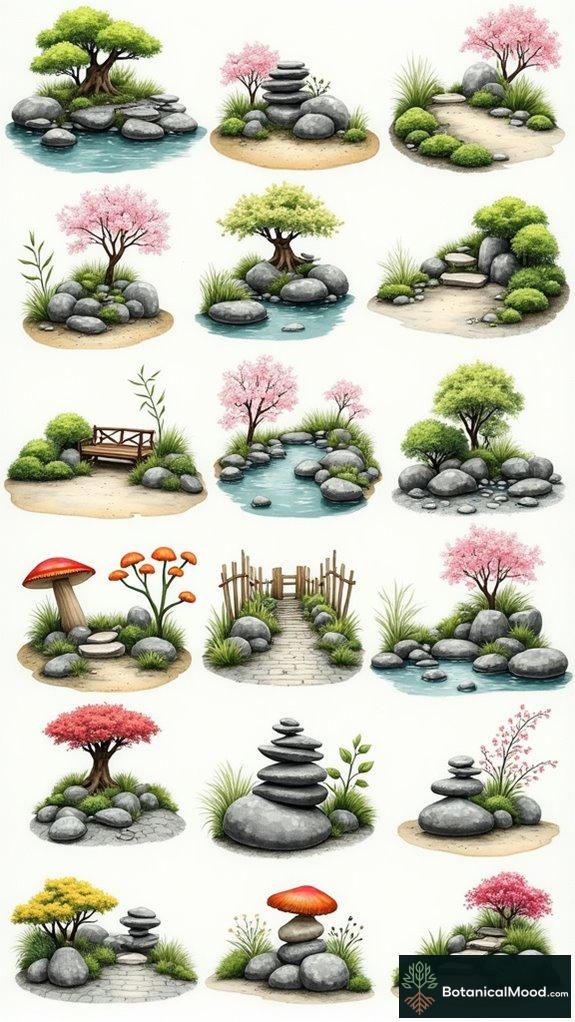
Tag: rock garden

  • 7 Rock Garden Sculptures That Transform Tight Spaces

    7 Rock Garden Sculptures That Transform Tight Spaces

    Ever struggled to make a small garden feel less “small”?

    I hear you!

    I once filled my garden with rock sculptures, thinking I’d channel my inner Zen master. Vertical stone columns? Check. Those riveting garden stones that scream, “Look at me!”? Double-check.

    And don’t even get me started on my whimsical fairy rock scene. Let’s just say my fairy friends are now way more popular than I am.

    With a bit of eco-friendly art crafted from recycled materials, I transformed my tight space into a quirky oasis. Who knew tiny gardens could pack this much character?

    Can you imagine what your space could look like with just a sprinkle of creativity?

    My Experience with Unique Garden Design: Transforming a Dull Yard

    A few years back, I faced a real conundrum. My backyard resembled a deserted wasteland. I decided to take action. I started small, with just a few colorful painted stones. To my surprise, they acted like magnets for compliments!

    Gradually, I incorporated some artistic DIY pieces made from leftover materials. It dawned on me how simple tweaks could bring joy and personality. Each element created a new layer of depth, telling a story of creativity and adaptability.

    Trust me, whether it’s thoughtful decor or well-planned layouts, every tiny decision counts. Remember, it’s about cultivating a space that reflects you and invites happiness. Are you ready to dig in?

    Quick Takeaways

    • Vertical stone columns create height and make tight spaces feel more expansive, guiding the eye upwards in small gardens.
    • Miniature rock gardens serve as focal points, combining stones and alpine plants to add charm to confined areas.
    • Enchanting fairy garden rock scenes utilize whimsical figurines and asymmetrical arrangements to enhance visual interest in limited spaces.
    • Incorporating rough, irregular rocks adds rugged aesthetics while maximizing usage of small outdoor areas for seating and decorative elements.
    • Utilize eco-friendly materials, such as recycled metal sculptures, to maintain sustainability while beautifying compact garden settings.

    Vertical Stone Columns for Height and Structure

    vertical stone column aesthetics

    When I think of transforming a garden space, I can’t help but envision the striking impact of vertical stone columns—they truly elevate both height and structure in such a dynamic way.

    Imagining the dynamic impact of vertical stone columns brings a transformative essence to any garden space.

    These columns, whether crafted from natural basalt or sleek granite, create verticality that guides the eye upward, fostering an illusion of expansive space. Additionally, sculptural gardens inspired by terrain mapping introduce an artistic dimension that complements these columns beautifully.

    Adding elements like moss or climbing plants further enhances their aesthetic appeal, blending the man-made with nature.

    Incorporating brands like Stone Forest or TerraCast easily offers innovative designs that can fulfill various architectural styles, making my own garden a reflection of the power of thoughtful design and intentional beauty.

    Painted Garden Stones for Colorful Accents

    colorful painted garden stones

    In a garden space where the vibrancy of color can elevate the overall aesthetic, painted garden stones emerge as a fantastic choice for colorful accents that bring personality and charm.

    Here are a few innovative ideas to incorporate them effectively:

    1. Color Coordinated Themes: Match stones to your flower color palette for a cohesive look.
    2. Inspirational Quotes: Paint uplifting quotes on stones, adding positivity to your serene escape.
    3. Animal Motifs: Create whimsical designs of local fauna, appealing to nature lovers.
    4. Seasonal Decor: Update painted stones according to seasons, keeping your garden fresh and dynamic.

    These accents transform spaces, turning ordinary into extraordinary.

    Enchanting Fairy Garden Rock Scenes

    whimsical fairy garden transformations

    Creating enchanting fairy garden rock scenes can transform even the most modest yard into a whimsical paradise, allowing us to escape the ordinary and immerse ourselves in a domain of imagination.

    By incorporating an array of textures, I’ve discovered that carefully selected rocks, miniature figurines, and vibrant plants can breathe life into any corner.

    A mosaic of pebbles forms delightful paths, while larger stones serve as charming benches for fairy guests.

    Strategic placement of colorful succulents alongside hand-painted toadstools nurtures creativity and invites exploration.

    Embracing such innovations genuinely cultivates a personal sanctuary I adore—one that inspires others through its magic and beauty.

    Incorporating asymmetrical stone arrangements brings a dynamic flair to the fairy garden, adding depth and interest to the landscape.

    Dynamic Small Rock Arrangements

    dynamic rock garden design

    While arranging small rocks in a garden may seem like a simple task, the art of dynamic small rock arrangements can elevate your outdoor space into an enthralling visual experience.

    Here’s how to create engaging arrangements:

    1. Vary rock sizes for depth and interest.
    2. Incorporate contrasting colors to draw attention.
    3. Formulate natural-looking clusters to mimic organic settings.
    4. Use negative space effectively to enhance each element’s individuality.

    Miniature Rock Gardens as Focal Points

    miniature rock garden design

    Miniature rock gardens serve as charming focal points that can dramatically enhance any terrain.

    I love how these compact settings utilize complex arrangements of stones, vibrant alpine plants, and unique sculptures to capture attention.

    When designing a miniature rock garden, consider diverse elements like contrasting textures, colors, and heights to create visual impact.

    Brands like Gardena offer quality tools that simplify the construction of these enchanting spaces.

    Think about where the light plays and how shadows dance across the rocks.

    In my own projects, I’ve witnessed the transformative power of these gardens, merging creativity with nature effortlessly.

    Raised Rock Gardens for Charming Features

    charming raised rock gardens

    Raised rock gardens offer an enchanting way to add charm and dimension to outdoor spaces, transforming even the most ordinary yards into whimsical environments.

    I love designing these charming features, and they effortlessly captivate the eye. Here are a few innovative elements you can incorporate:

    1. Diverse Plant Selection: Choose hardy alpine plants, vibrant succulents, or delicate groundcovers.
    2. Layered Textures: Mix smooth stones with rugged boulders for visual contrast.
    3. Creative Pathways: Integrate stepping stones or gravel paths to guide visitors.
    4. Lighting Options: Use solar lights to highlight focal points after sundown.

    It’s a rewarding way to enhance your garden’s aesthetic!

    Naturalistic Borders and Edges for Definition

    naturalistic garden borders defined

    Naturalistic borders and edges bring a sense of cohesion and definition to any garden design, particularly when juxtaposed with the enchanting features found in raised rock gardens.

    In crafting these borders, I often choose indigenous plants and natural materials like river stones, which seamlessly connect the organic with the designed.

    Consider using low-growing perennials or ornamental grasses to soften edges, creating a relaxed flow.

    Elegant yet functional, borders of fieldstone or reclaimed wood add rustic charm, emphasizing the garden’s natural beauty.

    Effective borders not only frame your garden but guide the eye, inviting exploration—an essential tenet I embraced while curating my site, Botanical Mood.

    Arrangement of Rocks and Sculptures

    rock garden design techniques

    While designing an engaging rock garden, I find that the arrangement of rocks and sculptures can greatly influence the overall aesthetic and functionality of the space.

    Here’s what I consider:

    1. Position larger rocks as focal points, creating visual drama.
    2. Vary sizes and textures for complexity, ensuring stability.
    3. Use layering with plants to soften edges and enhance appeal.
    4. Emphasize vertical elements to optimize small spaces. Diverse plant types are essential to enhance the visual interest of the garden.

    Incorporating these techniques cultivates a harmonious balance.

    I cherish transforming tight spaces into innovative designs that draw the eye and invite exploration, revealing the subtle artistry inherent in nature and the human touch.

    Case Study: Unique Material Usage

    sustainable artistic garden sculptures

    In exploring the aesthetic possibilities that unique materials bring to rock garden sculptures, it’s evident to me that thoughtful combinations can create enchanting focal points.

    Take driftwood entwined with stacked stones, for instance; they fuse rustic charm with organic artistry, creating balance without overwhelming tight spaces. By utilizing reclaimed wood and stone, we support sustainability while introducing distinctive textures.

    Similarly, crafting stone-lined driftwood planters maximizes green space and artistic expression. My journey with Botanical Mood resonates through these designs, showcasing how minimal yet intentional use of materials promotes tranquility and elegance, ultimately transforming compact gardens into mesmerizing retreats for all to admire.

    Eco-friendly Yard Sculpture Layout

    eco friendly garden sculpture design

    Creating an eco-friendly yard sculpture layout isn’t just about aesthetics; it’s about harmonizing artistry with the natural environment to foster biodiversity and sustainability.

    Harmonizing artistry with nature in your yard supports biodiversity while enhancing visual appeal.

    To achieve an engaging design, consider these essential elements:

    1. Integrate native plants that attract pollinators, creating dynamic food webs.
    2. Design with drought-tolerant succulents and perennials to minimize water usage.
    3. Use recycled materials for sculptures, enhancing both beauty and sustainability.
    4. Implement efficient watering systems, like drip irrigation, to reduce waste.

    These principles elevate your garden’s visual appeal while nurturing a thriving ecosystem, cultivating beauty and function hand in hand—just like the inspiration behind Botanical Mood.

    Resilient Eco-Friendly Yard Art

    resilient sustainable yard sculptures

    Resilient eco-friendly yard art not only enhances the beauty of outdoor spaces but also demonstrates a commitment to sustainability that resonates with nature’s own resilience.

    Using materials like recycled metal from construction sites or driftwood gathered along serene riverbanks can transform your garden into a vibrant sanctuary.

    I’ve witnessed how discarded household items, such as broken toys or old tools, can be creatively reimagined into striking sculptures. Incorporating colorful mosaics crafted from glass shards adds a unique flair, while elements like cairns composed of stacked river rocks emphasize simplicity and stability.

    Embodying both innovation and environmental care, these artistic expressions enrich our shared environments.

    Decoration With Rock Garden Sculptural Design Elements

    rock garden design elements

    Sculpting a rock garden involves more than merely arranging stones; it’s about intertwining the beauty of natural elements with artistic expression.

    To enhance your rock garden, consider these integral design elements:

    Enhance your rock garden by incorporating rough irregular rocks, large boulders, stone sculptures, and crevice gardens for a stunning design.

    1. Rough irregular rocks for a rugged aesthetic
    2. Large boulders to anchor the space and provide seating
    3. Stone sculptures like stacked cairns or whimsical figures
    4. Crevice gardens that incorporate upright stone slices

    Incorporating varying textures and shades, like lighter-hued stones or contrasting gravel, creates an engaging visual experience.

    This reflects a harmonious relationship between nature and art, a goal I aim for on Botanical Mood.

    Meet the Garden’s Creator

    serene japanese garden design

    The garden’s creator, Thompson, hails from Oregon and cultivated a passion for design through her love of nature, longing to create a serene escape inspired by traditional Japanese aesthetics.

    To achieve her dream garden, Thompson engaged in an extensive design process that included thorough site analysis, considering elements such as topography and light.

    Drawing from historical philosophies, she crafted a layout that balances natural beauty with contemporary design challenges.

    Using tools like hand trowels and precision pruners from brands like Felco and Fiskars, Thompson sourced locally grown plants from reputable horticulturists.

    She incorporated accessories like ornamental stones from Rock Solid and wind chimes to enhance the garden’s tranquil atmosphere.

    Renowned Garden Designers and Artisans

    innovative rock garden design

    While exploring the elaborate world of rock garden design, one can’t help but marvel at the innovative approaches of renowned garden designers and artisans who bring these settings to life.

    Their techniques—like using crevice gardens that mimic nature’s formations and carefully selecting local stones for authenticity—showcase an understanding of aesthetics and functionality.

    Through the intricate use of mixed stone sizes and dry-stacking methods, these designers blend visual appeal with structural stability, creating harmonious environments.

    Reflecting on their artistry inspires my passion for crafting spaces that resonate with nature’s elegance, as seen in my own botanical endeavors.

    Garden Design FAQ

    What Types of Plants Work Best With Rock Garden Sculptures?

    When selecting plants for rock garden sculptures, I find that alpine varieties thrive beautifully, such as Sedum and Sempervivum. Their resilience and low maintenance make them perfect companions.

    Ornamental grasses, like Festuca glauca, add texture, while dwarf perennials, such as Phlox subulata, provide vivid color accents. Incorporating these plants enhances the sculptural form and creates visual harmony, fulfilling my vision of a fascinating garden that balances art with nature’s splendor.

    How Do I Maintain a Rock Garden Over Time?

    To maintain a rock garden over time, I regularly inspect the arrangement, ensuring the stones complement the plants’ growth.

    I thoughtfully prune overgrown foliage and remove weeds that compete for nutrients.

    Mulching plays a vital role, regulating soil temperature and moisture, while seasonal soil amendments keep nutrients balanced, enhancing plant vigor.

    Regular watering—delicate as a spring rain—ensures each element thrives harmoniously, echoing nature’s beauty, which I celebrated when designing Botanical Mood.

    Can I Use Recycled Materials in My Rock Garden?

    Absolutely, you can use recycled materials in your rock garden! Incorporating items like broken pottery, reclaimed wood, or discarded bricks not only minimizes waste but also adds unique character.

    I often mix these with natural stones, creating visually stunning focal points. For instance, using glass shards can introduce color sparks, enhancing the scenery’s vibrancy.

    How Can I Integrate Lighting Into My Rock Garden Design?

    To integrate lighting into my rock garden design, I first consider strategic placements, highlighting unique features with warm LED lights, creating enchanting shadows that dance across textured stones.

    Using solar path lights and stylish lanterns, I illuminate winding pathways, guiding visitors through the lush foliage.

    I love incorporating RGB lights beneath rocks to evoke color during evening hours, enhancing the natural beauty.

    These choices not only elevate aesthetics but also invite exploration and tranquility.

    What Are the Best Tools for Building a Rock Garden?

    For building a rock garden, I find essential tools include a good quality shovel, trowel, and rake for shaping the soil.

    A pickaxe is invaluable for breaking up tough ground, while a wheelbarrow makes transporting rocks effortless.

    I also use ground cover fabric to suppress weeds, and a garden fork to mix in compost.

    When selecting stones, I gravitate towards local varieties; they blend beautifully with the surroundings and enhance the garden’s natural feel.

    References

  • Top 10 Rock Garden Layouts for Zen Tranquility

    Top 10 Rock Garden Layouts for Zen Tranquility

    Rock gardens embody tranquility through meticulous design and thoughtful arrangement. A Karesansui Zen garden, with its raked gravel and strategically placed rocks, invites mindfulness. Rock sculptures enhance visual interest while maintaining natural flow. An alpine rock garden showcases resilient, drought-tolerant plants amidst locally sourced stones. Miniature gardens pack charm into small spaces, while dry creek beds offer functional beauty. Each layout promotes serenity, allowing nature's beauty to shine, and further exploration reveals even more creative possibilities.

    Quick Takeaways

    • Incorporate asymmetrical arrangements of rocks and plants to mirror the natural world's uniqueness and enhance tranquility.
    • Utilize gravel and raking techniques to symbolize flowing water, promoting a meditative atmosphere in the garden.
    • Create focal points with larger rocks or stacked stones, inviting contemplation and reflection.
    • Select drought-resistant plants that thrive in rocky conditions, ensuring a sustainable and low-maintenance design.
    • Experiment with textures and lighting to enhance visual interest and create enchanting shadows in the garden space.

    Karesansui (Dry Landscape) Zen Garden

    zen inspired dry garden

    Karesansui gardens, often called dry scenery Zen gardens, embody the essence of tranquility and simplicity, enchanting anyone who encounters their serene beauty.

    Rooted in Zen philosophy, these gardens reflect cultural symbolism through their deliberate use of rocks and sand to represent mountains and flowing waters. Each element is carefully chosen to promote contemplation, encouraging a meditative state that invites reflection. The design emphasizes asymmetry to reflect the uniqueness of the natural world, enhancing the garden's overall appeal. The composition techniques employed in Karesansui gardens often create a harmonious balance between the elements, further deepening the viewer's experience.

    As I explore the design principles behind these spaces, I appreciate how their minimalism enhances our connection to nature.

    It's this harmony and balance that inspired me to create Botanical Mood, a space for celebrating the art of garden design.

    Rock Sculpture and Arrangement

    stone art formation technique

    Rock sculpture and arrangement serve as the backbone of a mesmerizing garden design, merging artistry with nature to create visually stunning vistas. I've found that rock placement plays a vital role in establishing a natural flow, especially when using stones with unique shapes and contrasting stone textures. Arranging rocks in odd numbers and varying sizes adds depth and visual interest, making the garden feel more organic. Incorporating sculptural elements, such as stacked rocks, creates focal points that anchor the space, inviting contemplation and serenity. This is why I created Botanical Mood—to inspire others to achieve tranquility through innovative garden design. Additionally, using proportional materials ensures that stones and plants are in scale with your home and yard, enhancing the overall harmony of the garden. The careful selection of contemporary zen garden boulder artistry can elevate your space and create a serene atmosphere.

    Alpine Rock Garden

    mountainous botanical landscape design

    Creating an enchanting alpine rock garden opens the door to a unique world where the beauty of nature and the artistry of design come together. Incorporating natural stone elements from alpine mountainous terrains can enhance the authenticity and rugged charm of your garden.

    With careful alpine plant selection, I choose compact, drought-resistant varieties that thrive in chilly, rocky conditions. Arranging granite and basalt boulders mimics their natural mountainous environments, enhancing visual balance and harmony. Incorporating hardy, adaptable plants ensures that the garden remains vibrant and resilient throughout the seasons.

    Ensuring proper rock garden drainage is essential; I mix sharp sand into the soil for ideal moisture control. This blend allows each plant to flourish while providing year-round interest.

    My passion for innovative gardening shines through in each carefully curated detail, inspiring others to create their tranquil havens.

    Miniature Rock Garden

    small scale stone landscape

    A miniature rock garden can transform even the smallest of spaces into an enchanting oasis. With the right miniature plant selection, you can create a vibrant display that thrives in tight corners, like balconies or tabletops.

    I love incorporating a mix of textures using rocks, pebbles, and gravel, which adds visual interest. Creative customization allows me to adapt themes, whether it's Zen simplicity or Mediterranean charm.

    Balancing odd-numbered groupings of stones and varying plant heights helps achieve harmony. This delicate artistry brings tranquility to my surroundings, inspiring my passion for innovative gardening, which is why I created Botanical Mood. Additionally, incorporating geometric forms can enhance the sculptural quality of your design, bringing a modern touch to the serene atmosphere.

    Dry Creek Bed

    arid stream valley landscape

    While designing outdoor spaces, I've often found that a dry creek bed can serve as both a functional and aesthetic feature in a garden.

    A dry creek bed beautifully merges functionality and aesthetics, enhancing both drainage and visual appeal in any garden.

    This innovative element enhances drainage while showcasing beautiful rock textures. I love using rounded stones for a natural flow, varying their sizes to create visual interest. Large boulders can anchor the turns, adding stability and charm.

    Incorporating stepping stones not only invites exploration but also harmonizes the overall design. Innovative asymmetrical stone arrangements can elevate the visual appeal of your dry creek bed, adding a modern twist to traditional landscaping.

    With the right plants and terrain fabric, a dry creek can transform any yard into a serene oasis. It's one of the many inspirations I share on Botanical Mood.

    Riverbed With Boulder Accents

    rocky riverbed with boulders

    When designing a riverbed with boulder accents, you can create a stunning scenery that mimics the natural beauty of flowing water.

    Incorporating river rock aesthetics, I find that varying boulder sizes adds depth and interest. Large boulders act as focal points, while smaller stones harmonize around them, creating a cohesive visual flow.

    To enhance the zen experience, I recommend selecting drought-tolerant plants that complement the boulder harmony. Additionally, using sustainable sculptural elements can elevate the aesthetic appeal of your rock garden.

    Utilizing gravel or pebbles fills gaps effectively, and serpentine patterns provide a natural look.

    This innovative approach transforms your space into a peaceful retreat, which is why I created Botanical Mood—to inspire your garden journey.

    Trough Rock Garden

    trough based rock garden design

    Trough rock gardens present an exciting opportunity to create miniature settings that can fit into even the smallest of spaces.

    I love how these gardens offer numerous trough garden benefits, such as portability and low maintenance, making them perfect for any gardening enthusiast.

    With durable materials like hypertufa or metal, I can design a unique arrangement of rocks and succulent varieties.

    Elevating the troughs guarantees proper drainage, while diverse textures and colors enhance visual appeal.

    These gardens not only conserve water but also attract beneficial wildlife, adding charm. Incorporating modern landscape lighting can further enhance the beauty of these gardens during the evening hours.

    At Botanical Mood, I aim to inspire your creativity in these delightful miniature environments.

    Hidden Pathway Bridge

    secret crossing over water

    A hidden pathway bridge can transform your garden into an enchanting escape, inviting exploration and serenity.

    Imagine strolling along a meandering path, where bridge aesthetics harmonize with nature. Whether crafted from wood or stone, the bridge serves as a focal point, connecting distinct garden areas.

    I've found that incorporating plants creates a living bridge, enhancing the natural look while inviting tranquility.

    Strategic lighting illuminates the pathway at night, enhancing its allure. With aromatic plants nearby, the sensory experience becomes even more profound. Additionally, incorporating therapeutic landscape elements can further promote mental wellness and relaxation.

    This innovative design element fosters a peaceful atmosphere, allowing you to appreciate the beauty of your garden in a truly immersive way.

    Stepping Stone Rock Garden

    rock garden with stepping stones

    Creating a stepping stone rock garden brings an opportunity to connect various elements of design while enhancing the natural beauty of your surroundings. I love how stepping stone placement allows for an artistic flow, effortlessly guiding visitors through the garden's lush textures and natural aesthetics. Additionally, incorporating modern lighting techniques can elevate the overall ambiance, highlighting key features and creating enchanting shadow effects in the evening.

    Naturalistic Rock Garden

    serene outdoor stone landscape

    Naturalistic rock gardens capture the essence of nature's beauty by seamlessly blending rocks and plants into a harmonious setting.

    Naturalistic rock gardens beautifully merge stones and plants, creating a tranquil and harmonious representation of nature's splendor.

    In designing my own garden, I focus on thoughtful rock arrangement, using locally sourced stones in various sizes and colors to enhance visual interest.

    For plant selection, I choose resilient, low-maintenance species that thrive in my local climate, ensuring they're spaced for ideal growth.

    Elevation changes create depth, while adding driftwood or moss introduces natural elements. Additionally, incorporating xeriscape principles allows for a sustainable and water-efficient design that supports local wildlife.

    Serene Stone Arrangement Techniques

    stone arrangement methods explained

    In my efforts to cultivate a serene environment, I focus on stone arrangement techniques that foster balance and tranquility within the garden.

    By thoughtfully considering stone placement, I can create a harmonious atmosphere that naturally draws the eye. Here are some techniques I find particularly effective:

    • Use odd numbers of stones for a more organic look.
    • Incorporate a variety of textures for visual interest.
    • Arrange stones in asymmetrical groupings for a natural feel.
    • Select interesting shapes that captivate attention.
    • Position larger rocks as focal points for meditation.

    These techniques enhance the beauty of my rock garden, inspiring deep reflection and peace. Additionally, employing biomorphic design principles can further enhance the natural harmony of the space.

    Zen-inspired Gravel Patterns

    serene stone garden designs

    Zen-inspired gravel patterns offer a unique approach to enhancing the tranquility of a garden space. These designs not only embody gravel symbolism, representing water and natural elements, but also invite contemplation. I love using raking techniques to create wavy lines that mimic flowing streams or circular patterns that symbolize harmony. Experimenting with different textures, like finely crushed white gravel, adds visual interest, enhancing the meditative quality of the garden. Incorporating natural stone techniques can further elevate the serene atmosphere, providing a grounding presence amidst the soft textures of gravel.

    Contemporary Minimalist Rock Design

    modern sleek rock aesthetics

    Contemporary minimalist rock design captivates with its elegant simplicity, showcasing the beauty of nature through carefully curated elements. I find that this approach emphasizes minimalist aesthetics and diverse rock textures, creating a serene environment.

    Contemporary minimalist rock design highlights nature's beauty through elegant simplicity and thoughtfully selected elements.

    • Low-maintenance plantings like succulents
    • Geometric patterns using rocks for visual interest
    • Natural materials, such as untreated wood and stone
    • Simplified landscaping features like pebble paths
    • Modern accents, such as metal features, sparingly added

    Incorporating low-maintenance plantings allows for a sustainable garden that thrives with minimal effort.

    Garden Maintenance Responsibilities

    garden upkeep and care

    Maintaining a rock garden involves a series of responsibilities that assure the space remains both beautiful and functional. Regular garden upkeep is essential; water spraying, raking, and using a leaf blower keep the garden aesthetically pleasing.

    A maintenance schedule should include weed monitoring and hand-picking to prevent overgrowth, while seasonal assessments guarantee plant health and structural integrity.

    Careful pruning and moisture monitoring promote thriving plants, enhancing tranquility. Furthermore, addressing erosion and replenishing rocks maintains visual appeal. Incorporating sustainable water practices into your maintenance routine can significantly enhance the garden's resilience and beauty.

    References