I’m about to turn my garden into a pet‑safe zone—no more surprise roundworm parties.
I clear the litter, dig 4‑6 inches, mash the bits, and send the mix to a DNA/PCR lab (two weeks, thorough) or use WSU’s portable PCR (same‑day) or even a sniff‑dog for ongoing alerts.
If the test screams “contaminated,” I’ll spend under $150 on professional disinfection or just replace the soil—because my dog deserves a clean yard, not a fungal fiesta.
I’ve learned that spring sampling catches winter pathogens, but the soil’s hidden world is still a mystery—so I stay cautious, testing, and ready to act.
Garden Design Secrets: Pet‑Friendly Soil Solutions
I once turned a patch of clover into a sleek, low‑maintenance lawn after discovering Leptospira in the soil.
I added raised beds, used reclaimed wood, and mixed sand with compost for drainage—making it safe for my cat’s paws and my kids’ play.
The result? A vibrant, pathogen‑free oasis that feels like a living, breathable rug.
Keywords: pet‑safe garden, soil testing, raised beds, compost, drainage, Leptospira, sustainable design.
Quick Takeaways
- Clear surface debris and dig to appropriate depths (4 inches for lawns, 6-8 inches for beds) before collecting soil samples.
- Combine multiple subsamples into one composite sample, removing roots and rocks to ensure accurate pathogen detection results.
- Use DNA/PCR laboratory testing for comprehensive pathogen identification or WSU portable PCR for same-day screening results.
- Clean tools thoroughly after sample collection to prevent cross-contamination and maintain testing accuracy across different garden areas.
- Consider professional disinfection services (under $150) or complete soil replacement for guaranteed elimination of identified pathogens.
Pet Pathogens Hidden in Soil: Parasites, Fungi, and Bacteria Your Dog Can Catch
Your garden soil harbors invisible threats—a microbial ecosystem where parasites, bacteria, and fungi thrive in conditions that’ll sicken your dog if you’re not vigilant about testing and management.
Roundworms, hookworms, lungworms, and whipworms transmit through infected animal feces, infiltrating soil where parasite transmission occurs via ingestion and skin contact.
Leptospira bacteria damage kidneys and liver, surviving extended periods in moist environments.
Fungal pathogens—Aspergillus, Histoplasma capsulatum (bat droppings), Blastomyces dermatitidis (moist soil), and Coccidioides immitis (Valley Fever)—cause respiratory complications and lameness.
Public parks contain up to 40% intestinal parasites.
Parvovirus persists in soil, endangering unvaccinated dogs. Soil test kits provide comprehensive pathogen analysis to detect these threats before they compromise your dog’s health.
Understanding soil health requires pathogen identification before your pet’s exposure risks become irreversible.
Should You Test Your Soil? A Quick Decision Framework
When should you actually invest time and resources into soil pathogen testing?
You’ll want testing if your garden hosts frequent pet activity, children’s play areas, or you’re purchasing property with unknown soil history. Public parks contain up to 40% intestinal parasites, making testing essential for pet safety. Electric bug zappers can help reduce insect vectors that may contaminate soil near pet areas. High-risk zones—where dogs contact soil directly—warrant DNA/PCR analysis through Mr Dog Poop Inc or portable WSU methods. Creating shaded rest areas in your garden provides safe spaces for pets to retreat while you conduct testing and implement necessary soil remediation. Testing establishes baseline soil health data, identifies parasites, bacteria, and fungi (Histoplasma capsulatum, Blastomyces dermatitidis, Coccidioides immitis), then informs targeted disinfection strategies, protecting both pets and family members effectively.
How to Collect Soil Samples Correctly for Testing
Once you’ve determined that soil pathogen testing fits your property’s risk profile, collecting samples correctly becomes the foundation for accurate laboratory results.
I’ve learned that precise sampling techniques yield representative composites essential for detecting parasites, bacteria, and fungi threatening your pets.
Consider these critical steps:
- Clear surface debris, then dig to plant-specific depths (lawns four inches, beds six to eight inches)
- Scrape sidewall soil using single bottom-to-top strokes from multiple locations
- Combine subsamples into one composite, removing roots and rocks
Seasonal considerations matter greatly—spring sampling captures winter pathogen accumulation, while avoiding wet spots and compost piles guarantees uncontaminated results for Mr Dog Poop Inc or laboratory analysis. Proper cage tray cleaning after sample collection prevents cross-contamination between test areas.
Soil Testing Methods Compared: Labs vs. Portable Detection Kits
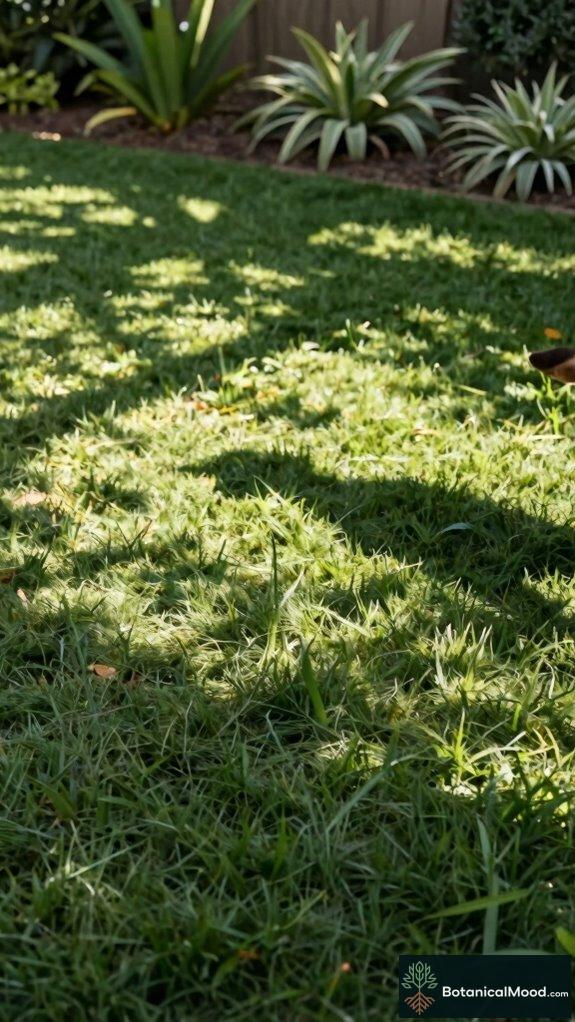
Three primary approaches now exist for detecting soil pathogens threatening your pets: traditional laboratory analysis, portable molecular detection, and emerging biosensory methods—each offering distinct advantages depending on your property’s size, budget constraints, and urgency for results.
| Testing Method | Lab Capabilities | Portable Advantages | Timeline |
|---|---|---|---|
| DNA/PCR Laboratory | Extensive pathogen identification, bacteria specifics | Detailed contaminant analysis | ~2 weeks |
| WSU Portable PCR | Limited onsite bacteria screening | Fast, inexpensive, immediate results | Same-day |
| Canine Scent Detection | Individual plant assessment | 100% accuracy, continuous monitoring | Ongoing |
I’ve discovered that Mr Dog Poop Inc combines lab rigor with accessibility, while portable molecular devices democratize pathogen mapping worldwide, enabling you to monitor soil health strategically before your pets encounter dangerous organisms like roundworms, hookworms, or leptospira-contaminated zones. For gardeners committed to sustainability, composting dog waste through proper aerobic decomposition can reduce pathogens while creating nutrient-rich soil amendments for your landscape.
What to Expect: Results Timelines and Accuracy by Test Type
Understanding your testing results requires knowing that each method I’ve discussed—laboratory DNA/PCR analysis, portable molecular detection from Washington State University, and canine scent identification—delivers markedly different timelines, accuracy rates, and actionable information for safeguarding your pets from soil-borne pathogens like roundworms, hookworms, lungworms, whipworms, leptospira, parvovirus, and fungal threats such as Histoplasma capsulatum (from bat droppings) and Blastomyces dermatitidis (in moist soil causing respiratory complications).
- Mr Dog Poop Inc’s DNA/PCR testing yields results within two weeks, identifying specific bacterial profiles and parasite strains with lab confirmation.
- WSU’s portable PCR method provides same-day test timelines and inexpensive onsite results, enabling rapid pathogen mapping across garden zones.
- Canine scent detection demonstrates 100% results accuracy detecting Phytophthora in soil batches, though individual plant assessment remains ongoing.
How to Clean Contaminated Soil for Pet Safety
Once you’ve identified soil contamination through DNA/PCR testing, portable molecular detection, or canine scent identification, you’ll want to know that remediation isn’t a one-size-fits-all proposition—the approach depends on pathogen type, contamination severity, soil volume, and your pet’s exposure risk.
Soil cleaning techniques vary considerably. For parasites, bacteria like leptospira, or fungi (Histoplasma capsulatum, Blastomyces dermatitidis), professional disinfection services under $150 offer accessible pathogen removal methods.
Mr Dog Poop Inc provides targeted remediation, particularly beneficial for larger yards requiring multiple treatment zones.
Alternatively, removing contaminated soil entirely and replacing it with pathogen-free substrate guarantees complete elimination, protecting your pet’s health thoroughly.
DIY Garden Decor
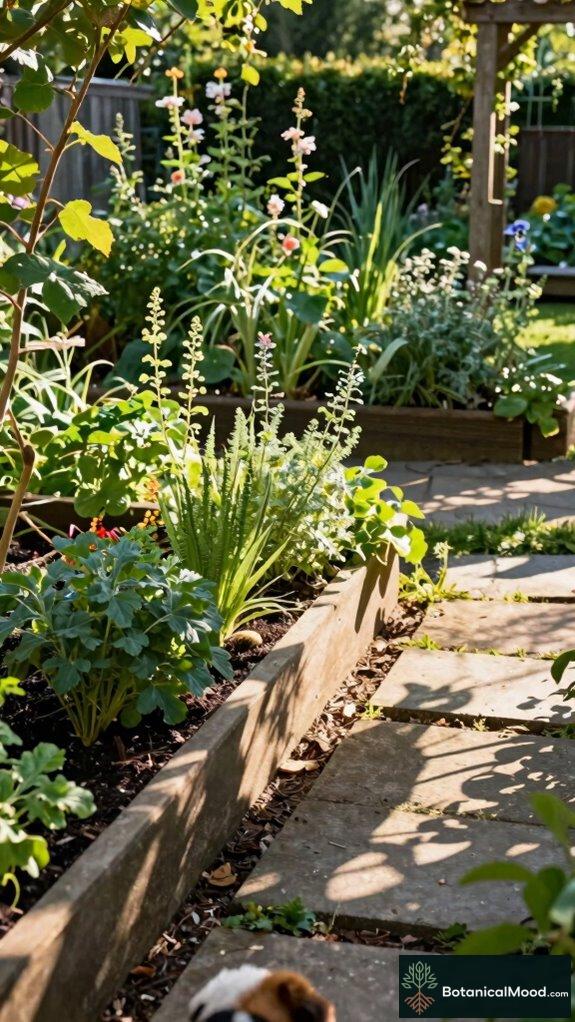
How can you DIY decor your pathogen-tested garden into a visually cohesive outdoor space while maintaining the safety measures you’ve implemented?
I’ve discovered that thoughtful garden ornamentation elevates both aesthetics and functionality. Consider these innovative additions:
- DIY garden signs crafted from reclaimed wood or composite materials, positioned strategically near plant beds.
- Handmade plant markers utilizing weather-resistant materials, clearly identifying cultivars like *Solanum lycopersicum* and *Lactuca sativa*.
- Decorative edging installed around sanitized zones, creating visual boundaries while reinforcing contamination prevention.
These elements establish garden zones distinctly, improving organization while maintaining pathogen awareness.
Strategic placement of personalized markers enhances horticultural management, allowing you to track specimen locations and treatment histories systematically.
Pathogen Testing Best Practices
Because soil pathogens pose genuine risks to pets through ingestion, skin contact, and respiratory exposure—particularly parasites (roundworms, hookworms, whipworms), bacteria (leptospira), viruses (parvovirus), and fungi (Histoplasma capsulatum, Blastomyces dermatitidis, Coccidioides immitis)—I’ve found that establishing rigorous testing protocols before allowing companion animals into garden spaces isn’t optional but vital.
I’ve adopted advanced pathogen detection methods combining DNA/PCR testing through Mr Dog Poop Inc with portable WSU technology for rapid onsite analysis.
My sampling techniques follow precise protocols: scraping surface debris, digging to plant-specific depths (4-10 inches), collecting multiple subsamples, and creating composite samples. I avoid contaminated zones—wet spots, compost piles, animal urine areas.
Professional lab confirmation guarantees thorough pathogen mapping, enabling targeted disinfection strategies and creating genuinely safe garden environments for pets. Complementing these testing efforts with dog-friendly hedges provides both a physical containment system and an additional layer of protection for pets within garden spaces.
FAQ
How Often Should I Retest My Garden Soil After Initial Pathogen Detection?
I’d recommend retesting quarterly initially, then annually post-treatment. Seasonal considerations matter—spring testing catches winter carryover pathogens. You’ll want regular monitoring to verify your disinfection’s effectiveness and confirm your garden stays safe.
Can I Use Soil From My Yard if Pets Haven’t Shown Symptoms Yet?
Yes, you can test your yard soil now using advanced soil sampling techniques and DNA/PCR pathogen identification methods. Early detection prevents silent pathogen transmission, even when pets aren’t showing symptoms yet—protecting your household proactively.
What’s the Cost Difference Between Professional Testing and DIY Portable Pathogen Kits?
I’d say lab testing runs $150+ while WSU’s portable PCR kit costs less upfront, though kit accuracy varies. You’re getting innovation with portable methods—faster results, real-time pathogen mapping capability.
How Long Do Specific Pathogens Survive in Soil Under Different Weather Conditions?
Like seeds waiting for spring, pathogens persist variably—leptospira survives months in moist soil, parvovirus extends years, while fungi fluctuate with humidity and temperature. Weather effects dramatically shift survival timelines, demanding innovative monitoring systems.
Should I Test Soil Before Adopting a Rescue Dog to My Home?
I’d recommend testing your soil before bringing a rescue dog home. It’ll establish your pet’s health baseline and identify pathogens that could compromise their safety, ensuring your garden’s soil safety supports their wellbeing.
References
- https://escholarship.org/uc/item/1cf2d1jh
- https://mrdogpoop.com/soil_testing.html
- https://fruitgrowersnews.com/news/researchers-pinpoint-effective-soil-pathogen-testing-method/
- https://www.canr.msu.edu/news/testing-for-contaminants-in-soil-water-and-plants
- https://staroftexasvet.com/unearthing-dirt-dangers-why-soil-can-be-harmful-to-pets/
- https://content.ces.ncsu.edu/a-gardeners-guide-to-soil-testing
- https://conbio.onlinelibrary.wiley.com/doi/full/10.1111/csp2.12997
- https://www.aphis.usda.gov
- https://www.youtube.com/watch?v=VYsoDuIgrNg