I learned the hard way that frogs are picky tenants.
My first “pond” was a glorified puddle. Zero tenants. Turns out, they need actual architecture: shallow edges, sun-warmed stones, and places to hide from the local raccoon mafia.
Now? I’ve got *Caltha palustris* doing its thing, logs strategically sunk like amphibian furniture, and a Gallagher fence keeping predators out. Rainwater only. Chemicals are canceled.
The frogs moved in last spring. Loudly. At 3 AM. Worth it? Mostly.
Frog Pond Design Mistakes I Made (So You Don’t Have To)
My second attempt involved a pump. Fancy, right? Dead frogs. They hate current.
Now I embrace stagnation – the good kind. *Lobelia cardinalis* handles filtration naturally. I copied wetland edges: graduated depths, no steep drops.
My neighbor’s “decorative” fountain? Frog graveyard. Mine’s a swampy masterpiece. Biodiversity exploded: dragonflies, newts, something that might be a salamander.
The lesson? Work with laziness. Let algae happen. Let leaves sink. Nature’s messy; your yard should be too.
Quick Takeaways
- Incorporate shallow, sunlit water features with vegetation to provide frogs with safe breeding and hiding spots.
- Use native, non-toxic plants and layered vegetation to create a diverse, shelter-rich habitat.
- Install predator-proof fencing with buried mesh and deterrents like motion-activated sprinklers.
- Provide natural water sources and harvest rainwater to maintain clean, stable aquatic environments.
- Regularly monitor and maintain habitat features to ensure safety, ecological balance, and protection from predators.
How Can You Create a Safe Habitat for Garden Frogs?
Creating a safe habitat for garden frogs involves thoughtfully designing an environment that mimics their natural ecosystems, which range from freshwater ponds (genus *Rana*) to moist woodland areas. Incorporate shallow, sunlit water features with gentle slopes for easy access.
Design frog-friendly habitats with shallow ponds and native plants to promote natural, thriving ecosystems.
Surround these water features with native plants like *Erechtites* and *Salix* to provide cover and foraging grounds. Use rough bark and leaf litter to create covert hiding spots. For dog-heavy gardens, consider using natural grass alternatives in adjacent areas to prevent soil compaction around frog habitats.
Guarantee minimal disturbance from pesticides or predators such as domestic cats (*Felis catus*). Consider integrating solar-powered landscaping features that illuminate your frog habitat while maintaining the natural darkness frogs prefer for nocturnal activity. Establishing a balance of moisture, shade, and diverse microhabitats empowers frogs to thrive.
This approach helps to establish a resilient, ecologically essential refuge in your yard.
What Natural Plants Attract Frogs to Your Yard?
Native plants with abundant foliage and moist soil preferences serve as natural magnets for frogs seeking shelter and sustenance. Plants like swamp milkweed (Asclepias incarnata), cardinal flower (Lobelia cardinalis), and pickerelweed (Pontederia cordata) thrive in wetland-mimicking environments. They attract frogs with their lush leaves and vibrant colors.
Ferns such as cinnamon fern (Osmundastrum cinnamomeum) and native sedges provide concealment, encouraging amphibians to settle. These species, often found in wetlands or riparian zones, foster ideal microhabitats by offering shaded cover, breeding sites, and insect prey.
When selecting plants for your frog-friendly garden, ensure they are non-toxic plant selections to protect the amphibians and other wildlife that may interact with them. This creates a powerfully inviting ecosystem for frogs within your yard.
How Do You Keep Pet Cats Away From Frog Areas?
To effectively keep pet cats away from frog habitats in your backyard, it’s essential to establish physical and behavioral barriers that discourage feline intrusion while guaranteeing the safety of amphibians. Installing robust fencing—such as welded-wire mesh (hexagonal or square pattern, 4-6 inches mesh)—around pond zones creates an effective boundary.
Complement this with natural deterrents like motion-activated sprinklers (e.g., Orbit or Rain Bird brands), which startle cats and prevent entry. Strategic placement of dense plantings, such as Japanese spirea (Spiraea japonica) or hardy shrubs with sharp thorns, further discourages climbs.
Consistency in maintenance and proactive monitoring ensure these measures reinforce your frog-friendly environment’s integrity effectively.
How Can You Minimize Chemicals and Pesticides in Your Garden?
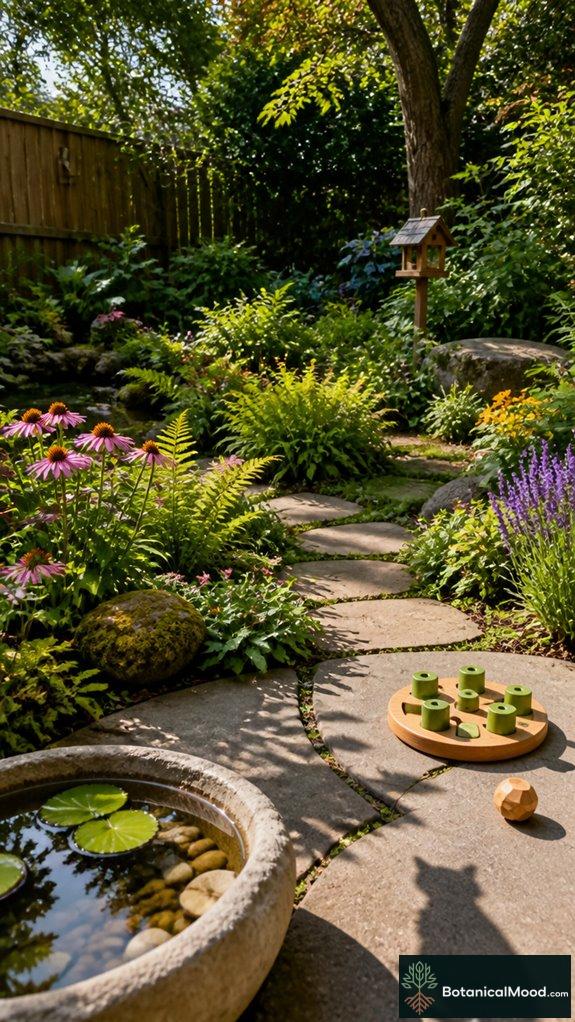
Reducing chemical and pesticide use in your garden starts with understanding the impacts these substances have on amphibians, pollinators, and beneficial insects that contribute to a healthy ecosystem.
To create a frog-friendly environment, prioritize organic alternatives, such as biologically-based controls like Bacillus thuringiensis (Bt) for caterpillars, and neem oil for pests. Engage in integrated pest management practices: manually remove pests, promote biodiversity with native plantings, and use resistant plant species like Asarum (wild ginger). For persistent problem areas, you can address dog urine damage by replanting affected grass patches with more resilient groundcover species.
Moreover, avoid herbicides and synthetic fertilizers that can pollute water sources, qualifying your garden as a resilient, eco-conscious habitat essential for frog survival. Consider incorporating outdoor puzzle toys with natural forage materials to enrich your garden space while providing safe entertainment alternatives to chemical pest control methods.
What Fencing and Barriers Protect Frogs From Predators?
Installing effective fencing and barriers is essential in creating a safe environment for frogs, especially considering their vulnerability to predators such as raccoons (Procyon lotor), snakes (Serpentes), and predatory birds like herons (Ardea alba) and hawks (Accipitriformes). I recommend installing a wire mesh or hardware cloth fence at least 18 inches high, burying the base 6 inches underground to prevent burrowing predators. Adding a fine-mesh skirt outward deters snakes. For additional protection against jumping predators, consider installing fence rollers to prevent predators from scaling your barriers. If you maintain a foldable pet pool in your garden, ensure it has a proper pool drain adapter to prevent stagnant water that could attract unwanted predators or create breeding grounds.
| Barrier Type | Purpose & Features |
|---|---|
| Mesh Fencing | Keeps raccoons and birds out, sturdy, rust-resistant |
| Burying & Skirts | Prevents snake burrowing, enhances predator deterrence |
| Overhang Extensions | Stops climbing predators, sturdy support |
| Electric Fencing | Powerful deterrent against large mammals, optional for high-threat areas |
| Visual Barriers | Hides frog habitat, reduces predator surprise, creates natural cover |
How Do You Provide Safe Water Sources for Frogs?
Providing safe water sources for frogs involves creating shallow, stable water features that mimic natural ponds, ensuring they’re free from pollutants and chemical treatments that can harm amphibians (Anura).
- Construct small, gently sloping pools with naturalistic liners like unlined clay or pond-safe materials, avoiding chlorinated tap water.
- Incorporate rocks, submerged logs, and aquatic plants such as duckweed (Lemna minor) or marsh marigold (Caltha palustris) to offer shelter and breeding sites.
- Install drip or rainfall-fed features to sustain consistent moisture levels, reducing stagnation risks.
- Regularly monitor water quality, removing debris and avoiding pesticides, to maintain a pristine environment conducive to frog survival.
- Install reinforced pet doors around yard perimeters to prevent nocturnal predators from accessing frog habitats during vulnerable breeding seasons.
How Do You Maintain Your Garden to Keep It Frog-Friendly?
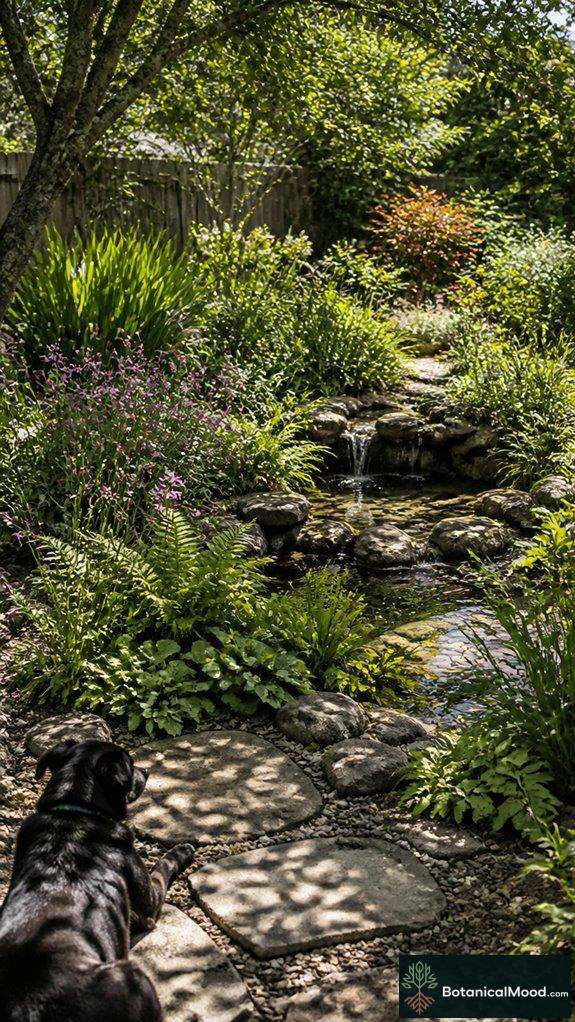
Maintaining a frog-friendly garden requires ongoing attention to creating a balanced and harmonious environment that encourages amphibian presence and breeding.
I focus on preserving native plant species such as Liriope (Liriope muscari), which provides cover and insect habitats, while avoiding chemical pesticides that threaten frogs’ health.
Incorporating gentle, meandering water features like shallow ponds with natural edges supports breeding and hydration needs, as seen in scenery designs by professionals like Piet Oudolf.
Ensuring varied foliage layers, from ground cover to mature trees like oak (Quercus spp.), fosters a biodiverse sanctuary. Strategic placement of thorny plants can also deter unwanted foot traffic while maintaining the garden’s natural aesthetic.
Just as non-toxic plant selection is essential for protecting pets in healing gardens, choosing vegetation free from harmful chemicals ensures frogs can thrive safely in your backyard ecosystem.
Regularly monitoring these elements keeps the habitat stable and thriving for frogs.
Electric Fence Barriers
Electric fence barriers serve as a practical solution for safeguarding frog-friendly gardens from unwanted intrusion by larger predators or persistent terrestrial animals that could disrupt delicate breeding sites or habitat stability.
Electric fences effectively protect frog habitats from predators without causing harm.
- Use high-voltage, low-current energizers, such as Gallagher’s (G) EFA series, guaranteeing effective deterrence without harm.
- Install insulators like T-posts or fiberglass rods at precise intervals for consistent current flow.
- Opt for smooth, durable fencing material—wire mesh or polywire—that withstands environmental stressors and remains visible to animals.
- Regularly test voltage levels with a multimeter to assure power remains potent, maintaining an unobtrusive yet formidable barrier for predators like raccoons (*Procyon lotor*) or feral cats (*Felis catus*).
Rainwater Harvesting Systems
Have you ever considered how rainwater harvesting systems can transform your frog-friendly garden into a sustainable oasis? By installing large-capacity rain barrels, such as those from Bushman (55-gallon polyethylene models), you can dramatically reduce reliance on municipal water, ensuring a steady supply during dry seasons.
Position these systems beneath strategic catchment areas—roof gutters with leaf filters, for instance—to optimize collection from impervious surfaces. Coupled with eco-friendly diverters, you create a reliable water source that sustains natural pond ecosystems, benefits amphibian health, and minimizes erosion.
Integrating such systems into your scenery design amplifies ecological balance, fostering thriving amphibian populations, and advancing your role as a conscious steward of local biodiversity.
Selecting Non-Toxic Plants
Selecting non-toxic plants is a fundamental step in designing a frog-friendly backyard that prioritizes safety and ecological harmony.
Choosing non-toxic native plants ensures a safe, eco-friendly habitat that welcomes frogs and supports biodiversity.
Choose native species like *Lobelia cardinalis* (cardinal flower), which attract pollinators without harm.
Opt for plants with minimal chemical treatment; organic options such as *Asarum canadense* (wild ginger) provide cover and food.
Avoid invasive or toxic species like *Digitalis* (foxglove) and *Allium* (onion), which pose risks to frogs.
Prioritize hydrophilic plants like *Caltha palustris* (marsh marigold) for water edges, creating secure habitats that encourage frog activity and support biodiversity. Consider incorporating clover lawn areas to provide additional ground cover and reduce the need for chemical pesticides in your garden.
Complement your plantings with weather-resistant vertical structures that provide additional shelter and climbing surfaces for frogs while maintaining durability in outdoor conditions.
FAQ
What Is the Best Time of Year to Attract Frogs to My Yard?
Spring and early summer are the best times to attract frogs, as they emerge from hibernation and look for breeding sites. I focus on creating water sources and shady spots during these months for quick results.
How Can I Identify Different Frog Species in My Backyard?
To identify different frog species, I listen to their calls, observe size, color, and markings, and examine their habitat preferences. This helps me distinguish between species and better understand my backyard’s diverse frog population.
Are There Specific DIY Projects to Enhance Frog Habitats?
I build shallow ponds with natural plants, adding submerged logs and rocks to create prime frog hideouts. These projects magnetize frogs, transforming your yard into a thriving, powerful habitat that dominates with life and biodiversity.
How Do Weather Changes Affect Frog Populations in My Garden?
Weather changes can drastically impact frog populations in your garden by influencing their breeding, food availability, and shelter. I stay vigilant, providing consistent water sources and shelter to help frogs adapt and thrive despite shifting weather patterns.
Can I Attract Specific Frog Species With Certain Types of Water Features?
Yes, you can attract specific frog species by customizing water features—adding shallow ponds for tree frogs or deeper pools with gentle edges for larger frogs; carefully selecting plants and installation locations enhances the appeal for targeted species.
Summary
Creating a frog-friendly backyard transforms your garden into a thriving ecosystem, where natural elements like native plants such as *Lobelia cardinalis* and *Caltha palustris* serve as essential habitats, and barriers like electric fencing and rainwater harvesting systems safeguard delicate creatures. As your garden subtly becomes a haven—much like the interconnected balance of a natural pond—the unexpected presence of frogs reminds us that attentive conservation often begins with small, intentional choices, revealing the profound harmony between human design and nature’s persistence.