Watch your rubber plant turn into a fuzzy science experiment gone wrong? Been there.
Last summer, my prized *Ficus elastica* developed these dramatic black spots while I was away for two weeks. Panic? Obviously. I whipped up that baking soda spray everyone swears by, 1 tablespoon per gallon, and honestly, the results were…mixed. Some vines recovered. Others didn’t make it.
The vinegar trick? 1:3 ratio. Smells like a salad bar, works okay.
Here’s what actually saved my remaining *Dracaena* neighbors: spacing them out, pruning like I knew what I was doing, and cedar chips everywhere. Proper airflow matters more than any magic spray.
How Garden Layout Prevents Fungal Disasters: A Cautionary Tale
I once crowded my tomatoes against my *Monstera deliciosa*. rookie mistake. The humidity pocket that formed, trapped between dense foliage and my south-facing fence, became basically a spa for fungi.
That season taught me about biochar amendments and compost layering, sure. But mainly? Respect the breathing room. Microclimates matter. Your plants need personal space more than you do.
Quick Takeaways
- Apply natural remedies like diluted vinegar or baking soda sprays early in the morning to inhibit fungal growth safely.
- Improve air circulation through proper plant spacing, pruning, and using fans or ventilation systems.
- Use organic fungicides such as neem oil or sulfur-based products for effective, chemical-free fungal control.
- Remove and dispose of infected plant parts promptly to prevent spore spread.
- Enhance soil health with organic mulches, compost, and beneficial microbes to strengthen plant resilience against fungi.
What Are Plant Fungi and How Do They Affect Your Garden?
They thrive in high humidity, poor air circulation, or overwatering, leading to widespread issues like powdery mildew or rust. Maintaining proper drainage and air flow in garden spaces, similar to how natural deodorizers keep pet areas fresh, helps prevent fungal buildup in soil and on foliage. Proper hydration systems with automatic shut off valves can also help maintain optimal moisture levels for plants while preventing excess water accumulation. As garden enthusiasts, understanding their roles helps us appreciate how these organisms, though natural, require careful management to preserve the health, vibrant colors, and productivity of our beloved plants.
How to Identify Common Fungal Problems in Your Plants
Keep plants away from vertical garden structures that may trap moisture and create humid microclimates favoring fungal growth.
Recognizing these symptoms early allows prompt, targeted interventions, preventing fungal spread and defending garden importance. Consider incorporating thorny plants into your garden design to create natural barriers that improve air circulation and reduce fungal susceptibility.
Prevent Fungal Growth With Proper Watering and Air Circulation
Maintaining a careful balance between watering practices and ensuring proper air circulation is essential in minimizing fungal growth in gardens and greenhouses. Overwatering creates a damp environment conducive to fungi like Botrytis cinerea (gray mold) and Phytophthora spp.
Poor airflow traps humidity around foliage, promoting spore development. I recommend watering early in the day, allowing plant surfaces to dry thoroughly.
Spacing plants to facilitate natural air movement is also beneficial. Using fans or installing ventilation systems in enclosed spaces can drastically reduce moisture buildup.
Monitoring humidity levels with hygrometers and adjusting watering frequency based on weather patterns further helps maintain an environment hostile to fungal proliferation. For dog-heavy gardens, consider using natural grass alternatives in high-traffic areas to reduce soil compaction and maintain better drainage around ornamental plantings.
Using Organic Vinegar to Treat Garden Fungal Diseases
- Proper dilution (1 part vinegar to 3 parts water) prevents root and leaf damage.
- Applying early in the morning guarantees thorough coverage before humidity peaks.
- Combining vinegar treatments with improved airflow enhances overall effectiveness.
- Just as proper insulation protection is critical for protecting sensitive structures in harsh conditions, maintaining optimal environmental conditions through ventilation and moisture control is essential for preventing fungal growth in gardens.
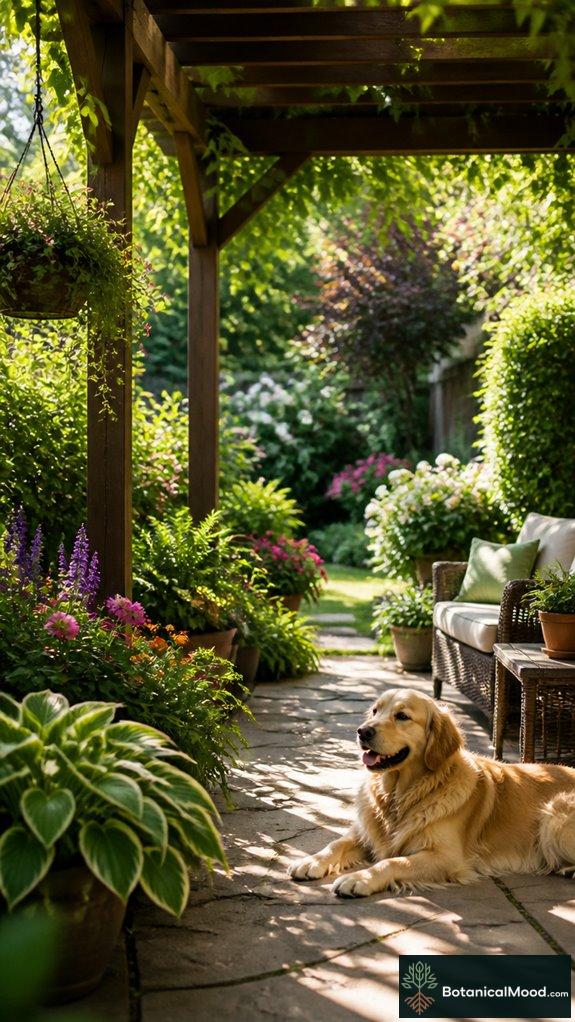
- Creating shaded areas with pergola structures helps reduce excess moisture and heat that promote fungal development.
Applying Baking Soda as a Safe, Natural Fungicide
Applying baking soda (sodium bicarbonate) as a natural fungicide offers a simple yet effective method for managing common fungal diseases such as powdery mildew (Erysiphe cichoracearum) and black spot (Diplocarpon rosae) on a variety of plants, including roses, vegetables, and fruit trees.
When mixed at a ratio of one tablespoon per gallon of water, it creates a mild alkaline environment that suppresses fungal growth without harming plant tissues.
I’ve found this solution particularly useful in early spring or during humid months, providing a safe, eco-friendly alternative to chemical fungicides, especially for organic growers concerned about environmental impact and plant safety. For pet owners, pairing baking soda treatments with enzymatic cleaners helps maintain clean outdoor spaces while protecting both plants and animals from harmful residues.
Like other pet-friendly garden solutions, baking soda treatments ensure that ornamental plantings remain safe for animals while effectively addressing fungal issues.
Enhance Plant Health With Natural Mulches and Soil Amendments
Incorporating natural mulches and soil amendments into your garden routine can considerably bolster plant health by improving soil structure, moisture retention, and nutrient availability. Organic options like pine straw (Pinus spp.), shredded bark, or composted leaves add essential organic matter that enhances microbial activity and aeration.
I recommend using aged compost to boost crucial nutrients and earthworm activity, while biochar can improve soil fertility and carbon sequestration. These amendments create a resilient foundation, reducing fungal proliferation by maintaining ideal moisture levels, balancing pH, and preventing soil compaction.
- Use of locally sourced organic mulches reduces chemical runoff
- Incorporating microbial inoculants like mycorrhizae (Glomus spp.) encourages symbiotic relationships
- Regularly testing soil pH helps tailor amendments for specific plant needs
Natural Remedies and Tips to Keep Fungi at Bay
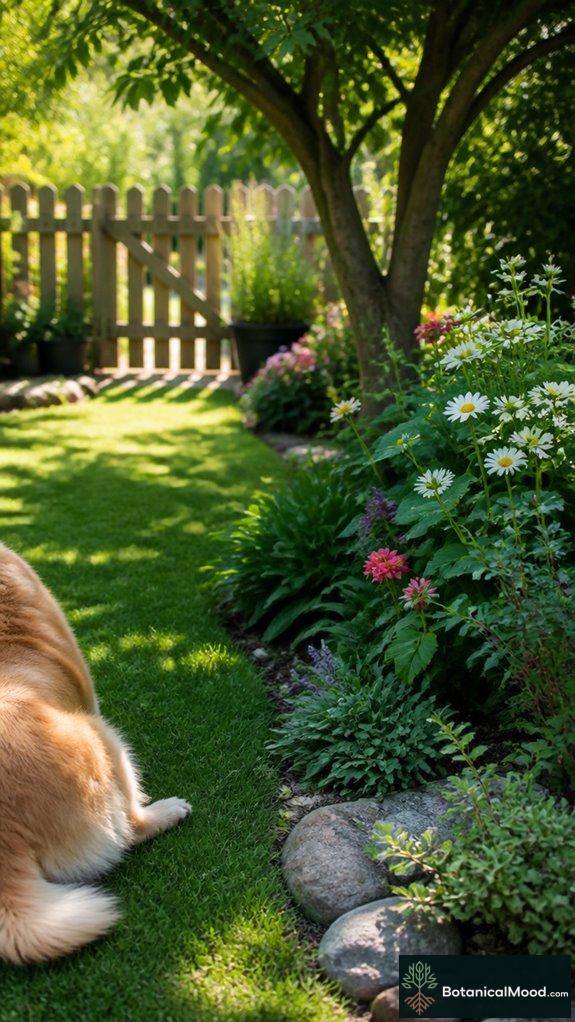
Maintaining healthy plants involves more than just soil management; it also requires proactive measures to prevent and suppress fungal growth.
I recommend using homemade remedies like dilute neem oil solutions, which contain azadirachtin that disrupts fungi’s reproductive cycle, or applying sulfur-based fungicides, such as Microscopic sulfur (S), to vulnerable areas.
Regularly removing infected leaves and improving air circulation with strategic pruning kills spores and reduces humidity—key factors fungi love.
Combining these practices with organic compost teas, like those containing Bacillus subtilis, enhances plant immunity naturally.
Just as agility poles for backyard courses require proper spacing and layout to function effectively, your garden’s plant spacing and arrangement significantly impact air circulation and fungal prevention.
These approaches create an environment where fungi struggle to establish, supporting your garden’s vibrant, healthy growth.
When to Call a Professional for Severe Fungal Infections
When fungal infections become severe and persist despite diligent home remedies, it’s essential to recognize the signs that indicate professional intervention is necessary. If you notice widespread leaf death, bark decay, or the presence of fuzzy, mold-like growths—especially on prized plants like Ficus (Ficus benjamina) or Dracaena (Dracaena marginata)—it’s time to seek expert help. Fungal spores can proliferate in moist environments, so maintaining proper drainage and reducing humidity around your plants is crucial, particularly in balcony garden settings where eco-friendly drainage solutions can prevent moisture-related fungal issues.
Seek professional help if fungal infections cause widespread damage or fuzzy mold on prized plants.
- Root rot signs caused by Phytophthora (Phytophthora spp.) or Pythium (Pythium spp.)
- Shriveling, rapid stem dieback, or unexplained plant dwarfing
- Visible black spots or strange discoloration indicating advanced fungal invasion
Baking Soda Spray Bottles
This solution is especially useful when applied directly to leaves and stems, including *Ficus elastica* and *Dracaena* species. The mild alkalinity disrupts fungal cell processes without harming the plant’s delicate tissues. Using a spray bottle, preferably with a fine mist setting, allows precise application, ensuring thorough coverage and fostering a healthy, resilient indoor ecosystem. Beyond fungal control, incorporating tactile planting elements can enhance your indoor garden’s sensory appeal while keeping curious pets safely engaged with pet-friendly vegetation.
Bright Rooftop Community Spaces
Rooftop community spaces have rapidly evolved into vibrant urban oases, transforming underutilized flat roofs into dynamic environments that blend functional design with aesthetic appeal.
Rooftops become lively retreats, merging practical design with beauty in city spaces.
I’ve seen how well-planned lighting, like solar-powered LEDs from brands like Solawave, enhances evening gatherings, creating a warm ambiance. Choosing durable, eco-friendly materials such as composite decking with weather-resistant resurfacings elevates safety and longevity.
Plant arrangements with drought-tolerant succulents (Crassula spp.) and flowering perennials add color and texture. Incorporating communal features—benches, pergolas from local artisans, and vertical gardens—fosters connection and sustainability. For mobility and accessibility around these spaces, garden carts can help transport plants and materials efficiently. For multi-level rooftop designs, durable groundcover options can prevent erosion while creating accessible pathways between different elevation zones.
These thoughtful elements turn rooftops into inviting escapes, perfect for sharing nature’s serenity amid city noise.
Plant Safe Pet Zones
Creating a safe and inviting pet zone within your garden hinges on selecting non-toxic, pet-friendly plants, which is essential to prevent accidental poisoning or discomfort for animals like cats and dogs. Consider species such as Spider Plant (Chlorophytum comosum), Boston Fern (Nephrolepis exaltata), and Parlor Palm (Chamaedorea elegans), known for their safety and aesthetic appeal. Safe flowers for cats like roses, sunflowers, and zinnias can add vibrant color to your pet-friendly garden beds without posing toxicity risks.
Mulch options like cedar chips or bark reduce hazards and improve soil health. Native plants are naturally adapted to your local climate and often require less maintenance than non-native species. Position plants in shaded areas to prevent overheating, and avoid chemical fertilizers or pesticides that could harm curious pets.
Striking a balance between beauty and safety helps create an environment where both plants and animals thrive.
FAQ
How Can I Prevent Fungi From Spreading Between Plants?
You should regularly clean your tools and avoid overwatering, then isolate infected plants promptly. I always wear gloves and prune carefully to prevent fungi from spreading, and I dispose of debris properly to keep my plants healthy.
Are There Specific Plants More Resistant to Fungal Infections?
You bet, some plants are like natural shields, sturdy and resistant—think lavender, marigolds, or rosemary. I’ve seen them flourish despite damp conditions, almost as if they wear fungal armor, keeping threats at bay organically.
Can Homemade Remedies Harm Beneficial Insects in My Garden?
Homemade remedies can harm beneficial insects if they’re too strong or applied excessively. I always try to use mild solutions, like diluted soap or neem oil, and apply them carefully, respecting their life cycles to protect our garden helpers.
What Signs Indicate a Fungal Infection Is Worsening?
If your plant develops more widespread, fuzzy, or colorful spots, and the leaves start browning or wilting unexpectedly, these signs suggest the fungal infection’s worsening. Keep an eye out, and act quickly to protect your plant.
How Long Should I Wait to See Results After Treatment?
You should give your plant about a week to ten days after treatment before seeing results. I know waiting can be tough, but patience helps. If there’s no improvement, I recommend reassessing your approach or consulting a plant expert.
Summary
By implementing these eight safe fixes—ranging from organic vinegar treatments to proper watering techniques—you can effectively manage plant fungi and preserve the health of your garden. Recognizing early signs, enhancing air circulation, and integrating natural remedies ensure sustainable, eco-friendly solutions that align with contemporary gardening practices. Keep in mind, even in the age of digital innovations, tending a thriving garden often calls for traditional wisdom mixed with diligent care; after all, each garden is a living canvas just waiting to flourish.