Tag: urban gardening

  • 10 Sleek Vertical Garden Solutions for Urban Apartments

    10 Sleek Vertical Garden Solutions for Urban Apartments

    Want to turn your drab apartment into a lush oasis?

    I dove headfirst into the world of vertical gardening. Who knew wall-mounted planters could make my tiny space feel like a tropical paradise?

    Trust me, those self-watering features are a total game changer, especially when I’d rather binge-watch Netflix than fuss over plants!

    And don’t even get me started on my hanging bottle garden—my friends think I’m some kind of eco-warrior.

    But let’s be real; I just wanted to avoid another sad cactus moment.

    While it’s tricky to keep everything alive, the joy of nurturing greenery makes it worthwhile, right?

    My Vertical Gardening Adventure: From Black Thumb to Green Spaces

    I remember my first vertical garden attempt—what a comedy show! I started with a simple DIY trellis for my sentimental herb plants. One afternoon, I was perfectly convinced they’d thrive… until a tiny gust of wind knocked the whole thing over. Spoiler alert: They didn’t like their new “garden” location. Yet this mishap led to a beautiful redesign, incorporating modular planters, making my space smarter—not just greener.

    To anyone hesitant about vertical gardening, give it a try! It might just lead to a new hobby that adds character to your home and keeps those pep talks with your plants interesting.

    Quick Takeaways

    • Wall-mounted planter boxes with self-watering systems transform urban walls into lush, low-maintenance gardens, ideal for compact living spaces.
    • Modular vertical planter systems offer customizable arrangements, allowing residents to creatively maximize sunlight and irrigation for their plants.
    • Hanging bottle gardens utilize repurposed materials to create vibrant vertical displays while enhancing aesthetics and promoting sustainability in small areas.
    • Trellis systems support climbing plants, effectively turning plain walls into beautiful green spaces while optimizing growth in limited urban environments.
    • Minimalist green wall concepts with low-maintenance plants provide stylish focal points without overcrowding, enhancing the elegance of urban apartments.

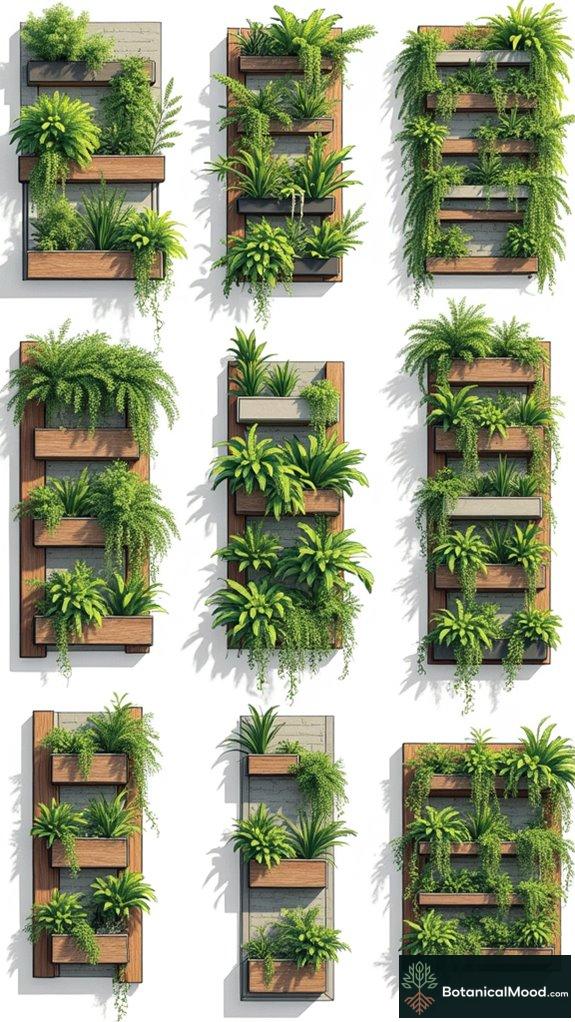
    Wall-Mounted Planter Boxes

    lush vertical wall gardens

    Wall-mounted planter boxes transform bland urban walls into lush vertical gardens, offering both beauty and a hint of nature in compact living spaces. I love exploring decorative planter options that enhance my walls while incorporating innovative self-watering mechanisms, which guarantee my plants thrive with minimal effort. These designs showcase succulents, herbs, or cascading flowers, creating eye-catching combinations. Brands like Bloem and Green Wall Systems provide diverse materials and colors, elevating aesthetics while maintaining functionality. Additionally, vertical gardening techniques are essential for maximizing space and creating a green urban oasis.

    Modular Vertical Planter Systems

    versatile urban gardening solutions

    When space is at a premium, modular vertical planter systems offer a versatile solution, allowing me to customize my greenery arrangement based on available wall space and personal aesthetics.

    Their modular design encourages creativity, as I can mix and match various components to suit my style and plant selection.

    These systems enable me to optimize sunlight exposure and irrigation for each specific plant, creating a thriving indoor garden.

    Brands like Vertical Wall and GroVert provide phenomenal options, ensuring that I can choose from a range of sizes, materials, and colors that blend seamlessly into my urban apartment’s design. Additionally, sustainable urban gardening techniques can be easily incorporated into these systems, making them not just visually appealing, but also environmentally friendly.

    Hanging Bottle Gardens

    creative sustainable bottle gardens

    Hanging bottle gardens provide a delightful way to incorporate greenery into the limited spaces of urban apartments without overwhelming the environment.

    By cleverly repurposing plastic or glass bottles, you can explore creative bottle uses that elevate not just your space, but your gardening game.

    The bottle garden benefits are numerous; they enhance air quality, reduce waste, and create a charming display.

    Consider vertical arrangements of herb bottles in your kitchen, or colorful floral creations adorning your balcony.

    With simple materials and a splash of imagination, you can transform your home into a vibrant oasis, sparking joy and demonstrating the beauty of sustainable living.

    Trellis and Climbing Plants

    vertical garden using trellis

    In urban apartments, utilizing a trellis along with climbing plants can transform an otherwise plain space into a lush vertical garden. Even just one well-placed trellis can make a substantial impact.

    I often choose materials like wood or metal for durability, creating a striking framework for various climbing vines. Think robust options like cedar or galvanized steel that withstand the test of time while providing aesthetics.

    Plants like jasmine or ivy cascade beautifully, enhancing the living space with vertical complexity. With thoughtful plant selection and trellis design, I craft a personal sanctuary that brings nature’s beauty into the urban environment. Additionally, integrating indoor herb garden wall options not only maximizes space but also adds functionality to the greenery.

    Vertical Garden Panels With Integrated Irrigation

    innovative urban gardening solution

    Vertical garden panels with integrated irrigation offer a remarkable solution for maximizing space while minimizing maintenance in urban apartments. These innovative panels not only elevate your living space but also incorporate automated watering systems that eliminate the hassle of manual watering. Crafted from eco-friendly materials, these designs support sustainable living while promoting vibrant greenery.

    Feature Benefits
    Automated Watering Reduces maintenance time
    Eco-Friendly Materials Supports sustainability
    Vertical Design Maximizes limited spaces

    Such designs foster biophilic connections, enhancing your home’s aesthetic while ensuring effortless care for your plants.

    Shelving Units for Plants

    transform your space greenery

    Shelving units for plants can transform even the smallest urban apartments into lush green retreats, offering a practical solution to bring nature indoors.

    With innovative space-saving designs, these units not only elevate your green selections but also enhance your living space’s aesthetic.

    Here are three compelling options:

    1. Tiered Plant Stands – Maximize vertical space with adjustable shelves for various plant heights.
    2. Wall-Mounted Shelving – Utilize precious wall real estate for a striking display without invading floor space.
    3. Rolling Cart Units – Add mobility, allowing you to reposition your plant shelving as sunlight shifts throughout the day.

    Discover the beauty of plant shelving today!

    Ladder Planters for Compact Spaces

    compact vertical gardening solutions

    Ladder planters present a unique solution for compact urban spaces, allowing you to maximize your greenery without overwhelming your living area.

    Incorporating a ladder design into your home not only adds vertical appeal but also facilitates efficient compact gardening. You can create layers of lush greenery using herbs, trailing vines, and vibrant flowers that cascade downwards.

    Brands like VertiGarden offer stylish options that perfectly blend with modern aesthetics. These planters encourage creative customization while optimizing your vertical space, ensuring your plants thrive in sunlight.

    With ladder planters, you’re not just decorating—you’re enhancing your living experience with the beauty of nature right at home.

    Repurposed Wooden Pallets as Planters

    repurposed pallets for planters

    If you’ve ever thought about making your own urban oasis while being environmentally conscious, repurposing wooden pallets as planters could be the perfect solution for you.

    Here are three essential tips to get started:

    1. Pallet Preparation: Confirm your pallets are free from harmful chemicals; opt for heat-treated or untreated options.
    2. Plant Selection: Choose resilient plants like succulents, herbs, or compact flowers that thrive in limited soil.
    3. Design Harmony: Consider creating a staggered vertical layout for visual intrigue and confirm proper drainage for vibrant growth.

    These elements will help you craft a stunning and sustainable green space right in your apartment.

    DIY Pocket Planters for Herbs

    urban vertical herb gardening

    Creating a fresh herb garden at home can transform mundane cooking into a culinary adventure, especially when you enjoy the satisfaction of growing your own ingredients.

    DIY pocket planters are perfect for urban dwellers like me. When selecting herbs, I aim for varieties like basil, thyme, and cilantro, which thrive in smaller spaces.

    I use vertical gardening techniques, employing wall-mounted pockets made from breathable fabric. These planting techniques allow roots to breathe, ensuring robust growth.

    They’re not just functional; they look stunning, too, adding a pop of greenery to my kitchen. With each harvest, I feel a sense of accomplishment that elevates my culinary experiences.

    Magnetic Vertical Garden Kits

    magnetic vertical garden solution

    While experimenting with various gardening solutions, I discovered the innovative world of magnetic vertical garden kits, which have allowed me to maximize my limited wall space in my urban apartment.

    These magnetic planters aren’t only stylish but also functional.

    Here’s what I love about them:

    1. Space Efficiency: They transform walls into lush green displays, ideal for urban gardening.
    2. Modular Design: I can easily rearrange the planters to create new layouts or swap plants as seasons change.
    3. Low Maintenance: The self-watering feature keeps my plants thriving without frequent care.

    Elevate your green space with these ingenious additions!

    Small-Scale Garden Layouts

    urban vertical gardening solutions

    Maximizing vertical space in my urban apartment has led me to explore the intriguing world of small-scale garden layouts, where creativity meets functionality.

    Compact gardening solutions like multi-tiered container gardens stack pots, optimizing space while ensuring stability. Vertical gardening systems are also on the rise, offering unique methods to grow plants efficiently.

    I’ve also repurposed old ladders into ladder gardens, adding hooks and shelves for plants.

    Teepee trellises efficiently support vining plants, while cattle panels provide sturdy vertical frameworks.

    Focusing on shallow-rooted plants enhances yield without crowding.

    By combining various vertical elements, I create a layered microhabitat.

    This approach not only elevates aesthetic appeal but also transforms my living environment, fostering a connection with nature amidst the urban scenery.

    Urban Garden Design Example

    innovative urban gardening solutions

    Urban garden design examples abound, showcasing a variety of innovative solutions tailored to meet the unique challenges posed by compact living spaces.

    1. Modular Living Walls: Customize plant pockets for colorful plant combinations that transform walls into vibrant art.
    2. Hanging Planters: Utilize airspace for layered greenery without crowding floors, perfect for small balconies. This option also allows for increased plant diversity in your gardening space.
    3. Climbing Structures: Turn fences into lush, living facades using climbers like jasmine for added texture.

    These urban gardening trends not only enhance aesthetics but also improve air quality, celebrating nature’s beauty within our urban jungles.

    Urban gardening trends elevate aesthetics and air quality, bringing nature’s splendor to our bustling cities.

    Embracing these elements can nurture our connection to green in limited spaces.

    Vertical Space Utilization Techniques

    vertical gardening for urban spaces

    Creating an inviting green space in limited areas often inspires innovative approaches to vertical space utilization, a technique that allows us to maximize every inch without sacrificing beauty or functionality.

    Utilizing trellises, fabric pockets, and repurposed wooden pallets, I craft stunning vertical gardens that embrace vertical plant diversity. Innovative container solutions, like plastic bottle planters or tiered planters, transform ordinary spaces into lush green displays. Vertical gardening is particularly beneficial as it allows for an efficient use of space in urban environments, making it a perfect fit for my projects.

    I also enjoy incorporating climbing vegetables alongside herbs to optimize yield. With creativity and a focus on design, I turn the simplest areas into accessible, green sanctuaries, blending aesthetics with sustainable practices and enriching my urban environment.

    Minimalist Green Wall Concepts

    minimalist urban green walls

    While minimalist green walls can transform even the smallest of spaces into vibrant sanctuaries, their understated elegance often serves as a striking focal point in contemporary interiors. These vertical living designs embrace space-saving greenery, enhancing aesthetic and livability.

    1. Preserved Moss Walls: Require minimal maintenance while offering customizable designs and natural diversity. Sygns offers preserved moss and plant walls, cultivated and harvested uniquely, which can add a unique touch to your space.
    2. Modular Panels: Allow for scalable, flexible compositions, easily framed to suit your style.
    3. Low-Maintenance Plants: Choices like air plants and snake plants elevate design and ease upkeep.

    Such innovative concepts highlight how greenery can invigorate urban living without overcrowding your apartment.

    Decoration With Small Space Urban Garden Arrangements

    vertical design for small gardens

    Small spaces shouldn’t limit your artistic vision when it comes to incorporating greenery into your home.

    I love using vertical design to create dynamic garden arrangements that combine practical functionality with stunning decorative elements.

    Meet the Garden’s Creator

    urban vertical garden project

    The owner of the garden, Smith, hails from San Francisco, USA. Inspired by her love for nature and desire to enhance urban living spaces, she envisioned a vertical garden to bring greenery to her apartment.

    To achieve her garden dream, Smith researched various vertical gardening techniques, focusing on the hydroponic systems popularized by Patrick Blanc. She meticulously planned her design, selecting plants that would thrive without soil and conducted trials to guarantee compatibility with her apartment’s lighting and environment.

    Smith explored hydroponic vertical gardening techniques, meticulously selecting soil-free plants to thrive in her apartment’s unique lighting and environment.

    To create her vertical garden, Smith used tools from brands like Greenhouse Megastore and accessories from GroVert including modular wall panels and irrigation systems.

    She consulted local horticulturists to curate a selection of drought-resistant plants, verifying longevity and minimal maintenance for her urban oasis.

    Notable Landscape Architects and Firms

    sustainable urban landscape transformation

    As urban environments continue to evolve, numerous terrain architects and firms have emerged, transforming concrete jungles into exquisite green oases through innovative design solutions.

    Here are three notable site architects making waves with their sustainable techniques and urban aesthetics:

    1. Patrick Blanc – The pioneer of vertical gardens, blending living ecosystems with architecture worldwide.
    2. Michel Desvigne – Advocates for ecological integration, using native plant species in urban settings.
    3. Todd Haiman – Focusing on sustainability within vertical gardens, his work promotes educational and aesthetic value in urban spaces.

    These visionaries redefine our interaction with nature in densely populated areas, creating transformative green spaces.

    References

  • 5 Urban Minimalist Garden Design Strategies Revealed

    5 Urban Minimalist Garden Design Strategies Revealed

    Designing my urban minimalist garden? A wild ride, I tell ya!

    First off, I ditched all the flashy materials—because who needs chaos in a garden? I opted for calm whites and cool grays.

    And plants? Low-maintenance heroes like coneflowers became my buddies. Who has time for high maintenance when you’re busy pretending to be a gardening expert?

    Plus, I went all in on geometric shapes. Clean lines scream order, right? It’s like my garden got an adult makeover!

    Of course, I’m inspired by genius designers like Piet Oudolf. His work makes me wonder—am I secretly a garden whisperer or just a wannabe?

    So, what’s your garden’s vibe?

    Discovering Zen in a Concrete Jungle

    A couple of summers ago, I got roped into a neighborhood garden project. We decided to transform an abandoned corner lot. Talk about a cringeworthy scene—overgrown weeds, broken bottles, the works!

    But then, we got to dreaming big. We planted wildflowers, added some sleek rock paths, and even figured out how to make a rain garden. The awkward community meetings turned into exciting brainstorming sessions, and getting hands dirty with neighbors felt oddly fulfilling.

    In the end, our little haven became a buzzing hub for butterflies and picnicking families. Proof that even in a concrete jungle, we can create sustainable beauty!

    Quick Takeaways

    • Embrace a neutral color palette with soft whites and gentle grays to create serenity in urban gardens.
    • Select native and drought-tolerant plants for minimal maintenance and sustainability.
    • Incorporate geometric shapes and clean lines in hardscape design for visual coherence.
    • Purposefully plan garden layouts by grouping plants and prioritizing pathways for usability.
    • Use quality tools and resources for effective gardening, emphasizing a blend of beauty and environmental responsibility.

    Reduce Material Variety for Visual Coherence

    visual coherence through simplicity

    In modern urban gardens, an effective approach to achieving visual coherence is to reduce the variety of materials used for hardscaping and plantings.

    I’ve found that using fewer materials—like concrete, gravel, and wood—creates a calm sanctuary. Interestingly, garden designer Piet Oudolf emphasizes the beauty of simplicity; adopting this philosophy invites freedom into our spaces.

    When I choose plants, sticking to a range of similar textures and colors guarantees harmony, elevating my garden’s aesthetic. Adding creative outdoor hanging garden ornaments can also enhance the design, bringing an extra layer of charm and intrigue to the overall space.

    The beauty lies not just in the plants themselves, but in how they interact with their surroundings, inspiring me to create more meaningful designs on my website, Botanical Mood.

    Embrace a Neutral Color Palette

    neutral colors create tranquility

    Choosing a neutral color palette dramatically enhances the tranquil ambiance of an urban garden. When I choose soft whites, warm beiges, and gentle grays, it creates a serene backdrop that invites relaxation.

    Inspired by designers like Piet Oudolf, I find that these subtle shades accentuate the simplicity of shapes and textures in the space, letting nature shine.

    Using elegant materials such as light-colored gravel or reclaimed wood can further unify the design. This minimalist approach, which I explore on my site, Botanical Mood, liberates one’s spirit while nurturing a peaceful atmosphere, transforming any small patch of urban land into a soothing retreat.

    Intentional Plant Selection for Minimal Maintenance

    minimal maintenance plant selection

    Selecting the right plants for an urban minimalist garden isn’t just about aesthetics; it plays an essential role in reducing maintenance efforts.

    I’ve discovered that native plants, like coneflowers and sedums, thrive with little care, allowing you to enjoy natural beauty without constant attention.

    Opting for drought-tolerant species not only cuts watering down but also fosters a more liberated gardening experience. Additionally, incorporating xeriscape principles into your plant selection can enhance water conservation efforts while maintaining an appealing landscape.

    Brands like Proven Winners offer solid choices that combine durability with stunning visuals.

    Geometric Shapes and Clean Lines in Hardscape Design

    geometric hardscape garden design

    A striking garden often begins with the fundamental elements of hardscape design, where geometric shapes and clean lines play an essential part in framing the scenery.

    I love how squares and rectangles create a sense of order, while circles can bring a playful touch to your garden.

    Paving stones like Belgard’s Onyx, with their sharp edges, emphasize these forms and guide the eye.

    Renowned designers such as Piet Oudolf often use such elements to create harmony and balance.

    Functional Planning for Optimal Garden Layout

    functional garden layout tips

    While clean lines and geometric forms in hardscaping set the stage, the next step is crafting a functional garden layout that maximizes both beauty and usability.

    I believe that good design liberates, and a purposeful layout leads to an enjoyable garden experience. Here are essential tips I’ve found effective:

    • Prioritize pathways to guide movement.
    • Group plants by sunlight and water needs.
    • Incorporate seating areas for relaxation.
    • Use vertical gardening to save space.

    Thinking of famous gardeners like Monty Don, I endeavor to balance aesthetics with utility, celebrating nature’s harmony while creating a tranquil urban escape.

    Modern Minimalist Outdoor Space Layout

    simplicity elegance sustainability cohesion

    Modern minimalist outdoor spaces make a powerful statement by embracing simplicity and elegance, allowing the beauty of nature to shine through. I focus on a limited palette of durable materials like concrete, natural stone, and warm woods, creating a harmonious environment. Selecting architectural plants such as ornamental grasses and sculptural trees, I prioritize year-round interest and low maintenance. Clean lines define spaces, maximizing hardscape while promoting seamless indoor-outdoor connections. Using neutral tones with occasional bright accents, I maintain visual cohesion. Sustainability and eco-friendly practices are essential in this design approach, ensuring that the garden not only looks good but also supports local ecosystems. Gardens designed this way inspire liberation, reflecting the visionary ideas of famous designers like Piet Oudolf, whom I admire greatly at Botanical Mood.

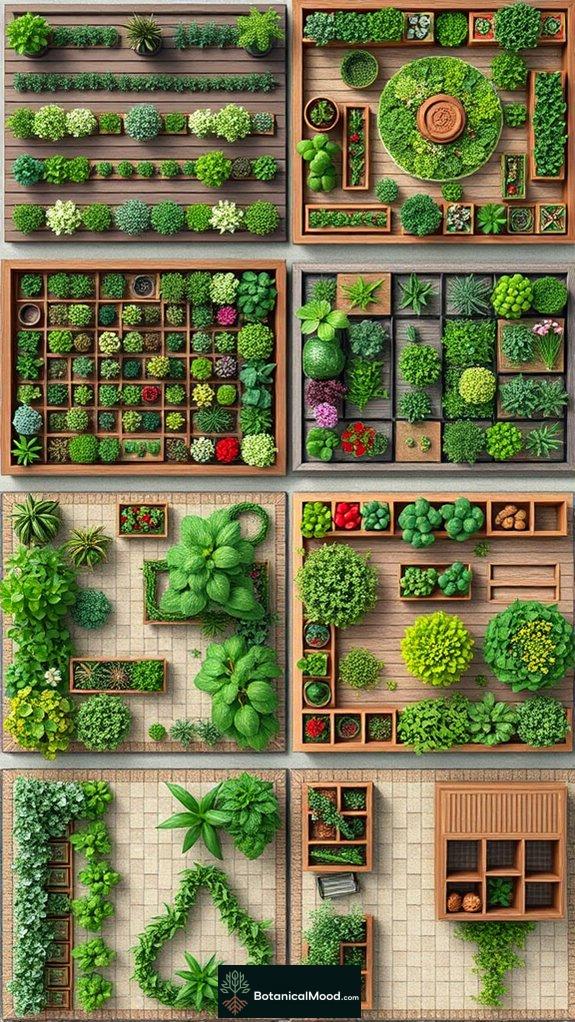
    Sleek Geometric Garden Layouts

    sleek geometric garden designs

    Sleek geometric garden layouts captivate the eye and elevate outdoor spaces with their precise lines and harmonious shapes.

    These designs reflect a modern aesthetic that brings tranquility and order to urban living.

    Here are some key features I love:

    • Defined pathways that guide the experience
    • Symmetrical plant arrangements for balance
    • Strategic use of color and texture
    • Vertical elements, like trellises, that draw the eye upward

    Inspired by designers like Piet Oudolf, I believe embracing such styles can liberate your garden, turning it into a sanctuary where beauty reigns and life flourishes.

    This is a vision I aim to share through Botanical Mood.

    Efficient Space Utilization Strategies

    dynamic urban garden design

    Efficient space utilization strategies transform even the coziest urban gardens into thriving, functional havens.

    By incorporating multi-functional elements like raised beds with wide edges, I create seating without sacrificing gardening space. Utilizing vertical gardening techniques with trellises and wall-mounted planters maximizes plant capacity, while narrow pathways maintain fluid movement throughout the arrangement. Vertical gardening techniques enhance the use of limited space, allowing for a diverse array of plants to thrive.

    Flexible, lightweight furniture adapts to varied uses, ensuring my garden remains dynamic and inviting.

    I often admire the designs of famous gardeners who embrace this philosophy, reminding me of why I started Botanical Mood—because beauty and efficiency can coexist in our urban environments, inspiring a sense of liberation and connection.

    Sustainable Urban Plant Selection

    sustainable urban garden selection

    Choosing the right plants for an urban garden isn’t just about beauty; it’s about creating a sustainable environment that thrives amid challenging conditions. By selecting the right species, we can enhance biodiversity and reduce maintenance. Here are some key strategies for sustainable urban plant selection:

    • Choose native species for local adaptation and ecological balance.
    • Opt for drought-tolerant varieties to minimize water use.
    • Favor resilient plants resistant to pests and diseases.
    • Assess site conditions, like soil type and sunlight, for ideal growth. Additionally, it’s crucial to conduct a thorough site assessment to understand environmental variables that can impact tree selection and health.

    At Botanical Mood, I celebrate the transformative power of these selections, encouraging everyone to embrace a sustainable gardening mindset.

    How To Design Urban Minimalist Landscape Planning Techniques

    minimalist urban landscape design

    Urban gardens, with their limited space and unique challenges, present an exciting opportunity for minimalist terrain design.

    To create balance, I define distinct zones using clean pathways and natural elements like rocks or trees. Geometric patterns guide the eye, while raised beds with minimalist edging organize plant areas efficiently.

    I prefer local materials, with a monochromatic palette for harmony. Vertical gardens and clever planters maximize space, turning ordinary walls into lush backdrops. By incorporating native plants into the design, I ensure sustainability while enhancing the visual appeal of the space.

    By focusing on functional aesthetics, I achieve serenity and beauty, embracing the philosophy of “less is more.”

    This design approach inspires the essence behind my website, Botanical Mood.

    Meet the Visionary Designer

    sustainable minimalist garden design

    The owner of the garden, Thompson, hails from Portland, Oregon. After years spent in urban environments tinged with chaos, she yearned for a serene refuge that harmonized nature and simplicity. To achieve her vision, Thompson engaged in a collaborative design process that involved consulting with local terrain architect Peter Walker, known for his minimalist approach. Through careful planning and consideration of the local climate, she emphasized functionality and native flora, ultimately creating a sanctuary that reflected tranquility. Her design philosophy incorporated sustainable gardening practices, ensuring that the garden not only looked beautiful but also contributed positively to the environment.

    In executing her design, Thompson utilized tools like garden trowels from Fiskars and soil analyzers from SoilTest, while incorporating accessories like sleek geometric planters by West Elm. She also consulted horticulturists specializing in native plants to guarantee her garden thrived sustainably.

    Renowned Landscape Architects

    innovative sustainable garden design

    In exploring the world of terrain architecture, it’s fascinating to see how renowned architects have reshaped our understanding of garden design, blending aesthetic beauty with environmental responsibility.

    Some highlights include:

    • Patrick Blanc’s innovative vertical gardens, like the Quai Branly Museum, promoting urban biodiversity.
    • Michel Desvigne’s minimalist environments that use native species for sustainable greenery.
    • Michel Corajoud’s artful integration of natural light and forested spaces.
    • Thomas Church’s vision of gardens as extensions of living spaces, epitomized in Donnell Gardens. André Le Nôtre’s influence on garden aesthetics pioneered a structured approach that continues to inspire modern designs.

    These visionaries inspire my passion at Botanical Mood, reminding us that urban spaces can thrive and liberate our surroundings.

    Garden Design FAQ

    How Can I Incorporate Personal Style Into a Minimalist Garden?

    I incorporate my personal style into a minimalist garden by choosing unique plants that resonate with me, adding simple art pieces, and selecting a color palette that reflects my personality. It’s all about authenticity and joy!

    What Are Common Mistakes in Urban Minimalist Garden Design?

    I’ve noticed that people often overcrowd their space or neglect plant selection, thinking minimalism means empty. Avoiding distractions and focusing on key elements truly liberates the garden’s potential, leading to a serene, purposeful design.

    How Do I Choose the Right Plants for Minimal Maintenance?

    To choose low-maintenance plants, I prioritize native species and drought-resistant varieties. I also consider their growth habits and energy requirements, ensuring they thrive with minimal care, freeing me to enjoy my garden more fully.

    Can Urban Minimalist Gardens Attract Local Wildlife?

    Absolutely, my garden’s like a wildlife hotel! I’ve noticed butterflies, bees, and birds flocking in. By choosing native plants and creating small habitats, I’ve watched nature thrive, bringing joy and vibrancy to my urban space.

    What Budget Should I Plan for an Urban Minimalist Garden?

    I’ve found that planning a budget of around $500 to $1,500 works well for an urban minimalist garden. It allows for quality plants, essential tools, and simple decor, fostering a liberating, vibrant outdoor space.

    Share Your Own Garden

    In my journey to create an urban minimalist garden, I’ve focused on plants like low-maintenance succulents and native grasses. Using brands like Surface Garden Design for hardscaping helped me build a tranquil retreat amidst the city. Simplifying truly brought elegance to my outdoor space.

    I’d love to hear about your experiences with urban gardens. What strategies have you found helpful?

    If you’ve designed your own garden, please share some pictures and tell us how you approached it!

    References

  • Top 9 Apartment Herb Garden Layouts for Easy Care

    Top 9 Apartment Herb Garden Layouts for Easy Care

    Creating an easy-care herb garden in your apartment is a delightful project. I recommend vertical wall planters, which utilize rustic aesthetics while maximizing space. Tiered plant stands present a beautiful display and keep herbs accessible. Hanging baskets provide greenery near windows, while kitchen window sill gardens offer direct sunlight. For a unique touch, consider a mason jar herb garden or compact indoor arrangements. There are exciting layouts to explore, encouraging creativity in your urban oasis.

    Quick Takeaways

    • Vertical Wall Planters transform walls into vibrant herb gardens while saving floor space and enhancing aesthetics with rustic materials.
    • Tiered Plant Stands optimize vertical space, allowing easy access to herbs and showcasing them beautifully in compact areas.
    • Hanging Herb Baskets maximize space indoors or on balconies, ideally placed near sunny windows for optimal growth.
    • Hydroponic Herb Systems enable year-round cultivation of herbs in limited spaces with minimal water usage and controlled environments.
    • Space-Saving Designs like spiral gardens and checkerboard patterns create visually appealing arrangements while conserving ground space in apartments.

    Vertical Wall Planters

    vertical gardening wall systems

    When it comes to maximizing limited space, vertical wall planters are a brilliant solution that transforms any dull wall into a vibrant herb garden.

    I love using materials like pallet wood or white pine to create rustic frames that not only support my herbs but also add charm to my space. To further enhance your vertical garden, consider adding herb planters for both visual interest and utility.

    Consider lining your planters with garden fabric for effective drainage and soil retention. Incorporating vertical garden wall design can elevate the aesthetic appeal of your indoor garden.

    If DIY isn’t your thing, there are pre-framed options or self-watering systems available.

    I created this website, Botanical Mood, to share the beauty and ease of vertical gardening, inspiring you to cultivate your own indoor oasis.

    2. Tiered Plant Stands

    multi level plant display

    Tiered plant stands are a fantastic way to elevate your herb garden, both literally and figuratively, especially in compact spaces. They make the most of vertical space, allowing you to showcase your herbs beautifully. Additionally, incorporating vertical gardening techniques can further optimize your terrace garden’s potential.

    MaterialDesign OptionBenefits
    WoodenRustic charmBlends with home decor
    MetalMinimalist or vintageDurable and easy to maintain
    BambooEco-friendlyLightweight and sustainable

    I love how these stands enhance aesthetics while facilitating easy access to my herbs. They truly embody the spirit of my passion for gardening at Botanical Mood.

    3. Kitchen Window Sill Gardens

    herb garden on windowsill

    Creating a kitchen window sill garden is a delightful way to blend functionality with beauty, enhancing your kitchen’s atmosphere while providing fresh herbs at your fingertips.

    I love selecting decorative containers that match my kitchen decor, ensuring no drainage holes create a mess. Adding a plastic liner helps protect wooden pots.

    I fill them with potting mix for better drainage and arrange taller herbs like rosemary in the back, with basil and parsley in front.

    With 4 to 6 hours of sunlight, my herbs thrive, reminding me daily of the joy of gardening. Maximizing small spaces can lead to a more enjoyable and productive gardening experience.

    At Botanical Mood, I cherish sharing this intimate journey with you.

    4. Hanging Herb Baskets

    baskets filled with herbs

    Hanging herb baskets offer a charming solution for maximizing space while bringing greenery into your home or balcony.

    I love using wire baskets with coconut or plastic liners, allowing me to create beautiful arrangements of basil, oregano, and trailing parsley.

    For ideal growth, I hang them near south or east-facing windows, ensuring they soak up 4-6 hours of sunlight daily.

    Regular watering and pruning keep my herbs thriving, while secure hooks prevent any accidents.

    5. Mason Jar Herb Garden

    herbs in mason jars

    Mason jar herb gardens are a delightful and versatile way to bring fresh flavors into your home, while also adding a touch of rustic charm. I love how these jars fit perfectly into compact spaces, allowing me to grow various herbs like basil or rosemary on my kitchen wall. Furthermore, they can be easily customized with creative arrangements to maximize your windowsill space for optimal growth.

    6. Rail Planters for Balconies

    balcony rail planters design

    When you think about maximizing your balcony space, rail planters emerge as a fantastic solution that not only enhances your gardening experience but also adds a touch of greenery to your outdoor living area.

    These planters hang from your balcony railing, creating room for movement below. I love placing them in sunny spots, where my herbs can soak up the light they crave.

    Choosing sturdy, well-draining models guarantees my plants thrive, while decorative options let me express my style. At Botanical Mood, I’ve discovered that a well-arranged rail planter not only beautifies my space but also brings joy to my daily routine. Additionally, utilizing vertical gardening techniques can further optimize limited spaces for urban gardening endeavors.

    7. Compact Shelf Gardens

    space saving plant arrangements

    Compact shelf gardens are a brilliant way to make the most of limited space while bringing a vibrant touch of nature indoors.

    I love stacking herb containers vertically, allowing me to grow multiple herbs in just a small corner of my kitchen.

    Using wood or metal shelves, I create an aesthetically pleasing display near my window for easy access.

    I choose containers with good drainage to support healthy root growth, and I recall to water and prune regularly.

    This setup not only beautifies my space but also enhances air quality, inspiring my passion for gardening and sharing experiences on Botanical Mood. Additionally, incorporating vertical garden wall techniques can maximize your growing potential even further.

    8. Reclaimed Wood Herb Boxes

    sustainable gardening with style

    Creating a lush herb garden with reclaimed wood herb boxes not only brings life to any space but also showcases the beauty of sustainable materials. These boxes are durable, cost-effective, and each piece tells its own story. Additionally, incorporating low maintenance edible gardens can make herb gardening even more enjoyable and manageable.

    Wood TypeBenefits
    CedarNaturally resistant to pests
    CypressExcellent moisture resistance
    PineAffordable, yet requires care
    RedwoodNaturally decay-resistant

    I find joy in crafting these boxes, as they enhance my apartment’s aesthetic while nurturing my herbs. It’s a beautiful blend of design and sustainability, reflecting my passion for gardening.

    9. Hydroponic Herb Systems

    soil free plant cultivation system

    Hydroponic herb systems offer an innovative way to grow fresh herbs indoors, especially when space is limited. These systems stack plants vertically, making them perfect for cozy apartments.

    I appreciate how hydroponics conserves water—up to 98% less than traditional gardening—while delivering higher yields.

    Using a balanced nutrient solution and adequate lighting, I can cultivate herbs year-round, free from soil-borne diseases. The ease of maintaining plants like basil and cilantro in controlled environments brings joy to my gardening experience.

    That’s why I created Botanical Mood, to share the beauty and practicality of growing fresh herbs with you.

    Vertical Urban Garden Concepts

    urban vertical gardening ideas

    When you’re short on space but long on passion for gardening, vertical urban gardens offer a practical solution that transforms walls into living art.

    Here are four concepts to reflect upon:

    1. Living Walls: Modular systems that create stunning vertical displays.
    2. Trellises and Climbing Frames: Perfect for ivy or jasmine, turning walls into lush barriers.
    3. Hanging Planters: Utilize airspace for an enchanting layer of greenery.
    4. Upcycled Containers: Get creative with pallets or jars to make unique planters.

    Through Botanical Mood, I’ve discovered how these gardens not only beautify space but also enhance our urban environment.

    Compact Indoor Herb Arrangement

    indoor herb garden setup

    Urban gardening not only embraces greenery but also invites the joy of homegrown flavors right into your kitchen.

    In my compact indoor herb arrangement, I love mixing basil, mint, and chives, creating a vibrant palette that’s both beautiful and functional.

    Using ceramic pots for aesthetics and self-watering containers for convenience, I maximize my limited space. I find joy in placing them on sunny window sills or tiered shelves, ensuring they receive ample light.

    Regularly inspecting for pests and maintaining moist soil keeps my herbs thriving. This intimate connection with my plants inspired me to create Botanical Mood, a haven for all herb enthusiasts.

    Stylish Space-Saving Herb Designs

    chic compact herb planters

    Creating a stylish herb garden in a compact space can transform your kitchen into a vibrant culinary haven.

    I love how these designs marry beauty and functionality, making my cooking experience truly delightful.

    Here are some space-saving options you might consider:

    1. Hanging Herb Planters: Perfect for herbs that need minimal ground space.
    2. Vertical Herb Gardens: Use trellises to save floor space while adding charm.
    3. Spiral Shaped Gardens: Save room by stacking herbs from tallest to shortest.
    4. Checkerboard Patterns: Create a modern aesthetic with colorful low-growing herbs.

    These designs not only enhance my kitchen but also inspire creativity in cooking.

    Garden Layout Planning Tips

    While planning the layout of your herb garden, it’s essential to take into account various factors that can maximize both aesthetics and functionality.

    Consider sunlight needs, ensuring your herbs receive 4 to 6 hours of direct light. Position your garden near a water source for easy care, while avoiding low areas prone to frost.

    Select herbs based on culinary use and growth patterns, mixing annuals and perennials for ongoing harvests.

    Utilize container gardening or vertical setups to save space, and keep frequently used herbs easily accessible.

    At Botanical Mood, I aim to inspire you to create a flourishing sanctuary that delights your senses.

    References

  • Urban Garden Expansion: 5 Clever Modular Design Sketches

    Urban Garden Expansion: 5 Clever Modular Design Sketches

    Urban gardening is a wonderful way to utilize limited space, and I've come across five clever modular design sketches that inspire creativity in small areas. Vertical garden towers can grow numerous plants while enhancing visual appeal. Modular planter boxes promote customization and scalability, while herb spiral designs create unique microclimates for various herbs. Portable garden pods offer versatility, and wall-mounted plant systems transform any area into a green paradise. If you explore further, you'll uncover even more innovative ideas for your urban space.

    Quick Takeaways

    • Design modular planter boxes for easy customization and rearrangement, maximizing limited urban space while promoting scalability.
    • Incorporate vertical garden towers to grow up to 50 plants in a compact footprint, enhancing both aesthetics and functionality.
    • Utilize trellises and hanging baskets to optimize vertical and overhead space for diverse herb and vegetable growth.
    • Implement portable garden pods for flexible garden layouts, serving as both productive spaces and relaxation spots.
    • Explore wall-mounted plant systems to create green facades, improving air quality and aesthetics in urban environments.

    Vertical Garden Towers

    urban gardening made easy

    When I think about creating an urban oasis, vertical garden towers immediately come to mind as a brilliant solution for maximizing limited space.

    These innovative structures offer numerous vertical garden benefits, enhancing both aesthetics and functionality. With the ability to grow up to 50 plants in a compact footprint, they transform balconies and patios into vibrant green sanctuaries.

    Incorporating sustainable gardening practices, many towers feature integrated composting systems, turning kitchen scraps into nutrient-rich fertilizer. Additionally, these towers can be designed with efficient irrigation systems, ensuring that plants receive optimal water without wasting resources.

    Their design promotes improved air circulation and accessibility, making maintenance effortless. Embracing vertical gardening not only beautifies urban spaces but also fosters a more sustainable lifestyle in our ever-evolving cities.

    Modular Planter Boxes

    customizable garden planter solutions

    Urban gardening doesn't just stop at vertical garden towers; modular planter boxes offer another exciting avenue for cultivating greenery in tight spaces.

    These versatile boxes, crafted from sustainable materials like recycled plastic or reclaimed wood, allow for easy customization and rearrangement.

    With integrated irrigation systems, they guarantee plants receive ideal moisture while conserving water. The modular design promotes scalability, enabling you to start small and expand your garden effortlessly. Additionally, incorporating vertical garden elements into your modular design can create a stunning visual impact and maximize your growing potential.

    I created Botanical Mood to inspire others to embrace the beauty of urban gardening, and these planter boxes are perfect for enhancing your space while promoting eco-friendly practices.

    Herb Spiral Design

    curved garden for herbs

    Herb spirals are a fascinating way to blend functionality with aesthetic appeal in urban gardens. These innovative designs maximize space while allowing for impressive herb selection.

    By creating multiple microclimates, each section of the spiral supports diverse plants, from sun-loving rosemary at the top to moisture-loving basil below.

    Constructed from sturdy bricks or stones, they become a striking focal point near your kitchen, ensuring accessibility.

    I created Botanical Mood to share such transformative designs, which enhance both beauty and sustainability.

    Incorporating companion planting techniques within these spirals can further boost herb growth and health.

    With proper microclimate management, your urban garden can thrive, offering fresh herbs and a stunning visual experience.

    Portable Garden Pods

    mobile outdoor green spaces

    As you explore the world of portable garden pods, you'll discover a revolutionary approach to maximizing outdoor space while enhancing functionality and aesthetics.

    These pods, made from sustainable materials, offer flexible configurations that adapt effortlessly to various environments. Whether you envision a serene relaxation spot or a productive garden office, these modular units are designed for versatility.

    With easy installation and modern architecture, they blend seamlessly into any setting. Plus, the insulation guarantees year-round comfort, making them a practical choice for anyone seeking beauty and utility in their outdoor space. Additionally, these structures can be easily integrated into modular garden layouts, allowing for endless design possibilities.

    At Botanical Mood, I celebrate these innovations that elevate urban gardening.

    Wall-Mounted Plant Systems

    vertical gardening solutions available

    Exploring the potential of wall-mounted plant systems showcases an exciting evolution in urban gardening, where vertical environments transform our living spaces.

    Green facades and living walls not only maximize space but also enhance our urban aesthetics. These systems permit a diverse range of plants to flourish, creating a lush backdrop that breathes life into concrete jungles.

    Green facades and living walls transform urban spaces, allowing diverse plant life to thrive and rejuvenate our concrete environments.

    With smart design, irrigation systems guarantee plants receive the right amount of water while minimizing waste.

    I created Botanical Mood to celebrate these innovations, encouraging others to embrace the beauty and functionality of wall-mounted gardens, which ultimately improve our air quality and emotional well-being. Indoor living walls are an inspiring solution for those looking to integrate greenery into their homes, especially in small spaces.

    Modular Garden Sketch Layouts

    garden design layout ideas

    When designing modular garden layouts, it's essential to contemplate how various elements can work harmoniously to create a functional and aesthetically pleasing space.

    I believe that effective garden bed configurations not only maximize space but also enhance community engagement.

    Consider these key aspects:

    • Utilization of sustainable materials like recycled wood for building beds.
    • Incorporation of geometric patterns in design to create visual interest.
    • Flexible layouts that adapt to various planting needs and sun exposure.

    Through my website, Botanical Mood, I aim to inspire others to embrace these powerful design principles, cultivating beauty and sustainability in urban gardens.

    Vertical Planting Arrangement

    vertical gardening design strategy

    Vertical planting arrangements offer an innovative solution for maximizing limited spaces, especially in urban environments where square footage is at a premium.

    By utilizing walls, fences, and other vertical surfaces, I can enhance design aesthetics while also ensuring effective plant care.

    Utilizing vertical surfaces not only enhances aesthetics but also ensures effective plant care in limited spaces.

    These arrangements support a variety of plants, from herbs to succulents, creating stunning focal points that breathe life into concrete jungles.

    They not only improve air quality but also add layers of beauty to my surroundings.

    Embracing vertical gardens has inspired me to cultivate a deeper passion for urban greenery, which is why I created Botanical Mood.

    Compact Urban Garden Blueprint

    urban gardening design plan

    Creating a compact urban garden blueprint allows me to transform even the smallest spaces into vibrant green retreats, where nature and design harmoniously coexist.

    To achieve stunning garden aesthetics, I focus on:

    • Natural Integration: Blending plants with surroundings enhances visual appeal.
    • Diverse Plant Selection: Varied textures and seasonal planting keep the garden dynamic year-round.
    • Smart Hardscaping: Stone paths and elevated beds add structure while improving drainage.

    With careful planning, my urban garden not only flourishes but also fosters community.

    It's this passion that inspired me to create Botanical Mood, where I share strategies for cultivating beauty and sustainability in urban spaces.

    Maximizing Space Efficiency

    optimize available storage space

    Maximizing space efficiency in urban gardens is essential for transforming limited areas into lush green havens.

    I've discovered that vertical gardening is a game-changer, utilizing walls and fences for planters that elevate plants without consuming precious ground space.

    Trellises and hanging baskets further enhance space optimization, allowing me to cultivate a variety of herbs and vegetables.

    Portable containers offer flexibility, while rooftop and balcony gardens expand my gardening horizons.

    Efficient watering systems, like self-watering pots and drip irrigation, conserve resources and guarantee healthy growth.

    Questions and Answers

    What Plants Are Best for Urban Modular Gardens?

    When I think about the best plants for urban modular gardens, I prioritize herb varieties and embrace vertical gardening. These choices maximize space and deliver fresh flavors, empowering me to cultivate vibrant, productive green spaces effortlessly.

    How Do I Maintain Soil Health in Modular Systems?

    Envision a chef perfecting a recipe; I maintain soil health in modular systems with soil amendments and composting techniques. By blending compost annually, I enrich my garden's foundation, ensuring vibrant, thriving plants year after year.

    Can I Integrate Hydroponics Into These Designs?

    Absolutely, I can integrate hydroponic systems into my designs. By incorporating vertical farming techniques, I'll maximize space efficiency and enhance crop yields, transforming my urban garden into a powerhouse of fresh, sustainable produce.

    What Is the Cost Range for Modular Garden Setups?

    When considering modular garden setups, I've found the cost breakdown varies widely. Installation expenses can range from a few hundred to several thousand dollars, depending on materials, size, and complexity. It's essential to plan wisely.

    Are There Any Local Regulations for Urban Gardening?

    You wouldn't believe the twists in local gardening laws! I've navigated community garden permits, discovering how essential they are for success. Understanding these regulations can empower you to cultivate thriving urban spaces. Let's dig deeper together!

    References

  • Stunning Vertical Garden Layouts for Urban Plant Lovers

    Stunning Vertical Garden Layouts for Urban Plant Lovers

    Stunning vertical garden layouts can truly transform urban spaces into vibrant retreats. I love minimalistic designs that utilize recycled materials, creating eco-friendly garden structures. Colorful succulent walls and tiered plant displays not only maximize space but add visual interest. Herb walls are perfect for kitchens, allowing easy access to fresh flavors. Using proper plant selection and arrangement techniques, each layout celebrates nature's beauty. If you explore further, you'll uncover innovative ideas to elevate your garden experience.

    Quick Takeaways

    • Embrace minimalist designs with native plants to create serene, low-maintenance vertical gardens in urban settings.
    • Utilize modular kits and wall-mounted features for customizable layouts that maximize space and visual interest.
    • Incorporate tiered displays to showcase various plant sizes, enhancing aesthetics while ensuring accessibility for care and harvesting.
    • Select colorful succulents or vibrant herbs to create dynamic, eye-catching arrangements that bring life to urban environments.
    • Leverage recycled materials like pallets and plastic for sustainable, innovative structures that contribute to eco-friendly gardening practices.

    Minimalist Vertical Garden Designs

    simple vertical garden ideas

    Creating a minimalist vertical garden design can transform any urban space into a serene oasis, especially when you prioritize simplicity and structure. I love focusing on minimalist plant selection, choosing succulents and leafy greens that thrive in confined spaces. Incorporating native plant selection can further enhance your vertical garden's sustainability and reduce maintenance needs. Additionally, utilizing sustainable gardening practices can help ensure your garden remains eco-friendly and resilient to urban conditions.

    Creative Use of Recycled Materials

    innovative recycling craftsmanship ideas

    While exploring ways to enhance urban gardening, I've discovered that the creative use of recycled materials not only benefits the environment but also adds a unique charm to vertical gardens.

    Utilizing recycled planters promotes sustainable design and reduces waste. Here are some innovative ideas:

    Embracing recycled planters fosters sustainability and creativity in urban gardening, transforming waste into beautiful, functional designs.

    • Recycled plastic materials for sturdy structures
    • Upcycled wooden pallets for rustic charm
    • Soda bottles for practical vegetable growth
    • Repurposed metal for an industrial edge
    • Bamboo for a renewable, eco-friendly option

    Incorporating these materials, I aim to inspire others through my website, Botanical Mood, celebrating urban gardening's beauty and sustainability. Additionally, creating a chic rooftop garden can transform small spaces into vibrant green retreats.

    Tiered Plant Displays for Small Spaces

    vertical gardening solutions available

    Urban gardening enthusiasts can find joy in tiered plant displays, which make the most of limited space while showcasing a delightful array of plants.

    These innovative tiered displays maximize vertical gardening, allowing me to grow plants upward, optimizing every inch of my home.

    Selecting durable materials like wood or metal guarantees stability, while customizing tiers for different plant sizes enhances visual appeal.

    I love how these stands provide easy plant accessibility, making watering and harvesting a breeze.

    Sometimes, I even combine them with wall-mounted solutions for added creativity, transforming small corners into vibrant green oases that reflect my passion for gardening. Additionally, incorporating creative vertical garden design can elevate the overall aesthetic and functionality of your space.

    Colorful Succulent Walls

    vibrant succulent wall art

    Colorful succulent walls can transform any living space into a vibrant oasis, showcasing the beauty and diversity of these resilient plants. I love how the right selection of succulent species can elevate any urban environment. Here are some essential tips for creating your succulent wall:

    • Choose diverse colors like Graptoveria Blue Pearl and Golden Glow.
    • Use natural materials like wood frames for rustic charm.
    • Guarantee proper lighting for peak growth.
    • Water efficiently to avoid root rot.
    • Regularly prune to maintain shape.

    Incorporating vertical gardening techniques can enhance your design and maximize space. With these maintenance tips, you'll admire your living artwork daily, just like I do with my creations on Botanical Mood.

    Herb Walls for Urban Kitchens

    urban kitchen herb gardens

    Creating a vibrant kitchen space that incorporates fresh herbs can truly elevate your cooking experience.

    Herb walls offer fantastic benefits for urban herb cultivation, providing easy access to fresh ingredients while maximizing limited kitchen space. They create an inviting atmosphere, transforming your cooking area into a lush oasis.

    With year-round availability, you can enjoy your favorite herbs like basil, mint, and rosemary anytime. Plus, by growing herbs at home, you contribute to sustainability, reducing carbon emissions and enhancing air quality. DIY vertical herb gardens are a creative way to incorporate greenery into your kitchen while enjoying the fruits of your labor.

    At Botanical Mood, I endeavor to inspire others to embrace innovative gardening solutions that beautify their living spaces and enrich their culinary adventures.

    Vertical Garden Art Installations

    vertical living art displays

    While many might consider gardens as just patches of green, vertical garden art installations transcend traditional gardening by merging nature with artistic expression.

    These installations not only beautify urban spaces but also contribute to urban biodiversity and improve air quality. Additionally, vertical gardens can serve as a unique focal point in both residential and commercial spaces, showcasing the versatility of plant design.

    Vertical garden art installations enhance urban environments while boosting biodiversity and purifying the air we breathe.

    Here are some key benefits:

    • Enhance urban aesthetics, brightening dull surroundings.
    • Foster community interaction through public art.
    • Regulate climate by cooling and providing shade.
    • Filter pollutants and promote better air quality.
    • Create habitats for local wildlife, enriching biodiversity.

    As I explore these stunning designs on Botanical Mood, I'm continuously inspired by their innovative potential and beauty.

    Edible Vertical Gardens for Apartment Dwellers

    urban gardening solutions available

    When you live in an apartment, the idea of having a garden might seem like a distant dream, but edible vertical gardens prove that urban living doesn't have to compromise your love for fresh produce.

    By focusing on the right edible plant selection, like herbs, compact tomatoes, and leafy greens, you can cultivate a vibrant oasis in limited space.

    I love sharing urban gardening tips, such as using hydroponic systems or pocket gardens, to maximize yield and beauty. Creating your own indoor herb garden wall can also enhance your vertical gardening experience and provide easy access to fresh herbs.

    With thoughtful design and maintenance, you'll enjoy fresh, homegrown flavors year-round, transforming your apartment into a lush, green retreat.

    Vertical Planters With Built-In Lighting

    illuminated vertical gardening solutions

    Vertical planters with built-in lighting revolutionize the way we approach indoor gardening, particularly in urban settings where space is limited.

    These innovative systems not only enhance plant care but also elevate the aesthetic of any space.

    Here are some key benefits I love about them:

    • Spectra Mimicry: LEDs provide the full spectrum of natural light.
    • Adjustable Lighting: Tailor the light for ideal growth.
    • Energy Efficiency: Modern LEDs save energy and boost plant health.
    • Mood Creation: Customize ambiances with various colors.
    • Automated Systems: Timers simulate natural daylight, simplifying care.

    With these features, I believe anyone can enjoy vibrant, lush vertical gardens.

    Seasonal Vertical Garden Transformations

    seasonal garden design changes

    Transforming your vertical garden with the seasons not only keeps your space dynamic but also allows you to maximize the potential of your plants.

    Embrace seasonal planting by swapping out summer annuals like basil for resilient herbs such as thyme in winter.

    To guarantee winter protection, consider relocating pots indoors or using microgreen coverings to shield delicate plants from frost.

    Incorporating evergreen climbers provides year-round structure, while cool-season veggies like kale thrive in cooler months, allowing you to enjoy fresh harvests even in winter. Additionally, pairing your vegetables with companion planting strategies can enhance growth and yield, making your vertical garden even more efficient.

    At Botanical Mood, I love sharing innovative ideas that enhance your urban gardening experience.

    Happy gardening!

    Container Garden Layout Techniques

    container garden design strategies

    Creating an inviting and visually stunning container garden can be achieved through thoughtful layout techniques that enhance both beauty and functionality.

    Consider these innovative approaches to maximize your container garden:

    • Vary container height for visual interest.
    • Select plants based on their sunlight needs.
    • Use diverse materials for unique aesthetics.
    • Space plants adequately for healthy growth.
    • Guarantee proper drainage to maintain soil health.

    Incorporating vertical gardening techniques can also help you utilize limited space effectively while adding an eye-catching element to your design.

    Vertical Garden Photo Arrangement

    vertical garden photo display

    When it comes to arranging a vertical garden, one might find that the beauty lies in the details of composition and design.

    I love exploring vertical garden aesthetics by employing plant layering techniques that maximize space and create depth. Balanced symmetry or an asymmetrical composition can both create visual harmony.

    I often focus on a centerpiece, allowing a standout plant to draw the eye. Mixing textures and choosing nature-inspired colors enhance the overall experience. Additionally, incorporating minimalist design principles can elevate the aesthetic appeal of your vertical garden even further.

    Vertical Garden Arrangement Styles

    vertical garden design ideas

    Vertical garden arrangement styles offer a delightful way to express creativity while maximizing limited urban spaces.

    I love experimenting with various techniques to achieve stunning results.

    Consider these innovative methods:

    • Plant layering for depth and interest
    • Using trellises to support climbing plants
    • Wall-mounted features for vertical herb gardens
    • Modular kits for flexible layouts
    • Incorporating lighting considerations for ideal growth

    Each arrangement can transform a dull wall into a living art piece.

    Maximizing Space Efficiency

    optimize spatial utilization strategies

    Maximizing space efficiently in urban gardens is essential, especially when every square foot counts.

    I love using vertical gardening techniques, like trellis systems and modular planters, to tackle urban gardening challenges while enjoying the many vertical gardening benefits.

    Integrating with existing structures, such as fences and walls, creates stunning living displays that not only beautify but also enhance air quality.

    Selecting the right plants, like climbing vegetables and air-purifying herbs, guarantees a thriving garden.

    At Botanical Mood, I aim to inspire urban plant lovers to embrace innovative designs that transform limited spaces into lush green retreats.

    References