I spent three years battling squirrels who treated my pollinator garden like their personal salad bar, only to realize *I* was the intruder.
So I built a compromise.
Native coneflowers and wild ginger now form sneaky little highways for bees and birds. My dog? Secure fence, non-toxic lavender zone. Everyone wins. Mostly.
Vertical walls brim with life. Trellised vines connect worlds. My sanity? Still debatable.
Wildlife Corridors in Small Yard Design: My Failed Tomato Lesson
Last summer I tried fortress gardening. Raised beds. Netting. Motion-sprinklers.
The chipmunks laughed.
I discovered succession planting and layered habitats instead. Shrubs became shelter. Groundcovers hid their trails. I stopped fighting *with* nature and started designing *for* coexistence.
Biodiversity isn’t betrayal of your harvest. It’s insurance. My tomatoes survived. Barely.
Quick Takeaways
- Divide the garden into designated zones for different activities, like relaxing, vegetable growing, or play areas.
- Use natural barrier plantings or fences to delineate shared spaces and ensure privacy.
- Incorporate multi-functional features such as modular furniture or movable planters for flexible use.
- Create distinct pathways and access points to help visitors navigate and share the space comfortably.
- Schedule designated times for different users or activities to prevent conflicts and promote coexistence.
Why Wildlife Corridors Are Great for Your Garden and Pets
Establishing wildlife corridors within your garden offers numerous benefits for both native fauna and your household pets, creating an interconnected habitat that encourages biodiversity and ecological health.
These corridors serve as essential pathways for wildlife species like the European hedgehog (Erinaceus europaeus) and native birds such as the Eurasian blue tit (Cyanistes caeruleus), reducing habitat fragmentation caused by urban development or ecological design.
Implementing native plantings—such as wildflowers, shrubbery, and fruiting trees—enhances the corridor’s appeal.
This strategic design not only fosters ecological resilience, but also provides safe passage and foraging opportunities for pets like cats (Felis catus) and dogs, promoting balanced coexistence. For dog runs specifically, natural grass alternatives can prevent soil erosion while maintaining functional play areas within these corridors.
How to Choose the Right Location for Wildlife Pathways
Choosing the ideal location for wildlife pathways requires careful consideration of the existing garden scenery, ecological features, and surrounding environment. I prioritize areas with minimal human disturbance—preferably along shaded hedgerows or beneath native trees like Quercus (oak) or Salix (willow)—where native soil conditions support diverse vegetation. Strategic placement near water sources, such as ponds or streams, enhances habitat connectivity, attracting species like dragonflies (Anisoptera) and amphibians. I assess sunlight exposure, soil drainage, and natural cover to guarantee movement corridors mimic native wildlife pathways, fostering resilience and ecological balance within the garden ecosystem. Incorporating climbing structures into your garden design provides enriching spaces that encourage active movement and exploration among small mammals visiting your wildlife zones. Creating designated areas away from flower beds using natural dog deterrents helps protect your plantings while maintaining welcoming spaces for wildlife throughout your garden.
How to Design Natural and Safe Wildlife Corridors
Creating natural and safe wildlife corridors requires thoughtful design that seamlessly integrates into the existing scenery while prioritizing the wellbeing of native species.
I focus on establishing continuous vegetative pathways with native plants like *Rubus* (brambles), *Rhus* (sumac), and *Asarum* (wild ginger) to provide cover and food sources.
Incorporating layered habitats—shrubs, groundcovers, and trees—ensures connectivity and refuge. For mobile garden spaces, consider installing electric poultry netting to protect plantings while maintaining wildlife movement through your landscape design.
I avoid pesticides, prioritize organic soil amendments, and implement natural barriers such as thorny hedge rows to deter predators. Non-toxic thorny plants offer additional garden protection while remaining safe for wildlife and human visitors alike.
Each element—from strategic planting to habitat diversity—fosters security and resilience, empowering wildlife to thrive amidst a carefully curated, eco-conscious vista.
Connecting Garden Areas to Support Biodiversity
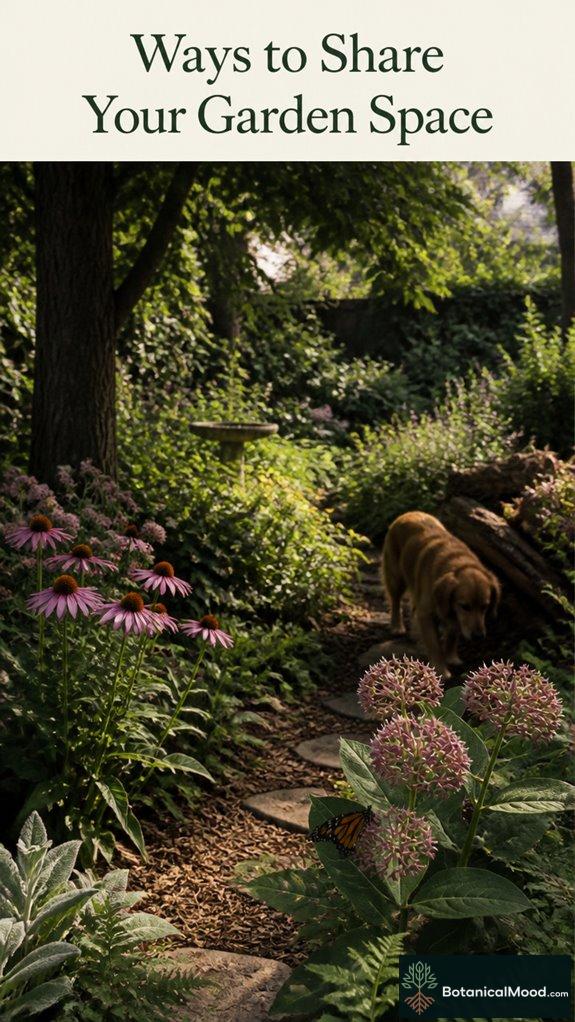
Connecting different sections of a garden to foster biodiversity involves more than just placing patches of plants in proximity; it requires thoughtful spatial planning and ecological awareness.
Creating connected garden zones enhances biodiversity through intentional planning and ecological mindfulness.
- Strategically position native flora (Echinacea purpurea, Asclepias tuberosa) to create continuous habitats that attract pollinators like bees (Apis mellifera) and butterflies (Lepidoptera).
- Incorporate meandering pathways and naturalized edges to facilitate wildlife movement while minimizing disturbance.
- Use layered planting with shrubs (Cornus spp.) and groundcovers (Vinca minor) to provide shelter and diverse food sources.
- Ensure varied microclimates within the environment, encouraging a resilient and thriving ecosystem across garden zones.
- Monitor how pets interact with connected garden spaces by utilizing pet activity tracking technology to ensure your outdoor design supports both wildlife and domestic animal wellbeing.
Using Plants and Structures to Support Wildlife Movement
Have you ever wondered how to effectively facilitate wildlife movement within a garden? By strategically incorporating native plants like Echinacea purpurea (purple coneflower), Asclepias tuberosa (butterfly milkweed), and vibrant berry-producing shrubs such as Viburnum (viburnum), you create essential corridors that attract pollinators, birds, and small mammals.
Integrate natural structures like stone piles, log interlocks, and dense perennial borders to guide movement seamlessly across spaces. Use widened pathways and layered planting designs to reduce barriers, ensuring species like shrews or foxes freely navigate.
These elements strengthen ecological resilience, supporting biodiversity while transforming your garden into a dynamic, wildlife-friendly habitat. You can further enhance your outdoor space by incorporating soothing outdoor sound machines to create a calming environment for both wildlife and any pets that may spend time on your balcony or garden areas. When planning your garden layout, consider selecting durable groundcover options that can withstand animal activity while maintaining the pathways and corridors wildlife depends on.
How to Monitor and Maintain Your Wildlife Corridors
Regular monitoring and diligent maintenance are essential to guarantee that your wildlife corridors remain functional, accessible, and beneficial for biodiversity.
- Conduct monthly patrols, inspecting for obstructions such as fallen branches or accumulated debris that block pathways for species like European hedgehogs (Erinaceus europaeus).
- Track wildlife activity with motion-activated cameras (Bushnell, Reconyx) to assess corridor usage and identify gaps.
- Prune or manage invasive species like Japanese Knotweed (Fallopia japonica) to preserve native plant diversity crucial for pollinators like butterflies (Danaus plexippus).
- Tighten fencing and repair erosion-prone sections promptly, ensuring corridors withstand seasonal shifts and human disturbances, maintaining ecological integrity.
- Consider installing insulated pet doors or shelter structures along corridors to provide wildlife with protected rest areas during harsh winter months, particularly benefiting small mammals and ground-nesting species.
Common Mistakes When Creating Wildlife Pathways
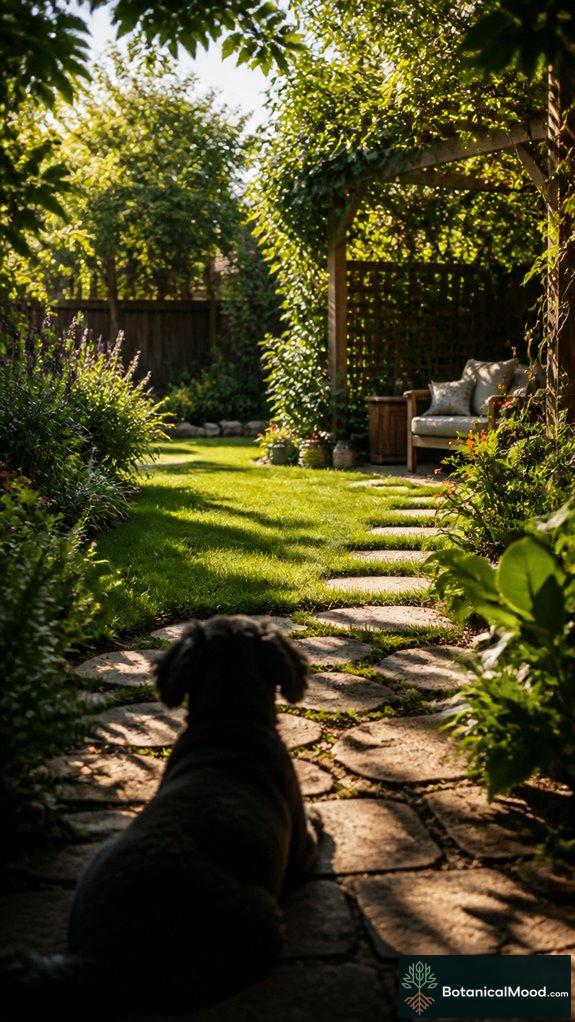
Creating wildlife pathways demands careful planning and precise execution, yet common mistakes can undermine their effectiveness and shortchange the ecological benefits they aim to provide.
Overly narrow or obstructed corridors restrict movement, while using unsuitable materials, such as concrete or artificial barriers, hinders natural access.
Failing to incorporate native plant species—like sumac (Rhus spp.) or wildflowers such as echinacea (Echinacea purpurea)—limits habitat diversity.
Ignoring surrounding land use, including nearby pesticide applications or invasive species, further diminishes habitat quality.
Poorly located pathways, away from shelter or food sources, fail to attract or sustain target wildlife populations, ultimately invalidating conservation efforts. Securing food sources through rat-proof feeders ensures that intentional wildlife pathways support only desired species and maintain ecological balance.
Consider integrating vertical climbing structures into your pathways to provide multiple levels of movement and access for diverse species.
How to Balance Pet Safety and Wildlife Access
Balancing pet safety with wildlife access requires thoughtful consideration of both domestic animals and native fauna, especially in gardens where ecological connectivity and pet containment intersect.
- Install secure fencing, such as welded-wire mesh, with gaps minimal enough to exclude predators while allowing small native insects and amphibians (Anura) to pass.
- Create designated wildlife corridors using native plants like Asarum spp. (wild ginger) to maintain ecological links without endangering pets.
- Use terraced planting to prevent pets from accessing vulnerable areas while providing shelter for birds (Passeriformes).
- Incorporate motion-activated deterrents strategically, like ultrasonic devices, ensuring pet safety and encouraging wildlife movement.
Pollinator-Friendly Plant Bridges
Pollinator-friendly plant bridges serve as vital connectors within diverse garden ecosystems, seamlessly linking fragmented habitats and promoting the movement of essential pollinators such as bees (Apidae), butterflies (Lepidoptera), and hummingbirds (Trochilidae). Strategic plant choices, like native Asclepias tuberosa (butterfly weed), Lantana camara, and Gaura lindheimeri, create vibrant, resource-rich corridors. These bridges enhance biodiversity, support pollination of flowering crops, and reinforce ecological resilience. Creating these spaces also allows you to incorporate pet-safe succulents for winter interest without compromising safety for visiting animals and pets.
| Plant Type | Key Benefits | Ideal Placement |
|---|---|---|
| Native Perennials | Year-round nectar | Connecting flower beds |
| Climbing Vines | Elevated access | Fences, trellises |
| Flowering Shrubs | Shelter and food | Edges for maximum coverage |
| Tall Grasses | Habitat corridors | Underscore natural pathways |
Vertical Garden Walls
Vertical garden walls transform limited vertical spaces into lush, living displays that add both aesthetic appeal and ecological value to gardens.
- Installing modular systems like VistaGreen (Vistagreen) or Earthwalls offers extensive customization, supporting diverse plant species, including epiphytes (Tillandsia spp.), succulents (Crassulaceae), and flowering vines (Campsis radicans).
- Selecting structural materials—metal frames, waterproof panels, or recycled pallets—ensures durability against weather fluctuations while maximizing support for heavy, mature foliage.
- Incorporating irrigation systems with drip emitters or hydroponic setups boosts plant health and reduces maintenance. Cold frame structures can also be integrated into vertical designs to extend growing seasons for winter greens and other cold-hardy plants.
- Utilizing color theory—complementary greens (Foliage species) contrasted with vibrant blooms—commands visual dominance, transforming walls into commanding botanical statements.
- Maintaining vertical gardens with natural deodorizers keeps pet areas adjacent to living walls fresh while preventing odor accumulation in shared outdoor spaces.
Designing Non-Toxic Plant Zones
When designing plant zones intended to be non-toxic, it’s essential to prioritize species selection and spatial organization that minimize potential risks to children, pets, or wildlife. Opt for plants like lavender (Lavandula angustifolia), blue-eyed grass (Sisyrinchium angustifolium), and native deciduous shrubs such as serviceberry (Amelanchier spp.), that are recognized for their safety. Use barriers and strategic placement to prevent unintended contact. Consider placement near play areas for easy supervision, avoiding toxic plants like foxglove (Digitalis purpurea) or oleander (Nerium oleander). Incorporating dog paths into your garden design can help direct pets away from sensitive plant areas while providing them with designated safe routes. For additional pest management, consider installing ultrasonic pest repellers around garden perimeters to protect your non-toxic plant zones from unwanted wildlife damage. Use barriers and strategic placement to prevent unintended contact. Consider placement near play areas for easy supervision, avoiding toxic plants like foxglove (Digitalis purpurea) or oleander (Nerium oleander).
| Safe Plants | Risky Plants | Placement Strategy |
|---|---|---|
| Lavender (Lavandula ) | Foxglove (Digitalis ) | Near play zones, out of reach |
| Blue-eyed grass | Oleander (Nerium) | Centered in designated zones |
| Serviceberry (Amelanchier) | Lily of the valley | Borders for visual barrier |
| American holly | Castor bean (Ricinus) | Hang or high spots for safety |
FAQ
Can Community Gardens Be Integrated Into Wildlife Corridors?
Yes, community gardens can be integrated into wildlife corridors by designing native plant buffers and maintaining natural habitat areas, allowing us to promote biodiversity while fostering community connection and making urban spaces more resilient and eco-friendly.
What Permits Are Needed for Creating Wildlife Pathways?
You need permits from your local planning or environmental agencies to create wildlife pathways. I recommend consulting with authorities early, as requirements vary; obtaining these permits guarantees your project is compliant, powerful, and truly beneficial for local ecosystems.
How Do Wildlife Corridors Impact Local Water Drainage?
Wildlife corridors enhance local water drainage by slowing runoff, reducing erosion, and filtering pollutants. I’ve seen firsthand how they strengthen ecosystems, making neighborhoods more resilient and ensuring cleaner groundwater, empowering communities to protect and sustain their environment effectively.
Are There Specific Safety Concerns for Children Near Wildlife Paths?
Absolutely, there are serious safety concerns for children near wildlife paths—sharp plants, unpredictable animals, and uneven terrain can pose grave risks. Always supervise your kids closely to keep them safe and prevent dangerous encounters.
How Can I Involve Neighbors in Sharing Garden Spaces?
I actively involve neighbors by hosting garden exchanges, planning joint projects, and encouraging shared responsibilities. This approach empowers the community, fosters collaboration, and transforms our collective space into a thriving, inclusive environment everyone takes pride in.
Summary
By integrating thoughtfully designed wildlife corridors, vibrant native plant bridges, and secure zones for pets, you transform your garden into a thriving mosaic of biodiversity and safety. These features serve as ecological arteries that support the graceful flow of wildlife while preserving human enjoyment. Just as an orchestra harmonizes various instruments, a well-planned garden balances aesthetics, ecological function, and safety—creating a sanctuary where both nature and your loved ones can flourish, intertwining beauty and purpose seamlessly.